
Sushi’s Journey to the West: How Japan's Cuisine Became a Global Sensation


Welcome to Feudal Japan History, where we delve into the rich tapestry of Japan's feudal era, uncovering the intricate layers of its historical, cultural, and societal fabric. Today, we invite you on a tantalizing journey through our latest article, “Sushi’s Journey to the West: How Japan's Cuisine Became a Global Sensation.” Discover how this beloved dish not only tantalized taste buds but also transformed cultural perceptions across the globe. What secrets lie behind sushi’s meteoric rise in Western society?
Join us as we unravel this culinary phenomenon and its profound impact on the world. Your exploration of Japan's fascinating past begins now!
-
Sushi's Journey to the West: Understanding the Cultural Impact of Sushi in the West
- Introduction to Sushi: A Brief Overview of Its Origins
- The Cultural Impact of Sushi in the West
- Key Factors Influencing Sushi's Adoption in the West
- The Evolution of Sushi Restaurants in Western Countries
- Challenges and Misconceptions Surrounding Sushi
- Common Myths About Sushi in the West
- Sustainability and Ethical Sourcing in Sushi
- Conclusion: The Lasting Legacy of Sushi in Western Cuisine
- Further Reading and Resources
- Frequently Asked Questions
- Final Reflection: The Global Evolution of Sushi and Its Cultural Impact
- Savor the Flavor: Dive Into the World of Sushi!
Sushi's Journey to the West: Understanding the Cultural Impact of Sushi in the West
Sushi, a culinary art form that encapsulates the essence of Japanese culture, has transcended its geographical boundaries to become a global phenomenon. From its humble beginnings in Japan, sushi has not only made its way onto menus around the world but has also undergone a transformation that reflects the diverse palates of international diners.
This article delves into the intricate journey of sushi from its origins to its widespread acceptance in Western cuisine, examining the profound cultural impact of sushi in the West. By exploring historical, social, and culinary narratives, we aim to illuminate the factors that have contributed to sushi's status as a beloved dish far beyond its homeland.
Introduction to Sushi: A Brief Overview of Its Origins
Sushi's history is rich and multifaceted, tracing back to ancient Japan where it began as a method of preserving fish through fermentation. This practice, known as narezushi, involved wrapping fish in fermented rice, allowing it to ferment and thus extend its shelf life. Over the centuries, sushi evolved, with the introduction of nigiri-zushi in the Edo period (1603-1868), which featured fresh fish atop small balls of vinegared rice. This innovation marked a significant shift, transforming sushi into a fast and convenient dish for the bustling Edo (now Tokyo) populace.
Today, sushi encompasses a variety of styles and ingredients, ranging from the traditional to the contemporary. The evolution of sushi is not just a culinary transformation; it also mirrors the societal changes and globalization that have influenced Japanese culture.
The Cultural Impact of Sushi in the West
The introduction of sushi to Western countries, particularly from the mid-20th century, marked a pivotal moment in the fusion of culinary traditions. Its initial popularity was fueled by Japanese immigrants who brought their cuisine to the United States and other Western nations. The first sushi restaurant in the U.S. opened in Los Angeles in 1966, paving the way for sushi to capture the imagination of American diners.
As sushi began to appear in major cities, it was often met with curiosity and intrigue. The colorful presentation, unique flavors, and artistic preparation techniques appealed to food enthusiasts seeking novel gastronomic experiences. Notably, sushi's image as a healthy and sophisticated dining option contributed to its allure, leading to the rise of sushi bars and conveyor belt sushi restaurants in urban centers.
The cultural impact of sushi in the West can be observed through various lenses:
- Culinary Diversity: Sushi has inspired a wave of fusion cuisine, integrating local ingredients and flavors. Variations such as the California roll have emerged, appealing to Western tastes while still maintaining a connection to traditional sushi.
- Social Experience: Sushi dining has become a communal and social activity, with sushi-making classes and sushi parties gaining popularity. This trend fosters cultural exchange and appreciation, as individuals engage with Japanese customs and etiquette surrounding sushi consumption.
- Cultural Symbolism: Sushi has transcended its status as mere food to become a cultural symbol of Japan. It represents the artistry of Japanese cooking and has been embraced by celebrities and chefs worldwide, further solidifying its place in global cuisine.
The journey of sushi from Japan to the West is a testament to the interconnectedness of food and culture. As sushi continues to evolve and adapt to new environments, its cultural impact remains profound, influencing culinary practices and fostering cross-cultural dialogue.
Key Factors Influencing Sushi's Adoption in the West
The adoption of sushi in Western countries can be attributed to several key factors that have shaped its journey from a traditional Japanese dish to a global culinary phenomenon. Understanding these factors provides insight into how sushi has become an integral part of the dining culture in various parts of the world.
One of the most significant influences is globalization, which has facilitated the exchange of food cultures across borders. As international travel and trade increased, so did the exposure to diverse cuisines. Additionally, the growing interest in health and wellness has made sushi appealing due to its fresh ingredients and perceived health benefits.
Another critical factor is the rise of culinary fusion, where traditional recipes are adapted to suit local tastes. This adaptation has led to the creation of new sushi variations that resonate with Western palates, further enhancing its popularity.
Moreover, media representation plays a vital role in shaping perceptions about sushi. Film, television, and social media have showcased sushi in various contexts, increasing its visibility and desirability among Western audiences.
Globalization and Culinary Fusion
Globalization has dramatically transformed the way people around the world experience food. In the case of sushi, the late 20th century saw a surge in global travel and cultural exchange, allowing Western diners to discover this Japanese delicacy. As sushi restaurants began opening in major cities, they introduced a new culinary experience that was both exotic and appealing.
Culinary fusion has played a pivotal role in sushi's adaptation. Chefs in the West have creatively reinterpreted traditional sushi, introducing ingredients such as cream cheese, avocado, and spicy mayonnaise, which cater to local tastes. This innovation has given rise to popular rolls, such as the California roll, which, while not authentically Japanese, have become beloved staples in many sushi restaurants.
The blending of culinary traditions has also led to the emergence of sushi-inspired dishes that reflect local flavors. For example, tempura sushi combines the light, crispy batter of tempura with traditional sushi elements, creating a unique dish that resonates with Western diners. This fusion not only preserves the essence of sushi but also makes it more accessible and relatable to a diverse audience.
Media Representation of Sushi
Media representation has significantly influenced the cultural impact of sushi in the West. From films and television shows to social media platforms, sushi has been depicted as a trendy, sophisticated, and even glamorous food choice. This portrayal has helped demystify sushi for many people who may have previously viewed it as unfamiliar or intimidating.
Prominent movies and television series featuring sushi have contributed to its allure. For instance, scenes set in sushi bars often highlight the artistry involved in sushi-making, showcasing the skill of sushi chefs and the aesthetic presentation of the dishes. This has not only enhanced the appeal of sushi but also elevated its status as a culinary art form.
Social media platforms, particularly Instagram, have played a crucial role in popularizing sushi among younger demographics. The visual nature of these platforms allows for vibrant, eye-catching images of sushi, making it highly shareable and desirable. As food enthusiasts post their sushi experiences, they contribute to a growing trend that encourages others to explore sushi dining, further solidifying its place in Western food culture.
The Evolution of Sushi Restaurants in Western Countries
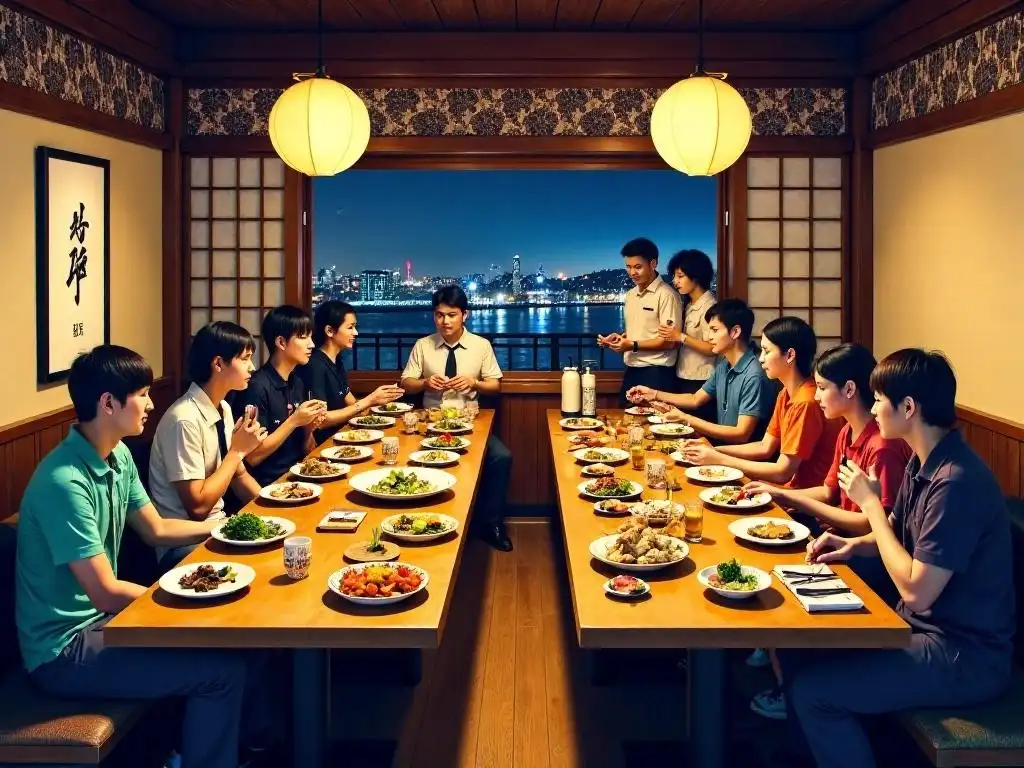
The evolution of sushi restaurants in Western countries has been a fascinating journey marked by adaptation and transformation. Initially introduced as niche dining experiences, sushi establishments have since evolved into mainstream options that cater to a wide range of customers.
This evolution can be divided into distinct phases, reflecting changing consumer preferences and the broader culinary landscape. The transition from traditional to contemporary sushi bars has paved the way for new dining experiences that appeal to diverse audiences.
From Traditional to Contemporary Sushi Bars
When sushi first appeared in Western countries, it was often served in traditional settings that emphasized Japanese customs and aesthetics. These establishments focused on providing an authentic experience, complete with traditional decor, serving styles, and menu offerings. However, as sushi gained popularity, the need for adaptation became apparent.
Contemporary sushi bars have emerged, blending traditional elements with modern sensibilities. These establishments often feature a more casual atmosphere, making sushi accessible to a wider audience. The menu has also diversified, incorporating creative rolls and fusion dishes that cater to varying tastes and dietary preferences.
Additionally, many contemporary sushi bars emphasize sustainability by sourcing local and seasonal ingredients. This approach not only appeals to health-conscious consumers but also aligns with growing concerns about environmental impact. As a result, sushi dining has transformed into a more inclusive and innovative experience.
The Impact of Sushi on Western Dining Culture
Sushi's rise in popularity has had a profound impact on Western dining culture. It has introduced new culinary practices and has influenced the way people perceive and enjoy food.
One of the most notable changes is the growing acceptance of raw fish in Western cuisine. Sushi has helped to normalize the consumption of raw seafood, leading to a broader appreciation for diverse seafood dishes. This shift is evident in the increasing availability of sashimi, poke bowls, and other raw fish dishes in various dining establishments.
Furthermore, sushi has contributed to the trend of experiential dining, where the emphasis is placed on the overall experience rather than just the food. Diners often seek out sushi bars for the artistry of sushi preparation, the ambiance of the restaurant, and the opportunity to engage with chefs. This focus on experience has influenced other culinary trends, encouraging restaurants to create memorable dining experiences that go beyond traditional meal service.
The cultural impact of sushi in the West is a result of various interconnected factors, including globalization, culinary innovation, and media representation. As sushi continues to evolve, it will undoubtedly remain a cherished and influential part of the Western culinary landscape.
Challenges and Misconceptions Surrounding Sushi
As sushi has gained popularity in the West, several challenges and misconceptions have emerged that can distort its cultural significance and culinary authenticity. Many of these issues stem from a lack of understanding of sushi's rich history and the various forms it can take.
One significant challenge is the oversimplification of sushi, where it is often reduced to a few basic types, primarily nigiri and rolls. This narrow perspective neglects the vast array of sushi varieties, such as sashimi, chirashi, and temaki, each with its unique preparation and cultural context. Furthermore, the widespread availability of sushi in fusion restaurants has led to the introduction of non-traditional ingredients and techniques, which can dilute the original essence of the cuisine.
Another misconception concerns the perception of sushi as merely a trendy food item. While it is indeed popular in social settings, sushi embodies deep-rooted traditions, craftsmanship, and regional variations that reflect Japan's cultural heritage. This often gets lost in translation as sushi becomes a symbol of luxury dining rather than a staple of Japanese cuisine.
Common Myths About Sushi in the West
Sushi's rise in Western culture has given rise to several myths that can mislead diners about its true nature and origins. Here are some of the most common misconceptions:
- Sushi is all raw fish: While raw fish is a prominent feature of many sushi dishes, it is not the only element. Sushi can also include cooked seafood, vegetables, and even fruits. The term "sushi" actually refers to the vinegared rice used in the dish, rather than the fish itself.
- Sushi is unhealthy: Many people perceive sushi as a low-calorie meal option; however, this can vary greatly depending on the ingredients and preparation methods. Sushi rolls loaded with cream cheese, fried ingredients, or heavy sauces can be high in calories and fat. Conversely, traditional sushi, especially sashimi, can be a healthy choice when made with fresh fish and vegetables.
- All sushi is the same: There is a wide variety of sushi styles, from the hand-formed nigiri to the rolled maki. Each style is influenced by regional ingredients and culinary traditions, leading to a diverse and rich tapestry of flavors.
- Sushi is a fast food: The rapid growth of sushi bars and conveyor belt sushi (kaiten-zushi) has led to the perception that sushi is fast food. However, authentic sushi preparation requires skill and patience, with chefs often dedicating years to mastering their craft.
Sustainability and Ethical Sourcing in Sushi
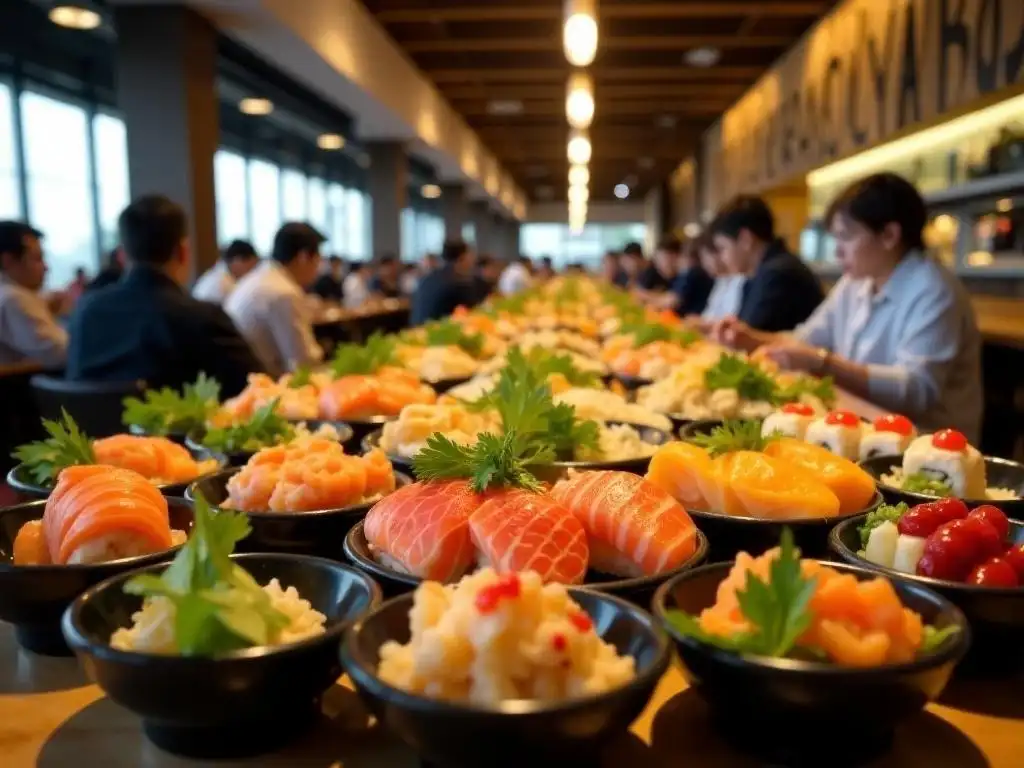
As sushi gains popularity in the West, the sustainability and ethical sourcing of its ingredients have become pressing issues. The demand for certain fish species, particularly tuna, has led to overfishing and declining populations. This has raised concerns among environmentalists and consumers alike regarding the long-term viability of sushi as a cuisine.
Many sushi chefs and restaurants are now taking steps to ensure that they source their fish responsibly. This involves:
- Utilizing sustainable seafood: Chefs are increasingly turning to fish that are abundant and less threatened, such as mackerel and sardines. This not only helps preserve marine ecosystems but also encourages diners to appreciate the diversity of flavors available.
- Promoting local sourcing: By sourcing ingredients locally, sushi restaurants can reduce their carbon footprint and support local fisheries. This practice also allows chefs to highlight regional specialties that may not be widely known.
- Educating consumers: Many establishments are taking the initiative to educate their customers about sustainable practices, helping to raise awareness and encourage informed choices.
The focus on sustainability not only reflects a growing concern for the environment but also highlights the importance of maintaining the integrity of sushi as a culinary art form.
Conclusion: The Lasting Legacy of Sushi in Western Cuisine
The journey of sushi from Japan to the West is a testament to the evolving nature of culinary traditions and cultural exchange. As sushi continues to adapt and thrive in Western cuisine, it leaves a lasting legacy that transcends mere food trends.
The cultural impact of sushi in the West has sparked a greater interest in Japanese cuisine as a whole, leading to a deeper appreciation of its flavors, techniques, and philosophies. Sushi has opened doors for other aspects of Japanese culinary culture, such as sake, ramen, and tempura, enriching the global culinary landscape.
Moreover, the ongoing dialogue around sustainability, authenticity, and culinary education ensures that sushi remains a vibrant and dynamic part of Western dining culture. As consumers become more discerning, the appreciation for traditional sushi craftsmanship and ethical sourcing will only continue to grow, solidifying sushi's place in the pantheon of global cuisine.
Further Reading and Resources
To gain a deeper understanding of the cultural impact of sushi in the West and its historical journey, a variety of insightful resources are available. Here are some recommended readings and materials that explore the phenomenon of sushi and its significance beyond Japan:
-
Books:
-
Sushi: The Beginner's Guide by Aya Nishimura
This book provides an accessible introduction to sushi, its ingredients, and techniques, while also exploring its cultural implications in Western society.
-
The Sushi Economy: Globalization and the Making of a Modern Delicacy by Sasha Issenberg
This work delves into the globalization of sushi, tracing its journey from Japan to America and examining its economic and cultural ramifications.
-
Japanese Cooking: A Simple Art by Shizuo Tsuji
This classic provides comprehensive insights into Japanese cuisine, including sushi, while contextualizing its cultural significance.
-
-
Articles and Journals:
- "The Globalization of Sushi: A Case Study of Cultural Adaptation" – This academic article analyzes how sushi has been adapted in various Western cultures and the implications of these adaptations.
- "Sushi and the West: A History of Cultural Exchange" – A journal entry that discusses the timeline of sushi's introduction to Western markets and its evolving perception.
-
Documentaries and Films:
-
Jiro Dreams of Sushi
A critically acclaimed documentary that follows Jiro Ono, an esteemed sushi chef, and offers insights into the artistry of sushi-making and its cultural significance.
-
Sushi: The Global Catch
This documentary explores the sushi industry worldwide, focusing on the environmental impacts and cultural shifts associated with its popularity.
-
-
Websites and Online Platforms:
- The Sushi Chef Institute offers various online courses and resources for those interested in learning about sushi preparation and its cultural roots.
- Sushi FAQ is an informative website that covers a wide range of topics related to sushi, from history and recipes to cultural significance in different regions.
-
Cultural Societies:
- Joining local Japanese culture societies or culinary clubs can provide firsthand experiences and discussions about sushi's cultural impact, as well as opportunities to engage with experts in the field.
By exploring these resources, readers can enrich their knowledge of sushi's evolution and its profound cultural impact in the West, understanding how this traditional Japanese dish has transformed into a global sensation.
Frequently Asked Questions
What is the historical significance of sushi in Japanese culture?
Sushi has deep cultural roots in Japan, initially serving as a method of preserving fish. Over time, it evolved into a symbol of Japanese culinary artistry and tradition.
How did sushi become popular in the West?
Sushi gained popularity in the West during the late 20th century, thanks to the globalization of food and the rise of Japanese restaurants, making it accessible to a wider audience.
What are the different types of sushi enjoyed in Western countries?
In the West, various sushi varieties have emerged, including California rolls and fusion sushi, which diverge from traditional Japanese styles while still celebrating the essence of sushi culture.
How has sushi influenced Western food culture?
Sushi's influence is evident in its incorporation into various cuisines, leading to the creation of sushi-inspired dishes and a growing appreciation for Japanese cuisine as a whole.
What is the role of sushi in contemporary dining experiences?
Today, sushi plays a significant role in gastronomic experiences, often featured in upscale restaurants and social gatherings, showcasing its evolution from a traditional dish to a global culinary sensation.
Final Reflection: The Global Evolution of Sushi and Its Cultural Impact
Sushi's journey from the shores of Japan to the bustling streets of the West is not just a culinary phenomenon; it is a testament to the power of cultural exchange. As we explore how sushi has transcended its origins to become a beloved dish worldwide, we recognize that this transformation reflects broader themes of globalization and cultural appreciation. The popularity of sushi today underscores a striking reality: food is a universal language that connects us across borders and traditions.
Sushi's cultural impact in the West has reshaped not only our dining habits but also our understanding of Japanese culture. The fusion of traditional techniques with local ingredients has led to innovative creations that celebrate diversity while honoring authenticity. As we savor a California roll or a spicy tuna sashimi, we are reminded of the intricate tapestry of influences that shape our culinary landscape. Food is not just what we eat; it is a reflection of who we are and where we come from.
This ongoing dialogue between cultures enriches our lives and fosters a deeper appreciation for the stories behind each dish.
As we reflect on sushi's remarkable journey, let us embrace the lessons it offers about openness and curiosity. Consider how you can explore new cuisines and cultures in your own life, fostering connections that transcend boundaries. Whether it's trying your hand at making sushi at home or visiting a local sushi bar, each experience is an opportunity to celebrate diversity and cultivate understanding. In doing so, we not only honor the journey of sushi but also contribute to a world that values cultural exchange and unity.
Savor the Flavor: Dive Into the World of Sushi!
Thank you for joining us on this delicious journey of sushi's transformation from a local delicacy in Japan to a global culinary sensation! You’ve uncovered the rich history and cultural significance behind this beloved dish. Now, it’s time to bring these insights into your own life.
Here are some engaging ways to take action:
- Try Your Hand at Making Sushi: Gather your friends or family and host a sushi-making night. It's a fun, hands-on way to connect with the culture and flavors!
- Explore Local Sushi Restaurants: Embark on a culinary adventure by trying different sushi spots in your area—who knows, you might discover a new favorite!
- Share the Love: Spread the joy of sushi! Share this article with friends on social media and invite them to explore this global food phenomenon with you.
As you embark on your sushi adventures, what’s the most surprising ingredient you would love to try in your next sushi roll? We’d love to hear your thoughts!