🍵 Traditional Tea Ceremony Essentials in Japanese Cuisine
Discover the essential tools, ingredients, customs, and cultural principles behind the traditional Japanese tea ceremony. This subcategory explores Chanoyu and Sadō, offering expert-driven guidance on tea ceremony utensils, matcha preparation, Japanese tea etiquette, seasonal rituals, and the historical traditions that shaped tea culture during Japan’s feudal era. Whether you are researching Japanese cuisine, planning a tea ceremony experience, or studying the cultural legacy of samurai-era Japan, these resources provide a detailed introduction to the refined world of Japanese tea ceremony essentials.
🍵 Matcha and Traditional Japanese Tea
Learn how matcha green tea became the defining beverage of the Japanese tea ceremony. Articles in this section explain the history of powdered tea, its connection to Zen Buddhism, and the role of tea masters such as Sen no Rikyū in developing the principles of simplicity, harmony, and mindfulness. Readers can explore the differences between ceremonial-grade matcha, everyday green tea, and other varieties used in Japanese tea culture.
You can also discover practical information about storing matcha, selecting high-quality tea powder, measuring the correct amount, and preparing a smooth bowl of whisked tea. These guides emphasize authentic Japanese tea preparation while explaining how flavor, texture, color, and presentation contribute to the complete tea ceremony experience.
🥄 Essential Japanese Tea Ceremony Utensils
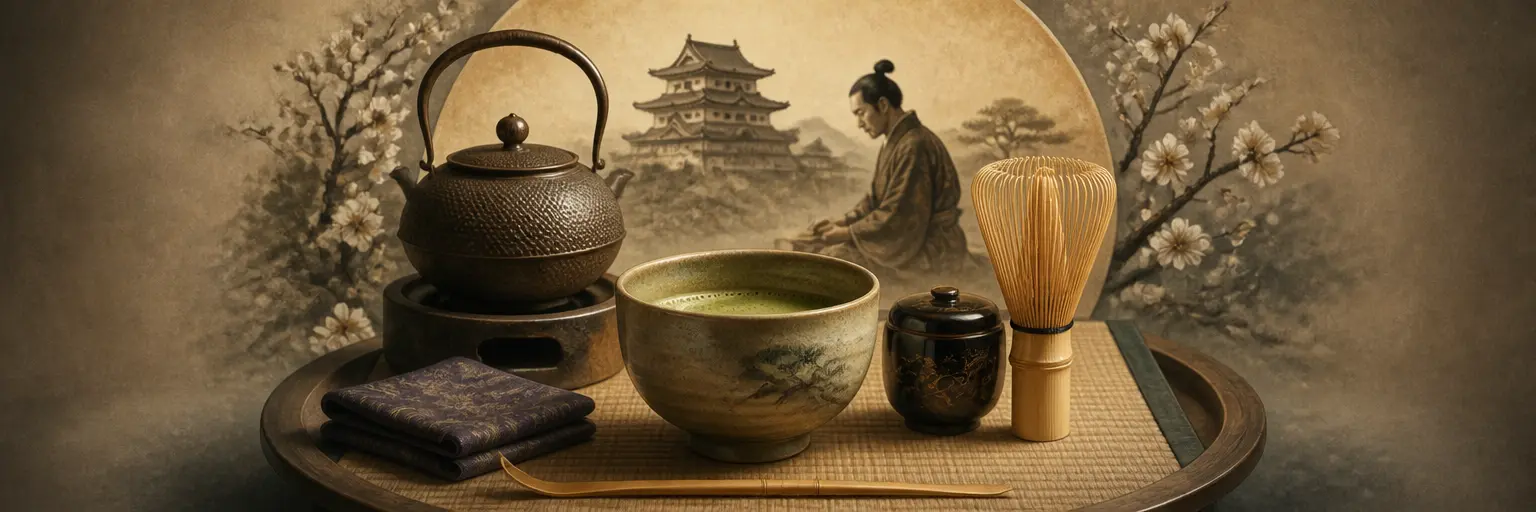
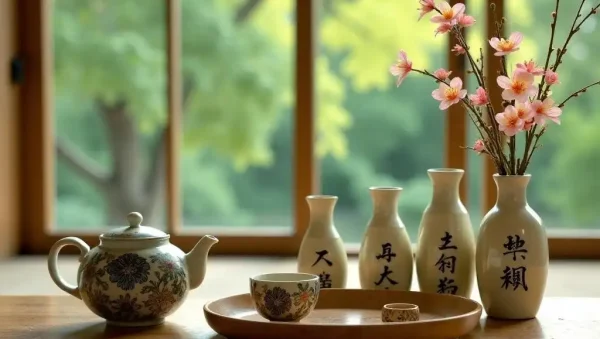
Explore the traditional utensils used in Chanoyu, including the chawan tea bowl, chasen bamboo whisk, chashaku tea scoop, natsume tea caddy, kama iron kettle, furo brazier, and mizusashi water container. Each object has a specific purpose, symbolic meaning, and place within the carefully ordered movements of the ceremony.
These resources explain how Japanese tea ceremony tools are selected, handled, cleaned, and displayed. Readers will learn why handmade ceramics, bamboo craftsmanship, lacquerware, and seasonal decorations are valued, as well as how the arrangement of utensils reflects wabi-sabi aesthetics, hospitality, restraint, and respect for natural materials.
🏯 Tea Ceremony History in Feudal Japan
Understand the development of Japanese tea culture from its early introduction from China to its transformation during the Muromachi, Sengoku, and Edo periods. This section examines the influence of Buddhist temples, aristocratic households, warrior families, merchants, and influential tea masters on the growth of the Japanese tea ceremony.
Readers can expect historically grounded discussions of tea gatherings, tea houses, political diplomacy, and the relationship between samurai culture and Chanoyu. The articles place tea ceremony practices within the broader history of feudal Japan, showing how a seemingly quiet ritual could express authority, social status, cultural refinement, and philosophical ideals.
🌿 Wabi-Sabi, Harmony, and Tea Ceremony Philosophy
Discover the central principles that give the Japanese tea ceremony its distinctive character. Concepts such as wabi, sabi, wa, kei, sei, and jaku help explain why simplicity, imperfection, cleanliness, respect, and tranquility are essential to the ritual. These ideas connect tea preparation with Japanese aesthetics and Zen-inspired approaches to daily life.
Guides in this section explore how philosophical values appear in the tea room, from subdued architecture and natural materials to handcrafted bowls and seasonal flowers. Readers will gain a deeper understanding of why every gesture, pause, and object is meaningful within an authentic Japanese tea ceremony.
👘 Japanese Tea Ceremony Etiquette and Guest Customs
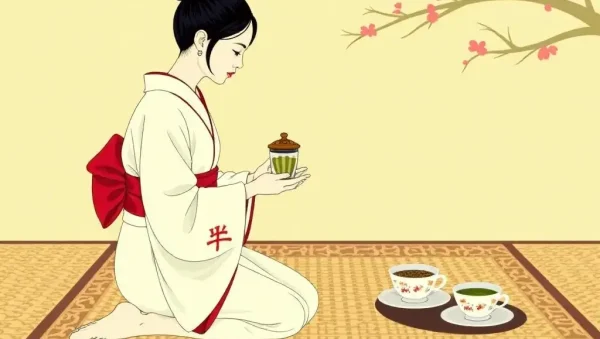
Learn how guests participate respectfully in a formal or informal tea gathering. Topics include entering the tea room, bowing, observing the tokonoma alcove, rotating the tea bowl, receiving wagashi sweets, drinking matcha, and expressing appreciation to the host. These explanations are useful for travelers, students, cultural enthusiasts, and anyone attending a Japanese tea ceremony.
The content also clarifies common etiquette mistakes and explains the purpose behind each custom. By understanding Japanese tea ceremony manners rather than simply memorizing rules, readers can participate with confidence and show proper respect for the host, the other guests, the utensils, and the traditions of Japanese culture.
🍡 Wagashi, Seasonal Foods, and Tea Ceremony Cuisine
Explore the delicate sweets known as wagashi, which are traditionally served before matcha to balance the tea’s rich, grassy bitterness. Articles cover popular varieties such as nerikiri, yokan, dango, higashi, and seasonal fruit-inspired confections, along with their ingredients, shapes, colors, and cultural symbolism.
This section also examines the connection between Japanese cuisine and tea ceremony dining, including kaiseki meals, seasonal presentation, portion control, and the importance of freshness. Readers will learn how food, tea, tableware, and decoration work together to create a harmonious and memorable cultural experience.
🛖 Tea Rooms, Gardens, and Traditional Ceremony Settings
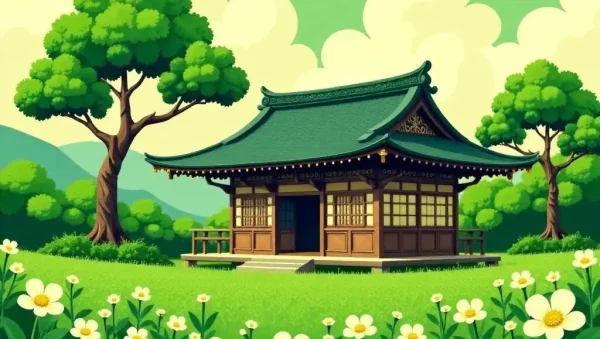
Discover the design features of a traditional Japanese tea room, including the nijiriguchi entrance, tatami flooring, tokonoma alcove, hearth, hanging scroll, flower arrangement, and carefully arranged garden path. These architectural elements create a calm transition from everyday life into the focused atmosphere of the tea gathering.
Guides explain how tea gardens, stone paths, lanterns, basins, and natural landscaping prepare guests mentally and physically for the ceremony. Readers can explore the importance of Japanese tea house architecture, spatial simplicity, controlled movement, and seasonal scenery in shaping the mood of Chanoyu.
🧘 Preparing for an Authentic Tea Ceremony Experience
Find practical advice for creating a respectful tea ceremony experience at home or visiting a traditional tea house in Japan. Topics include choosing essential equipment, preparing water, cleaning utensils, selecting matcha, arranging sweets, and adapting formal rituals for beginners without losing their cultural meaning.
Whether you are studying Japanese history, exploring Japanese food traditions, or seeking a mindful cultural activity, this section offers reliable guidance supported by historical context. The goal is to help readers appreciate traditional Japanese tea ceremony culture as a living practice rather than a decorative performance.
❓ Frequently Asked Questions About Traditional Tea Ceremony Essentials
🍵 What is the Japanese tea ceremony?
The Japanese tea ceremony, commonly called Chanoyu or Sadō, is a formal practice centered on preparing and serving matcha green tea. It combines hospitality, etiquette, Japanese aesthetics, seasonal awareness, and mindful movement. The ceremony is not only about drinking tea; it is an intentional cultural experience involving the host, guests, utensils, architecture, food, and atmosphere.
🥄 What utensils are essential for a Japanese tea ceremony?
The core utensils include a chawan tea bowl, chasen bamboo whisk, chashaku tea scoop, matcha container, hot-water kettle, water container, and tea cloth. Formal ceremonies may require additional items such as a brazier, ladle, brazier screen, incense container, and specialized serving utensils. Beginners can start with a high-quality bowl, whisk, scoop, tea powder, and reliable hot-water source.
🌿 What type of tea is used in a traditional tea ceremony?
Traditional Japanese tea ceremonies use finely powdered matcha, a shade-grown green tea that is whisked with hot water. Koicha, or thick tea, is prepared for formal settings, while usucha, or thin tea, is more commonly served in introductory and everyday gatherings. The quality of the matcha affects its color, aroma, sweetness, bitterness, and texture.
👘 What should guests do during a Japanese tea ceremony?
Guests should arrive respectfully, follow the host’s instructions, bow appropriately, admire the tea room and utensils, receive sweets before drinking tea, and handle the bowl carefully. It is customary to rotate the bowl before drinking so that the front does not touch the lips. Quiet observation, gratitude, and awareness of the host’s preparation are more important than perfect familiarity with every rule.
🏯 How is the tea ceremony connected to feudal Japan?
Tea culture became especially influential among Buddhist monks, samurai leaders, merchants, and political elites during Japan’s feudal period. Tea gatherings could serve as spaces for diplomacy, social interaction, and artistic appreciation. Tea masters, particularly Sen no Rikyū, helped establish ideals of simplicity, humility, and rustic beauty that continue to define Japanese tea ceremony history today.