The Origins of Sushi: Tracing the Roots of Japan's Iconic Dish
Discover the fascinating history of sushi in Japan, exploring its evolution from ancient preservation methods to a beloved culinary art. This journey…
Read article
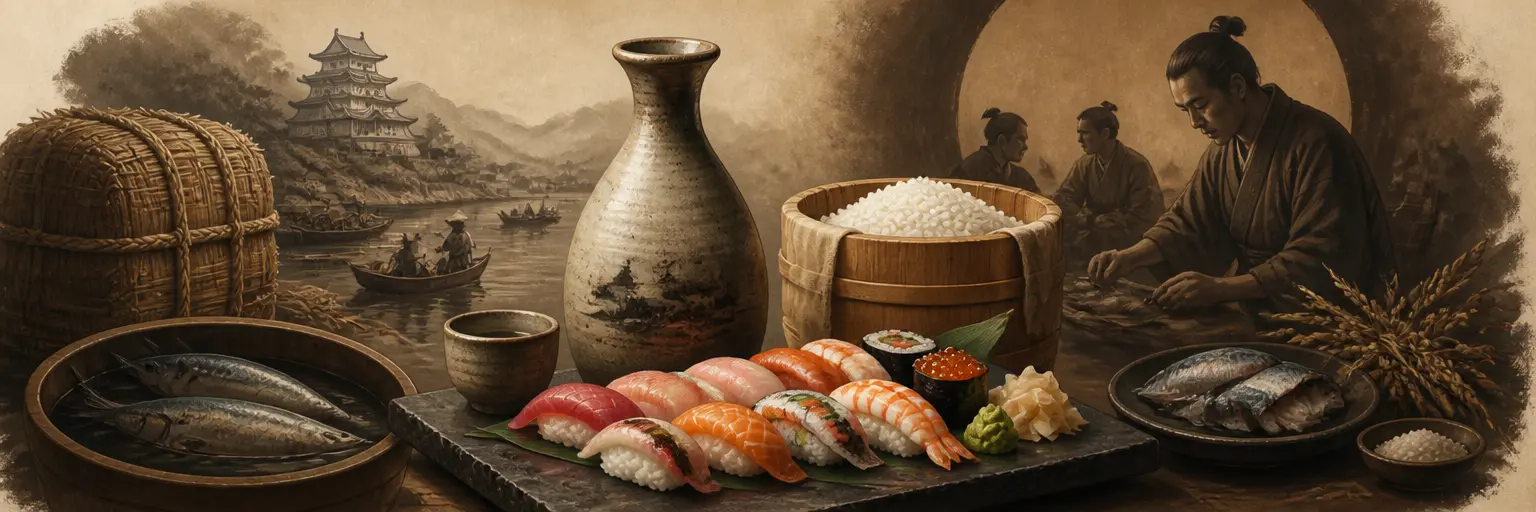
🍣 Discover the fascinating history of sushi and sake, two iconic pillars of Japanese cuisine shaped by centuries of tradition, innovation, and cultural exchange. Explore how sushi evolved from an ancient preservation method into a global culinary art, while sake developed from sacred rice brew into Japan’s celebrated national drink. From samurai-era customs to regional ingredients and time-honored techniques, uncover the flavors and stories that bring Feudal Japan’s food culture to life.

Discover the fascinating history of sushi in Japan, exploring its evolution from ancient preservation methods to a beloved culinary art. This journey…
Read article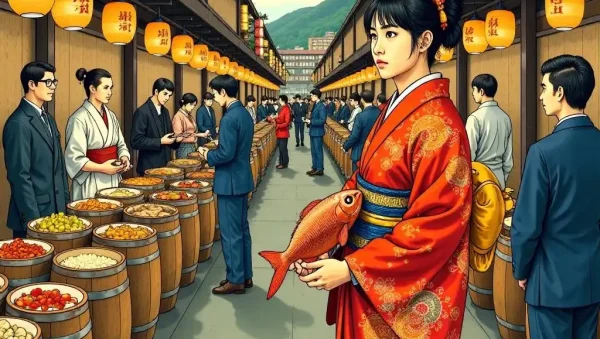
🍣 The Edo period sushi and sake development was profoundly influenced by trade, which introduced new ingredients and techniques. This era not…
Read article
🍶 Discover the enchanting world of traditional Japanese sake rituals, where each sip is steeped in history and cultural significance. This exploration…
Read article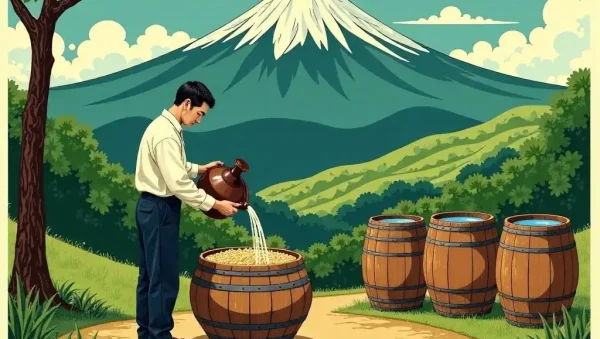
🍶 Sake brewing techniques in Japan blend ancient traditions with modern innovations, reflecting the rich cultural tapestry of Japan’s feudal era. This…
Read article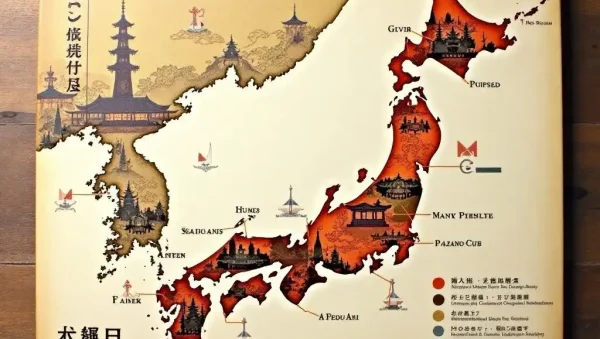
🌍 Geography's impact on sushi and sake production in Japan reveals how regional climates, water sources, and local ingredients shape these iconic…
Read article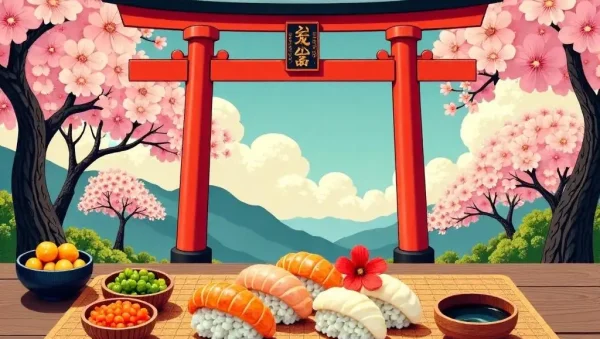
The history of sushi in Japan reflects a fascinating evolution, transforming from a simple preservation method for fish into an intricate culinary…
Read article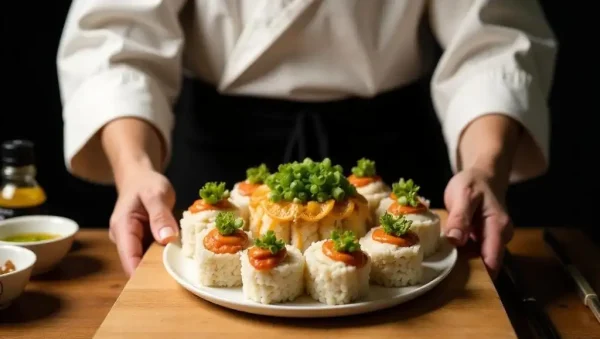
🍣 Dive into the world of traditional sushi making techniques, where each roll tells a story of Japan's feudal era. Discover how…
Read article
🍣 Explore the rich tapestry of Japan's feudal era as we delve into regional sushi and sake variations, revealing how local ingredients…
Read article
Discover the fascinating role of sushi in Feudal Japan history, where samurai not only savored this delicacy but also embraced its cultural…
Read article
Sushi history in feudal Japan reveals how this beloved dish evolved from a practical preservation method to a cultural icon. Explore the…
Read article
🍣 The cultural significance of sushi in Japan transcended mere sustenance during feudal times, embodying social status and artistry. This culinary tradition…
Read article
🍣 Sushi in Japanese festivals plays a vital role, symbolizing prosperity and unity. These culinary delights enhance celebrations, reflecting rich cultural traditions…
Read articleExplore the fascinating history of sushi and sake through the lens of Japanese cuisine, culture, and feudal society. This subcategory examines how preserved fish, fermented rice, and traditional rice wine developed from practical foods into celebrated symbols of Japan. Discover the influence of temples, samurai households, merchants, farmers, coastal communities, and regional traditions on the evolution of sushi and sake in Japanese history. Each article connects culinary traditions with the political, economic, religious, and social changes that shaped feudal Japan.
Learn how early forms of sushi began as a method of preserving fish with fermented rice, long before the modern sushi varieties known today. Articles explore narezushi, fermented fish, rice preservation, and the movement of culinary techniques from Southeast Asia into Japan. Readers can expect clear explanations of how preservation methods changed over time and how rice eventually became an essential part of the dish rather than being discarded.
This section also follows the development of sushi through Japan’s classical and feudal periods, including the growth of regional food customs and urban dining culture. Historical context, traditional ingredients, preparation methods, and changing consumer tastes help explain why sushi became an enduring part of Japanese food heritage.
Discover the long history of sake, Japan’s traditional fermented rice beverage, from early religious offerings to refined production in temples, shrines, villages, and commercial breweries. Articles examine rice polishing, koji mold, fermentation, brewing vessels, and the role of water in producing sake. Readers will gain insight into how ancient brewing knowledge developed into sophisticated regional traditions.
The history of sake is closely connected to Japanese religion, agriculture, taxation, trade, and political authority. Explore how sake was used in Shinto ceremonies, court rituals, samurai celebrations, community festivals, and everyday meals, while learning how feudal institutions influenced its production and distribution across Japan.
Understand how food and drink reflected social status during Japan’s feudal era. Sushi and sake were shaped by the lifestyles of samurai, aristocrats, Buddhist institutions, merchants, artisans, and farming communities. This section considers who produced these foods, who consumed them, and how access to ingredients differed between castle towns, rural villages, fishing settlements, and major ports.
Readers can also explore the connection between cuisine and Japanese social history, including taxation, rice cultivation, trade networks, seasonal labor, and urbanization. Sushi and sake were not merely culinary traditions; they were connected to systems of power, commerce, ceremony, hospitality, and community identity.
Rice was central to Japanese agriculture, economy, religion, and political authority, making it essential to both sushi and sake. Learn how rice cultivation supported the development of fermented foods and beverages, while seasonal harvests influenced festivals and local customs. Articles explain the importance of fermentation in premodern Japan, especially before modern refrigeration and food preservation technology.
This section highlights the broader world of Japanese fermented cuisine, including vinegar, miso, soy sauce, pickles, and koji-based foods. Readers will discover how fermentation transformed basic agricultural products into durable, flavorful, and culturally significant foods that shaped traditional Japanese cooking.
Japan’s geography created remarkable differences in sushi and sake traditions. Explore how coastal communities developed seafood-based preservation methods, while inland areas relied on local grains, river fish, mountain ingredients, and distinctive brewing water. Regional studies reveal why sushi styles and sake flavors vary across Japan.
From historic provinces and castle towns to major brewing centers and fishing ports, this section introduces the regional diversity of Japanese cuisine. Expect discussions of local ingredients, transportation routes, climate, water quality, historical trade, and the preservation of culinary customs through generations.
Examine how historians reconstruct the history of sushi and sake using cookbooks, temple records, tax documents, merchant accounts, artwork, literary sources, archaeological discoveries, and surviving brewing traditions. Articles explain what these sources reveal about ingredients, prices, utensils, dining customs, and food production in premodern Japan.
Because historical evidence can be incomplete, this section also considers how scholars interpret changing terminology and regional descriptions. Expert-driven analysis and careful historical context help distinguish documented practices from later myths, modern assumptions, and popular interpretations of Japanese food history.
The earliest form of sushi in Japan was likely narezushi, a preservation method in which fish was fermented with rice. It was significantly different from modern sushi because the rice was originally used to preserve the fish and was often discarded. Later developments introduced vinegar-seasoned rice and more familiar sushi styles.
Sake is commonly called Japanese rice wine, but this description is not technically exact. Unlike wine, which is produced by fermenting fruit sugars, sake is made from rice through a fermentation process involving koji mold, yeast, and water. Its production is closer in some ways to brewing beer, although sake has its own distinct methods and traditions.
Sake was used in religious ceremonies, offerings, festivals, diplomatic gatherings, samurai banquets, weddings, and daily meals. Temples, shrines, villages, and commercial producers all played roles in sake production. It could also function as a valuable commodity connected to taxation, local economies, and regional trade.
Rice is the foundation of both traditions because it was central to Japanese agriculture and culture. In sushi, rice provides structure, flavor, and preservation potential. In sake brewing, rice is converted into fermentable sugars through koji and then transformed into an alcoholic beverage.
Yes. Regional differences developed because of variations in climate, water, rice quality, seafood availability, transportation, and local customs. Coastal areas often developed distinctive preserved-fish sushi, while inland and mountain communities created recipes based on local ingredients. Sake also developed unique regional profiles based on brewing methods and water sources.