The Culinary Chronicles of Japan's Feudal Era: Recipes to Try This Weekend
Discover the rich flavors of Japan's feudal era with our curated selection of traditional recipes. Immerse yourself in history and culture while…
Read article
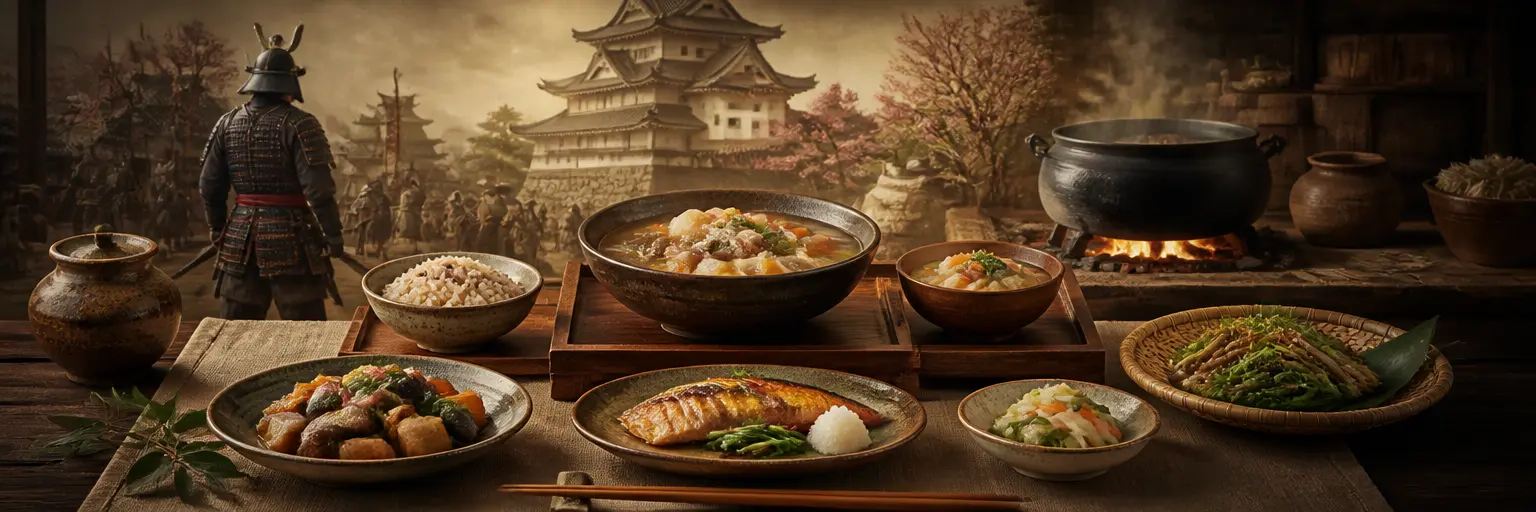
Step into Japan’s feudal past through authentic dishes you can cook today 🍱 Explore traditional Japanese recipes inspired by samurai households, temple kitchens, regional customs, and seasonal ingredients. From hearty one-pot meals to refined rice dishes and preserved foods, discover the flavors, techniques, and cultural stories that shaped Feudal Era cuisine. Perfect for history enthusiasts, home cooks, and anyone seeking an immersive taste of traditional Japanese food.
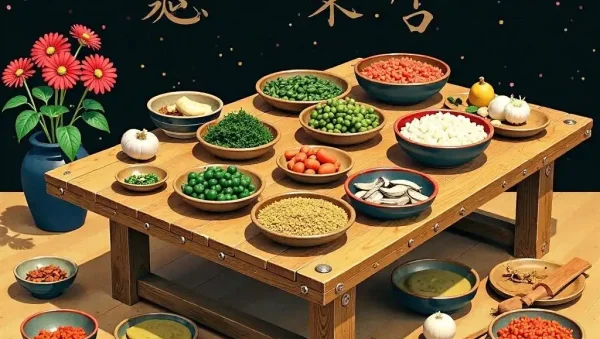
Discover the rich flavors of Japan's feudal era with our curated selection of traditional recipes. Immerse yourself in history and culture while…
Read article
🌸 Discover the rich flavors of historic feudal Japan recipes as we delve into the culinary traditions of shoguns. This article explores…
Read article
🌸 Discover the art of Traditional Samurai Cooking Recipes by immersing yourself in the culinary traditions of Japan's feudal era. Explore the…
Read article
🌸 Discover the rich tapestry of cooking in feudal Japan through recipes inspired by ancient traditions. This article delves into the historical…
Read article
🍱 Discover the rich flavors of Japan’s feudal era with these authentic Japanese feudal era recipes. Experience a culinary journey through history…
Read article
🌸 Discover the rich flavors of Feudal Japan cooking recipes as we blend tradition with modern techniques. Experience the culinary artistry of…
Read article
🍱 Discover the rich culinary heritage of feudal Japan with these 10 authentic recipes. Each dish not only tantalizes your taste buds…
Read article
Discover the rich tapestry of Feudal Japan traditional dishes, where history and culture intertwine. Explore unique flavors and techniques that have shaped…
Read article
Embark on a culinary adventure as we explore Feudal Japan traditional recipes that bring history to your kitchen. Discover authentic dishes that…
Read article
🍣 Discover the rich tapestry of samurai culinary traditions in Japan, where each dish tells a story of honor and heritage. Explore…
Read article
😊 Discover the rich culinary traditions of feudal Japan, where history and culture intertwined to shape exquisite recipes. This article offers modern…
Read article
🌾 Discover the culinary heritage of Feudal Japan with our curated list of staple dishes. Dive into authentic recipes that bring historical…
Read articleDiscover the flavors of Japan’s feudal era with approachable recipes inspired by the meals, ingredients, and cooking traditions of samurai households, Buddhist temples, castle towns, and rural communities. This Japanese cuisine subcategory connects Feudal Japan history with practical home cooking, showing how seasonal produce, rice, miso, soy sauce, seafood, pickles, and simple preservation methods shaped everyday food between the Kamakura, Muromachi, Azuchi-Momoyama, and Edo periods. Each guide explains the historical background of a dish while adapting traditional techniques for modern kitchens, making it easier to cook authentic-inspired samurai-era recipes today.
Rice was central to Japanese life during the feudal era, serving as a staple food, a measure of wealth, and an important part of taxation and social organization. In this section, readers can explore historically inspired rice dishes, mixed-grain meals, rice porridge, steamed preparations, and simple combinations that reflect the food of farmers, merchants, warriors, and castle communities.
Recipes emphasize accessible ingredients and practical preparation while explaining how meals differed according to social status, region, season, and availability. Expect helpful guidance for recreating traditional Japanese home cooking with modern cookware, including rice cookers, pots, bamboo steamers, and cast-iron pans.
Feudal Japan was not defined by one single diet. Samurai households, castle officials, traveling warriors, wealthy merchants, and urban residents enjoyed different levels of access to ingredients and culinary specialization. This section examines dishes inspired by formal meals, banquet foods, travel provisions, and the evolving cuisine of castle towns such as Kyoto, Osaka, and Edo.
Readers can expect recipes that reveal the relationship between food, status, hospitality, and Japanese history. Detailed explanations clarify how presentation, seasonal ingredients, broths, side dishes, and serving order contributed to traditional Japanese dining culture, while modern adaptations keep each dish practical for today’s home cook.
Fish and seafood played an important role in many regions of feudal Japan, particularly along coastal settlements and major rivers. Explore cooking methods such as grilling, simmering, salting, drying, fermenting, and serving seafood with rice or miso-based sauces. These recipes highlight the resourcefulness of historical Japanese cooks and the importance of preserving food before modern refrigeration.
Each guide offers context about regional ingredients and traditional flavor combinations, including soy sauce, miso, sake, vinegar, ginger, and seasonal herbs. You will also find clear cooking instructions, ingredient substitutions, and food-safety considerations for preparing historically inspired seafood dishes in a contemporary kitchen.
Zen Buddhist temples influenced Japanese food culture through shojin ryori, a vegetarian culinary tradition shaped by religious principles, seasonal awareness, and careful use of plant-based ingredients. This section explores tofu, mushrooms, root vegetables, leafy greens, beans, sea vegetables, rice, and naturally flavored broths associated with temple cuisine.
Readers will learn how simple ingredients can create balanced, elegant meals without relying on meat or strong seasoning. The recipes focus on mindful preparation, seasonal Japanese cooking, and beautiful presentation, making them suitable for vegetarian cooks, plant-based households, and anyone interested in the cultural history of Buddhist cuisine in Japan.
Seasonality was essential to food preparation in feudal Japan, when local harvests and preservation determined what people could eat throughout the year. Discover dishes featuring daikon, turnips, burdock, lotus root, eggplant, greens, beans, mushrooms, and other ingredients commonly associated with traditional Japanese cooking.
This section also introduces historically inspired pickling, salting, drying, fermenting, and miso-based preservation techniques. Expect practical explanations of how to prepare Japanese pickles, preserved vegetables, and long-lasting side dishes while understanding their importance in rural households, temple kitchens, military travel, and winter food storage.
Broths and soups provided warmth, nourishment, and depth to meals across feudal Japan. Learn about miso soup, clear soups, vegetable broths, fish-based preparations, and other comforting dishes that use dashi-style flavor foundations. These recipes explain how fermented ingredients helped create rich taste from modest quantities of food.
Guides in this section focus on traditional Japanese flavor profiles, including savory umami, gentle sweetness, acidity, saltiness, and aromatic garnishes. Step-by-step methods help home cooks choose suitable miso, prepare simple dashi, balance seasoning, and adjust historical recipes for modern dietary preferences.
Feudal Japanese sweets developed alongside tea culture, seasonal celebrations, temple traditions, and urban commerce. Explore historically inspired treats made with rice flour, azuki beans, chestnuts, sweet potatoes, millet, fruit, and natural sweeteners. These dishes offer a delicious way to understand the connection between Japanese cuisine, hospitality, ceremony, and aesthetics.
Readers can expect approachable recipes for tea-time foods, festival-style snacks, and simple wagashi-inspired desserts. Each article explains the cultural setting of the dish while providing modern measurements, preparation tips, serving suggestions, and ingredient alternatives for successful results at home.
Some ingredients used in feudal Japanese cooking may be unfamiliar or difficult to source today. This section explains the historical roles of rice vinegar, miso, soy sauce, dried fish, kombu, sesame, yuzu, sansho, shiso, and other traditional pantry staples. Ingredient notes help readers understand both flavor and historical significance.
Where necessary, recipes include sensible alternatives without losing their Japanese character. Whether you are searching for authentic Japanese recipes, beginner-friendly samurai-era meals, or pantry substitutions for historical ingredients, these guides make traditional cooking more accessible while clearly distinguishing documented history from modern interpretation.
Common foods included rice, millet, barley, vegetables, miso, tofu, pickles, beans, fish, seafood, seaweed, and seasonal fruit. Diet varied considerably by region, wealth, occupation, religious practice, and access to markets. These recipes represent historically informed interpretations rather than claiming that every dish was eaten by all people throughout feudal Japan.
The recipes are designed as historically inspired dishes based on documented ingredients, cooking methods, culinary traditions, and period food culture. Because modern kitchens, measurements, food safety standards, and ingredient availability differ from those of feudal Japan, some recipes are adapted for practical home cooking.
Yes. Most recipes use straightforward methods such as simmering, steaming, grilling, boiling, pickling, and preparing rice. Clear instructions, substitution suggestions, and explanations of ingredients help beginners build confidence while learning about Japanese food history and traditional cooking techniques.
Yes. Buddhist temple cuisine, known as shojin ryori, offers many vegetarian and plant-based examples using tofu, mushrooms, vegetables, beans, grains, and seaweed. However, ingredients and practices varied by temple and historical period, so each recipe should be understood within its specific cultural and religious context.
Many ingredients, including rice, miso, soy sauce, rice vinegar, tofu, kombu, dried mushrooms, sesame, and pickles, are available in Asian grocery stores, Japanese markets, and online retailers. If a historical ingredient is unavailable, the recipe guides provide carefully chosen modern substitutions and explain how they may affect flavor and authenticity.