
Beyond the Cup: The Cultural Significance of Tea in Feudal Japan

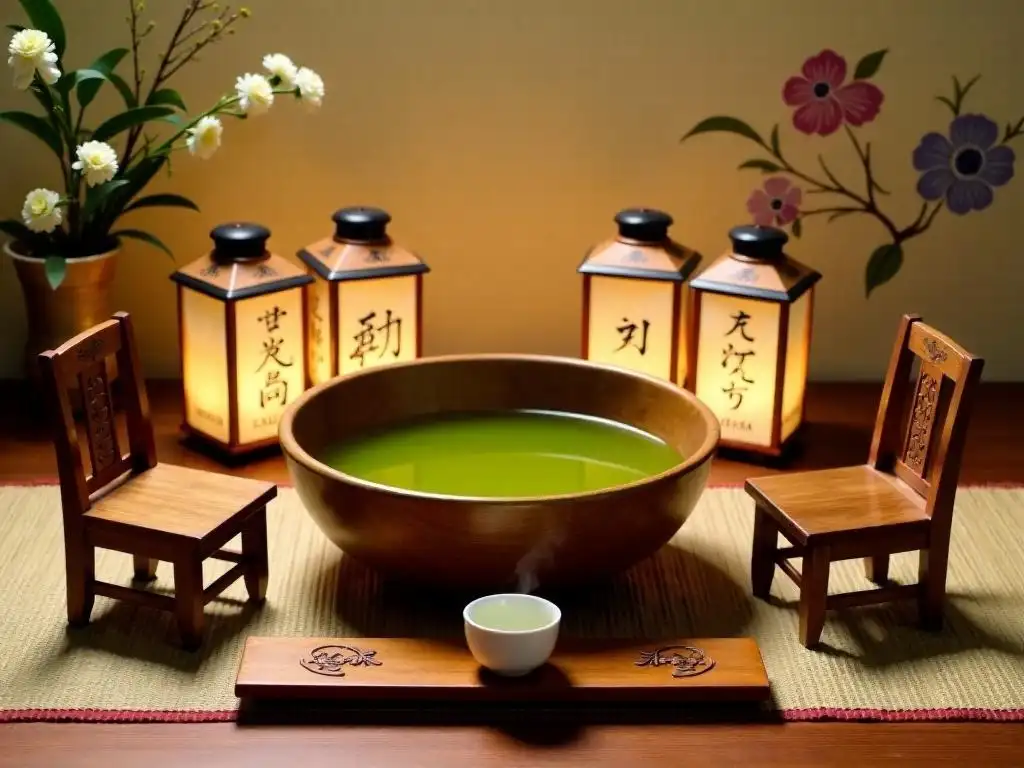
Welcome to Feudal Japan History, where we embark on a captivating journey through the intricate tapestry of Japan’s feudal era. In our featured article, "Beyond the Cup: The Cultural Significance of Tea in Feudal Japan," we delve into the rich traditions and profound impact of tea on Japanese society. Prepare to uncover the hidden layers of this beloved beverage, from its role in ceremonies to its influence on daily life.
As you explore our expert-driven insights, you'll discover how tea transcended mere enjoyment, weaving itself into the very fabric of Japan's cultural identity. Join us as we sip from the past and unravel the stories that lie beyond the cup!
- Introduction to the Cultural Significance of Tea in Japan
- Historical Context of Tea in Feudal Japan
- The Traditional Japanese Tea Ceremony
- Cultural Symbolism of Tea in Feudal Japan
- The Impact of Tea on Japanese Arts and Literature
- Modern Interpretations of Tea's Cultural Significance
- Conclusion: The Enduring Cultural Significance of Tea in Japan
- Frequently Asked Questions
- Final Reflection: The Enduring Legacy of Tea in Japanese Culture
- Sip the Wisdom: Embrace the Cultural Legacy of Tea!
Introduction to the Cultural Significance of Tea in Japan
The cultural significance of tea in Japan transcends mere consumption; it is an intricate tapestry woven into the very fabric of Japanese society, particularly during the feudal era. This period, marked by the rise of samurai culture and the establishment of powerful clans, saw tea evolve from a simple beverage to a symbol of status, spirituality, and social interaction.
The tea ceremony, known as chanoyu, became a profound ritual that encapsulated aesthetics, philosophy, and the principles of harmony, respect, purity, and tranquility. As we delve into this exploration, we will uncover how tea not only nourished the body but also fostered connections among individuals and played a pivotal role in the cultural identity of feudal Japan.
Overview of Tea's Role in Japanese Society
Tea was introduced to Japan from China in the early 9th century, but it was during the feudal period, particularly from the 12th to the 16th centuries, that its significance blossomed. Initially consumed by Buddhist monks for its stimulating properties, tea gradually permeated the aristocratic circles and later extended to the samurai class and the general populace.
- Cultural Exchange: The influx of Chinese tea culture influenced Japanese practices, leading to the development of unique methods of preparation and consumption.
- Symbol of Refinement: In feudal Japan, tea became a marker of sophistication and education, often associated with the elite classes.
- Social Interaction: The act of sharing tea fostered communal bonds and served as a medium for diplomacy among feudal lords.
Importance of Tea in Feudal Japan
The importance of tea during feudal Japan cannot be overstated; it was deeply interwoven with the societal hierarchy and cultural practices of the time. The tea ceremony emerged as a ritual that transcended the simple act of drinking tea, embodying principles of Zen Buddhism and aesthetics.
- The Tea Ceremony: Known as chanoyu, the tea ceremony was a highly ritualized practice that emphasized mindfulness and the appreciation of beauty in simplicity. It was a space for reflection and connection.
- Social Status: Owning fine tea utensils and participating in tea ceremonies became a status symbol among the samurai and nobility, reflecting their wealth and cultural education.
- Political Significance: Tea gatherings often served as venues for political discussions and alliances, showcasing the beverage's role beyond mere enjoyment.
Tea in feudal Japan was not just a drink; it was a cultural artifact with deep societal implications, enriching the lives of those who engaged with it, from the highest lords to the common people. Understanding its significance provides a lens through which we can appreciate the complexities of Japanese history and culture.
Historical Context of Tea in Feudal Japan
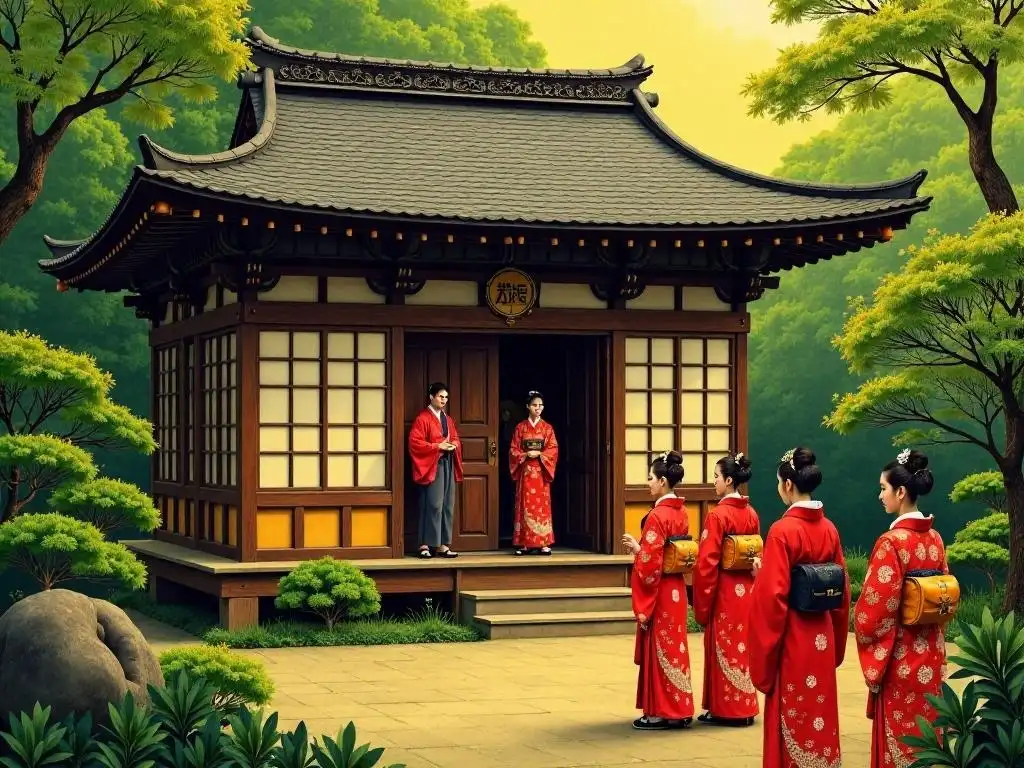
The Introduction of Tea to Japan
The journey of tea in Japan began in the early 9th century, significantly influenced by Buddhist monks who traveled to China. These monks brought back not only the practice of tea consumption but also the seeds and knowledge necessary for cultivation. The first historical record of tea in Japan is attributed to the monk Saichō, who is believed to have introduced tea seeds from China during the Tang Dynasty. Over the centuries, tea transitioned from a rare luxury to a more commonplace beverage, intertwining with various aspects of Japanese culture and society.
Early Influences: Chinese Tea Culture
The initial impact of Chinese tea culture on Japan was profound. The methods of preparation and consumption were largely adopted, with Japanese monks often imitating the Chinese tea ceremonies, which emphasized ritual and the meditative aspects of tea drinking. These ceremonies were not merely social events; they were spiritual experiences that nurtured mindfulness and contemplation.
- Key Characteristics of Chinese Tea Culture:
- Ritualistic Preparation: The meticulous process of preparing tea mirrored spiritual practices.
- Medicinal Use: Tea was initially consumed for its perceived health benefits, aligning with the traditional Chinese medicinal practices.
- Cultural Exchange: Early tea consumption laid the groundwork for cultural exchanges between Japan and China, influencing art, poetry, and philosophy.
Development of Tea Cultivation in Japan
The cultivation of tea in Japan began to take shape in the 12th century, particularly in the Uji region, known for its favorable climate and soil. The introduction of specific tea varieties, such as Camellia sinensis, allowed Japan to develop its unique flavors and styles. By the 16th century, tea cultivation had expanded significantly, and the quality of Japanese tea began to gain recognition.
- Major Developments:
- Tea Plant Varieties: Distinct Japanese varieties like matcha and sencha emerged, showcasing unique flavors and preparation methods.
- Regional Specialization: Different regions began to specialize in specific types of tea, further enriching the cultural tapestry of tea in Japan.
- Economic Impact: As tea became more popular, it evolved into a significant agricultural product, impacting local economies and paving the way for trade.
The Evolution of Tea Practices during the Feudal Era
The feudal era of Japan saw significant changes in the social and cultural landscape, which in turn influenced tea practices. The interplay between tea and the evolving societal structures, particularly the rise of the samurai and the influence of Zen Buddhism, shaped the cultural significance of tea in Japan.
The Rise of the Samurai and Tea Consumption
With the rise of the samurai class during the Kamakura period (1185-1333), tea consumption transformed into a symbol of status and sophistication. Samurai began to appreciate tea not just for its taste, but as a means of demonstrating their refined tastes and social standing.
- Cultural Significance:
- Social Status: The ability to brew and serve tea became an art form, reflecting one's education and sophistication.
- Ceremonial Role: Tea began to play a central role in various ceremonies, including those related to hospitality and diplomacy.
- Military Strategy: Interestingly, tea drinking also became part of the samurai's daily routine, believed to enhance focus and calmness during battles.
Tea and the Zen Buddhist Influence
Zen Buddhism's emphasis on simplicity and mindfulness significantly impacted the way tea was perceived and consumed during the feudal era. The practice of tea drinking was often integrated into Zen rituals, further solidifying its cultural significance.
- Zen and Tea:
- Mindfulness and Meditation: The ritual of preparing and drinking tea became a meditative practice, reinforcing Zen principles.
- Aesthetic Values: The aesthetics of the tea ceremony evolved to reflect Zen ideals, emphasizing natural beauty and simplicity.
- Cultural Integration: The tea ceremony, or chanoyu, became a formalized practice, with its own set of rules and rituals, making it a cultural cornerstone of Japanese society.
The cultural significance of tea in feudal Japan was deeply intertwined with historical events, social structures, and religious influences. As tea evolved from a foreign curiosity to a cherished national tradition, it reflected the complexities of Japanese identity and society during this transformative period.
The Traditional Japanese Tea Ceremony
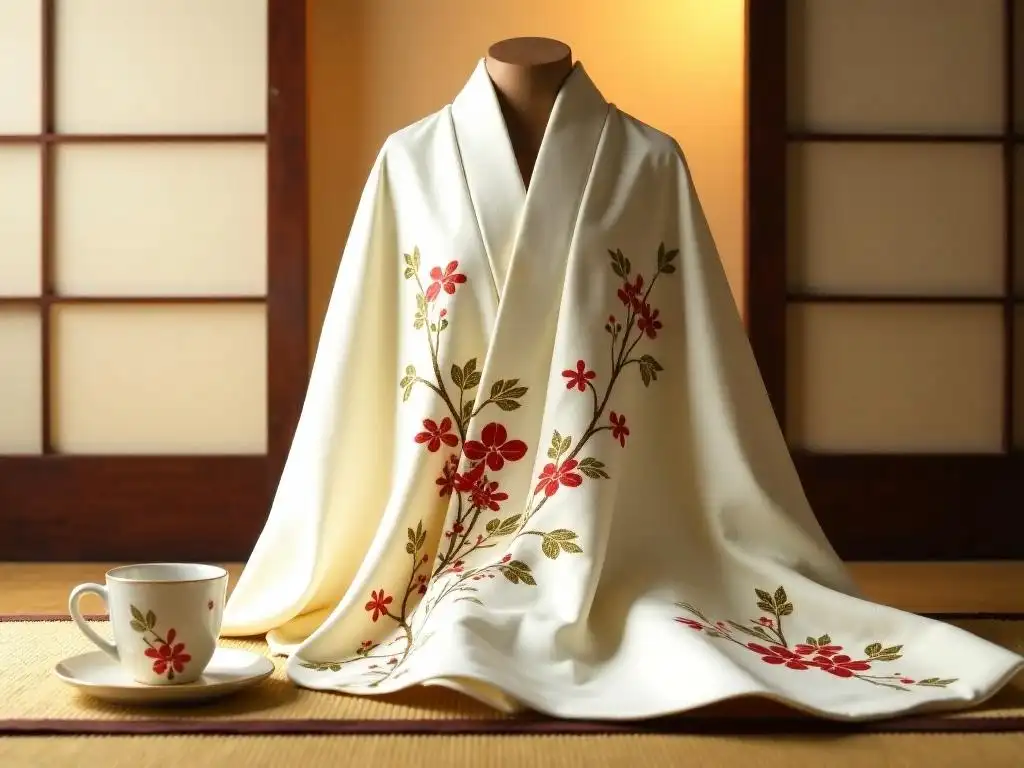
What is the Japanese Tea Ceremony?
The Japanese tea ceremony, known as "Chanoyu" or "Chado," is a ceremonial ritual that emphasizes the preparation and serving of matcha (powdered green tea). This practice transcends mere tea drinking; it embodies a profound cultural experience that reflects the aesthetics, philosophy, and social etiquette of feudal Japan.
Historically, the tea ceremony was influenced by Zen Buddhism, which promotes mindfulness and appreciation for the present moment. Thus, each aspect of the ceremony is meticulously choreographed, from the selection of utensils to the arrangement of the tea room, culminating in an environment that fosters tranquility and respect. The ceremony typically involves a host and guests, where the host prepares tea in a manner that invites contemplation and connection.
Key Elements of the Ceremony
- Utensils: Essential tools include the chawan (tea bowl), chasen (whisk), chashaku (tea scoop), and natsume (tea caddy). Each piece is chosen for its aesthetics and function.
- Tea Room: The "tea room," or "chashitsu," is designed for simplicity and harmony with nature. Natural materials and understated decor contribute to a serene atmosphere.
- Seasonal Themes: The design of the tea room and the choice of tea reflect the seasons, reinforcing the connection between nature and the ceremony.
- Ritualistic Movements: Each action performed during the ceremony is deliberate, reflecting a deep respect for the process. The host practices mindfulness, ensuring that every gesture conveys grace.
- Guest Interaction: Guests participate in the ceremony by appreciating the aesthetics and engaging in conversation, creating a sense of community and shared experience.
The Aesthetic Philosophy Behind the Ceremony
The aesthetic philosophy of the Japanese tea ceremony is deeply rooted in the principles of wabi-sabi, which celebrates imperfection and transience. This philosophy is evident in the choice of simple, rustic materials and the appreciation of natural beauty.
The ceremony also emphasizes "Mono no aware," the awareness of the impermanence of things, encouraging participants to cherish fleeting moments. This aesthetic extends to the tea itself, where the preparation and consumption of tea become a meditation on the present.
Different Types of Tea Used in the Ceremony
While matcha is the cornerstone of the Japanese tea ceremony, various types of tea can also be incorporated, each with its own significance and flavor profile.
Matcha: The Heart of the Tea Ceremony
Matcha is a finely ground powder made from shade-grown tea leaves, known for its vibrant green color and rich, umami flavor. The preparation of matcha is an art form in itself, involving specific techniques to whisk the powder with hot water into a frothy consistency.
In the context of the tea ceremony, matcha symbolizes purity and serenity. Its consumption is often accompanied by wagashi (traditional sweets), which enhance the overall experience. The ritual of preparing and serving matcha fosters deep connections among participants, emphasizing harmony and respect.
Sencha and Other Varieties
In addition to matcha, other tea varieties such as sencha and gyokuro may be served during the tea ceremony, particularly in informal settings.
- Sencha: This is the most popular type of green tea in Japan, known for its refreshing taste and bright green color. It is prepared by steeping tea leaves in hot water, allowing for a different sensory experience compared to matcha.
- Gyokuro: A high-quality shade-grown green tea, gyokuro offers a delicate, sweet flavor profile and is considered one of the finest teas in Japan. Its preparation requires careful attention to water temperature and steeping time to highlight its unique characteristics.
Incorporating these teas into the ceremony not only enriches the tasting experience but also showcases the diverse cultural significance of tea in Japan, celebrating its role in fostering connection and mindfulness.
Cultural Symbolism of Tea in Feudal Japan
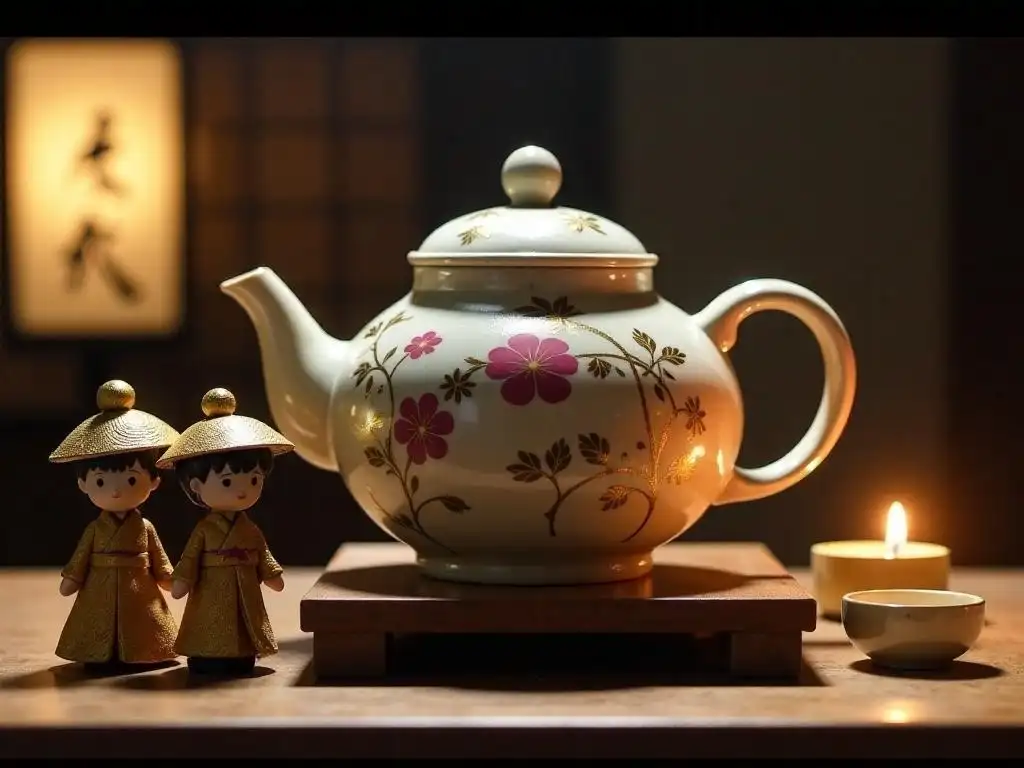
Tea as a Symbol of Hospitality and Respect
In the context of feudal Japan, tea transcended its role as a mere beverage; it became a profound symbol of hospitality and respect among social classes. The act of serving tea was steeped in ritual and etiquette, embodying the values of omotenashi, or selfless hospitality. When a host prepared tea for guests, it was not just about offering refreshment, but about creating a serene atmosphere where appreciation and acknowledgment flourished.
This practice was particularly evident during the chanoyu, or tea ceremony, where every movement was deliberate and infused with meaning. The host’s meticulous preparation of the tea, including the selection of utensils and the choice of tea itself, communicated respect towards the guests. A well-executed tea ceremony served as a reflection of the host’s character and social standing, reinforcing the importance of respect in interpersonal relationships.
The cultural significance of tea in feudal Japan was also deeply intertwined with the existing social hierarchies. Different classes engaged with tea in distinct ways that not only highlighted their status but also influenced their interactions within society.
Tea and the Samurai Class
For the samurai, tea was not merely a drink; it was an essential component of their daily life and culture. Samurai warriors often participated in tea ceremonies as a means to cultivate discipline and focus. The preparation and consumption of tea offered a moment of tranquility, contrasting with the tumultuous nature of their lives on the battlefield.
Moreover, the samurai class viewed tea as a medium for camaraderie and bonding. Tea gatherings were occasions for strategizing and discussing matters of honor, loyalty, and duty. These gatherings reinforced alliances and highlighted the importance of relationships among samurai, further embedding tea within the fabric of their social practices.
Tea’s Influence on the Merchant Class
In stark contrast, the merchant class approached tea as both a luxury and a commodity. During the Edo period, tea became increasingly accessible to merchants and the urban populace, leading to the establishment of tea houses where social gatherings took place. These venues not only catered to the enjoyment of tea but also served as spaces for commerce and networking.
Merchants leveraged their wealth to partake in the tea culture, often imitating the samurai’s rituals to elevate their status. The act of serving quality tea in an elegant setting became a status symbol, enabling merchants to assert their social standing. As such, tea played a pivotal role in shaping social dynamics and hierarchies, bridging the gap between different classes while simultaneously reinforcing their distinctions.
Tea held a multifaceted cultural significance in feudal Japan, intricately woven into the social fabric of the time. It represented hospitality, respect, and served as a reflection of social status, influencing both the samurai and merchant classes in their interactions and societal roles.
The Impact of Tea on Japanese Arts and Literature
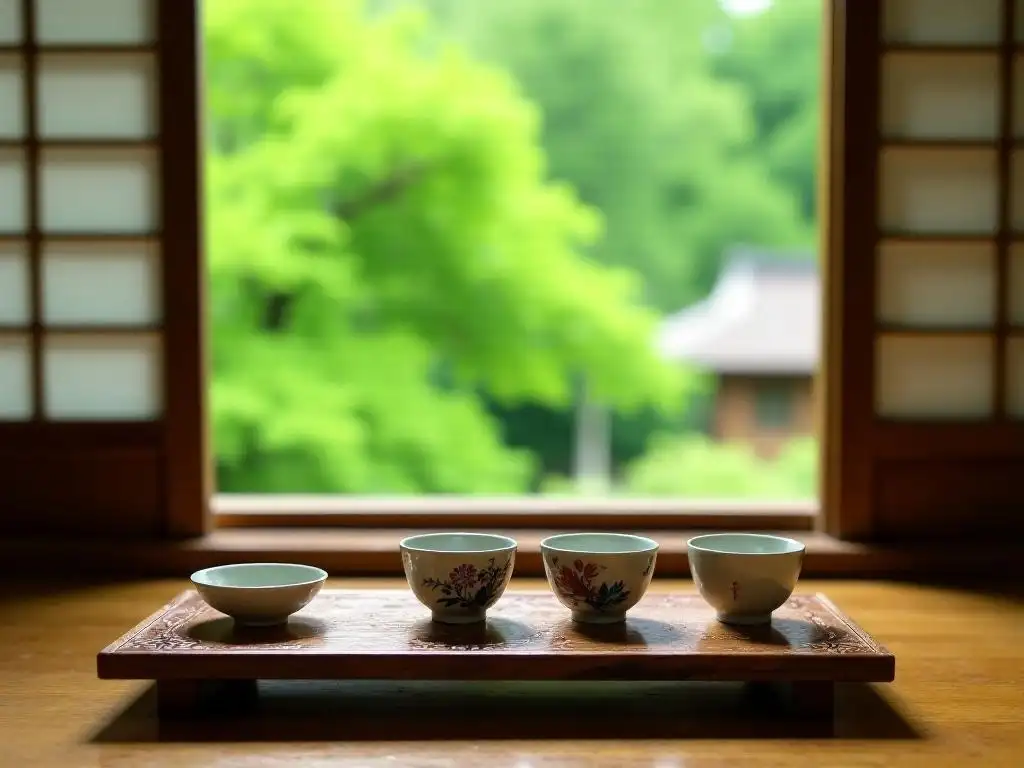
The cultural significance of tea in Japan extends beyond mere consumption; it has profoundly influenced various forms of artistic expression and literary traditions. During the feudal era, tea became a central theme in poetry, prose, and the visual arts, symbolizing tranquility, refinement, and the philosophical underpinnings of Zen Buddhism. The ritualistic aspects of tea preparation and consumption have inspired artists and writers to explore themes of nature, beauty, and the fleeting nature of life.
Tea in Japanese Poetry and Prose
The connection between tea and Japanese literature is rich and multifaceted. Many poets, particularly those associated with the haiku tradition, have drawn inspiration from the tranquil moments of tea drinking, using it as a metaphor for deeper philosophical reflections.
-
Matsuo Bashō, a renowned haiku master, often incorporated elements of nature and the simplicity of tea into his works, emphasizing the beauty found in everyday moments. For example:
A cup of tea,
The moonlight on the mountain,
A fleeting moment.
Tea serves as a backdrop for contemplation, where the act of pouring and sipping tea becomes a meditation on the present moment, echoing Zen principles.
In prose, tea culture is prominently featured in classic works such as "The Tale of Genji" by Murasaki Shikibu, where tea gatherings highlight social dynamics and the aesthetics of daily life among the Heian court. The detailed descriptions of tea ceremonies in such literature not only convey the rituals but also reflect the social hierarchies and cultural significance that tea held in feudal Japan.
The Influence of Tea on Traditional Japanese Arts
The cultural significance of tea permeated various traditional Japanese arts, influencing the aesthetics and techniques of artists across disciplines. The tea ceremony itself became an art form, embodying principles of simplicity, elegance, and mindfulness.
Tea Ceramics: The Beauty of Chawan
One of the most significant contributions to the arts from the tea culture is the development of tea ceramics, particularly chawan (tea bowls). These bowls are not merely functional but are celebrated for their artistic qualities.
- Wabi-sabi, a Japanese aesthetic concept that embraces imperfection and transience, is vividly expressed in the design of chawan. Each bowl reflects the individuality of its maker, showcasing unique textures, glazes, and forms that resonate with the natural world.
| Chawan Characteristics | Description |
|---|---|
| Material | Typically made from clay or stoneware |
| Design | Often simple, emphasizing natural imperfections |
| Functionality | Designed for use in tea ceremonies, enhancing the experience |
The beauty of chawan lies in their ability to elevate the tea-drinking experience, making each sip a moment of aesthetic appreciation.
Ikebana: Flower Arrangement and Tea Ceremonies
Another art form influenced by tea culture is ikebana, the Japanese art of flower arrangement. The principles of ikebana align with the tea ceremony's focus on harmony and balance.
- During tea ceremonies, ikebana arrangements are often displayed, enhancing the ambiance and reflecting seasonal themes. The careful selection of flowers and their placement in the arrangement embodies the same mindfulness and appreciation for nature found in the tea ceremony.
Key Aspects of Ikebana:
- Simplicity: Focus on minimalism, allowing each element to stand out.
- Asymmetry: Emphasizes balance and natural beauty rather than symmetry.
- Seasonality: Incorporates seasonal flowers, connecting the arrangement to the time of year.
The integration of ikebana into tea ceremonies not only beautifies the setting but also deepens the participants' engagement with nature, aligning with the overarching themes of tranquility and mindfulness prevalent in the cultural significance of tea in Japan.
Modern Interpretations of Tea's Cultural Significance
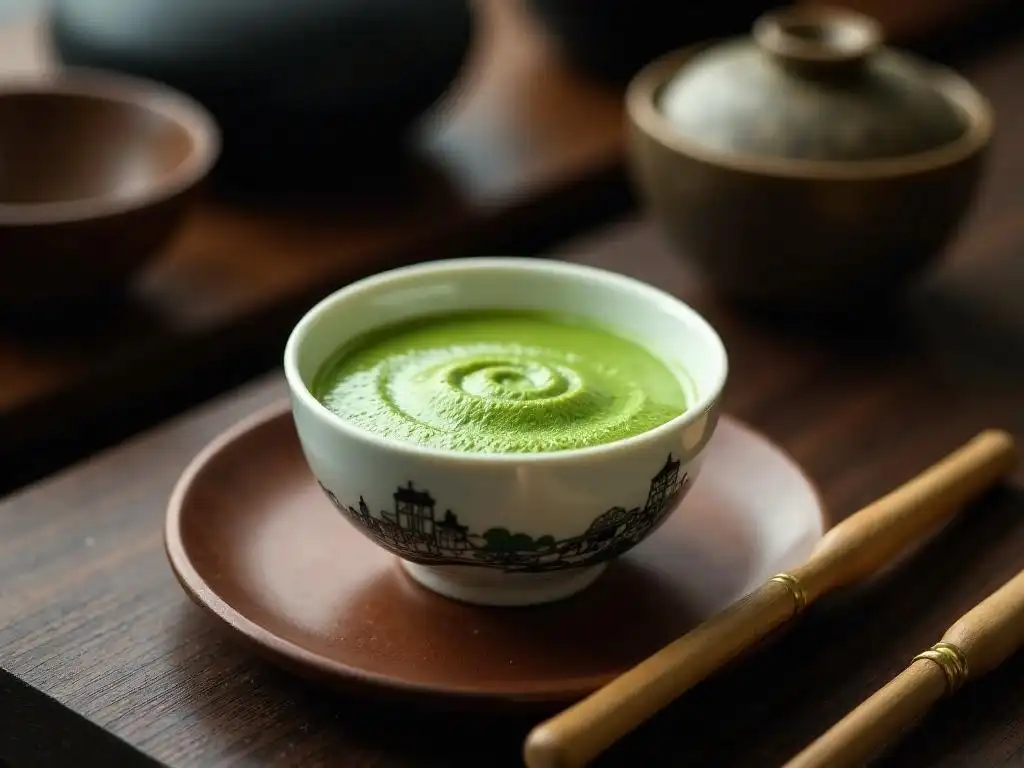
The Legacy of Tea in Contemporary Japanese Culture
In modern Japan, the cultural significance of tea continues to resonate deeply, reflecting a blend of tradition and contemporary values. The historical roots of tea drinking, particularly through the matcha tea ceremony, have evolved but remain pivotal in various aspects of Japanese life. Today, tea is not just a beverage; it embodies a way of life that emphasizes mindfulness, aesthetics, and community.
-
Tea as a Symbol of Hospitality
In contemporary Japan, offering tea remains a common gesture of hospitality. It is not unusual for hosts to serve green tea or matcha to guests, signifying respect and warmth. This practice is rooted in the traditional tea ceremony, which underscores the importance of welcoming guests with sincerity and grace.
-
Mindfulness and Aesthetics
Modern interpretations of tea ceremonies often incorporate elements of mindfulness and aesthetics, drawing from the principles established during the feudal era. Practitioners engage in the ritual of preparing and serving tea as a way to cultivate inner peace and appreciation for beauty in simplicity. This practice aligns with Zen Buddhism, which continues to influence Japanese culture today.
-
Tea in Popular Culture
The influence of tea extends beyond traditional settings and into popular culture. Matcha, in particular, has gained immense popularity, appearing in various forms such as lattes, desserts, and even health supplements. This fusion of traditional tea with contemporary trends showcases the adaptability of tea culture in Japan.
Global Influence: How Japanese Tea Culture is Respected Worldwide
The cultural significance of tea in Japan has transcended its borders, garnering respect and admiration globally. This influence can be seen in various aspects:
-
Culinary Integration
Japanese tea, especially green tea and matcha, has become a staple ingredient in cuisines around the world. From gourmet restaurants to home kitchens, chefs are incorporating Japanese tea into dishes, highlighting its versatility and depth of flavor. This integration helps to educate the global palate about the unique qualities of Japanese tea.
-
Cultural Exchange through Events
International tea ceremonies and workshops have become popular, where enthusiasts learn the intricate details of the Japanese tea ceremony. These events not only promote cultural exchange but also foster a deeper appreciation for the rituals and philosophies behind tea drinking. Participants are often drawn to the tea ceremony's emphasis on mindfulness and respect, which resonates universally.
-
Sustainable Practices
The modern global movement towards sustainability has also embraced Japanese tea culture. Many tea producers in Japan focus on organic farming and sustainable practices, setting a standard for quality and environmental responsibility. This commitment to sustainability is increasingly appreciated by consumers worldwide, who seek ethically sourced products.
The cultural significance of tea in Japan is not merely a relic of the past but a living tradition that continues to evolve and inspire. Both in Japan and around the world, tea serves as a bridge connecting people through shared experiences of hospitality, mindfulness, and appreciation for the art of tea.
Conclusion: The Enduring Cultural Significance of Tea in Japan
The cultural significance of tea in Japan extends far beyond mere consumption; it embodies a rich tapestry of history, philosophy, and artistry. From the ancient rituals of the tea ceremony to its role in everyday life, tea has been a vessel for expressing Japanese values such as harmony, respect, purity, and tranquility. The Chadō, or "Way of Tea," encapsulates this deep connection, serving not only as a beverage but as a means of spiritual and social engagement.
As we reflect on the evolution of tea, it is evident that its significance has permeated various aspects of Japanese culture, influencing art, literature, and social customs. The meticulous preparation and presentation of tea, often performed in serene, contemplative settings, fosters a sense of mindfulness that resonates within the broader Japanese ethos. This enduring legacy of tea continues to thrive, adapting to contemporary life while retaining its traditional roots.
Reflections on Tea's Role in Japanese Identity
Tea has long been a cornerstone of Japanese identity, intertwining with the nation’s historical developments and cultural transformations. The introduction of tea to Japan in the 9th century, primarily through Buddhist monks, marked the beginning of a profound relationship that would shape Japanese society for centuries. Not only did it create a new beverage culture, but it also facilitated the growth of Zen Buddhism, emphasizing meditation and mindfulness.
In the feudal era, the samurai class adopted tea as a symbol of sophistication and discipline. The tea ceremony became a reflection of social status and an expression of personal aesthetics. Key aspects include:
- Ceremony: The intricate rituals surrounding tea preparation and serving highlight the importance of precision and respect in social interactions.
- Artistry: The utensils, calligraphy, and floral arrangements used in tea ceremonies reveal a deep appreciation for beauty and nature, integral to Japanese culture.
- Community: Tea gatherings served to strengthen social bonds among participants, fostering a sense of community and shared values.
Today, the cultural significance of tea remains a vital part of Japanese identity, celebrated through festivals, educational programs, and international exchanges. The values embodied within tea culture—such as harmony and respect—continue to resonate deeply in modern Japanese society.
The Future of Traditional Tea Practices in Japan
As Japan moves further into the 21st century, the future of traditional tea practices faces both challenges and opportunities. Globalization and modernization have led to shifts in consumption patterns, with many young people gravitating towards Western-style beverages. However, this also opens avenues for innovation and revitalization of traditional practices.
Potential developments include:
- Fusion Trends: The blending of traditional tea with contemporary flavors and formats could attract younger generations, making tea culture more accessible and appealing.
- Sustainability: Increasing awareness of environmental issues presents an opportunity for traditional tea producers to emphasize sustainable farming practices and organic tea production.
- Cultural Education: Efforts to promote the cultural significance of tea through educational programs, both domestically and internationally, can enhance appreciation for traditional practices.
While the landscape of tea culture in Japan is evolving, its core values and cultural significance remain steadfast. The essence of tea as a symbol of tranquility, artistry, and community continues to inspire and shape Japanese identity, ensuring that its legacy endures for generations to come.
Frequently Asked Questions
What role did tea play in feudal Japanese society?
Tea held significant cultural importance in feudal Japan, serving as both a social activity and a symbol of hospitality. It was often central to rituals and gatherings, reflecting the values of respect and aesthetic appreciation.
How did the tea ceremony evolve during the feudal era?
The tea ceremony, or chanoyu, evolved into a highly ritualized practice that emphasized mindfulness, aesthetics, and spirituality. This transformation highlighted its role as a cultural art form, transcending mere consumption.
What are some key elements of the Japanese tea ceremony?
Key elements include utensils such as the tea bowl and whisk, a focus on seasonal themes, and the importance of hospitality and simplicity. Each aspect contributes to the overall experience of tranquility and respect.
How did tea influence Japanese art and literature?
Tea's cultural significance inspired numerous works in Japanese art and literature, reflecting themes of tranquility, nature, and spirituality. Artists and writers often drew from tea's symbolic meanings to convey deeper messages.
What impact did trade have on tea culture in Japan?
Trade, especially with China, introduced new tea varieties and practices, enriching Japan's tea culture. This exchange influenced the development of unique Japanese tea customs and cemented tea's role as a cultural staple.
Final Reflection: The Enduring Legacy of Tea in Japanese Culture
The cultural significance of tea in Japan transcends mere consumption; it embodies a rich tapestry of history, art, and social interaction that continues to resonate today. In a world that often prioritizes speed and convenience, the ritual of tea serves as a poignant reminder of the value of mindfulness and connection. The practices established during feudal Japan have not only shaped the way tea is enjoyed but also how it is perceived as a vessel for cultural expression and community bonding.
The influence of tea culture in Japan is evident in contemporary society, where traditional tea ceremonies coexist with modern lifestyles. This duality highlights the adaptability and resilience of cultural practices, allowing them to thrive in an ever-evolving world. As noted by the renowned tea master Sen no Rikyū, “Tea is a way of life,” emphasizing that the essence of tea extends beyond the beverage itself to encompass a philosophy of harmony and respect. The tea ceremony is a spiritual and artistic expression that transcends the act of drinking tea.
As we reflect on the lessons of tea culture, let us embrace the opportunity to cultivate mindfulness and appreciation in our daily lives. Consider how you can incorporate the principles of tea—patience, respect, and connection—into your own routines and interactions. By doing so, we not only honor the rich heritage of tea in Japan but also enrich our own lives and communities, fostering a deeper understanding of the beauty that lies in simplicity and shared moments.
Sip the Wisdom: Embrace the Cultural Legacy of Tea!
Thank you for diving into the rich tapestry of tea culture in feudal Japan! You've discovered how deeply intertwined tea is with tradition, art, and society, and now it's time to carry this knowledge forward. Let’s build on what you've learned and take actionable steps to honor this beautiful legacy.
Here are some ways you can deepen your engagement with this vibrant culture:
- Join a local tea ceremony class to experience the tranquility and artistry of this ancient practice firsthand.
- Explore local markets to discover unique tea varieties, and experiment with brewing them at home, sharing the experience with friends and family.
- Share this article with fellow history enthusiasts or on social media to spark conversations about cultural significance and traditions.
What aspect of tea culture do you find most fascinating, and how do you plan to incorporate it into your life?