
From Street Food to Gourmet: The Transformation of Sushi in Japanese Cuisine


Welcome to Feudal Japan History, where we invite you to embark on an extraordinary journey through the rich tapestry of Japan's feudal era. Here, we delve deep into the historical, cultural, and societal intricacies that shaped this fascinating period. In our featured article, “From Street Food to Gourmet: The Transformation of Sushi in Japanese Cuisine,” we unravel the captivating history of sushi in Japan, exploring how this beloved dish evolved from humble beginnings to a culinary masterpiece.
Prepare to be intrigued as we uncover the secrets behind sushi's rise and its indispensable role in Japanese culture. Your exploration of this delicious history starts now—dive in!
- The Evolution of Sushi: A Comprehensive Look at the History of Sushi in Japan
- The Origins of Sushi: Tracing the History of Sushi in Japan
- Street Food Culture: Sushi's Popularity Among the Masses
- The Influence of Globalization on Sushi in Japan
- Conclusion: The Future of Sushi in Japanese Cuisine
- Frequently Asked Questions
- Final Reflection: The Evolution of Sushi – A Culinary Journey
- Unveil the Flavors of Sushi: A Journey Awaits!
The Evolution of Sushi: A Comprehensive Look at the History of Sushi in Japan
Introduction to Sushi in Japanese Cuisine
Sushi, a beloved dish that has transcended borders and become a global culinary icon, has deep roots in Japanese history. The history of sushi in Japan is not merely a narrative of ingredients and flavors; it is a complex tapestry woven through centuries of cultural exchange, societal shifts, and innovative adaptations. From its humble beginnings as a method of preserving fish to its current status as gourmet cuisine, sushi reflects the evolution of Japanese society and its culinary practices.
In ancient times, sushi originated as a preservation technique known as narezushi, where fish was fermented with rice to prolong its shelf life. This practice laid the groundwork for what would eventually evolve into the diverse forms of sushi we know today. As the centuries progressed, regional variations emerged, influenced by local ingredients, climate, and customs, shaping the sushi landscape into a rich and varied culinary tradition.
The transformation of sushi from street food to gourmet fare illustrates the dynamic nature of Japanese cuisine. As urbanization and globalization took hold, sushi underwent significant changes, adapting to new tastes and techniques while maintaining its cultural significance. This article will delve into the historical context, cultural influences, and societal factors that have shaped sushi, offering a comprehensive exploration of its evolution within Japanese cuisine.
Join us as we embark on a journey through time, tracing the fascinating history of sushi in Japan, from its rustic origins to its status as a symbol of sophistication and artistry in the culinary world. 🍣
The Origins of Sushi: Tracing the History of Sushi in Japan
Early Beginnings: Narezushi and Fermented Fish
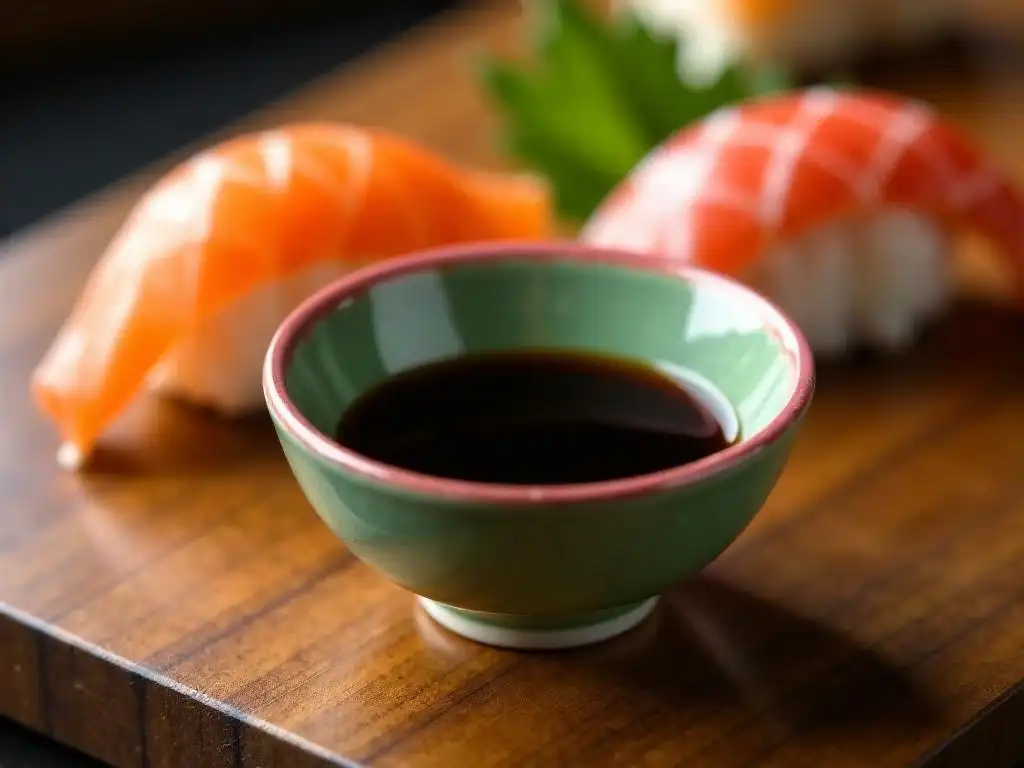
The history of sushi in Japan dates back to the ancient practice of narezushi, a method of preserving fish through fermentation. This technique is believed to have originated in Southeast Asia, where fish was placed in rice to ferment, allowing it to be preserved for extended periods. The rice would eventually be discarded, and only the fish would be consumed.
In Japan, this practice evolved around the 8th century and became integral to the diet, particularly in the regions near rivers and seas. The fermentation process not only preserved the fish but also imparted a unique flavor, creating a distinctive taste profile that laid the groundwork for modern sushi.
Key Characteristics of Narezushi:
- Preservation Technique: Fish, often carp or mackerel, was packed in rice and left to ferment for several months.
- Flavor Development: The fermentation produced lactic acid, which enhanced the flavor and texture of the fish.
- Culinary Context: Narezushi was primarily a means of preservation rather than a culinary dish as we know sushi today.
This early form of sushi reflected the necessity of food preservation techniques in a time before refrigeration, showcasing how societal needs shaped culinary practices.
The Transition from Narezushi to Edomae-zushi
The transition from narezushi to what we now recognize as edomae-zushi (Tokyo-style sushi) marked a significant evolution in sushi's history in Japan. This transformation occurred during the Edo period (1603-1868), a time characterized by urbanization and the growth of the sushi trade in Tokyo, formerly known as Edo.
Factors Influencing the Transition:
- Urbanization: As Edo transformed into a bustling metropolis, the demand for quick, convenient food options increased. Sushi emerged as a perfect solution, offering a portable and flavorful meal.
- Fresh Ingredients: With access to fresh fish from Tokyo Bay, sushi chefs began using fresh, raw fish instead of fermented varieties. This shift not only changed the flavor profile but also the overall perception of sushi as a delicacy.
- Sushi Preparation Techniques: The introduction of new techniques, such as the use of vinegared rice, played a crucial role in the development of edomae-zushi. This method complemented the freshness of the fish, enhancing the overall dining experience.
Key Features of Edomae-zushi:
- Fresh Fish: Utilization of seasonal, fresh fish, often including tuna, eel, and shrimp.
- Vinegared Rice: A blend of sushi rice seasoned with vinegar, sugar, and salt, which became a defining characteristic of modern sushi.
- Variety of Styles: Introduction of various forms such as nigiri (hand-formed sushi) and maki (rolled sushi), expanding the culinary landscape of sushi.
The evolution from narezushi to edomae-zushi illustrates the dynamic nature of Japanese cuisine, as it adapted to the changing cultural and societal contexts. This period laid the foundation for sushi's rise to prominence in Japanese culture and its eventual global recognition, shaping what we now understand as sushi today.
Street Food Culture: Sushi's Popularity Among the Masses
Sushi as a Street Food: The Rise of Sushi Stalls
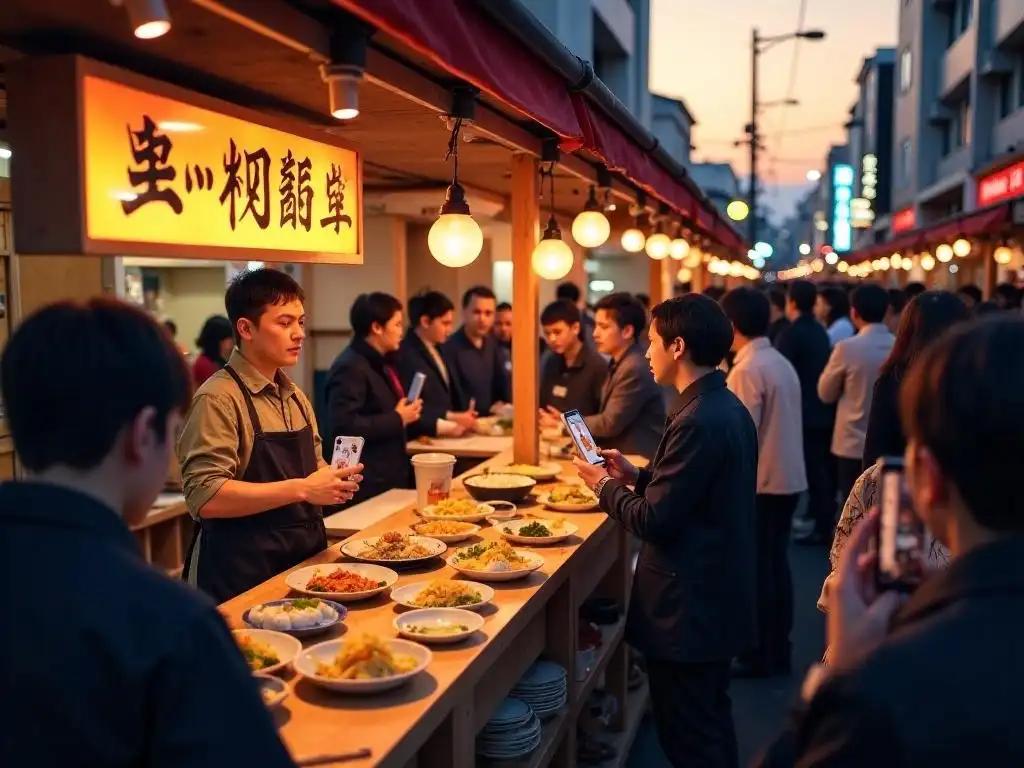
Sushi's journey from humble street food to a revered culinary art form is a fascinating aspect of the history of sushi in Japan. In the bustling streets of Edo (modern-day Tokyo) during the early 19th century, sushi stalls began to emerge as popular dining options for the masses. These stalls, known as "sushi-ya," catered to the working class, providing quick, affordable meals that could be enjoyed on the go.
The first significant form of sushi served at these stalls was nigiri-zushi, which consisted of hand-formed rice topped with fresh fish. This method allowed for rapid preparation, making it an ideal choice for busy urbanites. The convenience of sushi stalls was complemented by the vibrant street food culture that characterized Edo period life. As the population grew, so did the demand for accessible, tasty food, leading to an explosion of sushi vendors across the city.
- Key Features of Sushi Stalls:
- Accessibility: Positioned in busy marketplaces and street corners, sushi stalls were easily reachable.
- Affordability: Priced for the average consumer, sushi provided a delicious yet economical dining option.
- Freshness: Vendors often sourced fish daily from local markets, ensuring freshness and quality.
Gourmet Sushi: The Shift to Fine Dining
As Japan transitioned into the Meiji era in the late 19th century, the perception of sushi began to evolve. The establishment of fine dining sushi restaurants marked a significant shift in how sushi was consumed and appreciated. This transformation was fueled by several factors, including the influence of Western dining customs, the rise of affluent classes, and the globalization of Japanese cuisine.
Gourmet sushi, often referred to as "omakase," emphasizes the chef's selection of the freshest ingredients and the artistry involved in sushi preparation. Unlike the casual approach of street stalls, fine dining sushi experiences are characterized by meticulous presentation and a multi-course format, where each dish is thoughtfully curated to highlight the flavors of seasonal ingredients.
- Characteristics of Gourmet Sushi:
- Artistry: Chefs are trained in the traditional techniques of sushi-making, often spending years perfecting their craft.
- Seasonality: Dishes change with the seasons, showcasing the freshest seafood and local produce.
- Ambiance: Fine dining sushi restaurants focus on creating an elegant atmosphere, enhancing the overall dining experience.
The transformation of sushi from a street food staple to gourmet cuisine reflects broader changes in Japanese society and culinary practices. This evolution not only highlights sushi's adaptability but also its enduring appeal across different social strata. The history of sushi in Japan remains a testament to the cultural significance of this beloved dish, illustrating how it has continually evolved while retaining its core essence.
The Influence of Globalization on Sushi in Japan
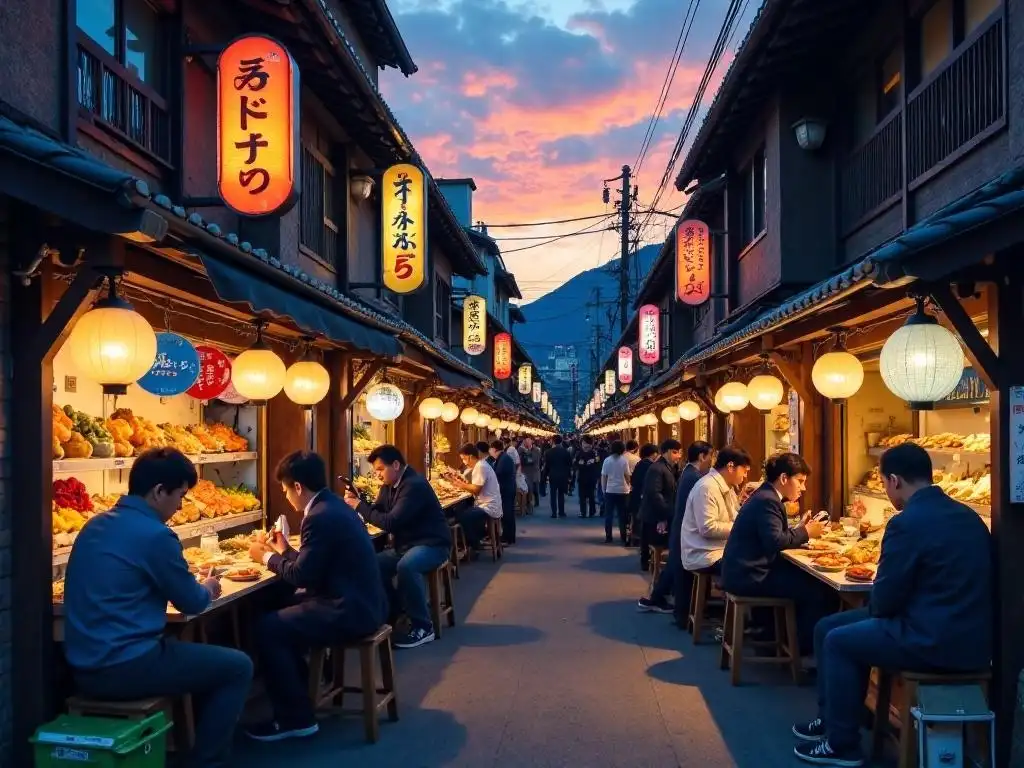
The history of sushi in Japan has not only been shaped by its own cultural and culinary traditions but has also been significantly influenced by globalization. As sushi transitioned from a local delicacy to an international phenomenon, it underwent various transformations that reflect broader societal and culinary trends. This section delves into how globalization has impacted sushi, both in Japan and around the world.
International Recognition: Sushi Goes Global
In the latter half of the 20th century, sushi began to gain international acclaim, leading to its establishment as a staple in global cuisine. The 1980s marked a pivotal moment when sushi restaurants started to proliferate outside Japan, particularly in the United States and Europe. This surge in popularity can be attributed to several factors:
- Culinary Exchange: As Japanese chefs migrated abroad, they brought their culinary expertise with them, introducing sushi to diverse audiences. Cities like Los Angeles and New York became hotspots for sushi culture, with restaurants catering to both traditional and innovative tastes.
- Health Trends: The growing global interest in healthy eating played a crucial role in sushi's ascent. With its emphasis on fresh fish, vegetables, and low-calorie ingredients, sushi appealed to health-conscious consumers looking for nutritious dining options.
- Media Influence: The portrayal of sushi in films, television shows, and cookbooks contributed significantly to its global recognition. Iconic movies showcased sushi as a sophisticated dining experience, further elevating its status.
- Cultural Events: Sushi festivals and culinary competitions have also played a part in promoting sushi on an international stage, allowing chefs to showcase their skills and creativity.
As sushi began to gain international acclaim, it also started to adapt to local tastes. This phenomenon is particularly evident in the development of various sushi styles that cater to non-Japanese palates, such as the California roll, which incorporates avocado and crab meat—ingredients not traditionally found in Japanese sushi.
Modern Trends in Sushi: A Fusion of Tradition and Innovation
Today, sushi in Japan serves as a canvas for culinary innovation while retaining its traditional roots. Various modern trends have emerged as chefs experiment with flavors, techniques, and presentation styles, reflecting the dynamic nature of Japanese cuisine influenced by globalization. Key trends include:
- Creative Ingredients: Modern sushi chefs are now incorporating unconventional ingredients such as truffle oil, cream cheese, and even fruit, creating unique flavor profiles that appeal to contemporary diners.
- Sushi Bowls and Burritos: The rise of casual dining has led to the popularity of sushi bowls and sushi burritos. These formats allow for a more accessible and portable way to enjoy sushi, appealing to a younger demographic.
- Sustainability Focus: With increased awareness of environmental issues, many sushi restaurants in Japan are now prioritizing sustainable seafood sourcing. This trend aligns with a global movement towards responsible dining and has influenced consumer preferences.
- Artistic Presentation: The aesthetic appeal of food has gained importance, and sushi is no exception. Modern sushi chefs are elevating their presentations, using vibrant colors and intricate designs to create visually stunning dishes that attract social media attention.
The globalization of sushi has resulted in a fascinating blend of tradition and modernity. As sushi continues to evolve, it reflects not only the rich history of Japanese cuisine but also the ongoing dialogue between cultures in a rapidly changing world. The history of sushi in Japan is thus a testament to its resilience and adaptability, ensuring its place in both local and global culinary landscapes.
Conclusion: The Future of Sushi in Japanese Cuisine
As sushi continues to evolve within the dynamic landscape of Japanese cuisine, its future seems promisingly multifaceted. The blend of traditional techniques with modern culinary innovations is likely to shape the way sushi is perceived, prepared, and enjoyed both in Japan and internationally. As global awareness of sushi expands, chefs and diners alike will need to navigate the delicate balance between preserving the rich heritage of sushi and embracing contemporary trends.
Maintaining Tradition While Embracing Change
The history of sushi in Japan is deeply rooted in tradition, dating back centuries when it was primarily a means of preserving fish. However, as culinary preferences shift, the sushi landscape has begun to diversify. This transformation is evident in several key areas:
- Fusion Cuisine: Chefs are increasingly experimenting with flavors and ingredients from various culinary traditions. For instance, the emergence of sushi burritos and sushi tacos introduces Western elements into this quintessentially Japanese dish. This trend reflects a broader multicultural influence that is reshaping food across the globe.
- Sustainable Practices: With growing concerns over overfishing and environmental sustainability, many sushi establishments are adopting eco-friendly practices. This includes sourcing fish from sustainable fisheries and promoting plant-based sushi options, ensuring the preservation of marine ecosystems while catering to changing consumer preferences.
- Health Consciousness: As diners become more health-conscious, sushi is often viewed as a nutritious option. There is a rising demand for organic ingredients and lower-calorie options, leading to innovative creations like brown rice sushi and vegetable-based rolls.
- Artisan Craftsmanship: While modern twists on sushi are gaining popularity, there is also a resurgence of interest in traditional craftsmanship. Sushi chefs are dedicating years to mastering the art of sushi-making, emphasizing the importance of technique, quality ingredients, and presentation.
In this rapidly changing culinary environment, maintaining a respect for the history of sushi in Japan while embracing innovation is essential. Chefs and restaurateurs who can successfully navigate this balance will likely find success in appealing to both traditionalists and adventurous eaters.
Final Thoughts on the History of Sushi in Japan
The journey of sushi from a simple preservation method to a globally celebrated culinary art form exemplifies Japan's rich cultural evolution. The history of sushi in Japan is not just about the food itself but also reflects broader societal changes, economic developments, and cultural exchanges that have occurred over centuries.
As sushi continues to gain popularity worldwide, understanding its historical context enriches the dining experience. Diners are invited to appreciate not just the flavors but also the stories behind each piece of sushi. From the humble beginnings of narezushi to the refined masterpieces seen in today's sushi bars, the narrative of sushi offers a fascinating glimpse into Japan's culinary heritage.
References and Further Reading on the History of Sushi in Japan
For those interested in delving deeper into the history of sushi in Japan, several resources are available:
- Books:
- "Sushi: Taste and Technique" by Kimiko Barber
- "The Story of Sushi: An Unlikely Saga of Raw Fish and Rice" by Trevor Corson
- Articles:
- Academic journals on Japanese culinary history often contain articles that explore the evolution of sushi.
- Food blogs and culinary websites provide contemporary takes and historical insights on sushi.
- Documentaries:
- Films such as "Jiro Dreams of Sushi" offer intimate looks into the world of sushi and its artisans, highlighting the dedication and skill involved in this culinary craft.
By exploring these resources, readers can gain a comprehensive understanding of how sushi has shaped and been shaped by the rich tapestry of Japanese culture and history.
Frequently Asked Questions
What is the history of sushi in Japan?
The history of sushi in Japan dates back to the 8th century when it began as a method of preserving fish in fermented rice. Over time, it evolved into the popular dish we know today.
How did sushi transition from street food to gourmet?
Sushi transitioned from street food to a gourmet experience during the Edo period (1603-1868) when sushi chefs refined their techniques and ingredients, elevating the dish’s status in Japanese cuisine.
What are the key types of sushi?
The key types of sushi include nigiri, maki, and sashimi. Each type showcases unique ingredients and presentation, reflecting the diversity of Japanese culinary traditions.
How has sushi influenced Japanese culture?
Sushi has significantly influenced Japanese culture, symbolizing culinary artistry and seasonal ingredients. It plays a crucial role in celebrations and gatherings, showcasing Japan's rich food heritage.
Are there regional variations of sushi in Japan?
Yes, there are numerous regional variations of sushi across Japan, such as chirashi in Kansai and narezushi in Wakayama. Each region incorporates local ingredients and traditions, contributing to the rich tapestry of Japanese cuisine.
Final Reflection: The Evolution of Sushi – A Culinary Journey
The history of sushi in Japan is not merely a tale of culinary evolution; it is a reflection of cultural transformation and adaptation. As we navigate through the complexities of modern dining, the journey of sushi from humble street food to a gourmet delicacy underscores the dynamic interplay between tradition and innovation. This transformation is not just about food; it represents a broader narrative of how cultures evolve while retaining their roots.
Sushi has profoundly influenced not only Japanese cuisine but also global culinary practices, creating a unique space where tradition meets contemporary tastes. The rise of sushi bars and gourmet sushi restaurants around the world showcases this influence, as sushi becomes a symbol of sophistication and culinary artistry. Food is not just what we eat; it is a reflection of who we are.
This quote resonates deeply with the sushi narrative, emphasizing how this dish encapsulates the essence of Japanese culture while also adapting to global palates.
As we reflect on the history of sushi in Japan, let us embrace the lessons it offers about resilience and creativity in the face of change. I invite you to explore your own culinary experiences and consider how they shape your identity and community. Whether you are enjoying a simple sushi roll or a meticulously crafted gourmet dish, remember that each bite carries the weight of history and the promise of innovation. Let this inspire you to appreciate the rich tapestry of flavors that connect us all.
Unveil the Flavors of Sushi: A Journey Awaits!
Thank you for diving into the rich culinary history of sushi! We hope you’ve discovered the fascinating transformation of this iconic dish—from humble street food to gourmet delight. Now, it’s time to bring a taste of that journey into your own life.
Here are a few ways you can immerse yourself further in the world of sushi:
- Experiment in the Kitchen: Try your hand at making sushi at home! Gather fresh ingredients and follow a reliable online recipe to create your own unique rolls.
- Explore Local Sushi Spots: Visit a nearby sushi restaurant and inquire about their history or specialty dishes. Supporting local chefs not only enhances your culinary adventure but also contributes to the community!
- Share Your Experience: Document your sushi journey on social media or with friends— share your favorite recipes or restaurants. Engaging with others can deepen your appreciation for this artful cuisine.
As you embark on this delicious path, we’d love to hear from you: What new sushi creation or experience are you eager to try next?