
10 Essential Pieces of Training Gear for Aspiring Samurai: A Comprehensive Buying Guide

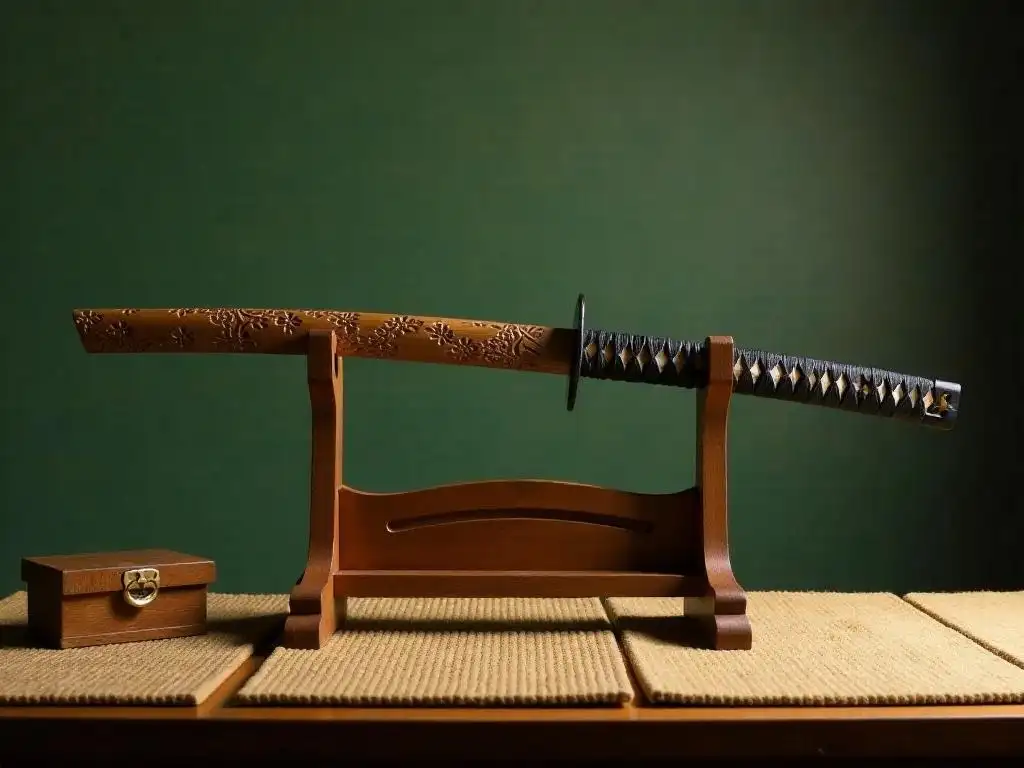
Welcome to Feudal Japan History, where we invite you to journey through the captivating tapestry of Japan's feudal era. This is not just a history lesson; it's an exploration of the rich cultural and societal nuances that defined a remarkable period. Today, we delve into an intriguing buying guide for samurai gear, unveiling the ten essential pieces of training gear that every aspiring samurai should consider. Are you ready to unlock the secrets of the past and equip yourself for the path of the warrior? Join us as we guide you through the artifacts that shaped legends!
- Introduction to the Buying Guide for Samurai Gear
- 1. Traditional Shinai: The Practice Sword of the Samurai
- 2. Gi: The Essential Samurai Training Uniform
- 3. Hakama: The Traditional Skirted Trousers
- 4. Tachi: The Authentic Samurai Sword
- 5. Protective Gear: Ensuring Safety During Training
- 6. Training Mats: Creating a Safe Training Environment
- 7. Training Weapons: Expanding Your Arsenal
- 8. Footwear: The Best Shoes for Samurai Training
- 9. Accessories: Enhance Your Samurai Training Experience
- 10. Additional Resources: Books and Online Courses for Samurai Training
- Conclusion: Making Informed Purchases for Your Samurai Training Gear
- Frequently Asked Questions
- Final Reflection: Embracing the Spirit of the Samurai through Gear
- Unleash Your Inner Samurai Today!
Introduction to the Buying Guide for Samurai Gear
In the storied tapestry of feudal Japan, the samurai stood as the epitome of martial prowess and honor. Aspiring to follow in their footsteps, modern martial artists and enthusiasts often seek to embody the spirit of the samurai through rigorous training and the appropriate gear.
This buying guide for samurai gear serves as a comprehensive resource for those looking to invest in essential training equipment that not only enhances performance but also pays homage to the rich traditions of this noble warrior class. Here, we will delve into the various types of gear available, their significance, and how to choose the right items to support your training journey.
Understanding the Importance of Training Gear for Samurai
Training gear for aspiring samurai is not merely about aesthetics; it plays a crucial role in developing skills, ensuring safety, and fostering discipline. Here are some key points to consider:
- Skill Development: Proper gear aids in the mastery of techniques, whether it's through the weight of a sword or the fit of a uniform.
- Safety: Quality training equipment protects practitioners from injuries during practice. This is especially important given the physical nature of martial arts.
- Cultural Connection: Using traditional gear fosters a deeper connection to the samurai ethos and the history of martial arts in Japan.
- Discipline and Respect: Wearing appropriate training attire instills a sense of discipline and respect for the art and its traditions.
Investing in the right training gear is essential for anyone serious about their martial arts practice, as it enhances not only performance but also the overall experience of training.
Overview of Essential Samurai Training Gear
When it comes to training like a samurai, several key pieces of gear are indispensable. Each item serves a specific purpose, contributing to both skill enhancement and safety. Below is a list of essential training gear for aspiring samurai:
- Bokken (Wooden Sword)
- Ideal for practicing sword techniques without the risks associated with live blades.
- Hakama (Traditional Pants)
- Provides freedom of movement and is a symbol of samurai culture.
- Gi (Training Uniform)
- A comfortable and durable uniform that allows for ease of movement during training.
- Obi (Belt)
- Used to secure the gi and symbolize rank and discipline.
- Men (Helmet)
- Protective headgear for sparring and combat training, ensuring safety during practice.
- Kote (Arm Guards)
- Protects the arms from impact during training sessions.
- Do (Chest Armor)
- Offers protection to the torso, allowing for more aggressive sparring without injury.
- Tachi (Long Sword)
- For advanced practitioners, this sword is used for kata and forms.
- Shinai (Bamboo Sword)
- A lightweight sword used in Kendo, ideal for sparring.
- Footwear
- Specialized martial arts shoes or tabi to enhance grip and mobility.
Understanding the function and importance of each of these items will help you make informed choices when shopping for your samurai training gear. As you navigate this buying guide, remember that quality and authenticity should always be prioritized to ensure the best training experience.
1. Traditional Shinai: The Practice Sword of the Samurai
Features of a Quality Shinai
A shinai is more than just a bamboo sword; it is an essential training tool for aspiring samurai and kendo practitioners, providing a safe way to practice techniques without the risks associated with metal swords. Here are some key features to consider when evaluating a quality shinai:
- Material: The shinai is primarily made of split bamboo, which offers a balance of flexibility and strength. Look for shinai made from high-quality, durable bamboo that can withstand the rigors of training.
- Weight: The shinai should feel comfortable in your hands. A standard shinai weighs between 400 to 600 grams, but the ideal weight can vary depending on the user’s size and skill level.
- Length: Shinai come in various lengths, typically ranging from 38 to 52 inches. Choosing the right length is crucial for effective practice; it should be proportional to your height and arm length.
- Balance: A well-balanced shinai enhances control and precision in strikes. The balance point should be near the handle for optimal maneuverability.
- Handle: The tsuka (handle) should be wrapped in cotton or leather, providing a secure grip. Ensure that the wrap is not too tight or loose, as both can affect your handling during practice.
- Tip (Tsuba): The tsuba (guard) on a shinai is usually made of plastic or leather, preventing the bamboo from splitting during use. A quality tsuba should fit snugly and not rattle.
Recommended Shinai Brands: Shureido, Tozando, and Kendo Star
When investing in a shinai, choosing a reputable brand can significantly impact your training experience. Here are three highly regarded brands that are known for their quality craftsmanship:
- Shureido:
- Renowned for producing high-end shinai, Shureido offers a variety of models tailored to different skill levels. Their shinai are known for their excellent balance and durability, making them a favorite among serious practitioners.
- Tozando:
- Tozando is a well-respected name in martial arts gear, providing a range of shinai options. Their products are often praised for their craftsmanship and affordability, catering to both beginners and advanced users.
- Kendo Star:
- Kendo Star offers innovative designs and quality construction at competitive prices. Their shinai are popular among practitioners looking for a good balance between performance and cost.
Advantages of Using a Shinai in Training
Using a shinai during training offers numerous benefits, making it an indispensable tool for aspiring samurai:
- Safety: The primary advantage of training with a shinai is the reduced risk of injury. Unlike metal swords, shinai are designed to be lightweight and flexible, allowing practitioners to spar and practice techniques safely.
- Technique Development: Practicing with a shinai helps develop proper striking techniques and body movement, essential skills for any martial artist. The shinai's design encourages correct form, which translates to improved performance with traditional weapons.
- Endurance Building: Regular training with a shinai helps build physical endurance. The repetitive motions of striking, blocking, and footwork improve strength and stamina, essential for a samurai's training.
- Realistic Practice: While shinai are not real swords, their design mimics the weight and feel of a katana, allowing practitioners to experience a more authentic training environment. This prepares them for the demands of martial arts competitions or real-life scenarios.
- Cost-Effective: Compared to traditional katana, shinai are relatively inexpensive, making them accessible for beginners. Investing in a quality shinai provides a solid foundation for training without the financial burden of a metal sword.
The traditional shinai is a crucial component for anyone serious about samurai training. By understanding its features, selecting reputable brands, and recognizing the advantages it offers, aspiring samurai can enhance their training experience effectively.
2. Gi: The Essential Samurai Training Uniform
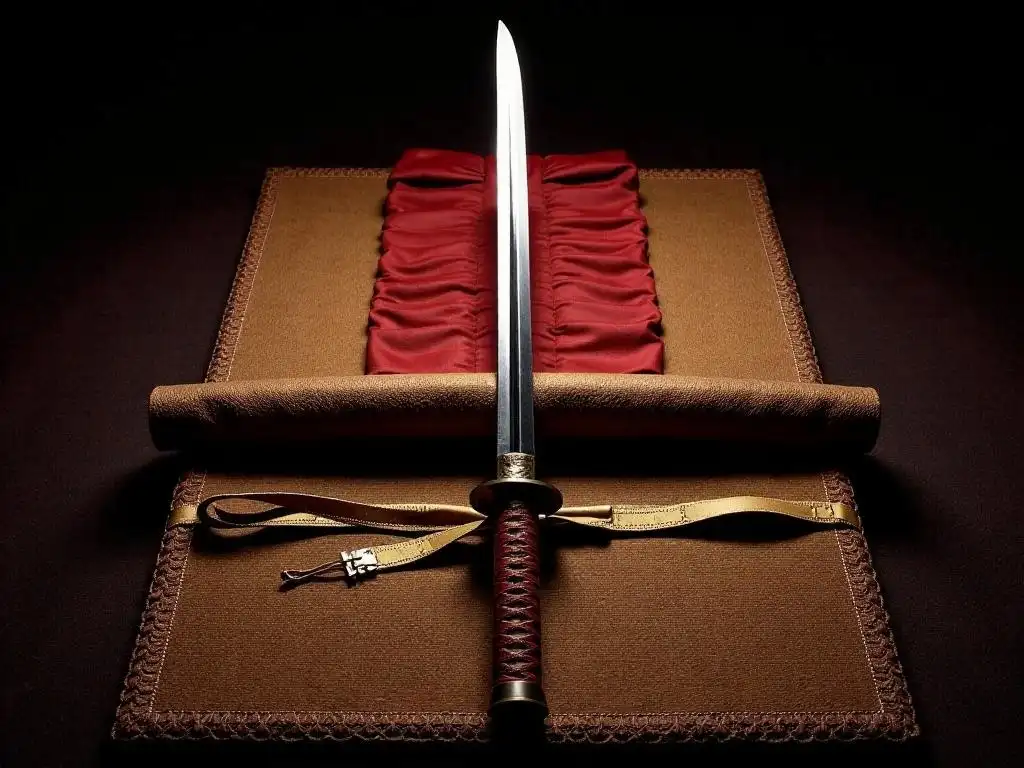
Selecting the Right Gi for Comfort and Performance
Choosing the right gi is crucial for aspiring samurai, as it forms the foundation of their training attire. A gi not only represents the tradition of martial arts but also impacts performance and comfort during practice. When selecting a gi, consider the following factors:
- Material: Look for high-quality fabrics such as cotton or a cotton-polyester blend. These materials are breathable, allowing for sweat absorption while providing durability.
- Fit: A gi should fit snugly without being restrictive. Ensure that the sleeves and pants allow for a full range of motion. Some brands offer tailored options to accommodate different body types.
- Weight: Gi weights vary, typically ranging from lightweight (around 8 oz) to heavyweight (up to 16 oz). Lightweight gis are ideal for hot climates and competition, whereas heavyweight options provide extra durability for rigorous training sessions.
- Design: Traditional styles often feature a simple design, while modern variations may include additional features like reinforced stitching or extra pockets. Choose a style that resonates with your personal training philosophy.
In addition to these considerations, it's advisable to try on different brands and cuts to find what suits your body best, as each manufacturer may have unique sizing and cuts.
Top Gi Options for Aspiring Samurai: Shureido, Tozando, and Mizuno
When it comes to quality and reputation, several brands stand out in the market for martial arts training gear. Here are three top gi options for aspiring samurai:
- Shureido:
- Overview: Known for their high-quality craftsmanship, Shureido gis are a favorite among serious practitioners.
- Features: Made from a 100% cotton fabric, these gis offer superior durability and comfort.
- Price Range: Expect to invest between $100 and $200 depending on the model.
- Tozando:
- Overview: A well-respected name in the martial arts community, Tozando provides a range of training gear focused on traditional Japanese martial arts.
- Features: Their gis are customizable, allowing you to select fabric weight and colors. They emphasize functionality with reinforced stress points.
- Price Range: Prices typically range from $80 to $150.
- Mizuno:
- Overview: Renowned for their athletic gear, Mizuno offers high-performance gis designed for flexibility and breathability.
- Features: Their unique fabric technology helps wick moisture away and keep you cool during intense training sessions.
- Price Range: You can find options from $70 to $160.
Each of these brands brings something unique to the table, making them excellent choices for those serious about their samurai training.
Key Benefits of Investing in a Quality Gi
Investing in a quality gi offers several benefits that go beyond aesthetics. Here are some key advantages:
- Enhanced Comfort: A well-fitted gi allows for freedom of movement, reducing distractions during training. This is vital for practicing techniques effectively.
- Durability: Higher-quality materials resist wear and tear, ensuring your gi lasts longer through rigorous training sessions. This durability saves money in the long run.
- Improved Performance: A quality gi can enhance your performance, as it is designed to facilitate movement and provide support. This means you can focus on technique rather than discomfort.
- Cultural Significance: Wearing a gi represents respect for the martial art and its traditions. It instills a sense of pride and belonging within the practice community.
- Confidence Boost: A well-made gi can enhance your confidence in training and competitions. Feeling good in your gear can translate to improved performance on the mat.
By investing in a quality gi, aspiring samurai can ensure they are well-equipped for their training journey while honoring the rich tradition of martial arts.
3. Hakama: The Traditional Skirted Trousers
Understanding the Role of Hakama in Samurai Training
The hakama, a traditional Japanese garment, plays a crucial role in the training and practice of aspiring samurai. Originating from the Heian period, the hakama is a skirt-like trouser that symbolizes the dignity and seriousness of the samurai class. It is not only a functional piece of training gear but also a representation of cultural heritage and martial discipline.
In samurai training, the hakama serves several key purposes:
- Mobility: The wide legs of the hakama allow for a full range of motion, which is essential for performing various martial arts techniques. This design helps practitioners execute movements with ease and agility.
- Tradition: Wearing a hakama connects trainees to the historical roots of their martial arts practices. It embodies the spirit of the samurai and reinforces commitment to the training discipline.
- Uniformity: In many dojos, wearing a hakama signifies rank and experience. It creates a sense of unity among practitioners, helping to foster a respectful training environment.
- Protection: The material of the hakama can provide a degree of protection against minor scrapes and injuries during practice sessions, especially when engaging in footwork or ground techniques.
Overall, the hakama is an integral part of a samurai's training attire, reflecting both functionality and cultural significance.
Best Hakama Brands: Tozando, Aikido, and Shureido
When it comes to selecting the right hakama for training, quality and craftsmanship are paramount. Here are three of the best brands known for their exceptional hakama:
- Tozando
- Overview: Established in Kyoto, Tozando is renowned for its high-quality martial arts gear, including hakama made from premium fabrics.
- Features: Tozando's hakama often include traditional pleating techniques and are available in various materials, such as cotton and polyester blends, providing durability and comfort.
- Price Range: $$
- Aikido
- Overview: Aikido offers a selection of hakama designed specifically for Aikido practitioners, but they are also suitable for other martial arts.
- Features: Known for their lightweight and breathable designs, Aikido hakama facilitate ease of movement while maintaining a classic aesthetic.
- Price Range: $$
- Shureido
- Overview: Based in Okinawa, Shureido specializes in high-end martial arts uniforms and gear, including beautifully crafted hakama.
- Features: Shureido's hakama are often made from premium cotton, featuring deep colors and intricate stitching, which enhance both durability and visual appeal.
- Price Range: $$$
| Brand | Material Options | Price Range |
|---|---|---|
| Tozando | Cotton, Polyester Blend | $$ |
| Aikido | Lightweight Cotton | $$ |
| Shureido | Premium Cotton | $$$ |
How to Properly Wear and Care for Your Hakama
Wearing a hakama correctly is essential for both comfort and tradition. Here’s a step-by-step guide on how to wear and care for your hakama:
How to Wear a Hakama
- Preparation: Start by putting on a kimono or a keikogi (training uniform) as the base layer.
- Step into the Hakama: Hold the hakama by the waist ties, step into it, and pull it up to your waist.
- Adjust the Pleats: Ensure that the pleats are evenly distributed at the back and front. The front pleats should overlap slightly to maintain a clean appearance.
- Tie the Waist: Use the waist ties to secure the hakama around your waist, making sure it sits comfortably without being too tight.
- Final Adjustments: Make any necessary adjustments to ensure that the hakama hangs properly and allows for free movement.
Care Tips for Your Hakama
- Washing: Always follow care instructions on the label. Most hakama can be machine washed on a gentle cycle. Use cold water to prevent fading.
- Drying: Air dry your hakama to maintain its shape. Avoid using a dryer, as the heat can damage the fabric.
- Ironing: If needed, iron your hakama on a low heat setting to remove wrinkles. Always iron on the inside to protect the outer fabric.
By understanding the significance and proper care of the hakama, aspiring samurai can enhance their training experience and pay homage to the traditions of the martial arts they practice.
4. Tachi: The Authentic Samurai Sword
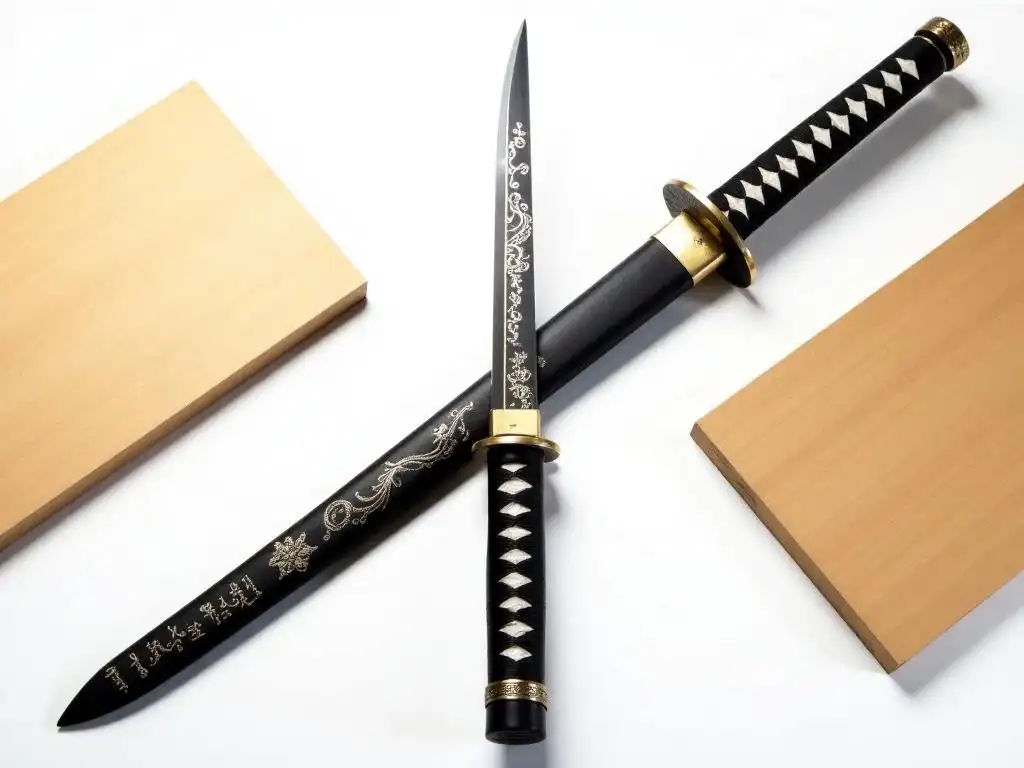
The tachi is a traditional Japanese sword that holds significant historical and cultural importance in the samurai era. Characterized by its curved blade and longer length, typically ranging from 2 to 3 feet, the tachi was primarily used by samurai warriors during battles. Unlike its contemporary counterpart, the katana, the tachi is designed to be worn suspended edge-down, which affects how it is drawn and wielded. Understanding the tachi's unique characteristics is essential for aspiring samurai, as it forms the backbone of authentic samurai training.
Differences Between Tachi and Other Swords
The tachi differs from other Japanese swords in several key aspects:
- Blade Design:
- The tachi features a more pronounced curve than the katana, with a longer and more slender blade. This design allows for powerful, sweeping cuts that were effective in mounted combat.
- Additional variations, such as the wakizashi, are shorter and were often paired with the tachi for a complete samurai arsenal.
- Mounting and Carrying:
- Tachi blades are traditionally mounted with the edge facing downward when worn, allowing for a quick draw and slice action. This contrasts with the katana, which is typically worn edge-up, facilitating a different style of drawing.
- Period and Usage:
- The tachi was predominantly used during the Heian to Kamakura periods (794-1333 AD), whereas the katana became more popular during the Muromachi period (1336-1573 AD) and beyond.
- The tachi is often regarded as a symbol of status and honor, with many intricately crafted variations reflecting the owner's rank and lineage.
- Lifespan and Craftsmanship:
- Historically, the tachi was forged using specific techniques that emphasized durability and cutting ability, such as differential hardening. This craftsmanship results in a blade that can be both stunningly beautiful and functionally effective.
- The tachi's construction often includes ornate fittings and a decorative tsuba (hand guard), signifying the artistry involved in its production.
Recommended Tachi Models: Hanwei, Bugei, and Cold Steel
When considering a tachi for training, it is essential to choose models from reputable manufacturers known for their quality and authenticity. Here are some recommended brands and models:
| Brand | Model | Key Features | Price Range |
|---|---|---|---|
| Hanwei | Shinto Tachi | High-carbon steel, beautiful hamon, full-tang | $900 - $1,200 |
| Bugei | Tachi-Style Katana | Authentic tachi characteristics, hand-forged | $1,300 - $1,800 |
| Cold Steel | Tachi Sword | Durable materials, good for practice | $300 - $400 |
- Hanwei Shinto Tachi: Renowned for its authentic design and high-carbon steel blade, this model is perfect for serious practitioners looking to experience a true tachi.
- Bugei Tachi-Style Katana: This sword combines traditional aesthetics with modern craftsmanship, providing a great balance between performance and beauty.
- Cold Steel Tachi Sword: An affordable option for beginners, this model offers durability for training without sacrificing key design elements.
Importance of a Good Tachi for Serious Practitioners
Investing in a high-quality tachi is crucial for serious samurai practitioners. Here are several reasons why:
- Skill Development:
- Training with a well-crafted tachi allows practitioners to develop proper techniques, such as drawing and cutting. The unique balance and weight of a tachi influence how techniques are executed.
- Historical Authenticity:
- For those studying traditional samurai arts, using an authentic tachi is vital for understanding the historical context and practices of the era. This connection to history enriches the training experience.
- Durability and Performance:
- A good tachi is made from high-quality materials, ensuring it can withstand the rigors of training. The craftsmanship affects not only the sword's aesthetic appeal but also its performance in drills and practice.
- Cultural Significance:
- Owning a tachi is more than just having a training tool; it's a connection to the samurai legacy. Practicing with this iconic weapon fosters respect for the martial arts and the values of discipline and honor that samurai embodied.
The tachi represents an essential piece of training gear for aspiring samurai. Selecting the right tachi from reputable brands ensures a meaningful and effective training experience, bridging the gap between historical practice and modern martial arts.
5. Protective Gear: Ensuring Safety During Training
Types of Protective Gear Every Samurai Should Have
When training in the martial arts disciplines of the samurai, safety is paramount. The right protective gear not only minimizes the risk of injury but also allows practitioners to train with confidence and intensity. Here are the essential types of protective gear every aspiring samurai should consider:
- Men (Head Protection)
- Description: A men is a helmet made of thick fabric, often reinforced with additional materials like foam or plastic to absorb impacts.
- Purpose: Protects the head and face during sparring and combat training.
- Do (Chest Armor)
- Description: A do is a chest protector that covers the torso, typically made from materials like leather or synthetic composites.
- Purpose: Shields the body from strikes, ensuring that vital organs are safeguarded during training.
- Kote (Arm Guards)
- Description: Kote are padded gloves that protect the hands and forearms.
- Purpose: They enable the samurai to grip weapons while providing cushioning against impacts.
- Tare (Waist Protection)
- Description: Tare consists of a skirt-like protector that covers the lower abdomen and upper thighs.
- Purpose: Offers additional protection during strikes aimed at the lower body.
- Shin Guards
- Description: Padded guards that protect the shins and lower legs.
- Purpose: Essential for blocking low strikes and preventing abrasions during footwork drills.
Best Brands for Protective Gear: Arai, Adidas, and Mizuno
When investing in protective gear, quality matters. Here are three reputable brands known for their reliable and durable samurai training gear:
- Arai
- Overview: Arai is renowned for high-quality protective gear that combines traditional craftsmanship with modern technology.
- Key Products: Their men and do are particularly favored for their comfort and durability.
- Adidas
- Overview: A global sports brand, Adidas offers a range of martial arts gear, including protective equipment that meets international standards.
- Key Products: Their kote and shin guards are designed for flexibility and maximum protection.
- Mizuno
- Overview: Mizuno is celebrated for its sports equipment and is known for producing top-notch protective gear tailored for martial arts.
- Key Products: Their do and tare have received excellent reviews for their protective capabilities and fit.
Why Protection is Critical in Samurai Training
The importance of protective gear in samurai training cannot be overstated. Here are several reasons why safety equipment is essential:
- Injury Prevention: Training in martial arts can be intense, and without appropriate protection, even minor accidents can lead to serious injuries. Protective gear significantly reduces the risk of cuts, bruises, and fractures.
- Confidence Building: When practitioners wear protective gear, they can push their limits without the fear of injury. This confidence allows for better focus on technique and skill development.
- Realistic Training Environment: Protective gear enables practitioners to engage in more realistic training scenarios, such as sparring, without the constant worry of sustaining injuries. This is crucial for developing effective combat skills.
- Long-Term Participation: Safety gear encourages longer participation in training by minimizing the physical toll on the body. This fosters a more sustainable practice and a deeper commitment to martial arts.
Investing in high-quality protective gear is an essential step for any aspiring samurai. By ensuring safety during training, practitioners can fully immerse themselves in their martial arts journey, honing their skills while minimizing the risk of injury.
6. Training Mats: Creating a Safe Training Environment

Training mats are an essential component for any aspiring samurai during their training sessions. They provide a safe and comfortable surface that minimizes the risk of injury while allowing practitioners to focus on mastering their techniques. In this section, we will explore the features to look for in quality training mats, recommend some top brands, and discuss the benefits of incorporating these mats into your samurai training regimen.
Features to Look for in Quality Training Mats
When selecting training mats, consider the following features to ensure you choose the best option for your practice:
- Thickness:
- Mats typically range from 0.5 to 2 inches in thickness. A thicker mat provides better cushioning and support for falls and ground techniques.
- Material:
- Look for mats made from high-density foam or rubber, as these materials offer durability and shock absorption.
- Surface Texture:
- A non-slip surface is crucial for maintaining stability during practice. Mats with a textured surface can help prevent slipping, especially when executing dynamic movements.
- Size:
- Ensure that the mat is large enough to accommodate various training drills. Standard sizes range from 4x8 feet to larger options, depending on your space and needs.
- Portability:
- If you plan to move your training area frequently, consider mats that are lightweight and easy to transport. Some mats come with carrying handles or can be rolled up for convenience.
- Ease of Cleaning:
- Choose mats that are easy to clean and maintain. Vinyl or PVC surfaces can be wiped down easily after training sessions, reducing the risk of bacteria build-up.
Recommended Training Mats: ProForm, Airex, and Everlast
Here are three highly recommended training mats that cater to the needs of aspiring samurai:
- ProForm Training Mats
- Thickness: 1.5 inches
- Material: High-density foam
- Features: Non-slip surface, durable, easy to clean
- Ideal Use: Suitable for various martial arts practices, including ground work and grappling.
- Airex Mats
- Thickness: 0.75 inches
- Material: Closed-cell foam
- Features: Lightweight, portable, excellent shock absorption
- Ideal Use: Great for both indoor and outdoor training environments.
- Everlast Training Mats
- Thickness: 1 inch
- Material: PVC with foam core
- Features: Non-slip, durable, available in multiple sizes
- Ideal Use: Versatile for all types of martial arts and fitness workouts.
Benefits of Using Training Mats for Samurai Practice
Incorporating training mats into your samurai practice offers several advantages:
- Injury Prevention: The cushioning effect of mats significantly reduces the risk of injuries from falls or strikes, allowing practitioners to train more effectively and confidently.
- Improved Comfort: Training on a soft surface enhances comfort during long practice sessions, making it easier to focus on technique rather than discomfort.
- Enhanced Focus on Technique: With a safe environment, practitioners can concentrate on refining their skills without the distraction of worrying about potential injuries.
- Versatility for Various Techniques: Training mats allow for a wide range of practice techniques, including throws, ground fighting, and footwork drills, providing a comprehensive training experience.
- Easy Setup and Storage: Many training mats are designed for quick assembly and disassembly, making them convenient for both home and dojo training environments.
By investing in quality training mats, aspiring samurai can create a safe and conducive training environment that fosters growth, skill development, and a deeper understanding of martial arts.
7. Training Weapons: Expanding Your Arsenal
Overview of Various Training Weapons for Samurai
In the path of becoming a samurai, training weapons play a crucial role in developing skills, discipline, and technique. Unlike modern martial arts that may use padded or synthetic gear, traditional samurai training emphasizes the use of specific weapons that closely mimic their historical counterparts. Understanding the different types of training weapons is essential for any aspiring samurai.
- Bokken (木剣): The bokken is a wooden replica of a katana, widely used for practicing sword techniques. It allows practitioners to train safely without the risk of injury from a live blade. The bokken is versatile, suitable for both solo drills and partner exercises.
- Jo (杖): A jo is a short wooden staff, typically about 128 cm (51 inches) long. It is used in various martial arts styles, including Aikido and Jodo. The jo is excellent for practicing distance management, striking, and defensive movements.
- Bo Staff (棒): The bo is a longer staff, usually around 183 cm (72 inches). It is utilized in various traditional Japanese martial arts, emphasizing thrusting, striking, and spinning techniques. The bo is ideal for developing strength and coordination.
- Naginata (薙刀): A naginata combines a curved blade with a long pole, providing versatility in training. While less common than the bokken or jo, it is used in some schools to enhance footwork and striking techniques.
- Tanto (短刀): A tanto is a short dagger used for close-quarters training. Practicing with a tanto helps improve reflexes and hand-eye coordination, making it a valuable addition to a samurai's training arsenal.
Top Recommended Training Weapons: Bokken, Jo, and Bo Staff
When selecting training weapons, quality and craftsmanship are paramount. Here are some top recommendations for each category of training weapon:
| Weapon | Recommended Brands | Key Features |
|---|---|---|
| Bokken | Musashi, Katsuichi | Durable, lightweight, with authentic balance |
| Jo | Shureido, Tozando | Solid wood, varied lengths for personalized choice |
| Bo Staff | Dragon, Kendo World | High-quality wood, options for tapered ends for grip |
Bokken Recommendations
- Musashi Bokken: Crafted from durable hardwood, it offers a perfect balance for kata and partner work.
- Katsuichi Bokken: Known for its authentic feel and craftsmanship, suitable for both beginners and advanced practitioners.
Jo Recommendations
- Shureido Jo: Made from quality white oak, this jo provides excellent durability and grip.
- Tozando Jo: Available in various lengths and weights, catering to individual preferences and training styles.
Bo Staff Recommendations
- Dragon Bo Staff: Made from solid oak, this bo is designed for strength and flexibility.
- Kendo World Bo Staff: Offers a variety of styles, including tapered versions for enhanced maneuverability.
How to Choose the Right Training Weapon for Your Needs
Selecting the appropriate training weapon is a personal decision influenced by various factors. Here are some key considerations to help guide your choice:
- Skill Level: Beginners should start with a bokken, as it is safer and easier to handle. As skills progress, incorporating a jo or bo staff can add complexity to training.
- Training Goals: Consider what aspects of martial arts you wish to focus on. If your goal is to refine sword techniques, the bokken is essential. For broader training, including staff techniques, both the jo and bo staff should be part of your arsenal.
- Physical Attributes: Your height and strength can play a significant role in weapon selection. Ensure the weapon length is comfortable for you, allowing for proper technique without strain.
- Budget: High-quality training weapons can vary in price. Invest in the best quality you can afford, as this will enhance your training experience and longevity of the equipment.
- Personal Preference: Ultimately, comfort and personal preference should guide your choice. Attend training sessions where different weapons are used to find what feels right for you.
By understanding the various training weapons available and making informed choices, you can effectively expand your arsenal and enhance your journey as an aspiring samurai.
8. Footwear: The Best Shoes for Samurai Training
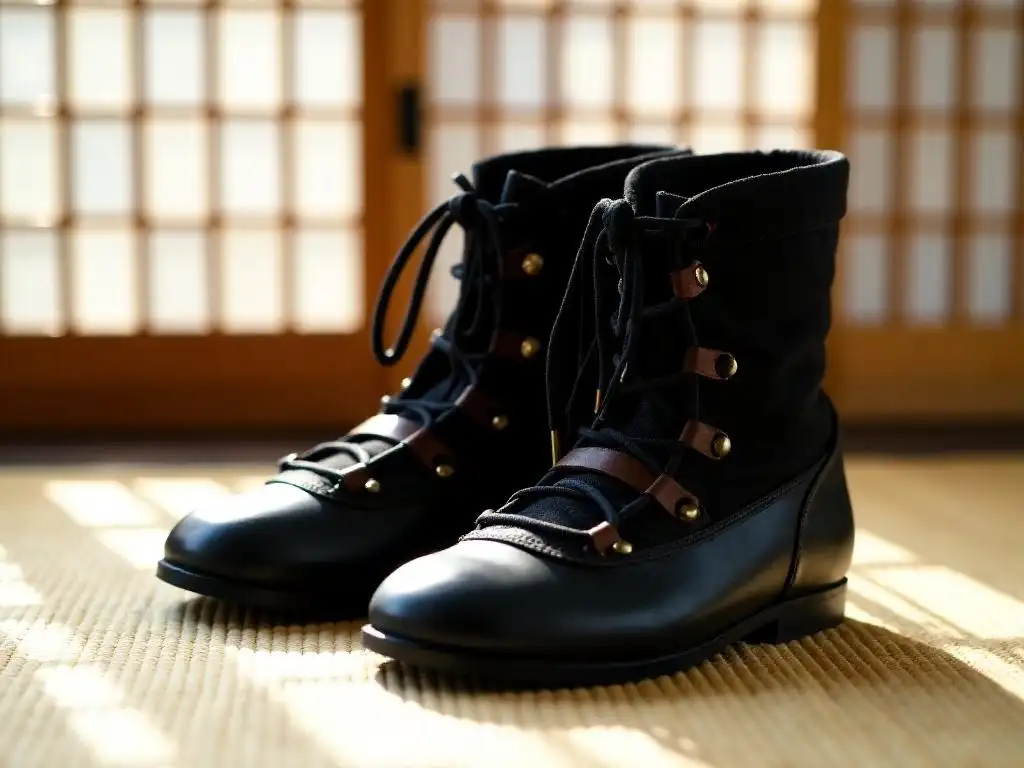
Importance of Proper Footwear in Martial Arts
Proper footwear plays a pivotal role in martial arts training, particularly for aspiring samurai. The right shoes can significantly enhance performance, stability, and safety during practice. In the context of samurai training, footwear is not just about aesthetics; it is essential for executing precise movements and maintaining balance.
Key Benefits of Proper Footwear:
- Injury Prevention: Well-fitting shoes provide adequate support, reducing the risk of injuries such as ankle sprains or blisters.
- Improved Traction: A good grip on the training surface is crucial for executing techniques effectively, especially when performing dynamic movements.
- Comfort and Endurance: Training sessions can be long and demanding, making comfort a priority. Shoes that fit well help practitioners stay focused on their techniques rather than discomfort.
In samurai training, where traditional movements may be combined with modern techniques, choosing the right footwear can dramatically influence the training experience and overall effectiveness.
Best Footwear Brands for Samurai Practitioners: Asics, Nike, and Adidas
Several reputable brands offer footwear that caters to the needs of samurai practitioners. Here’s a closer look at three of the leading brands that consistently provide quality training shoes:
- Asics: Known for their excellent cushioning and support, Asics shoes are designed to enhance performance and comfort.
- Popular Model: Asics Gel-Quest 2, which offers stability and shock absorption.
- Nike: This brand combines modern design with functionality, ensuring that practitioners have both style and performance.
- Popular Model: Nike Free RN, known for its lightweight feel and flexibility, allowing for natural movement during training.
- Adidas: Renowned for their innovative technology, Adidas provides shoes that accommodate various training environments.
- Popular Model: Adidas Adizero, which is favored for its lightweight design and responsive cushioning.
These brands have established themselves in the martial arts community, making them a reliable choice for aspiring samurai looking to invest in quality footwear.
Key Features to Consider When Selecting Training Shoes
When selecting footwear for samurai training, it's essential to consider several key features to ensure that the shoes meet your specific needs:
- Fit and Comfort:
- Shoes should fit snugly but not too tight, allowing for proper movement without causing discomfort.
- Look for shoes with breathable materials to prevent overheating during intense training sessions.
- Traction:
- A rubber sole with a textured pattern provides better grip on various surfaces, which is essential for maintaining balance during techniques.
- Support:
- Shoes should offer proper arch and ankle support to minimize the risk of injury, especially during dynamic movements.
- Weight:
- Lightweight shoes enhance agility and speed, allowing for swift movements essential in martial arts.
- Durability:
- High-quality materials ensure that the shoes withstand the rigors of training and do not wear out quickly.
By keeping these features in mind, aspiring samurai can choose the right footwear that complements their training style and enhances their overall performance.
9. Accessories: Enhance Your Samurai Training Experience
Must-Have Accessories for Aspiring Samurai
When embarking on the journey of samurai training, the right accessories play a crucial role in enhancing both performance and authenticity. While primary gear such as swords and uniforms are vital, accessories can significantly improve your training experience. Here are some essential accessories for aspiring samurai:
- Obi: This traditional sash is not only a functional piece that secures the kimono but also serves as a symbol of discipline and dedication.
- Tachi Saya: A saya is the scabbard for your sword, and the tachi saya is specifically designed for longer blades, providing both protection and ease of access.
- Training Gloves: These gloves offer crucial hand protection during sparring sessions while enhancing grip on the weapon.
Incorporating these accessories not only improves your safety but also allows you to train effectively while respecting the traditions of the samurai.
Recommended Accessories: Obi, Tachi Saya, and Training Gloves
Obi
The obi is a fundamental accessory in samurai training. It is typically made from durable fabric and is available in various designs and colors. The right obi can help you maintain proper posture and balance during practice sessions. Here are some key points to consider when selecting an obi:
- Material: Look for high-quality materials like cotton or silk that offer durability and comfort.
- Width: Choose a width that suits your body type and training style. Wider obis provide better support.
- Color: Traditionally, colors can signify different ranks or levels of expertise, making your choice meaningful.
Tachi Saya
The tachi saya is essential for storing and protecting your blade when not in use. It not only enhances the aesthetic of your training gear but also ensures that your sword remains in prime condition. Consider the following factors:
- Fit: The saya should match the size of your sword for proper protection and ease of drawing.
- Material: Wood is the traditional choice, but synthetic materials can offer added durability.
- Design: Custom designs may reflect personal style or lineage, making your training experience more personalized.
Training Gloves
Training gloves are an often-overlooked accessory that can greatly improve your training sessions. They provide essential protection against impact while maintaining flexibility for effective handling of weapons. When choosing training gloves, keep these aspects in mind:
- Padding: Ensure adequate padding to absorb shocks during sparring.
- Grip: Look for gloves with textured surfaces for better grip on your sword.
- Fit: Opt for gloves that fit snugly to allow unrestricted movement.
The Role of Accessories in Effective Training
Accessories are more than just additional items in your training arsenal; they are integral to a well-rounded samurai practice. The right accessories can enhance your training in several ways:
- Safety: Proper accessories like gloves and protective gear minimize the risk of injuries during sparring and drills.
- Functionality: Accessories such as the obi and tachi saya improve not only the functionality of your gear but also facilitate smoother movements and transitions.
- Tradition and Discipline: Wearing traditional accessories fosters a connection to samurai history and culture, instilling a sense of discipline and respect in practitioners.
By thoughtfully selecting and incorporating accessories into your training regimen, you can create a more authentic and effective samurai training experience. Whether it's the symbolic significance of the obi, the protective nature of the tachi saya, or the practicality of training gloves, each accessory plays a vital role in your journey to becoming an adept martial artist.
10. Additional Resources: Books and Online Courses for Samurai Training

Recommended Reading for Aspiring Samurai: The Book of Five Rings and Hagakure
For those dedicated to mastering the way of the samurai, literature plays an invaluable role in deepening understanding and refining techniques. Two seminal texts that should be on every aspiring samurai's reading list are "The Book of Five Rings" by Miyamoto Musashi and "Hagakure" by Yamamoto Tsunetomo.
- The Book of Five Rings:
- Written in 1645, this classic text offers profound insights into strategy, philosophy, and martial arts.
- Musashi, a renowned swordsman, emphasizes the importance of adaptability and mental discipline. Key concepts include:
- The significance of understanding timing and distance.
- The principle of "No Mind" (Mushin), which focuses on achieving clarity and spontaneity in combat.
- Hagakure:
- Compiled in the early 18th century, this work serves as a guide to the samurai way of life, emphasizing bushido (the way of the warrior).
- Tsunetomo's reflections provide valuable lessons on loyalty, honor, and the acceptance of death. Important themes include:
- The necessity of living each moment with purpose and awareness.
- The value of self-discipline and continual self-improvement.
Both texts offer timeless wisdom that aligns with the essentials of samurai training, making them indispensable resources for anyone serious about their journey.
Online Courses and Communities to Join for Further Learning
In addition to classic literature, aspiring samurai can benefit greatly from modern learning platforms and community engagement. Here are some recommended opportunities:
- Online Courses:
- Platforms like Udemy and Coursera offer courses on martial arts techniques, including kenjutsu (the art of the sword) and iaijutsu (the art of drawing the sword).
- Look for courses that cover:
- Historical context of samurai practices.
- Practical applications of techniques derived from traditional styles.
- Communities:
- Joining online forums such as Reddit's r/martialarts or dedicated samurai groups on social media can provide support, feedback, and camaraderie.
- Participating in local dojo (martial arts schools) can further enhance learning through direct interaction with instructors and fellow practitioners.
Engaging with these resources not only fosters skill development but also nurtures a deeper appreciation for the rich heritage of the samurai tradition.
Importance of Continuous Learning in Samurai Training
Continuous learning is paramount in the pursuit of mastery in samurai training. Here are several reasons why committing to lifelong education is essential:
- Skill Refinement:
- Techniques and strategies evolve, and staying updated through workshops or seminars can help practitioners refine their skills.
- Philosophical Growth:
- The samurai way is as much about mindset as it is about martial prowess. Engaging with new literature or philosophies encourages personal growth and resilience.
- Community Engagement:
- Learning alongside others fosters a sense of belonging and shared purpose, which can motivate practitioners to push their limits and explore new avenues in their training.
- Adaptability:
- The ability to adapt to new challenges and perspectives is crucial in martial arts. Continuous education encourages flexibility in thought and practice, preparing samurai for both physical and mental encounters.
By embracing continuous learning, aspiring samurai not only honor the legacy of their predecessors but also pave the way for their own growth and mastery in the martial arts.
Conclusion: Making Informed Purchases for Your Samurai Training Gear
Selecting the right training gear is crucial for any aspiring samurai. The journey to mastering the art of the samurai is not only about dedication and practice; it also involves using the appropriate equipment to enhance your skills and ensure safety during training. Below, we recap the essential gear that every budding samurai should consider:
Recap of the Essential Gear for Aspiring Samurai
-
Bokken (Wooden Sword):
A fundamental training tool mimicking the katana, providing a safe way to practice techniques.
-
Hakama (Training Pants):
Traditional trousers that allow for freedom of movement while also maintaining a sense of formality.
-
Gi (Training Uniform):
A lightweight, durable uniform necessary for effective training sessions.
-
Men (Helmet):
Protective headgear designed to ensure safety during partner drills.
-
Kote (Armor for Arms):
Arm protection that allows practitioners to focus on technique without fear of injury.
-
Tachi (Sword):
A more advanced tool for those who have progressed beyond basic training.
-
Shinai (Bamboo Sword):
Used in Kendo training, it offers a balance between weight and safety.
-
Footwear:
Proper training shoes or tabi that provide grip and support during practice.
-
Protective Gear:
Additional padding for critical areas to prevent injuries during sparring.
-
Training Mats:
Essential for practicing falls and techniques safely on hard surfaces.
Final Tips for Choosing the Right Samurai Training Equipment
When selecting your samurai training gear, consider the following tips to ensure you make informed choices:
-
Assess Your Skill Level:
Determine whether you are a beginner or an advanced practitioner. This assessment will guide you in choosing appropriate gear tailored to your experience.
-
Research Quality Brands:
Look for reputable brands known for their craftsmanship and durability. Quality gear often leads to a better training experience and longer-lasting equipment.
-
Seek Recommendations:
Engage with instructors or experienced practitioners in your dojo. Their insights can help you identify the best gear for your needs.
-
Prioritize Comfort and Fit:
Ensure that your gear fits well and is comfortable to wear. Ill-fitting equipment can hinder performance and lead to injuries.
-
Budget Wisely:
While it may be tempting to buy the cheapest option, investing in quality equipment will pay off in the long run. Aim for a balance between affordability and quality.
Encouragement to Invest in Quality Gear for Optimal Training
Investing in quality samurai training gear is not just a financial decision; it is an investment in your training journey. High-quality equipment enhances performance, increases safety, and contributes to a more enjoyable training experience. Remember, the right gear can significantly impact your progression as a martial artist. So, take the time to research, compare options, and choose wisely.
As you embark on your path to becoming an accomplished samurai, let your gear reflect your commitment to excellence. Happy training!
Frequently Asked Questions
What are the essential pieces of training gear for aspiring samurai?
The 10 essential pieces include items like hakama, gi, and bokken, which are crucial for practicing traditional martial arts and embodying the samurai spirit.
Where can I find a buying guide for samurai gear?
You can explore a comprehensive buying guide for samurai gear on specialized websites, including detailed descriptions and recommendations to assist your purchase decisions.
How does training gear affect samurai practice?
Using the right training gear enhances performance, ensuring proper technique and safety during practice, which is vital for mastering the martial arts of the samurai.
What factors should I consider when buying samurai gear?
When purchasing, consider material quality, fit, and cultural authenticity to ensure that your gear meets the standards of traditional samurai training.
Is it necessary to invest in authentic samurai gear for training?
While it may not be strictly necessary, investing in authentic samurai gear can significantly improve your understanding of the culture and enhance your overall training experience.
Final Reflection: Embracing the Spirit of the Samurai through Gear
In today's fast-paced world, the essence of the samurai spirit—discipline, honor, and perseverance—remains profoundly relevant. As we explore the essential training gear for aspiring samurai, we not only equip ourselves physically but also embody the values that these warriors stood for. The right gear can transform our training experience, serving as a bridge between the past and the present, reminding us that the journey of self-improvement is as significant as the destination itself.
The influence of samurai culture extends far beyond the dojo; it permeates our social landscape, inspiring individuals to pursue excellence in various aspects of life. As we don the armor of our training gear, we are not just preparing for physical challenges but also cultivating a mindset of resilience and focus. The ultimate aim of the martial arts is not having to use them.
This quote encapsulates the true purpose of our training: to develop inner strength and wisdom that transcends the battlefield. The gear we choose becomes a symbol of our commitment to this lifelong journey of growth and self-discovery.
As you reflect on the insights shared in this buying guide for samurai gear, I invite you to consider how the principles of the samurai can be integrated into your own life. What does it mean to train with purpose and intention?
Let the spirit of the samurai inspire you to pursue your goals with unwavering determination, whether on the mat, in your career, or in personal endeavors. Embrace the journey ahead, and remember that every piece of gear you select is not just an investment in your training but a step toward embodying the noble qualities of a true samurai.
Unleash Your Inner Samurai Today!
Thank you for taking the time to explore our guide on essential training gear for aspiring samurai. You've gained valuable insights into what it takes to step into this rich and empowering tradition. Now, it’s time to put that knowledge into action!
Here are some easy steps to help you embark on your samurai journey:
- Invest in Your First Gear: **Choose a key piece of training equipment** to kickstart your practice. Whether it’s a shinai (bamboo sword) or a training gi (uniform), make that purchase today!
- Join a Local Dojo: **Look for a martial arts dojo in your area** that specializes in traditional Japanese disciplines. Engaging with a community of practitioners can enhance your skills and commitment.
- Share Your Journey: **Talk about your goal to train like a samurai on social media** or discuss it with friends. You might inspire others to join you on this exciting path!
As you ponder your next steps, consider this: What authentic qualities of the samurai do you wish to embody in your daily life? Your journey begins now!