
Best Practices for Caring for Your Martial Arts Gear: A Maintenance Guide

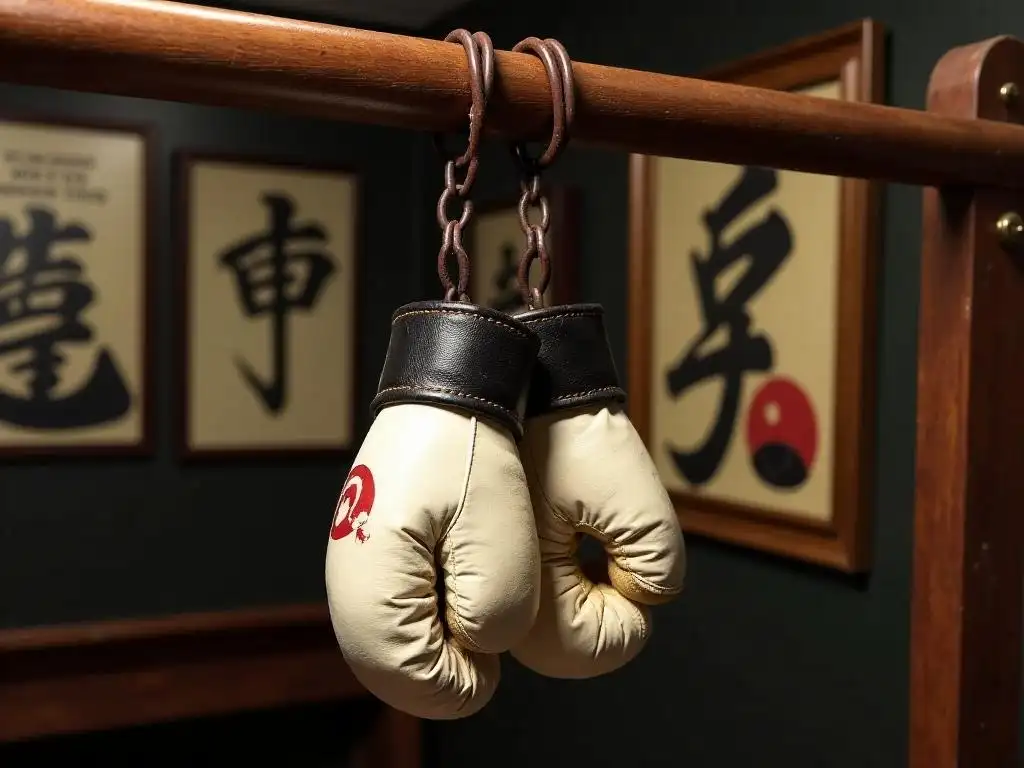
Welcome to Feudal Japan History, where we embark on a fascinating journey through the intricate tapestry of Japan's feudal era. Here, you will uncover the profound historical, cultural, and societal nuances that shaped this remarkable period. In our featured article, we delve into "Best Practices for Caring for Your Martial Arts Gear: A Maintenance Guide," revealing essential tips and techniques that every martial artist should know.
Curious about how to preserve the very tools that connect you to this storied past? Join us as we explore these insights and much more, inviting you to deepen your understanding and appreciation of martial arts in the context of feudal Japan.
- Introduction to Martial Arts Gear Maintenance Tips
- Essential Martial Arts Gear Maintenance Tips
- Recommended Products for Martial Arts Gear Care
- Common Mistakes in Martial Arts Gear Maintenance
- Conclusion: Enhance the Longevity of Your Martial Arts Gear
- Frequently Asked Questions
- Final Reflection: The Essential Role of Martial Arts Gear Maintenance
- Revitalize Your Practice: Care for Your Martial Arts Gear Today!
Introduction to Martial Arts Gear Maintenance Tips
Caring for martial arts gear is crucial for both the longevity of the equipment and the safety of the practitioner. Proper maintenance not only ensures that your gear remains in optimal condition but also enhances your performance and reduces the risk of injury.
Whether you are a seasoned martial artist or a beginner, understanding the best practices for maintaining your gear can make a significant difference in your training experience. In this guide, we will explore essential tips and techniques for keeping your martial arts equipment in top shape, ensuring that you are always ready to perform at your best.
Importance of Proper Care for Martial Arts Equipment
Maintaining your martial arts gear is essential for several reasons:
- Safety: Worn or damaged equipment can lead to injuries. Regular maintenance helps identify issues before they become dangerous.
- Performance: Well-maintained gear performs better, allowing you to focus on technique rather than worrying about equipment issues.
- Longevity: Proper care extends the life of your gear, saving you money in the long run by delaying the need for replacements.
- Hygiene: Regular cleaning reduces the accumulation of bacteria and odors, promoting a healthier training environment.
By prioritizing maintenance, you not only enhance your training experience but also respect the traditions and practices of martial arts.
Overview of Common Types of Martial Arts Gear
Martial arts encompass a wide variety of disciplines, each with its specific equipment needs. Here are some common types of martial arts gear:
- Uniforms (Gi): Essential for most martial arts, they require regular washing and proper storage to maintain their shape and cleanliness.
- Protective Gear: Includes headgear, mouthguards, gloves, and shin guards. These items need to be cleaned and inspected for wear after each use.
- Training Weapons: Such as bokken or jo, which should be treated with care to prevent damage and ensure their effectiveness in training.
- Footwear: Specialized shoes or bare feet are often used in martial arts. Keeping footwear clean and dry is essential for both hygiene and performance.
Understanding the various types of gear and their maintenance needs is the first step in ensuring they serve you well throughout your martial arts journey.
Essential Martial Arts Gear Maintenance Tips
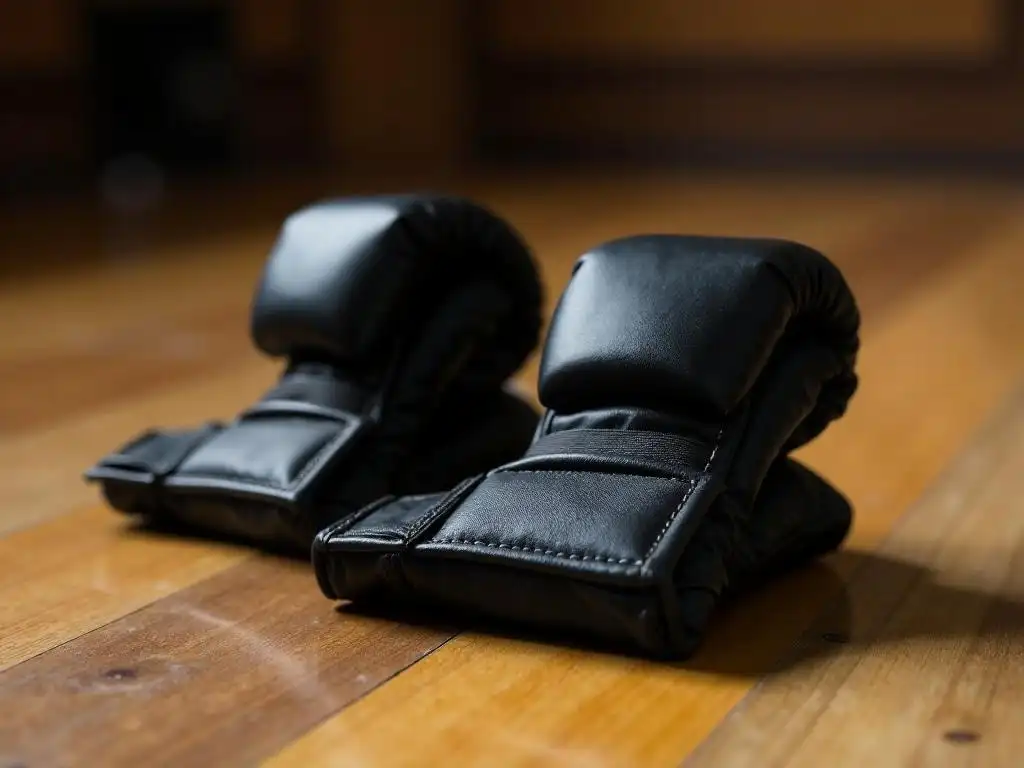
Maintaining your martial arts gear is crucial not only for ensuring its longevity but also for your safety during training and competition. Below are some essential maintenance tips that will keep your equipment in optimal condition.
Cleaning Techniques for Different Gear Types
How to Clean Gi and Uniforms
Cleaning your gi and uniforms is essential for hygiene and performance. Here are some effective techniques:
- Regular Washing:
- Use cold water to prevent shrinkage and fading. Hot water can damage the fabric over time.
- Choose a mild detergent that is free from bleach to maintain color integrity.
- Pre-Treat Stains:
- For stubborn stains, apply a mixture of water and white vinegar to the affected area before washing.
- Let it sit for about 10-15 minutes to break down the stain.
- Air Drying:
- Avoid using a dryer. Instead, hang your gi to dry in a shaded area to prevent UV damage and maintain fabric strength.
- Ironing:
- If necessary, iron your gi on a low setting to remove wrinkles. Always place a thin cloth between the iron and the gi to avoid scorching.
Caring for Protective Gear: Helmets, Cups, and Pads
Protective gear is vital for safety during training. Proper maintenance will ensure their effectiveness:
- Cleaning:
- Use a damp cloth or sponge with mild soap to wipe down helmets, cups, and pads after each use.
- For helmets, remove the inner lining if possible and wash it separately.
- Drying:
- Always air dry your protective gear. Avoid direct sunlight, which can degrade materials.
- Inspections:
- Regularly check for cracks, tears, or signs of wear. Replace any gear that shows significant damage to ensure maximum protection.
Maintaining Your Martial Arts Weapons: Swords and Staffs
Proper care for your martial arts weapons is essential for both performance and safety:
- Cleaning:
- For swords, wipe the blade with a soft, dry cloth after each use to remove moisture and prevent rust.
- Use a specialized oil (like choji oil for Japanese swords) to lubricate the blade and protect it from corrosion.
- Storage:
- Store your swords in their protective sheaths or cases to avoid damage.
- For staffs, keep them in a dry area, preferably on a padded rack to prevent warping.
- Regular Maintenance:
- Sharpen blades as needed using appropriate tools. Ensure you follow safety procedures during sharpening.
Storage Best Practices for Martial Arts Equipment
Optimal Storage Solutions for Gi and Training Clothes
The way you store your gi and training clothes can significantly affect their lifespan:
- Use Breathable Bags:
- Store your uniforms in breathable cotton bags to prevent mildew. Avoid plastic bags that trap moisture.
- Organize by Type:
- Keep different types of gear (training gi, competition gi, etc.) in separate areas to facilitate easy access and prevent damage.
- Avoid Overcrowding:
- Ensure your gear has enough space to breathe. Overcrowding can lead to wrinkles and odors.
How to Store Protective Gear to Extend Lifespan
Storing protective gear properly will enhance its durability and functionality:
- Dedicated Storage Bins:
- Use bins or containers specifically for protective gear. Ensure they are well-ventilated to avoid moisture buildup.
- Positioning:
- Store gear upright whenever possible. Avoid stacking heavy items on top of lighter ones to prevent deformation.
- Keep Dry:
- Ensure that all gear is completely dry before storing to prevent mold and mildew growth.
Proper Weapon Storage: Racks and Cases
Storing weapons correctly is crucial for safety and maintenance:
- Weapon Racks:
- Invest in a sturdy weapon rack that can hold swords and staffs securely. This prevents bending or warping.
- Protective Cases:
- Use padded cases for transporting or storing weapons. This protects against impact damage.
- Avoid Humidity:
- Store weapons in a cool, dry place to prevent rusting and deterioration. Consider using silica gel packets to absorb moisture.
By implementing these martial arts gear maintenance tips, you can ensure that your equipment remains in top condition, enhancing your performance and extending the life of your gear.
Regular Inspection and Maintenance Routines
Regular inspection and maintenance of martial arts gear are crucial for ensuring safety, performance, and longevity. Athletes should develop a routine to check their equipment before and after training sessions. This practice not only helps identify potential issues but also reinforces the importance of caring for one’s gear.
A typical inspection routine might include:
- Visual Checks: Examine your gear for visible damage such as cracks, tears, or fraying. Pay special attention to areas that endure the most stress, such as straps, seams, and padding.
- Functional Tests: Ensure that all equipment functions as intended. For example, check that protective gear fits snugly and stays in place during movements. For uniforms, confirm that they are free from rips and provide adequate flexibility.
- Cleaning Procedures: Incorporate cleaning into your routine. Wipe down equipment after each use to prevent sweat and bacteria buildup, which can lead to unpleasant odors or infections.
By establishing a routine that includes these elements, martial artists can ensure their gear remains in optimal condition.
Signs of Wear and Tear in Martial Arts Gear
Recognizing signs of wear and tear in martial arts gear is essential for preventing injuries and maintaining performance. Common indications of damage include:
- Cracks and Dents: These are particularly relevant for protective gear, such as helmets and cups. Any sign of cracking could compromise protection.
- Frayed Edges or Rips: Look for fraying at the seams of uniforms or protective gear. A rip can expand quickly during use, leading to further damage.
- Unpleasant Odors: Persistent odors can signal bacterial growth, indicating that the gear requires thorough cleaning or replacement.
- Loose Straps or Fasteners: If straps are not securely holding gear in place or fasteners are weakened, it could lead to equipment failure during training or competition.
Staying vigilant for these signs can help martial artists address potential issues before they escalate into more significant problems.
Scheduled Maintenance: How Often Should You Inspect?
The frequency of inspections and maintenance depends on the type of gear and the training intensity. Here are general guidelines to follow:
- Daily Checks: Perform quick visual and functional inspections before and after each training session.
- Weekly Maintenance: Dedicate time each week to more thorough examinations. This can include cleaning, tightening straps, and checking for any new signs of wear.
- Monthly Evaluations: Conduct a comprehensive inspection of all gear once a month. Look for any wear and tear signs not previously noticed, and ensure that all gear is in good working condition.
- Seasonal Overhauls: At the change of each training season, assess whether any gear needs replacing or upgrading due to excessive wear.
By adhering to this maintenance schedule, martial artists can extend the life of their gear and ensure their safety during training.
Tools and Products for Gear Maintenance
Having the right tools and products is essential for effective martial arts gear maintenance. Here’s a list of items every martial artist should consider:
- Cleaning Solutions: Use gentle, antibacterial cleaners specifically designed for sports gear. Avoid harsh chemicals that could damage materials.
- Soft Cloths and Brushes: Microfiber cloths are ideal for wiping down gear, while soft brushes can help dislodge dirt from seams and grooves.
- Repair Kits: Keep a basic repair kit on hand that includes patches, adhesive, and sewing supplies for quick fixes.
- Storage Solutions: Use breathable storage bags or containers to protect gear from dust and moisture when not in use.
By investing in these tools and products, martial artists can simplify their maintenance routines and keep their gear in top shape.
Recommended Products for Martial Arts Gear Care
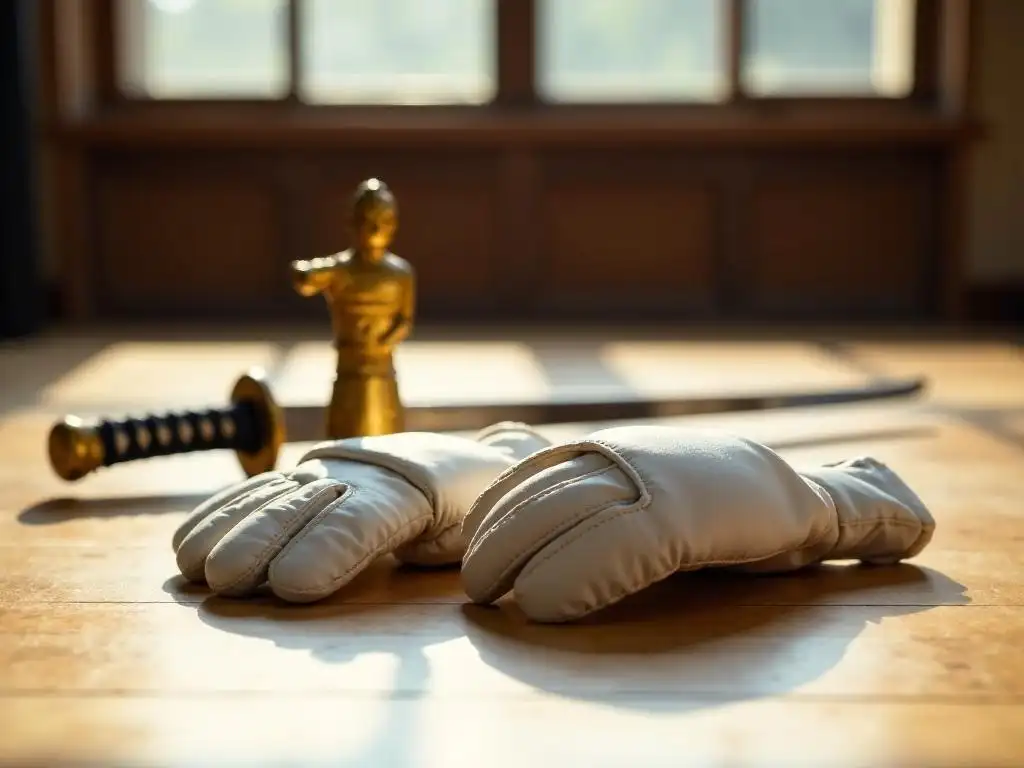
Caring for your martial arts gear is essential not only for maintaining its appearance but also for ensuring its longevity and performance. Here are some recommended products that can help you effectively manage the maintenance of your gear.
Top Cleaning Products for Martial Arts Uniforms
Keeping your martial arts uniforms, or gis, clean is vital for hygiene and presentation. Here are some of the best cleaning products for maintaining your martial arts uniforms:
Tide Free & Gentle - Best Detergent for Gi Care
Tide Free & Gentle is a popular choice among martial artists for washing their gis. This detergent is free of dyes and perfumes, making it ideal for sensitive skin. Its powerful stain-fighting ingredients ensure that your gi remains fresh and free from discoloration.
- Key Features:
- Hypoallergenic formula
- Effective at removing tough stains
- Safe for all water temperatures
Using Tide Free & Gentle helps preserve the fabric quality of your gi while providing a deep clean. To use, simply follow the instructions on the label for the best results.
Zout - Stain Remover for Tough Spots
For those stubborn stains that just won't budge, Zout Stain Remover is an excellent solution. This product is specially formulated to tackle protein stains, which are common in martial arts training.
- Key Features:
- Works effectively on blood, sweat, and food stains
- Can be applied directly to the stain before washing
- Suitable for all fabrics
To use Zout, apply it directly to the stain, let it sit for a few minutes, and then wash your gi as usual. This can significantly enhance the cleanliness of your uniform.
Best Storage Solutions for Martial Arts Equipment
Proper storage of martial arts equipment is crucial for maintaining its integrity and protecting it from damage. Below are some top storage solutions that can help keep your gear organized and in great condition.
ProFormance Gear Rack - Space-Saving Gear Racks
The ProFormance Gear Rack is designed to maximize storage space while keeping your martial arts gear easily accessible.
- Key Features:
- Adjustable shelving to accommodate various gear sizes
- Durable construction for long-term use
- Sleek design that fits well in any training space
This gear rack allows you to store uniforms, gloves, pads, and other training equipment efficiently. By keeping your gear organized, you can prolong its lifespan and ensure that everything is in one place when you need it.
Zen Warrior - Protective Cases for Weapons
For those practicing martial arts that involve weapons, such as kendo or iaido, protective cases are crucial for maintaining the condition of your gear. Zen Warrior offers high-quality protective cases that safeguard weapons from damage.
- Key Features:
- Padded interiors to prevent scratches and impacts
- Various sizes to fit different types of weapons
- Lightweight and portable for easy transport
Using protective cases like those from Zen Warrior can help you transport and store your weapons safely, ensuring they remain in excellent condition for years to come.
By utilizing these recommended products and storage solutions, you can effectively maintain your martial arts gear, ensuring it remains in optimal condition for training and competitions. Remember, proper care not only enhances the longevity of your equipment but also contributes to your overall performance in martial arts.
Essential Maintenance Tools for Martial Arts Gear
Maintaining your martial arts gear is crucial for ensuring longevity, performance, and hygiene. Having the right tools at your disposal can make this process efficient and effective. Below, we explore two essential products that can help you keep your gear in top condition, focusing on quick repairs and thorough cleaning.
Leatherman Wave Plus - Multi-Tool for Quick Repairs
The Leatherman Wave Plus is a versatile multi-tool that stands out as a must-have for martial artists looking to perform quick repairs on their gear. With its robust construction and compact design, this tool incorporates a variety of functions ideal for immediate fixes.
- Key Features:
- Multiple Blades: Equipped with both straight and serrated knives, the Leatherman Wave Plus allows you to cut through straps or fabric with ease.
- Pliers: The built-in pliers come in handy for tightening screws or adjusting any metal components of your gear.
- Screwdrivers: It includes various screwdriver sizes, making it perfect for tightening or loosening screws on protective gear, such as helmets and chest guards.
- Durability: Made from stainless steel, this tool is designed to withstand the rigors of martial arts training and travel.
Using the Leatherman Wave Plus can save you time and money on repairs, as you’ll be prepared to address minor issues on the spot, rather than waiting for professional help. Whether you're at the dojo or on the go, having this tool in your gear bag ensures you're always ready for maintenance.
OXO Good Grips - Specialty Brushes for Gear Cleaning
When it comes to cleaning martial arts gear, the OXO Good Grips Specialty Brushes are an excellent choice. These brushes are specifically designed to tackle the unique materials and shapes of martial arts equipment, ensuring a thorough clean without damaging the gear.
- Key Features:
- Variety of Sizes: The set includes brushes of different sizes, allowing you to access hard-to-reach areas on gloves, shin guards, and other protective gear.
- Soft Bristles: The soft bristles are gentle on sensitive materials, making them suitable for all types of gear, including leather and synthetic fabrics.
- Ergonomic Handle: The non-slip grip ensures comfort during use, even when tackling stubborn dirt and grime.
- Easy to Clean: These brushes can be rinsed easily, making maintenance of the brushes themselves simple and hygienic.
Regular cleaning of your martial arts gear is essential for preventing odor and bacteria build-up, and the OXO Good Grips brushes make this task easy and effective. By incorporating these brushes into your maintenance routine, you can ensure that your gear remains fresh and ready for training.
Common Mistakes in Martial Arts Gear Maintenance
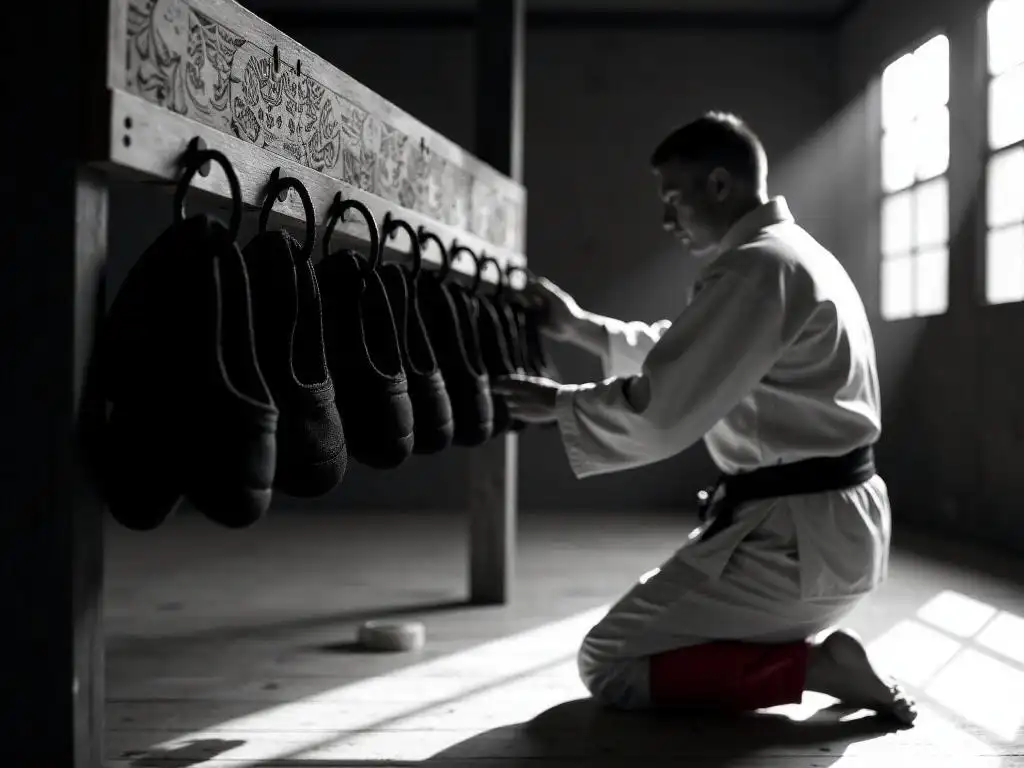
Maintaining martial arts gear is essential for ensuring its longevity and effectiveness. However, many practitioners overlook certain best practices, leading to quick wear and tear. Understanding these common mistakes can help martial artists enhance their gear maintenance routine, ultimately improving their performance and safety during training.
Neglecting Regular Cleaning and Inspection
One of the most frequent errors martial artists make is neglecting the regular cleaning and inspection of their gear. Over time, sweat, dirt, and other contaminants can accumulate on equipment, which may lead to unpleasant odors, bacterial growth, and even damage.
Importance of Regular Cleaning
- Health Risks: Dirty gear can harbor bacteria and fungi, leading to skin infections or other health issues.
- Performance Impact: Gear that is not maintained may not perform as expected, affecting training quality.
- Longevity: Regular cleaning can extend the lifespan of your equipment, saving you money in the long run.
Recommended Cleaning Frequency
- Gi and Uniforms: Wash after every training session.
- Protective Gear (like gloves and shin guards): Wipe down after each use and wash regularly, depending on usage.
- Footwear: Clean after every few sessions, especially if they are used outdoors.
Using the Wrong Cleaning Products: What to Avoid
Choosing improper cleaning products can significantly damage your martial arts gear. Many martial artists may not realize that certain substances can degrade materials, affect performance, or even void warranties.
Cleaning Products to Avoid
- Bleach: While effective for whitening, bleach can weaken fabric fibers and lead to premature wear.
- Fabric Softeners: These can leave residues that affect moisture-wicking abilities in technical gear.
- Harsh Chemicals: Products containing ammonia or other strong solvents can deteriorate the materials in protective gear.
Recommended Cleaning Solutions
- Mild Detergents: Use gentle, non-bleach detergents specifically designed for sports apparel.
- Natural Solutions: Vinegar and baking soda are great alternatives for deodorizing and cleaning without harsh chemicals.
- Specialized Gear Cleaners: Look for products designed specifically for martial arts equipment, which will ensure safe and effective cleaning.
Improper Storage Techniques That Damage Gear
How you store your martial arts gear plays a crucial role in its maintenance. Improper storage can lead to deformation, unpleasant odors, and even functional issues.
Common Storage Mistakes
- Storing Wet Gear: Never leave wet or damp gear in a bag or sealed container. This creates a breeding ground for mold and mildew.
- Tightly Packed Areas: Storing gear in a cramped space can lead to shape distortion and damage.
- Exposing Gear to Sunlight: Direct sunlight can fade colors and weaken materials over time.
Proper Storage Practices
- Air Dry: Always ensure your gear is completely dry before storing it.
- Use Dedicated Storage: Designate a specific area for your gear that allows for proper airflow.
- Temperature Control: Store gear in a cool, dry place to prevent heat and humidity damage.
By avoiding these common mistakes in martial arts gear maintenance, practitioners can significantly enhance the durability and functionality of their equipment. Regular cleaning, using appropriate products, and storing gear correctly are fundamental practices that will help ensure your martial arts journey is both safe and effective.
Conclusion: Enhance the Longevity of Your Martial Arts Gear
Maintaining your martial arts gear is crucial for ensuring both its longevity and your safety during training. By implementing best practices in care and maintenance, practitioners can preserve the functionality and appearance of their equipment, ultimately leading to better performance and a more enjoyable training experience.
Recap of Key Martial Arts Gear Maintenance Tips
To summarize the essential practices discussed in this guide, here are the key martial arts gear maintenance tips:
- Regular Cleaning:
- Wipe down gear after each use to remove sweat and debris.
- Use a gentle detergent for fabric items, and a disinfectant spray for hard surfaces.
- Proper Storage:
- Store gear in a cool, dry place to prevent mold and mildew.
- Use gear bags or containers to keep items organized and protected.
- Routine Inspections:
- Check for signs of wear and tear regularly.
- Replace damaged items immediately to avoid injury.
- Drying Techniques:
- Air dry gear after washing; avoid direct sunlight to prevent fading.
- Do not use a dryer for items that could be damaged by heat.
- Conditioning Leather Gear:
- Apply leather conditioner periodically to maintain flexibility and prevent cracking.
- Store leather items in breathable fabric bags.
By following these tips, martial artists can help ensure their gear remains in optimal condition, contributing to both performance and safety.
Encouragement to Invest in Quality Maintenance Products
Investing in quality maintenance products is not just a matter of convenience; it is a commitment to the longevity of your martial arts gear. High-quality cleaning and conditioning products can significantly enhance the durability of your equipment. Consider the following:
- Specialized Cleaning Solutions: These are formulated to effectively clean without damaging fabrics or finishes.
- Protective Sprays: Ideal for safeguarding against moisture and stains, especially for leather and synthetic materials.
- Storage Solutions: Investing in proper storage options, like breathable bags, can prevent unnecessary wear.
By prioritizing the maintenance of your gear with quality products, you not only preserve your investment but also enhance your overall training experience. Remember, well-maintained gear contributes to better performance, safety, and confidence on the mat.
Frequently Asked Questions
What is the importance of maintaining martial arts gear?
Maintaining your martial arts gear is crucial for safety and performance. Proper care ensures that equipment lasts longer and functions effectively during training or competitions.
How often should I clean my martial arts gear?
It is recommended to clean your gear after each use to prevent the buildup of sweat and bacteria. Regular cleaning helps maintain hygiene and durability.
What are some effective cleaning methods for martial arts gear?
Using mild soap and water, along with a soft cloth or sponge, is effective for cleaning most gear. For protective equipment, consider using specialized cleaners to preserve materials.
How can I store my martial arts gear properly?
Store your martial arts gear in a cool, dry place away from direct sunlight. Using a gear bag can help keep everything organized and protected from dust and damage.
What should I do if my gear shows signs of wear and tear?
If you notice any damage or wear, it's important to replace or repair the gear immediately. Using damaged equipment can compromise safety and impact your training effectiveness.
Final Reflection: The Essential Role of Martial Arts Gear Maintenance
Caring for your martial arts gear is not just about preserving equipment; it’s about honoring the discipline and dedication that martial arts embody. In today’s fast-paced world, where we often overlook the importance of maintenance, taking the time to care for our gear reflects our commitment to the art itself. Proper maintenance not only extends the life of our tools but also enhances our performance and safety, reminding us that every detail matters in our journey as martial artists.
The influence of martial arts extends far beyond the dojo, shaping our character and instilling values such as respect, discipline, and perseverance. As we cultivate these qualities through practice, the gear we use becomes a symbol of our dedication. By maintaining our equipment, we show respect for the art and for ourselves. As Bruce Lee once said, > “The successful warrior is the average man, with laser-like focus.” This focus on maintenance is a crucial part of our training, ensuring we are always ready to perform at our best.
Now, I invite you to reflect on your own martial arts journey and the role your gear plays in it. Consider how you can implement these maintenance tips not only to care for your equipment but also to deepen your commitment to your practice. As you polish your gear and mend your uniforms, think of it as a ritual that reinforces your dedication to the martial arts. Let this be a reminder that every small effort contributes to your growth, both on and off the mat.
Revitalize Your Practice: Care for Your Martial Arts Gear Today!
Thank you for taking the time to learn about maintaining your martial arts gear! By implementing these best practices, you're not only preserving your equipment but also enhancing your performance and commitment to your practice.
Now, let’s take the next step in your journey toward excellence in martial arts:
- Establish a gear maintenance routine: Create a schedule to clean and inspect your gear at least once a month to ensure it remains in excellent condition.
- Engage with a community: Share your tips and experiences with fellow martial artists through online forums or social media platforms. Your insights could be beneficial to others!
- Consider eco-friendly alternatives: Look for sustainable cleaning products for your gear, which can help minimize your environmental footprint while maintaining high performance.
What’s your favorite method for keeping your martial arts gear in top shape? We invite you to share your thoughts and experiences below!