The Hidden Gems: LesserKnown Samurai Swords Worth Collecting
Discover the allure of rare samurai swords for collectors as we unveil hidden gems from Japan's feudal era. These lesser-known blades embody…
Read article
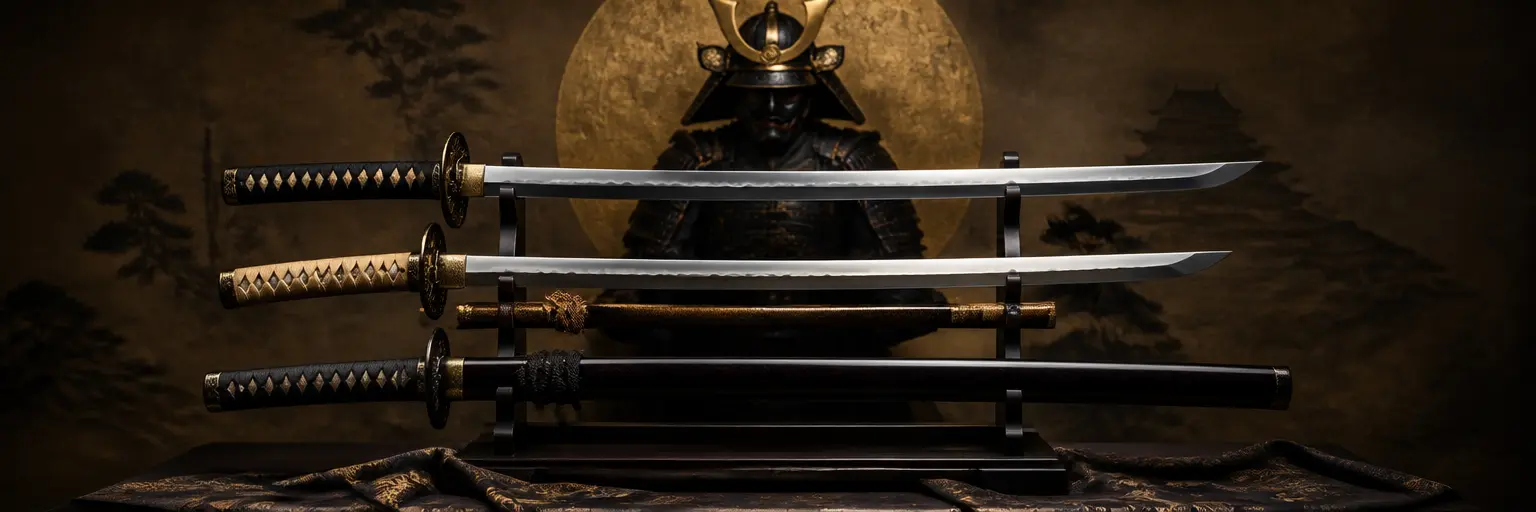
Discover the best samurai swords for collectors 🗡️—from historically inspired katana and wakizashi to finely crafted display pieces. Explore key details such as blade quality, fittings, craftsmanship, provenance, and traditional significance to make informed choices for your collection. Whether you’re a seasoned enthusiast or new to Japanese sword collecting, find elegant pieces that reflect the artistry and legacy of feudal Japan.
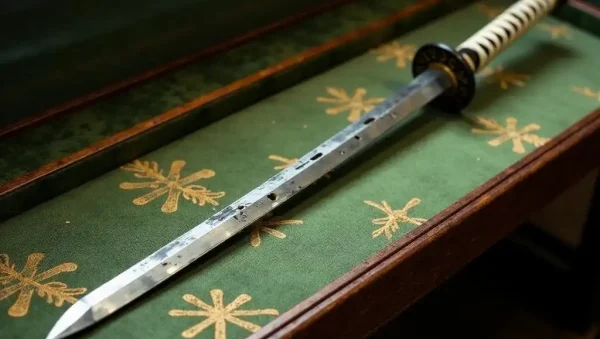
Discover the allure of rare samurai swords for collectors as we unveil hidden gems from Japan's feudal era. These lesser-known blades embody…
Read article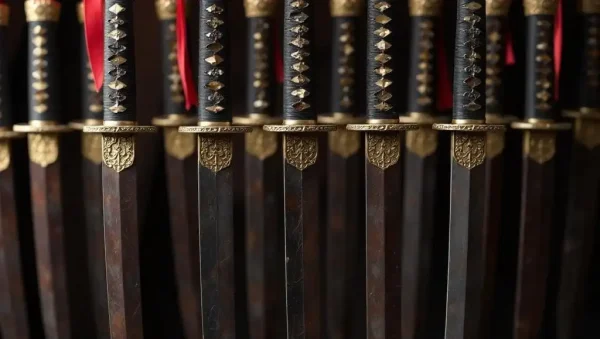
🌟 Embark on a collector's journey as we explore the best samurai swords for collectors, delving into their historical significance, craftsmanship, and…
Read article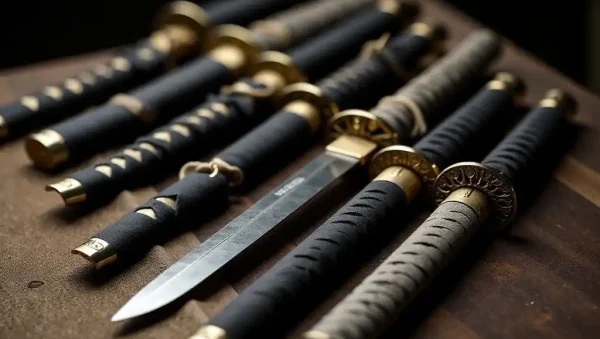
🗡️ Discover the essential gear for caring for samurai swords, ensuring these historic artifacts remain in pristine condition. From cleaning tools to…
Read article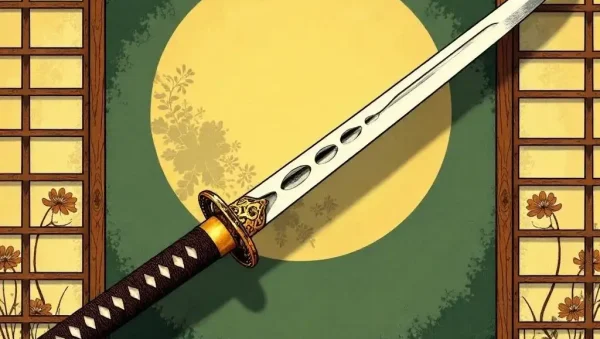
🗡️ Discover the captivating tales behind legendary samurai swords, as we delve into their historical significance and the cultural legacy they embody,…
Read article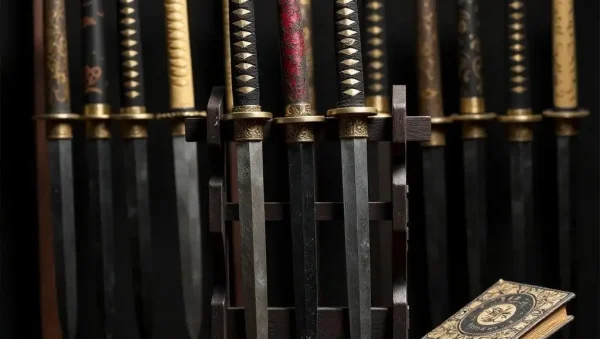
Exploring Collecting Samurai Swords Trends reveals a resurgence in appreciation for authentic craftsmanship, with collectors increasingly drawn to vintage blades, unique fittings,…
Read article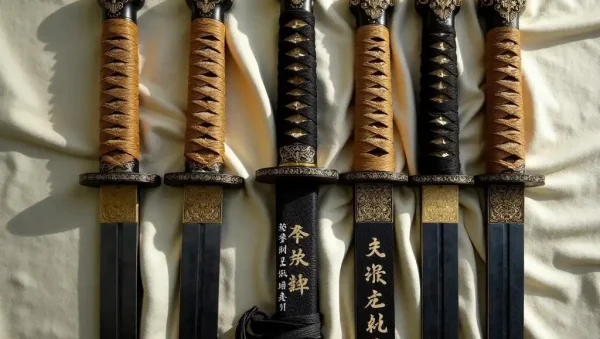
🌟 Discover the allure of functional samurai swords for collectors, blending historical significance with craftsmanship. This article delves into the finest examples…
Read article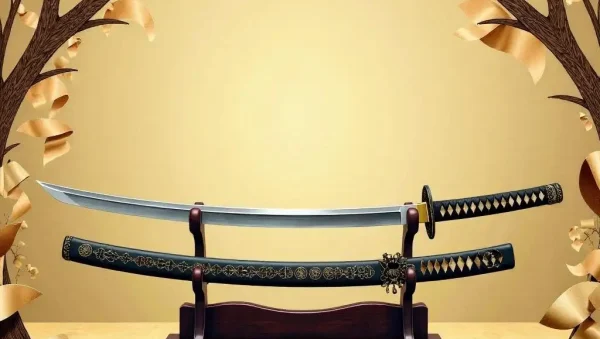
🌟 Discover the allure of Japan's feudal era through our curated list of the top samurai swords for collectors. Explore the craftsmanship,…
Read article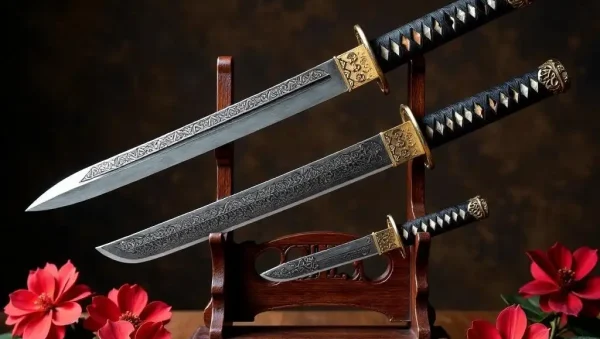
Discover the value of collectible samurai swords as we delve into their historical significance, craftsmanship, and cultural heritage. This article uncovers what…
Read article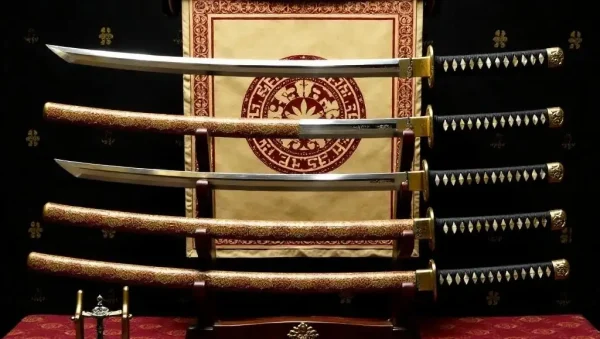
Authenticity matters when choosing the best samurai swords for collectors. Discover how to distinguish genuine artifacts from replicas, ensuring your collection reflects…
Read article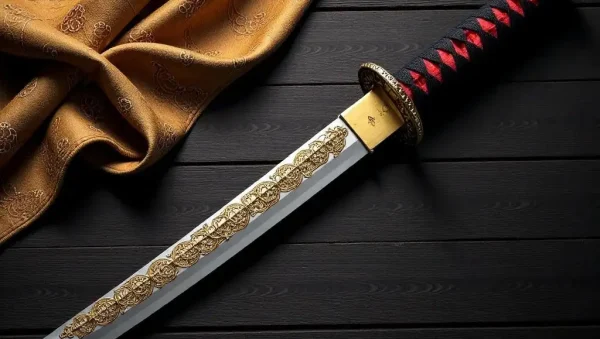
🗡️ Discover the allure of the best samurai swords for collectors, where exquisite craftsmanship meets historical significance. This article delves into the…
Read article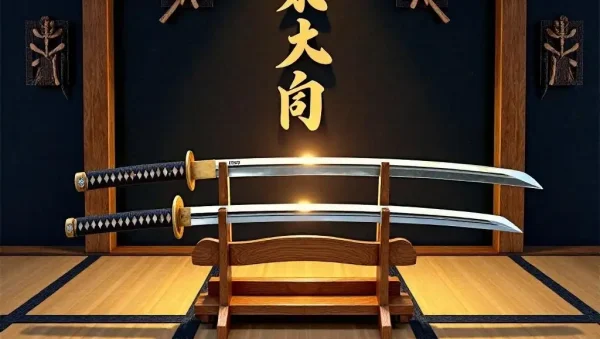
The allure of the katana captivates collectors worldwide. Discover the best samurai swords for collectors, exploring their historical significance, craftsmanship, and unique…
Read article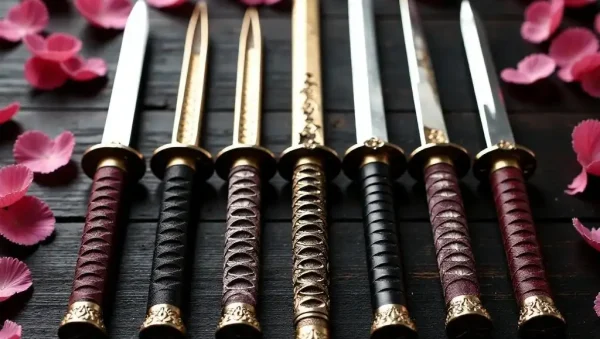
🗡️ Discover the fascinating journey of collecting historical samurai swords, tracing their evolution from functional weapons of feudal Japan to sought-after artifacts.…
Read articleDiscover the best samurai swords for collectors at Feudal Japan History, your trusted source for expert-led research into Japan’s feudal era, martial arts, culture, and historical equipment. This subcategory explores authentic Japanese swords, historically inspired katana, antique blades, replica samurai swords, and collectible sword fittings for beginners, experienced collectors, museums, and enthusiasts of Japanese history. Learn how to compare craftsmanship, provenance, materials, historical significance, display value, and legal considerations before adding a sword to your collection.
Readers can expect detailed guidance on authentic Japanese swords, including katana, wakizashi, tanto, tachi, and traditionally forged nihonto. Articles examine blade geometry, hamon patterns, hada grain, tang inscriptions, mounting styles, sword schools, and the historical periods associated with each weapon. These features can help collectors distinguish a culturally significant Japanese sword from a decorative imitation.
Our content also explains why provenance and documentation matter when evaluating antique samurai swords. Learn about authentication papers, appraisal records, Japanese sword registration, recognized organizations, and the importance of consulting qualified experts before purchasing a valuable blade.
Finding the best katana for collectors involves more than selecting an attractive blade. Our articles compare traditional construction, steel quality, forging methods, tempering, polish, fittings, saya scabbards, tsuka handles, and tsuba guards. Readers will find practical information for assessing whether a sword is intended for historical collecting, martial arts practice, display, or decorative use.
We also cover important differences between antique katana, modern handcrafted swords, and mass-produced replicas. Clear buying guidance helps collectors match a sword to their budget, knowledge level, collecting goals, and preferred era of Japanese history.
A samurai sword is more than its blade. Collectors can explore the artistic and functional details of sword mountings, including tsuba, fuchi, kashira, menuki, seppa, habaki, tsuka-ito, and saya. These components often reveal the sword’s intended use, social status, regional style, and period of production.
Expect informative articles about decorative materials, lacquerwork, metal engraving, family crests, traditional motifs, and the craftsmanship of Japanese sword artisans. Understanding these details makes it easier to evaluate complete samurai sword sets and identify replaced, restored, or mismatched components.
Explore samurai swords from major periods of Japanese history, including Koto, Shinto, Shinshinto, and modern or gendaito traditions. Articles explain how warfare, politics, technology, and changing social conditions influenced blade design and sword production throughout feudal Japan.
Collectors can learn how to compare swords by age, smithing tradition, regional school, condition, rarity, and historical context. Whether you are interested in Kamakura, Muromachi, Momoyama, Edo, or Meiji-era developments, our resources connect each sword to the broader story of feudal Japanese society and warrior culture.
Evaluating a collectible samurai sword requires careful attention to condition, originality, restoration, and authenticity. Our guides discuss rust, chips, bends, polishing quality, flaws in the steel, damaged fittings, and signs of modern reproduction. Readers will also learn why an apparently flawless blade is not always more valuable than an older sword with documented historical importance.
We emphasize the value of professional inspection and independent appraisal when purchasing high-value swords. Learn how to organize photographs, record measurements, review seller claims, and ask informed questions about authentication, ownership history, restoration, and export documentation.
Proper care preserves both the appearance and historical value of a samurai sword. Readers can find advice about safe storage, humidity control, handling, traditional maintenance tools, uchiko use, choji oil, blade inspection, and protecting lacquered or fabric components from damage.
We also explain how to create a respectful and secure sword display. Guidance covers wall mounts, horizontal positioning, protective cases, environmental conditions, child safety, and avoiding harmful materials. Correct maintenance is essential because inappropriate cleaning or polishing can permanently reduce a sword’s value.
Before buying a samurai sword, collectors should understand local laws, import restrictions, shipping requirements, age-related regulations, and rules concerning functional blades. Our content encourages responsible purchasing from reputable dealers, auction houses, established artisans, and transparent private sellers.
Readers will also learn how to recognize misleading descriptions, unrealistic pricing, counterfeit signatures, low-quality replicas, and unsafe decorative swords. By combining historical research with careful due diligence, collectors can make informed decisions and support ethical preservation of Japanese cultural heritage.
The best choice depends on your budget and collecting goals. A well-documented modern Japanese-style sword or an authenticated, moderately priced antique can be a suitable starting point. Beginners should prioritize clear provenance, reputable sellers, sound condition, and accurate descriptions rather than choosing solely by appearance.
Authentication requires examining the blade, tang, signature, construction, polish, fittings, and documentation. Online photographs can provide useful initial clues but cannot replace an inspection by a qualified Japanese sword specialist. Registration papers, appraisal records, and a consistent history of ownership can strengthen a sword’s credibility.
High-quality replicas may have decorative, educational, or martial arts value, but they generally differ from antique nihonto in historical and financial significance. A replica can still be desirable when it features excellent craftsmanship, accurate fittings, and clear labeling. Collectors should ensure that sellers do not present modern reproductions as authentic antique Japanese swords.
Store the sword in a dry, stable environment away from direct sunlight, moisture, and sudden temperature changes. Handle the blade with clean hands or suitable gloves, use appropriate maintenance materials, and avoid abrasive cleaners. Valuable swords should be inspected regularly and serviced only by experienced professionals.
Laws vary by country, state, and municipality. Some jurisdictions regulate sharpened blades, antique weapons, transport, ownership, and international importation. Always research current regulations and confirm requirements with the relevant authorities before purchasing or shipping a samurai sword.