
The Art of the Blade: Top 10 Samurai Swords Every Collector Must Own

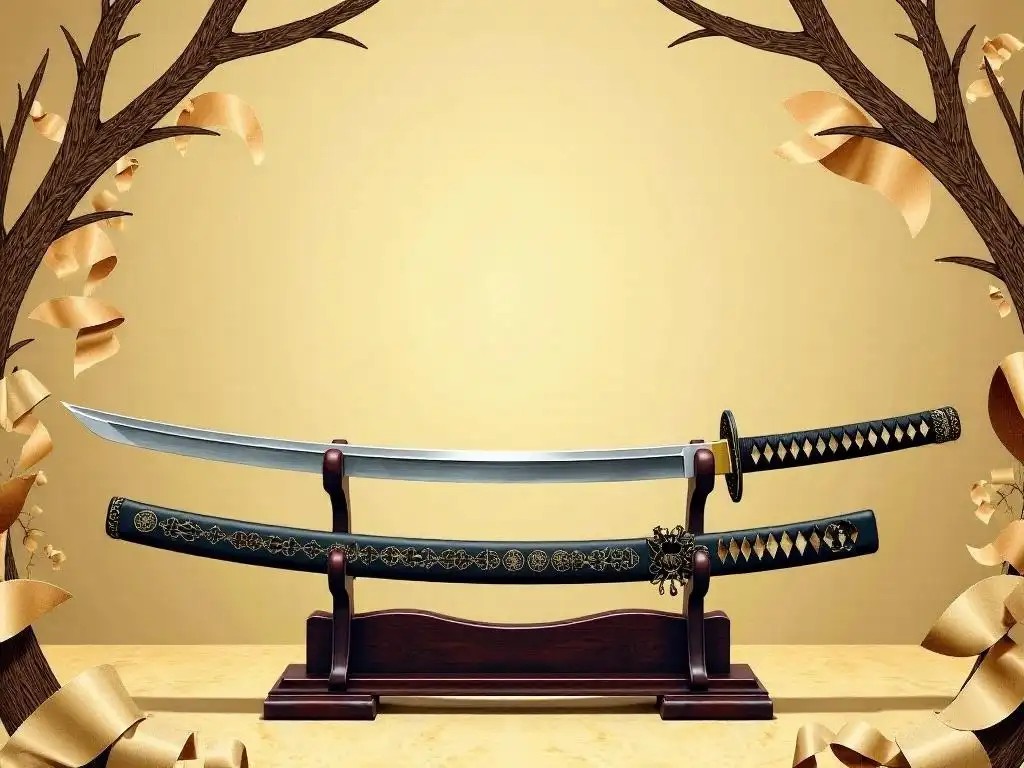
Welcome to Feudal Japan History, where we invite you to embark on a riveting journey through the captivating world of Japan’s feudal era. Here, history comes alive as we delve into the intricate tapestry of cultural and societal transformations that shaped this remarkable period. In our featured article, "The Art of the Blade: Top 10 Samurai Swords Every Collector Must Own," we uncover the allure of the top samurai swords for collectors, revealing not just their craftsmanship but also the stories and legacies behind each blade.
Prepare to ignite your curiosity and deepen your appreciation for these iconic artifacts as you explore the profound significance they hold in the annals of martial arts and beyond. Dive in and discover the extraordinary!
Introduction to Samurai Swords: A Collector’s Passion
The allure of samurai swords, or katana, transcends mere weaponry; they are embodiments of history, culture, and artistry that captivate collectors and enthusiasts alike. Rooted deeply in Japan's feudal era, these blades symbolize the spirit of the samurai—honor, loyalty, and skill. For collectors, acquiring samurai swords is not just about possession; it is a journey into the rich tapestry of Japanese heritage, craftsmanship, and martial traditions.
With each sword comes a story, often intertwined with the life of its maker and the warriors who wielded it. This article explores the top samurai swords for collectors, highlighting essential features and significant factors that elevate these magnificent pieces beyond mere collectibles.
Factors to Consider When Choosing Top Samurai Swords for Collectors
When embarking on the journey of collecting samurai swords, there are several critical aspects to consider. Understanding these factors will not only enhance your collection but also ensure that each sword serves as a valuable and meaningful addition.
Historical Significance of Samurai Swords
The historical context of a samurai sword is paramount. Each blade is a testament to the era in which it was forged. Collectors should seek swords that represent pivotal moments in Japanese history, such as:
- Heian Period (794-1185): The emergence of the katana with its distinctive curve.
- Kamakura Period (1185-1333): A time of warfare, leading to advancements in blade technology.
- Edo Period (1603-1868): The flourishing of samurai culture and the production of ornate, high-quality swords.
Understanding the historical significance enhances the value of a sword, making it more than just an object, but a piece of living history.
Blade Quality and Craftsmanship
The quality of the blade is a crucial determinant in the world of samurai swords. Factors influencing blade quality include:
- Material: Traditional blades are made from tamahagane steel, known for its durability and flexibility.
- Hamon: The visible pattern on the blade, created during the quenching process, indicates the skill of the smith.
- Tsukuri (Construction): The method by which the sword is forged and assembled impacts both aesthetics and functionality.
A well-crafted blade not only showcases the skill of the swordsmith but also serves as a functional piece of art, making it a must-have for any serious collector.
Authenticity and Provenance
In the world of samurai swords, authenticity is paramount. Collectors should prioritize swords with verifiable provenance, which includes:
- Documentation: Certificates of authenticity that verify the sword's origin and history.
- Lineage: Information about previous owners or notable figures associated with the sword.
- Expert Appraisal: Consultation with recognized experts can provide insights into the sword's authenticity.
Ensuring the authenticity of a sword not only preserves its value but also enriches its story, making it a cherished part of any collection.
Top 10 Samurai Swords Every Collector Must Own
In the realm of samurai swords, collectors often seek pieces that not only reflect the rich history of feudal Japan but also embody the artistry and craftsmanship of their makers. Below are the top 10 samurai swords that every collector should consider adding to their collection.
1. Katana: The Iconic Sword of the Samurai
The katana is perhaps the most recognizable samurai sword, characterized by its curved, single-edged blade and distinctive tsuba (handguard). Traditionally made from high-quality steel, katanas are renowned for their sharpness and cutting ability. The craftsmanship involved in creating a katana is intricate, often involving multiple folding processes to enhance the blade's strength and flexibility. Collectors often seek katanas that showcase unique temper patterns (hamon) and signatures (mei) of the swordsmith, which can significantly increase the sword's value.
2. Wakizashi: The Shorter Companion Blade
The wakizashi is a shorter blade, typically measuring between 30 and 60 cm, and was often worn alongside the katana as part of the traditional samurai daisho (pair of swords). This blade served multiple purposes; it could be used in close combat or as a tool for seppuku (ritual suicide). Collectors value wakizashi for their versatility and the exquisite craftsmanship that often accompanies them. Look for wakizashi with unique blade designs and fittings that reflect the period they were made in.
3. Tanto: The Versatile Dagger
The tanto, a small dagger with a blade length of less than 30 cm, is another essential piece for collectors. Originally used for close-quarter combat, it evolved into a ceremonial piece and a symbol of status. The tanto's craftsmanship can be just as impressive as that of larger swords, with intricate designs and unique blade shapes. Collectors appreciate tanto not only for their historical significance but also for their aesthetic beauty, often seeking out pieces with elaborate decorations and high-quality materials.
4. Tachi: The Predecessor of the Katana
The tachi is a longer, more curved sword that predates the katana. Typically worn suspended with the blade facing down, the tachi was a symbol of the samurai’s status and was primarily used in battles during the Heian and Kamakura periods. Collectors are drawn to tachi for their historical significance and the opportunity to own a piece of samurai heritage. Authentic tachi are rare, and factors such as age, condition, and craftsmanship can greatly affect their value.
5. Nodachi: The Longsword of the Samurai
Nodachi are exceptionally long swords, often exceeding 90 cm, designed for battlefield use. They were favored for their reach and effectiveness against cavalry. Due to their size, nodachi were less common and primarily used in specific combat scenarios. Collectors value nodachi for their impressive length and the skill required to wield them. The rarity and unique design of these swords make them highly sought after by serious collectors.
6. Shirasaya: The Practical Blade Holder
The shirasaya is not a sword in itself but a type of wooden scabbard designed to store and protect blades without the ornate fittings of traditional sword mounts. Often used for storing valuable swords when they were not in use, shirasaya provides collectors with a practical solution for preserving their swords while allowing them to appreciate the beauty of the blade itself. High-quality shirasaya can enhance the overall presentation of a sword collection.
7. Bokken: The Training Sword
While not a traditional samurai sword, the bokken is a wooden training sword used in martial arts practice, particularly kendo and iaido. Bokken are essential for collectors interested in martial arts, as they allow practitioners to train safely without the risk of injury. High-quality bokken can be beautifully crafted, and some collectors enjoy displaying them alongside their authentic swords as a nod to the training and discipline of the samurai.
8. Custom Samurai Swords: Unique Creations for Collectors
Custom samurai swords are tailored specifically to the preferences of the collector. These swords can feature unique designs, personalized engravings, or innovative materials. Commissioning a custom sword allows collectors to own a one-of-a-kind piece that reflects their individual tastes and specifications. This personalization aspect adds significant value, making custom swords highly desirable in the collector community.
9. Antique Samurai Swords: The Collector’s Dream
Antique samurai swords are highly prized for their historical significance and rarity. These swords often come with fascinating backstories and can be traced back to specific periods or notable samurai. Collectors often seek antique swords with clear provenance, as this information can greatly enhance their value. The condition and craftsmanship of the sword are critical factors to consider when evaluating antiques, and well-preserved pieces can fetch high prices in the market.
Caring for Your Collection: Maintenance Tips for Samurai Swords
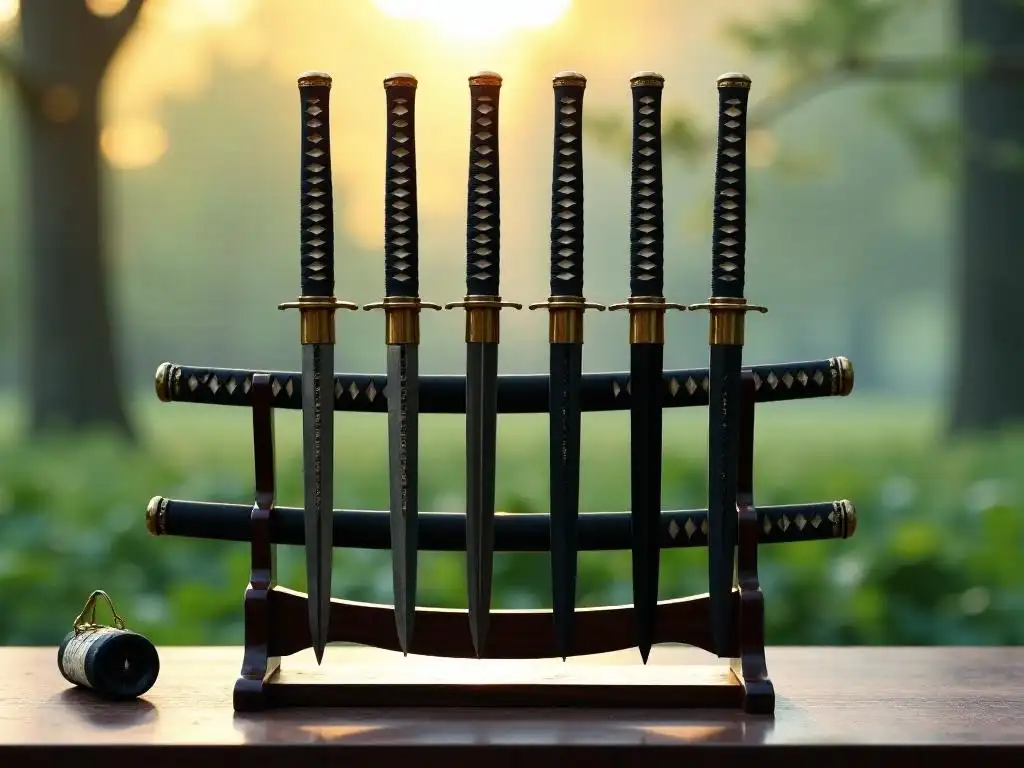
To preserve the beauty and integrity of samurai swords, proper care and maintenance are essential. Collectors should be well-informed about best practices to ensure their swords remain in top condition.
Proper Storage Techniques
Storing samurai swords correctly is crucial to prevent damage and degradation. Swords should be kept in a cool, dry place away from direct sunlight and humidity. Using a shirasaya or sword stand can help protect the blade from scratches and dust. Additionally, ensure that the blades are sheathed when not in use to minimize exposure to air, which can cause rusting.
Cleaning and Maintenance Essentials
Regular cleaning is vital to maintaining the longevity of samurai swords. Use a soft cloth to gently wipe the blade, removing any fingerprints or moisture. For deeper cleaning, a specialized sword oil can be applied to protect the blade from rust and corrosion. Inspect the fittings and hilt for any signs of wear, and consider seeking professional restoration services for any swords showing significant damage or deterioration. Proper care not only preserves the sword's aesthetic appeal but also enhances its value as a collectible piece.
Conclusion: Building Your Samurai Sword Collection
Building a collection of samurai swords is not merely an investment in historical artifacts; it is an immersion into the rich tapestry of Japan's feudal past. Each sword tells a story, embodying the artistry, craftsmanship, and martial spirit of the samurai who wielded it. As you embark on this journey, it’s essential to focus on several key principles.
- Research and Knowledge: Understanding the different types of samurai swords, their historical context, and the nuances of their construction is crucial. Familiarize yourself with terms such as tachi, katana, wakizashi, and tanto, as well as the significance of features like hamon (temper line) and mei (inscription). This knowledge will empower you to make informed decisions when acquiring swords.
- Authenticity Matters: Ensure that the swords in your collection are authentic. Look for reputable dealers and seek swords with provenance or documented history. Authentic samurai swords often come with certificates or appraisals from recognized experts in the field.
- Condition and Preservation: The condition of a sword can significantly affect its value. Pay attention to signs of wear, rust, or improper maintenance. Learning how to care for and preserve your swords is just as important as the acquisition process. Proper storage, cleaning, and handling will help maintain their beauty and integrity for years to come.
- Networking and Community: Engage with other collectors and enthusiasts. Joining forums, attending sword shows, and participating in workshops can provide valuable insights and connections. Networking within the samurai sword community can enhance your understanding and appreciation of these magnificent weapons.
- Passion over Profit: While it’s tempting to view sword collecting as an investment opportunity, allow your passion for samurai culture and history to guide your collection. Focus on acquiring pieces that resonate with you personally, as this will make your collection more enjoyable and meaningful.
Curating a collection of samurai swords is a rewarding endeavor that combines historical appreciation, aesthetic enjoyment, and a love for martial heritage. By following these principles, you can build a collection that not only reflects your passion but also honors the legacy of the samurai.
Additional Resources for Samurai Sword Collectors
Whether you are a novice or an experienced collector, having access to reliable resources is essential for deepening your understanding and refining your skills in the art of collecting samurai swords. Below are some valuable resources that can assist you in your journey:
- Books and Literature:
- The Samurai Sword: A Handbook by John M. Yumoto – A comprehensive guide covering the history, classification, and care of samurai swords.
- The Connoisseur's Book of Japanese Swords by Andrew W. W. Watanabe – An authoritative reference that details the intricacies of Japanese sword-making and collecting.
- Online Forums and Communities:
- The Nihonto Message Board – A platform where collectors and enthusiasts discuss various topics related to Japanese swords, including appraisals and preservation techniques.
- Sword Forum International – An active online community that features discussions, reviews, and insights on sword collecting.
- Museums and Exhibitions:
- The Tokyo National Museum – Houses an extensive collection of samurai swords and frequently hosts exhibitions showcasing their history and artistry.
- The British Museum – Offers insights into Japanese swords through its collection and occasionally features exhibitions dedicated to samurai culture.
- Workshops and Classes:
- Local martial arts schools often conduct workshops on the proper handling and maintenance of samurai swords. Participating in these can enhance both your practical skills and appreciation for the craft.
- Dealers and Appraisers:
- Establish relationships with reputable dealers who specialize in samurai swords. Experienced appraisers can provide valuable insights on the authenticity and value of potential acquisitions.
Collecting samurai swords is a journey filled with learning and discovery. By utilizing these resources, you will enhance your knowledge, connect with fellow enthusiasts, and enrich your collection with pieces that resonate with the spirit of the samurai.
- Introduction to Samurai Swords: A Collector’s Passion
- Factors to Consider When Choosing Top Samurai Swords for Collectors
- Top 10 Samurai Swords Every Collector Must Own
- Caring for Your Collection: Maintenance Tips for Samurai Swords
- Conclusion: Building Your Samurai Sword Collection
- Additional Resources for Samurai Sword Collectors
Frequently Asked Questions
What are the top samurai swords for collectors?
The top samurai swords for collectors include iconic blades like the Katana, Tanto, and Wakizashi. Each sword carries significant historical and cultural value, making them highly sought after.
Why are samurai swords considered important in Japanese culture?
Samurai swords are not just weapons; they symbolize the warrior's honor and spirituality. They reflect the artistic craftsmanship and traditions of the feudal era in Japan.
How can collectors determine the authenticity of samurai swords?
Collectors should look for certificates of authenticity, check the blade's signature, and consult with experts in Japanese swords. Provenance is also crucial in establishing authenticity.
What factors influence the value of a samurai sword?
The value of a samurai sword is influenced by its age, craftsmanship, condition, and historical significance. Swords with unique features or provenance can command higher prices.
Where can collectors find top samurai swords for sale?
Collectors can find top samurai swords through specialized antique shops, auctions, and online marketplaces. It's essential to purchase from reputable sources to ensure quality and authenticity.
Final Reflection: The Timeless Allure of Samurai Swords
The art of the blade transcends mere craftsmanship; it embodies a rich tapestry of history, culture, and philosophy that resonates deeply in today's world. As we explore the top samurai swords every collector must own, we uncover not just weapons, but symbols of honor, discipline, and the relentless pursuit of perfection. In an age where mass production often overshadows artistry, the significance of these swords serves as a poignant reminder of the value of tradition and the stories that each blade carries.
The influence of samurai swords extends far beyond their physical form; they have become cultural icons that inspire countless individuals around the globe. As collectors, we are not merely amassing objects; we are preserving legacies and connecting with a profound heritage. The beauty and craftsmanship of these swords invite us to reflect on our own values and aspirations.
As the renowned samurai Miyamoto Musashi once said, "> The ultimate aim of the art of swordsmanship is not to kill, but to cultivate the spirit." This sentiment echoes through the ages, reminding us that the true essence of these blades lies in their ability to inspire growth and self-discovery.
As you contemplate the significance of samurai swords in your own life, I invite you to embrace the lessons they impart. Consider what it means to honor tradition while forging your own path. Whether you are a seasoned collector or a curious newcomer, let the art of the blade inspire you to pursue excellence in your endeavors. Reflect on the stories behind each sword, and allow them to guide you in your journey of personal and artistic expression. The legacy of the samurai lives on, and it is up to us to carry that spirit forward into the future.
Unleash Your Inner Samurai: Start Your Collection Today!
Thank you for taking the time to explore the fascinating world of samurai swords and the artistry behind them. From understanding their historical significance to appreciating their intricate designs, you've gained valuable insights that every collector should know. Now, it's your turn to take action and immerse yourself in this captivating journey!
- Begin your collection: Identify your first samurai sword and seek reputable dealers or online auctions.
- Join a community: Connect with fellow enthusiasts and collectors through social media groups or local clubs to share knowledge and experiences.
- Explore the history: Visit museums or exhibitions showcasing samurai swords to gain a firsthand appreciation of their craftsmanship and legacy.
As you embark on this remarkable path of collection and discovery, we want to hear from you! What challenges or joys have you encountered on your journey as a sword collector? Share your thoughts below!