🥋 Buying Guides for Training Gear: Choose the Right Martial Arts Equipment
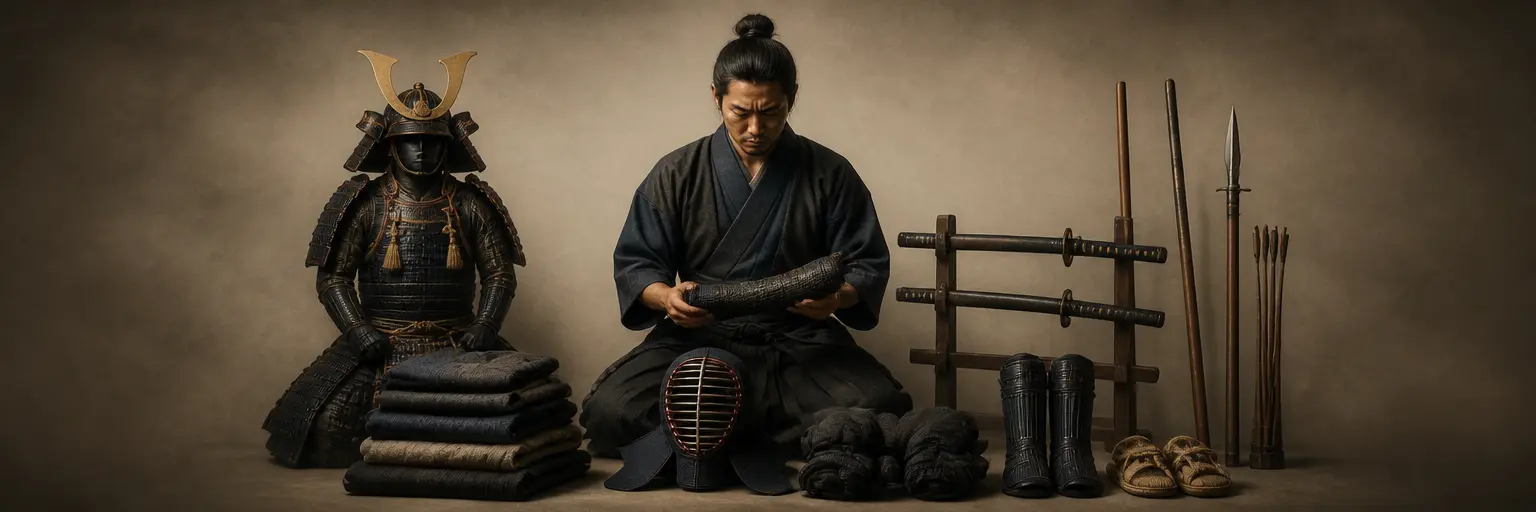
Welcome to Buying Guides for Training Gear, a practical resource within Martial Arts and Gear at Feudal Japan History. Whether you are beginning your martial arts journey, refining traditional Japanese techniques, or upgrading your home dojo, this subcategory helps you compare and select dependable training equipment. Explore expert-informed guidance on martial arts uniforms, protective gear, practice weapons, training mats, bags, conditioning tools, and essential dojo accessories so you can make confident buying decisions based on safety, durability, comfort, authenticity, and value.
🛒 Expert Martial Arts Gear Buying Advice
Our guides explain what to look for before purchasing martial arts equipment, from material quality and construction to sizing, maintenance, and intended use. You can learn how to compare products for karate, judo, jujutsu, aikido, kendo, kenjutsu, and other Japanese martial arts without being overwhelmed by technical specifications.
Each resource is designed to help readers identify reliable training gear and avoid common purchasing mistakes. Expect clear recommendations, practical comparisons, and useful checklists that make it easier to choose equipment suitable for beginners, experienced practitioners, home training, dojo practice, and regular intensive use.
🥋 Choosing the Best Martial Arts Uniforms
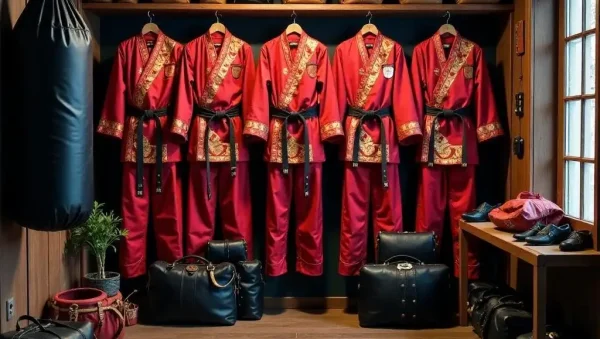
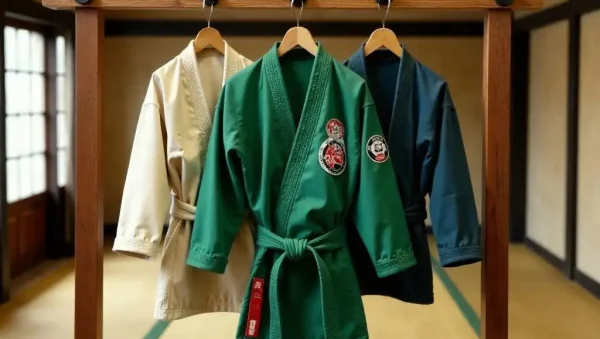
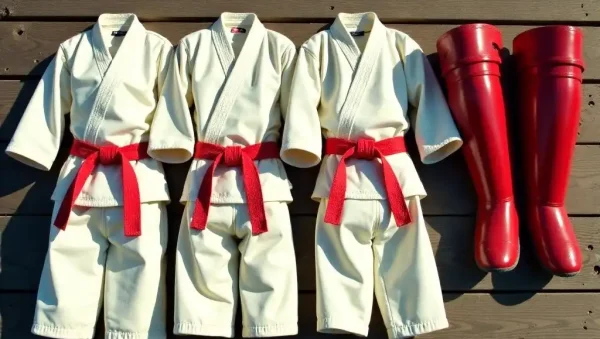
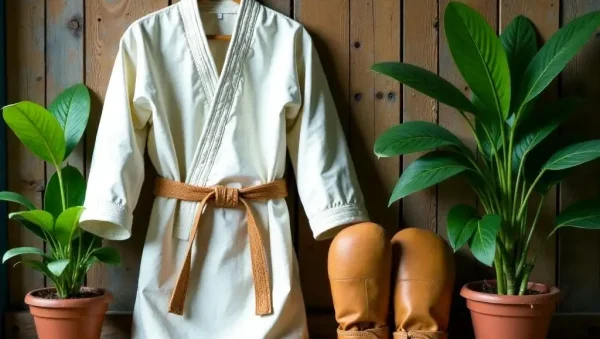
Find guidance on selecting the right gi, keikogi, judogi, karategi, and hakama for your discipline and training level. Our buying advice can cover fabric weight, weave, stitching, fit, movement, shrinkage, belt compatibility, and the differences between lightweight uniforms for everyday practice and heavier uniforms for demanding training.
Readers can also learn how to choose comfortable and durable martial arts clothing that supports unrestricted movement. Detailed recommendations help you evaluate sizing charts, cotton and blended fabrics, reinforced seams, washing instructions, and traditional design features while keeping your budget and training goals in mind.
🛡️ Protective Equipment for Safe Training
Safety is essential in martial arts, which is why this subcategory offers buying guidance for martial arts protective gear. Discover what to consider when choosing head guards, mouthguards, chest protectors, hand and foot guards, shin protection, groin protection, forearm guards, and padded training equipment.
Our guides emphasize proper fit, impact absorption, ventilation, visibility, mobility, and secure fastening systems. You can expect advice on selecting protective equipment for sparring, partner drills, weapons practice, and contact training while understanding when specific gear may be required by a dojo, instructor, or competition organization.
⚔️ Traditional Japanese Training Weapons
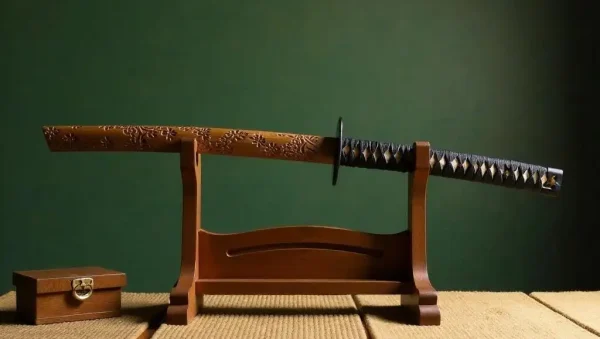
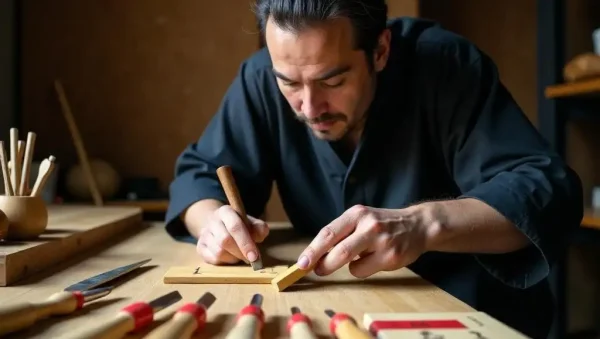
Explore buying guides for traditional martial arts practice weapons, including bokken, bokuto, iaito, shinai, jo staffs, hanbo, tanto trainers, and training fans. Learn how wood type, length, weight, balance, grip shape, fittings, and surface finish affect handling and suitability for different Japanese martial arts disciplines.
These resources also explain how to select safe practice weapons for beginners and advanced practitioners. Readers can discover the difference between display pieces and purpose-built training tools, along with practical advice about inspection, storage, maintenance, protective equipment, and responsible use under qualified instruction.
🏠 Home Dojo and Martial Arts Training Equipment
Build a more effective home practice space with recommendations for essential home dojo equipment. Learn how to compare training mats, striking bags, freestanding targets, wooden dummies, balance tools, mobility equipment, and storage solutions according to available space, flooring, noise levels, and training objectives.
Our buying guides help you prioritize the equipment that provides the greatest training value. Whether you need a compact setup for kata, footwork, conditioning, or bag work, you can find practical suggestions for creating a safer and more organized practice environment without purchasing unnecessary gear.
📏 Sizing, Fit, Materials, and Durability
Choosing the correct size is one of the most important parts of buying martial arts equipment. Expect helpful explanations of martial arts gear sizing, including how to measure for uniforms, gloves, protective equipment, footwear, belts, and training weapons while accounting for growth, layering, and movement.
We also examine materials such as cotton, canvas, leather, synthetic fabrics, foam, rattan, hardwood, and impact-resistant plastics. By understanding how construction and material choices affect comfort, longevity, and performance, readers can select gear that remains dependable through frequent training sessions.
💰 Comparing Quality, Price, and Long-Term Value
Our buying guides make it easier to compare inexpensive beginner equipment with premium martial arts gear. Learn when a lower price may be practical and when investing in better stitching, stronger materials, improved protection, or superior ergonomics can provide better long-term value.
Readers can expect balanced advice that considers durability, warranty coverage, replacement costs, maintenance, comfort, safety, and frequency of use. Rather than focusing only on price, these guides help you choose equipment that matches your discipline, experience, training schedule, and personal priorities.
🧼 Care, Maintenance, and Gear Storage
Proper care can extend the life of martial arts equipment and help maintain hygiene. Discover guidance on washing and drying uniforms, cleaning protective gear, treating wooden weapons, airing gloves, checking straps and stitching, and preventing unpleasant odors or premature material breakdown.
You can also learn how to store training gear safely between sessions. Practical maintenance advice supports cleaner, safer, and more durable equipment, helping practitioners protect their investment while keeping essential martial arts tools ready for regular dojo or home training.
❓ Frequently Asked Questions About Buying Training Gear
What martial arts equipment should a beginner buy first?
A beginner usually needs a suitable uniform, belt, mouthguard when required, and any protective equipment recommended by the instructor. Start with essential gear for your discipline rather than buying every accessory at once. Your dojo can also confirm specific requirements for size, color, material, and safety standards.
How do I choose the correct size for a martial arts uniform?
Use the manufacturer’s sizing chart and compare your height, weight, chest, waist, and sleeve measurements. Consider whether the fabric may shrink and whether you prefer a close or relaxed fit. A uniform should allow full movement without excessive looseness, restrictive seams, or sleeves and trousers that are too short.
Is expensive martial arts gear always better?
Not necessarily. The best equipment is appropriate for your discipline, training frequency, skill level, and safety needs. Premium gear may offer better durability, comfort, and construction, but a reasonably priced product can be an excellent choice for beginners when it fits properly and meets relevant training requirements.
What protective gear is needed for martial arts sparring?
Requirements vary by discipline and intensity. Common items include a mouthguard, head protection, gloves, shin guards, foot protection, chest protection, and groin protection. Always follow your instructor’s recommendations and choose equipment that fits securely, allows movement, and does not interfere with safe technique.
How should traditional Japanese training weapons be selected?
Choose a practice weapon based on your martial art, instructor’s specifications, body size, skill level, and training purpose. Check the weapon’s length, weight, balance, construction, and finish, and inspect it regularly for cracks, splinters, loose fittings, or other damage. Traditional weapons should be used responsibly and under qualified supervision.