
The Role of Tea Ceremonies: Literary Works that Explore This Cultural Practice

Welcome to Feudal Japan History, where we invite you to embark on a captivating journey through Japan's rich feudal era. Here, we delve into the intricate tapestry of historical, cultural, and societal threads that shaped this remarkable period. In our featured article, we explore the significance of the Japanese tea ceremony, uncovering its profound impact on literature and culture. What secrets lie behind this tranquil ritual? Join us as we unveil the layers of meaning and artistry that define this cherished practice, and prepare to be inspired to delve deeper into the world of feudal Japan.
- Introduction to Japanese Tea Ceremony Significance
- Historical Context of the Japanese Tea Ceremony
- Literary Works that Explore Japanese Tea Ceremony Significance
- Themes and Symbolism in Tea Ceremony Literature
- Exploring the Cultural Significance of Tea Ceremonies in Society
- Conclusion: The Enduring Legacy of Japanese Tea Ceremony Significance
- Recommended Reading and Resources
- Frequently Asked Questions
- Final Reflection: The Enduring Significance of Japanese Tea Ceremonies
- Unveil the Depth of Tea Ceremonies: Take Action Today!
Introduction to Japanese Tea Ceremony Significance
The Japanese tea ceremony, known as "chanoyu" or "chado," is a profound cultural practice that transcends mere beverage preparation, embodying centuries of tradition, philosophy, and artistry. Rooted in Zen Buddhism, the ceremony emphasizes harmony, respect, purity, and tranquility, offering participants a meditative experience that fosters a deep connection with nature and one another.
Within the context of feudal Japan, the tea ceremony played a pivotal role in social and political life, serving as a platform for diplomacy, artistic expression, and community bonding. This article delves into the significance of the Japanese tea ceremony as explored in various literary works, illuminating its enduring relevance and cultural richness.
Understanding the Importance of Tea in Japanese Culture
Tea was introduced to Japan in the 9th century, but it was during the feudal era that its cultural significance blossomed. The tea ceremony became a sophisticated art form, reflecting the aesthetics and values of its time. Here are some key aspects that highlight the importance of tea in Japanese culture:
- Spiritual Practice: The tea ceremony is deeply intertwined with Zen philosophy, emphasizing mindfulness and the beauty of simplicity. Each movement during the ceremony is deliberate, encouraging participants to embrace the present moment.
- Social Interaction: Tea gatherings served as an opportunity for socialization among samurai, nobility, and commoners, fostering communication and strengthening community ties. The ritualistic aspects of the ceremony also helped to cultivate respect and humility among participants.
- Artistic Expression: The aesthetics of the tea ceremony are reflected in the utensils, the tea room's design, and the seasonal elements incorporated into the experience. This artistry showcases the Japanese appreciation for beauty in everyday life.
- Cultural Transmission: Through the tea ceremony, knowledge and traditions were passed down through generations. It became a means of preserving Japanese culture, values, and history, making it an essential part of the nation's identity.
Overview of Literary Works Exploring Tea Ceremonies
Numerous literary works delve into the significance of tea ceremonies, providing insights into their cultural impact and the philosophies surrounding them. Here are a few notable examples:
- "The Book of Tea" by Okakura Kakuzō
- This influential text explores the aesthetic and philosophical dimensions of the tea ceremony, highlighting its connection to Japanese identity and the broader cultural landscape.
- "Tea Life, Tea Mind" by Soshitsu Sen XV
- This work offers a contemporary perspective on the tea ceremony, emphasizing its relevance in modern life and how it can foster mindfulness and serenity.
- "The Tale of Genji" by Murasaki Shikibu
- Although primarily a work of fiction, this classic novel reflects the social customs of the Heian period, including the appreciation of tea culture among the elite.
- "Wabi-Sabi: For Artists, Designers, Poets & Philosophers" by Leonard Koren
- This book discusses the aesthetic philosophy of Wabi-Sabi, closely related to the principles of the tea ceremony, emphasizing imperfection and the beauty of transience.
These literary works and others contribute to a richer understanding of the Japanese tea ceremony's significance, illustrating its profound influence on art, philosophy, and social customs throughout Japan's feudal era and beyond.
Historical Context of the Japanese Tea Ceremony
Origins and Evolution of the Tea Ceremony in Feudal Japan
The Japanese tea ceremony, known as chanoyu or sado, has its roots deep in the cultural practices of Japan, dating back to the 8th century when powdered tea was first introduced from China. Initially, tea was consumed merely for its stimulating properties, but it gradually evolved into a more refined cultural practice. By the 12th century, Buddhist monks began to incorporate tea into their rituals, emphasizing its meditative and restorative qualities.
As the feudal era progressed, particularly during the Muromachi period (1336-1573), the tea ceremony began to take on a more structured form, influenced significantly by the aesthetics of the time. The integration of wabi-sabi—the appreciation of the beauty in imperfection—became central to the tea ceremony, leading to a more intimate and personal experience. This period saw the emergence of simple tea houses and the adoption of rustic utensils, reflecting the desire to create a serene environment conducive to contemplation.
Key Figures in the Development of Tea Ceremonies
Several pivotal figures shaped the evolution of the Japanese tea ceremony, each contributing unique philosophies and practices that enhanced its significance:
- Sen no Rikyū (1522-1591): Often regarded as the most influential tea master, Rikyū's teachings emphasized the importance of simplicity, humility, and harmony in the tea ceremony. He introduced the concept of ichigo ichie, meaning “one time, one meeting,” which encourages participants to treasure each encounter as a unique experience.
- Kusumi Sōseki (1644-1721): A prominent figure during the Edo period, Sōseki was known for his detailed writings on tea ceremony aesthetics and the meticulous preparation of tea. His works contributed to the formalization of tea practices, making them accessible to a broader audience.
- Mizuno Kōan (1577-1642): A lesser-known yet significant tea master, Kōan is celebrated for his innovative approaches to tea utensils and the incorporation of seasonal elements into the ceremony, enriching the sensory experience of participants.
These figures collectively transformed the tea ceremony into a profound cultural practice that intertwined artistry, philosophy, and social interaction, making it a hallmark of Japanese culture.
Influence of Zen Buddhism on the Tea Ceremony's Significance
The influence of Zen Buddhism on the Japanese tea ceremony cannot be overstated. The principles of Zen—mindfulness, simplicity, and tranquility—are deeply woven into the fabric of chanoyu. As tea became a medium for spiritual practice, it reflected the Zen belief in finding enlightenment through ordinary experiences.
Zen monks viewed the tea ceremony as a form of meditation. The careful preparation and consumption of tea allowed participants to immerse themselves in the present moment, fostering a sense of peace and clarity. This meditative aspect transformed the act of drinking tea into a spiritual ritual, where every gesture and element was imbued with meaning.
- Mindfulness in Preparation: The meticulous steps involved in preparing tea are designed to cultivate mindfulness. Each movement is deliberate, encouraging participants to focus on the present rather than distractions.
- Aesthetic Appreciation: The Zen aesthetic, characterized by simplicity and natural beauty, is evident in the choice of utensils, the design of tea rooms, and even the arrangement of flowers. This aesthetic serves to enhance the overall experience, drawing attention to the transience of beauty.
- Community and Connection: The tea ceremony fosters a sense of community, aligning with Zen teachings on interconnectedness. The shared experience of tea drinking strengthens social bonds and encourages a sense of belonging among participants.
The significance of the Japanese tea ceremony transcends mere beverage consumption; it is a rich cultural practice that embodies historical traditions, philosophical tenets, and artistic expression. The interplay of these elements has ensured its enduring legacy within Japanese culture, making it a topic of exploration in various literary works.
Literary Works that Explore Japanese Tea Ceremony Significance
Classic Texts on the Japanese Tea Ceremony
The Japanese tea ceremony, or chanoyu, is a cultural practice steeped in history and aesthetics. Classic texts have played a vital role in documenting and exploring its significance, providing insights into the philosophical, spiritual, and social dimensions of this art form.
"The Book of Tea" by Okakura Kakuzō
Published in 1906, Okakura Kakuzō's The Book of Tea is a seminal work that delves into the aesthetics and philosophy of the Japanese tea ceremony. The book is not merely a guide to the practice but an exploration of its deeper meanings, intertwining art, culture, and spirituality.
- Key Themes:
- The connection between tea and Zen Buddhism.
- The influence of Chinese tea culture on Japan.
- The significance of simplicity and natural beauty in the tea ceremony.
This text highlights the importance of mindfulness and the transient nature of beauty, which resonates deeply with the concept of wabi-sabi—the appreciation of the imperfect and ephemeral.
"Tea Life, Tea Mind" by Soshitsu Sen XV
In Tea Life, Tea Mind, Soshitsu Sen XV, a prominent figure in the Urasenke school of tea, provides a comprehensive look at the spiritual aspects of the tea ceremony. The book serves as both a guide and a philosophical treatise on the practices and principles that underpin the ceremony.
- Core Concepts:
- The balance between daily life and the ritual of tea.
- The importance of hospitality, respect, and harmony.
- The transformative power of the tea ceremony in fostering peace and connection among participants.
Soshitsu Sen XV emphasizes the notion that the tea ceremony is not just about the beverage itself, but a vehicle for cultivating a deeper understanding of oneself and the world.
Contemporary Literature on Japanese Tea Ceremonies
As the practice of the Japanese tea ceremony continues to evolve, contemporary literature offers fresh perspectives and insights into its ongoing significance in modern society.
"The Tea Ceremony: A Japanese Tradition" by Sen Soshitsu
In this accessible text, Sen Soshitsu, a descendant of the tea master Sen no Rikyū, presents the tea ceremony as a living tradition. The book serves as an introduction to the rituals, tools, and philosophies that characterize chanoyu.
- Highlights:
- Detailed descriptions of tea utensils and their significance.
- The role of seasonal changes in shaping the ceremony.
- Personal anecdotes that illustrate the impact of tea on social relationships.
This work reinforces the idea that the tea ceremony is a dynamic practice, adaptable to contemporary contexts while retaining its core values.
"The Way of Tea: Reflections on a Japanese Tradition" by David G. R. T. McKenzie
David G. R. T. McKenzie’s The Way of Tea explores the tea ceremony through a blend of historical analysis and personal reflection. This work examines how the ceremony has influenced Japanese culture and continues to resonate in today's global context.
- Main Focus:
- The historical evolution of the tea ceremony from its origins to the present day.
- The interplay between tradition and innovation in contemporary tea practices.
- The significance of the tea ceremony in fostering mindfulness and community.
McKenzie’s reflections encourage readers to appreciate the tea ceremony not only as a cultural artifact but as a practice that promotes well-being and connection in a modern world increasingly marked by disconnection.
These literary works collectively underscore the Japanese tea ceremony significance, revealing its multifaceted nature as a cultural, spiritual, and social practice that continues to inspire and enrich lives across generations.
Themes and Symbolism in Tea Ceremony Literature
The Symbolism of Simplicity and Harmony
The Japanese tea ceremony, or Chanoyu, embodies profound themes of simplicity and harmony, which are recurrent motifs in various literary works exploring this cultural practice. The essence of these themes is encapsulated in the principles of Wabi-Sabi, a worldview centered on the acceptance of transience and imperfection. This philosophy emphasizes the beauty found in simplicity and the natural cycle of life, resonating deeply within the narratives that depict tea ceremonies.
Literary figures such as Sen no Rikyū, a prominent tea master, have profoundly influenced how simplicity is perceived in the context of the tea ceremony. His teachings highlight the importance of creating a tranquil environment that fosters mindfulness and appreciation of the present moment. In works like “The Book of Tea” by Okakura Kakuzō, the narrative unfolds the significance of these ideals, illustrating how the aesthetics of simplicity not only enrich the tea experience but also reflect broader themes in Japanese culture.
Moreover, the act of preparing and serving tea is often portrayed as a meditative practice, encouraging participants to engage in a moment of reflection. This is where the literature reveals a deeper understanding of harmony — not just within the tea setting but also in one’s relationship with others and the environment. Through the lens of various authors, the tea ceremony emerges as a ritual that cultivates an appreciation for life’s fleeting beauty, urging individuals to find peace amid chaos.
The Role of Nature in Tea Ceremonies and Literature
Nature plays a pivotal role in the Japanese tea ceremony, serving as both a backdrop and a key element in the literature surrounding this practice. The aesthetics of the tea room, often designed to harmonize with the surrounding landscape, reflects an intrinsic connection to the natural world. Literary works frequently explore this interplay, emphasizing how the elements of nature, such as seasons, flora, and weather, influence the ambiance of the tea ceremony.
In many texts, the changing seasons are depicted as integral to the tea experience, with specific teas and utensils often associated with particular times of the year. For instance, cherry blossoms might symbolize the transient beauty of spring, while autumn leaves invoke a sense of nostalgia and reflection. This seasonal awareness is captured beautifully in “The Tale of Genji,” where the protagonist’s tea experiences are intricately tied to the natural environment, illustrating how nature enriches human emotions and connections.
Furthermore, the literature delves into the use of natural materials in the tea ceremony, such as bamboo utensils and ceramic tea bowls. These elements are not merely functional; they carry symbolic weight, representing the harmony between human craftsmanship and the organic world. By highlighting these relationships, authors underscore the significance of respecting nature and integrating it into daily life, a theme that resonates deeply with the Japanese tea ceremony significance.
Reflections on Community and Connection Through Tea
The communal aspects of the Japanese tea ceremony are crucial themes explored in literature, emphasizing the connections that form between individuals during this intimate ritual. The act of sharing tea transcends mere hospitality; it fosters a sense of belonging and mutual respect among participants. Literary works often depict the tea ceremony as a microcosm of society, where relationships and social hierarchies are both reinforced and challenged.
In many narratives, the preparation and serving of tea become acts of sincerity and humility, reflecting the values of Omotenashi — the spirit of selfless hospitality. Authors like Mizuno Ryuudo in his work “The Way of Tea” illustrate how the ceremony serves as a platform for dialogue and understanding, allowing participants to engage in meaningful conversations that strengthen their bonds.
Moreover, the tea ceremony often highlights the significance of community through its rituals, which may include shared responsibilities and collaborative efforts in preparation. This aspect is poignantly captured in the writings of Shōzō Hirakawa, who emphasizes the importance of collective participation in creating a harmonious tea experience. As individuals come together to partake in this ritual, they transcend their individual identities, fostering a sense of unity that reflects broader social connections.
Through the lens of literature, the Japanese tea ceremony emerges as a profound cultural practice that encapsulates themes of simplicity, nature, and community. The literary exploration of these themes not only enhances our understanding of the significance of the tea ceremony but also invites readers to reflect on its relevance in contemporary society.
Exploring the Cultural Significance of Tea Ceremonies in Society
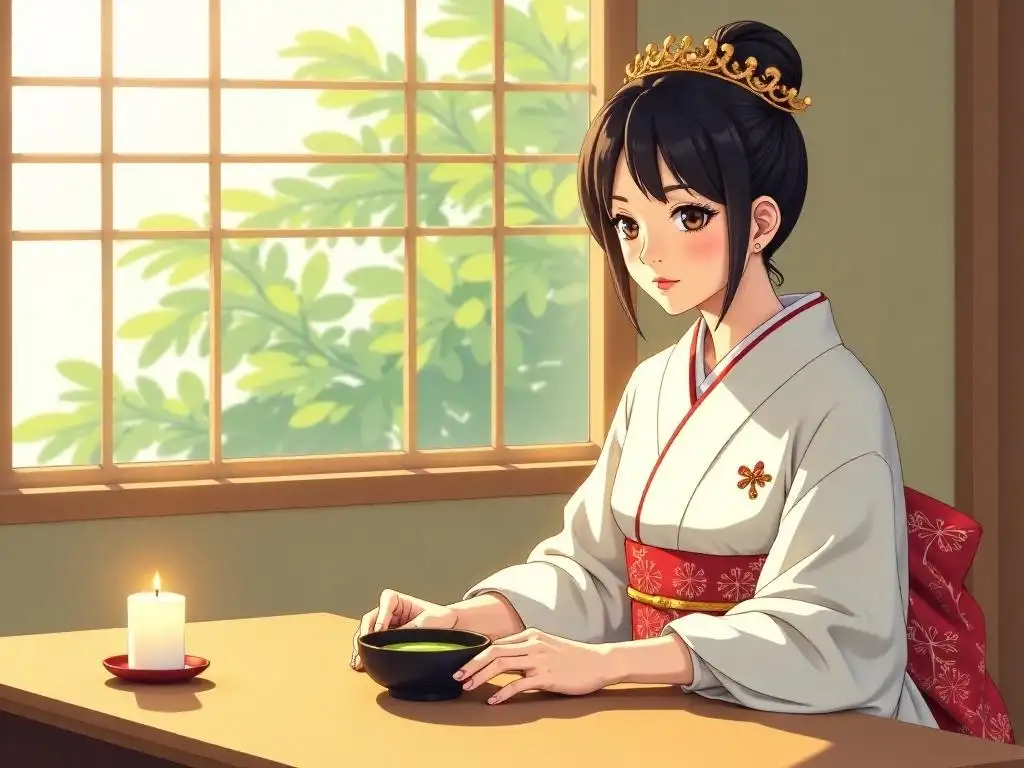
The Japanese tea ceremony, known as chanoyu, is a highly ritualized practice that embodies the principles of harmony, respect, purity, and tranquility. This intricate ritual has significantly influenced Japanese social etiquette, shaping interpersonal interactions and establishing a framework for behavior in various social contexts.
- Formal Greetings: The tea ceremony begins with a series of formal greetings that set the tone for the event. Participants bow to each other, demonstrating mutual respect. This practice cultivates an atmosphere of humility and reverence, which is central to Japanese culture.
- Mindfulness and Presence: Attending a tea ceremony requires participants to be fully present, fostering mindfulness. This emphasis on being in the moment encourages individuals to engage with one another sincerely and attentively, enhancing interpersonal connections.
- Etiquette and Conduct: The ceremony has specific rules regarding posture, gestures, and speech. For instance, the way tea is served, the handling of utensils, and the manner of drinking are all dictated by tradition. Such structured conduct instills a sense of discipline and decorum, reinforcing social harmony.
How Tea Ceremonies Foster Relationships and Community Bonds
Tea ceremonies serve not only as a cultural practice but also as a vital social activity that fortifies relationships and fosters community bonds. The shared experience of participating in a tea ceremony can have profound effects on group dynamics.
- Creating Shared Experiences: By engaging in the tea ceremony together, participants create lasting memories that strengthen their bonds. The act of sharing tea symbolizes unity, and the collective experience becomes a foundation for deeper relationships.
- Facilitating Conversations: The serene environment of a tea ceremony encourages open and meaningful dialogue. As participants sip tea, they often discuss personal thoughts, experiences, and feelings, leading to greater understanding and empathy among individuals.
- Cultural Transmission: Tea ceremonies often involve storytelling and the sharing of cultural knowledge, providing a platform for older generations to pass down traditions to younger participants. This intergenerational exchange fosters community cohesion and preserves cultural heritage.
The Role of Tea Ceremonies in Modern Japanese Society
Although the traditional tea ceremony has its roots in feudal Japan, its significance continues in modern Japanese society. The essence of the chanoyu has adapted to contemporary contexts while still embodying its core values.
- Cultural Identity: In an increasingly globalized world, the tea ceremony serves as a symbol of Japanese cultural identity. It reminds individuals of their heritage and encourages a sense of pride in their traditions.
- Therapeutic Benefits: Modern participants often seek out tea ceremonies for their therapeutic benefits. The ritualistic nature of the ceremony promotes relaxation and mindfulness, providing a refuge from the fast-paced demands of contemporary life.
- Educational Programs: Many schools and community centers offer tea ceremony workshops, allowing individuals of all ages to engage with this tradition. These programs not only teach the art of tea making but also instill values such as respect and attention to detail, essential qualities in both personal and professional life.
The Japanese tea ceremony's significance extends beyond mere tradition; it plays a crucial role in shaping social etiquette, fostering relationships, and maintaining cultural identity in modern society. As literature explores these themes, it deepens our understanding of the enduring impact of this exquisite practice.
Conclusion: The Enduring Legacy of Japanese Tea Ceremony Significance
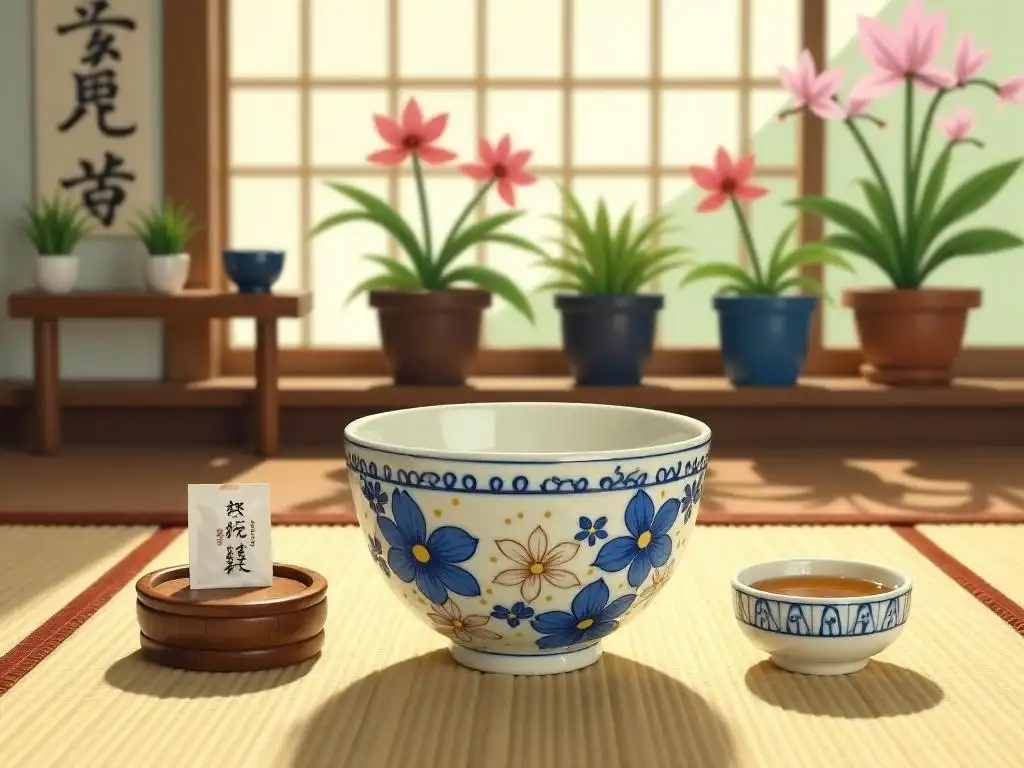
The Japanese tea ceremony, or chanoyu, embodies a rich tapestry of historical, cultural, and spiritual significance that resonates through the ages. As we reflect on its enduring legacy, it becomes evident that this practice is more than just a ritual; it is a profound expression of aesthetics, mindfulness, and the pursuit of harmony. The significance of the Japanese tea ceremony is beautifully captured in various literary works, each offering unique insights into its essence and impact on Japanese society throughout the feudal era and beyond.
Summary of Key Literary Contributions
Numerous literary works explore the significance of the Japanese tea ceremony, shedding light on its philosophical underpinnings and cultural importance. Some of the most notable contributions include:
- "The Book of Tea" by Okakura Kakuzō
- This seminal work delves into the aesthetics and philosophy of the tea ceremony, illustrating its connection to broader Japanese art forms. Okakura emphasizes the spiritual dimensions of tea, exploring how it fosters a sense of peace and contemplation.
- "Tea Life, Tea Mind" by Soshitsu Sen XV
- Written by a leading figure in the Urasenke tea school, this book presents a modern interpretation of the tea ceremony, highlighting its relevance in contemporary life. The author encourages readers to embrace the principles of tea as a way to cultivate mindfulness in everyday activities.
- "The Tea Ceremony" by Sen Rikyū
- As one of the most influential tea masters, Rikyū's writings offer insights into the foundational practices and philosophies of the tea ceremony. His emphasis on simplicity and natural beauty reflects the core values that continue to define the significance of this cultural practice.
- "Japanese Tea Ceremony: A New Interpretation" by Chizuko Hori
- This contemporary exploration re-evaluates the tea ceremony's role in modern Japan, discussing how globalization and cultural exchange influence its practice today. Hori's work underscores the adaptability of the tea ceremony while preserving its traditional essence.
These literary contributions not only document the historical significance of the tea ceremony but also invite readers to reflect on its transformative potential in their own lives.
The Continued Relevance of Tea Ceremonies in Today’s World
In today’s fast-paced society, the Japanese tea ceremony remains a relevant and cherished practice. Its emphasis on mindfulness, simplicity, and connection serves as an antidote to modern stressors. Here are several aspects of its continued relevance:
- Mindfulness and Meditation
- The tea ceremony encourages participants to engage fully in the moment, fostering a deep sense of awareness and tranquility. This aspect resonates with contemporary practices such as mindfulness meditation, appealing to those seeking mental clarity and peace.
- Cultural Exchange and Global Influence
- As interest in Japanese culture grows globally, tea ceremonies have been embraced in various contexts, leading to cross-cultural adaptations. Workshops and classes worldwide highlight the significance of the ceremony, promoting cultural appreciation and understanding.
- Artistic Expression
- The aesthetic elements of the tea ceremony, including the choice of utensils, the arrangement of flowers, and the design of the tea room, continue to inspire artists and designers today. This artistic expression reflects a broader cultural trend that values craftsmanship and beauty.
- Community and Connection
- In an era marked by digital communication, the tea ceremony offers a space for genuine human connection. By gathering around tea, participants engage in meaningful dialogue and cultivate relationships, reinforcing the social fabric of communities.
The significance of the Japanese tea ceremony transcends time and place, inviting ongoing exploration and appreciation. Through literature and practice, its legacy endures, reminding us of the beauty found in simplicity, connection, and the art of living mindfully.
Recommended Reading and Resources
Top Books to Deepen Your Understanding of Japanese Tea Ceremony
The Japanese tea ceremony, or chanoyu, is a profound cultural practice that embodies aesthetics, mindfulness, and the philosophy of simplicity. To fully appreciate the significance of this ritual, engaging with literature that provides insight into its historical, cultural, and artistic dimensions is essential. Below are some of the top books that delve into the various aspects of the Japanese tea ceremony.
"The Art of Japanese Tea Ceremony" by Michael H. S. Lee - A Detailed Exploration of Tea Practices
In "The Art of Japanese Tea Ceremony," Michael H. S. Lee offers readers a comprehensive look at the intricate rituals and the historical evolution of tea practices in Japan. The book is structured into several key sections:
- Historical Context: Lee traces the origins of tea in Japan, detailing its journey from China and how it evolved into a unique cultural practice.
- Ceremony Components: The book meticulously describes the various elements of the tea ceremony, including the utensils, tea types, and the setting, providing insights into their significance.
- Philosophical Underpinnings: Lee emphasizes the Zen influence on the tea ceremony, exploring how meditation and mindfulness are integral to the practice.
This book is a must-read for anyone looking to understand not just the practical aspects of the Japanese tea ceremony, but also its deeper meanings and connections to Japanese culture.
"The Spirit of Tea: Japanese Tea Ceremony" by Shiori T. Nakamura - Insights into Cultural Significance
Shiori T. Nakamura’s "The Spirit of Tea: Japanese Tea Ceremony" delves into the emotional and spiritual dimensions of the tea ceremony, making it an excellent resource for those interested in the cultural significance of this practice. Key themes include:
- Cultural Identity: Nakamura discusses how the tea ceremony reflects Japanese values and social structures, linking it to concepts of hospitality and respect.
- Personal Narratives: Through interviews and personal accounts, the author illustrates how individuals experience and interpret the ceremony, enriching the reader's understanding of its intimate nature.
- Artistic Expression: The book also explores the aesthetic elements of the tea ceremony, including the art of calligraphy, flower arrangement, and ceramic ware, all of which contribute to the overall experience.
This work highlights the transformative power of the tea ceremony, making it an essential read for those interested in the intersection of culture and personal experience.
"Tea and Zen: Traditional Practices in Modern Times" by Hiroshi K. Tanaka - Contemporary Reflections on Tradition
In "Tea and Zen: Traditional Practices in Modern Times," Hiroshi K. Tanaka examines how the Japanese tea ceremony has adapted to contemporary life while retaining its core principles. The book covers:
- Modern Adaptations: Tanaka discusses how urban settings and modern lifestyles influence the practice, resulting in new interpretations that still honor traditional values.
- Practical Application: The author provides practical insights on how to incorporate the principles of the tea ceremony into daily life, promoting mindfulness and tranquility in a fast-paced world.
- Zen Philosophy: The book connects Zen teachings with the tea ceremony, illustrating how these principles can enhance personal well-being and foster a deeper appreciation for everyday moments.
This book is particularly relevant for readers interested in how traditional practices can thrive in modern society, making it a valuable addition to any collection focused on Japanese cultural practices.
By exploring these recommended readings, individuals can gain a richer understanding of the Japanese tea ceremony significance and its enduring impact on Japanese culture and society.
Frequently Asked Questions
What is the significance of the Japanese tea ceremony?
The Japanese tea ceremony is a ritualistic practice that emphasizes aesthetic appreciation, mindfulness, and the spirit of hospitality. It plays a crucial role in Japanese culture, embodying values of harmony and respect.
How did the tea ceremony influence Japanese literature?
Literary works often reflect the philosophical and aesthetic principles of the tea ceremony, exploring themes of tranquility, nature, and simplicity. This cultural practice has inspired many poets and writers throughout history.
What are the key elements of a Japanese tea ceremony?
The Japanese tea ceremony involves several key elements, including utensils, tea preparation, and ritual movements. Each component is carefully chosen to enhance the overall experience and convey cultural significance.
How does the tea ceremony reflect Japanese culture?
The tea ceremony serves as a microcosm of Japanese culture, showcasing its emphasis on tradition, aesthetics, and social interaction. It highlights the importance of ceremony and ritual in daily life.
Are there any famous literary works about the tea ceremony?
Yes, several literary works explore the Japanese tea ceremony, such as writings by Sen no Rikyū and contemporary authors. These texts delve into the symbolism and meaning behind the practice, enriching our understanding of its significance.
Final Reflection: The Enduring Significance of Japanese Tea Ceremonies
The exploration of Japanese tea ceremonies in literature reveals their profound cultural significance, transcending mere tradition to embody values of mindfulness, connection, and harmony. In today's fast-paced world, where instant gratification often overshadows meaningful experiences, the ritualistic nature of tea ceremonies serves as a poignant reminder of the beauty found in simplicity and presence. This cultural practice invites us to slow down, appreciate the moment, and foster deeper connections with ourselves and others.
The influence of tea ceremonies extends far beyond their ceremonial roots, shaping social interactions and cultural narratives throughout history. As we delve into literary works that celebrate this practice, we uncover layers of meaning that resonate with contemporary themes of community and introspection. Tea is a religion of the art of life.
This quote encapsulates the essence of tea ceremonies, illustrating their role as a conduit for personal reflection and social bonding. The ongoing relevance of these ceremonies in literature and life encourages us to embrace the values they represent, fostering a culture of mindfulness and appreciation in our daily lives.
As we conclude this exploration, I invite you to reflect on the lessons embedded in the art of the Japanese tea ceremony. Consider how you can incorporate moments of mindfulness and connection into your own life, whether through a simple cup of tea or by engaging in meaningful conversations with those around you. Let the significance of this cultural practice inspire you to cultivate a deeper appreciation for the rituals that enrich our lives and the connections that bind us together.
Unveil the Depth of Tea Ceremonies: Take Action Today!
Thank you for diving deep into the fascinating world of tea ceremonies and their representations in literary works! By exploring this article, you've uncovered the rich cultural significance of these practices in Japan. Now, let’s take meaningful steps to deepen your connection to this beautiful tradition.
Here are a few ways you can actively engage with the art of tea:
- Attend a Local Tea Ceremony: Immerse yourself in the experience by finding a local tea ceremony event or workshop. Witness the rituals firsthand and appreciate their nuances.
- Explore Relevant Literature: Select a book that delves into tea practices or explores themes surrounding them. Share your insights in a discussion group or online forum to connect with others who share your interest.
- Host a Personal Tea Ceremony: Gather friends or family and host your own tea ceremony at home. Embrace the spirit of this ritual and share its history and significance with your guests.
What unique perspectives or experiences have you discovered about tea ceremonies that you would love to share with the community?