
Castle Festivals: Experience the Vibrant Culture of Feudal Japan

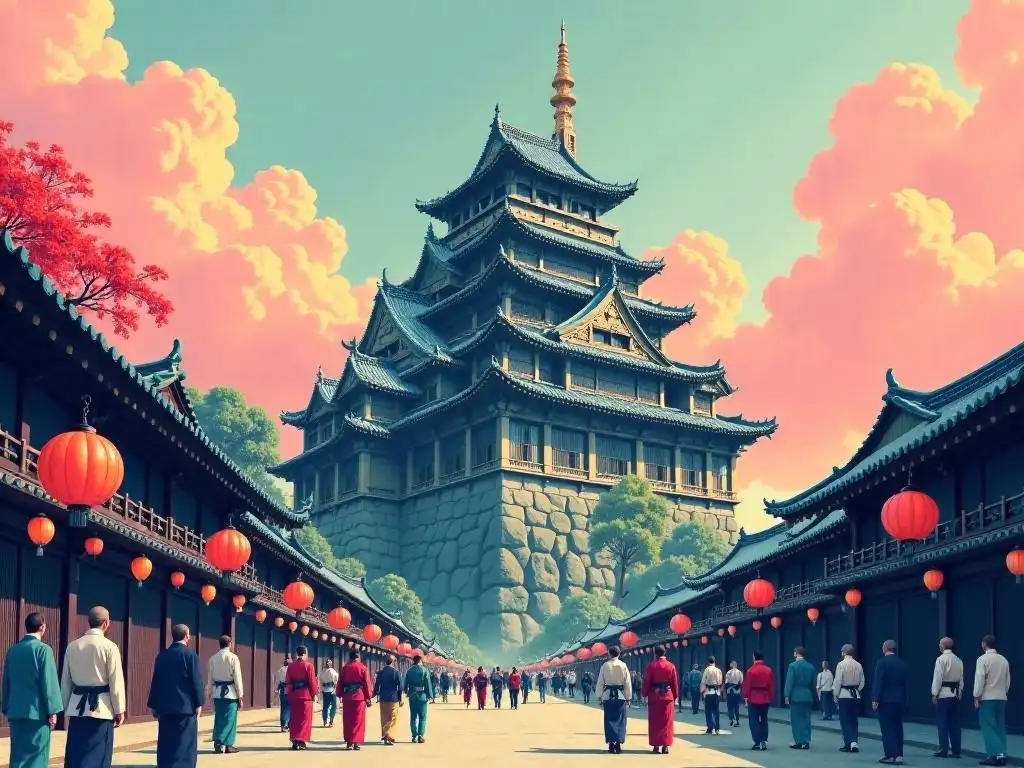
Welcome to Feudal Japan History, where we invite you to embark on a fascinating journey through the vibrant culture of Japan's feudal era. In our featured article, Castle Festivals: Experience the Vibrant Culture of Feudal Japan, we dive deep into the enchanting world of feudal Japan castle festivals, unearthing the rich traditions and community spirit that brought these historical celebrations to life.
Prepare to be captivated by the stories and experiences that shaped a nation, as you explore the intricate tapestry of history, culture, and society that defines this remarkable period. Join us as we unravel the magic of Japan’s past and inspire your next adventure!
- Introduction to Feudal Japan Castle Festivals
- Major Feudal Japan Castle Festivals to Experience
- The Role of Feudal Castles in Japanese Festivals
- Planning Your Visit to Feudal Japan Castle Festivals
- Recommended Products for an Unforgettable Festival Experience
- Conclusion: Embrace the Vibrant Culture of Feudal Japan
- Frequently Asked Questions
- Final Reflection: Embracing the Spirit of Feudal Japan Castle Festivals
- Unveil the Magic of Castle Festivals!
Introduction to Feudal Japan Castle Festivals
The rich tapestry of Feudal Japan is woven with intricate traditions, vibrant celebrations, and a profound connection to the land and its history. Among the most captivating aspects of this era are the castle festivals, which not only served as a platform for community gathering but also showcased the unique cultural heritage of various regions. These festivals, often held in the shadow of magnificent feudal castles, offer a glimpse into the past, allowing visitors to experience the vibrant customs and societal structures that defined the lives of samurai, farmers, and townsfolk alike.
In this article, we will delve into the significance of these festivals, exploring how they reflect the values and beliefs of feudal society. We will also provide an overview of notable castle festivals that continue to captivate audiences today, highlighting their cultural importance and the historical context that surrounds them. Join us on this journey to uncover the enduring legacy of Feudal Japan castle festivals, where history and celebration converge in a spectacular display of tradition and community spirit.
The Significance of Festivals in Feudal Japan
Festivals in Feudal Japan were more than mere celebrations; they were a vital expression of cultural identity and communal harmony. These events served several important functions:
- Religious Observance: Many festivals were rooted in Shinto and Buddhist practices, offering a time for worship and gratitude to deities for bountiful harvests and protection against calamities.
- Social Cohesion: Festivals fostered a sense of community among the villagers and samurai, breaking down social barriers and encouraging collaboration and unity.
- Cultural Preservation: Through traditional performances, crafts, and culinary delights showcased during festivals, communities preserved their unique cultural practices and passed them down through generations.
- Political Significance: Many festivals were organized by feudal lords as a means to display power and wealth, often involving grand parades and competitions that highlighted their status within the region.
Overall, these festivals played a crucial role in shaping the societal dynamics of Feudal Japan, reflecting the intricate relationship between culture, religion, and governance.
Overview of Feudal Japan Castle Festivals: A Cultural Celebration
Castle festivals, or "jōsai matsuri," are vibrant celebrations hosted near feudal castles, each offering a distinct blend of history and culture. Here are some notable aspects of these festivals:
- Location and Historical Context: Festivals often occur at historical castles, such as Himeji Castle and Matsumoto Castle, which serve as stunning backdrops to the celebrations. These sites not only attract tourists but also connect festival-goers with Japan's rich heritage.
- Traditional Activities:
- Parades and Processions: Colorful parades featuring traditional costumes, floats, and performances bring history to life.
- Martial Arts Demonstrations: Samurai reenactments and other martial arts displays showcase the skills and valor of the warriors from the feudal era.
- Artisan Markets: Local craftspeople display their skills, offering handmade goods that reflect the region's unique cultural identity.
- Seasonal Celebrations: Many festivals are tied to the seasons, such as cherry blossom festivals in spring or harvest festivals in autumn, aligning with the agricultural calendar and emphasizing the connection between nature and community life.
- Culinary Delights: Festivals often feature traditional foods, providing visitors with a taste of feudal Japan's culinary heritage, from rice cakes to regional specialties.
Through these festivals, visitors can immerse themselves in the vibrant culture of Feudal Japan, gaining insights into the traditions that have shaped the nation’s identity throughout history. The enduring appeal of castle festivals lies not just in their historical significance, but in their ability to connect people with the past, making them a must-visit experience for anyone interested in exploring Japan's feudal era.
Major Feudal Japan Castle Festivals to Experience
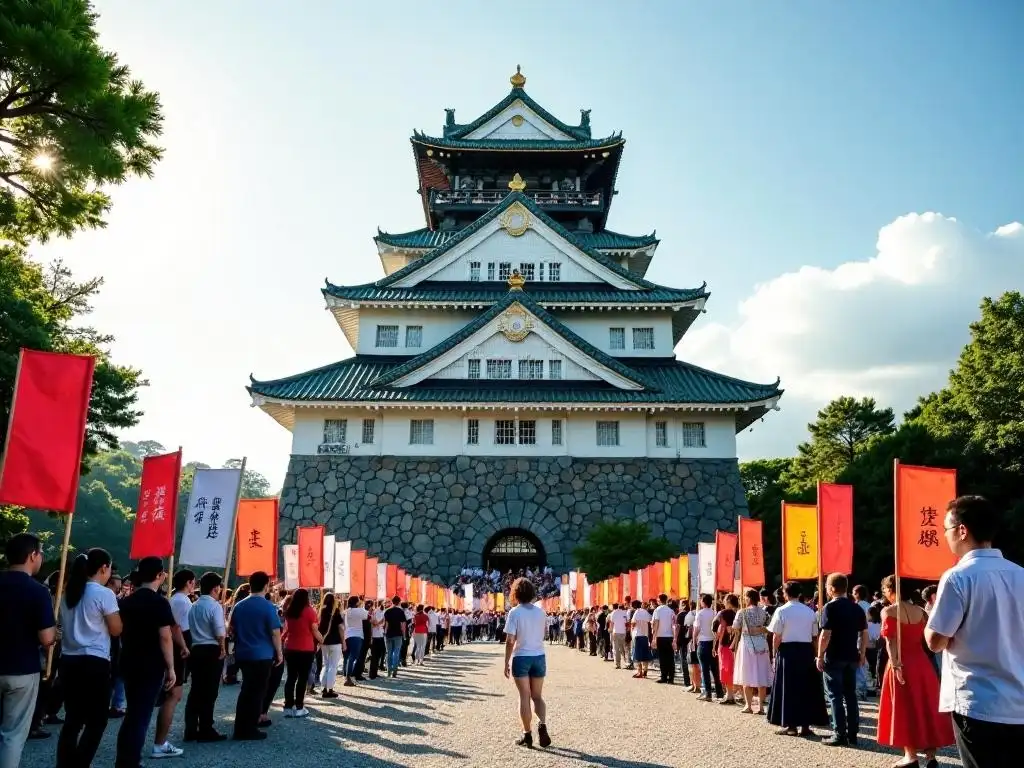
Feudal Japan castle festivals offer a unique glimpse into the rich cultural heritage and historical significance of Japan's iconic castles. These vibrant celebrations not only highlight the architectural beauty of these structures but also revive traditional practices, arts, and community spirit. Below are two of the most prominent festivals linked to Japan's feudal castles that you should experience.
Matsumoto Castle Festival: A Blend of History and Culture
The Matsumoto Castle Festival, held annually in the picturesque city of Matsumoto, is a celebration that transforms the grounds of the historic Matsumoto Castle into a lively cultural hub. This festival typically takes place in April, coinciding with the cherry blossom season, which adds an ethereal beauty to the landscape.
Key Features of Matsumoto Castle Festival
- Historic Significance: Matsumoto Castle, known as “Crow Castle” due to its black exterior, dates back to the 16th century and is one of Japan's most beautiful castles. During the festival, the castle serves as a stunning backdrop for various activities.
- Cultural Exhibits: The festival showcases traditional Japanese arts, including pottery, calligraphy, and textile demonstrations, allowing visitors to engage with the local culture.
- Night Illuminations: One of the highlights is the breathtaking illumination of the castle at night, creating a magical atmosphere that enhances the festival experience.
Activities and Events at Matsumoto Castle Festival
- Parades and Performances: Traditional parades featuring locals dressed in period costumes, samurai, and geisha are a major attraction. These events bring history to life and engage attendees in the feudal era's cultural practices.
- Food Stalls: Local vendors sell a variety of traditional Japanese foods, including yakitori, mochi, and seasonal sweets, inviting visitors to indulge in the region's culinary delights.
- Workshops: Attendees can participate in hands-on workshops, such as origami folding or kimono dressing, offering an immersive experience into Japan's artistic traditions.
Himeji Castle Cherry Blossom Festival: Nature Meets History
The Himeji Castle Cherry Blossom Festival, celebrated in the spring, is a spectacular event held at Himeji Castle, one of Japan's most famous and well-preserved castles. This UNESCO World Heritage site is renowned for its stunning architecture and breathtaking cherry blossoms that bloom around the castle grounds.
What to Expect During the Himeji Castle Cherry Blossom Festival
- Cherry Blossom Viewing: The festival coincides with the blooming of over 1,000 cherry trees surrounding the castle, creating a picturesque scene that attracts visitors from around the globe.
- Guided Tours: Special guided tours are offered, allowing festival-goers to learn about the history of Himeji Castle and its strategic importance during the feudal period.
- Photography Opportunities: With the contrast of the delicate cherry blossoms against the white castle walls, photographers are treated to an array of stunning visuals.
Cultural Performances and Activities
- Traditional Performances: The festival features various performances, including traditional music, dance, and martial arts, which reflect the cultural heritage of Japan.
- Tea Ceremonies: Experience the tranquility of Japanese tea ceremonies held in the castle gardens, where participants can learn about this ancient practice while enjoying matcha tea.
- Art and Craft Displays: Local artisans display their crafts, providing insights into traditional Japanese arts such as woodblock printing and textile weaving, giving visitors a chance to purchase unique souvenirs.
Through these festivals, visitors to Japan can immerse themselves in the vibrant culture and historical significance of feudal Japan, making for an unforgettable experience.
Okayama Castle Summer Festival: Tradition and Celebration
The Okayama Castle Summer Festival is a vibrant celebration that draws visitors from all over Japan and beyond to experience the rich cultural heritage of feudal Japan. Held annually during the summer months, this festival showcases traditional Japanese customs and provides a unique opportunity to explore the historical significance of Okayama Castle itself, known for its stunning black exterior and beautiful gardens. The event typically features a range of activities that reflect the spirit of the era, allowing attendees to immerse themselves in the sights and sounds reminiscent of Japan’s feudal past.
Visitors can expect a blend of history and modernity, with re-enactments of samurai battles, traditional performances, and elaborate displays of clothing from the Edo period. The castle serves as a magnificent backdrop for the festivities, enhancing the experience with its historical architecture and serene surroundings. The festival not only celebrates the castle's legacy but also emphasizes community participation, bringing together locals and tourists in a joyful atmosphere.
Highlights of the Okayama Castle Summer Festival
The Okayama Castle Summer Festival offers several highlights that capture the essence of feudal Japan, including:
- Samurai Parades: One of the festival's most popular features is the grand samurai parade, where participants don traditional samurai armor and march through the castle grounds, showcasing the valor and pride of the samurai class. This re-enactment is not only visually stunning but also educational, providing insights into the life and traditions of the samurai.
- Cultural Performances: Various cultural performances take center stage, including taiko drumming, traditional kagura dances, and Noh theater. These performances are steeped in history and offer a glimpse into the artistic expressions of the past.
- Craft Demonstrations: Attendees can witness skilled artisans demonstrating traditional crafts such as sword making, pottery, and calligraphy. These workshops allow visitors to engage with the craftsmanship that flourished during the feudal era.
- Fireworks Display: The festival culminates in a spectacular fireworks display that lights up the night sky over Okayama Castle, creating a magical atmosphere. This event is a highlight for many attendees, providing a breathtaking end to a day filled with cultural experiences.
Food, Music, and Activities to Enjoy
Food plays a significant role in the Okayama Castle Summer Festival, with numerous stalls offering traditional Japanese cuisine. Here are some culinary delights and activities to indulge in:
- Local Delicacies: Festival-goers can savor a variety of local dishes, including kakigori (shaved ice), yakitori (grilled chicken skewers), and okonomiyaki (savory pancakes). Each dish showcases the flavors of Okayama and provides a taste of the region's culinary heritage.
- Music and Dance: Live music performances feature traditional instruments such as the shamisen and taiko, creating an immersive soundscape that complements the festival's atmosphere. Visitors are often encouraged to join in traditional dances, fostering a sense of community and celebration.
- Interactive Activities: Various interactive activities are available for all ages, including origami workshops, calligraphy sessions, and martial arts demonstrations. These hands-on experiences allow participants to learn about Japanese culture in a fun and engaging manner.
The Okayama Castle Summer Festival is not just a celebration; it is an opportunity to step back in time and experience the rich cultural tapestry of feudal Japan. From historical reenactments to delicious food and engaging activities, the festival offers a memorable experience that honors the legacy of this iconic castle and its historical significance.
The Role of Feudal Castles in Japanese Festivals
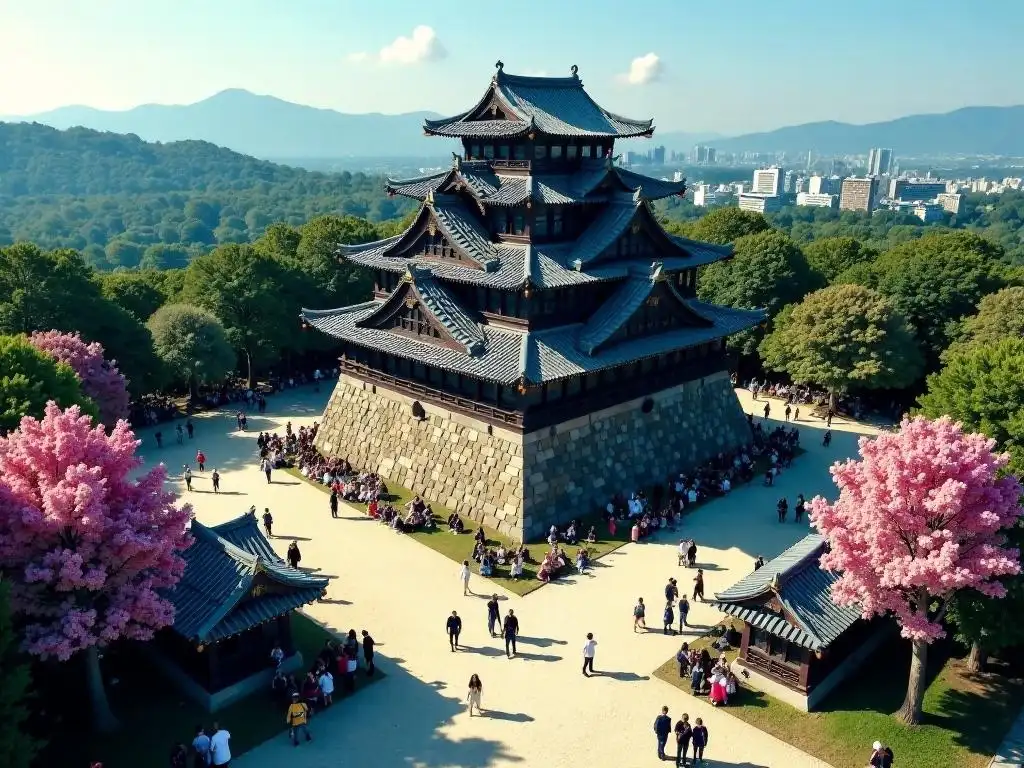
Feudal Japan castle festivals are a rich tapestry of history, culture, and community, often centered around the majestic castles that dotted the landscape during this era. These festivals not only celebrate the architectural grandeur of the castles but also highlight their significance in the social and political fabric of feudal society.
Historical Context of Castles in Feudal Japan
Feudal Japan, spanning from the late 12th century to the early 17th century, was marked by a system of governance dominated by a hierarchy of lords and vassals. Castles emerged as powerful symbols of authority and defense, serving as both military strongholds and residences for feudal lords, known as daimyōs.
- Purpose and Design:
- Castles were strategically located on hills or near waterways to enhance their defensive capabilities.
- Architectural features such as stone walls, moats, and wooden structures were designed to withstand sieges and attacks.
- Notable examples include Himeji Castle, renowned for its elegant design and formidable structure, and Matsumoto Castle, famous for its striking black facade.
- Cultural Significance:
- Beyond their military function, castles became centers of culture and administration. They hosted gatherings, ceremonies, and festivals that brought together samurai, merchants, and commoners.
- Festivals often celebrated seasonal changes, harvests, or significant historical events, intertwining the castles' legacies with the local communities.
- Influence on Society:
- The presence of a castle often dictated the socio-economic structure of the surrounding area. Villagers relied on the daimyō for protection and governance, while the daimyō benefited from the agricultural output of the land.
- Festivals held at these castles fostered a sense of unity and identity among the local populace, reinforcing the daimyō's role as a protector and leader.
How Castles Serve as Cultural Hubs During Festivals
The vibrant culture of feudal Japan is vividly showcased during castle festivals, which are characterized by a blend of traditional performances, food, and community engagement.
- Traditional Performances:
- Festivals often feature kagura (Shinto music and dance), Noh and Kabuki theatre, which narrate historical tales and legends associated with the castle and its lord.
- Samurai reenactments and martial arts demonstrations provide an exhilarating glimpse into the warrior culture that once thrived in these strongholds.
- Culinary Highlights:
- Food stalls offering local delicacies become a staple of castle festivals. Traditional dishes like yakitori (grilled chicken skewers) and dango (sweet rice dumplings) are enjoyed by festival-goers.
- Each castle may have its own specialty, often linked to the region’s agricultural products, creating a culinary celebration that reflects the local culture.
- Community Engagement:
- Festivals often include parades featuring floats decorated with intricate designs, symbolizing the castle’s history and the community’s pride.
- Workshops and activities engage visitors, allowing them to participate in traditional crafts, such as origami or calligraphy, fostering a deeper appreciation for Japanese heritage.
- Symbolic Importance:
- Castle festivals serve as a reminder of the resilience of local cultures in the face of modernization. They preserve the historical narratives and traditions that define the region's identity.
- As visitors flock to these festivals, they not only enjoy the festivities but also contribute to the preservation of these cultural practices, ensuring their continuation for future generations.
Feudal Japan castle festivals are more than mere celebrations; they embody the historical significance and cultural richness of Japan’s feudal era. Through these festivals, the legacy of the castles endures, allowing both locals and tourists to experience the vibrant traditions that have shaped Japan's history.
Planning Your Visit to Feudal Japan Castle Festivals
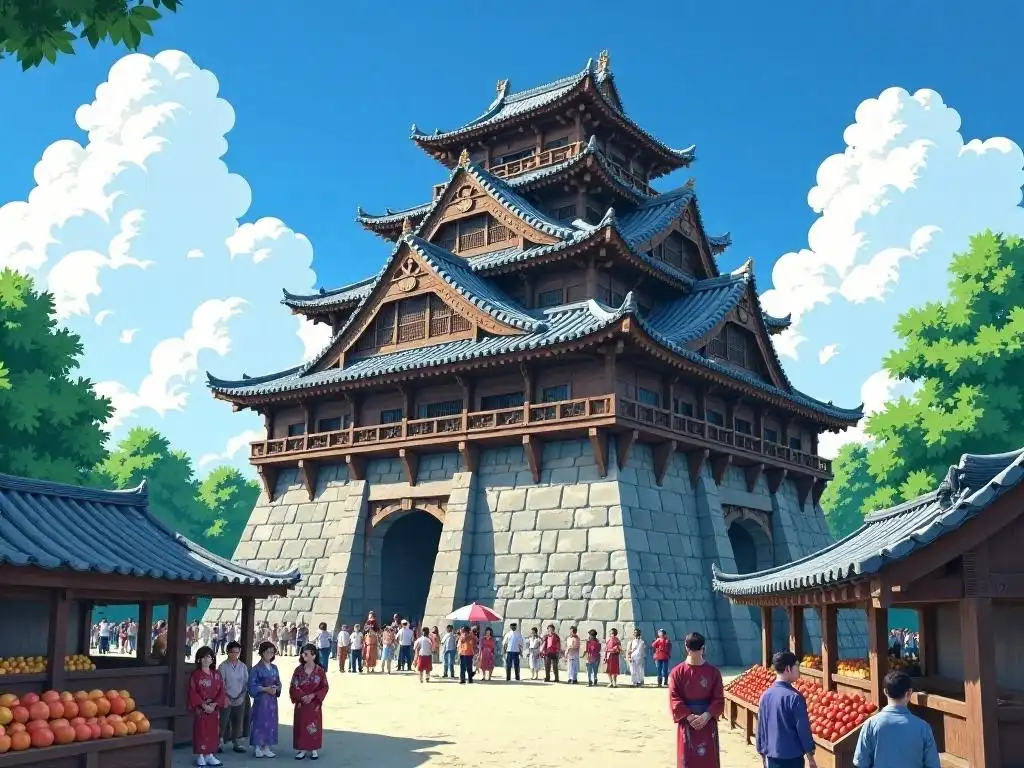
Best Times to Experience Feudal Japan Castle Festivals
Feudal Japan castle festivals are a vibrant celebration of culture, tradition, and history that take place at various historic castles throughout the country. The best times to experience these festivals typically align with the seasons, as many events are held during spring and autumn when the weather is most pleasant.
- Spring Festivals (March to May):
- Sakura Matsuri (Cherry Blossom Festival): Many castles host festivals during cherry blossom season. For example, Himeji Castle holds its Sakura Matsuri in early April, allowing visitors to enjoy beautiful floral displays alongside cultural performances.
- Hanami (Flower Viewing Parties): Visitors can partake in traditional picnics under blooming cherry trees, a custom deeply rooted in Japanese culture.
- Autumn Festivals (September to November):
- Jidai Matsuri (Festival of Ages): This historical festival, celebrated in Kyoto, features a grand procession with participants dressed in period costumes. Many castles in the region host their own versions of this festival, showcasing local traditions.
- Koyo (Autumn Foliage): As the leaves change color, castles like Matsumoto become picturesque backdrops for seasonal festivities, attracting visitors for both the scenery and the events.
Essential Tips for Attending Festivals at Historic Castles
Attending festivals at feudal Japan castles can be an unforgettable experience, but proper planning is essential. Here are some tips to enhance your visit:
- Arrive Early:
- Popular festivals can attract large crowds. Arriving early not only gives you a prime spot for viewing performances but also allows you to explore the castle grounds before they get busy.
- Dress Appropriately:
- Festivals often involve traditional clothing. While it’s not required, wearing a kimono can enhance your experience. Many rental shops offer kimono services near popular castle sites.
- Participate in Activities:
- Engage in traditional games, food stalls, and workshops that often accompany festivals. These activities offer a deeper insight into local culture and customs.
- Respect Local Customs:
- Be mindful of local traditions, such as bowing when greeting, removing shoes before entering certain areas, and refraining from loud conversations during performances.
Recommended Accommodations Near Castle Festivals
When planning your visit, consider staying near the festival locations for convenience. Here are some highly recommended accommodations:
| Castle Location | Accommodation Name | Description |
|---|---|---|
| Himeji Castle | Hotel Nikko Himeji | Offers stunning views of the castle; modern amenities. |
| Matsumoto Castle | Matsumoto Hotel Aster | A cozy stay with easy access to local attractions. |
| Nagoya Castle | Nagoya JR Gate Tower Hotel | Centrally located with excellent transport links. |
| Kumamoto Castle | Hotel Nikko Kumamoto | Features traditional Japanese hospitality; close to the castle. |
Transportation Tips for Visiting Feudal Japan
Navigating through Japan to attend castle festivals can be seamless with the right transportation tips:
- Public Transportation:
- Japan boasts an extensive rail network. Consider purchasing a Japan Rail Pass for unlimited travel on most trains, including the Shinkansen (bullet trains).
- Local Transit:
- Use local buses or trams to get to castle sites. Many cities offer discount passes that can save money for tourists.
- Walking:
- Many castle grounds are best explored on foot. Wear comfortable shoes to fully enjoy the scenery and the various stalls and activities during festivals.
- Timing:
- Always check the festival schedule and plan your transportation accordingly, as some events may have specific timings that influence your travel plans.
By following these guidelines, visitors can immerse themselves in the rich tapestry of feudal Japan’s cultural heritage while enjoying the unique atmosphere of castle festivals.
Recommended Products for an Unforgettable Festival Experience
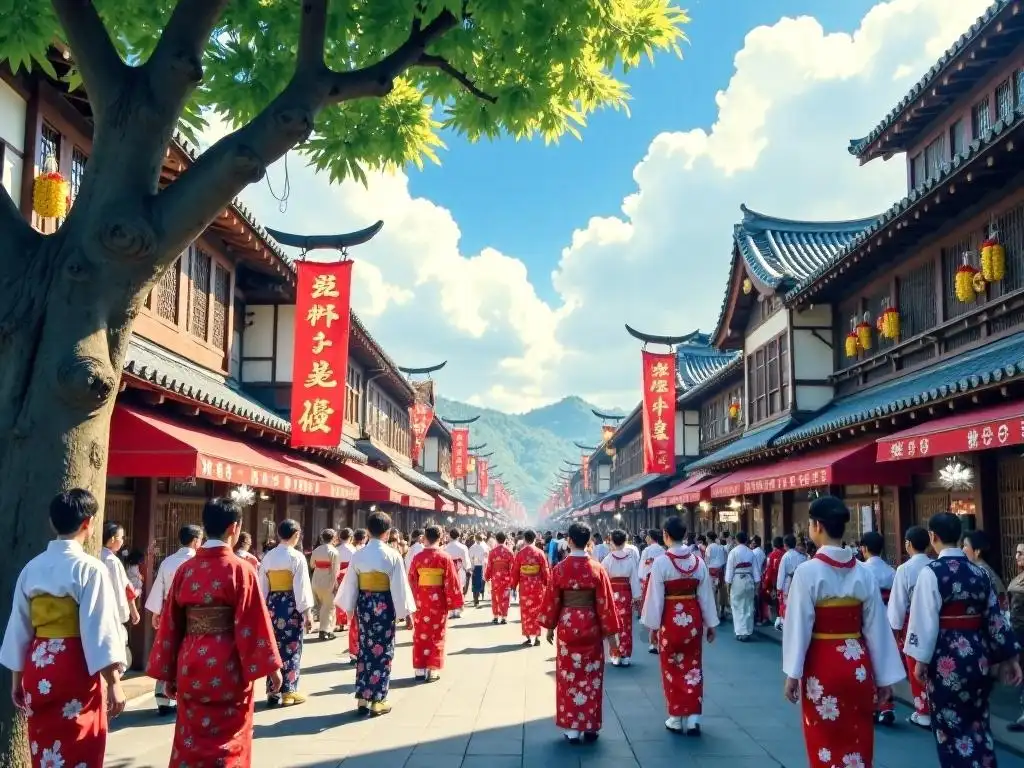
Experiencing the vibrant atmosphere of Feudal Japan castle festivals is not just about the sights and sounds; it's also about immersing yourself in the culture through traditional attire and local cuisine. Here’s a guide to ensure your festival experience is unforgettable.
Traditional Japanese Attire: Kimono Rentals for Festival Attendees
Wearing a traditional kimono enhances the festival experience, allowing attendees to feel connected to the rich history of Japan. Kimonos come in various styles and colors, often reflecting the season or occasion. Renting a kimono not only enriches your experience but also provides an opportunity to appreciate the craftsmanship involved in these garments.
Best Places for Kimono Rentals in Japan
When attending a castle festival, consider renting a kimono from one of these notable locations:
- Asakusa, Tokyo
- Rental Service: Yae
- Specialty: Offers a wide range of kimonos, including seasonal designs.
- Experience: Located near Senso-ji Temple, where you can take beautiful photographs.
- Kyoto
- Rental Service: Okamoto
- Specialty: Focuses on authentic, vintage kimonos.
- Experience: A guided tour of historic sites can be arranged alongside your rental.
- Osaka
- Rental Service: Kimono Rental Wargo
- Specialty: Provides options for both men and women, including yukatas for summer festivals.
- Experience: Conveniently located near Osaka Castle.
- Hiroshima
- Rental Service: RYOKAN KIMONO
- Specialty: Personalized fittings and styling advice.
- Experience: Offers the chance to explore the Hiroshima Castle while dressed in traditional attire.
Local Cuisine: Must-Try Foods at Castle Festivals
Feudal Japan castle festivals are also a culinary delight. Traditional foods served at these festivals reflect the flavors and ingredients of the era. Visitors should be sure to indulge in local specialties that showcase Japan's rich culinary heritage.
Top Food Stalls and Vendors to Look Out For
Here are some of the must-try foods you shouldn't miss at castle festivals:
- Takoyaki
- Description: Grilled octopus balls, crispy on the outside and soft on the inside.
- Vendor Tip: Look for stalls with long queues; they usually indicate the best flavor!
- Yaki Imo
- Description: Roasted sweet potatoes, a popular autumn snack.
- Vendor Tip: Vendors often use traditional stone ovens to enhance the flavor.
- Kakigori
- Description: Shaved ice dessert topped with syrup, perfect for hot summer festivals.
- Vendor Tip: Try seasonal flavors like matcha or sakura (cherry blossom).
- Bento Boxes
- Description: Traditional lunch boxes filled with rice, fish, and pickled vegetables.
- Vendor Tip: Some stalls offer beautifully packaged bento that make for great souvenirs.
By embracing both the traditional attire and local cuisine, festival-goers can fully immerse themselves in the essence of Feudal Japan castle festivals, making their experience truly unforgettable.
Souvenirs and Memorabilia: Bringing Home a Piece of History
When attending castle festivals in Feudal Japan, it’s not just the vibrant atmosphere and cultural experiences that linger in your memory; it’s also the tangible souvenirs that allow you to carry a piece of history back home. Souvenirs and memorabilia serve as a beautiful reminder of the rich traditions and artistry of the period, enabling visitors to commemorate their experiences long after the festival has ended.
Feudal Japan castle festivals often feature a variety of unique items that reflect the cultural heritage and craftsmanship of the time. From handcrafted pottery and textiles to intricate woodblock prints and samurai-themed artifacts, the options are plentiful. These items not only serve as decorative pieces but also tell the story of the era and the significance of the festivals.
Here are some popular types of souvenirs you might find at these festivals:
- Traditional Crafts: Items like kokeshi dolls, pottery, and lacquerware showcase the artistry of Japanese craftsmen.
- Textiles: Kimono fabrics or small furoshiki (wrapping cloths) can be both functional and decorative.
- Art Prints: Woodblock prints (ukiyo-e) depicting scenes from feudal times capture the essence of the era.
- Festival Apparel: Unique clothing items adorned with festival motifs or symbols can be a delightful way to remember your experience.
- Culinary Treats: Specialty snacks or sweets found at the festival can be enjoyed at home or shared with friends.
By choosing souvenirs that resonate with your experience, you not only create lasting memories but also support local artisans and the preservation of traditional crafts.
Best Shops for Unique Festival Souvenirs
Finding the perfect souvenir at a castle festival can be a delightful adventure in itself. While the festivals often feature numerous stalls and vendors, some shops are particularly known for their unique and high-quality offerings. Here are some of the best places to explore for unforgettable festival souvenirs:
- Kōbō (工房):
- This shop specializes in handcrafted items. From pottery to textiles, you’ll find a diverse range of authentic products that reflect the festival's spirit.
- Nihonbashi Souvenir Shop:
- Located near several historic sites, this shop offers a curated selection of high-quality crafts, including traditional kimono fabrics and intricate woodblock prints.
- Samurai Store:
- For those interested in samurai culture, this store features replicas of samurai armor, weapons, and other themed merchandise that celebrate the feudal era's martial history.
- Local Artisan Stalls:
- During festivals, many local artisans set up stalls showcasing their unique creations. This is a great opportunity to purchase one-of-a-kind items directly from the craftspeople.
- Cultural Experience Centers:
- Some castles have dedicated shops that offer a blend of souvenirs and cultural experiences, such as crafting your own pottery or textiles, ensuring you leave with a personal touch.
When visiting these shops, take time to engage with the artisans and learn about the stories behind their crafts. This connection can enhance your appreciation for the souvenirs you choose to bring home, making them even more meaningful reminders of your journey through the vibrant culture of Feudal Japan.
Conclusion: Embrace the Vibrant Culture of Feudal Japan
Feudal Japan castle festivals represent a unique intersection of history, culture, and community spirit, offering an immersive experience that draws upon centuries of tradition. These festivals not only celebrate the architectural grandeur of Japan's historic castles but also revive the rich tapestry of customs and practices from the feudal era. By participating in these events, travelers can gain a deeper understanding of the societal dynamics and cultural significance that these festivals carry.
As you explore various castle festivals, you will witness traditional performances, taste regional delicacies, and engage with locals who are passionate about preserving their heritage. Each festival is a vibrant display of color, sound, and energy, reflecting the unique characteristics of the region and its history. Whether it’s the breathtaking fireworks illuminating the night sky or the intricate floats parading through the streets, castle festivals are a gateway to experiencing the essence of Feudal Japan.
The Lasting Impact of Castle Festivals on Japanese Heritage
Castle festivals have played a crucial role in maintaining and promoting Japan's cultural heritage. They serve as a platform for storytelling, where local histories are shared through traditional performances and reenactments. These events often showcase the rich narratives surrounding samurai, feudal lords, and significant historical events tied to the castles themselves.
- Preservation of Traditions: Many festivals involve age-old rituals and practices that have been passed down through generations. This preservation of tradition helps to keep the cultural identity of the region alive, fostering a sense of pride among community members.
- Economic Contributions: Castle festivals attract tourists, significantly boosting local economies. This influx not only supports businesses but also ensures funds are available for the maintenance and restoration of heritage sites, ensuring they endure for future generations.
- Educational Opportunities: Festivals often incorporate educational programs that enlighten attendees about historical events and cultural practices. Workshops, demonstrations, and exhibitions provide valuable insights into the craftsmanship and skills valued in Feudal Japan.
The impact of these festivals extends beyond mere celebration; they are instrumental in weaving the fabric of Japanese heritage, ensuring that the lessons and legacies of the past are not forgotten.
Final Thoughts on Experiencing Feudal Japan Castle Festivals
Visiting Feudal Japan castle festivals is more than just an exciting travel opportunity; it is an invitation to engage with a living history that resonates with the spirit of the country. As you plan your journey, consider the following aspects to enhance your experience:
- Timing: Each festival has its own schedule, often tied to the seasons or historical anniversaries. Researching specific dates will allow you to witness the festivals at their peak.
- Participation: Embrace the opportunity to participate in local customs, whether it's wearing traditional attire, joining in a dance, or sampling regional foods. This active engagement fosters a deeper connection to the culture.
- Exploration: Take the time to explore the castles themselves, as they are integral to the festivals. Many castles have museums or guided tours that provide context to the celebrations.
- Community Interaction: Engage with locals to gain insights into the significance of the festivals. Their firsthand experiences and stories will enrich your understanding and appreciation of the cultural heritage being celebrated.
Feudal Japan castle festivals are vibrant celebrations that encapsulate the history, culture, and community of Japan's feudal era. By immersing yourself in these experiences, you not only enjoy a unique journey but also contribute to the continuation of a rich cultural legacy. Embrace the opportunity to explore, learn, and celebrate the enduring spirit of Feudal Japan.
Frequently Asked Questions
What are castle festivals in Feudal Japan?
Castle festivals were celebrations held in and around castles during the feudal era, showcasing local culture, traditions, and community spirit.
How did castle festivals reflect the culture of Feudal Japan?
These festivals highlighted the artistic and cultural expressions of the time, including music, dance, and traditional crafts, fostering community pride and cohesion.
What activities were typically featured at castle festivals?
Activities included parades, traditional games, performances, and food stalls, providing an immersive experience of Feudal Japan’s vibrant culture.
When did the tradition of castle festivals begin?
The tradition of castle festivals dates back to the Edo period (1603-1868), when they became popular as a way to celebrate and reinforce local heritage and identity.
Are there modern celebrations similar to castle festivals today?
Yes, many modern festivals in Japan still celebrate the history and culture of Feudal Japan, often incorporating historical reenactments and traditional performances.
Final Reflection: Embracing the Spirit of Feudal Japan Castle Festivals
The vibrant culture of Feudal Japan castle festivals remains a captivating testament to the rich history and traditions that shaped a nation. Today, as we navigate an increasingly globalized world, these festivals serve as a reminder of the importance of cultural heritage and community connection. They invite us to celebrate the past while fostering a sense of belonging and identity in our modern lives. The allure of these events transcends time, offering a unique glimpse into the customs and values that defined an era.
Castle festivals are not merely historical reenactments; they are living expressions of a culture that continues to influence our social landscape. The colors, sounds, and flavors of these celebrations resonate deeply, reminding us of the resilience and creativity of the human spirit. As we immerse ourselves in the festivities, we can appreciate how they foster community bonds and promote cultural understanding. Tradition is not the worship of ashes, but the preservation of fire.
– Gustav Mahler. This quote encapsulates the essence of castle festivals, highlighting their role in keeping the flame of tradition alive for future generations.
As you reflect on the enchanting world of Feudal Japan castle festivals, consider how you can incorporate elements of this vibrant culture into your own life. Embrace the lessons of community, creativity, and resilience that these festivals embody. Whether through participating in local cultural events, exploring your heritage, or simply sharing stories of the past, you have the power to keep the spirit of these traditions alive. Let the vibrant energy of these festivals inspire you to celebrate your own culture and connect with others, creating a tapestry of shared experiences that honors both history and the future.
Unveil the Magic of Castle Festivals!
Thank you for diving into the rich tapestry of feudal Japan with us! You've explored the vibrant culture that springs to life during castle festivals, and now it's time to take that newfound inspiration and make it your own. Embrace the spirit of celebration and culture with the following actions:
- Plan your visit to a local festival or cultural event. Immerse yourself in the excitement and traditions that echo the grand celebrations of feudal Japan.
- Discover more about feudal history: Explore our collection of articles and resources for deeper insights into this fascinating era. Gaining knowledge is essential for experiencing culture authentically!
- Share your experience: Connect with fellow history enthusiasts by posting about your festival experiences on social media or in our community forum.
Before you go, ponder this: Which aspect of castle festivals excites you the most—the food, the performances, or the historical reenactments? Let’s start a conversation!