
The Kamakura Bakufu: A Deep Dive into Early Shogunal Authority

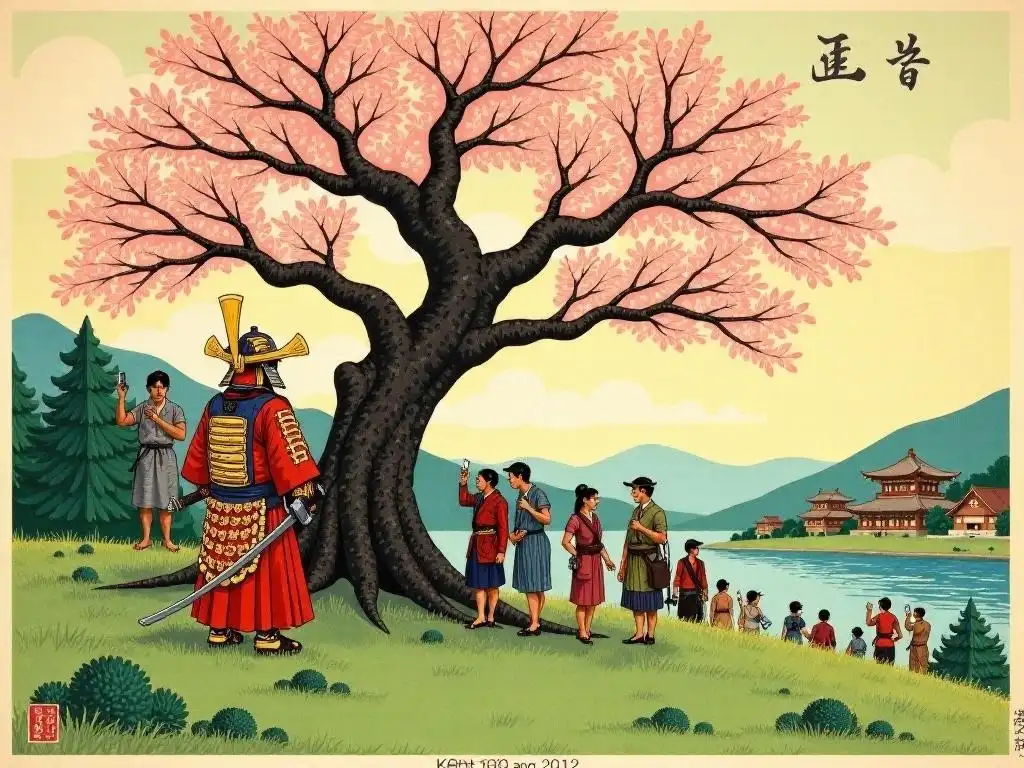
Welcome to Feudal Japan History, where we embark on a captivating journey through the intricate tapestry of Japan's feudal era. Here, you will uncover the rich historical significance of the Kamakura Bakufu, a pivotal chapter that laid the groundwork for early shogunal authority. Delve deeper with us as we explore the political dynamics, cultural shifts, and societal transformations that defined this remarkable period. What secrets does the Kamakura Bakufu hold? Join us as we unravel the past and discover the profound impact it has on Japan’s heritage. Your adventure into the heart of feudal Japan begins now!
The Kamakura Bakufu marks a pivotal moment in Japanese history, representing the dawn of shogunal authority and the establishment of a military government that would significantly influence the political landscape of Japan for centuries to come. Emerging in the late 12th century, this feudal regime not only shifted the balance of power from the imperial court to the samurai class but also laid the groundwork for a unique governance structure that integrated military and civil authority.
In this article, we will explore the historical significance of the Kamakura Bakufu, examining its origins, governance mechanisms, and cultural impacts during the Kamakura Period. By delving into these aspects, we aim to provide a comprehensive understanding of how this early shogunate shaped the trajectory of Japan's political history and influenced subsequent governance models.
Origins of the Kamakura Bakufu
The establishment of the Kamakura Bakufu can be traced back to the Genpei War (1180-1185), a conflict between the Taira and Minamoto clans. After the decisive Minamoto victory at the Battle of Dan-no-ura, Minamoto no Yoritomo emerged as the dominant leader. In 1192, he received the title of shōgun from the emperor, marking the formal beginning of the Kamakura Bakufu. This military government, based in Kamakura, signified a departure from the traditional court-centered governance, introducing a new political order where military leaders held paramount power.
Governance Structure of the Kamakura Bakufu
The Kamakura Bakufu implemented a unique governance structure designed to maintain control over the vast territories and the warrior class. At its core, the Bakufu was characterized by:
- Shōgun: The supreme military leader who held ultimate authority.
- Jitō: Land stewards responsible for managing the Bakufu's lands and collecting taxes.
- Shugo: Military governors who oversaw provinces, ensuring loyalty and security.
This hierarchical structure allowed the Bakufu to exert control over the samurai class and maintain order across Japan.
Cultural Impact of the Kamakura Bakufu
The Kamakura Period was not only significant politically but also culturally. The era saw the rise of new religious movements, such as Pure Land Buddhism, which appealed to the samurai class and common people alike. Additionally, the arts flourished, with developments in literature and the visual arts reflecting the values and aesthetics of the time. The Bakufu's influence on culture underscored the interconnectedness of governance and societal values in feudal Japan.
The Historical Significance of the Kamakura Bakufu
The Kamakura Bakufu's historical significance lies in its role as the first shogunate in Japan, setting a precedent for future military governments. It established a model of governance that balanced power between the shōgun and the local samurai, influencing subsequent shogunates, such as the Ashikaga and Tokugawa. Furthermore, the Bakufu's integration of military authority with civil administration helped shape the socio-political landscape of Japan, promoting a distinct feudal system that would endure for generations.
The Kamakura Bakufu represents a transformative period in Japanese history, laying the foundation for the evolution of governance during the feudal era. Its legacy continues to resonate in modern Japan, underscoring the enduring impact of this early shogunate on the nation's political and cultural development.
- Origins of the Kamakura Bakufu
- Governance Structure of the Kamakura Bakufu
- Cultural Impact of the Kamakura Bakufu
- The Historical Significance of the Kamakura Bakufu
Introduction to the Kamakura Bakufu

The Kamakura Bakufu, established in 1185, marks a significant turning point in Japan's political landscape, transitioning from imperial rule to military governance. This shogunate, founded by Minamoto no Yoritomo, is often regarded as the first true military government in Japan, laying the groundwork for future shogunates and profoundly influencing the historical trajectory of the nation. Understanding the Kamakura Bakufu's historical significance requires a deep dive into its origins, structure, and the broader context of the Kamakura period, which witnessed the rise of samurai as a dominant socio-political class.
Overview of the Kamakura Period
The Kamakura period (1185-1333) was a transformative era in Japanese history characterized by the emergence of the samurai class and the establishment of the Kamakura Bakufu. Following the Genpei War, which culminated in the victory of the Minamoto clan, Japan shifted from the Heian court's aristocratic governance to a militaristic system that emphasized the power of samurai.
Key features of the Kamakura period include:
- Rise of the Samurai: The period saw the samurai class gain prominence not only as warriors but also as landowners and local leaders. Their loyalty was often secured through land grants and the promise of protection.
- Decentralized Power: Unlike the centralized authority of the Heian period, the Kamakura Bakufu operated through a feudal system where local lords (daimyō) wielded significant power, often challenging the central authority of the shogunate.
- Cultural Developments: This era also witnessed significant cultural evolution, including the flourishing of Zen Buddhism, which influenced samurai ethics and aesthetics. The period is noted for its unique artistic expressions, such as ink paintings and the development of Noh theater.
- Invasions and Internal Strife: The Kamakura period faced external threats, notably the Mongol invasions of 1274 and 1281, which, despite being repelled, strained the shogunate's resources and highlighted vulnerabilities in its military preparedness.
The historical significance of the Kamakura period lies in its establishment of a military governance framework that would shape Japan's future political systems and set the stage for the emergence of new cultural identities.
Definition of Bakufu and Its Role in Governance
The term "Bakufu" (幕府), which translates to "tent government," refers specifically to the military government established by the shogun. This system of governance was distinct from the imperial court's rule, characterized by a dual power structure where the emperor retained ceremonial authority while real political power was wielded by the shogunate.
Key Functions of the Bakufu:
- Military Authority: The Bakufu was primarily responsible for the defense of the realm. The shogun, as the supreme military leader, had the authority to raise armies and conduct military campaigns. This military focus was a defining characteristic of the Bakufu's governance.
- Judicial Power: The Bakufu established a system of courts to manage disputes and enforce laws, particularly among the samurai class. This judicial authority enabled the shogunate to maintain order and assert control over its vassals.
- Land Management: The Bakufu oversaw land distribution and taxation, crucial for sustaining the military and the samurai class. The system of land grants in exchange for loyalty and service solidified the feudal structure that defined this period.
- Crisis Management: The Kamakura Bakufu faced numerous challenges, including natural disasters and invasions. The shogunate's ability to respond effectively to these crises determined its longevity and stability.
In essence, the Kamakura Bakufu established a new paradigm for governance in Japan, integrating military leadership with administrative functions that allowed for a more localized form of power. Its historical significance lies in its role as a precursor to later shogunates, setting the stage for Japan's feudal system that would dominate for centuries.
Historical Context of the Kamakura Bakufu
The Kamakura Bakufu, established in 1192, marked a pivotal shift in Japanese governance, signifying the transition from imperial rule to military leadership. This era laid the foundation for Japan's feudal system and introduced a new political structure characterized by the authority of the shogunate. Understanding the historical context surrounding the Kamakura Bakufu is essential to grasp its significance in shaping Japan's political landscape.
The emergence of the samurai class was a crucial factor in the rise of the Kamakura Bakufu. Originally serving as provincial warriors, the samurai gained prominence during the Heian period (794-1185) as local rulers sought military support to maintain control over their regions. Their loyalty, martial skills, and land ownership gradually elevated the samurai's status, allowing them to wield significant power.
- Land Ownership and Loyalty: The samurai's relationship with the land was foundational to their authority. They were granted land in exchange for military service, creating a bond of loyalty that reinforced their position in society. This feudal system incentivized samurai to protect their lords and, by extension, the realm.
- Military Conflicts: The increasing frequency of military conflicts, particularly between rival clans, further solidified the samurai's influence. As local lords (daimyōs) vied for control, they relied on their samurai retainers to secure victories, thereby enhancing the samurai's role as key political players.
The rise of samurai authority set the stage for the establishment of the Kamakura Bakufu, as these warriors sought to centralize power and consolidate their control over Japan.
Key Events Leading to the Establishment of the Kamakura Bakufu
The establishment of the Kamakura Bakufu was not an isolated event but rather the culmination of several significant occurrences that reshaped Japan's governance.
- The Heiji Rebellion (1160): This conflict highlighted the fragility of imperial authority and showcased the samurai’s potential for military power. The rebellion was a turning point that underscored the need for a more organized military governance structure.
- The Genpei War (1180-1185): This decisive civil war between the Taira and Minamoto clans ultimately led to the downfall of the Taira and the ascendance of the Minamoto. The war's outcome not only established Minamoto no Yoritomo as the dominant military leader but also paved the way for the Kamakura Bakufu.
- The Shōen System: The rise of the shōen (manor) system, where powerful families controlled large estates, contributed to the decentralization of power from the imperial court. This shift enabled the samurai to gain authority over local governance, setting the groundwork for the shogunate.
- Yoritomo’s Appointment as Shōgun: In 1192, Minamoto no Yoritomo was appointed shōgun by the emperor. This formal recognition established the Kamakura Bakufu as the ruling authority, signifying the beginning of military governance in Japan.
These events collectively facilitated the transition from imperial rule to the shogunal system, establishing the Kamakura Bakufu as a crucial political entity.
The Impact of the Genpei War on Shogunal Governance
The Genpei War had profound implications for shogunal governance and the structure of power in Japan. Its outcomes set the stage for the Kamakura Bakufu's authority and influence.
- Decimation of the Taira Clan: The defeat of the Taira clan dismantled one of the primary obstacles to Minamoto no Yoritomo's rise. This victory not only consolidated power among the Minamoto but also created a power vacuum that the Kamakura Bakufu would fill.
- Shifting Loyalties: The war altered the feudal allegiances of many samurai, as warriors were forced to choose sides. Many who had previously supported the Taira shifted their loyalty to the Minamoto, further strengthening Yoritomo's position.
- Institutional Changes: The war necessitated the establishment of new governance structures to maintain control over the newly acquired territories. The Kamakura Bakufu introduced a system of vassalage and land grants that formalized the relationship between lords and samurai, thereby creating a more organized feudal system.
- Legal and Military Reforms: The aftermath of the war prompted Yoritomo to implement legal reforms and military organization to stabilize his rule. This included the establishment of the Jitō (land stewards) and Shugo (military governors) who managed regions on behalf of the shogunate.
The Genpei War was a catalyst for the Kamakura Bakufu's formation, reshaping the political landscape and laying the groundwork for future shogunates. Its historical significance cannot be overstated, as it established the military governance that would dominate Japan for centuries to come.
The Structure of the Kamakura Bakufu
Leadership and Hierarchical Organization
The Kamakura Bakufu, established in 1192, marked a pivotal shift in Japan's political landscape, laying the groundwork for future shogunates. This military government, or bakufu, was characterized by a distinctive hierarchical organization that integrated both military and administrative functions, ensuring effective governance during a tumultuous era.
The Role of the Shogun
At the pinnacle of the Kamakura Bakufu's structure was the Shogun. As the supreme military leader, the Shogun wielded significant power, both politically and militarily. The first Shogun, Minamoto no Yoritomo, set the precedent for the role, which combined military command with administrative authority over the samurai class. The Shogun was responsible for:
- Military Leadership: Directing military campaigns and maintaining the loyalty of the samurai.
- Land Management: Overseeing the allocation and management of land, which was crucial for sustaining the samurai and the bakufu’s authority.
- Political Alliances: Forming alliances with powerful clans to consolidate power and ensure stability.
The Shogun's authority was further supported by a council of advisors, known as the Shikken, who were instrumental in governance and the execution of policies.
The Influence of the Hojo Regency
Following Yoritomo's death, the Hojo clan rose to prominence, establishing a regency that significantly influenced the Kamakura Bakufu's governance. The Hojo regents, particularly Hojo Tokimune, were pivotal in shaping the political landscape by:
- Assuming Control: The Hojo took over the role of Shikken, effectively controlling the bakufu while allowing the titular Shoguns to remain in power.
- Strengthening Military Governance: They expanded the military's power, fortifying the bakufu's position against external threats, notably during the Mongol invasions in the late 13th century.
- Legal Reform: The Hojo implemented legal codes that standardized governance and reinforced their authority, further embedding their influence into the fabric of the Kamakura period.
Administrative Functions and Responsibilities
The Kamakura Bakufu was not only a military government but also an administrative entity tasked with various functions essential for maintaining order and governance across Japan.
Judicial Systems and Legal Framework
One of the primary responsibilities of the Kamakura Bakufu was the establishment of a judicial system. The bakufu's legal framework was characterized by:
- The Goseibai Shikimoku: Enacted during the Hojo regency, this legal code provided a structured legal system, outlining laws covering various aspects of life, including property, contracts, and criminal offenses.
- Local Jurisdiction: Samurai were often appointed as local judges, allowing for decentralized judicial authority. This system enabled the bakufu to extend its influence while addressing local disputes effectively.
- Appeal Mechanisms: Citizens had the right to appeal to the Shogun himself, a practice that reinforced the Shogun's authority and provided a sense of justice at the highest level.
Revenue Collection and Economic Management
The economic stability of the Kamakura Bakufu was crucial for its survival and authority. Revenue collection and management were handled through:
- Land Taxation: The bakufu implemented a taxation system based on agricultural output, which was vital for funding military campaigns and administrative functions.
- Control of Trade Routes: The bakufu maintained control over key trade routes, facilitating commerce and ensuring economic stability, which was essential for sustaining the samurai class.
- Support for Local Governance: By empowering local lords (daimyos) and granting them autonomy in revenue collection, the bakufu created a network of loyalty that reinforced its political structure.
The Kamakura Bakufu's structure was a complex interplay of military and administrative functions, with the Shogun at the helm, supported by the Hojo regency. Its judicial and economic systems were foundational for the governance of feudal Japan, highlighting the Kamakura Bakufu's historical significance in shaping the future of the nation.
The Political Significance of the Kamakura Bakufu

Establishing Military Governance in Japan
The Kamakura Bakufu, established in 1192 by Minamoto no Yoritomo, marked a pivotal shift in Japan's political landscape, transitioning from a court-centered governance to a military-led authority. This change was significant as it introduced a new form of governance characterized by military rule, which was distinct from the traditional aristocratic frameworks that dominated prior eras.
The establishment of the shogunate meant that the real power was now in the hands of military leaders, or shoguns, rather than the emperor. Yoritomo's appointment as shogun allowed him to create a governance structure that was primarily focused on military control and defense. This shift also led to the formation of a bureaucratic system that included various samurai and vassals, who were essential in maintaining order and enforcing the shogunate's authority across Japan.
Key elements of the military governance included:
- Land Redistribution: The Bakufu implemented a system where lands were redistributed to loyal samurai, securing their allegiance and support.
- Establishment of the Samurai Class: The Bakufu solidified the samurai’s role as both warriors and administrators, which further entrenched military governance in society.
- Legal Reforms: The Kamakura period saw the introduction of new legal codes that emphasized military law, ensuring swift justice in matters related to warfare and disputes among samurai.
This military governance not only transformed the political landscape but also influenced Japanese society and culture, as the samurai class emerged as a powerful social force.
The Shift from Imperial to Shogunal Power
The rise of the Kamakura Bakufu signified a crucial transition from imperial authority, which had traditionally held political supremacy, to shogunal power. This shift was catalyzed by ongoing conflicts, particularly during the late Heian period, which weakened the imperial court's influence.
As the imperial court struggled with internal corruption and power struggles, military leaders like Yoritomo capitalized on the situation. By fostering alliances and defeating rival clans, Yoritomo established the legitimacy of the shogunate. This transition was marked by several critical developments:
- Decline of the Imperial Court: The court's inability to maintain control over provinces led to the rise of local military leaders who effectively governed their regions.
- Shogunal Authority: The Bakufu implemented a system of governance that prioritized military strength and strategic alliances, allowing it to exert control over the daimyōs (feudal lords) and the broader populace.
- Crisis of Legitimacy: The Kamakura period witnessed an identity crisis for the imperial court, as its traditional authority eroded in the face of emerging shogunal power.
The Kamakura Bakufu's rise to power not only reshaped the political hierarchy but also initiated a new era where military leaders held sway over the governance of Japan, leading to the prolonged dominance of the shogunate system in the country's political structure.
Relations Between the Bakufu and the Imperial Court
The relationship between the Kamakura Bakufu and the imperial court was complex and often fraught with tension. While the Bakufu operated with considerable autonomy, it still recognized the emperor's symbolic status as the divine ruler of Japan. This duality created a unique political dynamic characterized by both cooperation and conflict.
Key aspects of this relationship included:
- Ceremonial Legitimacy: The Bakufu sought to legitimize its rule by maintaining a formal relationship with the imperial court. This included recognizing the emperor's authority in ceremonial matters while exercising military and political power independently.
- Political Maneuvering: The Bakufu often used political strategies to ensure the imperial court's support or at least neutralize its opposition. For instance, the appointment of imperial family members as shoguns or regents helped bridge the gap between military and imperial authority.
- Conflict and Resolution: Tensions arose when the Bakufu's actions contradicted the court's interests, particularly regarding land control and taxation. While conflicts emerged, both sides usually sought a balance that would allow for coexistence without direct confrontation.
Overall, the relations between the Kamakura Bakufu and the imperial court exemplified the complexities of governance during this period, as both entities navigated their roles within Japan's evolving political framework. The Bakufu's ability to maintain the emperor's ceremonial significance while exercising real power set a precedent for future shogunates and shaped the trajectory of Japan's political history.
Cultural Impacts of the Kamakura Bakufu
Influence on Samurai Culture and Ethics
The Kamakura Bakufu marked a pivotal transformation in the ethos and identity of the samurai class. As the first shogunate in Japan, it established a framework that emphasized loyalty, honor, and martial prowess, which became the cornerstones of samurai ethics.
-
Bushido Code Formation:
The period saw the crystallization of Bushido, the "way of the warrior," which dictated the moral and ethical conduct of samurai. This code emphasized virtues such as loyalty, courage, and honor, significantly shaping samurai identity. It inspired warriors to uphold their responsibilities to their lords and families, often to the point of self-sacrifice.
-
Social Hierarchy:
The Kamakura Bakufu reinforced the social status of the samurai, elevating them above the peasant class. This change not only solidified their role as military leaders but also as custodians of culture and governance in the feudal system.
-
Cultural Patronage:
As the samurai rose to prominence, they became patrons of various cultural practices, including tea ceremonies, poetry, and martial arts. This patronage contributed to a rich cultural tapestry that defined the era and influenced future generations.
Changes in Art and Literature During the Kamakura Period
The Kamakura era witnessed a significant evolution in artistic expression and literary achievements, reflecting the socio-political dynamics of the time:
-
Artistic Innovation:
The emergence of realism in art during this period marked a departure from the more stylized forms of the Heian period. Artists began to depict samurai in their martial attire, capturing the essence of the warrior spirit. Notable examples include the "Kamakura Buddha", which embodies the artistic and spiritual aspirations of the era.
-
Literary Developments:
Literature flourished, particularly in the form of historical narratives and poetry. Works such as the “Heike Monogatari” provided insights into the lives of warriors and the tumult of conflict, serving as both entertainment and moral instruction. The themes of loyalty and honor present in these texts resonate deeply with the samurai ethos.
-
Theatrical Arts:
The period also saw the beginnings of Noh theater, which combined elements of dance, music, and drama to convey stories of heroism and tragedy. The nascent form of theater contributed to the cultural richness of the Kamakura period and laid the groundwork for later developments in Japanese performing arts.
The Role of Buddhism in Governance and Society
Buddhism played a crucial role in shaping the governance and societal structure during the Kamakura Bakufu, intertwining religion with political authority.
-
Buddhist Influence on Leadership:
The Kamakura shoguns, particularly Minamoto no Yoritomo, sought legitimacy through Buddhist affiliations. They supported the establishment of temples and supported sects like Pure Land Buddhism, which appealed to the samurai and common people alike. This alliance helped solidify their rule and provided a spiritual framework for governance.
-
Social Welfare and Education:
Buddhist institutions became centers for social welfare and education, offering services like healthcare and learning opportunities for the populace. This established a moral obligation for the ruling class to care for their subjects, aligning governance with benevolence.
-
Cultural Syncretism:
The fusion of Shinto and Buddhism during this period led to the development of a unique cultural identity, influencing art, literature, and daily life in Japan. The intersection of these beliefs fostered a sense of community and continuity in a time of significant political change.
Overall, the cultural impacts of the Kamakura Bakufu were profound, laying the groundwork for many aspects of Japanese identity that would endure through the ages. The ethical principles of the samurai, the evolution of artistic expression, and the interwoven nature of Buddhism with governance all contributed to the historical significance of this transformative period.
The Decline of the Kamakura Bakufu

The Kamakura Bakufu, established in 1192, represented a significant shift in Japan’s political landscape, marking the beginning of military governance. However, by the mid-14th century, this shogunate began to unravel, leading to its decline. Understanding the factors that contributed to this fall is crucial for comprehending the historical significance of the Kamakura Bakufu in Japanese history.
Factors Leading to the Fall of the Kamakura Shogunate
The decline of the Kamakura Bakufu can be attributed to a confluence of internal and external factors. Below are the primary elements that played a role in its downfall:
- Political Fragmentation:
- Feudal Loyalties: The Kamakura Shogunate relied heavily on a network of vassals (daimyō) for military support and governance. As local lords began to assert their autonomy, the central authority weakened.
- Rise of Local Powers: Increased local conflicts and the power struggles among samurai clans diminished the authority of the shogunate, leading to a fractured political landscape.
- Economic Strain:
- Resource Depletion: Continuous warfare, particularly during the Mongol invasions in 1274 and 1281, drained resources. The costs associated with military campaigns strained the shogunate’s finances.
- Agricultural Decline: Natural disasters, such as famines and earthquakes, adversely affected agriculture, leading to food shortages and unrest among the peasantry. This unrest often manifested as revolts against the ruling class.
- Social Unrest:
- Discontent among the Samurai: As the shogunate struggled financially, it could not adequately reward its samurai, leading to dissatisfaction and a decrease in loyalty among these crucial supporters.
- Peasant Revolts: Growing discontent among the peasantry due to heavy taxation and oppressive practices resulted in uprisings that further destabilized the shogunate.
- External Pressures:
- Mongol Threat: The failed invasions by the Mongols, while initially a point of pride, ultimately strained resources and highlighted the shogunate's vulnerabilities.
- Rise of Competitors: The emergence of powerful families and rival factions, particularly the Ashikaga clan, began to challenge the legitimacy and authority of the Kamakura Bakufu.
The combination of these factors created an environment ripe for change, setting the stage for the eventual transition of power.
The Transition to the Ashikaga Shogunate
With the decline of the Kamakura Bakufu, Japan entered a period of significant political transformation. The transition to the Ashikaga Shogunate marked a pivotal moment in feudal Japan's governance.
- Emergence of the Ashikaga Clan:
- The Ashikaga clan, originally a vassal of the Kamakura Bakufu, capitalized on the growing dissatisfaction with the shogunate. In 1336, Ashikaga Takauji seized control, establishing the Ashikaga Shogunate.
- Political Maneuvering: Takauji's adept political strategies, including alliances with disenchanted samurai and local lords, helped him to consolidate power effectively.
- Changed Governance Structure:
- The Ashikaga Shogunate introduced a more flexible governance model that allowed greater autonomy to regional lords, contrasting with the Kamakura's centralized approach.
- Cultural Flourishing: This period also witnessed a cultural renaissance, with advancements in arts, literature, and the tea ceremony, reflecting the changes in societal values.
- Civil Wars and Instability:
- Despite the initial success of the Ashikaga, the period was marked by significant internal strife, including the Ōnin War (1467-1477), which further fragmented Japan.
- Establishment of the Warring States Period: The Ashikaga Shogunate's inability to maintain control led to the emergence of powerful daimyōs and the onset of the Sengoku period, characterized by constant military conflict.
The transition from the Kamakura Bakufu to the Ashikaga Shogunate fundamentally reshaped Japan's political landscape, reflecting the complex interplay of power, society, and culture during this transformative era. The historical significance of the Kamakura Bakufu lies not only in its role as the first shogunate but also in how its decline paved the way for new forms of governance and societal structures in Japan.
Conclusion: The Kamakura Bakufu's Historical Significance
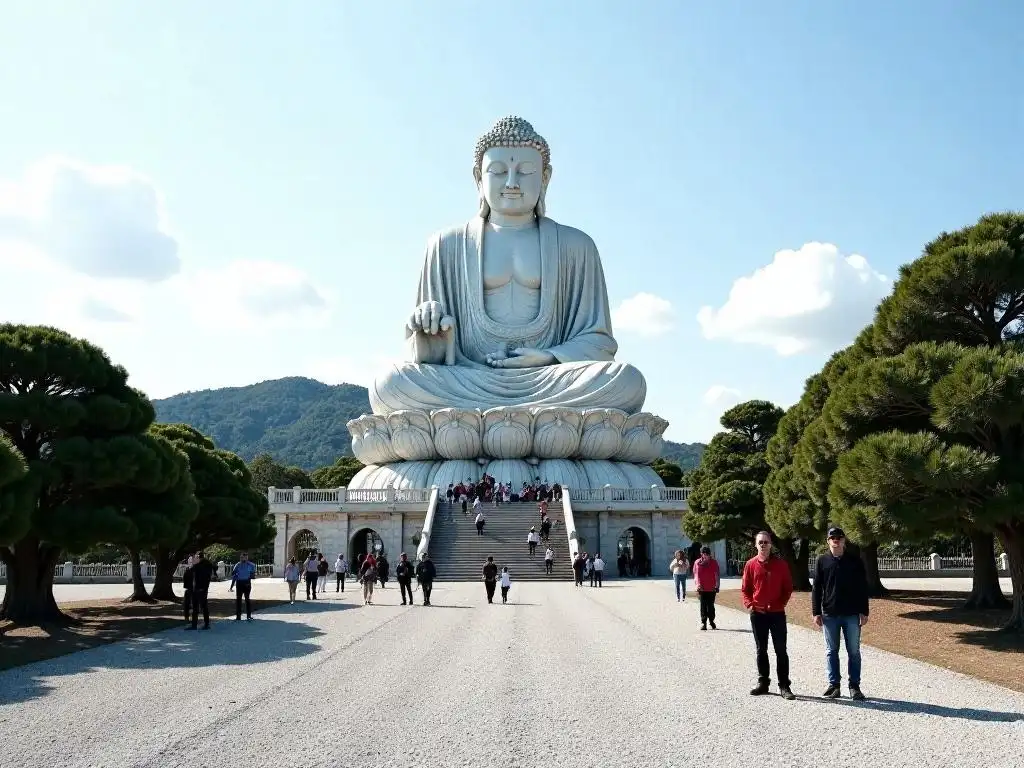
The Kamakura Bakufu, established in the late 12th century, marked a pivotal shift in Japanese governance, laying the groundwork for the samurai-dominated political landscape that would shape the country for centuries. Its historical significance lies not only in its establishment of military rule but also in the profound impact it had on the political, social, and cultural structures of Japan.
Lasting Effects on Japanese Political Structure
The Kamakura Bakufu introduced a new form of governance that centralized power in the hands of the shogunate while maintaining a nominal allegiance to the emperor. This dual authority system had lasting effects on Japanese political dynamics:
- Military Governance: The shogunate established a military government (bakufu) that prioritized the needs and interests of the samurai class. This shift cultivated a warrior aristocracy that dominated Japanese politics, influencing subsequent governance systems.
- Land Redistribution: The bakufu implemented policies that redistributed land to loyal samurai, ensuring their allegiance and fostering a system of feudal loyalty. This land tenure system would influence land ownership and social hierarchy for generations.
- Legal Framework: The Kamakura period saw the development of the Goseibai Shikimoku, a legal code that regulated the conduct of samurai and provided a framework for resolving disputes. This codification of law laid the foundation for future legal systems in Japan.
- Emergence of Regional Clans: As the bakufu delegated authority to regional clans, these clans gained significant power, leading to the rise of local governance structures that would persist throughout the feudal era. This decentralization of power influenced Japan's political landscape, as regional leaders often vied for influence and control.
These developments collectively contributed to the emergence of a feudal system that would dominate Japan until the Meiji Restoration in the 19th century, showcasing the Kamakura Bakufu's enduring impact on the country's political evolution.
The Legacy of the Kamakura Bakufu in Modern Japan
The legacy of the Kamakura Bakufu extends beyond its immediate historical context, influencing modern Japan in various ways:
- Cultural Influence: The values and ethics of the samurai, such as loyalty, honor, and discipline, have permeated Japanese culture and continue to shape societal norms and attitudes today. These ideals are often romanticized in literature, film, and art, reinforcing their significance in contemporary Japanese identity.
- Political Precedents: The duality of power—between the shogunate and the imperial court—set a precedent for future political struggles in Japan. This tension between central authority and local governance remains relevant in discussions surrounding political representation and regional autonomy.
- Institutional Frameworks: Some of the legal and administrative practices established during the Kamakura period have influenced modern governance in Japan. Elements of the Goseibai Shikimoku can be seen in contemporary legal principles, reflecting the continuity of governance structures.
- Historical Memory: The Kamakura Bakufu is often studied as a critical period in Japan's history, providing insights into the evolution of governance and society. Educational curricula and historical narratives incorporate its significance, ensuring that the lessons of this era continue to resonate in modern discourse.
The Kamakura Bakufu's historical significance is multifaceted, with enduring implications for Japan's political structure, cultural identity, and governance practices. Its legacy continues to be felt in contemporary society, underscoring the importance of this pivotal era in understanding Japan's evolution.
References
The study of the Kamakura Bakufu offers a profound insight into the foundations of Japanese governance and societal structure during the feudal era. To fully comprehend the historical significance of the Kamakura Bakufu, it is essential to delve into various scholarly resources and literature that provide detailed analyses of this period. Below are some recommended readings and key scholars that contribute significantly to our understanding of the Kamakura Bakufu and its impact on Japan's political history.
Recommended Readings on Kamakura Bakufu Historical Significance
-
"The Kamakura Shogunate: A Historical Overview"
This book presents an extensive narrative of the Kamakura period, detailing the rise of the shogunate and its implications for Japanese governance. It explores the socio-political changes that occurred and how these transformations laid the groundwork for future governance structures in Japan.
-
"Warriors of Japan as Portrayed in the War Tales" by Paul Varley
Varley's work examines the role of samurai and warriors during the Kamakura Bakufu, providing insight into their societal impact and the evolution of the warrior class. This text is pivotal for understanding the militaristic aspects of the shogunate's authority.
-
"Kamakura: The Capital of the Samurai" by John N. M. K. Oda
Oda's book focuses on Kamakura as a political and cultural center during the shogunate's reign. It discusses how Kamakura's development influenced both local governance and broader societal norms.
-
"The Rise of the Shoguns: A History of the Kamakura Period" by Richard H. Davis
This comprehensive analysis emphasizes the key events and figures in the establishment of the Kamakura Bakufu, shedding light on its historical significance within Japan's broader political landscape.
-
"The Political Culture of the Kamakura Bakufu" by Jeffrey P. Mass
Mass offers an in-depth examination of the political ideologies and practices that characterized the Kamakura Bakufu. His research highlights the governance mechanisms and their effects on Japanese society.
Key Scholars and Sources in Kamakura Studies
-
Dr. Takashi Yoshida
A leading historian specializing in Kamakura studies, Dr. Yoshida has published numerous articles focusing on the political structure and military strategies of the Kamakura Bakufu. His insights are invaluable for understanding the intricate dynamics of shogunal authority.
-
Professor Eiko Ikegami
Known for her work on social networks in historical Japan, Professor Ikegami has explored the relationships between samurai and the ruling class during the Kamakura period. Her research underscores the societal implications of the Bakufu's governance.
-
The Journal of Japanese Studies
This academic journal frequently publishes articles related to the Kamakura period, featuring contributions from various scholars who analyze different facets of the Bakufu's historical significance.
-
"Japan's Feudal Period: A Comprehensive Anthology"
This anthology compiles essays from various scholars, providing diverse perspectives on the Kamakura Bakufu’s role in shaping Japan's feudal system. It serves as a key resource for anyone interested in a multi-faceted analysis of the era.
Through these readings and scholarly contributions, one can gain a nuanced understanding of the Kamakura Bakufu's historical significance and its enduring legacy in shaping Japan's political landscape.
Frequently Asked Questions
What was the Kamakura Bakufu?
The Kamakura Bakufu was Japan's first military government, established in the early 13th century, marking the beginning of shogunal rule in Japan.
Why is the Kamakura Bakufu historically significant?
The historical significance of the Kamakura Bakufu lies in its establishment of a new political structure that shifted power from the emperor to the shogunate, influencing Japan's governance for centuries.
How did the Kamakura Bakufu impact Japanese society?
The Kamakura Bakufu introduced a feudal system that redefined social hierarchies, leading to the rise of the samurai class and altering the dynamics of power and land ownership.
What were the key achievements of the Kamakura Bakufu?
Key achievements include the codification of laws, establishment of the samurai code, and the defense against Mongol invasions, which solidified its authority and influence.
How did the Kamakura Bakufu end?
The Kamakura Bakufu faced decline due to internal strife and external pressures, ultimately leading to its downfall in the late 14th century, paving the way for the Muromachi period.
Final Reflection: Understanding the Kamakura Bakufu's Enduring Legacy
The exploration of the Kamakura Bakufu's historical significance reveals a profound connection between the past and our present. As we dissect the intricate layers of early shogunal authority, it becomes clear that the foundations laid during this pivotal era continue to shape Japan's political and social landscape today. The lessons learned from the Kamakura period remind us that the structures of power and governance are not merely historical artifacts but living legacies that influence contemporary society.
The Kamakura Bakufu has left an indelible mark on Japanese culture, establishing a framework for leadership that resonates through the ages. This period serves as a testament to the complexities of authority, loyalty, and societal order. The dynamics of power that emerged during the Kamakura Bakufu have fostered a rich tapestry of cultural identity that persists in modern Japan. History is not a burden on the memory but an illumination of the soul.
This quote encapsulates the essence of how the Kamakura Bakufu continues to inspire reflection on governance and societal values, urging us to consider the implications of leadership in our own lives.
As we conclude this exploration of the Kamakura Bakufu, I invite you to reflect on the lessons of authority, responsibility, and community that this era imparts. How can we apply the insights gained from this historical period to our own lives and the structures we navigate today? Let us carry forward the wisdom of the past, ensuring that our actions contribute to a more just and equitable society, much like the ideals that the Kamakura Bakufu sought to uphold.
Unveil the Secrets of the Kamakura Era!
Thank you for diving into the fascinating world of the Kamakura Bakufu with us! We hope you've gained valuable insights into the foundational elements of early shogunal authority. Now, it’s time to take your curiosity further and put your newfound knowledge into action!
Here are some ways you can continue your exploration:
- Explore additional resources or books about the Kamakura period to deepen your understanding of the societal changes during this influential time.
- Share your insights! Join online forums or social media groups focused on feudal Japan and discuss your thoughts on the Bakufu’s impact—your voice matters!
- Visit a historical site or museum dedicated to the Kamakura period, if possible, to bring history to life and experience its legacy firsthand.
What aspect of the Kamakura Bakufu intrigues you the most, and how do you envision its influence impacting modern Japan today? We’d love to hear your thoughts!