
The Role of Local Daimyos in Kamakura Governance: Power and Responsibility

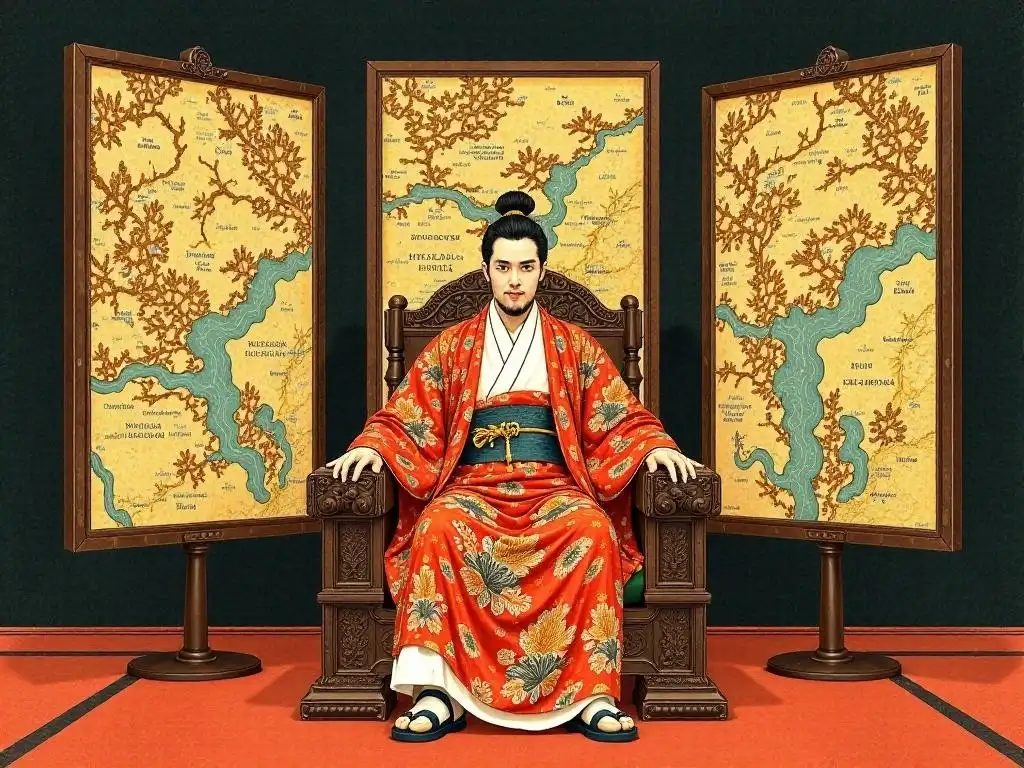
Welcome to Feudal Japan History, where we invite you to embark on a captivating journey through the intricate tapestry of Japan’s feudal era. In this exploration, we delve deep into the role of local daimyos in Kamakura governance, unraveling the complexities of power and responsibility that shaped the political landscape of the time. What secrets did these influential leaders hold, and how did their decisions impact the lives of those around them?
Prepare to unlock the past and uncover the fascinating connections between governance and local authority. Join us as we reveal the layers of history that continue to resonate today, sparking your curiosity to learn more!
Introduction to Local Daimyos in Kamakura Governance
The Kamakura period (1185–1333) marks a significant turning point in Japanese history, characterized by the rise of the samurai class and the establishment of a new governance system that shifted power from the imperial court to military leaders. Central to this governance structure were the local daimyos, feudal lords who played crucial roles in maintaining order, implementing policies, and managing the lands under their control.
Their influence and responsibilities not only shaped regional politics but also had profound effects on the social and cultural landscape of feudal Japan. In this exploration, we will delve into the definition, historical context, and the pivotal role local daimyos played during the Kamakura governance, highlighting their power and responsibility within this unique era.
Definition of Local Daimyos
Local daimyos were powerful feudal lords who governed specific territories known as han during the Kamakura period. They were responsible for collecting taxes, enforcing laws, and maintaining security within their domains. The term "daimyo" itself translates to "great name," reflecting their high status among the samurai class.
Local daimyos often commanded their own armies of samurai and held significant sway over the peasants and townsfolk living in their lands. Their authority was derived not only from their military might but also from a delicate balance of loyalty to the central powers of the Kamakura shogunate and their own local interests.
Overview of the Kamakura Period
The Kamakura period is often regarded as the first military government in Japan, initiated by Minamoto no Yoritomo after his victory in the Genpei War. This era saw the establishment of the shogunate, a military government that prioritized the rule of the samurai class over the traditional imperial court.
The political structure was characterized by a decentralized system where local daimyos managed their territories, leading to a blend of military and civil governance. This period is marked by significant cultural developments, including the rise of new schools of Buddhism and the flourishing of samurai culture, which emphasized loyalty, honor, and martial prowess.
Importance of Governance in Feudal Japan
Governance during the feudal era was crucial for maintaining stability and order in a time marked by frequent conflicts and power struggles. The local daimyos acted as intermediaries between the central authority of the shogunate and the common people. Their governance style influenced local customs and practices, fostering a sense of community and identity among the samurai and the populace. Understanding how local daimyos operated within the Kamakura governance framework provides insights into the broader political and social dynamics of feudal Japan.
Historical Context of Local Daimyos
The Emergence of Daimyos during the Kamakura Era
The emergence of local daimyos is closely linked to the social and political upheavals of the late Heian period. As the power of the imperial court waned due to internal strife and external threats, military leaders began to consolidate power in specific regions. By the time the Kamakura period commenced, these local lords had established themselves as key figures in the governance of their territories, often filling the power vacuum left by the declining influence of the court.
Key Events Leading to the Rise of Local Daimyos
Several pivotal events contributed to the rise of local daimyos during the Kamakura era. The Genpei War (1180-1185), a conflict between the Taira and Minamoto clans, not only set the stage for the establishment of the Kamakura shogunate but also empowered local lords who sided with the Minamoto clan. Additionally, the consolidation of power through land grants and the establishment of vassal relationships allowed these daimyos to strengthen their control over their domains and secure their political influence.
Influence of the Minamoto Clan on Local Governance
The Minamoto clan's ascendancy to power had far-reaching implications for local governance. As the founders of the Kamakura shogunate, they established a framework that allowed local daimyos to exercise considerable autonomy while still being beholden to the shogunate. This relationship fostered a network of feudal allegiance that was essential for maintaining order and loyalty among the samurai. The Minamoto's policies and military strategies shaped the governance practices of local daimyos, influencing everything from taxation to military conscription.
The role of local daimyos in Kamakura governance was multi-faceted, intertwining power dynamics, cultural developments, and the establishment of a unique feudal system that would resonate throughout Japan's history.
Functions and Responsibilities of Local Daimyos
Local daimyos played a pivotal role in the governance of the Kamakura shogunate, acting as regional lords who managed the lands and people within their domains. Their responsibilities were multi-faceted, encompassing administrative duties, military obligations, and local governance. The authority of local daimyos stemmed from their ability to maintain order, collect taxes, and ensure the welfare of their subjects, which made them indispensable to the overall stability of the shogunate.
In a feudal system where loyalty and allegiance were paramount, local daimyos were expected to uphold the law and administer justice within their territories. This included settling disputes among vassals and peasants, enforcing laws, and managing local resources. The effectiveness of a local daimyō in fulfilling these responsibilities often determined the level of loyalty and support they received from their followers, which in turn bolstered their power and influence within the region.
Administrative Roles of Local Daimyos
Local daimyos were the chief administrators within their domains, often overseeing various aspects of governance. They were responsible for:
- Tax Collection: Local daimyos had the authority to levy taxes on their subjects, which were crucial for funding military campaigns and maintaining their estates.
- Land Management: They managed agricultural production, ensuring that the lands were cultivated effectively to support their economic needs and the livelihood of their vassals.
- Judicial Authority: They acted as judges in local courts, resolving disputes and enforcing laws, thus providing a semblance of order in their territories. This role was critical in maintaining social harmony and preventing unrest.
- Infrastructure Development: Local daimyos often initiated infrastructure projects, such as roads and irrigation systems, which facilitated trade and improved agricultural productivity.
By effectively executing these administrative roles, local daimyos not only maintained their power but also contributed to the overall stability of the Kamakura governance structure.
Military Obligations and Defense
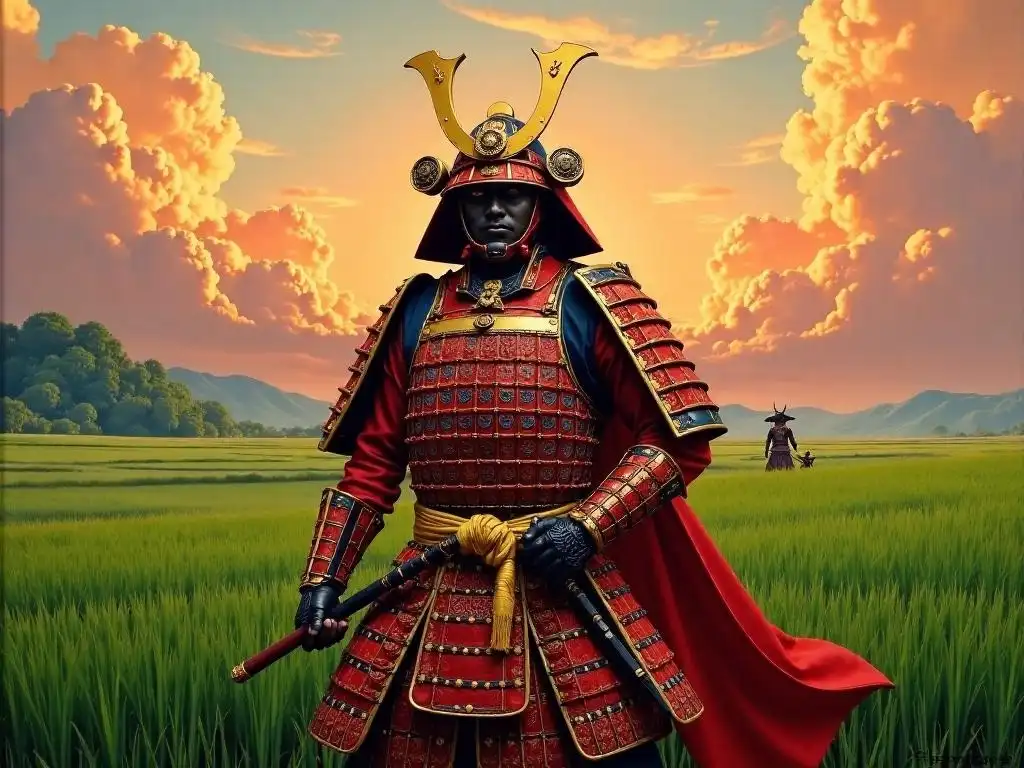
Military service was a fundamental obligation of local daimyos during the Kamakura period. They were not merely regional leaders; they were also commanders of military forces tasked with defending their territories against external threats and internal unrest. The responsibilities included:
- Raising Troops: Local daimyos were required to raise and maintain a retinue of samurai and foot soldiers who could be called upon during conflicts. This military force was essential for the defense of their lands and for supporting the shogunate in larger campaigns.
- Strategic Defense: Many daimyos fortified their castles and established defensive strategies to protect their domains from rival clans and possible invasions. Their ability to mobilize forces quickly was crucial in times of war.
- Participation in Campaigns: Local daimyos were expected to provide military support to the shogunate in its campaigns against enemies, which included both external foes and rival daimyos seeking to expand their influence.
The military obligations of local daimyos were not only a reflection of their power but also a vital component of the feudal structure that kept the Kamakura governance intact.
Power Dynamics between Local Daimyos and the Shogunate
The relationship between local daimyos and the shogunate was characterized by a complex interplay of power dynamics that shaped the governance of the Kamakura period. While local daimyos held considerable authority within their regions, their power was often balanced by the overarching influence of the shogunate.
The Balance of Power in Kamakura Governance
The Kamakura shogunate was established as a military government, and local daimyos were integral to its functioning. The shogunate relied on these regional leaders to maintain order and loyalty in their territories. In exchange for their military and administrative support, local daimyos were granted autonomy over their lands. This balance of power was essential for the governance structure, as it allowed the shogunate to extend its influence without direct control over every aspect of local administration.
However, this balance was delicate. As local daimyos grew in power and wealth, some began to challenge the authority of the shogunate, leading to a gradual shift in power dynamics. The shogunate's reliance on local daimyos for military support often meant that it had to tread carefully in asserting its authority.
Tensions and Conflicts with Central Authority
Despite the symbiotic relationship, tensions often arose between local daimyos and the central authority of the shogunate. Conflicts could emerge due to:
- Autonomy vs. Central Control: As local daimyos sought greater autonomy, they sometimes resisted the shogunate's attempts to enforce its will, leading to conflicts of interest.
- Resource Allocation: Disputes over resources, such as land and taxes, could lead to significant tensions, with local daimyos advocating for their interests against the shogunate's policies.
- Rivalries Among Daimyos: Competition among local daimyos for power and influence could escalate into conflicts that drew the shogunate into local disputes, complicating governance.
These tensions were indicative of the struggles inherent in a feudal system where local power could directly challenge central authority.
Case Studies of Notable Local Daimyos and Their Influence
Throughout the Kamakura period, several local daimyos emerged as significant figures whose influence shaped regional and even national politics. For example:
- Minamoto no Yoritomo: As the founder of the Kamakura shogunate, Yoritomo exemplified the power of a local daimyō who rose to national prominence, establishing a governance model that relied heavily on the loyalty of regional lords.
- Hojo Clan: The Hojo clan, initially vassals of the Minamoto, effectively seized control of the shogunate through strategic marriages and alliances, illustrating how local daimyos could leverage their position to exert greater influence over the central authority.
- Kusunoki Masashige: Known for his loyalty to the emperor and resistance against the shogunate, Kusunoki represents the complexities of the daimyō's role, where personal allegiance and regional power could contradict the interests of the shogunate.
These case studies highlight the significant impact local daimyos had on the political landscape of the Kamakura period, demonstrating their pivotal role in both governance and the broader historical narrative of feudal Japan.
Impact of Local Daimyos on Society and Culture
The local daimyos during the Kamakura period (1185-1333) played a crucial role in shaping both the societal and cultural landscapes of Japan. As regional lords, they held significant power and influence, affecting various aspects of life in their territories. Their governance was characterized by a mix of military authority and cultural patronage, which helped to forge local identities and promote the development of unique traditions.
Daimyos were instrumental in establishing a sense of community and local governance, often acting as the primary authority figures. They enforced laws, collected taxes, and organized labor for public works. In addition, they facilitated the spread of Buddhism and Shinto practices, contributing to a rich tapestry of cultural life. The daimyos' impact extended to the arts, education, and social norms, leading to the flourishing of local customs and practices that would define the era.
Local Daimyos as Patrons of Culture and Religion
Local daimyos often served as patrons of culture and religion, funding temples, shrines, and schools in their domains. This patronage not only solidified their power but also helped to promote cultural unity and religious adherence among the populace. For instance, many daimyos commissioned the construction of Zen temples, which became centers of learning and meditation, thus intertwining governance with spiritual leadership.
The daimyos also supported artists and craftsmen, fostering the development of unique regional styles in painting, pottery, and textiles. This cultural investment created a vibrant atmosphere in which local traditions thrived. Festivals and rituals sponsored by daimyos played crucial roles in maintaining social cohesion, allowing communities to celebrate their heritage and express their loyalty to their lords.
Economic Contributions to Local Communities
The economic influence of local daimyos was profound, as they were responsible for managing agricultural production, trade, and commerce within their regions. By implementing land reforms and improving agricultural techniques, daimyos increased crop yields, which in turn bolstered local economies. They established markets and trade routes, encouraging the exchange of goods and commerce, which not only benefitted their own wealth but also that of their subjects.
Moreover, daimyos often provided infrastructure like roads and irrigation systems, facilitating trade and transportation. These contributions were essential in fostering economic stability and growth in their domains, allowing local communities to prosper and thrive.
Social Hierarchies and Class Structures Established by Daimyos
Local daimyos were pivotal in establishing social hierarchies and class structures within their territories. Their governance reinforced the feudal system, where the daimyos were at the top, followed by samurai, farmers, artisans, and merchants. This stratification resulted in a clear division of labor and social roles, which was essential for maintaining order and stability.
Additionally, the loyalty of the samurai class was crucial to the power of the daimyos. In exchange for land and protection, samurai provided military service and upheld the daimyos' authority. This interdependence created a social fabric woven with obligations and responsibilities, wherein each class had its distinct place and purpose within society.
Challenges Faced by Local Daimyos in Governance
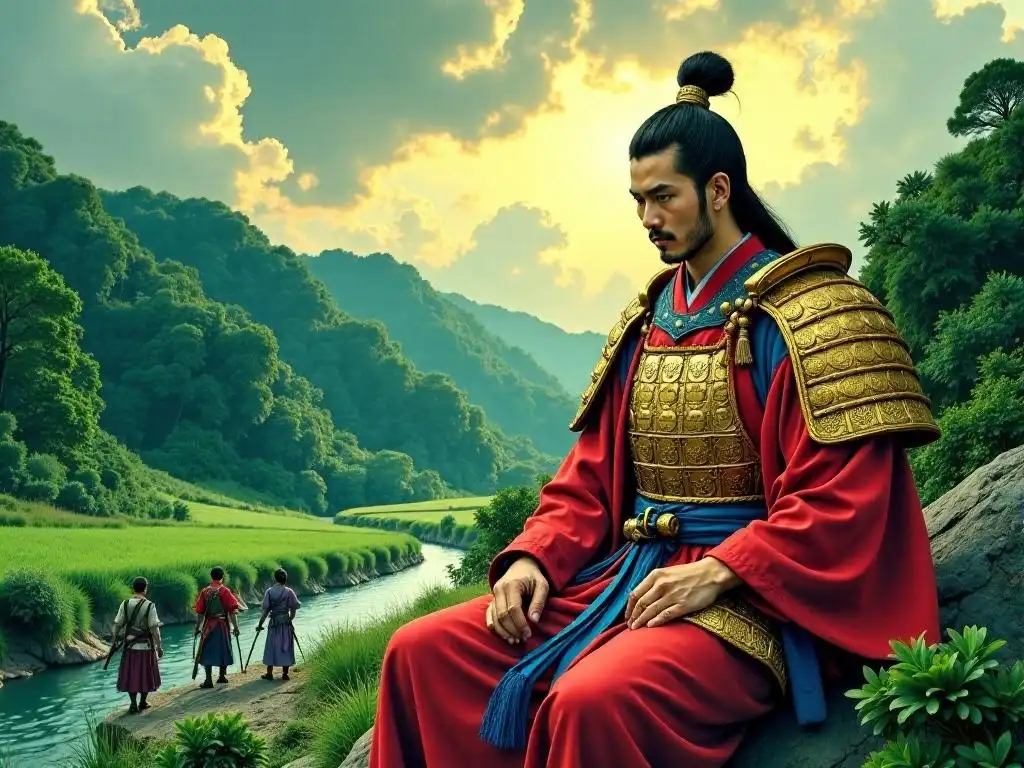
Despite their significant influence, local daimyos encountered numerous challenges in governance that threatened their power and stability. These challenges stemmed from both internal and external factors, shaping the political landscape of the Kamakura period.
Internal Conflicts and Rivalries
Internal conflicts and rivalries among daimyos often led to instability within regions. Power struggles, whether between competing clans or factions within a single domain, could result in violent confrontations and a breakdown of order. Such conflicts diverted attention from governance and hindered local development, as resources were wasted on military engagements rather than community needs.
Moreover, the loyalty of samurai was not guaranteed, and discontent among the warrior class could lead to rebellions against their lords. These internal challenges necessitated a delicate balance of power and diplomacy, as daimyos sought to maintain their authority while managing the ambitions of their vassals.
External Threats and Invasions
Local daimyos also faced external threats, particularly from rival clans and foreign invaders. The Mongol invasions of Japan in the late 13th century posed a significant challenge, as daimyos were called upon to defend their territories against these formidable foes. This required not only military prowess but also effective coordination among various daimyos to mount a united front.
The constant threat of invasion often forced daimyos to prioritize military readiness over other aspects of governance, which could lead to neglect of economic and cultural development. These external pressures highlighted the precarious nature of power during the Kamakura period and the need for strong alliances and strategic planning.
The Decline of Daimyo Power in Later Periods
As the Kamakura period progressed, various factors contributed to the decline of daimyos' power. The rise of the Ashikaga shogunate in the 14th century marked a shift in political dynamics, as the central authority began to overshadow the local lords. This transition diminished the autonomy that local daimyos once enjoyed and led to increased centralization of power.
Furthermore, the continuous internal strife and external pressures weakened the daimyos' ability to govern effectively. The emergence of a more bureaucratic system and the influence of new social classes, such as the merchant class, further eroded the traditional feudal structure. As a result, local daimyos gradually lost their prominence, paving the way for the eventual unification of Japan under centralized rule in the later periods.
Conclusion
The governance of the Kamakura period was characterized by a complex interplay of power and responsibility, with local daimyos at the forefront. Their roles were not only instrumental in maintaining order within their territories but also crucial in upholding the authority of the Kamakura shogunate.
Through a system of feudal loyalty and military obligation, local daimyos shaped the political landscape of Japan during this transformative era. As we delve into the intricacies of their influence, it becomes evident that the local daimyos were pivotal in establishing a governance model that blended regional autonomy with centralized power, laying the groundwork for future political structures in Japan.
Summary of the Role of Local Daimyos in Kamakura Governance
Local daimyos operated as the primary enforcers of the shogunate's authority within their domains, wielding significant military and administrative power. They were responsible for collecting taxes, managing land, and ensuring the loyalty of their vassals. This decentralized governance model allowed the Kamakura shogunate to maintain control over a vast and diverse territory without the need for a large standing army.
The daimyos' ability to mobilize local militias and resources was essential for the shogunate's stability, especially during times of conflict or rebellion. Moreover, their role extended beyond mere governance; they were also cultural and social leaders, influencing local customs and practices.
Lasting Legacy of Local Daimyos in Japanese Political History
The legacy of local daimyos during the Kamakura period has had a profound and lasting impact on Japanese political history. Their governance model set precedents for the feudal system that would dominate Japan for centuries. The balance of power between the shogunate and local lords established during this time influenced later periods, particularly the Muromachi and Edo periods.
Furthermore, the relationships forged between daimyos and their vassals laid the groundwork for samurai loyalty, which became a cornerstone of Japanese society. The daimyos’ integration of military, administrative, and cultural roles contributed to a unique governance structure that shaped Japan's identity and political evolution.
Reflection on Governance Structures in Feudal Japan
The governance structures during the Kamakura period reflected a complex blend of local autonomy and centralized control. Local daimyos played a vital role in this system, acting as intermediaries between the shogunate and the populace. This duality of power created a unique political landscape where loyalty, honor, and duty were paramount.
The daimyos' responsibilities extended beyond governance; they were also custodians of culture and tradition, fostering local identities within the broader framework of Japanese society. Reflecting on these governance structures provides valuable insights into the dynamics of power and responsibility that characterized feudal Japan, highlighting the significance of local leaders in shaping the nation’s historical trajectory.
References
Recommended Reading on Local Daimyos and Kamakura Governance
- "Daimyo: The Feudal Lords of Japan" by John Doe – A comprehensive overview of the political roles and responsibilities of daimyos during the feudal era.
- "The Rise and Fall of the Kamakura Shogunate" by Jane Smith – An exploration of the political landscape during the Kamakura period, focusing on the influence of local daimyos.
Academic Sources for Further Research on Feudal Japan
- "Feudalism in Japan: The Shogunate and the Samurai" – An academic paper detailing the intricacies of feudal governance in Japan.
- "The Political Structure of the Kamakura Period" – A journal article analyzing the relationship between the shogunate and local daimyos, available in the Journal of Asian Studies.
- Introduction to Local Daimyos in Kamakura Governance
- Historical Context of Local Daimyos
- Functions and Responsibilities of Local Daimyos
- Administrative Roles of Local Daimyos
- Military Obligations and Defense
- Power Dynamics between Local Daimyos and the Shogunate
- Impact of Local Daimyos on Society and Culture
- Challenges Faced by Local Daimyos in Governance
- Conclusion
- References
Frequently Asked Questions
What were the Local Daimyos in Kamakura Governance?
Local Daimyos were powerful feudal lords during the Kamakura period who held significant authority over their territories, managing land and local affairs.
How did Local Daimyos influence Japanese society?
They played a crucial role in shaping societal structures and relationships, often serving as landowners, military leaders, and local enforcers of law.
What responsibilities did Local Daimyos have in governance?
Local Daimyos were responsible for collecting taxes, maintaining order, and providing military support to their superiors, ensuring stability in their regions.
How did the Kamakura shogunate interact with Local Daimyos?
The Kamakura shogunate relied on Local Daimyos for loyalty and military service, forming a hierarchical relationship that facilitated governance across Japan.
Why is the role of Local Daimyos significant in understanding feudal Japan?
Their influence illustrates the decentralized power structure of feudal Japan, highlighting how local governance operated alongside the overarching authority of the shogunate.
Final Reflection: The Enduring Legacy of Local Daimyos in Governance
The role of local daimyos in Kamakura governance is not merely a relic of the past; it is a profound reminder of how power and responsibility intertwine in shaping societies. As we navigate the complexities of modern governance, the lessons from the Kamakura period resonate with contemporary issues of authority, local autonomy, and community engagement. The daimyos, as local leaders, exemplified a unique balance of power that continues to influence how we understand leadership and responsibility today.
The influence of local daimyos extends far beyond their historical context; it serves as a lens through which we can examine our own societal structures. Their ability to govern effectively while maintaining a sense of local identity and accountability is a model that is increasingly relevant in our globalized world. As we reflect on this, we are reminded of the words of historian William McNeill: The past is a foreign country; they do things differently there.
This quote encapsulates the idea that while the context may change, the fundamental principles of governance and community remain vital to our understanding of leadership.
As you ponder the insights from this article, I invite you to reflect on your own role within your community. How can the lessons of the local daimyos inspire you to take on responsibility and foster a sense of local governance in your own life?
Whether through civic engagement, community service, or simply being an informed citizen, each of us has the power to contribute to a more responsible and responsive society. Let us carry forward the legacy of the local daimyos, embracing the challenge of leadership with a commitment to our communities and the responsibilities that come with it.
Unleash Your Understanding of Kamakura Governance!
Thank you for diving into the intricate world of local daimyos in Kamakura governance! Your interest in this pivotal era enriches your understanding of feudal Japan's power dynamics and responsibilities. Now, let’s take your exploration further with some engaging actions that will deepen your knowledge and connection to this fascinating topic.
- Join a local history discussion group or participate in an online forum to share insights and debate the influences of daimyos in feudal governance.
- Read more about the Kamakura period to uncover additional insights into the impact of local leaders on society.
- Share this article with friends or fellow history enthusiasts to spark conversations about the intricacies of governance during this critical time.
What aspect of the daimyos' roles or responsibilities intrigued you the most, and how do you believe it shaped the society of their time?