
Samurai Governance: The Responsibilities and Rights of the Warrior Class

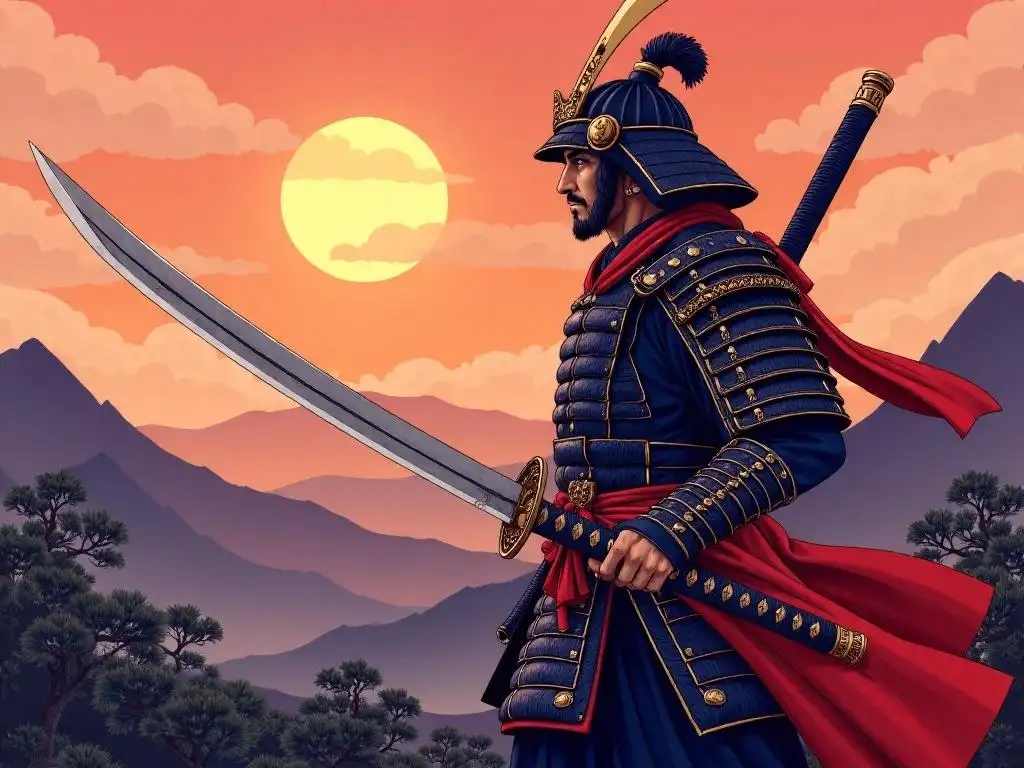
Welcome to Feudal Japan History, where we embark on a fascinating journey through the intricate tapestry of Japan’s feudal era. Discover how the samurai, the iconic warrior class, not only dominated the battlefield but also wielded significant influence in governance. In our featured article, "Samurai Governance: The Responsibilities and Rights of the Warrior Class," we delve deep into the complex roles that these formidable figures played in shaping the political landscape of their time.
Curious about how their responsibilities and rights impacted society and culture? Join us as we unravel the layers of history and invite you to explore the powerful legacies of the samurai.
- Introduction to Samurai Governance
- Historical Context of Samurai Governance
- Responsibilities of the Samurai Class
- Rights of the Samurai Class
- The Role of the Samurai in Feudal Governance
- Case Studies of Samurai Governance
- Challenges Faced by Samurai Governance
- Conclusion: The Legacy of Samurai Governance
-
Frequently Asked Questions
- What were the primary responsibilities of the samurai in feudal Japan?
- How did the rights of samurai differ from those of commoners?
- What role did samurai governance play in local administration?
- How did the cultural aspects of samurai life influence their governance?
- What impact did samurai rights and responsibilities have on Japanese society?
- Final Reflection: Embracing the Legacy of Samurai Governance
- Embrace the Spirit of Samurai Governance!
Introduction to Samurai Governance
Samurai governance represents a significant and complex aspect of Japan's feudal era, particularly during the Kamakura Period (1185–1333). This era witnessed the emergence of the samurai class as not only warriors but also as influential political figures who shaped the governance of Japan. The responsibilities and rights of the samurai were intricately tied to their role in society, blending martial prowess with administrative duties.
Understanding these dynamics provides valuable insights into how the samurai influenced the political landscape and societal structures of feudal Japan. In this article, we will delve into the various dimensions of samurai governance, exploring their roles, obligations, and the rights they held, thereby illuminating their lasting impact on Japanese history.
Overview of Samurai Governance in Feudal Japan
The governance system during the feudal period in Japan was marked by a distinct hierarchy where the samurai played a pivotal role. As the military nobility, samurai were not just warriors on the battlefield; they were also entrusted with the administration of land and the enforcement of law. This duality is essential to comprehend the intricate fabric of samurai governance.
- Feudal Structure: The samurai were part of a broader feudal system that included daimyō (feudal lords), who held land and vassals in their service. The samurai acted as retainers, owing loyalty to their daimyō in exchange for land and protection.
- Responsibilities: Samurai were responsible for maintaining order within their domains, collecting taxes, and overseeing agricultural production. They also had the duty to train and lead their troops, ensuring readiness for conflicts.
- Rights: In return for their services, samurai were granted specific rights, including the right to bear arms, govern local populations, and receive stipends from their daimyō. These rights were often codified in the form of legal frameworks that defined their authority.
Importance of Understanding Samurai Responsibilities and Rights
Grasping the responsibilities and rights of samurai is crucial for several reasons:
- Historical Context: Understanding these elements provides a clearer picture of the sociopolitical dynamics during the Kamakura Period, highlighting how the samurai class influenced governance and societal norms.
- Cultural Significance: The samurai embodied a code of conduct known as Bushidō, which emphasized honor, loyalty, and discipline. Their responsibilities extended beyond mere governance; they were seen as moral exemplars within their communities.
- Political Legacy: The governance structures established by the samurai laid the groundwork for future political developments in Japan. Analyzing their roles can shed light on the evolution of governance in later periods, including the Muromachi and Edo periods.
The exploration of samurai governance, along with their rights and responsibilities, offers a comprehensive understanding of the political history of feudal Japan. As we progress through this article, we will examine the nuances of these aspects in greater detail, providing a thorough analysis of the samurai's role in shaping Japan's political landscape.
Historical Context of Samurai Governance
The Emergence of the Samurai Class
The samurai class emerged during the late Heian period (794-1185) as a response to the growing need for military protection and local governance in Japan. Initially, these warriors were drawn from the aristocratic families and served as provincial military leaders. However, as the central authority of the imperial court weakened, particularly due to political strife and the decline of the Fujiwara clan's influence, the samurai began to wield more power, both militarily and politically.
By the late 12th century, the samurai had established themselves as the dominant military class in Japan. Their responsibilities extended beyond warfare; they began to manage lands, collect taxes, and maintain order in their respective domains. This transformation laid the groundwork for a new political structure that would characterize the Kamakura period (1185-1333).
The samurai were not merely warriors; they were also expected to adhere to a strict code of conduct, known as Bushido, which emphasized loyalty, honor, and martial skills. This code shaped their governance philosophy and reinforced their societal roles, blurring the lines between military and administrative duties.
Political Landscape during the Kamakura Period
The Kamakura period marked a significant shift in governance as the Minamoto clan, under the leadership of Minamoto no Yoritomo, established the first shogunate in 1192. This new political structure centralized power in the hands of the samurai while diminishing the authority of the imperial court. The shogunate system effectively created a dual government, with the emperor serving as a symbolic figurehead and the shogun exercising real political control.
The samurai governance model was characterized by a feudal system where land was granted in exchange for military service. Local lords (daimyō) governed their territories and were responsible for the protection and administration of their vassals. This system fostered a strong sense of loyalty among the samurai, as they were bound to their lords through both economic and social ties.
Key features of samurai governance during this period included:
- Land Ownership and Management: Samurai were granted land (shōen) in return for their military service, which they managed and cultivated through peasant labor.
- Legal Authority: Samurai had the right to administer justice within their domains, establishing a local legal framework that often bypassed imperial laws.
- Military Obligations: The samurai were tasked with maintaining order and defending their territories against rival clans, which often led to conflicts and civil wars.
This political landscape set the stage for the responsibilities and rights of the samurai class, as they negotiated their roles within the feudal hierarchy.
Key Events Shaping Samurai Governance
Several key events during the Kamakura period significantly influenced the development of samurai governance responsibilities and rights:
- The Genpei War (1180-1185): This conflict between the Taira and Minamoto clans was pivotal in establishing the samurai class as a formidable political entity. The victory of the Minamoto led to the formation of the Kamakura shogunate, marking the beginning of samurai rule.
- The Kamakura Shogunate's Establishment (1192): With Yoritomo's ascension to shogunate, the samurai were not only military leaders but also political rulers. This event formalized the role of the samurai in governance and solidified their rights over land and justice.
- The Mongol Invasions (1274 and 1281): These invasions tested the strength and unity of the samurai class. The successful defense against the Mongols elevated the samurai's status and reinforced their responsibilities as protectors of the realm, leading to enhanced rights regarding land and military resources.
- The Rise of the Jito System: As the shogunate expanded, the appointment of jito (land stewards) became common practice. These samurai were responsible for managing lands on behalf of the shogunate, further embedding the samurai's role in governance and land management.
Together, these events shaped the structure of samurai governance, defining their roles, responsibilities, and rights as a ruling class in feudal Japan. The legacy of samurai governance continues to influence modern perceptions of leadership and authority in Japan today.
Responsibilities of the Samurai Class

The samurai class, as the warrior elite of feudal Japan, held a distinct set of responsibilities that were crucial not only to their own survival but also to the stability and governance of the realm. During the Kamakura Period (1185-1333), these responsibilities were codified into a framework that defined the roles and expectations of samurai, influencing the broader societal structure. This section delves into the key responsibilities of the samurai class, emphasizing their military, administrative, and law enforcement duties.
Military Obligations of Samurai Warriors
The foremost responsibility of samurai warriors was their military obligation. Samurai were expected to serve as the military backbone of their lords, ready to engage in battle to defend their territory and uphold the honor of their clan. This obligation extended beyond mere participation in warfare; it involved extensive training and a commitment to martial excellence.
- Feudal Loyalty: Samurai were bound by the code of loyalty known as bushido, which dictated their commitment to their daimyo (feudal lord). This loyalty was often enforced through a system of vassalage, where samurai pledged their service in exchange for land and protection.
- Combat Readiness: Samurai engaged in rigorous training regimens, encompassing various martial arts, equestrian skills, and weapon mastery, particularly with the katana. The expectation was that a samurai would always be prepared for conflict, embodying the spirit of a warrior.
- Campaign Participation: During times of war, samurai were expected to accompany their lords on military campaigns. This often involved complex strategies and logistics, where samurai played crucial roles in leading troops, conducting reconnaissance, and engaging in direct combat.
The military obligations of samurai warriors were not merely about fighting; they were integral to the feudal hierarchy, reinforcing the social order and ensuring the protection of their domains.
Administrative Duties in Local Governance
Beyond their military roles, samurai also assumed significant administrative responsibilities within their domains. As local governors, they were tasked with maintaining the stability and prosperity of the lands under their control.
- Land Management: Samurai were responsible for overseeing agricultural production and managing the lands granted to them by their lords. This involved ensuring that crops were cultivated efficiently and that the peasants were treated fairly, which was vital for sustaining the samurai's own livelihood.
- Tax Collection: Administrative duties included the collection of taxes from the peasantry. This required samurai to balance the need for revenue with the necessity of maintaining goodwill among the populace. Fair taxation practices helped secure loyalty and stability within the community.
- Judicial Authority: Many samurai were also entrusted with judicial functions, acting as local judges. They resolved disputes, upheld contracts, and enforced laws within their jurisdiction. This role was crucial in maintaining order and justice, reinforcing the samurai's status as both warriors and leaders.
Through these administrative obligations, samurai governance was characterized by a blend of military and civil authority, shaping the governance structures of the Kamakura Period.
Upholding Law and Order in Society
The responsibility of maintaining law and order was another critical aspect of samurai governance. As enforcers of the law, samurai played a vital role in ensuring peace and security within their territories.
- Enforcement of Laws: Samurai were expected to enforce the laws established by their lords. This included overseeing public order and ensuring that the populace adhered to societal norms and regulations. Their presence served as a deterrent to crime and disorder.
- Conflict Resolution: Samurai often acted as mediators in disputes among the common people. By resolving conflicts, they helped to foster a sense of community and prevent escalation into violence, thereby ensuring stability within their domains.
- Protecting the Weak: Upholding the principles of bushido, samurai were also expected to protect the vulnerable and defend their honor. This moral obligation extended to the peasantry, emphasizing the samurai's role as guardians of the social order.
The responsibilities of the samurai class during the Kamakura Period encompassed military, administrative, and law enforcement duties. These roles were not only crucial for the governance of feudal Japan but also for the preservation of the societal structure, reinforcing the samurai's position as pivotal figures in the political landscape of their time.
Ethical and Moral Responsibilities of Samurai
The samurai, as the warrior class of feudal Japan, were not merely soldiers; they were also expected to embody a strict code of ethics and morality, rooted deeply in the principles of bushido, or "the way of the warrior." This code prescribed a set of values that governed not only their conduct in battle but also their interactions with society and the duties they owed to their lords and the common people.
First and foremost, loyalty was paramount. Samurai were obligated to serve their daimyo (feudal lords) with unwavering fidelity. This loyalty went beyond mere duty; it was a profound commitment that often required personal sacrifice. For example, during the Genpei War (1180-1185), many samurai demonstrated this principle by risking their lives in battles to uphold the honor of their lords, showcasing a willingness to die rather than betray their allegiance.
In addition to loyalty, samurai were expected to maintain honor and integrity. The concept of meiyo (honor) was central to a samurai's identity. Engaging in dishonest actions or showing cowardice could lead to a loss of honor, which was considered worse than death.
This perspective is vividly illustrated in the practice of seppuku, or ritual suicide, which samurai could perform to restore their honor in the face of disgrace. The famous example of the 47 Ronin, who avenged their lord’s death in a meticulously planned attack, further exemplifies how samurai adhered to this moral code, even at the cost of their own lives.
Another critical aspect of the samurai's ethical obligations was their role as protectors of the peace. Samurai were not only warriors but also administrators and law enforcers within their domains. They were responsible for upholding justice and ensuring the safety of their communities. This included resolving conflicts, managing resources, and providing for the welfare of the people under their care. The samurai's ability to govern effectively was directly tied to their moral responsibilities, as their actions would reflect on the honor of their clan.
Furthermore, samurai were expected to exhibit benevolence and compassion towards those they governed. This responsibility stemmed from the understanding that a true warrior must also be a guardian of the weak. The concept of jin (benevolence) was integral to bushido, encouraging samurai to act with kindness and humility towards the lower classes. For instance, during times of famine, samurai were often called upon to provide aid and support to their peasants, ensuring their survival despite the hardships.
Lastly, self-discipline and personal development were critical ethical responsibilities. Samurai were expected to cultivate their minds and bodies through rigorous training and education. This included not only martial skills but also the study of literature, philosophy, and the arts. Such pursuits were believed to enhance a samurai's character, enabling them to serve their lords and communities more effectively.
The ethical and moral responsibilities of the samurai class were multifaceted, deeply ingrained in the cultural fabric of feudal Japan. Through loyalty, honor, justice, benevolence, and personal development, samurai not only defined their roles as warriors but also as essential figures in the governance and societal structure of their time. These responsibilities were foundational to their identity and the legacy they left behind, shaping the historical narrative of samurai governance during the Kamakura period and beyond.
Rights of the Samurai Class
The samurai class, a distinct social group in feudal Japan, enjoyed a range of rights and privileges that underscored their status as the ruling elite during the Kamakura Period. These rights were not merely ceremonial; they were crucial to the samurai's role in governance and their interactions with other social classes.
Legal Rights and Privileges of Samurai
Samurai held specific legal rights that distinguished them from the peasant class and other social groups. One of the most significant privileges was the right to bear arms, specifically the katana, which symbolized their status and authority. This right was not just a matter of personal protection but also served as a tool for enforcing law and order within their territories.
Additionally, samurai were entitled to a special legal status known as shi. This status granted them access to a distinct judicial system, where they faced trials conducted by their peers rather than by commoners. The ability to seek redress through this exclusive legal framework reinforced their authority and allowed them to maintain control over their domains.
Moreover, samurai could exercise daimyo rights, which included the authority to levy taxes and administer justice within their lands. This governance role was essential for maintaining peace and order, as samurai were responsible for the protection and well-being of the people living in their territories.
Land Ownership and Economic Rights
Land ownership was a cornerstone of samurai governance responsibilities and rights. Samurai were granted control over vast tracts of land, which provided them with the economic resources necessary to maintain their status and fulfill their duties. These lands were often cultivated by peasants, who paid taxes in the form of rice or labor.
The economic rights of samurai included the ability to collect taxes from the agricultural output of their lands. This revenue was vital for supporting their military endeavors, as well as for funding their households and retinues. The relationship between samurai and peasants was often symbiotic; while peasants worked the land, samurai provided protection and governance.
To further solidify their economic position, samurai could engage in trade and commerce, although this was generally frowned upon in a society that valued the warrior ethos. Some samurai, particularly those in more prosperous domains, took advantage of their status to invest in businesses, thus broadening their economic influence and securing additional wealth.
The social status of the samurai was unparalleled in feudal Japan, placing them at the top of the social hierarchy. This elevated position granted them significant influence over political, cultural, and military affairs. Samurai were expected to uphold the code of bushido, which emphasized loyalty, honor, and martial prowess, further enhancing their prestige within society.
Samurai also played a vital role in local governance, serving as lords and administrators. They were responsible for maintaining order, collecting taxes, and ensuring the welfare of their subjects. This governance was not limited to mere authority; it also involved a sense of duty and responsibility towards the people they governed.
The influence of samurai extended beyond governance. They were patrons of the arts and culture, fostering the development of various practices such as tea ceremonies, poetry, and martial arts. This cultural leadership not only reinforced their status but also left a lasting legacy that shaped Japanese culture.
The rights of the samurai class during the Kamakura Period encompassed a range of legal, economic, and social privileges that empowered them to govern effectively. Their unique position allowed them to influence various aspects of life in feudal Japan, ensuring their place as a central figure in the historical narrative of the era.
Protection under Samurai Governance
During the Kamakura Period, the samurai class was not only revered as elite warriors but also held significant responsibilities and rights that shaped the governance of feudal Japan. One of the primary functions of samurai governance was the provision of protection to the local populace, which was a crucial aspect of their role in society.
Military Defense and Security
The samurai were tasked with the defense of their territories against external threats, such as rival clans and invaders. This responsibility meant that they were expected to maintain a state of readiness and possess the skills necessary for warfare. The samurai were often called upon to lead military campaigns, protect their lords' interests, and ensure the safety of the people living within their domain.
- Regional Defense: Each samurai was responsible for guarding their specific region, which created a decentralized military structure. This allowed for rapid responses to local disturbances or incursions.
- Community Safety: Beyond military engagements, samurai were also expected to manage law and order within their jurisdictions, acting as enforcers of their lord's will. This included addressing theft, disputes, and other crimes that threatened community stability.
Legal Protections
Samurai governance also encompassed the establishment of legal frameworks designed to safeguard the rights of the samurai and their vassals. The samurai class was afforded unique legal privileges that distinguished them from commoners.
- Judicial Authority: Samurai had the right to execute judgments within their territories, often serving as judges in local disputes. This role granted them significant power, as they could impose penalties or resolve conflicts based on their interpretations of the law.
- Exemption from Certain Taxes: Many samurai were exempt from certain taxes that burdened the peasantry. This financial relief was a form of protection that allowed them to maintain their status and focus on their military duties.
Social Stability and Patronage
The samurai's role in governance extended beyond mere physical protection; they also played a vital part in fostering social stability through patronage systems.
- Loyalty and Service: In exchange for the protection they provided, samurai were expected to receive loyalty and service from the common people. This reciprocal relationship was foundational to the feudal system, ensuring that the samurai had a vested interest in the welfare of their subjects.
- Support for Local Economies: By protecting trade routes and local economies, samurai helped sustain the agricultural base and commerce that were essential for the prosperity of their domains. This not only reinforced their power but also contributed to the overall stability of society.
The rights and responsibilities of the samurai class during the Kamakura Period were deeply intertwined with their role in governance. Their duty to provide protection was multifaceted, encompassing military defense, legal authority, and the promotion of social stability, all of which were essential for maintaining order in feudal Japan. The samurai's governance model was a complex system that balanced power and responsibility, ultimately shaping the trajectory of Japanese history during this era.
The Role of the Samurai in Feudal Governance

The samurai played a pivotal role in the governance of feudal Japan, particularly during the Kamakura Period (1185-1333). As the ruling military class, their responsibilities extended beyond mere military prowess; they were integral to the political, social, and economic structures of their time. Understanding samurai governance requires a closer examination of their dual roles as military leaders and local governors, their interactions with other social classes, and the broader implications of their governance on Japanese society.
Samurai as Military Leaders and Governors
The samurai emerged as the dominant military force during the late Heian Period, establishing themselves as the primary enforcers of the shogunate's power. Their governance was characterized by a blend of military and administrative duties, which included:
- Military Command: Samurai were responsible for leading troops into battle and maintaining order during conflicts. Their skills in warfare were crucial in safeguarding their domains against internal and external threats.
- Local Governance: Many samurai served as governors of provinces or districts. In this capacity, they oversaw local administration, enforced laws, collected taxes, and resolved disputes among the populace. This dual role allowed for a degree of autonomy in managing local affairs, which was essential in a time of fragmented power.
- Feudal Obligations: Samurai governance was built on a feudal system where loyalty and service were paramount. They were bound by oaths of loyalty (known as bushido) to their lords, which dictated their responsibilities in both peace and war.
The intertwined nature of military and governance roles meant that samurai were not only warriors but also key figures in shaping the political landscape of feudal Japan. Their effectiveness in these roles was often measured by their ability to maintain peace and order within their territories.
The samurai's governance was deeply influenced by their interactions with other social classes in feudal Japan. The societal structure was hierarchical, and the samurai class, while at the top, had to navigate relationships with various groups:
- Peasants: The majority of the population were farmers who worked the land. Samurai relied on peasants for agricultural output, which was crucial for sustaining their livelihoods and funding military campaigns. This relationship was often exploitative, as samurai imposed taxes and labor obligations on the peasantry.
- Merchants and Artisans: While often looked down upon by samurai due to their non-warrior status, merchants and artisans played a vital role in the economy. Samurai sometimes engaged in trade or patronage, recognizing the importance of commerce for their own wealth and resources. This interaction led to a gradual shift in societal values, as wealth began to be measured not solely by land but also by economic power.
- Clergy: The samurai also interacted with Buddhist and Shinto leaders, seeking spiritual guidance and legitimization of their power. Temples and shrines often became centers of governance, where samurai would seek blessings for military endeavors or support for their rulership.
The dynamics between the samurai and these social classes contributed to the evolution of governance during the Kamakura Period, as the samurai had to balance their martial responsibilities with the needs and aspirations of the lower classes.
The Impact of Samurai Governance on Japanese Society
The governance of the samurai had profound effects on Japanese society, shaping its cultural and social fabric in several ways:
- Cultural Patronage: Samurai governance promoted the arts, education, and cultural practices. Samurai often acted as patrons of literature, theater, and painting, leading to a flourishing of culture that was distinctively Japanese. The bushido code also influenced artistic expressions, emphasizing values such as honor, loyalty, and discipline.
- Legal Framework: The samurai established legal codes and systems to maintain order within their domains. The Shōen system allowed for a complex network of land ownership and governance, which contributed to the development of a more structured society. This legal system created a sense of stability and predictability, essential for economic growth.
- Social Stratification: The rigid class system reinforced by samurai governance solidified social hierarchies. The distinctions between samurai, peasants, artisans, and merchants became more pronounced, leading to a society that was both stratified and interdependent. The samurai's privileges and rights were often codified, leading to tensions that would eventually contribute to social upheaval in later periods.
The responsibilities and rights of samurai governance were foundational to the political framework of feudal Japan. Their roles as military leaders, local governors, and cultural patrons significantly influenced the trajectory of Japanese history, leaving a legacy that would resonate for centuries. The interplay between samurai and other social classes, coupled with their governance practices, laid the groundwork for the complexities of Japanese society during the Kamakura Period and beyond.
Case Studies of Samurai Governance
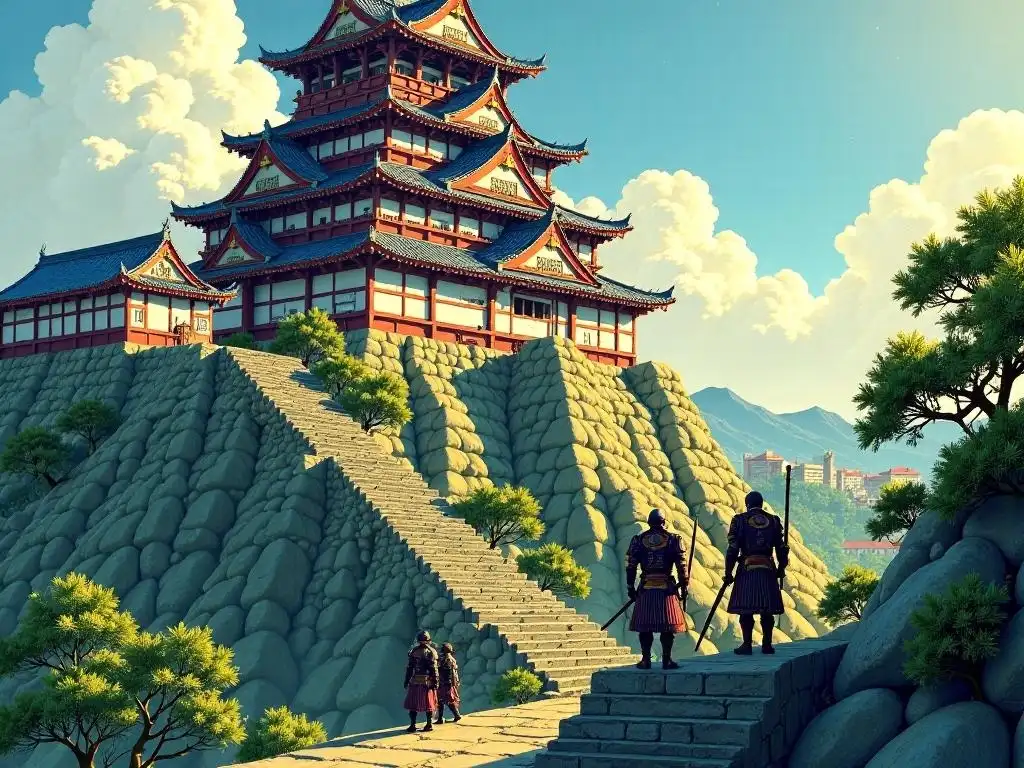
The governance structures established by the samurai during the Kamakura Period (1185-1333) reflect a unique blend of military authority and local administration. Through various case studies, we can examine how samurai leaders exercised their responsibilities and rights, shaping the political landscape of Japan.
Example of Notable Samurai Leaders and Their Governance
Several samurai leaders exemplified the governance model during this period, showcasing different approaches to power and administration.
- Minamoto no Yoritomo: As the founder of the Kamakura shogunate, Yoritomo established a new governance framework that combined military and civil authority. He implemented a system of shugo (military governors) and jito (land stewards), ensuring that samurai retained control over territories while managing local disputes and taxation. His governance was characterized by a focus on loyalty and military prowess, which solidified his power.
- Hojo Clan: The Hojo family, who served as regents for the shogunate, played a crucial role in governance through their political maneuvering. They codified laws and established a network of vassal relationships that facilitated local governance. Their emphasis on maintaining order and loyalty among samurai helped stabilize the region during their rule.
- Ashikaga Takauji: Initially a supporter of the Kamakura shogunate, Takauji's rise to power marked a significant shift in governance as he founded the Ashikaga shogunate. His approach to governance included a more decentralized structure, allowing regional samurai increased autonomy. This shift had lasting implications for samurai governance, fostering a sense of independence among local leaders.
Each of these leaders exemplified distinct governance styles that reflected their values, the socio-political context, and the evolving nature of samurai responsibilities and rights.
Effectiveness of Samurai Governance in Local Communities
The effectiveness of samurai governance varied widely among local communities, influenced by factors such as geography, economic conditions, and the personalities of local leaders.
- Local Administration: Samurai leaders often took on dual roles as both military commanders and local administrators. This duality allowed them to respond quickly to both threats and administrative challenges. For example, in regions with frequent conflict, samurai governance focused heavily on maintaining military readiness and community defense.
- Conflict Resolution: Samurai served as enforcers of law and order, mediating disputes among local populations. Their authority was often seen as legitimate due to their warrior status, which helped reduce violence and foster a sense of security. For instance, the gokenin (housemen) system allowed samurai to manage local governance, ensuring that their influence was felt even in smaller communities.
- Economic Management: Samurai governance extended to economic responsibilities, including tax collection and agricultural management. By overseeing local production and resource management, samurai leaders were able to ensure the flow of goods and services, which supported their military campaigns and local stability.
- Cultural Integration: Samurai governance also played a role in the cultural development of local communities. Through patronage of arts and support of Buddhist temples, samurai leaders fostered cultural integration that reinforced their governance. This cultural aspect helped legitimize their rule and strengthen ties with the populace.
The effectiveness of samurai governance during the Kamakura Period was largely shaped by the individual leaders and their ability to adapt to local needs. While some samurai leaders succeeded in creating stable and prosperous communities, others faced challenges that highlighted the complexities of governance in feudal Japan. The interplay of military responsibilities and local rights ultimately defined the legacy of samurai governance during this transformative period.
Challenges Faced by Samurai Governance
The samurai class, while holding significant power and influence during Japan's feudal era, particularly in the Kamakura Period, faced numerous challenges that complicated their governance responsibilities and rights. These challenges stemmed from both internal dynamics within the samurai class and external pressures from rival factions and foreign entities. Understanding these challenges is crucial for a comprehensive view of samurai governance.
Internal Conflicts within the Samurai Class
One of the primary challenges to samurai governance was the internal conflict within the samurai class itself. This conflict manifested in various forms, including:
- Factional Rivalries: Different clans often vied for power and influence, leading to tensions and skirmishes. For instance, the struggle between the Minamoto and Taira clans during the Genpei War set a precedent for clan rivalries that would continue to shape governance.
- Disputes over Leadership: Disagreements regarding succession and leadership roles could destabilize regions. The Kamakura shogunate itself was marked by conflicts between the shogun and powerful daimyos, sometimes resulting in attempted coups or armed conflicts.
- Ideological Divisions: Samurai were not a monolithic group; differing ideologies regarding governance, loyalty, and the role of the warrior led to splits within the class. Some samurai adhered strictly to the Bushido code, emphasizing honor and loyalty, while others prioritized personal or clan interests.
The result of these internal conflicts often led to weakened governance structures, as loyalty among samurai could shift based on personal ambitions or clan allegiances.
External Threats and Warfare
In addition to internal strife, samurai governance was significantly impacted by external threats. These threats were multi-faceted, including:
- Invasions: The Mongol invasions in 1274 and 1281 posed a serious challenge to samurai governance. The samurai were required to unite against a common enemy, which tested their abilities to govern effectively while mobilizing for defense. The successful repulsion of the Mongols, attributed partly to the kamikaze (divine winds), reinforced the samurai's military reputation but also strained resources and loyalty.
- Civil Wars: The Nanboku-chō period (14th century) highlighted the ongoing external threats posed by rival factions and the challenges of maintaining order during civil strife. The power struggle between the Northern and Southern courts led to widespread warfare, forcing samurai to navigate complex allegiances and governance issues.
- Cultural Encroachments: As trade with foreign countries increased, there were external cultural influences that began to challenge traditional samurai norms. The introduction of new philosophies and technologies required samurai to adapt their governance strategies to maintain control over their domains.
The combination of these external threats necessitated a flexible and responsive governance approach, often leading to temporary alliances or shifts in power dynamics.
Evolution of Governance Structures
The challenges faced by samurai governance during the Kamakura Period also prompted an evolution in their governance structures. Key developments included:
- Decentralization of Power: The rise of powerful daimyos led to a more fragmented governance landscape. Instead of a centralized authority, local lords wielded significant power, often leading to a patchwork of governance systems across Japan.
- Creation of Legal Codes: In response to the need for order amidst chaos, samurai leaders began to formalize laws and codes of conduct. The Jōei Shikimoku of 1232 is an example of an early legal code that sought to establish clear guidelines for governance and samurai conduct, addressing issues like land disputes and criminal behavior.
- Increased Bureaucracy: As the samurai class took on more governance responsibilities, a bureaucratic system began to emerge. This system included various officials responsible for tax collection, law enforcement, and administration, allowing for more structured governance despite ongoing conflicts.
These evolutionary changes in governance structures reflect the samurai's attempt to adapt to the multifaceted challenges they faced, ultimately leading to a more organized yet complex governance framework during the Kamakura Period.
Conclusion: The Legacy of Samurai Governance
The governance established by the samurai during the feudal era has left a profound legacy that continues to influence modern Japanese society. The hierarchical structure and the principles of loyalty, honor, and duty that characterized samurai governance have shaped various aspects of Japan's political, social, and cultural landscape.
The samurai class, particularly during the Kamakura Period, laid the groundwork for a system of governance that emphasized a strong connection between leadership and loyalty. This relationship fostered a sense of responsibility among the samurai, who were expected to uphold justice and maintain order within their domains. The code of Bushido, which encapsulated the ethical standards of the samurai, continues to resonate within Japan's contemporary values, promoting ideals of discipline, respect, and honor.
Lasting Impacts on Modern Japanese Society
The ramifications of samurai governance extend far beyond the medieval era. Here are several key impacts that remain evident in today's Japan:
- Legal Frameworks: The samurai's emphasis on law and order contributed to the establishment of legal systems that prioritize social harmony and conflict resolution, principles still evident in Japan's modern legal practices.
- Cultural Heritage: The cultural traditions and art forms fostered during the samurai era, such as tea ceremonies, martial arts, and calligraphy, continue to be celebrated and practiced, reinforcing a sense of national identity.
- Political Structures: Elements of feudal governance can be observed in Japan's political hierarchy, where respect for authority and a structured bureaucracy remain integral to governance.
- Social Values: The ethical principles derived from samurai governance, such as loyalty (忠義, chūgi) and integrity (誠, makoto), persist in contemporary Japanese society, influencing interpersonal relationships and community dynamics.
The influence of samurai governance is thus woven into the very fabric of modern Japan, showcasing how historical practices can shape societal norms and values over centuries.
Reflections on the Responsibilities and Rights of Samurai
The responsibilities and rights of the samurai were intricately linked to their identity as warriors and protectors of the realm. In reflecting on these aspects, a deeper understanding of their dual role emerges:
- Responsibilities:
- Protection of the People: Samurai were tasked with safeguarding their communities, ensuring safety and security against threats, both external and internal. This duty fostered a sense of stewardship over the land and its inhabitants.
- Upholding Justice: With their status came the obligation to enforce laws and maintain social order. Samurai acted as judges and mediators, resolving disputes and managing conflicts, which established a framework for governance.
- Rights:
- Autonomy: Samurai held the right to govern their fiefs with a degree of independence, enabling them to exercise power and authority within their domains. This autonomy allowed for localized decision-making that reflected the needs of their respective communities.
- Social Status: The samurai class enjoyed elevated status in society, granting them privileges such as land ownership, the right to bear arms, and access to education. This social hierarchy was crucial for maintaining the order and structure of feudal Japan.
The examination of samurai governance responsibilities and rights reveals a complex interplay between duty and privilege that shaped the political landscape of feudal Japan. Understanding this dynamic not only allows for a greater appreciation of the samurai's role in history but also highlights their enduring influence on contemporary Japanese society.
Frequently Asked Questions
What were the primary responsibilities of the samurai in feudal Japan?
The responsibilities of the samurai included military service, maintaining order, and providing protection to their lords and the common people, ensuring stability within their domains.
How did the rights of samurai differ from those of commoners?
Samurai enjoyed privileges such as the right to bear arms and a higher social status, which granted them exemptions from certain taxes and legal obligations that commoners faced.
What role did samurai governance play in local administration?
Samurai governance was crucial in local administration, as they acted as landlords and judges, overseeing the implementation of laws and maintaining peace within their territories.
How did the cultural aspects of samurai life influence their governance?
The cultural aspects, such as the Bushido code, emphasized loyalty, honor, and duty, shaping their approach to governance and interactions with both lords and subjects.
What impact did samurai rights and responsibilities have on Japanese society?
The rights and responsibilities of samurai established a hierarchical structure, influencing social dynamics and ensuring the protection and stability of feudal Japan, which shaped the nation’s development.
Final Reflection: Embracing the Legacy of Samurai Governance
The principles of samurai governance resonate profoundly in today's world, reminding us that responsibility and rights are not merely privileges but fundamental tenets of leadership. In an era where ethical leadership is often overshadowed by personal gain, the samurai's commitment to honor and duty serves as a powerful reminder of the moral obligations that come with power. The samurai class exemplified a unique blend of authority and accountability, a balance that remains crucial in contemporary governance.
Cultural and social landscapes continue to be shaped by the ideals of the samurai, as their legacy influences modern concepts of leadership and civic duty. The samurai's emphasis on the welfare of the community over individual ambition speaks volumes about the responsibilities that come with rights. As we navigate our own societal challenges, we can draw inspiration from their ethos. The ultimate aim of the samurai is not to be a warrior, but to be a protector of peace.
This quote encapsulates the essence of samurai governance, urging us to reflect on how we can embody these values in our own lives.
As we conclude this exploration of samurai governance, I invite you to reflect on your own responsibilities and rights within your community. Consider how you can embody the spirit of the samurai by prioritizing the greater good over personal interests. Let the lessons of the past inspire you to act with integrity, uphold justice, and contribute positively to the world around you. In doing so, we honor the legacy of the samurai and pave the way for a more equitable future.
Embrace the Spirit of Samurai Governance!
Thank you for delving into the fascinating world of Samurai governance! You've uncovered the crucial responsibilities and rights that shaped the warrior class and their role in feudal Japan, enriching your understanding of this remarkable era. Now, it's time to take the next step on your journey of discovery.
Here are some actionable ways to continue your exploration:
- Dive deeper into the lives of notable samurai by researching their personal stories and contributions—this could inspire a greater appreciation of their legacy!
- Join the conversation by sharing your thoughts on what modern governance can learn from Samurai principles. Engage with others in discussions or on social media platforms.
- Consider visiting local museums or attending cultural events that highlight the history of feudal Japan for an immersive experience.
What aspect of Samurai governance intrigues you the most, and how can those principles influence your perspective on leadership today?