
Military Governance: The Intersection of War and Politics in Kamakura Japan

Welcome to Feudal Japan History! Here, we invite you to embark on a fascinating journey through the intricate tapestry of Japan’s feudal era. Dive deep into our featured article, "Military Governance: The Intersection of War and Politics in Kamakura Japan," where we unravel how the Kamakura shogunate shaped the nation's military and political landscape. Discover the powerful dynamics that defined an era marked by conflict and governance, and prepare to be captivated by the stories of strategy, power, and the relentless pursuit of control. Your exploration begins now—uncover the secrets behind Kamakura Japan's military governance!
- Introduction to Military Governance in Kamakura Japan
- Historical Context of Kamakura Japan Military Governance
- Structure of Military Governance in Kamakura Japan
- Key Features of Kamakura Japan Military Governance
- Effects of Military Governance on Society in Kamakura Japan
- Case Studies of Military Governance in Kamakura Japan
- Challenges Faced by Military Governance in Kamakura Japan
- Conclusion: The Legacy of Military Governance in Kamakura Japan
- References
-
Frequently Asked Questions
- What was the Kamakura period in Japan's history?
- How did military governance affect Japanese society during the Kamakura period?
- What were the main political structures in Kamakura Japan?
- How did war influence politics during the Kamakura period?
- What were some key cultural changes during the Kamakura period?
- Final Reflection: The Enduring Legacy of Military Governance in Kamakura Japan
- Unveil the Depths of Kamakura Governance!
Introduction to Military Governance in Kamakura Japan
The Kamakura period (1185-1333) marks a pivotal era in Japanese history, characterized by the emergence of military governance and the decline of aristocratic power. This period saw the establishment of the Kamakura shogunate, a revolutionary shift that laid the groundwork for Japan's feudal structure. Military governance in Kamakura Japan is not merely a tale of battles and warriors; it intertwines with the political, social, and cultural fabric of the time.
Understanding this intricate relationship is essential for grasping how governance evolved and influenced Japanese society. This article delves into the various dimensions of military governance during the Kamakura period, exploring its significance and the key concepts that defined this transformative era.
Overview of Kamakura Period (1185-1333)
The Kamakura period emerged following the Genpei War, a conflict between the Taira and Minamoto clans that culminated in the establishment of the Minamoto shogunate. This period is notable for several critical developments:
- Political Shift: The power transitioned from the imperial court to the shogunate, marking the beginning of military rule in Japan.
- Feudal Structure: A new social hierarchy emerged, comprising samurai warriors and their lords, which solidified the feudal system that would dominate Japanese society for centuries.
- Cultural Developments: The Kamakura period also saw the rise of new religious movements, including Zen Buddhism, which influenced samurai culture and governance.
This era was marked by constant conflicts, territorial disputes, and a need for a robust military governance system to maintain order and loyalty among the samurai class.
Importance of Military Governance in Feudal Japan
Military governance during the Kamakura period was crucial for several reasons:
- Stability and Control: With the shogunate at the helm, military governance provided a framework for stability in a time of social upheaval and conflict. The shogunate's authority was essential in managing the dynamic relationships between various feudal lords.
- Legal Framework: The Kamakura shogunate established laws and regulations that governed the conduct of samurai and their interactions with the peasantry, leading to a more structured society.
- Military Strategy: The emphasis on military governance fostered a culture of strategy and discipline among the samurai, which proved vital in defending against external threats, such as the Mongol invasions.
Overall, military governance was not only a means of control but also a pivotal factor in the cultural identity of the samurai and their code of conduct.
Key Terms and Concepts in Military Governance
Understanding the terminology and concepts associated with military governance in Kamakura Japan is essential for a comprehensive grasp of the period:
- Shogunate: The military government led by the shogun, who held significant power over the samurai and the provinces.
- Samurai: The warrior class that served the shogunate and local lords, characterized by their code of loyalty and honor (Bushido).
- Daimyo: Feudal lords who controlled vast land and retained their own samurai, forming the backbone of the military hierarchy.
- Kuge: The aristocratic class that existed alongside the samurai, often in conflict with the new military governance.
These terms are foundational to understanding the complexities of political and military structures in Kamakura Japan, setting the stage for deeper exploration into the governance mechanisms that defined this era.
Historical Context of Kamakura Japan Military Governance
The Rise of the Samurai Class
The emergence of the samurai class during the late Heian period set the stage for the unique military governance that characterized Kamakura Japan. Previously, the aristocracy held the reins of power, but as societal unrest grew due to economic disparity and political corruption, a new warrior class began to rise. This transformation was fueled by several factors:
- Land Ownership: The samurai were often landowners or vassals of powerful nobles, which provided them with both economic resources and military obligations.
- Warfare and Defense: The need for local defense against external threats, such as the Mongol invasions, necessitated a more organized military structure. The samurai became pivotal in protecting their territories and serving their lords.
- Cultural Shifts: The samurai adopted a distinct code of conduct known as bushido, emphasizing loyalty, honor, and martial prowess. This cultural framework solidified their role in governance and military affairs.
The samurai's rising influence marked a significant shift in the political dynamics of Japan, leading to their eventual dominance in the Kamakura period.
Political Landscape Pre-Kamakura
Before the establishment of the Kamakura Shogunate, Japan’s political landscape was dominated by the Fujiwara clan and the imperial court. The political authority was centralized in Kyoto, where noble families exercised significant power. However, this system exhibited several weaknesses:
- Decentralization of Power: The noble families often engaged in internal conflicts, leading to a fragmentation of power. This decentralization allowed regional warlords, or daimyōs, to gain autonomy and establish local control.
- Economic Strain: The court's reliance on agricultural production created economic tension, particularly as land became increasingly concentrated in the hands of a few. This disparity fostered resentment among the lower classes and encouraged samurai to seek power.
- Military Conflicts: The Gempei War (1180-1185) epitomized the breakdown of the existing political order. This conflict between the Taira and Minamoto clans highlighted the need for a new governance structure that could manage both military and political affairs effectively.
These factors combined to create an environment ripe for change, ultimately leading to the rise of the Kamakura Shogunate.
Establishment of the Kamakura Shogunate
The establishment of the Kamakura Shogunate in 1192 marked a pivotal moment in Japanese history, as it represented the first military government (shogunate) in Japan. This new governance model shifted power from the imperial court to the military elite, fundamentally altering the political landscape. Key elements of this transition included:
- Minamoto no Yoritomo: As the leader of the Minamoto clan, Yoritomo emerged victorious from the Gempei War and was appointed the first shōgun. His authority was derived not only from military strength but also from strategic political alliances.
- Dual Authority: The Kamakura Shogunate established a dual authority system, where the shōgun held military power while the emperor retained a symbolic role. This balance allowed the shōgunate to legitimize its rule while maintaining the emperor's prestige.
- Feudal System: The shogunate implemented a feudal system where land was granted to samurai in exchange for military service. This system created loyalty bonds between lords and vassals, consolidating the shogun's power at the expense of the nobility.
The Kamakura Shogunate's establishment laid the foundation for Japan's military governance, influencing subsequent political structures throughout the feudal era. The intersection of war and politics became a defining characteristic of this period, shaping the trajectory of Japanese history for centuries to come.
Structure of Military Governance in Kamakura Japan
The Role of the Shogun in Military Governance
The Shogun was the supreme military leader during the Kamakura period (1185-1333), embodying the central figure of military governance in Kamakura Japan. Appointed by the Emperor, the Shogun exercised significant authority over military affairs and governance, effectively establishing a decentralized feudal system.
- Power Dynamics: The Shogun wielded power over the samurai class, managing military campaigns and enforcing law and order. His authority was derived not only from imperial sanction but also from the loyalty of the samurai, who served as his vassals.
- Government Structure: The Shogunate, or bakufu, was the military government led by the Shogun, which operated parallel to the imperial court. This dual structure allowed the Shogun to manage the military and administrative functions autonomously, while the Emperor retained ceremonial and religious duties.
- Policy Implementation: The Shogun was responsible for formulating policies related to land distribution, taxation, and military mobilization. His decisions had far-reaching implications on the socio-political landscape of Kamakura Japan, especially in handling threats from external forces, such as the Mongol invasions.
This intricate power structure laid the foundation for the military governance system, emphasizing the Shogun's pivotal role in shaping the political landscape during the Kamakura period.
The Function of the Samurai in Governance
The samurai, as the warrior class, played an essential role in the governance of Kamakura Japan, extending their influence beyond the battlefield into administrative and political realms.
- Loyalty and Service: Samurai were bound by the code of bushido, which emphasized loyalty, honor, and bravery. Their allegiance to their daimyo (feudal lords) ensured a stable military force that could enforce the Shogun's policies and maintain order.
- Land Management: Samurai were often granted land in exchange for military service, which they governed as local lords. This feudal arrangement allowed them to collect taxes, administer justice, and manage agricultural production, thus intertwining military and civil governance.
- Advisory Roles: Many samurai held positions as advisors or officials within the Shogunate, contributing to decision-making processes. Their military experience provided critical insights into defense policies and strategies, influencing the governance of the region.
The samurai's multifaceted role in governance not only solidified the military structure but also ensured that the Shogun's authority was upheld across various domains, creating a unique blend of militarism and governance during the Kamakura period.
The Influence of the Emperor and Imperial Court
While the Shogun and samurai dominated military governance in Kamakura Japan, the Emperor and the imperial court maintained a significant, albeit limited, influence over political affairs.
- Ceremonial Authority: The Emperor served as a symbolic figurehead, embodying the divine right to rule. His endorsement was crucial for legitimizing the Shogun's power. However, the reality of governance lay primarily in the hands of the military leaders.
- Political Maneuvering: The imperial court often engaged in political maneuvering, attempting to assert its authority over the Shogunate. This included efforts to influence military decisions and maintain the court’s cultural and religious significance.
- Crisis Response: During times of crisis, such as the Mongol invasions, the Emperor's role became more pronounced as he rallied the populace and called for unity. His appeals were essential in mobilizing support for the Shogunate, underscoring the interdependence between the military regime and the imperial authority.
In essence, the relationship between the Shogunate and the imperial court was characterized by a delicate balance of power, with the Emperor's influence persisting as a crucial element in the overarching structure of governance in Kamakura Japan.
Key Features of Kamakura Japan Military Governance
The Kamakura period (1185-1333) is marked by the establishment of a military government known as the shogunate, which transformed Japan's political landscape. Understanding the key features of Kamakura Japan military governance provides insight into how military authority intertwined with politics, law, and society during this era. The governance structure was characterized by a unique blend of military leadership, local governance, and legal frameworks that reinforced the power of the samurai class.
Military Administration and Local Governance
The Kamakura shogunate introduced a system of military administration that emphasized decentralization. Local governance was primarily managed by samurai who were granted land in exchange for their military service. This feudal system allowed the shogunate to exert control over vast territories without maintaining a large standing army.
- Shugo (Military Governors): Appointed by the shogunate, shugo were responsible for maintaining order in their respective provinces. They acted as military overseers, collecting taxes, and managing local disputes. Their authority was pivotal in the enforcement of shogunate policies at the regional level.
- Jito (Land Stewards): Below the shugo were the jito, who managed individual estates and were responsible for agricultural production. Jito were often samurai themselves, which reinforced the military governance structure within local economies.
- Feudal Obligations: The relationship between local leaders and the shogunate was defined by mutual obligations. Samurai were expected to provide military service during times of conflict, while the shogunate granted them land and protection. This created a system where loyalty and duty were paramount.
The combination of shugo and jito established a network of military authority that allowed the Kamakura shogunate to maintain control over Japan despite the absence of a centralized bureaucratic system.
The Relationship Between Warfare and Political Power
Warfare was not just a means of conflict during the Kamakura period; it was intricately linked to the political power dynamics of the time. The effectiveness of military governance was often measured by the shogunate's ability to respond to internal and external threats.
- Rise of the Samurai Class: The emergence of the samurai as a distinct social class was critical. Their loyalty to their lords and their martial skills made them indispensable in both governance and warfare. The samurai's role was not only as warriors but also as enforcers of the shogunate's policies.
- Military Campaigns: Significant military campaigns, such as the Mongol invasions in 1274 and 1281, tested the shogunate's strength. The successful defense against the Mongols bolstered the shogunate's legitimacy and solidified the samurai's status as protectors of Japan.
- Political Alliances through Marriage: Marriages between powerful samurai families and shogunal officials were common strategies to consolidate power. These alliances often resulted in a network of loyalty that transcended direct military governance.
The interplay between warfare and political power during this period illustrates how military success was essential for the survival and authority of the Kamakura shogunate.
Legal Frameworks: The Role of the Buke Shohatto
The Buke Shohatto, or "Laws for the Military Houses," played a crucial role in defining the legal frameworks governing the samurai class and the shogunate's authority. Established in the early 13th century, these laws formalized the relationship between the samurai and the ruling class.
- Principles of Governance: The Buke Shohatto outlined the rights and responsibilities of the samurai, emphasizing loyalty and service to the shogunate. It created a code of conduct that regulated military behavior and established protocols for warfare, which were crucial during this era of constant conflict.
- Judicial Authority: The shogunate exercised judicial power through the Buke Shohatto, which enabled local samurai to settle disputes according to these laws. This decentralized legal authority contributed to the establishment of a distinct legal culture that prioritized military governance.
- Limitations and Enforcement: While the Buke Shohatto provided a framework for governance, enforcement relied heavily on the loyalty and power of local samurai. Discrepancies in adherence to these laws often led to conflicts among the samurai class, revealing the challenges of maintaining order in a decentralized system.
The Buke Shohatto exemplifies how legal frameworks underpinned Kamakura Japan military governance, providing structure while also highlighting the inherent tensions within a feudal society.
Effects of Military Governance on Society in Kamakura Japan

The military governance established during the Kamakura period (1185-1333) had profound and lasting effects on Japanese society. This era, marked by the rise of the samurai class and the establishment of the shogunate, saw significant shifts in social structures, economic systems, and cultural developments. Understanding these effects provides insight into how military rule shaped the very fabric of Japanese life during this period.
Societal Hierarchies and Class Structures
The Kamakura period introduced a distinct social hierarchy that was heavily influenced by military governance. At the top of this structure were the shōgun, who held supreme power over military and political affairs. Below them were the daimyō, or feudal lords, who governed specific territories and commanded their own samurai warriors. This new hierarchy marked a departure from the previously dominant aristocratic families and court officials.
- Samurai Class: The samurai emerged as a powerful and privileged class, tasked with the protection of their lords and the enforcement of military governance. Their status was not merely martial; it was also tied to land ownership and loyalty. The samurai adhered to a strict code of conduct known as bushido, which emphasized honor, loyalty, and martial skill.
- Peasantry: Below the samurai were the peasants, who formed the bulk of the population. They were primarily responsible for agricultural production, which was vital to the economy. The peasants were often bound to the land and had limited rights, making their lives heavily dependent on the whims of their samurai lords.
- Merchants and Artisans: The merchant and artisan classes occupied lower societal ranks. Despite their economic contributions, they had little political power and were often looked down upon by the samurai. However, as trade flourished, their influence began to grow, leading to a gradual shift in societal dynamics.
This rigid class structure fostered a sense of stability but also perpetuated social stratification, which would have lasting implications for Japan's future.
Economic Implications of Military Rule
The military governance of Kamakura Japan significantly impacted economic structures and practices. The shogunate implemented policies that transformed the agrarian economy into a more organized and tax-based system.
- Land Ownership and Taxation: Under military rule, land ownership became centralized among the daimyō, who controlled vast estates. The shogunate established a taxation system that required peasants to pay a portion of their harvest to their lords. This system not only provided revenue for the daimyō but also reinforced the power dynamics of feudalism.
- Trade and Commerce: With the rise of the samurai class, there was a surge in local and regional trade. The samurai often engaged in commerce to supplement their income, leading to the emergence of a more complex economic landscape. Although initially marginalized, merchants began to gain importance as economic intermediaries, facilitating trade between different regions.
- Agricultural Innovations: The need for increased agricultural output led to innovations in farming techniques. Improved irrigation systems and the introduction of new rice strains contributed to higher yields, thereby supporting a growing population and stabilizing the economy.
The economic implications of military governance laid the groundwork for future developments in Japan's economic history, marking a transition from a purely agrarian society to one that began to embrace commerce and trade.
Cultural Developments Under Military Governance
The Kamakura period was not solely defined by its political and economic transformations; it also witnessed significant cultural developments influenced by military rule. The samurai class played a pivotal role in shaping these cultural shifts.
- Literature and Philosophy: The samurai's emphasis on loyalty and honor permeated literature and philosophy, inspiring works that celebrated these values. The emergence of war tales and samurai epics reflected the cultural ethos of the time. Notable examples include the "Heike Monogatari," which chronicled the struggles of the samurai during the Genpei War.
- Religious Influence: The Kamakura period saw the rise of new Buddhist sects, such as Pure Land Buddhism and Zen Buddhism, which resonated with the samurai's quest for spiritual fulfillment and ethical guidance. These sects emphasized personal devotion, meditation, and the pursuit of enlightenment, significantly influencing the cultural landscape of the era.
- Arts and Aesthetics: Military governance also fostered the growth of various art forms. The samurai patronized the arts, leading to advancements in painting, sculpture, and architecture. The aesthetics of the time emphasized simplicity and natural beauty, which can be seen in the development of ink wash painting and the refinement of Japanese gardens.
The effects of military governance during the Kamakura period were far-reaching, reshaping societal hierarchies, economic systems, and cultural developments. These changes not only defined the era but also set the stage for Japan's future political and social evolution.
Case Studies of Military Governance in Kamakura Japan
The Kamakura period (1185-1333) marks a significant transformation in Japan's political landscape, characterized by the establishment of military governance under the shogunate. This era saw the intertwining of military authority and political control, leading to a complex framework that shaped the governance of the time. In this section, we will explore notable shoguns and their governance strategies, key battles and their political consequences, and regional variations in military governance.
Notable Shoguns and Their Governance Strategies
The Kamakura period was defined by several influential shoguns whose leadership styles and strategies left a lasting impact on Japan's governance.
-
Minamoto no Yoritomo (1147-1199)
As the founder of the Kamakura shogunate, Yoritomo established a new form of military governance that emphasized loyalty and service. His strategies included:
- The System of Vassalage: Yoritomo implemented a hierarchical system where samurai pledged loyalty to him in exchange for land and protection. This system solidified military support and created a network of loyal vassals.
- Establishment of the Bakufu: He set up a military government (bakufu) in Kamakura, which allowed him to exercise authority over provincial lords (daimyō) while maintaining a degree of autonomy from the imperial court.
- Legal Reforms: Yoritomo also introduced legal codes that aimed at regulating the behavior of the samurai class, thus consolidating his power.
-
Minamoto no Yoriie (1182-1256)
Yoriie, the son of Yoritomo, faced challenges during his reign that highlighted the complexities of military governance:
- Regency System: Due to his young age, Yoriie was placed under the regency of his mother, Hojo Masako, and the Hojo clan, leading to a shift in power dynamics. This transition exemplified the struggle between military leaders and political authority.
- Internal Conflicts: His reign was marked by internal strife and the eventual sidelining of his authority, demonstrating the fragility of shogunal power when challenged by strong regents.
-
Hojo Tokimune (1251-1284)
A prominent figure in the latter part of the Kamakura period, Tokimune's governance strategies were pivotal:
- Response to Mongolian Invasions: Tokimune's leadership during the Mongol invasions (1274 and 1281) showcased effective military governance. His ability to unite the samurai class against a common enemy reinforced loyalty and military discipline.
- Cultural Flourishing: Under his rule, there was a notable promotion of Zen Buddhism and the arts, which helped legitimize his authority and foster a sense of cultural identity among the samurai.
Key Battles and Their Political Consequences
The Kamakura period witnessed several critical battles that not only defined military strategy but also had profound political repercussions:
-
Battle of Dan-no-ura (1185)
This decisive naval battle marked the end of the Genpei War, leading to the establishment of the Kamakura shogunate. The consequences included:
- Shift in Power: The defeat of the Taira clan solidified Minamoto no Yoritomo's rule and initiated the samurai's rise as a dominant political force.
- Land Redistribution: Following the victory, Yoritomo redistributed Taira lands to loyal vassals, which helped to strengthen alliances and solidify military governance.
-
The Mongol Invasions (1274 and 1281)
The failed attempts by the Mongols to invade Japan had significant political implications:
- Unification of the Samurai Class: The invasions prompted various clans to unite under the shogunate, reinforcing military governance.
- Economic Strain and Discontent: The cost of defending against the invasions led to economic difficulties, contributing to discontent among the samurai and the eventual decline of the Kamakura shogunate.
-
Battle of Hakata Bay (1281)
This battle was part of the second Mongol invasion and showcased the resilience of the samurai:
- Emergence of the Kamikaze: The divine winds (kamikaze) that thwarted the Mongol fleet became a symbol of national identity and divine protection, further legitimizing the shogunate's authority.
- Long-Term Impact: The successful defense against the Mongols bolstered military governance but also sowed the seeds of future challenges as resources became strained.
Regional Variations in Military Governance
The governance structure during the Kamakura period was not uniform across Japan. Various regions exhibited distinct characteristics influenced by local leaders and circumstances:
-
Kanto Region
The birthplace of the Kamakura shogunate, the Kanto region experienced a centralized form of military governance under the Hojo clan:
- Strong Central Authority: The Hojo implemented strict control over the samurai and local daimyō, ensuring loyalty through a combination of military might and legal authority.
- Economic Development: The region saw agricultural and commercial growth, which reinforced the shogunate's power base.
-
Kyushu Region
In contrast, the governance in Kyushu was characterized by a more fragmented authority:
- Local Warlords: The presence of powerful local warlords (daimyō) led to a decentralized military governance structure, often resulting in conflicts and rivalries.
- Resistance to Central Authority: Regional leaders frequently challenged the shogunate’s authority, reflecting the complexities of governance outside the Kanto.
-
Western Japan
This area exhibited a mix of loyalty and resistance to the shogunate:
- Cultural Diversity: The influence of cultural and economic factors led to varying degrees of allegiance to the Kamakura government.
- Political Factions: Competition among local factions created a dynamic where military governance had to adapt to local interests, leading to a more negotiated form of authority.
The military governance of Kamakura Japan was a multifaceted system shaped by notable leaders, pivotal battles, and regional differences. This intricate interplay between war and politics laid the groundwork for future developments in Japanese governance and societal structure.
Challenges Faced by Military Governance in Kamakura Japan
Internal Conflicts and Power Struggles
The Kamakura period (1185-1333) was marked by significant internal conflicts that shaped the landscape of military governance in Japan. One of the primary challenges arose from the power struggles among various samurai clans, particularly between the Minamoto and Taira clans during the Genpei War. This conflict not only established the Minamoto as the dominant force but also set the stage for the complexities of governance that would follow.
- Factionalism: As the Kamakura shogunate established its rule, factionalism became rampant among the samurai. Clans often vied for influence, leading to a fragmented power structure. Disputes over territory and loyalty frequently escalated into local skirmishes, undermining the shogunate's authority.
- Loyalty and Betrayal: The feudal system relied heavily on personal loyalty, which was often tenuous. Instances of betrayal were common, as samurai were not only bound to their lords but also to their own ambitions. This created a volatile atmosphere where alliances could shift rapidly, challenging the stability of military governance.
External Threats and Military Responses
Kamakura Japan faced several external threats that necessitated a robust military governance structure. These threats were not only from foreign entities but also from uprisings within the country.
- Mongol Invasions: Perhaps the most significant external threat came in the form of the Mongol invasions in 1274 and 1281. The Kamakura shogunate had to mobilize its military forces swiftly to defend against these incursions. The defensive strategies employed, such as the use of coastal fortifications and the famed "kamikaze" (divine winds) that thwarted the second invasion, showcased military governance's ability to respond to crises.
- Peasant Uprisings: Economic distress during the latter part of the Kamakura period led to peasant uprisings, such as the Jōkyū Uprising (1221). The shogunate's military response was critical in suppressing these revolts, which also highlighted the dependency on military might to maintain order and governance. These uprisings prompted the shogunate to reassess its policies regarding taxation and land management, revealing the challenges of maintaining stability in a feudal system.
The Decline of Kamakura Military Governance
The decline of military governance in Kamakura Japan can be attributed to a combination of internal and external factors that eroded the shogunate's power.
- Economic Strain: The prolonged military campaigns, especially against the Mongols, drained the financial resources of the shogunate. The inability to effectively manage the economic fallout led to discontent among the samurai and the peasantry, further destabilizing the regime.
- Rise of the Ashikaga: The internal struggles culminated in the rise of the Ashikaga clan, which capitalized on the discontent with Kamakura governance. The Ashikaga's successful coup in 1333 marked the end of the Kamakura shogunate and the transition to the Muromachi period. This shift illustrated how the failures of military governance could lead to significant political upheaval.
The challenges faced by military governance in Kamakura Japan were multifaceted, involving intense internal conflicts, significant external threats, and ultimately, the decline of a once-powerful shogunate. Understanding these dynamics provides valuable insights into the complexities of governance during this formative period in Japanese history.
Conclusion: The Legacy of Military Governance in Kamakura Japan
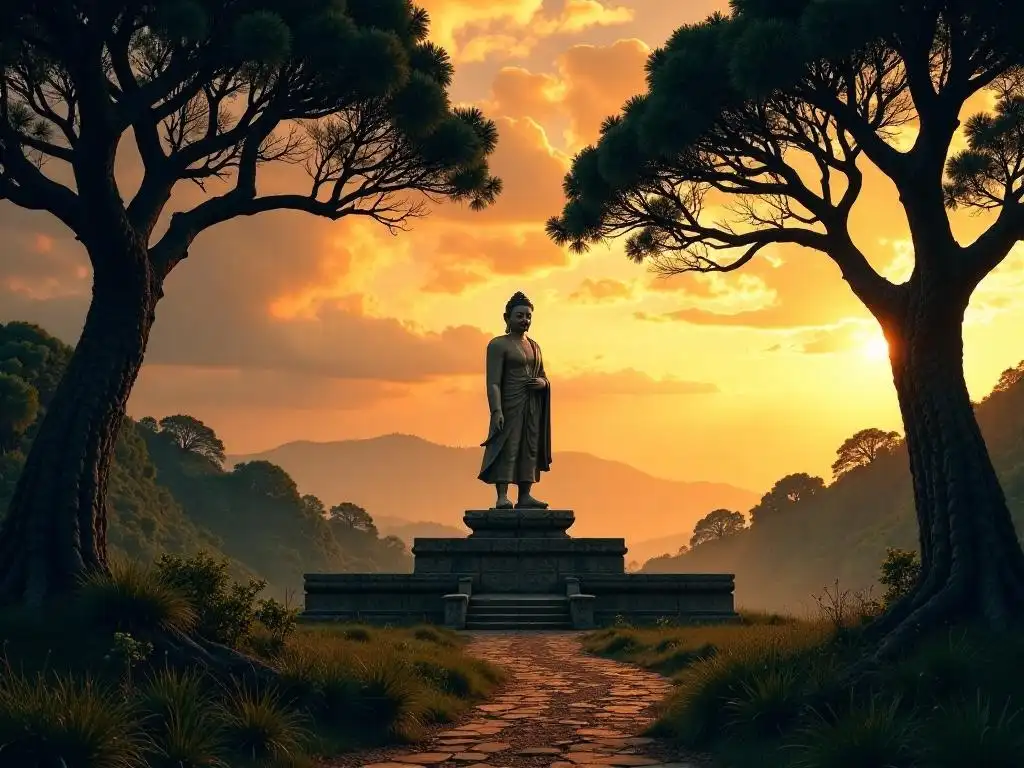
The Kamakura period (1185-1333) marked a pivotal transformation in the structure of governance in Japan, establishing a foundation for future political developments. The military governance of this era, characterized by the emergence of the shogunate system, fundamentally altered the relationship between the military and political spheres. The legacy of this governance model can be seen in various aspects of Japanese history, culture, and even contemporary society.
Historical Significance of Kamakura Japan Military Governance
The military governance established during the Kamakura period was significant for several reasons:
- Emergence of the Shogunate: The Kamakura shogunate was the first of its kind in Japan, marking the transition from imperial rule to a military-led government. This shift allowed samurai warriors to gain political power, fundamentally changing the fabric of Japanese society.
- Feudal System Development: The period solidified the feudal system, wherein land was exchanged for loyalty and military service. This system became the backbone of Japanese society, influencing land ownership and social hierarchy for centuries to come.
- Legal and Administrative Innovations: The Kamakura shogunate introduced new legal frameworks and administrative practices, including the establishment of the Jusangi and Shiki systems, which facilitated land management and governance. These innovations helped create a more organized state, despite the inherent chaos of the era.
The military governance of Kamakura Japan thus laid the groundwork for the political dynamics that would characterize subsequent periods in Japanese history.
Influence on Subsequent Japanese Political Structures
The impact of Kamakura Japan's military governance extended well beyond its time. Its influences can be observed in several ways:
- Shogunate Tradition: The Kamakura shogunate set a precedent for future shogunates, including the Ashikaga and Tokugawa. The framework established during this period influenced their administrative practices and military strategies.
- Centralization of Power: The centralization of power in the hands of the shogun helped to create a model of governance that balanced military authority with bureaucratic administration. This duality would persist in Japan's political landscape, shaping governance models for centuries.
- Cultural Integration: The intertwining of military and governance also influenced cultural expressions, including literature, arts, and martial traditions. The samurai ethos and bushido code emerged during this period, which continued to resonate in Japanese culture long after the Kamakura period ended.
The legacy of Kamakura military governance is evident in the structure and culture of Japan's political systems that followed, demonstrating its lasting impact.
Reflection on Military Governance and Modern Japan
In reflecting on the military governance of Kamakura Japan, one can draw parallels to modern governance in Japan:
- Civil-Military Relations: The historical relationship between military and political power in Kamakura has evolved but remains relevant. Modern Japan's Self-Defense Forces (SDF) operate under a civilian government, echoing the balance sought during the Kamakura period.
- Influence of Samurai Values: Concepts of loyalty, honor, and duty that were prevalent among the samurai continue to influence Japanese corporate culture and societal expectations today, signifying a cultural continuity stemming from the military governance of the past.
- Contemporary Governance: The historical governance models of Japan emphasize the importance of leadership, structure, and the role of military influence in governance. Modern political leaders often navigate complex relationships between civilian and military spheres, reflecting the historical legacies of the Kamakura period.
The military governance of Kamakura Japan not only shaped the historical trajectory of Japan but also left an indelible mark on its political structures and cultural values that continue to resonate in contemporary society.
References
Primary Sources on Kamakura Japan Military Governance
The study of Kamakura Japan military governance is enriched by a variety of primary sources that offer firsthand insights into the political and military frameworks of the era. Key primary sources include:
- The "Tale of the Heike" (Heike Monogatari): This epic account chronicles the rise and fall of the Taira clan, offering a narrative that reflects the military culture and governance practices of the time. It provides valuable context on the samurai's role in society and the feudal system.
- The "Chronicles of the Kamakura Period" (Kamakura Shoki): A collection of documents and records that detail the events of the Kamakura period, including the establishment of the shogunate, battles, and political maneuvers.
- The "Shōen Documents" (Shōen Monjo): These records pertain to the landholding system in feudal Japan and provide insight into the economic underpinnings of military governance. They illustrate the relationship between land, power, and military service.
- Letters and Edicts of the Kamakura Shogunate: Various letters from shoguns and their officials serve as primary sources that reveal the political decisions, military strategies, and governance styles during the Kamakura period.
These sources are crucial for understanding the complexities of military governance in Kamakura Japan, illustrating how warfare and politics were intertwined during this transformative era.
Recommended Further Reading on Feudal Japan History
To deepen your understanding of feudal Japan and the intricacies of military governance during the Kamakura period, consider the following recommended readings:
-
"Warriors of Japan as Portrayed in the War Tales" by Paul Varley
This work examines the portrayal of warriors in Japanese literature and its impact on the perception of military governance.
-
"The Origins of Japan's Modern World: The Meiji Restoration" by Takeo Umehara
While focused on a later period, this book offers insights into the legacy of Kamakura governance on subsequent Japanese political developments.
-
"Kamakura: The Rise and Fall of the Samurai State" by John A. F. B. C. Watanabe
This comprehensive analysis details the political, social, and military aspects of the Kamakura period, providing a thorough overview of its governance structure.
-
"The Samurai: A Military History" by Stephen Turnbull
This text covers the evolution of the samurai class, offering context to their role in military governance during the Kamakura period and beyond.
-
"Japanese History: A Cultural History" by William McAlpine
A broader exploration of Japanese history that includes sections on the feudal era, highlighting societal changes during the Kamakura period.
These texts provide a rich tapestry of information that can enhance your understanding of Kamakura Japan military governance and its lasting effects on Japanese society.
Frequently Asked Questions
What was the Kamakura period in Japan's history?
The Kamakura period (1185-1333) marked Japan's transition to military governance, where the shogunate system was established, leading to a new political structure dominated by samurai.
How did military governance affect Japanese society during the Kamakura period?
Military governance introduced a hierarchy where the samurai class gained prominence, affecting the social structure by diminishing the power of the aristocracy and establishing a new order based on loyalty and service.
What were the main political structures in Kamakura Japan?
The primary political structure was the shogunate, led by the shogun, who held real power, while the emperor remained a symbolic figure, reflecting a shift towards military leadership.
How did war influence politics during the Kamakura period?
War played a crucial role in shaping political relations and governance, as military conflicts often determined the rise and fall of clans and influenced the distribution of power among the samurai.
What were some key cultural changes during the Kamakura period?
The Kamakura period saw the rise of new philosophies, such as Zen Buddhism, and the development of samurai culture, reflecting the intertwining of military governance with cultural advancements.
Final Reflection: The Enduring Legacy of Military Governance in Kamakura Japan
The intricate relationship between war and politics in Kamakura Japan reveals how military governance shaped not only the era but also the foundations of modern governance. Today, as we navigate complex political landscapes around the world, the lessons from Kamakura serve as a poignant reminder of how power dynamics can influence societal structures and cultural identities. The interplay of military authority and political strategy during this period offers critical insights into contemporary governance challenges, highlighting the timeless nature of these themes.
The legacy of military governance in Kamakura Japan continues to resonate within our cultural and social frameworks. The way in which the Kamakura shogunate established a new order, blending military might with political acumen, has influenced various governance models throughout history. This intersection of war and politics is not merely a historical curiosity; it reflects ongoing struggles for power and legitimacy in modern societies. History is not a burden on the memory but an illumination of the soul.
— Lord Acton. This sentiment captures the essence of understanding our past to navigate the present and future effectively.
As you reflect on the themes presented in this article, consider how the lessons of Kamakura Japan's military governance can inform your own understanding of authority and responsibility in today's world. What can you learn from the past to shape a more equitable and just future? Embrace the opportunity to engage with these historical narratives, allowing them to inspire your actions and decisions. In doing so, you not only honor the legacy of those who came before us but also contribute to a more informed and compassionate society.
Unveil the Depths of Kamakura Governance!
Thank you for diving into the intricate relationship between military governance and political power in Kamakura, Japan. Your exploration of this pivotal era sheds light on the complex dynamics that shaped feudal society, and there’s so much more to uncover!
Now, it's time to take your newfound knowledge further. Here are some actionable steps you can take:
- Delve Deeper: Explore additional resources on the role of military leaders in shaping policies by visiting our recommended reading list.
- Engage with Others: Share your thoughts about military governance on social media and invite your friends to join the conversation!
- Reflect and Write: Consider starting a short journal entry or blog post discussing how the governance structure of Kamakura compares to contemporary political systems.
What insights can you share about the impact of military rule on society during the Kamakura period? Join the discussion below!