
The Economic Foundations of Kamakura Political Power

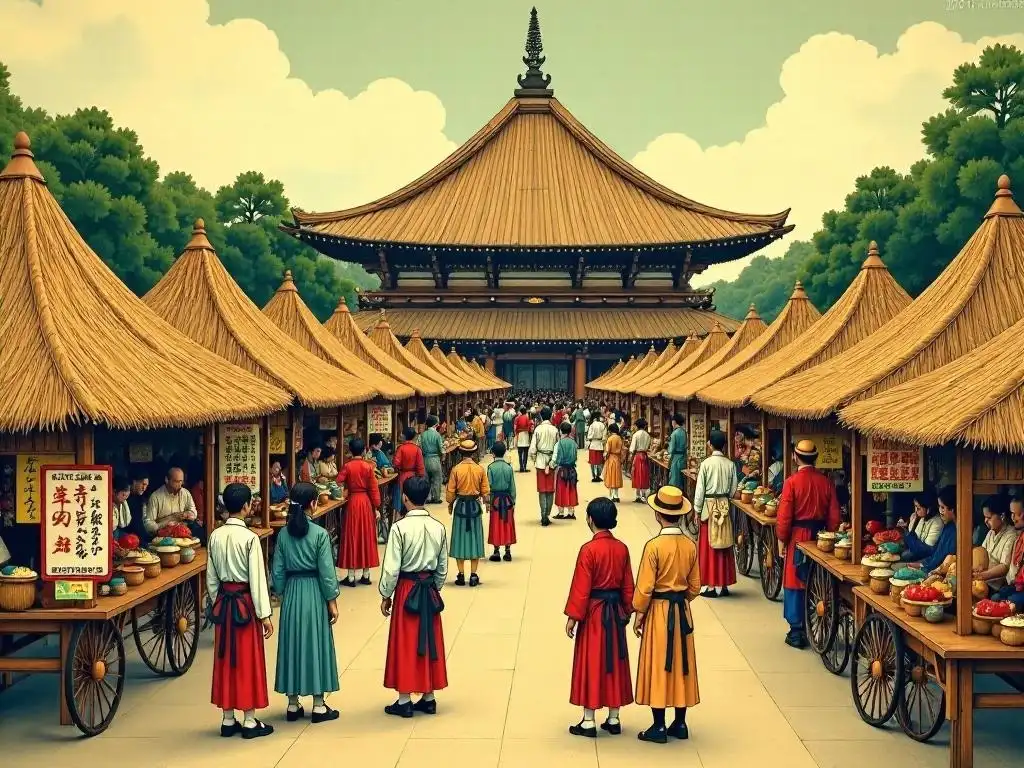
Welcome to Feudal Japan History, where we embark on an extraordinary journey through the intricate tapestry of Japan’s feudal era. Delve into the compelling world of the Kamakura period, a time marked by remarkable political power and economic transformation. In our featured article, "The Economic Foundations of Kamakura Political Power," we unravel the complexities of the Kamakura period economic structure, revealing how it shaped the very foundations of governance and society.
Are you ready to uncover the secrets of this pivotal era? Join us as we explore the forces that influenced a nation and discover the rich narratives waiting just beyond this introduction.
Introduction to the Kamakura Period Economic Structure
The Kamakura period, spanning from 1185 to 1333, marks a significant era in Japanese history characterized by the establishment of the first military government, or shogunate, in Kamakura. This period was not only a time of political transformation but also a crucial phase for the evolution of economic structures that underpinned the emerging power dynamics. Understanding the Kamakura period economic structure is essential for grasping how economic factors influenced governance and societal organization during this pivotal time.
The economic foundations laid during this period facilitated the rise of the samurai class and altered Japan's social fabric, setting the stage for future developments in both politics and culture. By examining the economic aspects of the Kamakura period, we can uncover how the interplay between agriculture, trade, and land ownership created a complex web that supported the political apparatus of the shogunate.
Overview of the Kamakura Period (1185-1333)
The Kamakura period is often recognized for its establishment of a new form of governance that shifted power from the imperial court in Kyoto to military leaders in Kamakura. This transition was marked by the rise of the Minamoto clan, which defeated the Taira clan in the Genpei War, leading to the formation of the Kamakura shogunate. During this time, the political landscape was dominated by samurai warriors who governed through a combination of martial prowess and land-based wealth.
Significant events during this period included:
- The Genpei War (1180-1185), which led to the establishment of the shogunate.
- The Mongol invasions in 1274 and 1281, which tested the military and economic resilience of the Kamakura regime.
- The emergence of the bushi (warrior class) as a dominant social group, influencing both governance and economic practices.
This era was marked by a distinct shift towards a feudal system where loyalty and service were exchanged for land and protection, fundamentally altering Japan's socio-economic landscape.
Importance of Economic Structures in Political Governance
Economic structures during the Kamakura period were not merely a backdrop to political developments; they were intimately interconnected with the governance system. The distribution of wealth, access to resources, and control over land played critical roles in establishing and maintaining power.
Key points to consider:
- Wealth Accumulation: The kamakura shogunate relied heavily on agricultural production and land revenue, which were essential for funding military campaigns and maintaining order.
- Social Hierarchy: Economic power translated into social status, where wealthier landowners wielded greater influence over political matters.
- Stability and Control: A well-structured economy contributed to the stability of the shogunate, allowing it to project power and manage conflicts effectively.
Understanding these economic foundations is crucial to comprehending the broader implications of governance during the Kamakura period.
Key Features of the Kamakura Period Economic Structure
Agricultural Development and Its Impact on Society
Agriculture formed the backbone of the Kamakura economy, with rice cultivation at its core. The introduction of new farming techniques, such as irrigation and crop rotation, significantly boosted productivity. This agricultural boom had several implications:
- Population Growth: Increased food production supported a larger population, leading to urbanization as people moved to towns for trade and employment.
- Land Distribution: Land became a critical asset, with powerful families and samurai acquiring extensive holdings that solidified their influence.
- Taxation Systems: The shogunate implemented taxation on agricultural output, which funded military and administrative operations.
The prosperity of agricultural development directly influenced the social hierarchy, creating a class of wealthy landowners who supported the samurai class.
Trade Networks: Domestic and International Trade
The Kamakura period also saw the expansion of trade networks, both domestically and internationally. Key features of this trade expansion included:
- Domestic Trade: Markets flourished in cities, allowing for the exchange of goods such as textiles, ceramics, and tools, which contributed to local economies.
- International Trade: Contact with neighboring regions, particularly through trade with China and the Korean Peninsula, introduced new goods and ideas, enriching Japanese culture and economy.
- Merchant Class Emergence: A burgeoning merchant class began to rise, challenging the traditional power structures dominated by the samurai and landowners.
These trade networks not only facilitated economic growth but also played a role in cultural exchange, impacting the governance and societal norms of the period.
The Role of Land Ownership in Political Power
Land ownership was a definitive factor in the political landscape of the Kamakura period. The distribution and control of land directly influenced power dynamics among the ruling elite. Key aspects include:
- Feudal System: The feudal system established a hierarchy where land was granted in exchange for loyalty and military service, solidifying the bond between lords and vassals.
- Land as Wealth: Control over land was synonymous with wealth and influence. The more land a samurai or noble owned, the greater their political clout.
- Disputes and Conflict: Competition for land often led to conflicts, shaping the political landscape and necessitating a strong military presence to maintain order.
The complex interplay between economic structures, land ownership, and political power during the Kamakura period laid the groundwork for Japan's evolving governance and social order, setting a precedent for future developments in Japanese history.
During the Kamakura period (1185-1333), the economic structure played a crucial role in shaping the political authority of the shogunate. The intertwining of economic power and political authority is evident in how the ruling elite—primarily the samurai class—exercised control over land and resources. The feudal system established a hierarchy that dictated the distribution of land and wealth, directly influencing the loyalty and support of vassals and peasants to their lords.
The Kamakura shogunate relied heavily on a decentralized feudal structure, where local lords (daimyō) managed their regions and collected taxes. This decentralization allowed for a more flexible governance model, enabling lords to respond to local needs while maintaining allegiance to the shogun. However, the economic foundations of this system also meant that a lord's power was contingent upon their ability to generate wealth through land management and agricultural production. Hence, the relationship between economic structure and political authority during this period was symbiotic; economic stability fostered political strength, while political authority sought to regulate and enhance economic activities.
Feudal Hierarchies: Lords, Vassals, and Peasants
At the core of the Kamakura period's economic structure was a well-defined feudal hierarchy. This system consisted of three primary groups: lords, vassals, and peasants. The lords, or daimyō, held large amounts of land granted by the shogunate. These lords had considerable authority over their territories, managing land and resources, and were responsible for maintaining order and providing military support to the shogun.
Beneath the lords were the vassals, typically samurai warriors who pledged loyalty to their lord in exchange for land or stipends. This relationship was crucial for the military might of the shogunate, as vassals provided the necessary forces to protect the lords’ interests and enforce their authority over the peasants.
The peasants formed the base of this hierarchy, working the land and producing the agricultural goods that sustained the economy. They were often bound to the land they worked, paying taxes and providing labor in exchange for protection from their lords. This hierarchical structure created a web of obligations and dependencies that reinforced the political power of the samurai class, as the economic productivity of peasants directly affected the wealth and influence of their lords.
Taxation and Revenue Systems during the Kamakura Period
Taxation was a fundamental component of the Kamakura period's economic structure, providing the shogunate and local lords with the necessary resources to maintain their power. The primary form of taxation was agricultural tax, which was collected from the peasants based on their harvest yields. This system was often supplemented by other forms of revenue, including labor obligations and the collection of goods.
The shogunate implemented a centralized taxation system that allowed it to assert control over regional economies while ensuring a steady flow of revenue. Lords were responsible for the collection of taxes in their domains and were expected to remit a portion to the shogunate. This dual-layered taxation system not only ensured financial support for the military and administrative functions of the government but also reinforced the lords' control over their vassals and subjects.
Additionally, the Kamakura period saw the emergence of a more organized method of taxation, including the establishment of official tax registers that helped streamline the collection process. This system improved efficiency and facilitated better management of resources, significantly influencing political stability and governance.
How Economic Power Influenced Political Decisions
Economic power wielded considerable influence over political decisions during the Kamakura period. The wealth generated from land and agriculture not only provided the necessary funds for military campaigns but also enabled the shogunate to strengthen its authority and consolidate power. As local lords accumulated wealth, they gained the means to challenge the shogunate's directives, leading to potential conflicts and shifts in political dynamics.
The economic activities of the samurai class often dictated their political engagement. For instance, those lords who successfully managed their territories and increased agricultural output were better positioned to influence shogunal policies. Conversely, economic failure could undermine a lord's authority, leading to a loss of support from vassals and peasants alike.
Furthermore, the ability to control trade routes and markets allowed certain lords to expand their influence beyond traditional land-based power. Economic considerations frequently shaped alliances and conflicts among the samurai, with wealth serving as both a motivator for loyalty and a source of rivalry. This complex interplay between economic power and political decisions was crucial in determining the stability and longevity of the Kamakura shogunate.
The Influence of Economic Activities on Governance
Economic activities during the Kamakura period significantly impacted governance structures and political authority. As the economy thrived, it facilitated the growth of a more complex social hierarchy, which in turn influenced governance strategies. The shogunate's ability to manage economic resources directly related to its political efficacy, as economic vitality promoted stability and loyalty among the samurai and the peasantry.
The Role of Merchants in Kamakura Governance
The role of merchants during the Kamakura period emerged as an essential element of the economic landscape. As trade expanded, particularly in coastal regions, merchants began to accumulate wealth and influence, which gradually allowed them to integrate into the political framework. Although merchants traditionally held a lower status in the feudal hierarchy, their economic contributions became increasingly recognized as vital for the sustenance of the state.
Merchants facilitated the flow of goods and resources, connecting rural areas with urban centers and contributing to the overall economic vitality. Their economic activities often necessitated cooperation with local authorities, leading to the establishment of regulations and policies that governed trade practices. This relationship created a channel for merchants to advocate for their interests, thus inserting their influence into governance discussions.
The rise of a merchant class also marked a shift in the perception of wealth and status, gradually altering the rigid feudal hierarchy. As some merchants amassed significant fortunes, they began to form alliances with samurai and local lords, thereby influencing political decisions and the distribution of power.
Economic Crises and Their Impact on Political Stability
Economic crises during the Kamakura period had profound implications for political stability. Events such as poor harvests, natural disasters, and fluctuations in trade could disrupt the feudal economy, leading to widespread discontent among peasants and vassals. Such crises often tested the resilience of the governance structures in place and challenged the authority of local lords and the shogunate.
When economic hardships arose, the loyalty of vassals could wane, prompting potential uprisings or shifting allegiances. The inability of a lord to manage his domain effectively during times of crisis could result in diminished support from both his vassals and the peasantry, weakening his political standing. The shogunate often faced pressure to intervene and provide relief, which could either reinforce its authority or expose vulnerabilities in its governance.
Moreover, economic crises necessitated the implementation of new policies and reforms aimed at stabilizing the economy. This reactive governance highlighted the intricate link between economic conditions and political authority, as the shogunate's effectiveness in addressing such challenges directly impacted its legitimacy.
Case Studies of Economic Policies and Political Outcomes
Several case studies from the Kamakura period illustrate the intricate connections between economic policies and political outcomes. One notable example is the implementation of land redistribution policies aimed at enhancing agricultural productivity. These policies sought to stabilize the economy by incentivizing efficient land use and improving yields. In turn, successful agricultural policies reinforced the authority of the shogunate and local lords, as high productivity fostered loyalty among the peasantry.
Conversely, policies that failed to consider the realities of local economies often led to unrest and weakened political authority. For instance, heavy taxation during periods of poor harvest could provoke resentment among peasants, leading to protests and challenges to a lord's authority. Such tensions occasionally escalated into larger conflicts, undermining the political stability of the shogunate.
Another significant case study involves the management of trade routes during the Kamakura period. The shogunate's efforts to control and regulate trade not only bolstered the economy but also allowed for a degree of political maneuvering. By establishing trade agreements and taxing merchants, the shogunate could ensure a steady revenue stream, while at the same time managing the influence of the burgeoning merchant class. The balance between supporting economic growth and maintaining political control exemplifies the delicate interplay between economic policies and political outcomes during this era.
The Transition of Economic Structures in the Kamakura Period

The Kamakura period (1185-1333) marked a significant transition in Japan’s economic structures, moving from a primarily aristocratic, agricultural economy to one that was increasingly influenced by the emerging samurai class and a more decentralized feudal system. This era witnessed the rise of new economic practices that laid the groundwork for the political power of the Kamakura shogunate.
The shift towards a feudal economy, characterized by local lordship and vassalage, fundamentally altered the relationships between landowners, peasants, and samurai. The new economic structures were not only pivotal for the sustenance of the samurai class but also impacted governance and social hierarchies throughout the period.
Changes in Land Use and Ownership
One of the most significant changes in this period was the transformation in land use and ownership. The Kamakura shogunate introduced a system known as the shōen, which were private estates that often operated independently of the central government. This system allowed local lords, or daimyō, to gain significant control over agricultural production and labor.
- Private Land Ownership: The rise of the shōen led to a shift from public to private land ownership, as wealthy families and temples acquired vast territories. This not only increased their economic power but also allowed them to wield political influence over their domains.
- Peasant Labor: With the establishment of the shōen, the relationship between peasants and landowners changed drastically. Peasants often became tenant farmers, working the land in exchange for protection. This created a new economic dynamic where survival depended on the lords’ ability to provide security against rival factions.
- Agricultural Innovations: The period also saw improvements in agricultural techniques, which increased productivity. Crop rotation and the introduction of new rice varieties supported a growing population, further entrenching the economic foundations of feudalism.
The Rise of the Samurai Class and Economic Implications
The economic landscape of the Kamakura period was profoundly shaped by the rise of the samurai class. This warrior elite not only served as military protectors but also became crucial economic players in their own right.
- Military Service and Land Grants: The shogunate rewarded loyal samurai with land grants, thus intertwining military service with economic benefit. This created a class of landholding warriors who relied on agricultural production to sustain their households and military obligations.
- Vassalage System: The samurai operated within a system of vassalage, where loyalty was exchanged for land and protection. This relationship solidified their economic status and gave them a vested interest in the stability of local economies, as their wealth depended on the productivity of the land they controlled.
- Economic Autonomy: As the samurai gained power, they often operated independently from the central authority, leading to a more fragmented political landscape. This shift not only emphasized local governance but also allowed samurai to assert their economic interests, influencing local trade and resource management.
Influence of Buddhist Institutions on Economic Practices
Buddhist institutions played a vital role in shaping the economic practices during the Kamakura period. Monasteries and temples became important economic centers, influencing both agricultural and commercial activities.
- Land Ownership by Temples: Many Buddhist temples acquired significant landholdings, which they managed for agricultural production. This not only provided sustenance for monastic communities but also contributed to local economies.
- Monastic Labor: Temples often employed the local populace, providing jobs and fostering economic activity. The labor force, which sometimes included samurai, was essential in maintaining the agricultural output of temple lands.
- Trade and Commerce: Buddhist institutions also engaged in trade, facilitating economic exchanges between regions. The involvement of temples in commerce helped develop market systems and influenced local economic practices, making them pivotal players in the broader economic landscape of the Kamakura period.
Conclusion: The Lasting Impact of Kamakura Economic Structure on Political Power
The economic structures that emerged during the Kamakura period were foundational to the political power of the shogunate, influencing governance and societal dynamics in ways that would resonate throughout Japanese history.
Summary of Key Economic Factors Influencing Governance
Several key economic factors were instrumental in shaping governance during the Kamakura period:
- Feudal Land Ownership: The transition to a feudal land ownership model created a decentralized power structure, allowing local lords to exert significant influence over their territories.
- Economic Role of Samurai: The samurai class became crucial to governance as they combined military might with economic interests, ensuring stability and loyalty within their domains.
- Institutional Economic Power: The involvement of Buddhist institutions in agriculture and trade added another layer of complexity to the economic landscape, intertwining religious authority with economic and political power.
Reflection on the Legacy of Kamakura Political Economy
The Kamakura period’s economic structure set a precedent for future governance in Japan, laying the groundwork for the associations between land, military service, and political power. The legacies of the shōen system, the evolving role of the samurai, and the influence of Buddhist institutions continued to shape Japanese society well into the subsequent periods.
Understanding the economic foundations of the Kamakura political structure provides valuable insights into the dynamics of power and governance in feudal Japan, illustrating how economic realities can profoundly influence political landscapes. The interplay of these factors highlights the intricate relationship between economy and governance, a theme that remains relevant in historical analyses of feudal societies.
References
The study of the Kamakura period's economic structure is supported by various scholarly works and historical texts that provide insight into the political and economic foundations of this era. The following sections highlight academic sources and further reading recommendations that can deepen understanding of the governance and economic systems during the Kamakura period.
Academic Sources on the Kamakura Period Economic Structure
-
"Japan's Medieval Population: Demography and Economics in the Kamakura Period" by John Whitney Hall
This comprehensive study examines the demographic changes during the Kamakura period and their implications for economic policies and governance. Hall's work is instrumental in understanding how population dynamics influenced the economic structure.
-
"The Rise of the Samurai: The Kamakura Period" by William Wayne Farris
Farris discusses the emergence of the samurai class and their role in the economic framework of the Kamakura period. His analysis provides a critical understanding of how military and economic power were intertwined.
-
"Feudal Japan: The History of the Kamakura Period" by David H. Slawson
This book offers a detailed exploration of the Kamakura period's political and economic systems. Slawson's research includes discussions on land ownership, taxation, and the economic practices that underpinned governance.
-
"Kamakura: The Birth of a New Japan" by George Sansom
Sansom's work is a pivotal reference that outlines the transformation of Japanese society during the Kamakura period, including the economic shifts that allowed for the consolidation of power by the shogunate.
-
"The Economic History of Japan 1600-1990" by Takafusa Nakamura
Although focused on a broader timeline, Nakamura's analysis of pre-modern Japanese economics includes important insights into the foundations laid during the Kamakura period, particularly in terms of agrarian practices and trade.
Suggested Further Reading on Governance in Feudal Japan
-
"Warriors of Japan as Portrayed in the War Tales" by John T. McAlpin
This text provides an in-depth look at the narratives of the samurai and their role in governance and society during the Kamakura period, emphasizing the interplay between military and political authority.
-
"The Culture of the Samurai: The Book of Five Rings and the Hagakure" by Stephen Turnbull
This book discusses the philosophical underpinnings of samurai culture, which significantly influenced political governance during the Kamakura era.
-
"Shogun: The Life of Tokugawa Ieyasu" by John Man
While primarily focused on Tokugawa Ieyasu, this biography provides context about the earlier Kamakura governance structures that shaped the future political landscape of Japan.
-
"Kamakura: A Cultural History" by David A. Eason
Eason's work delves into the cultural aspects of the Kamakura period, illustrating how culture and governance were closely linked, affecting economic policies.
-
"The Samurai: A Military History" by John M. Merriman
This comprehensive military history explores the evolution of the samurai class and its impact on the political and economic structures throughout the Kamakura period and beyond.
These sources collectively provide a robust foundation for understanding the economic structure that supported the political power during the Kamakura period. They cover various aspects, including demographic changes, cultural influences, and the intricate relationship between governance and economic practices.
- Introduction to the Kamakura Period Economic Structure
- Key Features of the Kamakura Period Economic Structure
- The Relationship Between Economic Structure and Political Authority
- The Influence of Economic Activities on Governance
- The Transition of Economic Structures in the Kamakura Period
- Conclusion: The Lasting Impact of Kamakura Economic Structure on Political Power
- References
Frequently Asked Questions
What was the Kamakura period?
The Kamakura period (1185-1333) was a crucial era in Japanese history marked by the establishment of the first shogunate and the rise of military governance.
How did the economic structure influence the Kamakura shogunate?
The economic structure of the Kamakura period relied heavily on land-based wealth, which enabled the shogunate to maintain power and support its military.
What role did agriculture play in the Kamakura economy?
Agriculture was fundamental to the Kamakura economy; it provided the necessary resources for sustenance and trade, shaping the social hierarchy.
How did trade impact the Kamakura period?
Trade expanded during the Kamakura period, leading to increased commerce and the growth of urban centers, which contributed to the overall economic vitality of the era.
The economic structure of the Kamakura period reinforced social stratification, as wealth accumulation was concentrated among the samurai and landowners, affecting the peasant class.
Final Reflection: Understanding the Economic Foundations of Kamakura Political Power
The economic structure of the Kamakura period is not just a relic of history; it is a vital lens through which we can understand the dynamics of power and governance that continue to resonate today. As we explore the intricate web of trade, agriculture, and feudal relationships that characterized this era, we uncover the foundational principles that shaped political authority and social order. The lessons learned from the Kamakura period remind us that economic stability is often the bedrock of political legitimacy and societal cohesion.
The influence of the Kamakura period's economic structure extends far beyond its time, serving as a crucial reference point for contemporary discussions on governance and economic policy. The interplay between economic resources and political power during this era illustrates how wealth distribution and resource management can dictate the rise and fall of regimes. As historian John W. Hall aptly noted, The economic underpinnings of a society are often the silent architects of its political landscape.
This observation invites us to reflect on how our current economic systems shape the political realities we navigate today.
As we conclude, I invite you to consider the implications of the Kamakura period's economic foundations in your own life and society. Reflect on how economic structures influence the power dynamics around you and recognize your role in shaping these systems. Whether through informed voting, community engagement, or personal financial decisions, we all have the capacity to impact the economic landscape that underpins our political world. Let the lessons of the Kamakura period inspire you to become an active participant in the ongoing dialogue about economics and governance, ensuring that history's insights guide our future.
Unveil the Secrets of Kamakura Power!
Thank you for diving into the intricate world of Kamakura political power! Your interest not only enriches your understanding but also connects you to a fascinating period in history. Now, let’s take that knowledge further and actively engage with this rich historical narrative.
Here are some inspiring ways you can deepen your exploration of the Kamakura era:
- Join a local historical society or online forum focused on feudal Japan to share insights and learn with fellow enthusiasts.
- Explore further: Read additional resources about Kamakura's economic systems to grasp their profound impact on political structures and social dynamics.
- Share your newfound knowledge! Start a conversation with friends or on social media about the significance of economic foundations in shaping political power.
How do you think the economic foundations of the Kamakura period influence our understanding of contemporary political systems? We invite you to share your thoughts!