
The Shogunate’s Relationship with the Imperial Court: A Balancing Act

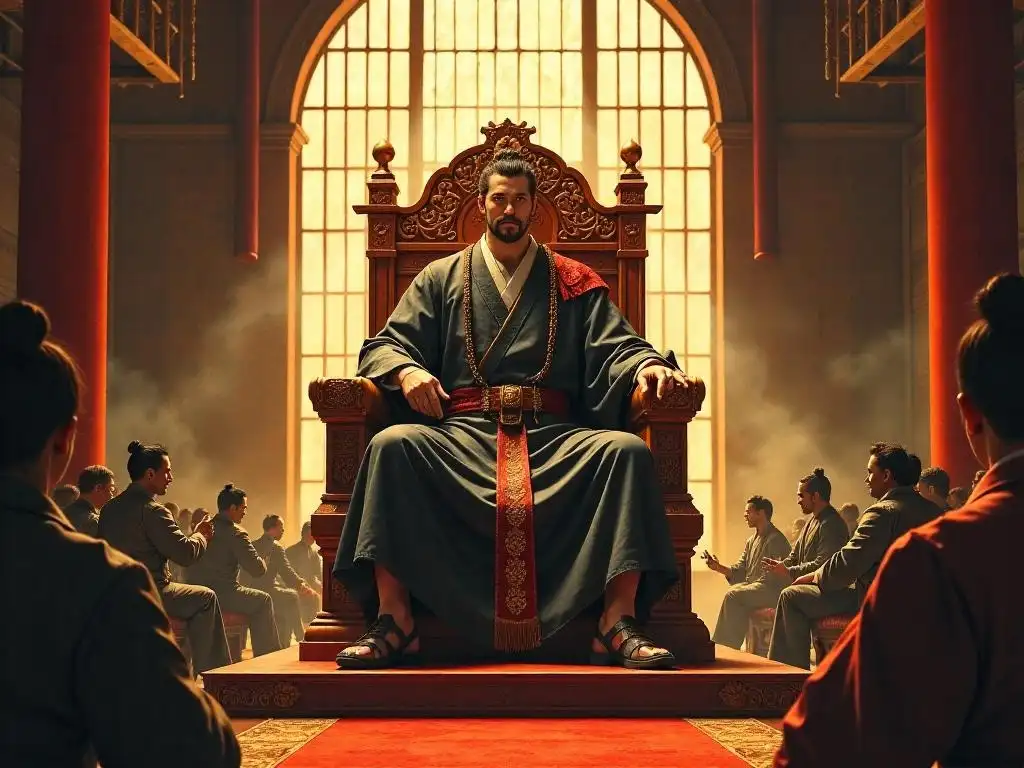
Welcome to Feudal Japan History, where we invite you to embark on a fascinating journey through the intricate tapestry of Japan’s feudal era. In our featured article, “The Shogunate’s Relationship with the Imperial Court: A Balancing Act,” we delve into the Shogunate Imperial Court dynamics that shaped political power and societal structures during this transformative period.
What forces held sway, and how did these two powerful entities navigate their often tumultuous relationship? Join us as we uncover the layers of history, culture, and politics that define this captivating era, sparking your curiosity to explore further into the depths of Japan’s past.
Introduction to Shogunate Imperial Court Dynamics
In the intricate tapestry of Japan's feudal history, the relationship between the Shogunate and the Imperial Court stands out as a pivotal theme. This dynamic not only influenced the political landscape of the time but also shaped the cultural and societal structures that defined the era. Understanding the Shogunate Imperial Court dynamics is essential to comprehending how power was negotiated and contested during this period, particularly in the context of the Kamakura Shogunate. This article delves into the nuances of this relationship, exploring the balance of power, authority, and legitimacy that characterized the governance of feudal Japan.
Overview of the Shogunate and Imperial Court in Feudal Japan
The Shogunate and the Imperial Court were two central authorities in feudal Japan, each embodying distinct forms of governance and societal control. The Shogunate, led by the shōgun, wielded military power and ruled through a network of feudal lords known as daimyōs. In contrast, the Imperial Court, centered around the emperor, held traditional and ceremonial authority, representing the divine right to rule.
This complex relationship can be summarized as follows:
- Shogunate:
- Military authority and governance
- Control over land and samurai
- Focused on stability and security
- Imperial Court:
- Ceremonial and cultural authority
- Symbol of unity and tradition
- Influenced by ancient customs and rituals
Both entities were interdependent, with the Shogunate often relying on the legitimacy granted by the Imperial Court, while the Court needed the Shogunate's military power to maintain peace and order.
Importance of Studying Shogunate Imperial Court Dynamics
Understanding the dynamics between the Shogunate and the Imperial Court is crucial for multiple reasons:
- Political Insights: It reveals how power was negotiated, contested, and legitimized during the Kamakura period.
- Cultural Understanding: The interplay between these institutions influenced art, literature, and societal norms.
- Historical Lessons: Analyzing past governance structures can inform contemporary political discourse and governance models.
This exploration helps to shed light on how these two powerful institutions shaped Japan's historical trajectory and societal framework.
Historical Context of the Shogunate and Imperial Court
To fully appreciate the relationship between the Shogunate and the Imperial Court, it is essential to delve into the historical context that shaped their interactions.
The Rise of the Kamakura Shogunate
The Kamakura Shogunate, established in 1192, marked a significant shift in Japan's political landscape. Following the Genpei War, which culminated in the victory of the Minamoto clan, Minamoto no Yoritomo became the first shōgun, thereby creating a military government that would dominate Japan for over a century. This period saw the decentralization of power from the Imperial Court to the shōgunate, fundamentally altering the balance of authority.
The Role of the Imperial Court Before the Shogunate
Prior to the rise of the Shogunate, the Imperial Court held significant power during the Heian period (794-1185). The emperor was viewed as a divine figure, and the court was a center of culture and politics. However, as powerful clans emerged and warlords gained influence, the court's authority began to wane, leading to a power vacuum that the Shogunate would later fill.
Key Historical Events Shaping Shogunate-Imperial Relations
Several key events shaped the dynamics between the Shogunate and the Imperial Court:
- The Genpei War (1180-1185): This conflict underscored the decline of court authority and the rise of military power.
- The Establishment of the Shogunate (1192): Marked the formal transition of power to military leaders.
- The Mongol Invasions (1274 and 1281): The Shogunate's successful defense against these invasions bolstered its legitimacy, further complicating its relationship with the Imperial Court.
These events are critical for understanding the evolving power dynamics and the intricate balancing act that defined the relationship between the Shogunate and the Imperial Court throughout feudal Japan's history.
The Nature of the Shogunate-Imperial Court Relationship
The relationship between the Shogunate and the Imperial Court was characterized by a complex interplay of power, authority, and tradition throughout the Kamakura Period (1185-1333). While the Shogunate held military and administrative power, the Imperial Court maintained a symbolic and cultural significance that persisted even as political authority shifted. This dynamic was rooted in the historical context of feudal Japan, where the Emperor was viewed as a divine figure, yet the real governing power resided with the military leaders, or shōguns.
This relationship can best be understood as a balancing act. The Shogunate needed the legitimacy that the Imperial Court provided, while the Court relied on the Shogunate for military protection and governance. As a result, both entities navigated a delicate dance of cooperation and competition, where mutual dependency shaped their interactions.
Power Dynamics: Authority and Influence
The power dynamics between the Shogunate and the Imperial Court were marked by a clear distinction in authority and influence. The Shogunate, led by the shōgun, exercised de facto control over the military and economic resources of the state, establishing a governance structure that overshadowed the traditional authority of the Emperor. In contrast, the Imperial Court, although stripped of actual power, wielded significant influence over cultural and religious practices, which were vital for maintaining social order and legitimacy.
The shōgun often sought to reinforce their position by securing the Emperor's endorsement, thereby legitimizing their rule. For instance, the issuance of imperial decrees or titles could bolster a shōgun's standing among the samurai and the populace. Conversely, the Imperial Court relied on the shōgun for protection against internal and external threats, creating a symbiotic yet contentious relationship where authority was both contested and reaffirmed.
The Concept of Dual Authority in Feudal Japan
The concept of dual authority in feudal Japan refers to the coexisting powers of the Shogunate and the Imperial Court. This framework allowed for a unique governance model where the shōguns acted as the practical rulers while the Emperor retained a ceremonial role. The dual authority structure facilitated a form of governance that respected traditional hierarchies while adapting to the realities of military power.
This dual authority was not without its challenges. Tensions often arose from the differing interests of the two entities. For example, the shōgun's military expeditions could clash with the Emperor's desire for peace and stability, leading to friction in their relationship. However, this dynamic also fostered a degree of collaboration, as both parties recognized their interdependence in maintaining the social fabric of feudal Japan.
Case Studies of Notable Shogunate-Imperial Interactions
Several case studies illustrate the intricate interactions between the Shogunate and the Imperial Court throughout the Kamakura Period. One notable example is the event surrounding the Genpei War (1180-1185), which ultimately led to the establishment of the Kamakura Shogunate. The conflict highlighted the shifting power dynamics, as the Minamoto clan sought the Emperor's support to legitimize their claim to power while simultaneously usurping authority from the court.
Another significant interaction occurred during the reign of the first shōgun, Minamoto no Yoritomo. He skillfully navigated the political landscape by aligning himself with the Imperial Court, receiving formal recognition from Emperor Go-Shirakawa, which solidified his position. This alliance was crucial for Yoritomo, as it provided both legitimacy and a framework for governance that balanced military strength with imperial authority.
Mechanisms of Governance in the Shogunate-Imperial Court Relationship
The governance mechanisms employed by the Shogunate and the Imperial Court were essential to maintaining their relationship. These mechanisms included administrative structures, diplomatic relations, and conflict resolution strategies that sought to balance power and cooperation.
Administrative Structures: Shogunate vs. Imperial Court
The administrative structures of the Shogunate and the Imperial Court were fundamentally different, reflecting their respective roles in governance. The Shogunate operated through a network of military governors known as "shugo," who oversaw local territories and enforced the shōgun's laws. This hierarchical structure allowed for swift military responses and effective governance, emphasizing the shōgun's authority.
In contrast, the Imperial Court maintained a more traditional bureaucratic system focused on civil administration, culture, and ceremonial duties. The court comprised various ranks and positions, including nobles and aristocrats, who facilitated the Emperor's influence over cultural and religious practices. While the court had limited political power, its structure played a crucial role in preserving the social order and imperial traditions.
Diplomatic Relations: Formal and Informal Channels
Diplomatic relations between the Shogunate and the Imperial Court were facilitated through both formal and informal channels. Formal channels included the issuance of official decrees, titles, and commendations, which were essential for legitimizing the shōgun's authority. These interactions often occurred during court ceremonies or important events, reinforcing the bond between the two entities.
Informal channels, such as personal relationships and alliances among noble families, also played a significant role in shaping their dynamics. Marriages between members of the samurai class and the imperial family served to strengthen ties, fostering cooperation and mutual support. These informal relationships often acted as buffers during times of tension, allowing both parties to navigate conflicts more effectively.
Conflict Resolution: Balancing Power and Cooperation
Conflict resolution between the Shogunate and the Imperial Court was critical to maintaining stability in feudal Japan. When tensions arose, both entities employed various strategies to balance power and cooperation. Dialogue and negotiation were essential tools, as shōguns often sought to appease the court by addressing its concerns while asserting their authority.
In some cases, the shōgun would concede to certain demands from the Imperial Court to maintain harmony, recognizing that a stable relationship was vital for governance. Additionally, ceremonial events provided opportunities for reconciliation, allowing both parties to publicly reaffirm their commitment to cooperation and shared governance.
Through these mechanisms, the Shogunate and the Imperial Court managed to maintain a fragile equilibrium that characterized their relationship during the Kamakura Period, demonstrating the complexities of power dynamics in feudal Japan.
Cultural Impacts of Shogunate-Imperial Court Dynamics
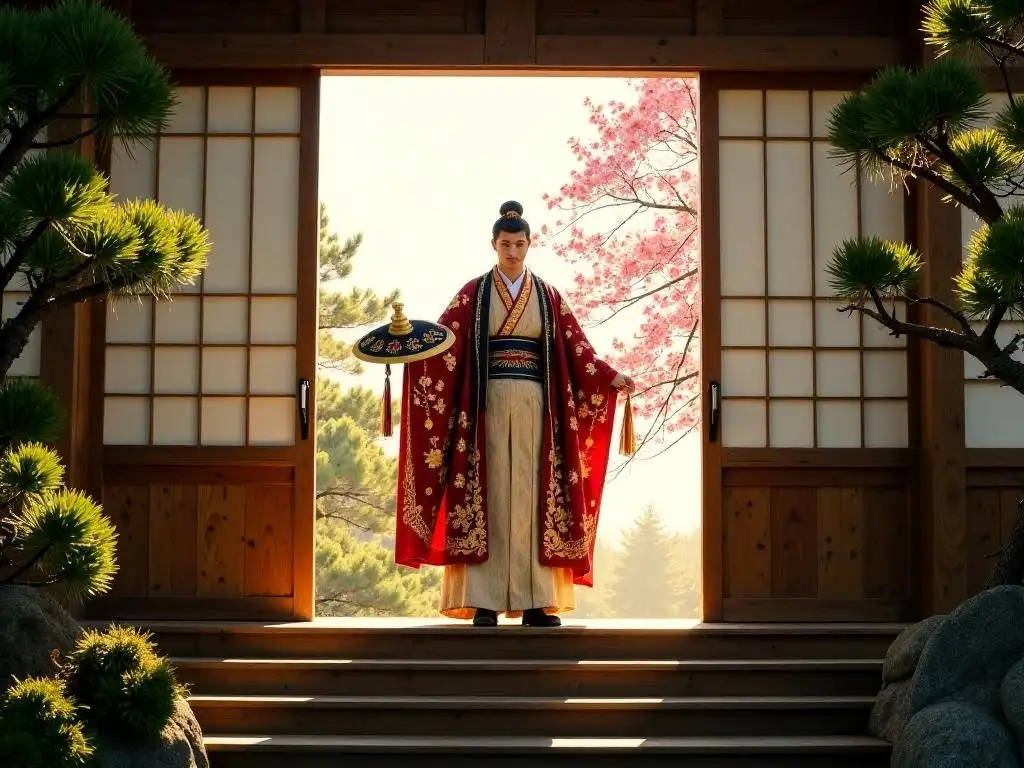
The relationship between the Shogunate and the Imperial Court significantly influenced the cultural landscape of Japan during the Kamakura Period (1185–1333). This era witnessed a unique blend of military governance and traditional court culture, which shaped various aspects of art, literature, and religious practices. The shoguns, while primarily focused on military and political power, were also patrons of culture, often drawing inspiration from the Imperial Court. This interaction led to a flourishing of cultural expressions that reflected the complexities of their relationship.
The tension and cooperation between these two powers fostered a rich cultural dialogue, where samurai ideals began to integrate with courtly aesthetics. The emergence of new artistic forms, such as the Noh theater and ink wash painting, can be traced back to this dynamic. The cultural impacts were profound, as they laid the groundwork for future artistic movements and established a legacy that would influence Japanese society for centuries.
Influence on Art and Literature During the Kamakura Period
Art and literature during the Kamakura Period were deeply intertwined with the political realities of the time. The Shogunate's authority often overshadowed the Imperial Court, yet both entities contributed to the cultural fabric of Japan. Samurai culture began to emerge as a dominant theme in literature, with epic tales like The Tale of the Heike reflecting the values of loyalty, honor, and the warrior ethos. This shift marked a departure from the courtly literature of the Heian Period, which focused more on romance and courtly intrigue.
In visual arts, the patronage of the Shogunate brought about innovative styles that incorporated militaristic themes alongside traditional motifs. The development of sumi-e (ink wash painting) and the popularity of Mandala art also reflected the merging of samurai and courtly aesthetics. The tension between the Shogunate and the Imperial Court, while sometimes adversarial, ultimately led to a vibrant cultural synthesis that enriched Japanese artistic heritage.
Religious Factors Affecting Shogunate and Imperial Relations
Religion played a critical role in shaping the dynamics between the Shogunate and the Imperial Court. The Kamakura Period saw the rise of new Buddhist sects, such as Pure Land and Zen Buddhism, which appealed to the samurai class. The Shogunate recognized the power of these religious movements and often sought to align itself with them to legitimize its rule and gain popular support.
The Imperial Court, on the other hand, maintained its ties to Shinto traditions and the ancestral worship of the emperors. This duality created a complex interplay between the two powers, as both sought to assert their influence through religious authority. The blending of Shinto and Buddhist practices often facilitated a form of cooperation, but it also led to ideological conflicts that complicated their relationship. Ultimately, religious factors not only shaped governance but also influenced cultural expressions, reflecting the ongoing negotiations between the Shogunate and the Imperial Court.
The Role of Samurai Culture in Governance and Society
Samurai culture was a cornerstone of governance during the Kamakura Period, directly influencing the relationship between the Shogunate and the Imperial Court. The samurai class, as the military backbone of the Shogunate, held significant power and their ethos of loyalty and honor became integral to the political landscape. This warrior culture emphasized the importance of duty, which was often expressed through a strong allegiance to one's lord, thereby reinforcing the Shogunate's authority.
Moreover, samurai values permeated societal norms, affecting everything from legal systems to family structures. The emphasis on martial prowess and loyalty contributed to a hierarchical society where the samurai class was revered. As a result, the Shogunate often sought to project its legitimacy through samurai culture, while the Imperial Court adapted to these changes, incorporating aspects of samurai values into its own governance. This symbiotic relationship not only shaped political dynamics but also left a lasting legacy on Japanese culture and social organization.
Case Studies of Key Figures in Shogunate-Imperial Relations
Prominent Shoguns and Their Relationship with the Imperial Court
Throughout the Kamakura Period, several prominent shoguns played pivotal roles in shaping the relationship with the Imperial Court. Minamoto no Yoritomo, the founder of the Kamakura Shogunate, established a framework for governance that balanced military power with the ceremonial authority of the emperor. His pragmatic approach allowed for a degree of cooperation with the court, despite the overarching military dominance.
Another significant figure was Ashikaga Takauji, whose ascension to power marked a shift in the dynamics of governance. While he initially sought to align himself with the Imperial Court, his later actions often contradicted this, leading to a more contentious relationship. These examples illustrate how individual shoguns influenced the broader political landscape, navigating the delicate balance between asserting military authority and respecting Imperial traditions.
The Role of Emperors in Shaping Shogunate Policies
The emperors during the Kamakura Period, although often relegated to a symbolic role, had significant influence over shogunate policies. Emperors like Go-Toba attempted to reclaim power by asserting their authority through political maneuvering and alliances. The struggle for power culminated in events such as the Genko War, where Go-Toba's resistance against the shogunate exemplified the continuing tension between these two institutions.
Additionally, the emperors often leveraged their religious authority to gain popular support against the shogunate. This dynamic highlights the complex interplay of power, as the emperors sought to maintain relevance in a time dominated by military leaders. Their influence, while sometimes indirect, shaped the policies and actions of the shogunate, demonstrating the enduring significance of the Imperial Court in Japan's governance.
Analysis of Specific Events Illustrating the Balancing Act
Several key events during the Kamakura Period underscore the intricate balancing act between the Shogunate and the Imperial Court. One such event was the Jōkyū War (1221), where Emperor Go-Toba attempted to regain power by challenging the shogunate militarily. This conflict not only highlighted the tensions between the two authorities but also resulted in the shogunate solidifying its control over the empire, emphasizing the military's dominance.
Another pivotal moment was the Mongol invasions in the late 13th century. The Shogunate's success in repelling these invasions, often attributed to divine intervention through the kami, allowed it to bolster its legitimacy and further diminish the Imperial Court's influence. This event demonstrated how external threats could alter the balance of power and reaffirm the shogunate's role as the protector of the realm.
These events illustrate the complexities of shogunate-imperial relations, showcasing how both powers navigated challenges to maintain their respective authorities while responding to the evolving political landscape of feudal Japan.
Conclusion: The Legacy of Shogunate Imperial Court Dynamics
The relationship between the Shogunate and the Imperial Court during Japan's feudal era, particularly in the Kamakura period, was marked by a delicate balance of power, respect, and conflict. This dynamic shaped not only the governance of the time but also the broader historical narrative of Japan. The Shogunate’s ability to maintain military control while recognizing the symbolic authority of the Imperial Court forged a unique political landscape that would influence subsequent governance structures in Japan.
The interplay of military and aristocratic powers established a precedent that underscored the complexities of Japanese political history, revealing how authority could be both asserted and shared. Ultimately, the legacy of these interactions laid the groundwork for future political developments, impacting the evolution of governance in Japan well beyond the Kamakura period.
Summary of Key Points on Shogunate and Imperial Court Interactions
- Dual Authority: The Shogunate and the Imperial Court represented two different forms of authority: military and ceremonial. While the Shogunate held de facto power, the Imperial Court maintained an essential cultural and spiritual significance.
- Mutual Dependence: Both entities relied on each other for legitimacy. The Shogunate needed the Imperial Court's endorsement to validate its rule, while the court depended on the military for protection and governance.
- Conflict and Cooperation: Tensions occasionally arose, exemplified by power struggles and conflicting interests. However, periods of cooperation also emerged, particularly in matters of governance and cultural patronage.
- Cultural Exchange: The interactions between the Shogunate and the Imperial Court facilitated cultural exchange, influencing art, literature, and religious practices during the Kamakura period.
The Long-Term Effects of Their Relationship on Japanese Governance
The relationship between the Shogunate and the Imperial Court had profound long-term effects on Japanese governance. Firstly, it established a precedent for the duality of power that characterized Japanese politics for centuries, influencing the governance structures of later periods, including the Ashikaga and Tokugawa shogunates. The balance of power also contributed to the development of a unique political culture where military leaders wielded real power while courts maintained ceremonial roles. This dynamic would continue into the Edo period, where the Shogunate further centralized power while still acknowledging the Emperor's symbolic status.
Additionally, the interactions between these two political entities fostered a sense of identity and continuity within Japan's governance system. The Shogunate's respect for the Imperial Court's traditions and rituals helped in legitimizing its authority and integrating various social classes into the governance framework. This legacy of shared yet contested authority has remained a significant feature of Japan's political landscape, influencing how power dynamics function in modern governance.
Further Reading and Resources
Recommended Books and Articles on Shogunate Imperial Court Dynamics
- "Japan: A History" by John Keay: This comprehensive work provides insights into the political dynamics of Japan, including the powerful roles of the Shogunate and Imperial Court.
- "The Kamakura Period: A Historical Overview" by Tetsuo Najita: This book explores the specific events and changes during the Kamakura period, detailing the Shogunate's rise and its relationship with the court.
- "Warriors of Japan as Portrayed in the War Tales" by Paul Varley: This text examines the cultural narratives surrounding the samurai and the Shogunate, offering a nuanced view of their interactions with the Imperial Court.
Online Resources for Exploring Feudal Japan's Political History
- National Diet Library of Japan: Offers a plethora of resources, including historical documents and academic papers on feudal Japan's governance.
- The Japanese Historical Society: A platform that hosts articles, papers, and discussions about various aspects of Japan's history, including Shogunate and Imperial Court dynamics.
- Japan's Cultural Heritage: This website provides access to various multimedia resources and articles focusing on the political history and cultural exchanges during the feudal era.
- Introduction to Shogunate Imperial Court Dynamics
- Historical Context of the Shogunate and Imperial Court
- The Nature of the Shogunate-Imperial Court Relationship
- Mechanisms of Governance in the Shogunate-Imperial Court Relationship
- Cultural Impacts of Shogunate-Imperial Court Dynamics
- Case Studies of Key Figures in Shogunate-Imperial Relations
- Conclusion: The Legacy of Shogunate Imperial Court Dynamics
- Further Reading and Resources
- What was the primary role of the Shogunate in feudal Japan?
- How did the Imperial Court influence the Shogunate?
- What were the main challenges in the Shogunate Imperial Court dynamics?
- How did cultural aspects impact the relationship between the Shogunate and the Imperial Court?
- What were the long-term effects of the Shogunate Imperial Court dynamics on Japan?
Frequently Asked Questions
What was the primary role of the Shogunate in feudal Japan?
The Shogunate was a military government that held political power, while the Imperial Court retained ceremonial and religious authority. This created a unique balance of power within feudal Japan.
How did the Imperial Court influence the Shogunate?
The Imperial Court provided legitimacy to the Shogunate by granting titles and honors. This relationship was crucial for the Shogunate's stability and acceptance among the populace.
What were the main challenges in the Shogunate Imperial Court dynamics?
The Shogunate often faced challenges such as power struggles, differing priorities, and occasional rebellions from factions within the Imperial Court that sought to regain political control.
How did cultural aspects impact the relationship between the Shogunate and the Imperial Court?
Cultural exchanges, such as art, literature, and ceremony, played a significant role in fostering mutual respect, even amidst political tensions. Both institutions influenced Japanese identity during the feudal era.
What were the long-term effects of the Shogunate Imperial Court dynamics on Japan?
The interaction between the Shogunate and Imperial Court set the stage for Japan's modernization and eventual restoration of imperial power, shaping the country's historical trajectory well into the 19th century.
The intricate relationship between the Shogunate and the Imperial Court remains profoundly relevant today, as it exemplifies the delicate balance of power that can shape a nation’s identity and governance. In an era where political structures continue to evolve, understanding the dynamics of historical power plays provides invaluable insights into contemporary governance and societal organization. The Shogunate's ability to maintain authority while respecting the traditions of the Imperial Court serves as a reminder of the complexities inherent in leadership and the necessity of compromise.
Culture and social structures are often influenced by historical precedents, and the Shogunate-Imperial Court dynamics are no exception. The interplay between these two entities not only defined Japan's political landscape but also enriched its cultural heritage, fostering a unique blend of tradition and innovation. As historian John W. Hall aptly stated, The past is not a dead thing, but a living presence that continues to shape our identities and aspirations.
This observation underscores the ongoing relevance of the Shogunate's relationship with the Imperial Court, as it informs our understanding of authority, loyalty, and the pursuit of harmony in society.
As we reflect on the lessons from this historical relationship, let us consider how we can apply these insights to our own lives and communities. In a world where collaboration and understanding are more critical than ever, we are invited to engage in our own balancing acts—between tradition and progress, authority and autonomy. Embrace the complexities of your relationships and strive for harmony in your interactions, recognizing that the dynamics we navigate today can shape the future we create together.
Unveil the Secrets of Power: Engage with History Today!
Thank you for diving into the intricate relationship between the Shogunate and the Imperial Court. Your interest in this fascinating period of Feudal Japan not only enriches your understanding but also connects you with the threads that shaped history. Now, let’s take that knowledge and turn it into action!
- Explore further: Delve deeper into the lives of key figures from the Shogunate era by reading our comprehensive articles on influential leaders and significant battles.
- Share your insights: Join our community forum to discuss your thoughts on the Shogunate's balance of power. Engaging with others can open up new perspectives!
- Revisit the past: Consider visiting a local museum or historical site that showcases artifacts from this period—and we would love to hear about your discoveries!
What aspect of the Shogunate’s relationship with the Imperial Court intrigues you the most, and how do you believe it has influenced modern Japan?