
The Role of Public Works in Strengthening Kamakura Authority


Welcome to Feudal Japan History! Immerse yourself in the captivating world of Japan's feudal era, where power dynamics, cultural richness, and societal evolution intertwine. In our latest article, we delve into the impact of Kamakura public works, uncovering how these initiatives not only transformed the landscape but also fortified the authority of the Kamakura shogunate. What hidden stories lie behind these monumental projects? Join us as we explore the intricate web of political history and discover the profound legacy of this pivotal time. Your journey into the depths of feudal Japan begins here!
- Introduction to Kamakura Public Works Impact
- Historical Context of Public Works in Kamakura
- Case Studies of Notable Public Works in Kamakura
- Challenges Faced in Implementing Public Works
- The Long-Term Impact of Kamakura Public Works
- Conclusion
-
Frequently Asked Questions
- What were the main public works during the Kamakura period?
- How did public works contribute to the Kamakura authority?
- What was the impact of public works on societal structure during this era?
- Were there any cultural aspects tied to Kamakura public works?
- How did public works affect economic development in the Kamakura period?
- Final Reflection: The Enduring Impact of Kamakura Public Works on Authority and Community
- Embrace Your Role in Kamakura's Legacy!
Introduction to Kamakura Public Works Impact
The Kamakura period (1185-1333) is a pivotal era in Japanese history, marked by the establishment of the first shogunate and a significant shift in governance and societal structure. During this time, the Kamakura shogunate not only focused on military power but also on developing a robust administrative framework to solidify its authority. One of the less-discussed yet crucial aspects of this governance was the role of public works.
These initiatives encompassed the construction and maintenance of infrastructure, such as roads, temples, and irrigation systems, which were instrumental in promoting stability and reinforcing the shogunate's control over the region. This article delves into the profound impact of public works on the authority of the Kamakura shogunate, exploring how these projects facilitated governance and contributed to the socio-economic landscape of feudal Japan.
Overview of Kamakura Period Governance
The governance of the Kamakura period represented a significant departure from the previous imperial rule. Under the leadership of Minamoto no Yoritomo, the shogunate implemented a new political structure that emphasized military authority and regional autonomy. The creation of the shikken, or regents, and the establishment of the samurai class as the ruling elite transformed the political landscape.
Key features of Kamakura governance included:
- Decentralization of Power: The shogunate distributed authority to regional lords (daimyō) who governed their territories, maintaining loyalty through a system of vassalage and land grants.
- Legal Reforms: The introduction of the Gon no Taira, a legal code, aimed to codify laws and ensure justice within the shogunate’s jurisdiction.
- Military Focus: The governance was heavily influenced by military needs, with policies designed to support and expand the samurai class, ensuring their loyalty to the shogunate.
These elements collectively established a framework that allowed the Kamakura shogunate to maintain order and exert control over a fragmented Japan, setting the stage for public works initiatives that would further solidify this authority.
Importance of Public Works in Feudal Japan
Public works during the Kamakura period played an essential role in enhancing the effectiveness and reach of the shogunate's governance. The construction of infrastructure not only improved communication and trade but also served as a means for the shogunate to project power and legitimacy across the region. Key aspects of public works include:
- Infrastructure Development: Roads and bridges facilitated the movement of troops and resources, essential for maintaining order and responding to threats.
- Civic Projects: Temples and shrines were constructed not only to serve religious purposes but also to symbolize the shogunate's commitment to the spiritual welfare of the populace, thereby reinforcing its legitimacy.
- Irrigation and Agriculture: Investments in agricultural infrastructure improved food production and supported local economies, which were crucial for the sustenance of the samurai and their retainers.
The impact of public works on the Kamakura shogunate was profound, intertwining with the governance structure to create a stable and resilient society during a transformative period in Japanese history.
Historical Context of Public Works in Kamakura
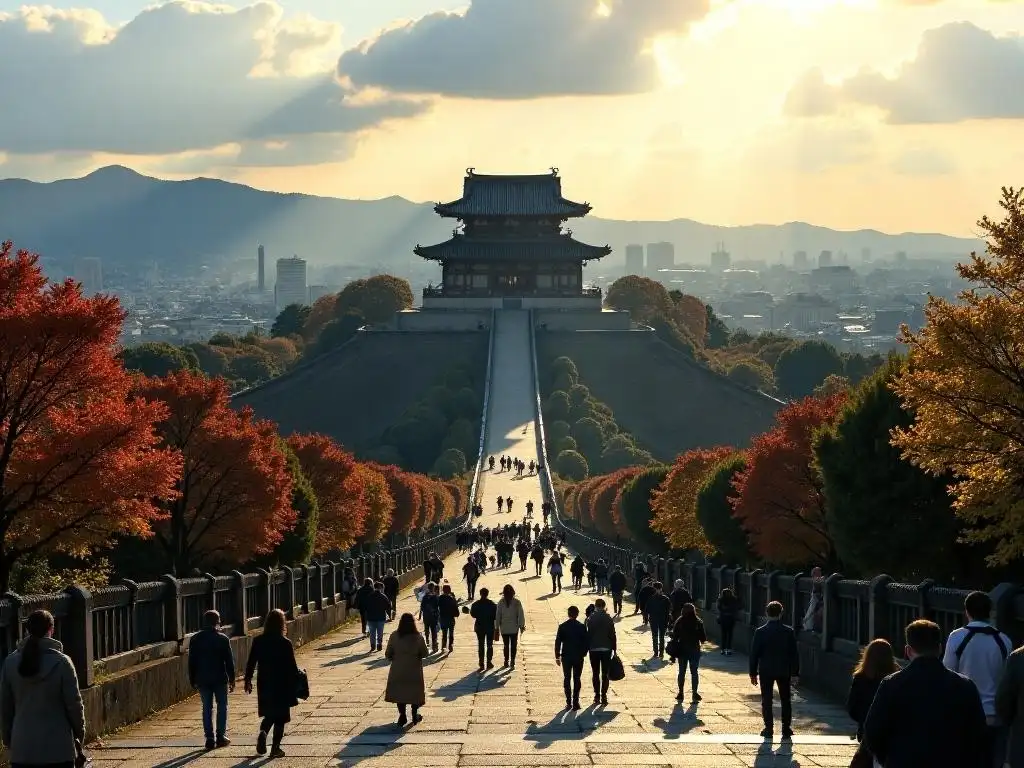
The Kamakura period (1185-1333) marked a significant transformation in Japan's political landscape, as it transitioned from imperial rule to a feudal system led by military leaders known as shoguns. The establishment of the Kamakura Shogunate by Minamoto no Yoritomo brought forth a new governance structure that emphasized military strength and territorial control. Within this context, public works played a crucial role in cementing the authority of the shogunate and enhancing the overall stability of the region.
During this era, Japan faced numerous challenges, including natural disasters, warfare, and the need for efficient resource management. The Kamakura government recognized that effective infrastructure could mitigate these challenges, promote economic growth, and strengthen its grip on power. As such, public works became a vehicle for demonstrating the shogunate's capability to govern and provide for its people.
Moreover, the shogunate's ability to mobilize resources for public works projects illustrated its authority and legitimacy. By investing in infrastructure that served the common good, the Kamakura Shogunate aimed to foster loyalty among its subjects and ensure their well-being, thereby reinforcing its political power.
Development of Infrastructure during the Kamakura Era
The development of infrastructure during the Kamakura period was multifaceted, encompassing various projects that aimed to improve transportation, communication, and public safety. Key areas of focus included roads, irrigation systems, and fortifications, each playing a vital role in the shogunate's governance strategy.
- Road Construction: The establishment of reliable road networks facilitated the movement of troops and goods throughout Japan. Major routes, such as the Kamakura Highway, connected important urban centers and improved access to remote regions. This not only enhanced military logistics but also promoted trade and commerce, contributing to the economic stability of the shogunate.
- Irrigation Systems: Agriculture was the backbone of the Kamakura economy, and the shogunate invested in irrigation systems to boost crop yields. Effective water management allowed farmers to cultivate larger areas, leading to increased food production. Such improvements not only supported local economies but also reduced the risk of famine, a critical concern during this tumultuous period.
- Fortifications: The Kamakura Shogunate also recognized the importance of fortifications for both defense and demonstrating authority. The construction of castles and fortified towns served as military strongholds and symbols of shogunal power. These structures often housed local officials and acted as administrative centers, further solidifying the shogunate's control over its territories.
Key Public Works Projects Initiated by the Kamakura Shogunate
Several notable public works projects exemplified the Kamakura Shogunate's commitment to infrastructure development. These initiatives not only addressed immediate needs but also left a lasting impact on the region's governance and society.
- The Tōkaidō Road: As a major route connecting Kyoto to Kamakura, the Tōkaidō Road was vital for facilitating trade and troop movements. Its improvement included the construction of post stations that provided lodging and supplies for travelers, thereby boosting commerce and communication between the shogunate and the imperial court.
- The Hōjō Irrigation Project: Under the leadership of the Hōjō family, who succeeded the Minamoto, extensive irrigation systems were developed in the Kanto region. These projects significantly increased agricultural output and contributed to the prosperity of the shogunate's domain.
- The Kamakura Daibutsu: The Great Buddha of Kamakura, completed in the early 13th century, was not just a religious landmark but also a public works project that showcased the shogunate's power and cultural influence. It drew pilgrims and tourists, fostering economic activity in the region while strengthening the shogunate's image as a protector of Buddhism.
The Kamakura public works impact was profound, as infrastructure development was not simply about physical construction; it was a strategic tool employed by the shogunate to reinforce its authority, promote economic stability, and foster loyalty among its subjects. These initiatives laid the groundwork for future governance and infrastructure in Japan, shaping the nation's historical trajectory.
The Kamakura period (1185-1333) marked a significant shift in Japanese governance as the first shogunate emerged, reshaping the political landscape of the country. One of the crucial strategies employed by the Kamakura shogunate to consolidate power was the implementation of public works. These initiatives not only reinforced the authority of the shogunate but also fostered economic growth, military readiness, and social cohesion, shaping the very fabric of society during this era.
Enhancing Military Readiness through Infrastructure
Public works during the Kamakura period were pivotal in enhancing military readiness. The shogunate recognized that efficient transportation systems, such as roads and bridges, were vital for swiftly mobilizing troops across the archipelago.
- Road Construction: The establishment of the Tōkaidō road, which connected the capital of Kamakura to Kyoto, exemplifies this emphasis on military logistics. This route allowed for the rapid movement of soldiers and supplies, crucial during conflicts.
- Fortifications: In addition to roads, the Kamakura shogunate invested in castle construction and fortifications. These structures served dual purposes: acting as defensive strongholds and as symbols of shogunal power. Notable examples include the Kamakura Great Buddha, which not only represented spiritual strength but also marked the region's military significance.
The strategic placement of these infrastructures not only facilitated military operations but also deterred potential uprisings by showcasing the shogunate's ability to project power across its territories.
Economic Growth and Trade Facilitation
The economic implications of public works were equally profound. By improving infrastructure, the Kamakura shogunate stimulated trade and commerce, which were essential for maintaining the loyalty of regional lords.
- Market Centers: The development of roads and bridges led to the rise of market towns along these routes. These hubs became vital for trade, allowing for the exchange of goods such as rice, textiles, and ceramics. The growth of these markets contributed to local economies and strengthened the shogunate's control over trade networks.
- Agricultural Development: Public works also included the construction of irrigation systems and improved field drainage, which enhanced agricultural productivity. Increased agricultural output not only supported the population but also provided the necessary tax revenues to fund the shogunate's military and administrative expenses.
The interplay between infrastructure and economic activity showcased the Kamakura shogunate's ability to create a robust economy, which in turn reinforced its authority and stability.
Beyond military and economic advantages, public works fostered social cohesion and community development, further entrenching the Kamakura authority within society.
- Community Infrastructure: The establishment of public facilities, such as temples and shrines, served as community centers. These structures not only provided spiritual guidance but also functioned as places for communal gatherings, reinforcing social bonds among the populace.
- Civic Responsibility: The construction and maintenance of public works often involved local communities, instilling a sense of civic responsibility and loyalty to the shogunate. This participation created a shared identity among the people, which was crucial for maintaining order and stability during a time of political transition.
In essence, the public works initiatives during the Kamakura period were instrumental in weaving together the threads of military readiness, economic vitality, and social unity, thereby strengthening the authority of the shogunate in a transformative era of Japanese history. By investing in infrastructure, the Kamakura shogunate not only solidified its power but also laid the groundwork for the future governance of Japan.
Case Studies of Notable Public Works in Kamakura

The Kamakura period (1185-1333) marked a significant transformation in Japan's governance and infrastructure, primarily through the implementation of public works. These initiatives were instrumental in consolidating the authority of the Kamakura shogunate, enhancing economic stability, and fostering social cohesion. Below are detailed analyses of key public works that had a profound impact on the Kamakura regime.
The Construction of Roads and Highways
The establishment of an extensive network of roads and highways was crucial for the Kamakura shogunate, facilitating movement and communication across the archipelago.
- Key Routes: Notable roads such as the Tōkaidō and Nakasendō were constructed during this era, linking the capital of Kamakura with other vital regions. The Tōkaidō, running along the Pacific coast, was particularly significant for trade and military mobilization.
- Economic Impact: These routes allowed for the efficient transport of goods, including rice, textiles, and other commodities. The improved infrastructure directly contributed to the economic prosperity of the period, as merchants could travel more safely and quickly, enhancing trade relations.
- Military Logistics: The roads also played a strategic role in military logistics, enabling the shogunate to mobilize troops swiftly in response to internal uprisings or external threats, thereby reinforcing its power and control.
Overall, the construction of roads and highways was not merely an infrastructural endeavor; it was a strategic move that solidified Kamakura's authority and facilitated its governance.
Development of Ports and Trade Routes
The Kamakura period saw a remarkable expansion in maritime trade, catalyzed by the development of ports and trade routes.
- Significant Ports: Ports such as Kamakura and Hakata became bustling centers of commerce. The Kamakura port, in particular, was pivotal in connecting Japan with the Asian mainland, facilitating cultural and economic exchanges.
- Trade Expansion: The enhancement of maritime routes not only boosted trade in local goods but also introduced foreign products and ideas. This exchange played a critical role in the cultural evolution of Japan during the period.
- Strategic Defense: The development of these ports also served a defensive purpose. The shogunate could station military forces at strategic points, ensuring that maritime threats were effectively managed, thereby enhancing the security of the regime.
The development of ports and trade routes during the Kamakura period significantly impacted both the economy and the shogunate's political stability, demonstrating the interconnectedness of governance, trade, and defense.
Water Management Systems and Their Impact
Water management systems were another cornerstone of public works during the Kamakura period, addressing both agricultural needs and urban development.
- Irrigation Systems: The introduction of advanced irrigation techniques allowed for more efficient farming practices. This was particularly important in rice cultivation, which was the backbone of the Japanese economy. Improved irrigation increased agricultural yields, ensuring food security and stability.
- Urban Planning: In Kamakura, the layout of the city included careful planning of water sources and drainage systems. This attention to water management not only supported daily life but also reflected the shogunate's commitment to creating a sustainable urban environment.
- Public Health: Effective water management contributed to public health by reducing the risk of flooding and waterborne diseases. The shogunate’s investment in these systems highlighted its role in safeguarding the well-being of its citizens, thereby reinforcing its legitimacy and authority.
The impact of water management systems on agriculture, urban planning, and public health illustrates how the Kamakura shogunate utilized public works to enhance its governance and strengthen its authority during this transformative period in Japanese history.
Challenges Faced in Implementing Public Works
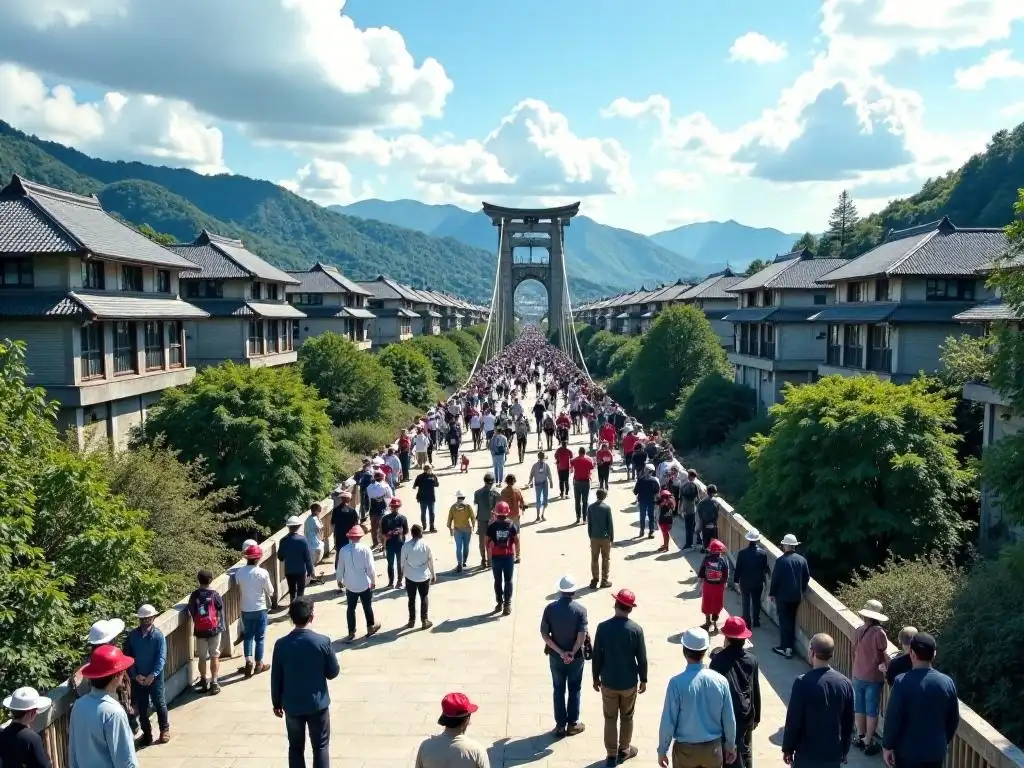
During the Kamakura period, the establishment of public works was pivotal in reinforcing the authority of the Kamakura shogunate. However, the implementation of these projects was fraught with challenges that hindered their effectiveness and efficiency. Understanding these obstacles is crucial for evaluating the overall impact of Kamakura public works on governance and societal structure.
Resource Allocation and Funding Issues
One of the primary challenges in executing public works projects during the Kamakura period was securing adequate resources and funding. The shogunate relied heavily on local lords (daimyō) to finance and manage public works, which often led to significant disparities in development across different regions.
- Taxation Strain: The financial burden placed on local populations through taxation was a contentious issue. Many villages struggled to meet tax demands, which were often redirected toward funding public works, such as road construction and irrigation systems. As a result, many projects faced delays or were inadequately funded.
- Economic Disparities: The economic disparities between wealthier and poorer regions exacerbated the difficulties in resource allocation. Wealthier regions could afford to invest in substantial public works, while poorer areas lagged behind, leading to uneven development and sometimes fostering resentment toward the shogunate.
- Natural Disasters: Frequent natural disasters, such as floods and earthquakes, compounded funding issues. Resources that could have been allocated for public works were often diverted to immediate disaster relief, leaving projects unfinished or abandoned.
To illustrate the impact of these resource allocation issues, consider the following table:
| Region | Project Type | Funding Status | Challenges Faced |
|---|---|---|---|
| Kanto | Road Construction | Partially Funded | Poor local taxation |
| Tōhoku | Irrigation Systems | Fully Funded | Natural disasters |
| Chūgoku | Temple Renovation | Abandoned | Local lord resistance |
Political Resistance and Local Governance
Political resistance from local leaders and governance structures posed another significant challenge to the implementation of public works. The Kamakura shogunate's authority was often contested by powerful daimyō, who had considerable autonomy over their territories.
- Autonomy of Local Lords: Many daimyō were reluctant to comply with the shogunate's directives, viewing them as infringements on their local authority. This resistance sometimes resulted in delayed or incomplete public works projects, as local leaders prioritized their agendas over shogunate initiatives.
- Conflicting Interests: The interests of local governance often conflicted with the overarching goals of the shogunate. For example, while the shogunate aimed to improve transportation networks to facilitate troop movements, local leaders might focus on projects that benefited their own estates, such as agricultural improvements or fortifications.
- Bureaucratic Inefficiencies: The lack of a centralized bureaucratic system to oversee public works further complicated matters. Each region operated with its own governance structure, leading to inconsistencies in project management and execution. This inefficiency often resulted in wasted resources and uncoordinated efforts.
The challenges faced in implementing public works during the Kamakura period were significant and multifaceted. Addressing issues related to resource allocation and political resistance was essential for maximizing the effectiveness of these projects and enhancing the authority of the Kamakura shogunate. Understanding these challenges provides valuable insight into the complex dynamics of governance during this transformative era in Japanese history.
The Long-Term Impact of Kamakura Public Works
Lasting Effects on Japanese Governance
The Kamakura period (1185-1333) marked a significant transition in Japan’s governance, where the establishment of public works played a crucial role in consolidating the authority of the Kamakura shogunate. These public works were not merely infrastructural projects; they were strategic instruments that reinforced the shogunate’s power and stability.
- Infrastructure Development: The construction of roads, bridges, and irrigation systems facilitated trade and communication across regions. This improved the flow of goods and information, enabling the shogunate to exert control over distant provinces. For instance, the Tōkaidō road, which connected Kyoto to Kamakura, became vital for military movement and administrative efficiency.
- Taxation and Resource Management: Public works projects often required significant resources, which were sourced from local populations through taxation. The implementation of these projects allowed the Kamakura shogunate to establish a more systematic approach to resource management. This structured taxation system not only funded public works but also ensured loyalty from local leaders who benefited from improved infrastructure.
- Societal Cohesion: By involving local communities in the construction and maintenance of public works, the Kamakura shogunate fostered a sense of shared purpose and civic responsibility. This engagement helped to legitimize the authority of the shogunate, as local leaders and the populace perceived the benefits of their contributions. The shogunate’s emphasis on public works thus acted as a tool for societal cohesion, reinforcing loyalty among the samurai and commoners alike.
Influence on Later Historical Periods
The impact of Kamakura public works extended far beyond the period itself, influencing governance and societal structures in subsequent historical eras.
- Muromachi Period Developments: The foundations laid by Kamakura public works continued to resonate in the Muromachi period (1336-1573). The improved infrastructure established during the Kamakura era enabled the Ashikaga shogunate to maintain control over its territories. The rural roads and irrigation canals initially built during the Kamakura period were crucial for the agricultural economy, which underpinned the wealth of the Muromachi rulers.
- Edo Period Enhancements: As Japan transitioned to the Edo period (1603-1868), the legacy of Kamakura public works was evident in the extensive network of roads and waterways that facilitated trade and mobility. The Tōkaidō road evolved into a significant route for merchants and travelers, illustrating how earlier public works had lasting implications for economic development.
- Cultural and Historical Memory: The emphasis on public works during the Kamakura period cultivated a cultural memory that celebrated communal effort and infrastructure as pivotal to governance. This notion persisted through the centuries, influencing how subsequent leaders approached public projects as a means of securing authority and fostering national identity.
The Kamakura public works impact was thus not only a pillar of governance during its time but also a foundational element that shaped Japan's political landscape for generations to come. By investing in infrastructure, the Kamakura shogunate crafted a legacy that resonated deeply in the governance models of later periods, establishing a template for how public works could be leveraged for political stability and societal cohesion.
Conclusion
Summary of Kamakura Public Works Impact
The Kamakura Period (1185-1333) marked a significant transformation in Japan's governance, characterized by the establishment of the Kamakura shogunate. One of the key strategies employed by the Kamakura leaders to consolidate their authority was through the implementation of extensive public works. These initiatives not only improved infrastructure but also reinforced the shogunate's political power and social stability.
The impact of Kamakura public works can be categorized into several critical areas:
- Infrastructure Development: The construction of roads, bridges, and ports facilitated trade and communication across the archipelago, enhancing economic growth.
- Military Fortifications: The establishment of castles and defense structures helped secure the shogunate's power against rival clans, thereby solidifying Kamakura's control.
- Religious Structures: Temples and shrines were built to promote Buddhism and Shinto practices, fostering loyalty among the populace and integrating religious authority with political governance.
- Irrigation and Agriculture: Improved irrigation systems increased agricultural productivity, which was vital for supporting the growing population and providing resources for the samurai class.
These public works initiatives were not merely functional; they were also symbolic of the shogunate's commitment to the welfare of its subjects, thereby legitimizing its rule.
Reflection on Governance and Infrastructure Legacy in Feudal Japan
The legacy of Kamakura public works extends beyond the immediate benefits of infrastructure and military strength. It established a framework for governance that would influence subsequent periods in Japanese history. The emphasis on public works during this era reflects a broader understanding of governance that integrates societal needs with state authority.
Key reflections on this legacy include:
- Enhanced Local Governance: Local leaders and samurai were often tasked with overseeing public works, which empowered them and fostered a sense of responsibility toward their communities.
- Societal Cohesion: The development of communal projects helped unite disparate factions within society, creating a shared sense of identity and purpose that was crucial for maintaining order during turbulent times.
- Model for Future Administrations: The practices established during the Kamakura Period served as a model for later shogunates, particularly in terms of balancing military needs with civilian welfare.
- Cultural Integration: The incorporation of religious and cultural institutions into public works projects reflected a holistic approach to governance that recognized the importance of culture in political stability.
The impact of Kamakura public works significantly shaped the political landscape of feudal Japan, laying the groundwork for future governance models. The interplay between infrastructure development and political authority remains a pivotal aspect of understanding the Kamakura shogunate's enduring legacy.
Frequently Asked Questions
What were the main public works during the Kamakura period?
The Kamakura period saw significant public works, including the construction of roads, bridges, and temples. These developments helped improve transportation and communication across regions.
Public works played a critical role in consolidating Kamakura authority by enhancing administrative control and enabling the shogunate to assert its power over local governments through improved infrastructure.
What was the impact of public works on societal structure during this era?
The impact of public works on societal structure included the promotion of trade, the movement of people, and the establishment of regional identities, which reinforced the hierarchical system of feudal Japan.
Were there any cultural aspects tied to Kamakura public works?
Yes, the public works often reflected cultural values, as many temples and shrines were constructed, serving as centers for spiritual life and community activities, thus influencing social cohesion.
How did public works affect economic development in the Kamakura period?
Public works significantly boosted economic development by facilitating trade routes and enhancing agricultural productivity, leading to increased wealth and stability within the region.
The exploration of Kamakura public works impact reveals a profound connection between infrastructure and governance that resonates strongly in today's society. As we navigate the complexities of modern urban development, the lessons learned from Kamakura's historical emphasis on public works remind us that effective governance is not merely about authority but also about fostering community resilience and connectivity. The legacy of Kamakura serves as a striking reminder that the foundations we build today shape the societies of tomorrow.
The influence of public works in Kamakura has transcended its historical context, continuing to shape social and cultural landscapes. The integration of infrastructure into the fabric of community life underscores the importance of accessibility and public engagement. As we witness contemporary cities grappling with issues of inequality and disconnection, the wisdom of the past becomes increasingly relevant. Infrastructure is the backbone of a thriving community; it connects people and ideas, fostering a sense of belonging.
This quote encapsulates the ongoing significance of public works in nurturing not just the physical environment but also the social ties that bind us together.
As we reflect on the lessons from Kamakura, I invite you to consider how you can contribute to the enhancement of your own community through thoughtful engagement with public works. What role can you play in advocating for infrastructure that serves everyone? By recognizing the power of public works to strengthen authority and community, we can all become active participants in shaping a more connected and resilient future. Let us carry forward the spirit of Kamakura, ensuring that our actions today pave the way for a thriving tomorrow.
Embrace Your Role in Kamakura's Legacy!
Thank you for diving into the rich tapestry of public works and their pivotal role in strengthening Kamakura's authority. Your engagement not only enhances your understanding but also connects you to a vital part of feudal Japan’s history. Now, let’s take a moment to transform this newfound knowledge into action!
Here’s how you can make a difference today:
- Dive Deeper: Explore the historical significance of other Samurai leaders by reading our related articles. Discover the breathtaking stories that shaped Japan!
- Join the Conversation: Share your thoughts! Comment below this article with your perspectives on how public works influenced society during feudal times.
- Spread the Knowledge: Connect with fellow history enthusiasts by sharing this article on social media — inspire others to learn about Kamakura’s rich heritage!
What aspect of Kamakura’s public works do you find most fascinating, and how do you think it impacted the governance of feudal Japan?