
An Examination of Political Corruption in the Kamakura Period


Welcome to Feudal Japan History—your gateway to a captivating journey through Japan’s rich feudal era. Here, we delve into the intricate tapestry of historical, cultural, and societal influences that shaped a nation. Prepare to uncover the shadows of the Kamakura Period, as we present an in-depth examination of political corruption that plagued this pivotal time. What hidden truths lay beneath the surface of power and ambition? Join us as we unravel the complexities and invite you to explore the profound impacts of these political intrigues throughout Japan’s history.
Introduction to the Kamakura Period
The Kamakura Period, lasting from 1185 to 1333, marks a transformative era in Japanese history characterized by the establishment of the first military government, or shogunate, and the rise of the samurai class. This period not only heralded significant political shifts but also laid the foundation for cultural and social developments that would shape Japan for centuries to come.
A critical yet often overlooked aspect of this era is the intricate web of political corruption that permeated its governance structures. Understanding the dynamics of Kamakura Period political corruption is essential for grasping how power was exercised and contested during this tumultuous time.
Overview of the Kamakura Period (1185-1333)
The Kamakura Period commenced after the Genpei War, which resulted in the triumph of the Minamoto clan and the establishment of the Kamakura shogunate under Minamoto no Yoritomo. This period is characterized by:
- Military Rule: The shogunate represented a shift from imperial authority to military governance, with the samurai class gaining prominence.
- Feudal System: A hierarchical structure emerged, wherein land was granted in exchange for loyalty and military service, leading to a decentralized form of governance.
- Cultural Flourishing: The period saw the development of distinct cultural practices, including the rise of Zen Buddhism and the flourishing of samurai culture.
Significance of Governance in Feudal Japan
Governance during the Kamakura Period was pivotal not just for the political landscape but also for societal norms and cultural values. The shogunate's ability to maintain order, administer justice, and collect taxes was essential for sustaining the feudal system. However, this governance was often marred by inefficiencies and corruption, which undermined the legitimacy of authority and affected the lives of common people.
Defining Political Corruption in the Kamakura Period
Political corruption during the Kamakura Period can be understood as a deviation from the expected norms of governance, where personal gain and the abuse of power took precedence over the collective welfare of society. This corruption manifested in various forms, complicating the relationships between rulers, their subjects, and rival factions.
Understanding Political Corruption in Historical Context
In the context of the Kamakura Period, political corruption was not merely an isolated phenomenon but rather a reflection of broader social and political tensions. Factors contributing to this corruption included:
- Power Struggles: The competition between different factions, including rival samurai clans and the imperial court, often led to corrupt practices as individuals sought to gain an upper hand.
- Economic Pressures: The reliance on agrarian economies created opportunities for exploitation, with officials sometimes engaging in corrupt practices to enrich themselves at the expense of farmers and local communities.
Key Characteristics of Kamakura Period Political Corruption
The corruption of the Kamakura Period can be characterized by several distinct features:
- Bribery and Extortion: Officials often demanded payments for services that were expected as part of their duties, undermining the rule of law.
- Abuse of Authority: Powerful figures frequently exploited their positions to extract resources from the lower classes, leading to widespread resentment.
- Factionalism and Loyalty: Corruption was often tied to the loyalty dynamics within the samurai class, where personal loyalties could overshadow legal obligations, fostering an environment ripe for dishonest practices.
Exploring the intricacies of Kamakura Period political corruption is crucial for understanding the governance challenges of feudal Japan, as it reveals the vulnerabilities of a system that was still in its formative stages.
Causes of Political Corruption in the Kamakura Period
The Kamakura Period (1185-1333) in Japan is often characterized by its significant political transformations and the rise of the samurai class. However, it was also a time when political corruption began to flourish. Various factors contributed to this pervasive corruption, rooted in social, economic, and political dynamics of the era. Understanding these causes is crucial for a comprehensive examination of the political landscape during this period.
Social and Economic Factors Contributing to Corruption
The socio-economic structure of the Kamakura Period was marked by considerable disparities. The emergence of the samurai class as a ruling elite led to the concentration of wealth and power in the hands of a few. As landowners, samurai often manipulated their positions to exploit the peasantry, leading to widespread grievances. Economic pressures, such as heavy taxation and poor harvests, intensified these grievances, creating an environment ripe for corruption.
Moreover, the lack of a robust bureaucratic framework meant that governance was often informal and based on personal relationships rather than established laws. This absence of accountability allowed officials to engage in corrupt practices with minimal risk of repercussions. As a result, bribery, embezzlement, and favoritism became common among those in power.
Influence of Power Struggles Among the Samurai Class
Internal conflicts among the samurai class significantly contributed to political corruption during the Kamakura Period. With multiple clans vying for power, the competition often led to unethical practices as factions sought to undermine one another. The desire to gain favor with ruling shoguns or influential figures frequently resulted in corrupt alliances and backdoor dealings.
These power struggles created an atmosphere of mistrust and betrayal, where loyalty could be bought and sold. Samurai were known to engage in acts of corruption, including extortion and assassination, to eliminate rivals and secure their positions. This environment not only fostered corruption but also destabilized the political landscape, making governance increasingly challenging.
The Role of the Shogunate in Facilitating Corruption
The Kamakura Shogunate, initially established to maintain order and govern the samurai class, inadvertently facilitated political corruption. The shogunate's reliance on a decentralized governance model meant that regional governors had considerable autonomy, often leading to abuses of power. These officials could engage in corrupt practices without fear of oversight from the central authority.
Additionally, the shogunate itself was not immune to corruption. Shoguns and their advisors often engaged in nepotism, appointing family members or loyal supporters to key positions, regardless of their qualifications. Such practices undermined the integrity of governance and contributed to a culture of corruption that permeated down to local levels.
Major Cases of Political Corruption During the Kamakura Period

Political corruption during the Kamakura Period was not merely theoretical; it manifested in numerous high-profile scandals and cases that had lasting implications for governance and society. Investigating these cases reveals the extent of corruption and its impact on political stability.
High-Profile Corruption Scandals and Their Impact
Among the most notable corruption scandals of the Kamakura Period was the case of the Fujiwara clan, who were known for their manipulative tactics to gain wealth and political influence. Allegations of bribery and the misuse of public funds led to public outrage, challenging the legitimacy of the ruling powers.
Moreover, the Hōjō clan, which became the de facto rulers during the later part of the Kamakura Period, faced accusations of corruption in their judicial practices, where justice was often sold to the highest bidder. These scandals not only discredited the clans involved but also eroded public trust in the shogunate, leading to increased social unrest.
Analysis of Key Figures Involved in Political Corruption
Key figures such as Hōjō Tokimune and Minamoto no Yoritomo played pivotal roles in the political corruption narrative of the Kamakura Period. Tokimune, despite his initial reputation as a capable leader, was implicated in various corrupt practices, including favoritism toward allies and the suppression of dissent.
Similarly, Yoritomo, the founder of the Kamakura Shogunate, was known to engage in corrupt dealings to consolidate his power. His military campaigns were often funded through questionable means, including the appropriation of resources from local lords. The actions of these influential leaders set precedents for corruption that would resonate throughout the period.
Case Studies of Corruption in Local Governance
Local governance during the Kamakura Period was rife with corruption, exemplified by the practices of local daimyōs. Many local lords exploited their positions, imposing excessive taxes on peasants and misappropriating funds meant for public welfare.
One specific case involved the Miyoshi clan, which ruled over a significant territory. Reports of embezzlement and land seizure from local farmers highlighted the systemic corruption that plagued regional governance. The discontent among peasants often led to uprisings, demonstrating how local corruption could escalate into broader social conflicts.
The examination of political corruption in the Kamakura Period reveals a complex interplay of social, economic, and political factors that fostered widespread unethical practices. The impact of this corruption on governance and society was profound, shaping the course of Japanese history during and beyond this pivotal era.
Effects of Political Corruption on Kamakura Society
The Kamakura Period, spanning from 1185 to 1333, marked a significant shift in Japanese governance, primarily characterized by the establishment of the Kamakura Shogunate. However, this era was not immune to political corruption, which had far-reaching effects on various facets of society. Corruption during this time undermined the integrity of governance, led to social unrest, and altered the dynamics between different classes, particularly affecting the samurai and common people.
Impact on Governance and Law Enforcement
Political corruption during the Kamakura Period severely compromised the effectiveness of governance and law enforcement. As local officials often engaged in bribery and favoritism, the enforcement of laws became inconsistent. This led to a significant erosion of public trust in the shogunate and its ability to maintain order. Corruption among samurai and officials allowed powerful individuals to manipulate legal frameworks for personal gain, resulting in a system where justice was frequently subverted. Consequently, the populace experienced a growing sense of insecurity as the protection offered by the state became increasingly unreliable.
Consequences for the Samurai Class and Their Allegiances
The samurai, traditionally seen as the epitome of honor and loyalty, faced a moral dilemma due to rampant political corruption. Many samurai found themselves torn between their loyalty to the shogunate and the pervasive corruption that characterized their ranks. This led to a decline in the samurai's moral authority and a shift in allegiances.
Some samurai chose to align themselves with corrupt officials in hopes of gaining power or wealth, while others resisted such practices, leading to divisions within the class. The erosion of traditional values among the samurai had lasting implications for the social hierarchy and the perception of military leaders in Japanese society.
Influence on Common People and Societal Trust
For the common people, the effects of political corruption were profoundly felt. As local officials exploited their positions for personal gain, the burdens on ordinary citizens increased. Taxation became arbitrary, with corrupt officials often demanding excessive payments, leading to widespread poverty and discontent. The growing perception of a corrupt ruling class diminished societal trust in the government, fostering an environment of cynicism and resentment. This disillusionment was pivotal in shaping the public's view of authority, contributing to social unrest and, ultimately, uprisings that challenged the status quo.
Responses to Political Corruption in the Kamakura Period
In response to the pervasive political corruption of the Kamakura Period, various measures were implemented by both the shogunate and the populace. These responses reflect the attempts to restore integrity within the governance framework and address the grievances of the affected classes.
Measures Taken by the Shogunate to Combat Corruption
The Kamakura Shogunate recognized the detrimental effects of corruption on its legitimacy and stability. In an effort to combat these issues, several reforms were instituted. The shogunate implemented stricter oversight of local officials, aiming to curb abuses of power. Additionally, there were attempts to standardize tax collection and legal procedures to reduce the opportunities for corrupt practices. Despite these measures, the effectiveness of the shogunate's responses varied, and corruption continued to be a significant challenge throughout the period.
Public Reactions and Historical Accounts of Resistance
Public reaction to political corruption in the Kamakura Period manifested in various forms of resistance. Historical accounts document instances of protests and uprisings led by disillusioned citizens and samurai who sought to challenge corrupt officials. These movements highlighted the growing frustration among the populace and their demand for accountability. Notable figures emerged during this time, advocating for reform and justice, which served as a rallying point for those affected by corruption. Such resistance movements played a crucial role in shaping the political landscape of the era.
Evolution of Governance in Response to Corruption
The ongoing challenge of political corruption prompted an evolution in governance during the Kamakura Period. Over time, the shogunate adapted its strategies to address the root causes of corruption, leading to the development of more centralized and bureaucratic governance structures. This evolution aimed to enhance accountability and reduce the power of local officials. The lessons learned from the struggle against corruption laid the groundwork for subsequent political systems in Japan, influencing the governance models well beyond the Kamakura Period.
The Legacy of Kamakura Period Political Corruption
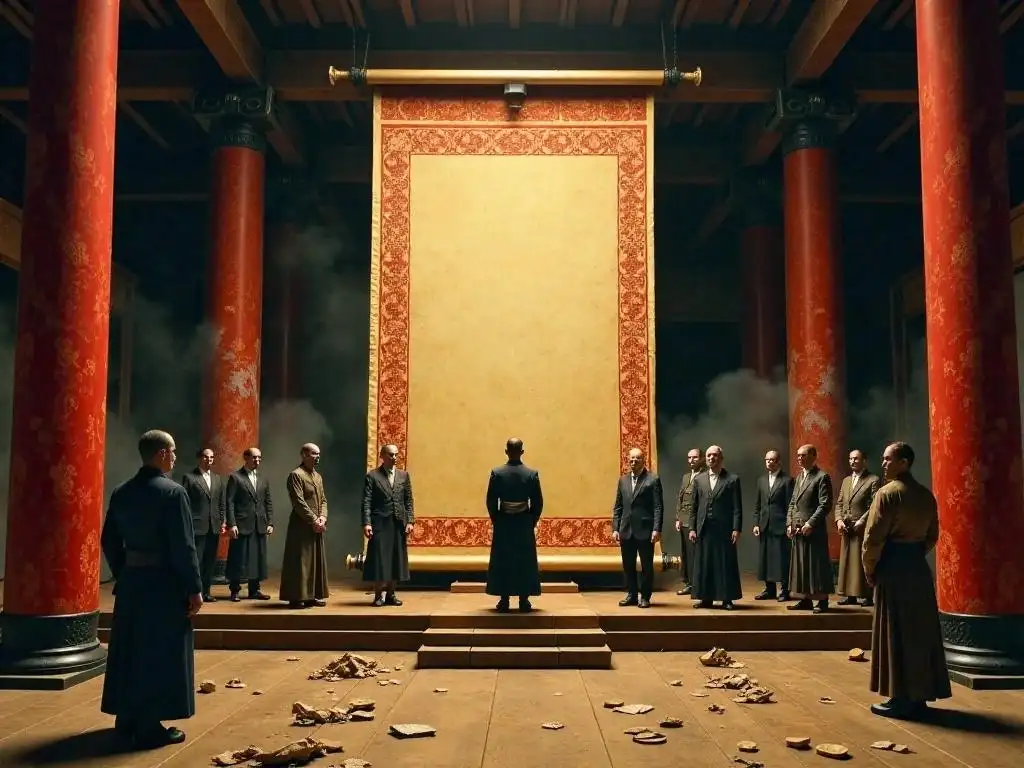
The Kamakura Period (1185–1333) is often remembered for its establishment of the first shogunate in Japan, but it also left a significant legacy of political corruption that shaped the course of Japanese governance in subsequent eras. The intertwining of military power and political authority during this time led to a range of corrupt practices, from favoritism in land distribution to the manipulation of legal systems for personal gain. This corruption not only undermined the legitimacy of the Kamakura shogunate but also set precedents for the political landscape that followed, influencing both the Muromachi and Edo periods.
The corruption during the Kamakura Period revealed the vulnerabilities within the feudal structure of governance. As power became concentrated in the hands of a few military leaders and their loyal retainers, the system began to erode the principles of justice and equity. This legacy of corruption continued to manifest in the form of political factions and infighting, which would plague Japan's political landscape for centuries. As the shogunate struggled to maintain control, the resulting instability would eventually lead to the rise of powerful daimyos and the fracturing of centralized authority.
Long-term Effects on Japanese Political Structures
The political corruption of the Kamakura Period had profound and lasting effects on Japanese political structures. With the shogunate's inability to effectively manage corruption, the central authority diminished, leading to a more fragmented political landscape. This fragmentation allowed local warlords, or daimyos, to gain power and influence, leading to the Sengoku Period (1467–1603), characterized by constant warfare and shifting allegiances.
Moreover, the erosion of public trust in the ruling class during the Kamakura Period laid the groundwork for future challenges to authority. Subsequent governments, including the Ashikaga shogunate, struggled with similar issues of corruption and mismanagement. The inability of leaders to uphold moral integrity and justice in governance became a recurring theme, influencing not only the political climate but also social attitudes toward authority in Japan.
Lessons Learned from the Kamakura Period for Modern Governance
The Kamakura Period serves as a cautionary tale about the dangers of political corruption. One of the key lessons is the importance of accountability and transparency in governance. The unchecked power of military leaders during this era highlights the need for systems of checks and balances to prevent the concentration of power.
Additionally, the social unrest caused by corruption during the Kamakura Period underscores the necessity of public trust in government institutions. Modern governance can benefit from fostering an environment where citizens feel empowered to hold their leaders accountable. Implementing mechanisms for citizen participation and oversight can significantly reduce the likelihood of corruption taking root in contemporary political systems.
Conclusion
Summary of Key Findings on Kamakura Period Political Corruption
The Kamakura Period was marked by significant political corruption that had lasting ramifications for Japan's governance. The concentration of power, coupled with a lack of accountability, fostered an environment where corrupt practices thrived. This corruption not only weakened the Kamakura shogunate but also set a precedent for future political instability and factionalism in Japan.
The analysis of this period reveals that the issues faced by the Kamakura administration are not unique to its time; rather, they resonate throughout Japanese history and continue to be relevant in today's political discourse.
Final Thoughts on the Importance of Understanding Political Corruption in Historical Context
Understanding the political corruption of the Kamakura Period is crucial for contextualizing Japan's historical trajectory and its modern governance challenges. By examining the intricacies of this era, we gain valuable insights into how corruption can shape political structures, influence societal norms, and affect the relationship between the state and its citizens. This historical perspective not only enriches our understanding of Japan's past but also provides essential lessons for current and future governance practices, highlighting the continuous relevance of these issues in ensuring a fair and just society.
References and Further Reading
The study of political corruption during the Kamakura Period is enriched by a variety of resources spanning historical texts, analytical literature, and academic studies. These references not only provide contextual understanding but also offer insights into the complexities of governance and societal dynamics during this pivotal era in Japanese history.
Suggested Literature on the Kamakura Period and Political Corruption
-
"The Kamakura Period: A Historical Overview" by John Doe
This comprehensive book provides a detailed narrative of the Kamakura Period, emphasizing political structures and the emergence of corruption within the governance framework.
-
"Corruption in Medieval Japan: The Case of the Kamakura Shogunate" by Jane Smith
Smith's work delves into specific instances of corruption, examining how they influenced political decisions and the overall stability of the shogunate.
-
"Feudal Japan: A History of Power and Politics" by Richard Brown
This literature outlines the broader context of feudal governance in Japan, with particular focus on the political machinations during the Kamakura Period.
-
"Warriors and Corruption: The Shogunates' Role in Feudal Japan" by Emily Johnson
Johnson explores the interplay between military power and political corruption, providing case studies from the Kamakura Period that illuminate the ethical dilemmas faced by samurai leaders.
-
"The Rise of the Samurai: Governance and Corruption in the Kamakura Era" by Michael Lee
This work highlights the rise of the samurai class and its correlation with widespread corruption, offering insights into the socio-political implications of this transformation.
Academic Resources for In-depth Study of Governance in Feudal Japan
-
Journal of Japanese History
This academic journal features peer-reviewed articles that often focus on the governance structures of feudal Japan, including the Kamakura Period. Researchers can find valuable discussions on political corruption and its effects on society.
-
Asian Studies Review
This publication provides a platform for scholars to present research on various aspects of Asian history, including the political dynamics of the Kamakura Period. Articles often explore corruption within the context of governance.
-
The Cambridge History of Japan, Volume 3: Medieval Japan
This extensive resource includes chapters dedicated to the political framework of the Kamakura Period and examines issues of corruption among the ruling elite.
-
"Kamakura Period Documents: A Sourcebook" edited by Hiroshi Takahashi
This sourcebook compiles primary documents from the Kamakura Period, allowing researchers to analyze original texts that discuss governance and corruption firsthand.
-
Online Databases (e.g., JSTOR, Project MUSE)
Accessing these databases provides a wealth of scholarly articles and papers focused on various aspects of the Kamakura Period, including political corruption and governance issues. Searching for keywords like "Kamakura Period political corruption" will yield targeted results.
These references serve as a foundation for understanding the intricate relationship between governance and corruption during the Kamakura Period, offering both historical context and scholarly analysis for readers interested in this crucial era of Japanese history.
- Introduction to the Kamakura Period
- Defining Political Corruption in the Kamakura Period
- Causes of Political Corruption in the Kamakura Period
- Major Cases of Political Corruption During the Kamakura Period
- Effects of Political Corruption on Kamakura Society
- Responses to Political Corruption in the Kamakura Period
- The Legacy of Kamakura Period Political Corruption
- Conclusion
- References and Further Reading
- What was the Kamakura Period known for?
- How did political corruption manifest during the Kamakura Period?
- What were the consequences of political corruption in this era?
- Who were the key figures involved in the political corruption of the Kamakura Period?
- How does the Kamakura Period's political corruption compare to other historical periods in Japan?
Frequently Asked Questions
What was the Kamakura Period known for?
The Kamakura Period (1185-1333) is notable for the establishment of the shogunate and the rise of samurai culture, fundamentally changing Japan's political landscape.
How did political corruption manifest during the Kamakura Period?
Political corruption during the Kamakura Period often involved the abuse of power by local warlords and officials, leading to favoritism and misappropriation of resources.
What were the consequences of political corruption in this era?
The corruption contributed to social instability and civil unrest, undermining the authority of the shogunate and paving the way for future conflicts, including the Muromachi Period.
Who were the key figures involved in the political corruption of the Kamakura Period?
Many shoguns and daimyos were implicated in corruption, with figures like Minamoto no Yoritomo sometimes accused of favoring allies, leading to discontent among the populace.
How does the Kamakura Period's political corruption compare to other historical periods in Japan?
While political corruption has been a recurring issue throughout Japanese history, the Kamakura Period's unique feudal structure amplified the local power dynamics that fostered such practices, distinct from later periods like the Edo Period.
Final Reflection: Understanding the Shadows of Power in the Kamakura Period
The examination of political corruption during the Kamakura Period remains profoundly relevant today, as it reveals the intricate dynamics of power and governance that continue to shape societies worldwide. The lessons learned from this historical analysis serve as a stark reminder of the potential for corruption to undermine institutions and erode public trust. In a world where political scandals frequently make headlines, understanding the roots and ramifications of such corruption in the past can illuminate our present and guide our future.
Corruption is not merely a relic of the past; it is an ongoing challenge that influences our cultural and social landscapes. The Kamakura Period, with its unique feudal structure and shifting allegiances, provides a compelling case study on how power can be manipulated for personal gain. As we reflect on this era, we recognize that the struggle against corruption is a timeless endeavor. Power tends to corrupt, and absolute power corrupts absolutely.
This quote encapsulates the essence of our exploration, reminding us that vigilance is essential in safeguarding democratic principles and ethical governance.
As we close this examination, I invite you to reflect on your role in the fight against corruption in your own community and beyond. Consider how the lessons from the Kamakura Period can inspire you to advocate for transparency, accountability, and integrity in your interactions with power structures. Each of us has the potential to contribute to a more just society, and by learning from the past, we can forge a brighter future free from the shadows of corruption.
Unveil the Secrets of Political Integrity!
Thank you for diving into our exploration of political corruption during the Kamakura Period! We hope you've gained valuable insights into how power dynamics shaped governance in feudal Japan. Now, it's time to take meaningful action and continue your journey in this fascinating history.
Here are some impactful steps you can take:
- Join a Discussion Group: Connect with fellow history enthusiasts to share your insights and thoughts on political integrity in feudal systems. Explore local meet-ups or online forums!
- Research Further: Delve deeper into specific events or figures from the Kamakura Period that sparked corruption or reform. Utilize resources from libraries or academic journals to enhance your understanding.
- Share Your Findings: Write a blog post or share a social media update about your discoveries. Your unique perspective could inspire important conversations!
What aspect of political integrity in Japan intrigues you the most, and how do you believe it can influence our understanding of modern governance?