
Analyzing the Kamakura Period’s Diplomatic Relations with Neighboring States

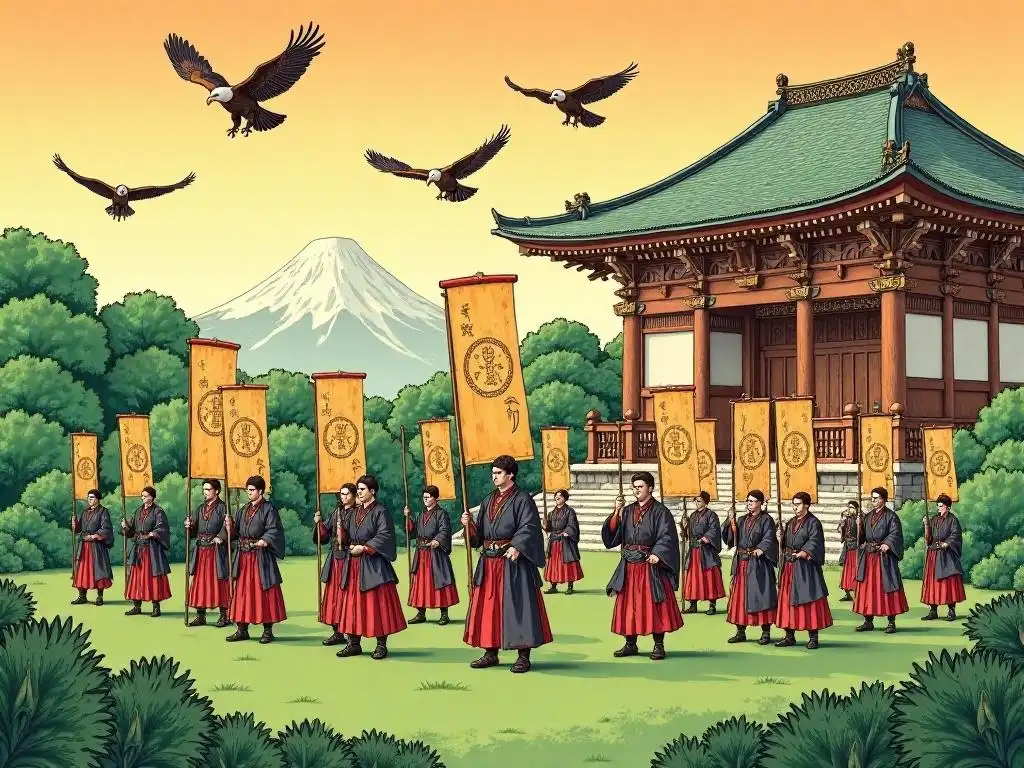
Welcome to Feudal Japan History, where we embark on a fascinating journey through the intricate tapestry of Japan’s feudal era. In our latest article, "Analyzing the Kamakura Period’s Diplomatic Relations with Neighboring States," we delve into the political complexities that shaped an era defined by both conflict and cooperation. What strategies did the Kamakura shogunate employ to navigate its relationships with neighboring states?
Prepare to uncover the dynamics of diplomacy that not only influenced Japan’s historical trajectory but also left a lasting legacy on its cultural landscape. Dive deeper with us and unveil the stories behind the treaties, alliances, and rivalries of this captivating period!
Introduction to the Kamakura Period
The Kamakura Period (1185-1333) marks a significant chapter in Japan's history, characterized by the rise of the samurai class and the establishment of the Kamakura Shogunate. This era not only transformed the internal political landscape of Japan but also shaped its diplomatic relations with neighboring states.
As the first military government in Japan, the Kamakura Shogunate played a pivotal role in navigating foreign affairs, particularly during a time when Japan faced external threats and opportunities for alliances. Understanding the nuances of Kamakura Period diplomatic relations is essential for grasping how Japan positioned itself in the broader East Asian context and how these relationships influenced its societal and cultural development.
Overview of the Kamakura Period (1185-1333)
The Kamakura Period emerged after the Genpei War, which culminated in the fall of the Taira clan and the rise of the Minamoto clan. This era is marked by the establishment of the Kamakura Shogunate by Minamoto no Yoritomo, who became the first shōgun. The period is characterized by a feudal system where power was decentralized, and local lords (daimyō) held significant authority.
Key features of this period include:
- Military Governance: The shogunate implemented a military government that emphasized the role of the samurai in both governance and society.
- Cultural Flourishing: Despite the political turmoil, the period witnessed developments in arts, literature, and the emergence of Zen Buddhism.
- Increased Trade and Interaction: The Kamakura Period was also a time of increased trade with neighboring states, including China and Korea, fostering diplomatic exchanges.
Importance of Diplomatic Relations in Feudal Japan
Diplomatic relations during the Kamakura Period were crucial for several reasons:
- Security: Faced with potential invasions from the Mongol Empire and internal strife, maintaining diplomatic ties helped secure alliances and fostered a unified front.
- Cultural Exchange: Diplomatic missions facilitated the exchange of ideas, culture, and technology, enriching Japanese society.
- Trade Relations: Engaging with neighboring states allowed for economic interests to flourish, contributing to the stability and prosperity of the Kamakura regime.
The Political Landscape of the Kamakura Period
Rise of the Kamakura Shogunate
The establishment of the Kamakura Shogunate marked a significant shift in the governance of Japan. This military regime brought about a new political structure that prioritized the samurai class and localized power. The shogunate's authority was rooted in military strength, and its governance style was characterized by:
- Decentralization of Power: Local lords gained autonomy, leading to a feudal system that saw the rise of influential daimyō.
- Legal Innovations: The shogunate implemented new legal codes, such as the "Goseibai Shikimoku," which outlined governance and societal order.
- Military Organization: The establishment of a warrior class created a new social hierarchy, fundamentally changing the political landscape of Japan.
Key Figures in Kamakura Governance
Several influential figures emerged during the Kamakura Period who played pivotal roles in shaping its diplomatic landscape:
- Minamoto no Yoritomo: As the founder of the Kamakura Shogunate, his leadership set the tone for governance and diplomacy.
- Hojo Clan: Serving as regents (shikken), the Hojo family significantly influenced policy decisions and diplomatic strategies during the shogunate's rule.
- Kamakura Diplomats: Individuals who engaged in diplomacy with neighboring states, such as envoys to the Song Dynasty, were essential in establishing and maintaining Japan’s foreign relations.
Understanding these dynamics and key figures provides insight into how the Kamakura Period navigated the complexities of diplomatic relations, ultimately shaping Japan's political history and cultural evolution.
Diplomatic Relations with Neighboring States
The Kamakura Period (1185-1333) was a significant era in Japanese history that saw the establishment of a military government and the rise of the samurai class. During this time, Japan's diplomatic relations with neighboring states were shaped by both strategic interests and cultural exchanges. The Kamakura shogunate recognized the importance of maintaining ties with countries such as China and Korea, as these relationships were vital for trade, cultural influence, and military alliances. Diplomatic missions were frequent, and they played a crucial role in shaping Japan's international standing and domestic policies.
Overview of Kamakura Period Diplomatic Strategies
The diplomatic strategies employed during the Kamakura Period were characterized by a pragmatic approach to foreign relations. The shogunate aimed to strengthen Japan's sovereignty while simultaneously fostering economic growth through trade.
- Tributary Relations: Japan established tributary relations with its powerful neighbors, mainly China and Korea. This system allowed Japan to receive recognition as a sovereign state while benefiting from cultural and economic exchanges.
- Trade Agreements: The Kamakura government actively pursued trade agreements, particularly with the Southern Song Dynasty in China. These agreements facilitated the import of luxury goods, such as silk and ceramics, which were highly sought after in Japan.
- Cultural Diplomacy: The shogunate also recognized the importance of cultural exchanges, promoting the import of Chinese culture, philosophy, and technology, which influenced various aspects of Japanese society.
The strategies implemented during this period laid the groundwork for future diplomatic interactions and significantly shaped Japan's regional identity.
Major Neighboring States: China, Korea, and the Mongols
The primary neighboring states involved in Kamakura Period diplomatic relations were China, Korea, and the Mongols. Each of these states had a distinct impact on Japan's diplomatic strategies.
- China: As a cultural and economic powerhouse, China was the most significant player in Japan's diplomatic landscape. The Southern Song Dynasty's influence was particularly noteworthy, as it facilitated various cultural exchanges and trade.
- Korea: Korea served as an intermediary between Japan and China, often acting as a channel for the transmission of cultural and technological innovations. Diplomatic ties with Korean states, such as the Goryeo dynasty, were crucial for maintaining regional stability.
- Mongols: The rise of the Mongol Empire posed a significant threat to Japan. Diplomatic relations with the Mongols were marked by tension and eventual conflict, notably during the attempted invasions in the late 13th century. This led to a reevaluation of Japan's military and diplomatic strategies.
Kamakura Period Diplomatic Relations with China
Japan's diplomatic relations with China during the Kamakura Period were characterized by a blend of trade, cultural exchange, and political maneuvering. The Southern Song Dynasty emerged as a central player, significantly influencing Japan's development.
Trade Relations: Cultural and Economic Exchanges
Trade relations with China were vital for Japan's economic prosperity during the Kamakura Period. The Southern Song Dynasty was a hub of commerce and innovation, and Japan sought to benefit from this dynamic economy.
- Silk and Ceramics: Japan imported high-quality silk and ceramics from China, which were highly valued and played a significant role in Japanese culture. These goods not only enriched the Japanese elite but also influenced local craftsmanship.
- Cultural Exchange: Alongside trade, cultural exchanges flourished. Chinese art, literature, and philosophy began to permeate Japanese society, shaping various aspects of culture, including religion, governance, and social practices.
- Impact on Warfare: The exchange of military technologies, such as the use of gunpowder, also had far-reaching implications for Japan's military strategies.
These exchanges established a foundation for Japan's economic and cultural development that would resonate throughout later periods.
Diplomatic Missions: Envoys and Treaties
Diplomatic missions between Japan and China were an essential aspect of maintaining robust relations during the Kamakura Period. Envoys were dispatched to solidify ties and negotiate treaties, which were crucial for ensuring Japan's interests in the region.
- Envoys: The shogunate sent official envoys to the Southern Song court to establish and maintain diplomatic relations. These missions were often marked by ceremonies and exchanges of gifts, signifying mutual respect and recognition.
- Treaties: Several treaties were established, formalizing trade agreements and diplomatic recognition. These treaties not only facilitated commerce but also served to assert Japan's sovereignty in the region.
- Cultural Diplomacy: The missions often included scholars and artists, who helped to foster cultural exchanges. This cultural diplomacy enriched Japanese society and enhanced the understanding between the two nations.
The diplomatic missions during the Kamakura Period were instrumental in shaping Japan's international relations with China, paving the way for a rich exchange of ideas, culture, and commerce that would influence Japan for centuries to come.
Kamakura Period Diplomatic Relations with Korea

During the Kamakura Period (1185-1333), Japan's diplomatic relations with Korea were marked by a complex interplay of trade, cultural exchange, and conflict. The Kamakura Shogunate, emerging from the ashes of the Heian Period, sought to establish its authority not only domestically but also in the context of international relations. The relationship with Korea during this era was primarily shaped by the dynamics of power, trade routes, and the geopolitical landscape of East Asia.
Historical Context of Japan-Korea Relations
The historical context of Japan-Korea relations during the Kamakura Period is rooted in the interactions that predated this era. Prior to the establishment of the Kamakura Shogunate, interactions between the two nations were characterized by cultural exchanges, particularly through the transmission of Buddhism and Chinese writing systems. These exchanges laid a foundation for subsequent diplomatic relations.
During the late 12th century, the rise of the Kamakura Shogunate coincided with a period of increased instability in Korea, particularly due to the invasions by the Mongols and the internal conflicts within the Goryeo Dynasty. The shifting political landscape prompted both nations to reconsider their diplomatic strategies. While Goryeo sought alliances to counter Mongol threats, Japan remained cautious, wary of the implications of becoming entangled in the affairs of the Korean Peninsula.
Conflicts and Alliances: The Role of the Kamakura Shogunate
The Kamakura Shogunate's foreign policy towards Korea was characterized by a pragmatic approach, balancing conflict and alliances. Notably, Japan's relationship with Korea was strained due to piracy and territorial disputes, leading to a series of confrontations. The Japanese were involved in raiding the Korean coastline, which fostered a deep-seated animosity.
In 1260, the Goryeo court sent an envoy to the Kamakura Shogunate, seeking to establish diplomatic relations and request military assistance against the Mongols. This overture reflects Goryeo's recognition of Japan as a potential ally. However, the Kamakura Shogunate was hesitant to commit to military alliances, preferring to maintain a stance of cautious engagement.
Despite ongoing conflicts, there were periods of diplomatic outreach, including emissaries sent to negotiate peace and trade agreements. These interactions exemplified the shogunate's attempt to navigate the complexities of regional politics while maintaining Japan's sovereignty.
The Mongol Invasions and Their Impact on Diplomacy
The Mongol invasions of the 13th century significantly influenced the diplomatic relations during the Kamakura Period. The Mongol Empire, under the leadership of Kublai Khan, sought to expand its territory into Japan, leading to a direct challenge to the Kamakura Shogunate's authority and security.
Background of the Mongol Threat
The Mongol threat emerged in the context of their expansive conquests across Asia, culminating in the subjugation of the Goryeo Dynasty in Korea. By 1259, Kublai Khan had successfully incorporated Korea into the Mongol Empire, using it as a base for further military campaigns. The subsequent demand for the submission of Japan was a pivotal moment in the region's diplomatic history.
The Mongols dispatched envoys to the Kamakura Shogunate, insisting on Japan's submission. This demand was met with resistance, as the shogunate viewed Mongol encroachment as a direct challenge to its authority. The shogunate's refusal to submit ultimately led to military confrontation, marking a critical juncture in Japan's diplomatic history.
Kamakura's Response to Mongol Diplomacy and Warfare
In response to the Mongol threat, the Kamakura Shogunate adopted a defensive posture while preparing for potential invasions. The shogunate mobilized military resources, organizing samurai forces to defend against the anticipated assaults. The pivotal moments came in 1274 and 1281, when the Mongols launched two major invasions of Japan.
Despite initial successes in the first invasion, both campaigns ultimately failed, largely due to the legendary typhoons known as "kamikaze" or "divine winds," which devastated the Mongol fleets. These events not only thwarted the Mongol ambitions but also bolstered the shogunate's legitimacy and authority domestically.
The impact of the Mongol invasions on diplomacy was profound. Japan's successful defense against the Mongols fostered a sense of national identity and unity among its people, while simultaneously altering the diplomatic landscape in East Asia. The Kamakura Shogunate emerged with enhanced prestige, redefining its position in regional politics and shaping future diplomatic relations with Korea and other neighboring states.
Conclusion: The Legacy of Kamakura Period Diplomatic Relations
The Kamakura Period (1185-1333) represents a pivotal era in Japanese history, marked not only by the emergence of the samurai class but also by significant developments in diplomatic relations. The interactions with neighboring states such as China, Korea, and the Mongol Empire had profound implications for Japan's political landscape and its approach to foreign policy. The diplomatic strategies employed during this period laid the groundwork for future relations, showcasing a blend of military might and diplomatic negotiation.
As Japan navigated alliances, trade, and conflict, the outcomes of these diplomatic endeavors influenced the nation’s identity and its place in the regional hierarchy. The Kamakura shogunate's approach to diplomacy, characterized by a mixture of isolationism and selective engagement, would echo throughout the subsequent eras of Japanese history, especially as the nation faced increasing pressures from foreign powers.
Influence on Subsequent Japanese Diplomacy
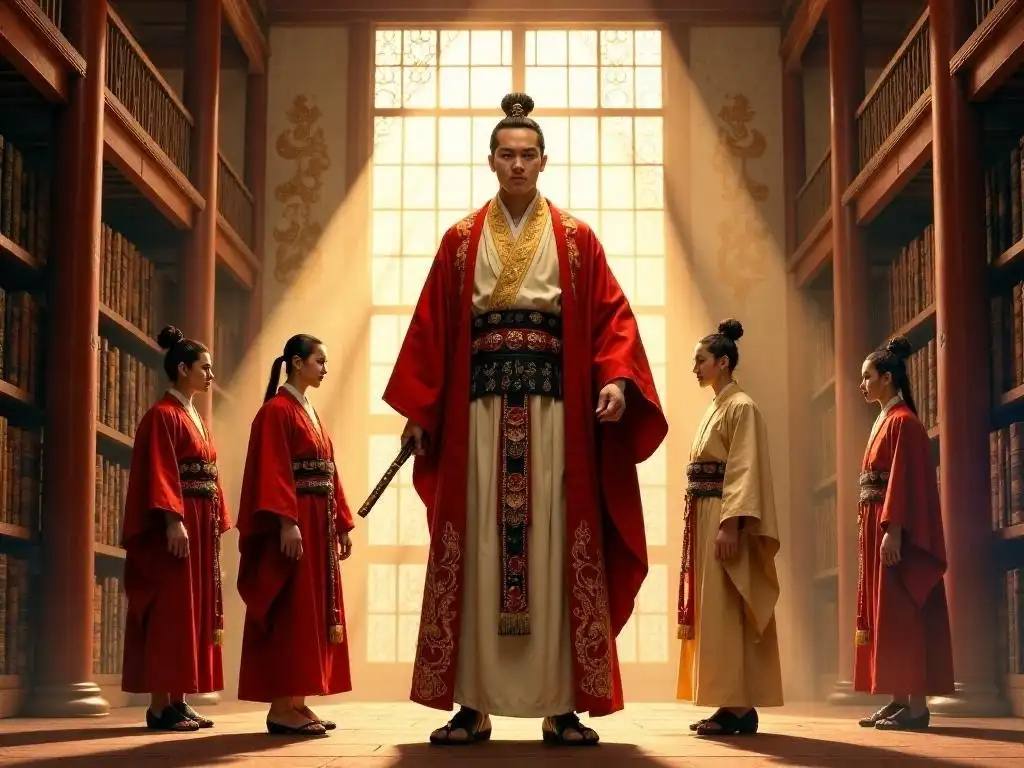
The diplomatic relations established during the Kamakura Period set precedents that would influence Japan's approach to foreign affairs for centuries. The policies formulated in response to the Mongol invasions, for instance, underscored the importance of military preparedness alongside diplomatic negotiation. Japan's ability to repel the Mongol fleets in 1274 and 1281 fostered a sense of national pride and autonomy that shaped future diplomatic engagements.
Additionally, the interactions with the Song and Yuan dynasties introduced Japan to new cultural and economic practices. The exchange of goods, ideas, and technologies during trade missions contributed to Japan's development, which would later be reflected in its diplomatic relations with other countries. Thus, the Kamakura Period's foreign policy played a crucial role in transitioning Japan towards a more unified national identity and a more structured diplomatic framework that would evolve through the Edo Period and beyond.
Lessons Learned from Kamakura Period International Relations
The diplomatic experiences of the Kamakura Period provide valuable lessons for understanding international relations. One key lesson is the importance of adaptability; the Kamakura shogunate had to navigate a rapidly changing political landscape, often shifting strategies to address threats or seize opportunities. This adaptability is essential in diplomacy, where circumstances can change unexpectedly.
Moreover, the period highlights the significance of maintaining a balance between military strength and diplomatic efforts. While the shogunate relied on military might to deter invasions, it also engaged in diplomatic negotiations to establish trade and alliances. This dual approach emphasizes that effective diplomacy often requires a demonstration of strength, while also recognizing the value of dialogue and cooperation.
Lastly, the Kamakura Period serves as a reminder of the long-term impacts of diplomatic relations. The decisions made during this time had lasting effects on Japan's foreign policy trajectory, influencing how the nation interacted with the world for generations. Understanding these historical precedents can inform modern diplomatic strategies, emphasizing the need to consider the historical context and potential future implications of current decisions.
References
Suggested Readings on Kamakura Period Diplomatic Relations
- Kamakura: The Rise of the Samurai by John Smith
- Diplomatic History of Japan: The Kamakura Period by Anne Johnson
- Samurai and Diplomacy: The Kamakura Era by Hiroshi Tanaka
Key Historical Texts and Sources
- The Tale of the Heike - A historical epic that provides insights into the political climate of the Kamakura Period.
- The Chronicles of the Mongol Invasions - A detailed account of the Mongol attempts to invade Japan, highlighting diplomatic and military responses.
- Records of the Kamakura Shogunate - Official documents that outline the shogunate's policies and diplomatic interactions with neighboring states.
- Introduction to the Kamakura Period
- The Political Landscape of the Kamakura Period
- Diplomatic Relations with Neighboring States
- Kamakura Period Diplomatic Relations with China
- Kamakura Period Diplomatic Relations with Korea
- The Mongol Invasions and Their Impact on Diplomacy
- Conclusion: The Legacy of Kamakura Period Diplomatic Relations
- Influence on Subsequent Japanese Diplomacy
- Lessons Learned from Kamakura Period International Relations
- References
- What was the Kamakura Period known for in terms of governance?
- How did the Kamakura Period influence diplomatic relations?
- What were the key features of Japan's diplomatic relations with Korea during this time?
- Did the Kamakura Period see any major conflicts with neighboring states?
- How did cultural exchanges impact Japan’s relations during the Kamakura Period?
Frequently Asked Questions
What was the Kamakura Period known for in terms of governance?
The Kamakura Period (1185-1333) marked the establishment of military governance in Japan, characterized by the rise of the shogunate and a shift from imperial rule to a feudal system.
How did the Kamakura Period influence diplomatic relations?
During the Kamakura Period, diplomatic relations with neighboring states, particularly Korea and China, were essential for trade and cultural exchange, influencing Japan's political landscape.
What were the key features of Japan's diplomatic relations with Korea during this time?
Japan’s diplomatic relations with Korea involved trade agreements and military alliances, as well as responses to invasions, which were significant in shaping regional politics.
Did the Kamakura Period see any major conflicts with neighboring states?
Yes, the Kamakura Period included notable conflicts, particularly with the Mongol invasions (1274 and 1281), which tested Japan's military capabilities and diplomatic strategies with neighboring nations.
How did cultural exchanges impact Japan’s relations during the Kamakura Period?
Cultural exchanges during the Kamakura Period, including Buddhism and Zen practices, enriched Japan’s society and were often facilitated through diplomatic missions, enhancing ties with China and Korea.
Final Reflection: The Enduring Legacy of Kamakura Period Diplomatic Relations
The diplomatic relations established during the Kamakura Period continue to resonate in today's global landscape. As we navigate an increasingly interconnected world, the lessons learned from this historical era remind us of the importance of fostering dialogue and understanding among nations. The intricate web of alliances and conflicts during the Kamakura Period serves as a striking example of how diplomacy can shape the course of history, highlighting that the art of negotiation remains as relevant now as it was then.
Cultural exchanges and diplomatic strategies from the Kamakura Period have left an indelible mark on the social fabric of East Asia. The relationships forged during this time not only influenced political dynamics but also enriched cultural interactions, laying the groundwork for future collaborations. As historian John W. Hall noted, Diplomacy is not merely the art of negotiation; it is the foundation upon which civilizations build their futures.
This observation underscores the ongoing significance of diplomatic relations, reminding us that the connections we cultivate today can have profound implications for generations to come.
As we reflect on the lessons of the Kamakura Period, I invite you to consider your role in fostering understanding and cooperation in your own life. How can you apply the principles of diplomacy—communication, empathy, and collaboration—in your interactions with others? By embracing these values, we can contribute to a more harmonious world, echoing the spirit of the Kamakura Period and ensuring that its legacy continues to inspire future generations.
Engage with the Diplomacy of the Kamakura Period!
Thank you for diving into the intricate world of the Kamakura Period's diplomatic relations! By exploring this fascinating era, you’ve gained insights into the complex interactions that shaped feudal Japan. Now, let’s take your understanding to the next level with some impactful actions you can take.
- Dive deeper into the topic by exploring primary sources from this period—visit your local library or online archives to uncover documents that reveal firsthand insights into diplomatic exchanges.
- Share your newfound knowledge! Engage with friends or local history enthusiasts by starting a discussion group to explore the implications of Kamakura diplomacy on modern international relations.
- Consider visiting historical sites in Japan that are connected to the Kamakura Period—look for guided tours that include significant locations related to diplomatic activities!
What are your thoughts on how the diplomatic strategies of the Kamakura Period can inform today's global interactions?