
From Heian to Kamakura: The Transition of Political Power in Japan

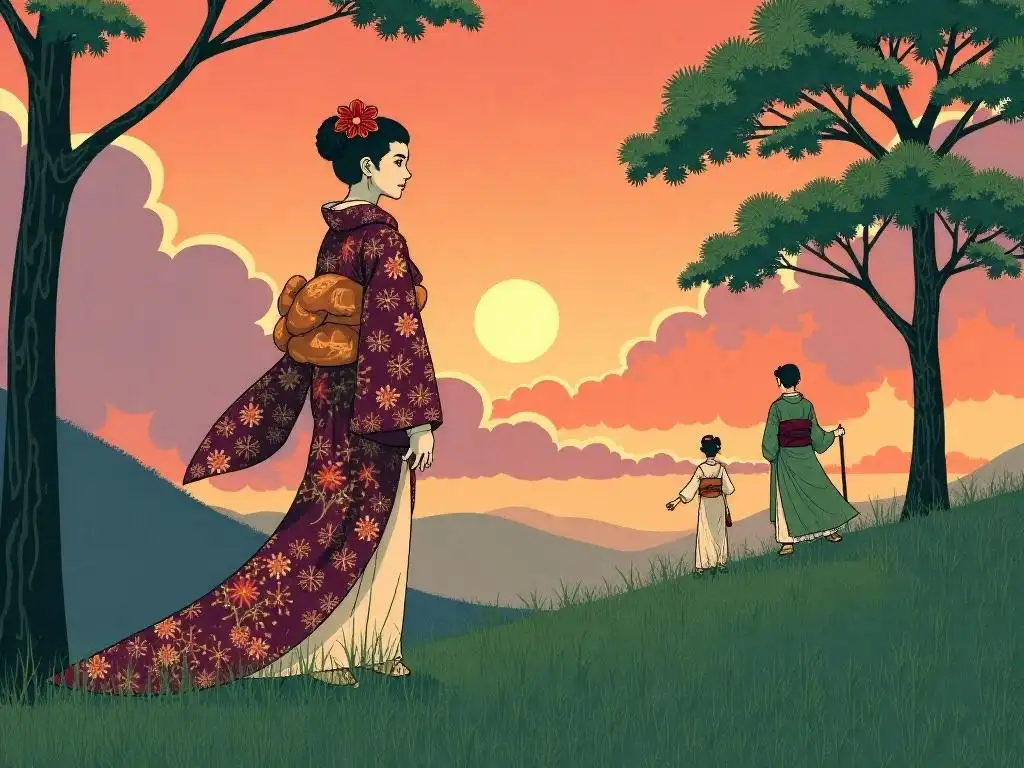
Welcome to Feudal Japan History, where we invite you to embark on a journey through the captivating tapestry of Japan's feudal era. Discover the fascinating nuances of the political transitions that shaped an entire nation, as we delve into our featured article, " From Heian to Kamakura: The Transition of Political Power in Japan." With expert-driven insights, we unravel the intricate dynamics of power shifts that not only influenced governance but also redefined cultural and societal landscapes. Are you ready to uncover the pivotal moments that transformed Japan? Dive in and explore the depths of this remarkable period!
- Introduction to the Japan Feudal Era Political Transition
- The Heian Period: Foundations of Political Authority
- Factors Leading to the Political Transition from Heian to Kamakura
- The Kamakura Period: A New Political Landscape
- Key Events in the Political Transition
- The Impact of the Japan Feudal Era Political Transition
- Comparison of Heian and Kamakura Governance
- Conclusion: Understanding the Transition of Political Power
- References and Further Reading on Japan's Political History
-
Frequently Asked Questions
- What was the significance of the Heian period in Japan's feudal history?
- How did the Kamakura period shape Japan's political landscape?
- What were the main factors contributing to the political transition from Heian to Kamakura?
- How did the samurai class influence the governance during the feudal era?
- What cultural developments occurred during the transition from Heian to Kamakura?
- Final Reflection: The Enduring Legacy of Japan's Political Transition
- Embrace the Journey: Discover Japan’s Historical Transformation!
Introduction to the Japan Feudal Era Political Transition
The political landscape of Japan underwent a profound transformation during the transition from the Heian Period (794-1185) to the Kamakura Period (1185-1333), marking a crucial chapter in the history of the Japan feudal era political transition. This shift was not merely a change in leadership but represented a fundamental realignment of power dynamics, societal structures, and cultural influences that would shape the future of Japan. Understanding this transition requires a comprehensive exploration of the historical, social, and cultural contexts that defined the era, highlighting the intricate relationships between the imperial court, samurai class, and emerging feudal systems.
As we delve into this pivotal period, we will examine the lasting influences of the Heian Period and the subsequent rise of the Kamakura shogunate, which heralded a new form of governance that prioritized military might and local authority over imperial rule. This exploration will illuminate how these changes impacted Japan's political landscape and contributed to the emergence of a distinct feudal society.
Overview of the Heian Period and its Influence
The Heian Period, often celebrated for its cultural achievements and artistic endeavors, was also a time of significant political intrigue and power struggles. Characterized by the flourishing of court culture, literature, and the arts, this era laid the groundwork for the complex feudal structures that followed. The imperial court wielded considerable influence, yet as the power of the aristocracy grew, the central authority began to wane.
Key features of the Heian Period include:
- Cultural Flourishing: The development of classic Japanese literature, such as "The Tale of Genji," and advancements in poetry and art.
- Political Structure: The dominance of the Fujiwara clan, which utilized marriage alliances to maintain power over the emperor and the court.
- Emergence of the Samurai: As the court became increasingly detached from the realities of governance, the samurai class began to rise, gaining prominence as military leaders and local rulers.
The influence of the Heian Period was profound, as it set the stage for the challenges that would ultimately lead to the political transition witnessed in the Kamakura Period.
The Significance of Political Power in Japan's History
The transition of political power from the Heian to the Kamakura Period represents a critical juncture in Japan's historical narrative. This shift not only altered the governance structures but also redefined the relationship between the ruling classes and the populace. Understanding the significance of this transition involves exploring several key aspects:
- Shift from Imperial Authority to Military Rule: The establishment of the Kamakura shogunate marked a decisive move away from the centralized power of the emperor, reflecting a broader trend towards decentralized governance.
- Feudal Relationships: The rise of the samurai class introduced a new hierarchy based on loyalty and service, which fundamentally reshaped societal structures and relationships.
- Cultural and Economic Implications: The changes in political power also influenced economic practices and cultural exchanges, as local lords gained autonomy and began to support the arts and agriculture in their domains.
This political transition is not merely a historical footnote; it is a testament to the dynamic interplay between culture, governance, and society that characterizes Japan's feudal era. As we continue to explore this topic, we will uncover the nuances of these shifts and their lasting impact on Japan's historical trajectory.
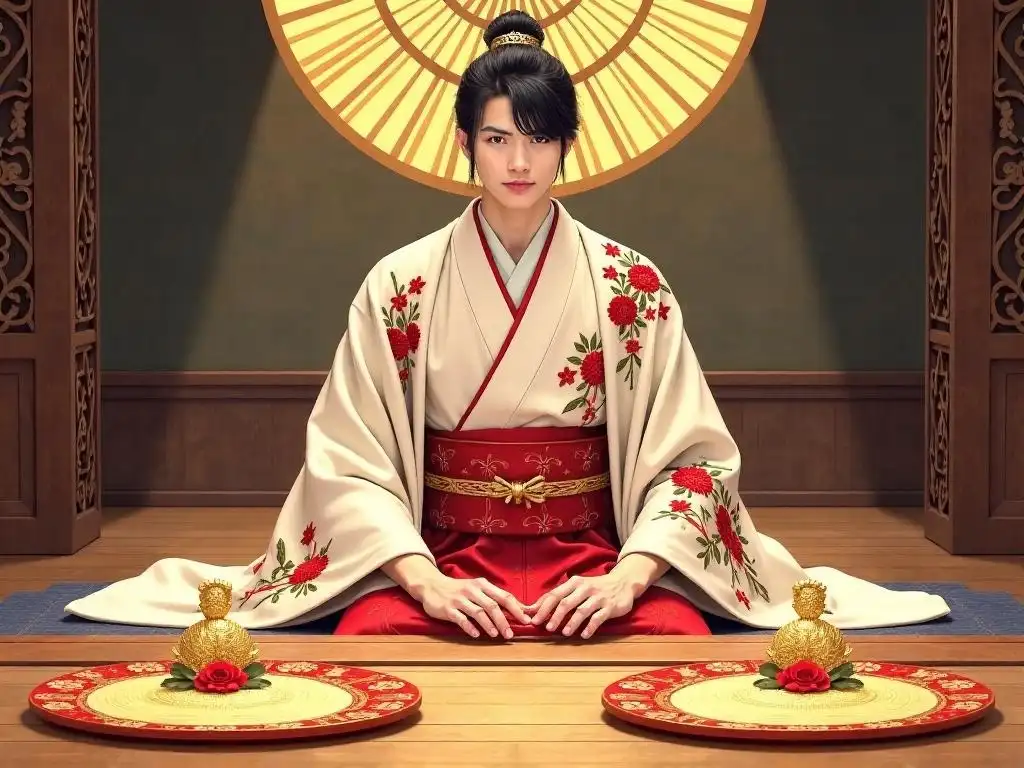
The Heian Period (794–1185) marks a crucial chapter in Japan's history, characterized by the establishment of a unique political and cultural identity that laid the groundwork for subsequent transitions in governance. During this era, the political authority was primarily vested in the imperial court, which served as the center of power and culture. While the emperor was seen as the divine ruler, the actual political power began to shift toward the aristocratic families, foreshadowing the future feudal structures.
The Role of the Imperial Court in Governance
The imperial court, centered in Kyoto, was the epitome of political authority during the Heian Period. It was composed of nobles and high-ranking officials who played significant roles in governance. The emperor, though revered, often lacked direct control over political affairs, which were increasingly managed by the court aristocracy.
- Court Hierarchy: The court was organized into a complex hierarchy, with ranks determined by birth and service. The kuge (court nobility) held titles such as daimyō, and their influence was pivotal in decision-making processes.
- Ritsuryō System: The governance system, known as ritsuryō, was based on a combination of Confucian and Chinese bureaucratic principles. This system established a framework for administrative duties, land management, and taxation, although its effectiveness waned over time.
The court utilized a variety of bureaucratic roles, such as the sesshō (regent), to manage the state's affairs, though the real power often lay with influential families like the Fujiwara, who controlled the emperors through strategic marriages and manipulation.
Cultural Developments and Their Impact on Politics
The Heian Period was not only a time of political development but also a flourishing of culture, which had significant ramifications on governance. The intertwining of art, literature, and political life created a distinctive societal framework.
- Literary Flourishing: Works such as The Tale of Genji, authored by Murasaki Shikibu, reflected the values and aesthetics of the court, fostering a sense of identity among the aristocracy. This literary culture reinforced the status quo, as those who could engage with these texts often held power.
- Religious Influence: Buddhism and Shinto beliefs played a central role in legitimizing the emperor's divine right to rule. The integration of spiritual authority into governance helped to solidify the court's political standing, though it also created avenues for dissent when rival factions emerged.
The cultural developments of this period contributed to a shift in focus from imperial rule to the influence of the elite, setting the stage for the eventual political transition to the Kamakura period, where military power would become paramount.
The Rise of the Aristocracy and Its Political Influence
As the Heian Period progressed, the aristocracy's power grew, leading to a gradual erosion of the emperor's authority. This shift was marked by several key developments:
- Land Ownership: Aristocratic families amassed significant landholdings, which provided them with economic power and autonomy. This wealth allowed them to form private armies and assert control over local governance, diminishing the emperor's influence.
- Bureaucratic Manipulation: The kuge began to manipulate the imperial court for their benefit, often sidelining the emperor in favor of their political agendas. This manipulation was seen in the appointment of regents who prioritized their families' interests over the state.
- Emergence of the Samurai Class: With the rise of the aristocracy came the emergence of the samurai class, which would eventually become a dominant force in Japanese politics. The samurai were often retained by the noble families, creating a warrior elite that would challenge the traditional authority of the court.
The culmination of these developments during the Heian Period set the groundwork for the political transition to the Kamakura Period, where the samurai would rise to prominence and establish a new form of governance that significantly altered the landscape of Japan's political history.
Factors Leading to the Political Transition from Heian to Kamakura
The transition from the Heian period (794-1185) to the Kamakura period (1185-1333) in Japan was marked by significant social changes that directly influenced the political landscape. During the Heian period, the aristocracy, particularly the Fujiwara clan, held considerable power, leveraging their connections to the imperial family. However, as the era progressed, the rigid class structures began to shift, impacting power dynamics.
-
Rise of the Samurai Class:
The emergence of the samurai as a distinct social class played a crucial role in the political transition. Originally, samurai were local warriors serving noble families, but as the aristocracy became increasingly detached from the realities of governance and defense, samurai began to gain prominence. Their loyalty shifted from the imperial court to regional lords (daimyo), which diluted the central power of the emperor.
-
The Role of Commoners:
As the Heian period progressed, the peasantry started to assert more influence. The rise of a more structured agricultural economy allowed commoners to gain leverage, particularly in regional conflicts. This shift was crucial as it led to a growing dissatisfaction with the aristocracy's inability to provide stability and protection.
-
Religious Influence:
The spread of Buddhism, particularly Zen, among the samurai class also contributed to the social changes. Samurai began to view their role through a spiritual lens, which affected their loyalty and the governance structure. The samurai's adherence to bushido (the way of the warrior) fostered a culture that valued honor and loyalty over aristocratic privilege, further shifting the power dynamics.
The social fabric of Japan during this transition was woven with threads of loyalty, honor, and a burgeoning warrior ethos.
Economic Shifts and the Emergence of Warrior Classes
The economic landscape of Japan underwent significant changes during the Heian to Kamakura transition, which directly influenced the rise of the warrior classes and the decline of the aristocracy.
-
Agricultural Developments:
The increase in agricultural production due to improved farming techniques and land reclamation allowed for greater food surpluses. This economic stability enabled local lords to maintain their own armed retainers, facilitating the rise of the samurai class. As these warriors gained more autonomy, their power increased, establishing a new socio-political order.
-
Trade Expansion:
Increased trade, both domestic and with foreign entities, contributed to the wealth of regional lords. The growth of commerce provided the samurai with resources to equip themselves and maintain their status. This economic empowerment was pivotal for the rise of the warrior class, as they transitioned from mere protectors of the land to influential political players.
-
Land Ownership Patterns:
As the central authority weakened, local lords began to acquire more land, often through military conquest or strategic alliances. This shift in land ownership from the imperial court to regional lords diminished the emperor's influence. The feudal system took root, with samurai serving as vassals to these lords, further entrenching the economic power dynamics that supported the political transition.
| Economic Factors | Impact on Political Transition |
|---|---|
| Agricultural Improvements | Increased food production and stability |
| Trade Expansion | Enhanced wealth for regional lords |
| Shift in Land Ownership | Diminished imperial authority |
The Decline of Imperial Power and Centralized Governance
The decline of imperial power during the transition from the Heian to Kamakura period was characterized by a series of events that eroded centralized governance.
-
Military Conflicts:
The rise of military conflicts, including the Genpei War (1180-1185), showcased the increasing power of the samurai and their leaders. This conflict not only highlighted the inability of the imperial court to maintain order but also facilitated the establishment of the Kamakura shogunate, where military leaders held more power than the emperor.
-
Political Instability:
The Heian court became plagued by internal strife and corruption. The aristocracy's focus on courtly culture and aesthetics left them ill-prepared to address the mounting challenges posed by regional lords and samurai. This instability led to a loss of faith in the emperor's ability to govern effectively.
-
Formation of the Shogunate:
The establishment of the Kamakura shogunate marked a definitive shift from imperial rule to military governance. The shogunate operated as a de facto government, with the shōgun exercising actual power while the emperor remained a symbolic figurehead. This new governance structure reflected the transition to a feudal system where loyalty and military strength dictated authority.
The Kamakura period initiated a profound transformation, where the emperor's role shifted from a ruler to a figure of reverence, overshadowed by the burgeoning political might of the samurai.
The factors leading to the political transition from Heian to Kamakura were complex and multifaceted, rooted in social changes, economic shifts, and the decline of imperial power. This transition set the stage for the feudal era in Japan, with lasting implications for its governance and societal structure.
The Kamakura Period: A New Political Landscape
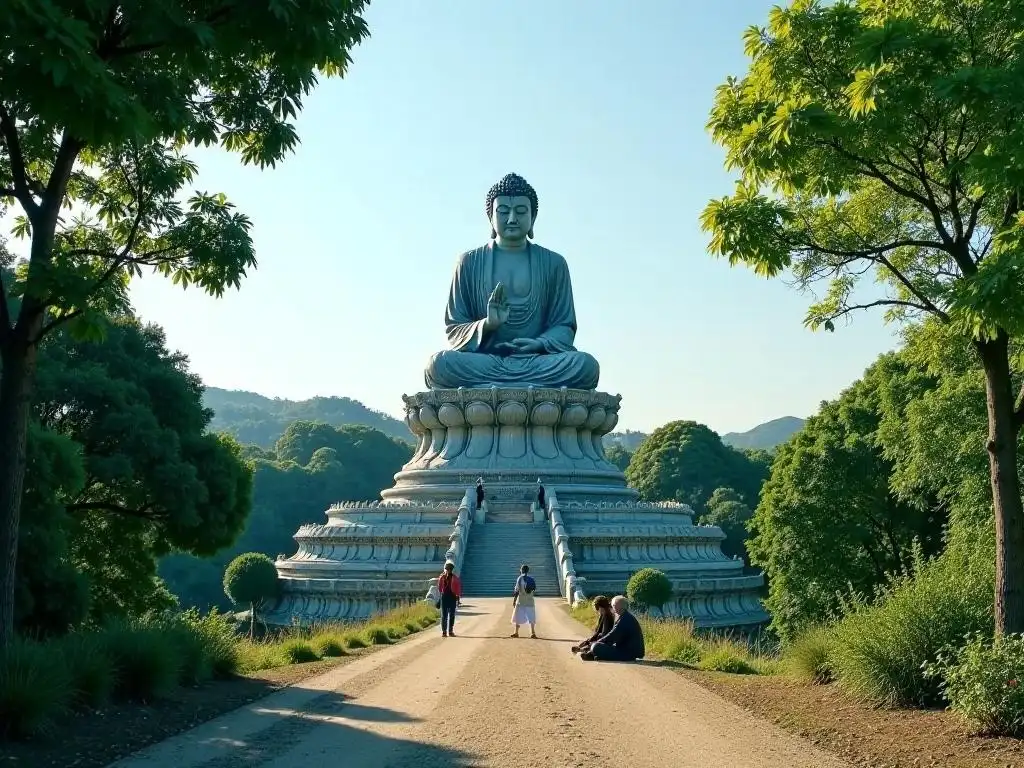
The Kamakura Period, which lasted from 1185 to 1333, marked a significant transformation in Japan's political landscape, transitioning from the centralized authority of the imperial court to a decentralized feudal system dominated by military leaders. This era was characterized by the rise of the samurai class and the establishment of the first shogunate, fundamentally altering the governance and cultural dynamics of Japan.
The political transition during this period was not merely a change in power but a profound shift in the way governance was perceived and executed. The Kamakura Shogunate introduced new administrative practices and military governance that would define the feudal structure for centuries to come. Notably, this period also set the stage for future conflicts and the eventual rise of the Ashikaga Shogunate.
Establishment of the Kamakura Shogunate
The establishment of the Kamakura Shogunate was a pivotal moment in Japanese history. Following the Genpei War (1180-1185), the Minamoto clan, led by Minamoto no Yoritomo, emerged victorious against the Taira clan. In 1192, Yoritomo was appointed shogun by the emperor, officially recognizing the authority of the military government he had set up in Kamakura.
Key aspects of the establishment include:
- Military Rule: The shogunate represented a shift from court-centered governance to military rule, whereby the samurai became the ruling class, governing on behalf of the emperor yet operating independently.
- Dual Authority: While the emperor retained nominal power, actual governance was in the hands of the shogunate, leading to a dual authority that complicated political dynamics.
- Kamakura as a Political Center: The selection of Kamakura as the seat of power was strategic, allowing the shogunate to control the eastern provinces and distance itself from the political intrigues of Kyoto.
This new governance model laid the groundwork for a feudal system where loyalty and land were exchanged for military service, creating a hierarchically structured society that prioritized samurai allegiance.
The Role of the Minamoto Clan in Political Transition
The Minamoto clan played a crucial role in the political transition from the Heian period to the Kamakura period. As a powerful warrior clan, their actions and strategies were instrumental in shaping Japan's feudal governance.
- Leadership and Strategy: Under the leadership of Minamoto no Yoritomo, the clan skillfully navigated the political landscape, leveraging military might and alliances to consolidate power. Their success in the Genpei War was a testament to their strategic prowess.
- Influence on Governance: The Minamoto clan not only established the shogunate but also implemented a system of governance that included the appointment of vassals and the management of lands, which became the foundation for feudal governance.
- Cultural Impact: The Minamoto clan's rise also influenced cultural aspects, as they patronized arts and literature, contributing to the development of a distinctly samurai culture that emphasized bushido (the way of the warrior).
Through these actions, the Minamoto clan not only transitioned political power but also redefined the societal structure, paving the way for the enduring legacy of the samurai in Japanese history.
Changes in Governance: From Aristocratic Rule to Military Leadership
The shift from an aristocratic rule to military leadership during the Kamakura period represented a fundamental change in governance that had lasting implications for Japan's political landscape.
- Decline of the Aristocracy: The power of the aristocracy began to wane as the military class gained prominence. The shogunate's reliance on samurai for governance diminished the influence of noble families who had dominated the Heian period.
- Feudal System: The introduction of a feudal hierarchy replaced the court's bureaucratic structures with a system based on land ownership and loyalty. Lords granted land (shōen) to vassals in exchange for military service, creating a network of allegiances that defined the period.
- Legal Reforms: The Kamakura Shogunate also initiated legal reforms, establishing the Jōei Code and other regulations that formalized the roles and responsibilities of samurai, further embedding military leadership in the fabric of governance.
This transition not only altered the political dynamics of the time but also set the stage for future conflicts and developments, leading to the eventual rise of new shogunates and the continued evolution of Japan's feudal system.
The Kamakura period was a transformative era in Japan's political history, characterized by the establishment of a military government that reshaped governance and society, with the Minamoto clan playing a central role in this significant transition.
Key Events in the Political Transition
The Genpei War and Its Consequences
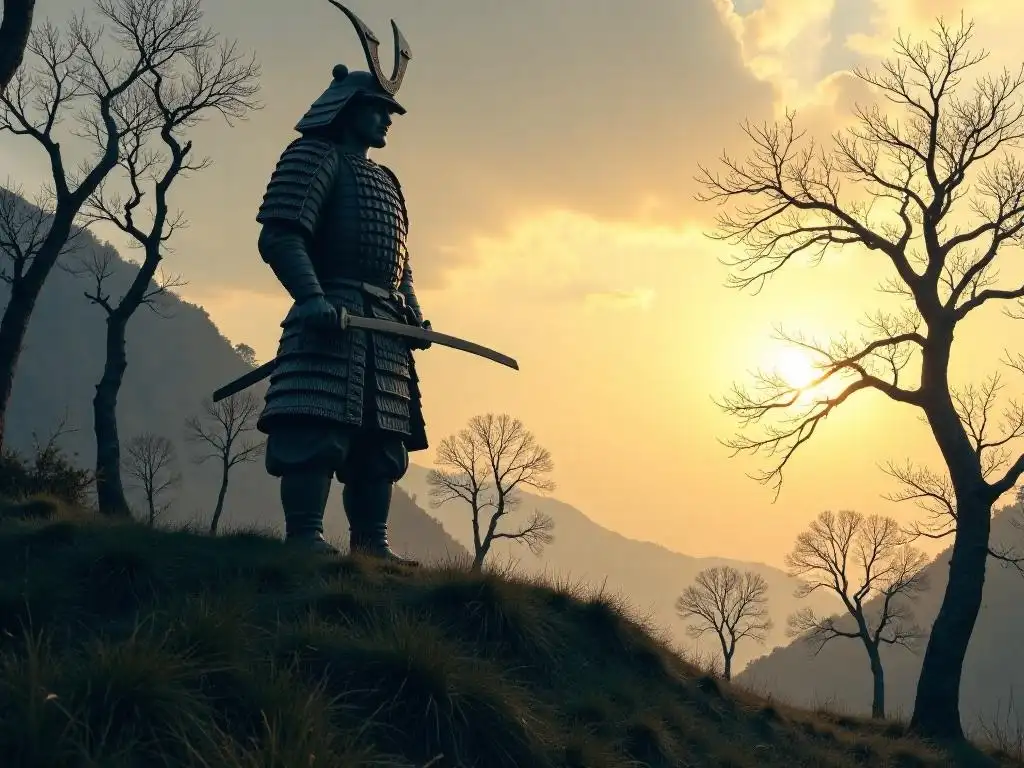
The Genpei War (1180-1185) stands as a pivotal conflict that marked the transition from the Heian Period to the Kamakura Period in Japan. This war was fought between the Taira and Minamoto clans, representing the two most powerful warrior families of the time. The struggle was not merely for military supremacy but also for political power, which would eventually lead to the establishment of a new governance structure in Japan.
Causes of the Genpei War
- Power Struggles: The Taira clan had risen to prominence, garnering significant influence at the imperial court. However, the Minamoto clan sought to reclaim their status and power, leading to escalating tensions.
- Imperial Favor: The Taira's close ties with the imperial family created resentment among other clans, particularly the Minamoto, who felt sidelined.
Key Battles
- Battle of Uji (1180): The war commenced with this early engagement, which showcased the fierce rivalry and set the stage for future confrontations.
- Battle of Dan-no-ura (1185): This naval battle marked the climax of the Genpei War, resulting in a decisive victory for the Minamoto clan and the drowning of Taira no Tomomori, a key Taira leader.
Consequences of the War
The Genpei War culminated in the fall of the Taira clan and the rise of the Minamoto. The victory of Minamoto no Yoritomo established him as the first shōgun of Japan, heralding the Kamakura Period. This transition fundamentally altered the political landscape of Japan, shifting power from the imperial court to military leaders.
The Formation of the Bakufu: Military Governance in Japan
The establishment of the Bakufu, or shogunate, represented a significant shift in governance during the Kamakura Period. This military government was characterized by a decentralized power structure, where the shōgun held supreme authority over military affairs while the emperor retained a ceremonial role.
Structure of the Bakufu
- Shōgun: The military leader, who wielded actual power and led the samurai class.
- Daimyō: Feudal lords who governed regions and owed loyalty to the shōgun.
- Samurai: The warrior class that served the daimyō and upheld the shogunate's authority.
Functions of the Bakufu
The Bakufu was responsible for various aspects of governance, including:
- Military Administration: The shōgun controlled the samurai, ensuring loyalty and military readiness.
- Land Management: The daimyō managed lands and resources, collecting taxes and maintaining local order.
- Judiciary: The Bakufu established legal codes and courts to resolve disputes, indicating a move toward structured governance.
Significance of the Bakufu
The Bakufu's formation marked the inception of a new political paradigm in Japan, characterized by military rule rather than aristocratic governance. This shift allowed for greater stability amid the ongoing conflicts of the feudal era and laid the groundwork for future shogunates.
The Impact of the Shogunate on Japanese Society
The emergence of the shogunate during the Kamakura Period had profound implications for Japanese society, shaping its structure, culture, and daily life.
Social Hierarchy
- Warrior Class Dominance: The samurai class became the ruling elite, displacing the previous aristocratic families who had dominated during the Heian Period.
- Peasant Relations: Peasants were often bound to the land they worked, with their loyalty directed towards local daimyō rather than the emperor, leading to a feudal system of land tenure.
Cultural Developments
The shogunate fostered unique cultural developments, including:
- Zen Buddhism: Gaining prominence among the samurai, emphasizing discipline and meditation.
- The Arts: The Kamakura Period saw the development of new artistic expressions, including Noh theater and ink painting, reflecting the values of the emerging warrior class.
Economic Changes
- Agricultural Reforms: The shogunate implemented policies to boost agricultural productivity, which was vital for sustaining the population and the samurai class.
- Trade and Commerce: A more structured trade system emerged, allowing for economic growth and the rise of merchant classes, though they remained subordinate to the samurai.
The impact of the shogunate extended beyond governance; it reshaped the entire fabric of Japanese society, introducing military values and altering social structures that would influence Japan for centuries to come.
The Impact of the Japan Feudal Era Political Transition
The transition from the Heian to the Kamakura period marked a significant shift in the political landscape of Japan. This period saw the decline of court aristocracy and the rise of military governance, leading to profound changes in governance, social structures, and cultural expressions. Understanding these transformations is essential to appreciate the dynamics of the Japan feudal era political transition.
Changes in Governance Structure and Power Distribution
During the Heian period, political power was concentrated within the imperial court, where aristocratic families wielded significant influence. However, with the emergence of the Kamakura shogunate in the late 12th century, this power structure underwent radical changes. The following points highlight the key changes in governance:
- Rise of the Shogunate: The Kamakura shogunate, established by Minamoto no Yoritomo in 1192, marked the beginning of military rule in Japan. This system replaced the previous political structure dominated by the emperor and the court.
- Decentralization of Power: The shogunate implemented a feudal system where power was decentralized. Local lords, known as daimyō, were granted control over their territories in exchange for loyalty to the shogun. This shift allowed for more localized governance and military authority.
- Judicial Authority: The Kamakura shogunate established its own legal system, known as the shiki, which governed both civil and military matters. This system created a separation from the court's legal traditions, emphasizing the shogun's authority over law and order.
- Land Redistribution: Power was further solidified through land grants. The shogunate distributed lands to loyal samurai, reinforcing their loyalty while establishing a new class of warrior nobility that played a crucial role in local governance.
The shifting governance structure during the Kamakura period not only altered the distribution of power but also set the stage for future political developments in Japan.
The transition of political power from the Heian to the Kamakura period facilitated a transformation in social hierarchies that defined feudal Japan. The feudal system established distinct classes, each with specific roles and responsibilities:
- Warrior Class (Samurai): The samurai emerged as the ruling military class, gaining prominence under the shogunate. Their status was defined by loyalty, martial skill, and adherence to the bushidō, or way of the warrior.
- Peasantry: The majority of the population were peasants who worked the land. Under the feudal system, they were bound to the land they cultivated, providing agricultural produce to their lords in exchange for protection.
- Artisans and Merchants: As towns began to grow during the Kamakura period, artisans and merchants gained a foothold in society. However, their status remained lower than that of the samurai and peasants, as the samurai viewed trade as a lesser pursuit.
- Court Nobility: While the court aristocracy lost political power, they retained cultural influence. This duality created a complex societal structure where cultural and political spheres operated independently.
The evolution of social hierarchies during this period laid the groundwork for the rigid class structures that would characterize later feudal Japan, influencing social interactions and cultural developments.
Cultural and Historical Legacy of the Kamakura Period
The Kamakura period not only redefined political and social structures but also left a lasting cultural legacy that continues to influence Japan today. Key aspects of this legacy include:
- Zen Buddhism: The Kamakura period witnessed the rise of Zen Buddhism, which gained popularity among the samurai class. Its emphasis on meditation and simplicity resonated with warrior ideals, leading to a profound cultural shift.
- Art and Literature: This era produced significant artistic expressions, including the development of Noh theater and the samurai ethos in literature. The Tale of Heike, for example, reflects the warrior culture and the tumultuous events of the time.
- Architectural Innovations: The construction of fortifications and temples during this period, such as Hōnen's Jōdo and the Kamakura Great Buddha, showcased a blend of military and religious architecture that symbolized the era's values.
- Political Philosophy: The Kamakura period laid the groundwork for subsequent political philosophies, including the concept of shōen (manor system), which influenced land tenure and governance in later periods.
The Kamakura period marked a pivotal transition in Japan's feudal era, reshaping political power, social hierarchies, and cultural expressions. The impact of this transition resonates throughout Japan's history, making it a significant era for understanding the evolution of Japanese society and governance.
Comparison of Heian and Kamakura Governance
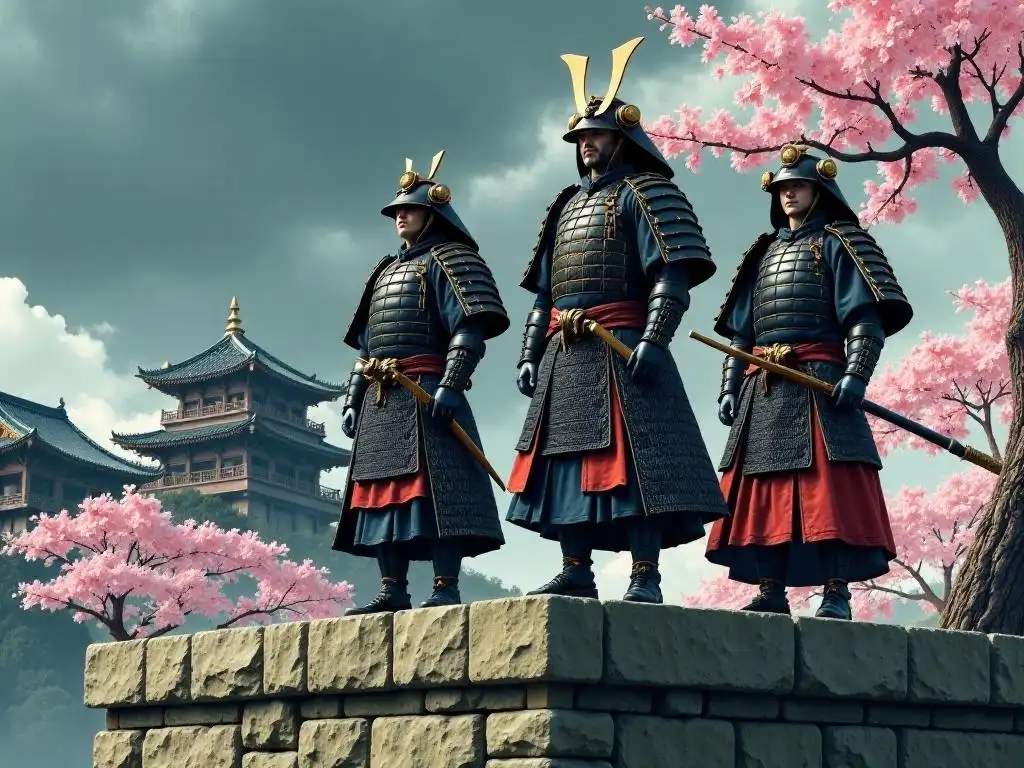
Political Structures: Imperial Court vs. Shogunate
The political landscape of Japan underwent a significant transformation from the Heian period (794-1185) to the Kamakura period (1185-1333). The Heian period was characterized by a centralized political structure dominated by the imperial court, with the emperor as the nominal head of state. The court was primarily composed of aristocratic families, particularly the Fujiwara clan, who wielded considerable influence through marriage alliances and regent positions. This era was marked by a focus on art, literature, and courtly culture, which often overshadowed the political realities of the time.
In contrast, the Kamakura period introduced a decentralized political structure led by the shogunate—a military government that held actual power. The establishment of the Kamakura shogunate by Minamoto no Yoritomo marked a critical shift in governance. The emperor remained a symbolic figure, while real authority was exercised by the shogunate and its samurai vassals. This transition signified the rise of the warrior class and the establishment of a feudal system where loyalty and land holdings dictated power dynamics.
The following table highlights key differences between the two governance structures:
| Feature | Heian Period | Kamakura Period |
|---|---|---|
| Political Authority | Emperor and Imperial Court | Shogunate and Samurai |
| Centralization | Highly centralized | Decentralized |
| Nobility | Aristocratic families | Military class (samurai) |
| Cultural Focus | Arts and literature | Military and governance |
| Land Ownership | Court nobles owned land | Land granted to vassals |
Influence of Cultural Practices on Political Power
Cultural practices during the Heian period significantly influenced the political dynamics of the time. The aesthetic values of the court, such as poetry, calligraphy, and the performing arts, played a crucial role in establishing a hierarchy among the aristocracy. The political power of the Fujiwara clan, for instance, was deeply intertwined with their patronage of cultural activities, which solidified their status within the imperial court. The emphasis on cultural refinement often diverted attention from political affairs, allowing powerful families to manipulate the political landscape without direct confrontation.
As Japan transitioned into the Kamakura period, the role of culture shifted alongside the political structure. While the samurai class maintained some cultural practices from the Heian era, such as poetry and Zen Buddhism, the focus moved toward martial values and loyalty to one's lord. The rise of the bushido code—a set of ethical principles guiding samurai behavior—further emphasized honor, duty, and discipline. This cultural shift not only defined the samurai ethos but also reinforced the political structures of the shogunate, where loyalty and martial prowess became central to political power.
Implications for Future Japanese Political Development
The transition from the Heian to Kamakura governance had profound implications for the future of Japanese political development. The establishment of the shogunate set a precedent for military governance that would influence Japan for centuries. The decentralized power structure allowed regional lords (daimyō) to gain autonomy, which contributed to the fragmentation of power that characterized the subsequent Sengoku period (1467-1603).
Furthermore, the shift in political authority from the emperor to the shogunate laid the groundwork for the feudal system in Japan. This system would evolve, impacting social hierarchies, land ownership, and governance throughout the following periods, including the Muromachi and Edo periods.
The political transition also fostered a new identity among the samurai, who would become instrumental in shaping Japan’s military and political landscape. Such developments underscored the importance of loyalty and service, which became key attributes of political affiliation in Japanese society.
The transition from Heian to Kamakura governance was not merely a change in political structure; it was a pivotal moment that influenced the trajectory of Japan's political history, setting the stage for the complex interplay of power, culture, and society that would define the nation for generations to come.
Conclusion: Understanding the Transition of Political Power

The transition from the Heian period to the Kamakura period marked a significant shift in Japan’s political landscape, setting the stage for the emergence of the samurai class as a dominant force in governance. This transition is characterized by the decline of imperial authority and the rise of military rule, leading to a reconfiguration of power dynamics that would shape Japan’s feudal era.
The Heian period (794-1185) was largely defined by a centralized government led by the emperor and the aristocracy, with a focus on court culture and aesthetics. However, as the power of local clans and military leaders grew, the imperial court's control weakened. This vulnerability paved the way for the establishment of the Kamakura shogunate in 1192, which introduced a new form of governance focused on military authority and feudal loyalty.
The Lasting Influence of the Heian to Kamakura Transition
The transition from the Heian to Kamakura period had profound implications for governance and societal structure in Japan. Key elements of this influence include:
- Decentralization of Power: The shift marked a move from a centralized imperial rule to a decentralized feudal system. Local lords (daimyō) gained increased autonomy, which allowed them to govern their territories with a certain level of independence while still pledging loyalty to the shogun.
- Rise of the Samurai Class: With the establishment of the Kamakura shogunate, the samurai emerged as the ruling elite. Their values, including loyalty, honor, and martial prowess, became foundational to Japanese society. The samurai code, known as Bushido, influenced not only military conduct but also the cultural and ethical frameworks of the era.
- Legal and Administrative Developments: The Kamakura period saw the introduction of new legal codes and administrative practices. The shogunate implemented systems to manage land and resources efficiently, which included land grants to loyal vassals and the establishment of a network of loyal retainers.
- Cultural Shifts: This period also initiated changes in cultural expression, with the rise of new artistic forms that reflected the samurai ethos. Literature, theater, and visual arts began to incorporate themes of loyalty, conflict, and the natural world, diverging from the more courtly and refined aesthetics of the Heian era.
Reflections on Japan’s Feudal Era Political Dynamics
The political dynamics of Japan’s feudal era, particularly during the transition to the Kamakura period, reveal a complex interplay of power, culture, and societal change. Several reflections on these dynamics include:
- The Role of Conflict: The transition was not merely a shift in governance but also a response to ongoing conflicts among clans. The Genpei War (1180-1185), which pitted the Taira against the Minamoto, exemplifies how military conflict catalyzed political change and ultimately led to the establishment of the shogunate.
- Influence of Religion: Buddhism and Shintoism played significant roles in shaping the political landscape. The Kamakura shogunate, for example, endorsed certain Buddhist sects that aligned with their values, promoting a spiritual legitimacy to their rule.
- Legacy of Governance: The governance structures laid down during the Kamakura period would influence subsequent shogunates and the overall trajectory of Japanese political history. The feudal system established during this time persisted for centuries, affecting land ownership, loyalty, and social hierarchy.
- Enduring Impact on Japanese Identity: The political transitions during this period contributed to the formation of a distinct Japanese identity, characterized by a blend of warrior ethics and agrarian traditions. The legacy of the samurai and their governance style continues to resonate in modern Japanese culture and societal values.
The transition from the Heian to the Kamakura period signifies a pivotal moment in Japan's feudal era political transition, establishing foundational elements that would shape the nation’s governance and cultural identity for generations to come. Through examining the lasting influence and reflections on this period, we gain a deeper understanding of the intricate tapestry of Japan's political history.
References and Further Reading on Japan's Political History
Understanding the complexities of the Japan feudal era political transition requires a thorough dive into various resources that detail the historical, cultural, and societal aspects of this transformative period. Below are some recommended books, articles, and online resources that provide valuable insights into Japan's political evolution from the Heian to the Kamakura periods.
Recommended Books and Articles
- "The Making of Modern Japan" by Bruce Cummings
- This comprehensive text traces the historical development of Japan, including the feudal era and its political structures.
- "Japan: A History" by John McCormack
- McCormack's work spans from ancient to modern Japan, offering a detailed analysis of the political transitions that shaped the nation.
- "Kamakura: The Emergence of a New Power" by Thomas D. Conlan
- This book specifically focuses on the Kamakura period, detailing the rise of the samurai class and the political shift from imperial rule.
- "Warriors of Japan as Portrayed in the War Tales" by Paul Varley
- Varley examines the role of warriors during the feudal era, providing context on their influence in political transitions.
- "Feudal Japan: A History" by Richard W. Cox
- Cox's concise overview of feudal Japan delves into the governance structures that emerged during the Kamakura period.
- "The Age of the Samurai: Japan 1185-1600" by Stephen Turnbull
- This book offers insights into the military and political changes during Japan's feudal age, with a focus on the samurai's role.
Online Resources for In-depth Exploration of Feudal Japan
- The National Diet Library of Japan
- A valuable resource for primary documents and historical texts related to Japan's political history. Their digital archives provide access to a wealth of materials from the feudal period.
- The Asia Society's Interactive Timeline of Japanese History
- This online tool allows users to explore key events in Japan's history, including significant political transitions during the feudal era.
- The Japanese Historical Society
- Offers a collection of articles, papers, and publications focusing on various aspects of Japan’s history, including the Kamakura period's governance.
- Stanford University’s "Introduction to Japanese History" Course
- An academic course that covers major historical periods, with dedicated sections to the political developments during the feudal era.
- YouTube Documentaries on Feudal Japan
- Channels like "History Time" and "The History of Japan" provide visual explorations of key events and figures that shaped Japan's political landscape.
By engaging with these resources, readers can deepen their understanding of the intricate political transitions that characterized the Japan feudal era and shaped the nation's governance and societal structure during the Kamakura period.
Frequently Asked Questions
What was the significance of the Heian period in Japan's feudal history?
The Heian period (794-1185) is marked by cultural flourishing and the establishment of a court-centric society, setting the stage for future political transitions.
How did the Kamakura period shape Japan's political landscape?
The Kamakura period (1185-1333) introduced military governance, shifting power from the aristocracy to the samurai class, which fundamentally changed the political structure of Japan.
What were the main factors contributing to the political transition from Heian to Kamakura?
Key factors included aristocratic decline, rising power of the samurai, and external pressures such as the Gempei War, which culminated in the establishment of the shogunate system.
How did the samurai class influence the governance during the feudal era?
The samurai class became pivotal in enforcing loyalty and military service, effectively becoming the ruling elite and shaping policies during the Kamakura period.
What cultural developments occurred during the transition from Heian to Kamakura?
The transition saw the rise of new literary forms, Buddhist practices, and artistic expressions that reflected the changing societal values and laid the groundwork for Japan's feudal culture.
Final Reflection: The Enduring Legacy of Japan's Political Transition
The transition from the Heian to the Kamakura period marks a pivotal moment in Japanese history, illustrating how shifts in political power can reshape a society's cultural and social fabric. Today, as we navigate our own complex political landscapes, understanding these historical transitions offers valuable insights into the dynamics of power and governance. The lessons learned from Japan's feudal era remind us that political change is not merely a matter of leadership but a reflection of the collective will and resilience of the people.
Culture and society are deeply intertwined with the political structures that govern them, and the Heian to Kamakura transition serves as a testament to this relationship. The rise of the samurai class and the establishment of a military government not only altered the political hierarchy but also influenced art, literature, and social norms in profound ways. As noted by historian John W. Hall, The samurai ethos became a defining characteristic of Japanese identity, shaping values that persist to this day.
This ongoing influence highlights the importance of understanding historical transitions as they continue to resonate in contemporary Japanese culture and beyond.
As we reflect on the lessons from this significant period in Japan's history, let us consider how we can apply these insights to our own lives and communities. What can we learn from the resilience and adaptability of those who lived through such transformative times? I invite you to engage with the themes of power, identity, and cultural evolution in your own context. By doing so, we not only honor the past but also empower ourselves to navigate the complexities of our present and future with greater awareness and purpose.
Embrace the Journey: Discover Japan’s Historical Transformation!
Thank you for taking the time to dive into the fascinating shifts from the Heian to the Kamakura period. You've uncovered the pivotal moments where political power reshaped Japan, and now it’s time to apply that knowledge!
Here are some clear next steps for you to deepen your understanding and engage with this captivating period in history:
- Explore: Visit a local library or online archive to discover authentic texts or artifacts from the Heian and Kamakura eras. Each piece can offer invaluable insights into the culture of the time!
- Share: Discuss your favorite findings with friends or in community forums about how these historical shifts still resonate with modern Japanese society.
- Engage: Join a history group or attend lectures focusing on feudal Japan. Connecting with others can enhance your learning experience and spark enriching discussions.
What aspect of the transition from the Heian to the Kamakura period intrigues you the most, and how do you think it shapes Japan’s present? Let's discuss!