
How Feudal Allegiances Shaped Political Decisions in the Kamakura Era

Welcome to Feudal Japan History, where we embark on a fascinating journey through the rich tapestry of Japan’s feudal era. Here, we delve deep into the intricate web of political decisions in the Kamakura era, unearthing the alliances and power struggles that shaped a nation. Prepare to uncover the hidden narratives and pivotal moments that defined this transformative period. What secrets lie within the feudal allegiances? Join us as we explore these compelling stories and more, inviting you to discover the past like never before.
- Introduction to Political Decisions in the Kamakura Era
- The Structure of Feudal Allegiances
- The Impact of Feudal Allegiances on Political Decisions
- Conflicts and Resolutions Influenced by Allegiances
- The Role of Land Ownership and Economic Power
- Cultural and Social Aspects Affecting Political Choices
- Long-term Consequences of Feudal Allegiances
- Conclusion: Reflection on Political Decisions in the Kamakura Era
-
Frequently Asked Questions
- What were the main political decisions made during the Kamakura era?
- How did feudal allegiances influence the Kamakura shogunate?
- What were the cultural aspects of the Kamakura era that affected political decisions?
- How did the Kamakura era impact societal structure in Japan?
- What role did external threats play in shaping political decisions during this era?
- Final Reflection: The Enduring Legacy of Feudal Allegiances in Political Decisions
- Unveil the Legacy of Feudal Japan!
Introduction to Political Decisions in the Kamakura Era
The Kamakura Era, spanning from 1185 to 1333, marks a pivotal chapter in Japanese history, characterized by the emergence of a military government known as the shogunate. This period witnessed significant transformations in the political landscape of Japan, driven by the intricate web of feudal allegiances that dictated the actions and decisions of leaders.
In this article, we delve deep into how these allegiances influenced political decisions in the Kamakura era, shaping the governance of the time and setting the stage for future developments in Japan’s political history. By exploring the dynamics of loyalty, power, and authority among the samurai class and their feudal lords, we aim to provide a comprehensive understanding of the factors that led to critical political outcomes during this transformative period.
Overview of the Kamakura Period
The Kamakura Period is often recognized as the first era of samurai rule in Japan. It began after the Genpei War, which culminated in the Minamoto clan's victory, establishing the Kamakura shogunate under Minamoto no Yoritomo. This era is marked by several key developments:
- Establishment of the Shogunate: The Kamakura shogunate introduced a new form of governance that decentralized power, allowing regional lords (daimyō) to hold significant autonomy while pledging allegiance to the shogun.
- Social Hierarchy: The feudal structure became more pronounced, with samurai at the top of the social hierarchy, serving their lords in exchange for land and protection.
- Cultural Flourishing: This period also saw a rise in cultural practices, including the development of Zen Buddhism and the arts, influenced by the samurai's values and beliefs.
The political decisions made during this period were deeply intertwined with the feudal system, where loyalty and honor were paramount.
Importance of Feudal Allegiances in Governance
Feudal allegiances were not merely personal relationships; they were the backbone of political stability during the Kamakura era. Understanding their significance reveals how power dynamics influenced governance:
- Loyalty as a Political Tool: The samurai’s loyalty to their lords was often tested, and breaking this bond could lead to severe consequences. This loyalty shaped political decisions, as lords relied on their retainers for military support and governance.
- Influence on Policy: Decisions regarding land distribution, taxation, and military campaigns were often influenced by the need to maintain strong allegiances. The shogunate had to carefully navigate the interests of various clans to maintain order and stability.
- Conflict and Resolution: Feudal allegiances could also lead to conflict, as rivalries between clans often resulted in power struggles. The resolution of these conflicts required astute political maneuvering and negotiation.
Feudal allegiances played a crucial role in shaping political decisions during the Kamakura era. By examining these relationships, we gain insight into the complexities of governance and the factors that influenced the trajectory of Japanese history in this seminal period.
The Structure of Feudal Allegiances
The feudal allegiances in Japan during the Kamakura era (1185-1333) were fundamental to understanding the political decisions that shaped this period. This system was characterized by a complex hierarchy that integrated land ownership, military service, and loyalty, creating a web of relationships that influenced governance and societal structure.
Definition of Feudal Allegiances in Japan
Feudal allegiances in Japan were based on a system known as shiki, which referred to land grants and the rights associated with them. This relationship was reciprocal; lords granted land to vassals in exchange for military support and loyalty. The basic unit of this system was the daimyō, a powerful feudal lord who held vast estates and commanded a number of samurai.
In this hierarchical structure, the bonds of loyalty (called giri) were paramount. These allegiances were often cemented through ceremonies and oaths, emphasizing loyalty not only to one’s lord but also to one’s family and community. The feudal system was underpinned by the following elements:
- Land Ownership: Land was the primary source of wealth and power; thus, control over land was essential for political influence.
- Military Service: Vassals were required to provide military service to their lords, which created a reliance on the samurai class for the enforcement of political decisions.
- Loyalty and Honor: Maintaining honor through loyalty was crucial, often leading to personal sacrifices that could impact political alliances.
Key Figures in the Kamakura Political Landscape
In the Kamakura period, several key figures emerged whose influence shaped political decisions significantly. Their roles within the feudal system were vital to both governance and the execution of power.
The Role of the Shogunate
The shogunate, established by Minamoto no Yoritomo in 1192, was a military government that set forth a new era of governance in Japan. The shogun held supreme military authority and was responsible for maintaining peace and order throughout the land.
- Political Authority: The shogunate centralized power, allowing for more cohesive decision-making and the enforcement of policies across various regions. This centralization often came at the expense of local daimyō, who had to navigate their allegiances carefully.
- Legal Framework: The Kamakura shogunate developed legal codes that guided the conduct of samurai and regulated disputes among feudal lords. These codes were crucial for the establishment of political order and stability.
- Influence on Military Campaigns: The shogunate's decisions regarding military campaigns, such as the Mongol invasions in the late 13th century, demonstrated how the feudal alliances were mobilized in defense of the realm, showcasing the interconnectedness of military obligations and political decisions.
Influence of the Samurai Class
The samurai, as the warrior class, played a critical role in the political landscape of the Kamakura era. Their loyalty and military capabilities were essential for the enforcement of the shogunate's authority and the protection of feudal lords.
- Feudal Loyalty: Samurai were bound to serve their daimyō, often leading to complex loyalties that influenced political decisions. The obligations of the samurai to their lords could dictate their actions in both local and national matters.
- Political Power: As the military backbone of the feudal system, samurai could leverage their position to influence political decisions, often participating in councils or serving directly under the shogun. Their martial prowess allowed them to negotiate power dynamics effectively.
- Cultural Impact: The samurai’s code of conduct, known as bushidō, emphasized loyalty, honor, and bravery. This cultural framework not only shaped the samurai's personal decisions but also impacted the broader political decisions of the era, as the ideals of bushidō were often invoked in the justification of actions taken in the name of loyalty or honor.
The structure of feudal allegiances in the Kamakura era was a defining element of its political landscape, influencing the governance and societal interactions of the time. Understanding this complex network of relationships is crucial to grasping the political decisions made during this significant period in Japanese history.
The Impact of Feudal Allegiances on Political Decisions
The feudal allegiances during the Kamakura era played a pivotal role in shaping the political landscape of Japan. This period, spanning from 1185 to 1333, marked the rise of the samurai class and the establishment of the first shogunate, significantly influencing governance policies and political decisions. The intricate network of loyalties among lords (daimyō) and their vassals (samurai) dictated not only military strategies but also domestic and foreign policies.
At the heart of this system was the concept of loyalty. Loyalty was not merely a personal virtue but a crucial element that determined the stability and continuity of political power. The obligations of vassals to their lords often led to decisions that favored the interests of the feudal lords over the common populace. This created a governance structure where political decisions were heavily influenced by the need to maintain alliances and protect one's domain.
How Loyalty Shaped Governance Policies
The governance policies during the Kamakura period were deeply intertwined with the feudal system's hierarchical structure. Political decisions were often made with an eye towards maintaining feudal loyalty rather than broader public welfare. For instance, the need to reward loyal vassals could lead to land redistribution, which would shift power dynamics within the region.
- Military Alliances: Political decisions often prioritized alliances that could secure military support. For example, a lord might choose to align with a neighboring daimyō to fend off a common enemy, even if it meant compromising on other policies.
- Economic Policies: The distribution of resources and economic policies were frequently influenced by loyalty. Lords would allocate taxes or land grants to those who demonstrated unwavering fealty, reinforcing the feudal bonds and ensuring continued loyalty.
- Judicial Decisions: The judiciary also reflected feudal allegiances. Local lords had significant power over legal matters, and their decisions often favored their vassals, creating a system where justice was not uniformly applied but rather influenced by personal loyalties.
Such dynamics demonstrate that the political decisions in the Kamakura era were not merely administrative choices; they were deeply rooted in the feudal allegiance systems that defined the era.
Case Studies of Influential Political Decisions
To understand the impact of feudal allegiances on political decisions, we can examine specific historical events that illustrate this relationship.
The 1185 Establishment of the Kamakura Shogunate
The establishment of the Kamakura Shogunate in 1185 is a prime example of how political decisions shaped by feudal allegiances can have lasting implications. After the Genpei War, Minamoto no Yoritomo emerged as the victor and was appointed as the first shōgun. His rise to power was not solely due to military prowess but also the strategic alliances he formed with various daimyō.
- Feudal Loyalty: Yoritomo's consolidation of power relied heavily on the loyalty of his vassals. He awarded land and titles to those who supported him, thus ensuring their allegiance and stabilizing his rule.
- Political Structure: The shogunate established a new governance structure that favored military leaders, shifting the balance of power away from the imperial court and towards the samurai class. This decision had profound political ramifications, as it established a precedent for military governance in Japan.
This foundational political decision laid the groundwork for future governance policies and set the stage for the samurai's role in Japanese politics.
The 1221 Jokyu War and Its Consequences
The Jokyu War of 1221 further exemplifies how feudal allegiances influenced significant political decisions. This conflict arose when the imperial court attempted to regain power from the shogunate, leading to a civil war that would have lasting effects on Japanese governance.
- Loyalty Divides: The war highlighted the divisions within the samurai class, as various factions chose sides based on loyalty. Some samurai remained loyal to the shogunate, while others sided with the imperial court, reflecting the complexities of feudal allegiances.
- Political Aftermath: The defeat of the imperial forces solidified the shogunate's power, but it also led to a more centralized military governance structure. The Kamakura shogunate took further steps to ensure loyalty among the samurai, leading to the implementation of policies that emphasized the importance of allegiance and service to the shōgun.
The Jokyu War serves as a crucial reminder of how feudal allegiances could dictate political outcomes and influence governance, reinforcing the idea that loyalty was a cornerstone of political decisions during the Kamakura era.
The analysis of feudal allegiances during the Kamakura period reveals that political decisions were heavily influenced by loyalty dynamics, which shaped governance policies and determined the course of Japanese history during this era.
Conflicts and Resolutions Influenced by Allegiances
Internal Conflicts within the Kamakura Shogunate
The Kamakura Shogunate (1185-1333) was characterized by a complex web of allegiances that significantly influenced internal conflicts. The primary cause of these conflicts stemmed from the struggle for power among various clans, particularly the Minamoto and Taira. As the shogunate established its authority, the loyalty of vassals became paramount in shaping political decisions.
Key Factors of Internal Conflict
- Factionalism: Internal strife was often fueled by factionalism among the samurai class. As different clans sought to assert dominance, disputes over land and influence frequently led to violent skirmishes. For instance, the Genpei War (1180-1185) was a significant conflict that pitted the Minamoto against the Taira, ultimately leading to the establishment of the Kamakura Shogunate.
- Succession Issues: The Kamakura Shogunate faced challenges related to succession. The death of a shōgun often led to power struggles among potential heirs. These disputes were exacerbated by the allegiance systems, where loyalty to a particular clan often dictated political support. For example, the internal conflict over the succession of Minamoto no Yoriie led to a temporary power vacuum and increased rivalries among the vassals.
- Betrayal and Realignment: Allegiances were not always steadfast. The shifting loyalties of samurai could lead to betrayals, as seen in the case of Kujō Michiie, whose changing alliances contributed to the instability within the shogunate. This fluidity often forced leaders to make political decisions that prioritized immediate security over long-term stability.
External Threats and Their Impact on Political Strategies
The Kamakura Shogunate faced various external threats that necessitated strategic political decisions influenced by the allegiance of local clans and samurai. The most notable external threat came from the Mongol invasions in the late 13th century.
Mongol Invasions
- The First Invasion (1274): The Mongol Empire, under Kublai Khan, launched its first invasion of Japan in 1274. The Kamakura Shogunate relied heavily on its vassals to muster troops and resources. The allegiance of various clans was crucial in assembling a defense force. The response to this invasion highlighted the necessity of unified action, prompting the shogunate to strengthen alliances with regional daimyōs.
- The Second Invasion (1281): The second invasion was even more extensive, with a larger fleet and greater numbers. The political decisions made during this time involved not only military strategies but also diplomatic efforts to secure the loyalty of vassal states. The successful defense against the Mongol forces, aided by kamikaze (divine winds), reinforced the shogunate's reliance on its allies and demonstrated the critical importance of solidified allegiances in times of crisis.
Economic and Military Strategies
- Resource Allocation: The external threats compelled the Kamakura Shogunate to make significant decisions regarding resource allocation. Funds and military supplies were strategically distributed to support loyal clans, reinforcing their allegiance while maintaining military readiness.
- Building Alliances: The threat of the Mongols prompted the shogunate to cultivate alliances with other powerful clans, such as the Hojo, to ensure a united front. This led to strategic marriages and political negotiations, reshaping the political landscape of the era.
The allegiances formed during the Kamakura era shaped both internal conflicts and responses to external threats. These relationships dictated the political decisions made by the shogunate, reflecting the intricate interplay between loyalty and governance in feudal Japan.
The Role of Land Ownership and Economic Power
Land ownership and economic power were foundational elements in shaping political decisions during the Kamakura era (1185-1333). This period saw the rise of the samurai class, who established a system of governance that heavily relied on the control of land and resources. The feudal structure created a complex web of allegiances where land ownership directly correlated with political influence and authority.
In the Kamakura period, the relationship between landlords, or daimyō, and political authority was deeply intertwined. The daimyō were powerful feudal lords who owned vast tracts of land, often acquired through military prowess or inheritance. The power dynamics were clear: land equated to wealth, and wealth translated into political clout.
- Vassalage System: The daimyō maintained a vassalage system where samurai pledged loyalty in exchange for land or stipends. This relationship solidified the political hierarchy and ensured a loyal military force for the daimyō. As a result, military service became a critical expectation, binding the samurai to their lords and enhancing the latter's political power.
- Shōen System: The shōen system, or private landholdings, further complicated the relationship between landlords and political authority. These estates were often exempt from imperial taxation, granting landlords significant autonomy. This autonomy allowed the daimyō to operate independently, often challenging the central authority of the Kamakura shogunate.
- Political Alliances: The interplay of land ownership also influenced political alliances. Marriages between powerful families and strategic land grants were common practices that strengthened ties, creating networks of loyalty. These alliances often dictated military alliances and political decisions, demonstrating the significant impact of feudal ties on governance.
Economic Decisions Influenced by Feudal Ties
Economic decisions during the Kamakura era were largely dictated by the feudal system, emphasizing the profound connection between economics and political decisions. The reliance on agricultural production and resource management directly affected the stability and power of the ruling class.
- Resource Allocation: Landlords had absolute control over the resources within their territories. Economic decisions, such as the allocation of agricultural surplus or the management of trade routes, were made in accordance with their political interests. For instance, a daimyō might choose to invest in improving irrigation systems to increase crop yields, thereby boosting their wealth and political power.
- Taxation Policies: The lack of a centralized taxation system in the Kamakura period meant that landlords could impose their own taxes on the peasantry. This autonomy allowed them to fund military campaigns or other political endeavors. Consequently, the economic burden on the peasants often influenced political stability, with dissatisfaction potentially leading to uprisings against the daimyō.
- Market Control and Trade: Control over local markets and trade routes also played a crucial role in shaping political decisions. Landlords who monopolized trade could leverage their economic power to negotiate favorable terms with the shogunate or other daimyō. This control over economic resources often translated into political influence, allowing them to shape the broader political landscape of the era.
Land ownership and economic power intricately shaped political decisions in the Kamakura era. The relationship between landlords and political authority, alongside the economic decisions influenced by feudal ties, established a framework where loyalty, military power, and economic control dictated the governance of Japan during this pivotal historical period.

The Influence of Buddhism and Shinto Beliefs
Buddhism and Shintoism played pivotal roles in shaping the political landscape during the Kamakura era (1185–1333). As the ruling class, the samurai were deeply influenced by these spiritual traditions, which intertwined with their sense of duty and loyalty, ultimately affecting political decisions in the Kamakura era.
Buddhism's Role in Governance
Buddhism, particularly Zen Buddhism, gained prominence among the samurai. It emphasized discipline, meditation, and a sense of inner peace, which resonated with the warrior class. The samurai adopted Buddhist principles to navigate the complexities of their roles, integrating these values into their political strategies. For instance:
- Moral Justification for Warfare: Buddhist teachings provided a philosophical framework for justifying warfare and loyalty to a lord. The concept of karma influenced leaders to consider the moral implications of their actions.
- Support for Rulers: High-ranking Buddhist priests often acted as advisors to the shogunate, lending their spiritual authority to political decisions. This created a symbiotic relationship where spiritual guidance affected governance.
Shinto Beliefs and Political Legitimacy
Shintoism, the indigenous spirituality of Japan, also played a crucial role in the political realm. It emphasized the reverence of kami (spirits), which were believed to inhabit natural objects and phenomena. This belief system reinforced the divine right of rulers and established a framework for political legitimacy.
- Divine Ancestry of the Emperor: The belief in the emperor's descent from the sun goddess Amaterasu solidified the notion that the emperor was divinely appointed. This belief impacted political decisions, as loyalty to the emperor was seen as a religious duty.
- Rituals and Ceremonies: The performance of Shinto rituals by the ruling class reinforced their authority, aligning political decisions with spiritual obligations. These ceremonies served to unite the populace under a common cultural identity, further solidifying the political structure.
The rigid social hierarchies established during the Kamakura era significantly influenced political decisions, shaping the governance structure in complex ways. The era was characterized by a distinct class system, composed primarily of:
- Samurai Class: The warrior class held military power and political authority. Their loyalty to their lords was paramount, and this allegiance directly impacted governance.
- Peasantry: The majority of the population were farmers who provided the economic backbone of feudal Japan. Their needs and stability were often overlooked in favor of samurai interests, leading to political decisions that prioritized military endeavors over agrarian welfare.
- Merchants and Artisans: Although lower on the social hierarchy, the growing influence of merchants during the Kamakura period began to shift political dynamics. Their economic power allowed them to gain political leverage, sometimes influencing decisions that favored trade and commerce.
The Interplay of Class and Political Power
- Feudal Contracts: The relationship between lords and vassals was formalized through shiki (land grants), which dictated the obligations of loyalty and service. These contracts were not merely economic; they were steeped in social duty, influencing political allegiances and decisions.
- Conflict and Rebellion: Social tensions often arose from the disparities within this hierarchy. Peasant uprisings, driven by dissatisfaction with samurai lords, prompted political actions aimed at maintaining control. The Kamakura shogunate had to navigate these conflicts carefully, balancing the interests of the ruling class with the needs of the peasantry to maintain stability.
Conclusion
The cultural and social dynamics of the Kamakura era were intricately woven into the fabric of its political decisions. The influence of Buddhism and Shinto beliefs provided spiritual justification for governance, while the rigid social hierarchies dictated the power dynamics that shaped political actions. Understanding these factors is crucial for comprehending the complexities of political decisions in the Kamakura era.
Long-term Consequences of Feudal Allegiances
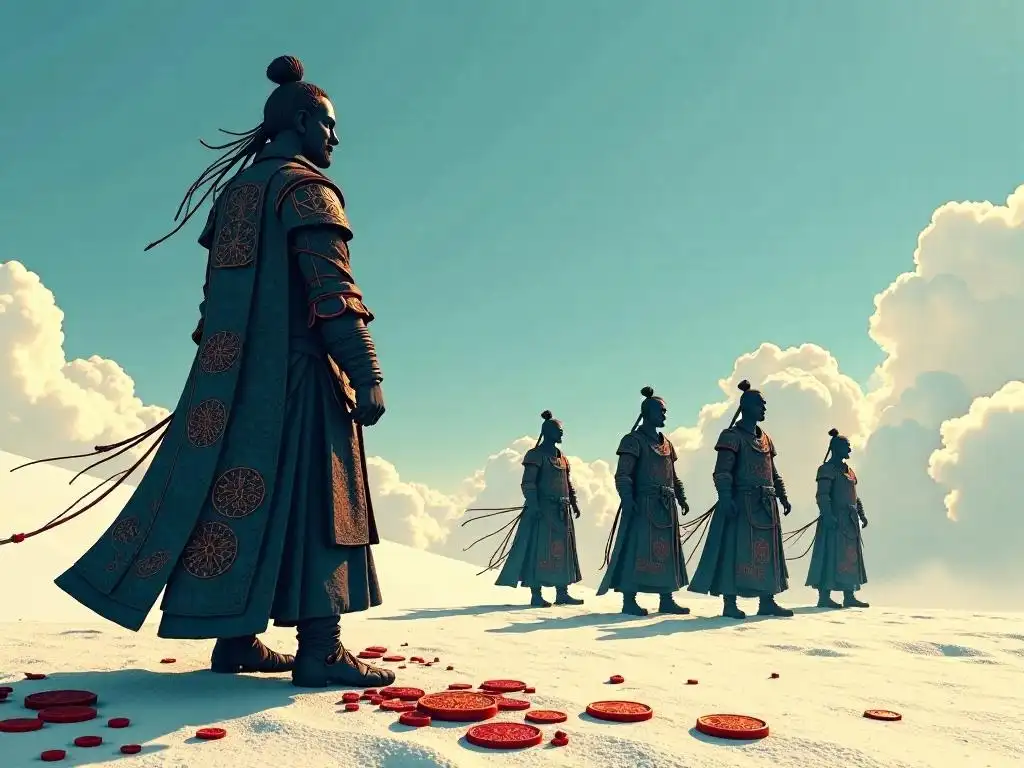
The feudal allegiances established during the Kamakura era had profound long-term consequences that reverberated throughout Japan's political landscape. These allegiances were not merely personal bonds between lords (daimyō) and vassals (samurai); they were foundational to the structure of governance in Japan.
One of the most significant long-term impacts was the establishment of a decentralized power structure. The Kamakura shogunate, though it centralized military power, relied heavily on local lords to maintain control over various regions. As a result, these lords gained significant autonomy and influence, leading to a fragmented political landscape that persisted long after the Kamakura period ended. The alliances formed during this time not only dictated immediate political decisions but also laid the groundwork for future conflicts and power struggles among feudal lords, ultimately culminating in events like the Ōnin War in the late 15th century.
Shifts in Power Dynamics Post-Kamakura Era
The power dynamics established during the Kamakura era underwent substantial shifts in the subsequent periods. Following the fall of the Kamakura shogunate in 1333, the Ashikaga shogunate emerged, further altering the landscape of feudal allegiances. The Ashikaga shogunate sought to consolidate power in a way that differed from their Kamakura predecessors.
- Rise of Regional Powers: As the Ashikaga shogunate struggled to maintain control, regional powers began to assert themselves. This fragmentation often resulted in the formation of new alliances and rivalries, where vassals turned against their former lords or allied with other factions to increase their influence.
- Impact of the Sengoku Period: The Sengoku period, or Era of Warring States (1467-1568), was characterized by the breakdown of centralized authority and the rise of powerful daimyo who sought to expand their territories through warfare and strategic alliances. The feudal allegiances formed during the Kamakura era influenced how these conflicts played out, often leading to the same families and clans re-emerging as significant players in the ensuing chaos.
The long-standing feudal structures facilitated a culture of warfare and alliance-making that defined the political landscape of Japan for centuries. This period illustrated how the legacy of feudal allegiances transcended the Kamakura era, reshaping political decisions for generations.
Legacy of Feudalism on Modern Japanese Politics
The legacy of feudalism in Japan has had lasting influences on modern political structures and societal norms. While contemporary governance has evolved significantly, several elements can be traced back to the feudal allegiances of the Kamakura era.
- Influence on Political Hierarchies: The hierarchical nature of feudalism established a precedent for social and political organization in Japan. Modern Japanese politics still reflect a degree of hierarchical structure, where authority and influence often stem from historical family ties and established political clans.
- Political Decision-Making Processes: The methods of political decision-making in Japan today can also be traced back to the feudal period. The emphasis on consensus and loyalty among political factions mirrors the bonds of loyalty that characterized samurai-vassal relationships during the Kamakura era. This tradition influences how political negotiations and alliances are formed, often prioritizing relationship-building over confrontational politics.
- Cultural Norms of Loyalty and Honor: The cultural values rooted in feudalism, such as loyalty (忠義, chūgi) and honor (名誉, meiyo), continue to resonate in modern Japanese society. These values shape not only personal relations but also the expectations of public officials and political leaders, emphasizing the importance of integrity and commitment to one's constituents.
While Japan has transitioned into a modern state, the echoes of feudal allegiances from the Kamakura era can still be observed in the fabric of its political landscape. Understanding these roots offers valuable insights into the complexities of political decisions in the contemporary context.
Conclusion: Reflection on Political Decisions in the Kamakura Era
The Kamakura era (1185-1333) stands as a pivotal period in Japanese history, characterized by the emergence of the samurai class and the establishment of a new political framework that significantly influenced governance. The intricate web of feudal allegiances played a crucial role in shaping political decisions during this time, dictating not just the relationships between the ruling shogunate and its vassals, but also how power and resources were allocated across the region.
As political decisions in the Kamakura era evolved, they were deeply intertwined with the loyalty owed to feudal lords (daimyō) and the obligations that came with those allegiances. The shogunate's reliance on these networks of loyalty not only informed its military strategies but also influenced administrative policies, legal frameworks, and social hierarchies.
In this context, it is essential to reflect on the outcomes of such allegiances. The decisions made at the highest levels often had far-reaching implications for local governance and societal structure, shaping not only the political landscape of the time but also the future of Japan.
Summary of Key Points
- Feudal Structure: The Kamakura period marked the transition from imperial rule to a feudal system dominated by the shogunate, where daimyō and samurai held significant power.
- Political Alliances: Political decisions were heavily influenced by feudal allegiances, creating a complex network of loyalties that dictated military and administrative actions.
- Military Governance: The need for military support from vassals directly impacted the decisions of the shogunate, which often prioritized the maintenance of alliances through strategic marriages and land grants.
- Social Hierarchies: Feudal allegiances also contributed to the establishment of rigid social classes, further entrenching the power dynamics within Japanese society.
- Legal Systems: The development of legal frameworks during the Kamakura era was often a reflection of the feudal obligations and relationships, shaping how justice was administered across the region.
The Lasting Influence of Feudal Allegiances on Governance in Japan
The feudal allegiances established during the Kamakura era had a profound and lasting impact on governance in Japan, setting the stage for future political developments.
Key Influences:
- Decentralization of Power: The reliance on local daimyō for military and economic support led to a decentralized political structure. This fragmentation of power would continue to influence Japanese governance for centuries, paving the way for both regional autonomy and conflict.
- Legacy of Loyalty: The concept of loyalty to one's lord became a cornerstone of Japanese political culture, influencing not only governance but also social norms and values. This loyalty was often romanticized in literature and arts, reinforcing its importance in Japanese identity.
- Impact on Succession and Leadership: The feudal system dictated the lines of succession and the legitimacy of leadership, often leading to conflicts over inheritance and power struggles that would manifest in later periods, notably during the Sengoku period.
- Crisis Response: The feudal allegiances created a framework for collective action during crises, such as invasions or natural disasters. The ability to mobilize resources through loyal vassals proved crucial in times of need, illustrating the practical implications of these allegiances.
- Cultural Integration: The governance model established in this period blended military and administrative practices with cultural elements, fostering a unique political identity that would influence subsequent eras, such as the Muromachi and Edo periods.
The political decisions in the Kamakura era, heavily influenced by feudal allegiances, have left an indelible mark on the trajectory of Japanese governance. Understanding this dynamic not only provides insights into the past but also helps contextualize the evolution of political structures in modern Japan.
Frequently Asked Questions
What were the main political decisions made during the Kamakura era?
The Kamakura era saw significant political decisions such as the establishment of the shogunate system and the division of power between the emperor and military leaders, fundamentally shaping Japan's governance.
How did feudal allegiances influence the Kamakura shogunate?
Feudal allegiances played a crucial role in the Kamakura shogunate, as samurai loyalty to their lords determined military support and stability, impacting both political strategy and governance.
What were the cultural aspects of the Kamakura era that affected political decisions?
Cultural factors, including Buddhism and samurai values, shaped the political decisions of the time, influencing leaders to adopt policies that aligned with spiritual and ethical beliefs.
How did the Kamakura era impact societal structure in Japan?
The Kamakura era established a hierarchical societal structure, where samurai were at the top, leading to social stratification that affected political decisions and alliances throughout the period.
What role did external threats play in shaping political decisions during this era?
External threats, such as the Mongol invasions, prompted critical political decisions in the Kamakura era, leading to military reforms and increased collaboration among feudal lords to defend against invasions.
Final Reflection: The Enduring Legacy of Feudal Allegiances in Political Decisions
The intricate web of feudal allegiances during the Kamakura era continues to resonate in today's political landscape, highlighting how historical relationships shape contemporary governance. As we explore the dynamics of power and loyalty that defined this period, it becomes clear that the decisions made by leaders were not merely strategic but deeply rooted in personal and familial bonds. The echoes of these allegiances remind us that political decisions are often influenced by relationships that transcend mere policy, creating a complex tapestry of influence that persists through time.
The impact of feudal allegiances on political decisions in the Kamakura era is a testament to the profound ways in which history informs our current societal structures. This historical framework has laid the groundwork for understanding modern political affiliations and alliances. As we navigate our own political landscapes, we can see how personal loyalties and historical ties continue to shape decision-making processes. History is not just what happened; it is also how we remember it and how it shapes our future.
This observation underscores the importance of recognizing the past as a guiding force in our present and future political endeavors.
As we reflect on the lessons from the Kamakura era, I invite you to consider how the principles of loyalty and allegiance manifest in your own life and community. What relationships influence your decisions, and how can you harness the power of these connections to foster positive change? By understanding the historical significance of feudal allegiances, we can apply these insights to our own political engagement, ensuring that our choices are informed by a rich tapestry of relationships that honor our past while shaping a better future.
Unveil the Legacy of Feudal Japan!
Thank you for investing your time in exploring how feudal allegiances influenced the political landscape of the Kamakura Era. This rich history sheds light on the intricate relationships and decisions that have shaped modern society. Now, it’s your turn to delve deeper and engage with this fascinating topic!
- Start your journey by researching local museums or online archives that showcase artifacts and documents from the Kamakura period. Discover the hidden histories waiting to be unveiled.
- Share your insights! Discuss your newfound knowledge with friends or on social media; invite others into the conversation about feudal Japan.
- Join forums or online communities dedicated to historical discussions to connect with fellow enthusiasts and broaden your understanding even further.
What aspect of feudal allegiances do you find most relevant to today's political dilemmas?