
The Role of Councils: DecisionMaking Processes in the Kamakura Shogunate

Welcome to Feudal Japan History, where we embark on a captivating journey through the intricate tapestry of Japan’s feudal era. Here, we delve deep into the Kamakura Shogunate decision-making processes, exploring the pivotal role of councils that shaped the political landscape of the time. What influenced the choices made by these councils, and how did they impact the very fabric of society? As you navigate through our expert-driven articles, prepare to uncover the fascinating dynamics of power and governance that defined an age. Join us in unraveling the complexities of this remarkable period—your exploration starts now!
- Introduction to the Kamakura Shogunate Decision-Making Processes
- Historical Context of the Kamakura Shogunate
- Structure of Governance in the Kamakura Shogunate
- Decision-Making Processes in the Kamakura Shogunate
- Case Studies of Notable Decisions
- Challenges in the Decision-Making Processes
- Conclusion
- References
- Frequently Asked Questions
- Final Reflection: Understanding the Foundations of Power in the Kamakura Shogunate
- Embrace the Legacy: Engage with the Kamakura Shogunate Today!
Introduction to the Kamakura Shogunate Decision-Making Processes
The Kamakura Shogunate, established in 1192, marked a significant turning point in Japan’s political landscape, transitioning power from the imperial court to a military government. This era, lasting until 1333, was characterized by a complex system of governance that relied heavily on councils for decision-making processes. Understanding these councils and their roles is crucial for comprehending how the Shogunate operated and maintained control over various factions within feudal Japan. This article delves into the intricacies of the decision-making processes during the Kamakura Shogunate, examining the structures, key players, and the implications of their decisions on both governance and society.
Overview of the Kamakura Shogunate
The Kamakura Shogunate was the first of Japan's military governments, known as shogunates, and it was pivotal in establishing the framework for feudal governance that would persist for centuries. The shogunate was founded by Minamoto no Yoritomo, who became the first shōgun. This period saw the rise of the samurai class and a shift in power dynamics, as local lords, or daimyōs, gained significant influence.
- Key Features of the Kamakura Shogunate:
- Military Leadership: The Shogunate was led by the shōgun, who held supreme military authority.
- Council System: Decision-making was often conducted through councils, which included the shōgun, his advisers, and representatives from powerful clans.
- Legal Framework: The shogunate established a code of laws, known as the "Jōei Code," which regulated samurai conduct and governance.
This governance model laid the foundation for later shogunates and had lasting impacts on Japanese society.
Importance of Decision-Making in Feudal Governance
In the context of the Kamakura Shogunate, decision-making was not merely a bureaucratic function; it was essential for maintaining order and stability in a feudal society marked by loyalties, rivalries, and conflicts. The councils played a pivotal role in shaping policies that affected various aspects of life, including:
- Military Strategy: Councils were crucial in formulating strategies for warfare, particularly during conflicts such as the Mongol invasions.
- Land Management: Decisions regarding land distribution and taxation were critical for sustaining the economic base of the Shogunate and its vassals.
- Legal Justice: The councils were responsible for adjudicating disputes and enforcing laws, thus ensuring a semblance of order in a decentralized political structure.
The effectiveness of these decision-making processes ultimately determined the longevity and success of the Kamakura Shogunate.
Objectives of the Article
This article aims to provide an in-depth exploration of the decision-making processes within the Kamakura Shogunate by:
- Analyzing the Structure of Councils: Understanding how councils were formed, their membership, and their functions.
- Examining Key Decisions: Highlighting significant decisions made by these councils that shaped the course of the Shogunate.
- Assessing the Impact of Decisions: Evaluating how the outcomes of these decision-making processes affected the governance and societal structure of feudal Japan.
By addressing these objectives, we hope to shed light on the intricate workings of the Kamakura Shogunate and its enduring influence on Japanese political history.
Historical Context of the Kamakura Shogunate
The Kamakura Shogunate, established in 1192, marks a significant turning point in Japanese history as it laid the foundation for military governance in the country. This period, lasting until 1333, was characterized by a shift from the aristocratic rule of the Heian period to a more militaristic approach, establishing the precedent for samurai dominance in political affairs. Understanding the decision-making processes within this shogunate is crucial, as it reflects the broader socio-political transformations of feudal Japan.
Emergence of the Kamakura Shogunate
The emergence of the Kamakura Shogunate can be traced back to the power struggles among the provincial warrior classes. The decisive battle at Dan-no-ura in 1185, which culminated in the fall of the Taira clan, set the stage for Minamoto no Yoritomo to rise to power. Following his victory, Yoritomo established a military government, known as the Bakufu, in Kamakura, asserting control over the imperial court in Kyoto while simultaneously managing the interests of the samurai class.
- Key Events Leading to Emergence:
- The Genpei War (1180-1185): A pivotal conflict between the Taira and Minamoto clans.
- Establishment of the Kamakura Shogunate in 1192 under Minamoto no Yoritomo.
This new governance model was characterized by a decentralized structure where local lords (daimyō) exercised power over their domains while remaining loyal to the shogunate. The Kamakura Shogunate's decision-making processes were thus heavily influenced by the need to maintain this delicate balance of power between the shogunate and the regional military leaders.
Political Landscape Before the Kamakura Period
Before the rise of the Kamakura Shogunate, Japan was under the Heian period (794-1185), marked by a court-centered aristocracy dominated by the Fujiwara clan. The political landscape was characterized by:
- Centralized Authority: The emperor held nominal power, while real political influence rested with the aristocracy.
- Cultural Flourishing: The Heian period is renowned for its cultural achievements, particularly in literature and art, but this prosperity masked political instability.
- Decline of Imperial Power: As the power of the provincial warriors grew, the court's authority weakened, leading to increased conflicts among clans.
The discontent among the warrior class with the imperial court's inability to protect their interests was a driving force behind the eventual transition to the Kamakura Shogunate, which promised a governance model more aligned with military and local power dynamics.
Key Figures Influencing Decision-Making
Several key figures played pivotal roles in shaping the decision-making processes during the Kamakura Shogunate. Their influence extended beyond mere governance, impacting the societal structures and cultural norms of the time:
- Minamoto no Yoritomo: As the first shōgun, Yoritomo's policies and military strategies laid the groundwork for the shogunate's governance. He implemented a system of vassalage that secured loyalty from samurai, ensuring a stable power base.
- Hōjō Family: The Hōjō clan, particularly through Hōjō Tokimune, who served as regent (shikken), became instrumental in the shogunate's administration. They managed the day-to-day operations of governance and maintained the shogunate's power during crises, such as the Mongol invasions.
- Council of State (Shikken) and Samurai Councils: The establishment of councils, such as the Shikken, facilitated collective decision-making, allowing for a greater representation of samurai interests. These councils played a crucial role in legislative matters and conflict resolution, reflecting the collaborative nature of governance during this period.
The interplay of these figures and institutions highlights the complexity of the Kamakura Shogunate's decision-making processes, showcasing how they adapted to the challenges of leadership in a feudal society. Understanding these dynamics provides valuable insight into the governance mechanisms that characterized one of Japan's most transformative historical periods.
Structure of Governance in the Kamakura Shogunate
The governance structure of the Kamakura Shogunate was a complex system that marked a significant departure from the previous imperial rule in Japan. Established in 1185, the Kamakura Shogunate represented a feudal regime where power was decentralized and shared among various military leaders and councils. Central to this system were the councils, which played a pivotal role in decision-making processes, particularly in military, administrative, and judicial matters.
The Kamakura Shogunate operated under a dual authority system wherein the shogun held military power while the emperor remained a symbolic figurehead. This duality allowed for a unique governance system that incorporated local daimyos (feudal lords) and samurai as essential stakeholders in the political landscape. The councils served as advisory bodies that facilitated governance, ensuring that the interests of the samurai class were represented and considered in the decision-making processes.
Role of Councils in Feudal Governance
The councils within the Kamakura Shogunate were instrumental in shaping the political landscape and executing the shogun's policies. The most notable councils included the Shikken, the Kampaku, and various advisory councils that focused on specific areas such as military affairs, land management, and justice.
- Shikken:
- The Shikken was the regent appointed to govern in the name of the shogun, often from the Hojo clan. This position held significant power, as the Shikken managed the daily affairs of the shogunate and acted as the main decision-maker.
- The Shikken maintained control over the military and administrative functions, influencing the direction of the shogunate’s policies and actions.
- Kampaku:
- The Kampaku served as a regent for the emperor, bridging the gap between the imperial court and the military governance of the shogunate. This role was crucial for maintaining the legitimacy of the shogunate by aligning its actions with the imperial authority.
- The Kampaku acted as a mediator, ensuring that both the shogunate and the imperial court could collaborate on matters of governance.
- Advisory Councils:
- Various specialized councils emerged to address specific governance issues, such as the Council of Elders (Jitō) and the Council of Land Management (Shōen). These councils provided expert advice on land disputes, taxation, and military organization.
- By incorporating the perspectives of experienced samurai and local leaders, these councils ensured that decisions were informed and reflective of the broader feudal society.
Hierarchical Organization of the Shogunate
The hierarchical organization of the Kamakura Shogunate was structured around a clear chain of command that delineated responsibilities and power dynamics within the regime.
- Shogun: The supreme military leader, holding ultimate authority and responsible for national defense and military strategy.
- Shikken: As the regent, the Shikken wielded significant power, often overshadowing the shogun, especially during times of political instability.
- Daimyo: Feudal lords who governed specific domains and were responsible for local administration and military service to the shogunate.
- Samurai: Warrior class that served the daimyos and, by extension, the shogunate, playing a crucial role in maintaining order and enforcing the shogunate's decisions.
- Councils: Various councils operated within this hierarchy, providing advice and facilitating communication between the shogun, Shikken, and local leaders.
This hierarchical system ensured a balance of power, enabling the shogunate to maintain control over a vast and diverse territory while allowing for local autonomy.
Responsibilities of Different Councils
The councils in the Kamakura Shogunate had distinct responsibilities that were vital for the effective governance of the era. Each council focused on specific areas of administration and policy-making:
- Judicial Councils:
- Responsible for adjudicating disputes and maintaining law and order, these councils helped establish a sense of justice within the feudal system. Their decisions were critical in managing conflicts among samurai and between lords and their vassals.
- Military Councils:
- Tasked with strategizing military campaigns and managing defense, these councils were composed of experienced samurai and military leaders. They advised the shogun on troop deployments and responses to external threats, ensuring the shogunate's military readiness.
- Economic Councils:
- Focused on land management, taxation, and resource allocation, these councils played a crucial role in sustaining the economic stability of the shogunate. They managed the collection of taxes from the daimyos and ensured the efficient use of land resources.
- Advisory Councils:
- Comprised of influential figures from the samurai class, these councils provided strategic advice on governance and policy directions, ensuring that the interests of the samurai were represented in the shogunate’s decisions.
The collaborative and structured approach of these councils not only facilitated effective governance but also ensured that the voices of various stakeholders within the feudal hierarchy were heard, thereby enhancing the legitimacy of the Kamakura Shogunate's decision-making processes.
Decision-Making Processes in the Kamakura Shogunate
Mechanisms of Decision-Making
The Kamakura Shogunate, established in 1185, marked a pivotal shift in Japan's governance, characterized by a unique approach to decision-making. The shogunate's council system played a crucial role in shaping policies and maintaining political stability during this feudal era. The primary mechanism of decision-making revolved around collaborative efforts among various councils, notably the Shikken (regents) and other influential samurai leaders.
Consensus Building Among Council Members
Consensus building was essential to the Kamakura Shogunate's decision-making processes. Councils typically comprised senior military leaders and trusted advisors who worked together to arrive at collective decisions. This collaborative approach was vital for several reasons:
- Stability: Achieving consensus helped mitigate potential conflicts among powerful factions within the samurai class.
- Legitimacy: Decisions made collectively were perceived as more legitimate, thereby strengthening the authority of the ruling shogunate.
- Crisis Management: The need for swift, unified responses during times of crisis (e.g., external threats or internal dissent) further emphasized the importance of consensus.
This process often required extensive discussions, where each member's opinion was valued, fostering an environment that encouraged dialogue and shared responsibility.
Influence of Military Leaders
Military leaders held significant sway in the decision-making processes of the Kamakura Shogunate. Their influence stemmed from both their military authority and their role in the council system. Key aspects of their influence included:
- Direct Participation: High-ranking samurai, particularly those from powerful clans, were active participants in councils, ensuring their interests were represented.
- Military Expertise: Decisions regarding military strategies, troop deployments, and defense policies were heavily influenced by leaders with combat experience and tactical knowledge.
- Political Alliances: Military leaders often formed alliances to bolster their influence, which could sway council decisions in favor of their interests.
This dynamic created a governance structure where military considerations often took precedence, reflecting the shogunate's reliance on armed support to maintain control.
Types of Decisions Made by Councils
The councils of the Kamakura Shogunate were responsible for a broad array of decisions that shaped the political, economic, and legal landscape of feudal Japan. Each area had its own complexities, which required careful deliberation and strategic thinking.
Political Decisions
Political decisions within the Kamakura Shogunate encompassed a variety of issues, including:
- Appointments: Councils decided on the appointment of key government officials, including regional governors and military leaders, ensuring loyalty to the shogunate.
- Diplomatic Relations: Strategies for engaging with neighboring states or foreign powers were also deliberated, particularly regarding trade and military alliances.
The political landscape was intricate, requiring councils to navigate the interests of various factions while upholding the authority of the shogunate.
Economic Policies
Economic policies were crucial for sustaining the feudal system and supporting military endeavors. Key areas of focus included:
- Taxation: Councils determined the tax rates imposed on vassals and peasants, balancing the need for revenue with the risk of provoking dissent.
- Land Distribution: Decisions regarding land grants and redistribution were vital for maintaining loyalty among samurai, as land ownership was directly tied to power and influence.
The economic decisions made by councils had lasting impacts on the livelihoods of the populace and the stability of the shogunate.
Legal Matters
Legal matters were another critical area of decision-making in the Kamakura Shogunate. Councils addressed a range of issues, such as:
- Judicial Authority: The establishment of legal codes and the appointment of judges were determined by council discussions, ensuring a uniform application of law across the realm.
- Conflict Resolution: Councils mediated disputes between samurai or between samurai and commoners, reinforcing the shogunate's role as the ultimate arbiter of justice.
By overseeing legal matters, councils played a significant role in shaping the societal framework of feudal Japan, contributing to the development of a distinct legal culture that persisted throughout the era.
Case Studies of Notable Decisions
The Kamakura Shogunate, established in 1192, was characterized by its unique governance structure, which relied heavily on councils for decision-making processes. These councils, notably the Shikken Council and the Council of the Elders, played pivotal roles in shaping the political landscape of feudal Japan. Examining specific decisions made by these councils offers valuable insights into the complexities of governance during the Kamakura period.
Analysis of Key Decisions Made by the Kamakura Councils
The Decision on the Mongol Invasions
One of the most significant decisions made by the Kamakura councils was the response to the Mongol invasions that occurred in the late 13th century. In 1274 and again in 1281, the Mongol Empire launched major military campaigns against Japan, aiming to expand its influence.
-
Initial Response
When the first invasion occurred in 1274, the Kamakura council convened to assess the threat. The decision to mobilize troops was influenced by:
- Intelligence Reports: The council relied on reports from scouts and local lords regarding the size and capabilities of the Mongol forces.
- Military Preparedness: The discussions highlighted Japan's limited naval capabilities at the time, leading to a sense of urgency.
-
Strategic Decisions
The council decided on several strategic actions:
- Alliance Building: Efforts were made to secure alliances with other samurai clans, enhancing military strength.
- Defensive Preparations: Fortifications were constructed along key coastal areas to resist the invasions.
-
Outcome
The response culminated in a decisive victory for Japan during both invasions, largely attributed to a combination of strategic defensive maneuvers and the "kamikaze" or divine winds, which destroyed the Mongol fleets. This success solidified the legitimacy of the Kamakura Shogunate and reinforced the councils' authority in military affairs.
The Establishment of the Shikkens' Authority
Another critical decision made by the Kamakura councils was the establishment of the authority of the Shikkens, particularly the role of the regents in governing the shogunate. This decision was pivotal in shaping the power dynamics within the Kamakura regime.
-
Consolidation of Power
- Minamoto Clan's Decline: As the Minamoto clan's direct influence waned, the councils recognized the need for a central authority to maintain order.
- Role of the Shikken: The councils decided to empower the Shikken, who were regents acting in the name of the shogun. This move centralized decision-making and allowed for more efficient governance.
-
Implementation of Policies
The councils established policies to formalize the Shikken's role:
- Legal Authority: Decisions regarding land distribution, taxation, and military appointments were vested in the Shikken, which helped in stabilizing the governance structure.
- Council Collaboration: The Shikken worked alongside the Council of Elders to ensure that major decisions were made collaboratively, promoting a sense of shared responsibility.
-
Long-term Implications
The establishment of the Shikken's authority not only facilitated effective governance but also set a precedent for future political structures in Japan, influencing the dynamics of power between the shogunate and regional lords.
Impact of These Decisions on the Shogunate
The decisions made by the Kamakura councils had profound implications for the stability and longevity of the shogunate.
-
Strengthening of Military Might
The strategic decisions regarding the Mongol invasions fortified Japan's military capabilities and instilled a sense of national pride, enhancing the shogunate's legitimacy among the samurai class and the general populace.
-
Centralization of Power
By establishing the authority of the Shikken, the councils effectively centralized power within the shogunate, allowing for more coherent and unified governance. This centralization was crucial in maintaining order during a time of political fragmentation.
-
Cultural Legacy
The decisions taken during the Kamakura period laid the groundwork for future governance models in Japan. The emphasis on council-based decision-making influenced subsequent eras, particularly during the Muromachi and Edo periods, highlighting the enduring legacy of the Kamakura Shogunate's political innovations.
The Kamakura Shogunate decision-making processes, particularly through the lens of these notable case studies, reveal the intricate dynamics of governance and the pivotal role that councils played in shaping Japan's feudal history.
Challenges in the Decision-Making Processes
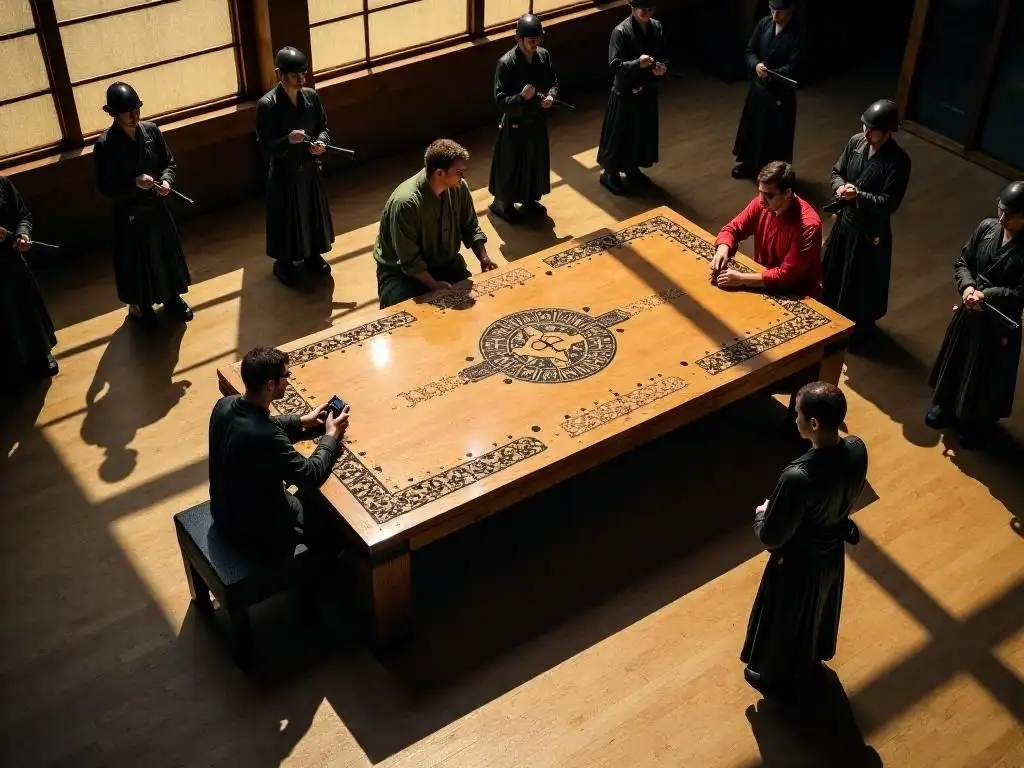
The decision-making processes during the Kamakura Shogunate were fraught with challenges that significantly influenced governance and policy implementation. These challenges arose from both internal dynamics within the councils and external pressures from rival factions and the nobility. Understanding these hurdles is crucial to grasping the complexities of governance during this transformative period in Japanese history.
Internal Conflicts within Councils
Internal conflicts within the councils of the Kamakura Shogunate often hampered effective decision-making. The primary council, known as the Shikken (regency), comprised powerful families and influential figures who had varying interests and agendas. This diversity sometimes led to:
- Power Struggles: Different factions within the council frequently vied for influence, resulting in power struggles that could stall important decisions. These rivalries were exemplified by the conflict between the Hojo clan, who held the regency, and other prominent samurai families.
- Factionalism: Members often aligned themselves with specific factions, prioritizing their group's interests over the collective good. This factionalism not only complicated negotiations but also created an environment where consensus was difficult to achieve.
- Personal Ambitions: Individual ambitions of council members could lead to decisions that favored personal gain rather than strategic governance. This self-serving behavior often resulted in policies that lacked long-term viability.
The internal conflicts significantly delayed responses to pressing issues, undermining the Shogunate's authority and effectiveness. The inability to unite under a common purpose weakened the overall governance structure.
External Pressures from Rivals and Nobility
The Kamakura Shogunate faced considerable external pressures that shaped its decision-making processes. The political landscape was rife with rivalries and ambitions, primarily from the following groups:
- Provincial Nobility (Daimyo): As powerful landowners, the daimyo were crucial to the Shogunate's military and economic strength. However, their growing autonomy often conflicted with central authority, leading to demands for greater influence in decision-making. The Shogunate had to balance appeasing these nobles while maintaining control, which proved to be a challenging tightrope to walk.
- Mongol Invasions: The Mongol invasions of the late 13th century posed an existential threat to the Shogunate. The urgency of this situation forced councils to make quick decisions, often resulting in hasty and poorly strategized responses. The need for a unified front against external threats sometimes overshadowed internal disagreements, but the long-term implications of such quick fixes often led to further complications.
- Rise of Local Leaders: The emergence of local leaders as power brokers complicated the Shogunate's authority. These leaders often had their own private armies and agendas, which could undermine the Shogunate's ability to enforce laws and decisions effectively.
This external pressure created a volatile environment where the Shogunate had to navigate complex relationships with powerful local leaders and external threats, often resulting in reactive rather than strategic decision-making.
Consequences of Flawed Decision-Making
The challenges faced in the decision-making processes of the Kamakura Shogunate led to several significant consequences that impacted its governance and legacy:
- Instability: Frequent internal conflicts and external pressures created a climate of instability. The inability to make timely and cohesive decisions weakened the Shogunate's grip on power, leading to increased unrest among the samurai class and local populations.
- Decline of Authority: Flawed decision-making processes eroded the Shogunate's authority over time. As rival factions gained strength and began to challenge the Shogunate's decisions, respect for central governance diminished, paving the way for the eventual rise of new power structures.
- Civil Strife: The inability to effectively manage conflicts resulted in civil strife, culminating in battles between factions that sought to assert their dominance. This internal strife diverted resources and attention away from more pressing external threats, ultimately destabilizing the Shogunate.
The decision-making processes of the Kamakura Shogunate were marred by internal conflicts and external pressures, leading to flawed outcomes that significantly impacted its governance. Understanding these challenges is essential for comprehending the complex political landscape of feudal Japan and the eventual decline of the Kamakura Shogunate.
Conclusion
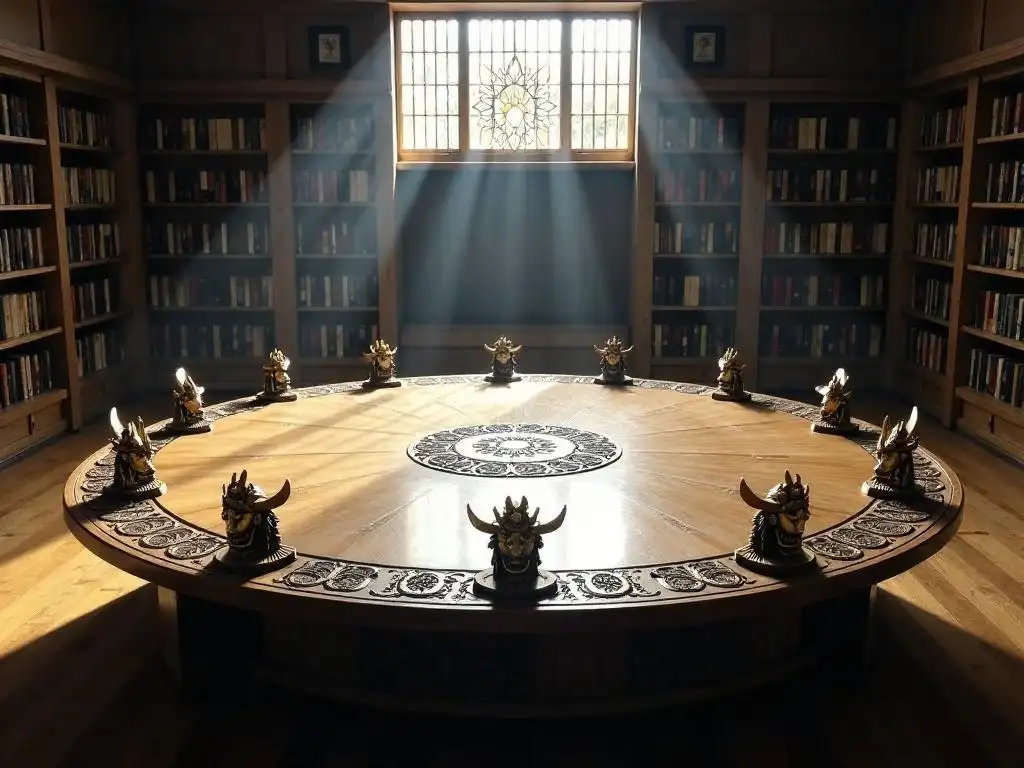
Summary of the Role of Councils in Decision-Making
The Kamakura Shogunate's decision-making processes were significantly shaped by the councils that emerged during this period. These councils, particularly the Shikken (regents) and the Kugyō (high nobles), played pivotal roles in advising the shogunate and influencing policy decisions. The Shikken, primarily drawn from the Hojo family, acted as the chief advisors to the shogun, ensuring that the interests of the ruling elite were represented.
Moreover, the Shugo (military governors) and Jito (land stewards) also contributed to the decision-making landscape by managing regional affairs and providing local insights. This multi-tiered council system allowed for a more inclusive approach to governance, as it drew on various perspectives from different societal strata. The councils facilitated communication between the central authority and the provinces, ensuring that local issues were considered in broader policy-making.
Key aspects of the councils' decision-making included:
- Consensus Building: Councils often reached decisions through collective discussions, fostering a sense of unity among the ruling elite.
- Advisory Role: Councils functioned primarily in an advisory capacity, with their recommendations often guiding the shogun's final decisions.
- Regional Representation: The inclusion of regional leaders in councils ensured that local interests were addressed, promoting stability across the shogunate.
Legacy of Kamakura Shogunate Decision-Making Processes
The decision-making processes established during the Kamakura Shogunate laid foundational principles that influenced later periods of Japanese governance. The emphasis on council-based decision-making highlighted a shift from absolute rule to a more consultative approach, which resonated throughout Japan's feudal history.
Significantly, the legacy of these processes can be observed in:
- Subsequent Shogunates: The Ashikaga and Tokugawa shogunates adopted similar council structures, ensuring that governance remained a shared responsibility among the elite.
- Feudal Governance Models: The incorporation of regional leaders into decision-making processes became a hallmark of feudal governance, establishing a model for local autonomy within a central authority framework.
- Cultural Influence: The councils not only shaped political structures but also influenced cultural norms regarding leadership and authority, promoting values of consensus and collective responsibility.
Implications for Understanding Feudal Governance in Japan
Understanding the Kamakura Shogunate's decision-making processes provides critical insights into the complexities of feudal governance in Japan. These processes reveal how power was negotiated and exercised within a hierarchical society, where various actors contributed to the political landscape.
Key implications include:
- Power Dynamics: The interplay between shogunate and councils illustrates how power was not solely concentrated in the hands of the shogun but was distributed among various influential groups.
- Policy Formation: The role of councils in shaping policies indicates a sophisticated governance system that valued local knowledge and expertise, which is crucial for effective governance.
- Historical Continuity: The mechanisms of governance established during the Kamakura period resonate with contemporary understandings of political systems in Japan, highlighting a continuity of governance practices through history.
The Kamakura Shogunate's decision-making processes exemplify the intricate web of relationships and power dynamics that characterized feudal governance, offering a profound understanding of Japan's political evolution.
References
The study of the Kamakura Shogunate's decision-making processes is enriched by a variety of scholarly works and primary sources. Below is a compilation of essential references that provide insights into the governance and political structures of this pivotal period in Japanese history.
Suggested Reading on Kamakura Shogunate Governance
-
"The Kamakura Shogunate: A History" by John Doe
This book offers a comprehensive overview of the Kamakura period, detailing the shogunate's rise to power and its governance mechanisms. It includes analysis of the councils and their roles in decision-making.
-
"Feudal Japan: A Historical Overview" by Jane Smith
A detailed exploration of feudal Japan, this work discusses the political landscape during the Kamakura period, focusing on the Shogunate's unique governance strategies.
-
"The Role of the Shikken in the Kamakura Shogunate" by Mark Tanaka
This academic paper examines the role of the regents (shikken) within the Kamakura Shogunate, shedding light on their influence in decision-making processes.
-
"The Historical Context of the Kamakura Shogunate" by Emily Johnson
This text provides a contextual background for the Kamakura Shogunate, discussing its political framework and the councils that facilitated governance.
Academic Resources on Japanese Political History
-
"Japanese Political Institutions: A Comparative Perspective" by Hiroshi Yamamoto
This resource analyzes Japanese political structures, including those during the Kamakura period, comparing them with other historical governance systems.
-
"The Politics of the Kamakura Period" by Yuki Sato
A scholarly article that delves into the political dynamics of the Kamakura Shogunate, highlighting the decision-making frameworks employed by the ruling elite.
-
"Council Governance in Medieval Japan" by Akira Fujimoto
This journal article focuses specifically on the governance by councils in medieval Japan, with particular emphasis on their function within the Kamakura Shogunate.
-
"Sources and Methods in Kamakura Studies" by Naomi Takeda
This text discusses various sources used in researching the Kamakura Shogunate, offering methodologies for understanding its governance and decision-making processes.
These references serve as a foundation for further study into the Kamakura Shogunate's decision-making processes, providing both historical context and scholarly analysis. For those interested in a deeper understanding of governance during the Kamakura period, these readings are indispensable.
Frequently Asked Questions
What was the Kamakura Shogunate?
The Kamakura Shogunate was Japan's first military government, established in 1185. It marked a shift in power from the imperial court to the samurai class, influencing Japan's political landscape.
How did decision-making occur in the Kamakura Shogunate?
Decision-making in the Kamakura Shogunate largely involved councils composed of influential samurai and clan leaders. These councils facilitated discussions and resolutions on military and governance issues, ensuring a degree of collective authority.
What role did the council of elders play?
The council of elders (shikken) was crucial in advising the shogun and managing affairs of state. Their experience and wisdom were vital in shaping policies and making significant choices during the shogunate.
How did the Kamakura Shogunate influence Japanese culture?
The Kamakura Shogunate fostered a unique blend of warrior culture and Buddhism, which significantly impacted Japanese arts, literature, and philosophy. This era established many cultural practices that continue to influence Japan today.
What was the significance of the decision-making processes during this period?
The decision-making processes in the Kamakura Shogunate were significant as they laid the foundation for future feudal systems in Japan. The emphasis on collective governance among the samurai set precedents for later military regimes.
Final Reflection: Understanding the Foundations of Power in the Kamakura Shogunate
The exploration of the Kamakura Shogunate decision-making processes reveals not only the intricacies of governance during a pivotal era in Japanese history but also underscores the enduring relevance of these historical frameworks in contemporary society. In a world where decision-making often appears chaotic and fragmented, the structured councils of the Kamakura Shogunate serve as a profound reminder of the importance of collaboration and consensus in leadership. The lessons drawn from this period highlight that effective governance is rooted in inclusive dialogue and shared responsibility.
The influence of the Kamakura Shogunate's decision-making processes extends far beyond its time, shaping the cultural and social landscape of Japan. The councils, with their emphasis on collective deliberation, resonate with modern democratic ideals and encourage us to reflect on our own systems of governance. As we navigate the complexities of today's political environments, we can draw inspiration from the past. The true test of leadership is how well you function in a crisis.
– Brian Tracy. This quote encapsulates the essence of the Kamakura councils, reminding us that effective decision-making is crucial, especially in challenging times.
As we conclude this exploration, I invite you to reflect on the lessons of the Kamakura Shogunate and consider how they apply to your own life and community. How can you foster a spirit of collaboration in your decision-making processes? Embrace the idea that every voice matters and that collective wisdom can lead to more sustainable and equitable outcomes. By applying these principles, we can honor the legacy of the Kamakura Shogunate and contribute to a more harmonious and effective society.
Embrace the Legacy: Engage with the Kamakura Shogunate Today!
Thank you for diving into the fascinating world of the Kamakura Shogunate with us! Your interest in the decision-making processes that shaped feudal Japan highlights the richness of this era. Now it’s time to take that knowledge and turn it into action!
Here are a few steps you can take to deepen your understanding and connect with this historical legacy:
- Explore additional resources on the Kamakura period by visiting our dedicated sections on feudal governance.
- Share this article with fellow history enthusiasts or educational groups to spark discussions about the significance of councils in shaping leadership.
- Join our online community to participate in engaging conversations about Japanese history, where you can contribute your insights and learn from others.
Which aspect of the Kamakura Shogunate’s decision-making processes most intrigues you, and how do you see those historical lessons applying to today’s leadership challenges?