
Feudal Hierarchies: Understanding the Political Landscape of Kamakura Japan

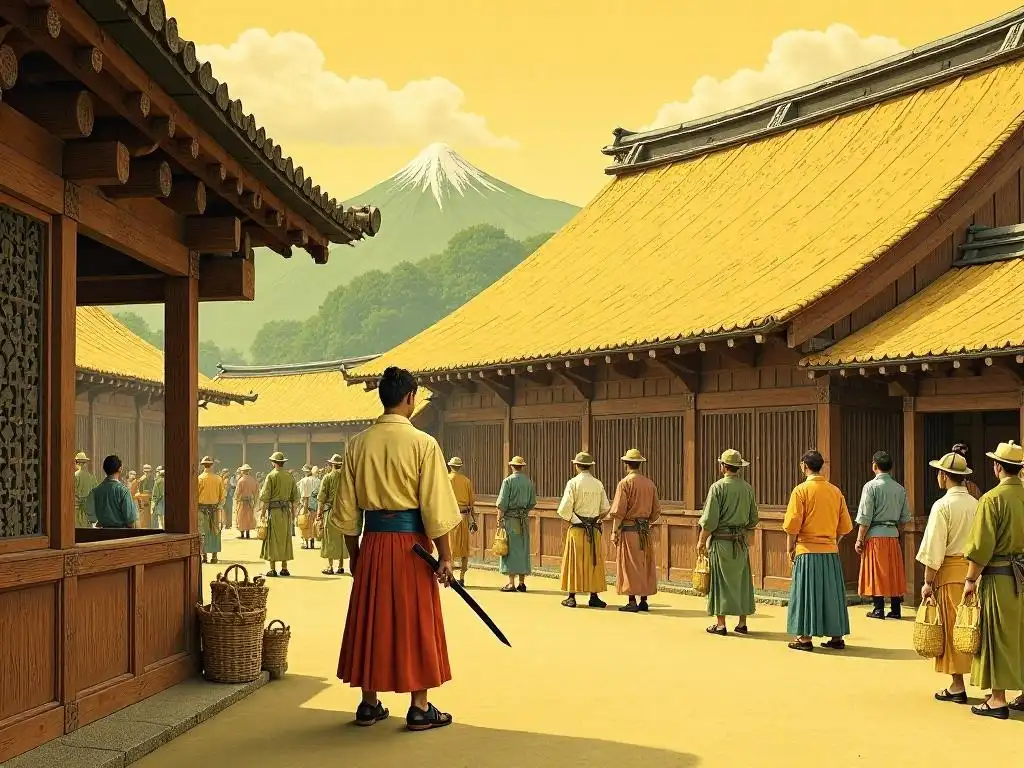
Welcome to Feudal Japan History, where we invite you to embark on a fascinating journey through the intricate tapestry of Japan's feudal era. Here, you will uncover the Kamakura feudal hierarchy explained, a pivotal element that shaped the political landscape of Kamakura Japan. As you delve into our expert-driven articles, prepare to explore the subtle nuances of power, culture, and society that defined this remarkable period.
What secrets lie within the layers of feudal governance? Join us as we unveil the complexities of a world where loyalty and hierarchy intertwined, beckoning you to discover more about this captivating chapter in history.
- Kamakura Feudal Hierarchy Explained: A Comprehensive Overview
- The Structure of Kamakura Feudal Hierarchy
- Roles and Responsibilities within the Kamakura Hierarchy
- The Interactions and Relationships within the Kamakura Hierarchy
- The Impact of the Kamakura Feudal Hierarchy on Japanese Society
- Conclusion: Understanding the Significance of Kamakura Feudal Hierarchy
- Additional Resources for Exploring Kamakura's Political Landscape
- Frequently Asked Questions
- Final Reflection: Understanding the Enduring Legacy of Kamakura Feudal Hierarchies
- Unveil the Secrets of Kamakura's Power Dynamics!
Kamakura Feudal Hierarchy Explained: A Comprehensive Overview
Introduction to Kamakura Feudal Hierarchy
The Kamakura Period, spanning from 1185 to 1333, marks a pivotal era in Japanese history, characterized by the establishment of a military government known as the shogunate. This period witnessed a significant transformation in the political landscape of Japan, shifting from the imperial court's dominance to the rise of warrior clans, particularly the Minamoto. Understanding the Kamakura feudal hierarchy is crucial for grasping the complexities of governance during this time, as it laid the groundwork for Japan's future political structures.
The feudal system of Kamakura was marked by a distinct hierarchy that organized society into various classes, each with specific roles and responsibilities. The interplay between the samurai, the shogunate, and the imperial court created a unique political dynamic that influenced not only governance but also cultural and societal aspects of the time. This article delves into the intricacies of the Kamakura feudal hierarchy, exploring its historical context, key features, and the implications of this system on Japanese history.
The Historical Context of the Kamakura Period
To fully appreciate the Kamakura feudal hierarchy, one must first understand the historical backdrop against which it emerged. The Kamakura Period arose from the ashes of the Heian Period, a time marked by the flourishing of court culture and the rise of powerful noble families. However, as the influence of the imperial court waned due to internal strife and the rise of regional powers, a new political order began to take shape.
- Rise of the Samurai: The emergence of the samurai class was a defining feature of this period. Initially serving as protectors of the aristocracy, the samurai gradually gained power and autonomy, leading to a shift in political authority.
- Minamoto Clan's Ascendancy: The decisive victory of the Minamoto clan in the Genpei War (1180-1185) culminated in the establishment of the Kamakura shogunate by Minamoto no Yoritomo. This marked the beginning of military rule in Japan, fundamentally altering the political landscape.
- Imperial Court's Role: While the shogunate wielded actual power, the imperial court remained a symbolic authority, granting legitimacy to the shogunate's rule. This duality created a complex relationship between the two entities that would shape governance throughout the period.
Key Features of the Kamakura Feudal System
The Kamakura feudal system was characterized by several key features that defined its political, social, and economic structures. Understanding these elements is essential for grasping how governance operated during this transformative era.
- Hierarchical Structure: At the top of the hierarchy was the shogun, the supreme military leader. Below the shogun were the daimyō (feudal lords), who governed extensive lands and commanded their own samurai. The samurai class, loyal to their daimyō, formed the backbone of this military governance.
- Land and Loyalty: The feudal system was predicated on the exchange of land for loyalty. The shogunate granted land to the daimyō in exchange for military service, while the daimyō provided land to samurai in return for their allegiance and protection.
- Vassalage and Obligations: The relationships between these classes were governed by vassalage, where loyalty and service were paramount. In return for their loyalty, samurai received stipends and land, which created a system of mutual obligation that defined feudal interactions.
- Legal and Administrative Framework: The Kamakura shogunate established a legal framework to maintain order and govern the samurai class, including the creation of a system of courts and the codification of laws that would regulate the behavior of both samurai and commoners.
Through these features, the Kamakura feudal hierarchy fostered a unique political environment that influenced not only the governance of the time but also the societal norms and cultural developments that followed. Understanding this intricate system provides valuable insights into the broader narrative of Japan's feudal history.
The Structure of Kamakura Feudal Hierarchy
The Kamakura period (1185–1333) marked a significant transformation in the political landscape of Japan, characterized by a feudal hierarchy that redefined authority and governance. This structure was shaped by a shift from imperial rule to a military-based governance system, establishing a framework that would influence Japanese society for centuries. In this section, we will explore the key figures within this hierarchy and their respective roles.
During the Kamakura period, the Emperor retained a ceremonial role, serving as a symbol of legitimacy and continuity in governance. Despite being the highest authority in theory, the Emperor's actual power was significantly diminished, primarily residing in the hands of the military leaders.
- Ceremonial Functions: The Emperor performed various religious and cultural duties, including the sanctioning of military leaders and the conduct of state rituals.
- Political Isolation: The Imperial court, located in Kyoto, became somewhat isolated from the realities of governance as military power transitioned to the shogunate in Kamakura. This detachment allowed the shogunate to operate independently from imperial oversight.
- Examples of Influence: Although the Emperor had limited power, figures like Emperor Go-Toba occasionally attempted to reclaim authority, leading to conflicts such as the Jokyu War (1221), which ultimately reinforced the shogunate's dominance.
The Shogun: The Military Leader and Political Power
At the apex of the Kamakura feudal hierarchy was the Shogun, the military commander who wielded substantial political and military power. The first shogun, Minamoto no Yoritomo, established a new governance system that prioritized military prowess over traditional bureaucratic control.
- Military Authority: The shogun was responsible for national defense, leading campaigns against external threats, such as the Mongol invasions in 1274 and 1281. Their military leadership was crucial in maintaining stability and enforcing the shogunate's policies.
- Political Governance: The shogun exercised control over the samurai class and managed relationships with regional lords (daimyos). This included the distribution of land and the collection of taxes, which solidified the shogunate's power.
- Impact on Society: The shogunate's focus on military governance led to the establishment of a warrior class, emphasizing loyalty and service. This shift had profound implications for Japanese society, laying the groundwork for a culture centered around bushido (the way of the warrior).
The Daimyo: Regional Lords and Their Influence
Beneath the shogun in the Kamakura feudal hierarchy were the daimyos, powerful regional lords who played a vital role in local governance and military organization. Their influence was pivotal in shaping the socio-political landscape of the period.
- Feudal Responsibilities: The daimyos were granted land (shōen) by the shogunate in exchange for military service. They managed their territories, collected taxes, and maintained order, often employing samurai to enforce their rule.
- Autonomy and Rivalry: While daimyos held considerable power in their regions, they were also subject to the shogun’s authority. Rivalries among daimyos could lead to conflicts, influencing the broader political climate of the period.
- Cultural Patronage: The daimyos were also patrons of culture and the arts, contributing to the flourishing of Japanese culture during this period. Their support of Buddhism and the development of various artistic forms enriched the cultural landscape of Kamakura Japan.
The Kamakura feudal hierarchy was a complex system where authority transitioned from the Emperor to the shogunate, with daimyos playing a crucial role in regional governance. Understanding this hierarchy is essential to grasp the political dynamics and societal organization of feudal Japan.
The Samurai: Warriors of the Feudal System
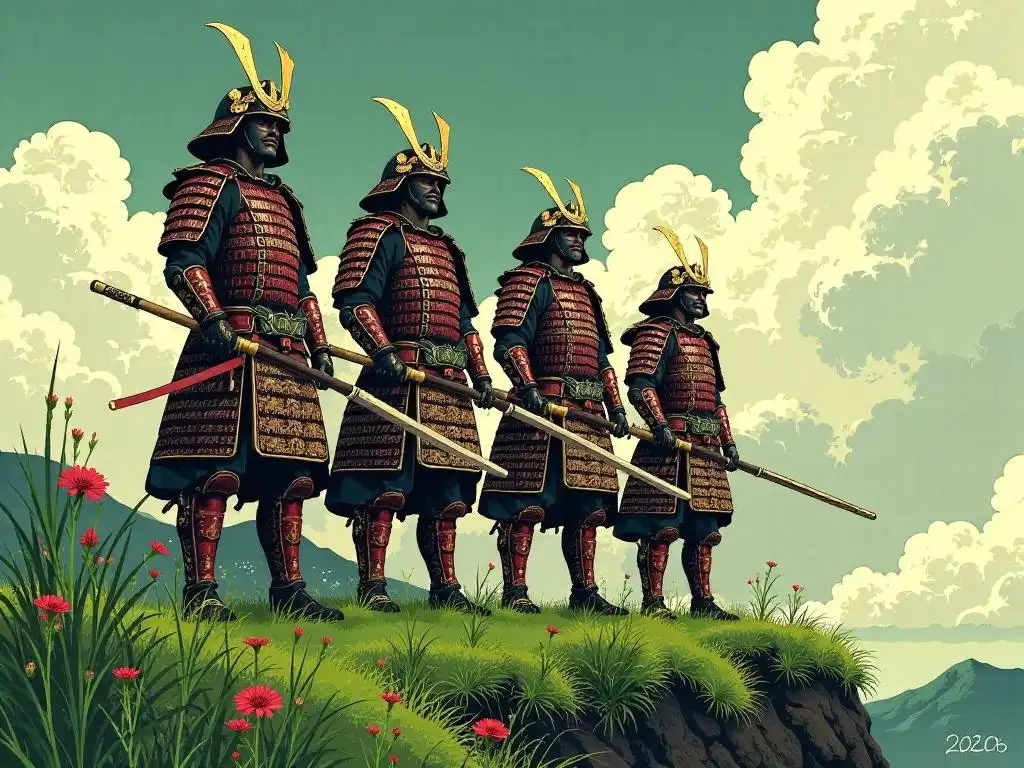
The samurai, an integral part of the Kamakura feudal hierarchy, represented the warrior class that emerged during this period (1185-1333). These skilled fighters were not merely soldiers; they were also landholders and local leaders, wielding significant power both on and off the battlefield. Samurai adhered to a strict code of conduct known as Bushido, which emphasized virtues such as loyalty, honor, and personal courage. This code was essential in maintaining their social standing and respect among peers and subordinates.
The samurai's role extended beyond military duties—they were also responsible for the governance of their territories. They managed land and collected taxes from the peasant class, ensuring that the local economy thrived while also upholding the law. The hierarchical structure of the samurai was quite distinct, with various ranks including daimyōs (feudal lords), hatamoto (vassals directly serving the shōgun), and lower-ranked gokenin (retainers). This stratification allowed for a clear line of authority and responsibility within the feudal system.
In addition to their martial skills, many samurai were educated and practiced the arts, including poetry, calligraphy, and tea ceremonies. This cultivation of culture played a crucial role in shaping the identity of the samurai as not just warriors but also as cultured gentlemen. Consequently, the samurai became a symbol of Japanese identity and heritage, influencing the cultural landscape of Japan well beyond the Kamakura period.
The Peasants: The Backbone of Kamakura Society
Peasants formed the largest segment of the Kamakura population and were often referred to as the backbone of society. Their primary role was agricultural production, which was essential for sustaining the feudal economy. The land they worked was often owned by samurai or daimyōs, and in return for the right to cultivate it, peasants paid taxes, usually in the form of rice or other agricultural products. This tax system was vital for the maintenance of the feudal hierarchy, as it provided the samurai with the resources needed to fulfill their military and administrative functions.
Life for the peasants during the Kamakura period was not without challenges. They faced heavy taxation and were often subject to the whims of their samurai lords. Additionally, natural disasters, such as droughts and floods, could severely impact agricultural output, leading to famine and hardship. Despite these difficulties, the peasant class was resilient, employing various farming techniques and practices to maximize productivity.
Peasants also played a critical role in local governance. They participated in village councils, where they discussed communal issues and resolved disputes. This form of self-governance allowed them to exercise a degree of autonomy, albeit limited, within the overarching feudal structure. Over time, this involvement in local politics would lay the groundwork for future social movements and the eventual rise of the merchant class in later periods of Japanese history.
While the samurai might have been the face of military power in the Kamakura feudal hierarchy, it was the peasants who sustained the economy and society, ensuring that the feudal system could function effectively.
Roles and Responsibilities within the Kamakura Hierarchy
The Kamakura Shogunate, established in 1192, marked a significant shift in Japan's political landscape, transitioning from imperial rule to a military government. The shogun, as the supreme military leader, held ultimate authority over the governance of Japan, wielding power that eclipsed the emperor's traditional religious and ceremonial role. This duality of power created a unique political environment where the shogunate exercised control through a network of vassals and local leaders.
One of the key responsibilities of the shogunate was the establishment of a legal framework that governed the samurai class and the wider populace. The shogunate implemented the "Shikken" system, where the regent, or shikken, managed state affairs on behalf of the shogun. This system allowed for a division of responsibilities, ensuring that military and administrative tasks were handled efficiently. The shikken was often a member of the Hojo clan, which became synonymous with shogunal authority during this period.
Furthermore, the shogunate's governance extended to military oversight. The shogun maintained a standing army composed of samurai who were not only warriors but also local administrators. This dual role allowed the shogunate to enforce its will across the provinces and maintain order. Through a system of military appointments and land grants, the shogun ensured loyalty from his vassals, who were obliged to provide military service in exchange for land and status.
The shogunate's authority was characterized by:
- Centralized Military Control: The shogun commanded the samurai, creating a powerful military force.
- Legal and Administrative Framework: The establishment of laws and regulations that governed feudal relationships.
- Delegated Authority: The shikken and other officials managed daily governance, allowing for effective administration.
The Function of the Daimyo in Local Administration
Within the Kamakura feudal hierarchy, daimyo played a crucial role as powerful regional lords who governed vast territories. Appointed by the shogun, the daimyo were responsible for local administration, military leadership, and the enforcement of shogunal policies. Their authority derived from their land holdings and the loyalty of the samurai who served them.
Daimyo were tasked with several important functions, including:
- Tax Collection: They managed local economies, extracting taxes from peasants and redistributing wealth to sustain their military forces and retainers.
- Land Management: The daimyo oversaw agricultural production and land distribution, ensuring the prosperity of their domains. This involved negotiating disputes and maintaining infrastructure like roads and irrigation systems.
- Military Recruitment: They had the authority to raise and maintain armies, providing soldiers for the shogun when required. The loyalty of samurai to their daimyo was paramount, as personal bonds were often stronger than feudal obligations.
The relationship between the daimyo and the shogunate was characterized by a balance of power. While they were granted autonomy in their regions, daimyo were expected to demonstrate loyalty to the shogun. This was often solidified through marriages, alliances, and mutual support in military endeavors.
The responsibilities of the daimyo can be summarized as follows:
- Local Governance: Managing the day-to-day affairs of their territories.
- Military Leadership: Commanding samurai in times of conflict.
- Economic Oversight: Ensuring the financial health of their domains through effective tax and resource management.
The Samurai Code: Bushido and Loyalty
At the heart of the Kamakura feudal hierarchy was the samurai, whose identity was deeply intertwined with the code of conduct known as Bushido. This code emphasized virtues such as loyalty, honor, and bravery, which were essential for maintaining the social order during the feudal period.
Bushido guided the samurai in their relationships not only with their daimyo but also within the broader context of society. Key aspects of Bushido included:
- Loyalty: Samurai were expected to exhibit unwavering loyalty to their lord. This loyalty was not merely a duty but a fundamental part of their identity, often leading to acts of seppuku (ritual suicide) to preserve honor in the face of failure or disgrace.
- Honor: The concept of honor was paramount in the samurai culture. A samurai's reputation depended on their adherence to the code, influencing their social status and relationships within the hierarchical structure.
- Courage: Samurai were trained to face fear and adversity with valor, embodying the warrior spirit that defined their role in society.
The combination of loyalty, honor, and courage established a strong bond between the samurai and their daimyo, fostering a sense of community and shared purpose. This bond was essential for the stability of the feudal system, as the loyalty of samurai ensured the power and influence of their lords.
The samurai code of Bushido manifested in:
- Duty to the Daimyo: Loyalty that transcended personal interests.
- Social Hierarchy: Maintenance of order and respect within the feudal structure.
- Cultural Legacy: The values of Bushido continue to influence modern Japanese society and its perception of honor and loyalty.
Through these roles and responsibilities, the Kamakura feudal hierarchy operated as a complex yet cohesive system, with each element contributing to the stability and governance of Japan during this transformative period.
The Economic Role of Peasants in Feudal Japan
The economic structure of feudal Japan during the Kamakura period (1185-1333) was fundamentally reliant on the peasantry, who formed the backbone of agricultural production. Peasants, often referred to as hyakusho, were primarily engaged in farming, and their output was crucial for sustaining the entire feudal system. Understanding their roles helps illuminate the broader economic landscape of Kamakura Japan.
Agricultural Production and Land Management
Peasants were responsible for cultivating rice, which was the staple food and a primary currency in feudal Japan. They worked on lands owned by the samurai class or temples, managing the cultivation of rice paddies, vegetable plots, and other crops. Each year, peasants would engage in a cycle of agricultural activities, including:
- Plowing and Planting: Utilizing simple tools like the wooden plow, peasants prepared the land for sowing rice and other crops.
- Harvesting: The rice harvest was a communal effort, often involving entire families and sometimes neighboring villages.
- Irrigation: Effective water management was essential, as rice cultivation depended heavily on controlled water supply.
Peasants were usually bound to the land they worked, often paying a portion of their harvest as rent to the landowners, which created a system of obligation that defined the economic relationships within the feudal hierarchy.
Taxation and Obligations
The economic contributions of peasants were further complicated by a system of taxation. Landowners, including samurai and the ruling shogunate, imposed taxes on the peasants, taking a significant share of their produce. This taxation could take several forms:
- In-Kind Taxation: Most commonly, peasants paid taxes in the form of rice or other agricultural products.
- Labor Obligations: In addition to paying taxes, peasants often owed labor to their landlords, which could involve working on the lord's land or providing services.
These obligations not only ensured the sustenance of the samurai class but also maintained the political and military power structures of the Kamakura period.
Social Structure and Community
Within the feudal hierarchy, peasants occupied a lower social status, but their role was indispensable for the functioning of the economy. They formed tight-knit communities, often banding together for mutual support in agricultural pursuits and protection against external threats. Important aspects of their social structure included:
- Village Governance: Peasants often participated in the governance of their villages through elected leaders or councils, managing local issues and resources.
- Cultural Practices: Festivals and rituals were closely tied to the agricultural calendar, reinforcing community bonds and cultural identity.
Despite their lowly position in the social hierarchy, peasants wielded power through collective action and could influence local governance, showcasing a nuanced relationship between economic necessity and social dynamics.
Conclusion
The economic role of peasants in feudal Japan was multifaceted and essential for the stability of the Kamakura regime. Their agricultural labor, coupled with the burdens of taxation and social responsibilities, illustrates how integral peasants were to the overall functioning of feudal society. Understanding this role not only highlights their importance but also sheds light on the complexities of the Kamakura feudal hierarchy.
The Interactions and Relationships within the Kamakura Hierarchy
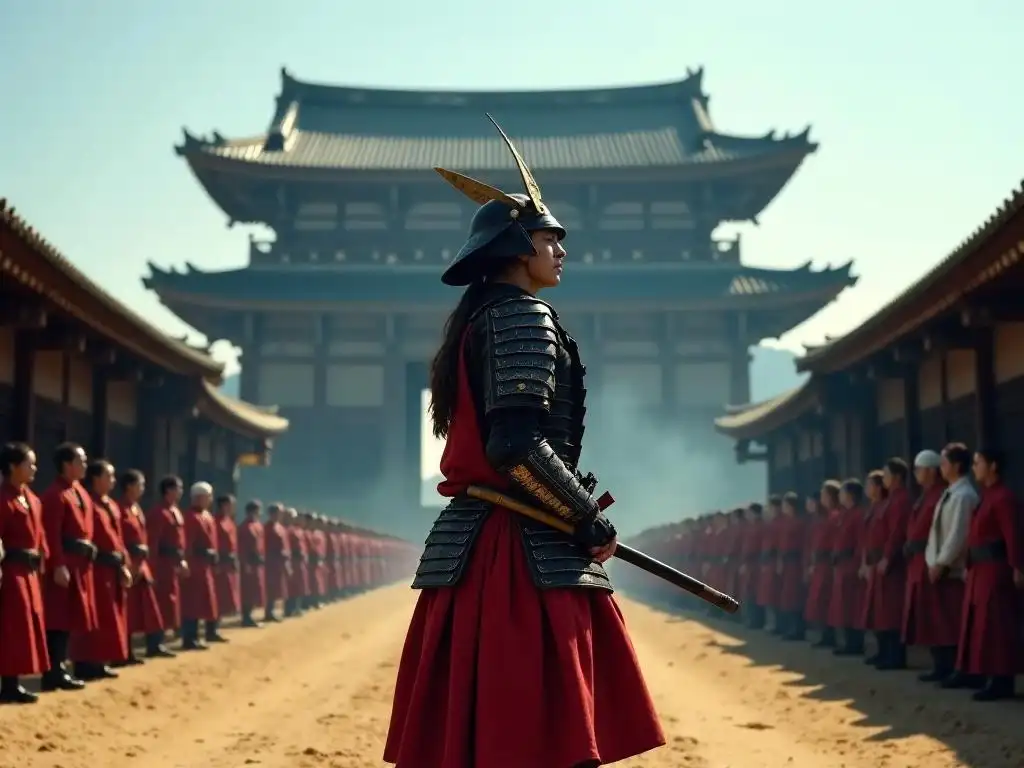
The Feudal Bonds: Vassalage and Loyalty
At the heart of the Kamakura feudal hierarchy lies the system of vassalage, a critical element that dictated the relationships between lords (daimyō) and their vassals (samurai). This bond was not merely one of obligation but was steeped in a culture of loyalty and honor, which shaped the political landscape of the era.
- Mutual Obligations: Vassals were expected to provide military service to their lords in exchange for land, protection, and various privileges. This relationship was formalized through ceremonies and oaths, where loyalty was emphasized. The concept of giri, or obligation, played a vital role in maintaining these bonds.
- Loyalty Beyond Life: A significant aspect of this feudal bond was the notion of loyalty extending even beyond death. Samurai were often expected to commit seppuku (ritual suicide) rather than dishonor their lord, showcasing the depth of their vassalage. This fierce loyalty fostered a strong sense of identity and purpose among samurai, who viewed their service as both a duty and an honor.
- Feudal Contracts: The relationship between lords and vassals was often codified in feudal contracts, which outlined the rights and responsibilities of each party. These contracts provided a framework for governance and dispute resolution, ensuring stability within the hierarchy.
The intricate web of vassalage and loyalty was fundamental to understanding the functioning of the Kamakura feudal hierarchy, where obligations and honor dictated the political dynamics of the time.
Conflicts and Alliances among Daimyo
The Kamakura period was characterized by a complex interplay of conflicts and alliances among the daimyō, the powerful feudal lords who held significant territorial control. These relationships were often fluid, driven by the need for power consolidation and territorial expansion.
- Territorial Rivalries: Conflicts commonly arose from territorial ambitions. Daimyō competed for resources, land, and influence, leading to skirmishes and wars. For instance, the battles during the Genpei War (1180-1185) highlighted the fierce rivalries between the Taira and Minamoto clans, ultimately shaping the political landscape of the era.
- Strategic Alliances: To counterbalance threats, daimyō frequently forged alliances, leading to shifting loyalties. These alliances were often temporary and based on mutual interests, such as military support or economic benefits. The ability to navigate these alliances was crucial for survival and dominance in the feudal hierarchy.
- Impact of Warfare: The frequent conflicts among daimyō not only shaped their relationships but also influenced the governance of the Kamakura shogunate. The need for military prowess led to the rise of powerful warrior classes, while the instability created by conflicts prompted the shogunate to establish stronger centralized control.
The dynamics of conflict and alliance among daimyō were central to the evolution of the Kamakura feudal hierarchy, reflecting the constant struggle for power and influence in this tumultuous period.
The Role of Marriages in Political Strategy
Marriages during the Kamakura period served as vital political tools, allowing daimyō to forge alliances, secure loyalty, and stabilize their power within the feudal hierarchy.
- Alliance Formation: Marriages were often arranged to strengthen ties between powerful families, effectively creating bonds that could deter conflicts or bolster military alliances. For example, strategic marriages between the Minamoto and other clans were pivotal in uniting factions during times of unrest.
- Secure Succession: Beyond political alliances, marriages were crucial for securing succession. By marrying off daughters or sisters to influential daimyō, families could ensure their lineage continued and their interests were protected. This practice often led to the establishment of powerful dynasties that could influence the direction of the Kamakura shogunate.
- Cultural Exchange: The intermarriage between clans also facilitated cultural exchange, allowing for the sharing of knowledge, traditions, and practices that enriched the feudal society. Such cultural ties not only strengthened political bonds but also created a more cohesive social fabric within the hierarchy.
The strategic use of marriages in the Kamakura feudal hierarchy was not merely a social custom but a calculated approach to governance, reflecting the intricate relationships and power dynamics of the time.
The Impact of the Kamakura Feudal Hierarchy on Japanese Society
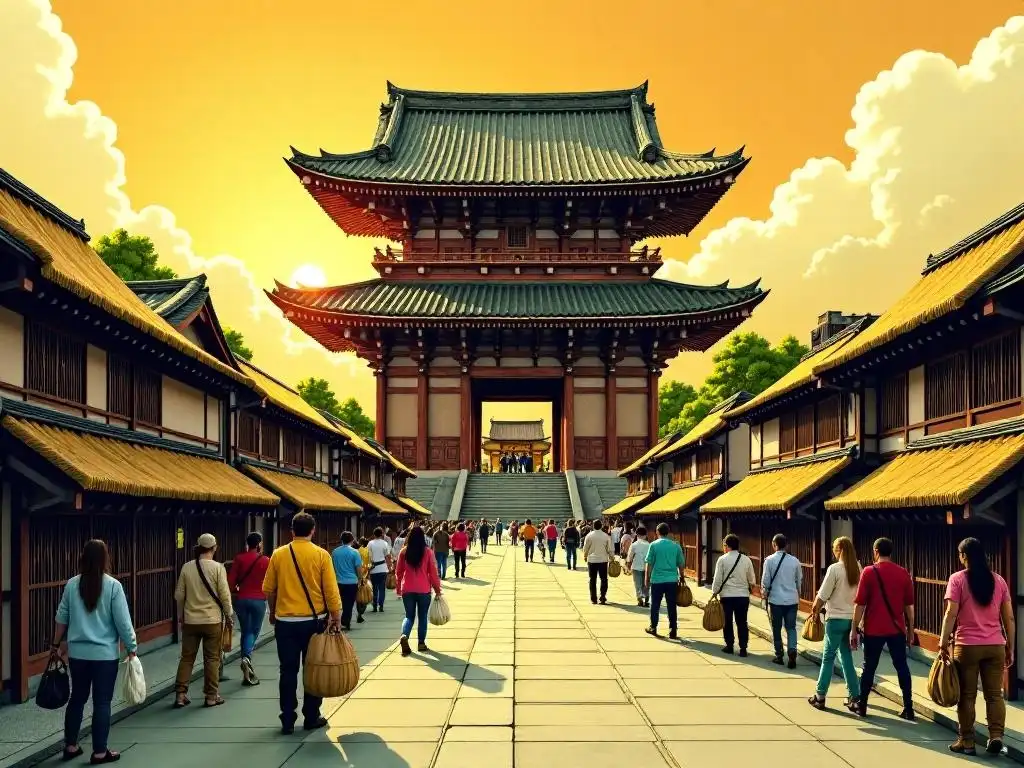
The Kamakura feudal hierarchy, established during the Kamakura Period (1185-1333), fundamentally shaped Japanese society. This hierarchical structure created a system of governance that intertwined political authority with social status, affecting various aspects of life in Japan. Understanding how this feudal hierarchy influenced cultural, legal, and societal developments provides valuable insights into the era's complexities.
Cultural Developments Influenced by Feudalism
The Kamakura feudal hierarchy fostered significant cultural developments that manifested in literature, art, and religious practices. With the rise of the samurai class, a distinct warrior culture emerged, leading to unique artistic expressions.
- Literature: The samurai's code of conduct, known as Bushido, inspired a wave of literary works that celebrated valor, loyalty, and honor. Notable texts from this period include The Tale of the Heike, which recounts the struggle between the Taira and Minamoto clans, illustrating the values of the time.
- Visual Arts: The Kamakura Period also saw the rise of realistic sculpture and painting styles. The production of Buddhist statues and portraits of samurai reflected the era's aesthetic preferences, emphasizing the importance of individual expression and emotional depth.
- Religious Practices: The feudal hierarchy influenced the spread of Pure Land Buddhism and Zen Buddhism. These religions resonated with the samurai's quest for spiritual understanding and inner peace, leading to a broader acceptance and integration of Buddhist practices within society.
The cultural landscape of Kamakura Japan was thus deeply intertwined with the feudal system, fostering a unique identity that would resonate through subsequent generations.
The Evolution of Governance and Law
The Kamakura feudal hierarchy established a new framework for governance that emphasized the decentralization of power. This period marked a shift from imperial authority to a system where local lords (daimyō) wielded significant control over their territories.
- Feudal Contracts: The relationship between the shogunate and the samurai was defined by a series of feudal contracts that outlined mutual obligations. Samurai pledged loyalty and military service in exchange for land, known as shōen. This system created a web of alliances and dependencies that structured governance.
- Legal Framework: The Kamakura shogunate implemented codes of law, such as the Jōei Code, which facilitated the administration of justice. These legal frameworks aimed to regulate the conduct of samurai and commoners alike, reflecting the hierarchical structure that dictated societal interactions.
- Decentralized Governance: Local governance emerged as daimyō exerted their authority, leading to the establishment of regional courts and administrative systems. This decentralization allowed for a more localized approach to governance, yet it also resulted in power struggles and conflicts among rival factions.
The evolution of governance and law during the Kamakura Period not only shaped the political landscape of the time but also laid the groundwork for Japan's future administrative practices.
The Legacy of Kamakura Feudal Hierarchy in Modern Japan
The Kamakura feudal hierarchy left an indelible mark on modern Japanese society, influencing contemporary governance, cultural identity, and social structures.
- Political Structures: Elements of the feudal system can still be seen in Japan's political landscape. The emphasis on local governance and community leadership resonates with modern practices, highlighting the enduring influence of the Kamakura period on Japan’s political evolution.
- Cultural Identity: The cultural developments during the Kamakura Period continue to inform Japanese identity. The values of honor, loyalty, and respect deeply ingrained in the samurai ethos still resonate in contemporary Japanese culture, from literature to martial arts.
- Social Hierarchies: While modern Japan has transitioned away from a feudal system, remnants of hierarchical structures can still be observed in aspects of corporate culture and social interactions, reflecting a legacy that continues to shape societal norms.
The Kamakura feudal hierarchy was instrumental in molding the trajectory of Japanese society, leaving a legacy that persists in various forms today. By examining the cultural, legal, and societal impacts of this period, we gain a deeper understanding of its relevance in shaping the Japan we see today.
Conclusion: Understanding the Significance of Kamakura Feudal Hierarchy
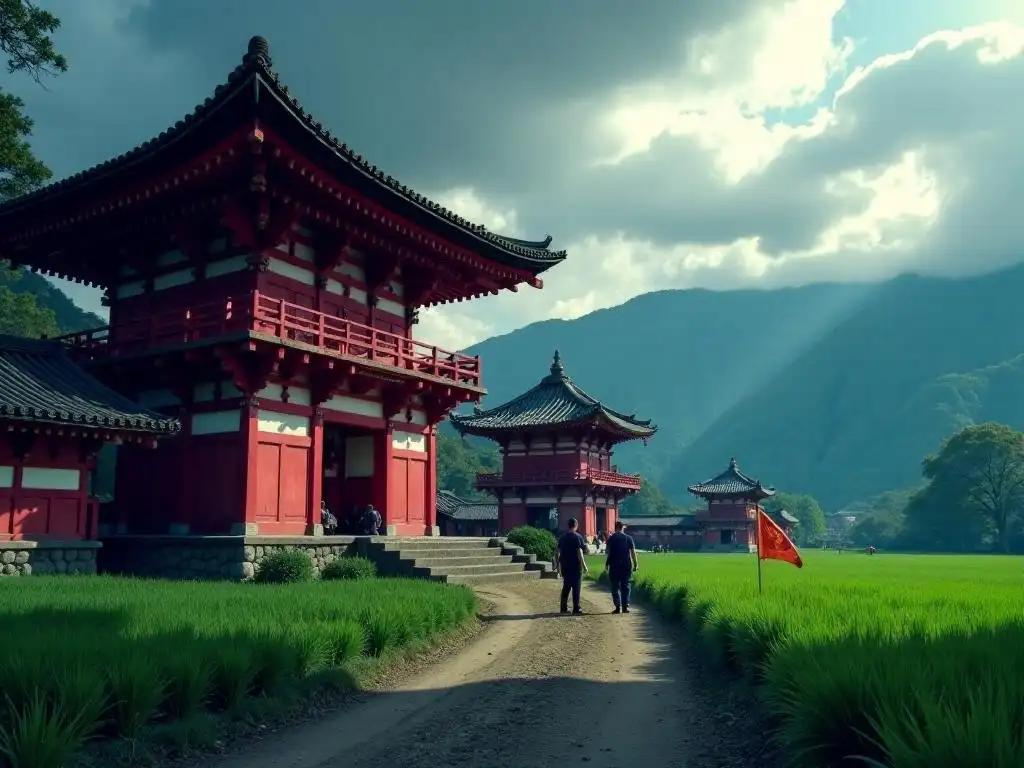
The Kamakura feudal hierarchy played a pivotal role in shaping the political landscape of Japan during the Kamakura Period (1185-1333). Understanding this hierarchy is essential for grasping how power was organized and exercised in feudal Japan. The structure established by the Kamakura shogunate not only defined the relationships between the ruling samurai class and their vassals but also laid the groundwork for future governance in Japan.
The significance of the Kamakura feudal hierarchy can be observed through its influence on land ownership, military obligations, and social stratification. The system established a clear chain of command that ensured loyalty and service among the samurai, while also facilitating the distribution of resources and power. This hierarchy not only provided stability during a time of political fragmentation but also fostered a sense of identity and unity among the warrior class.
The Lasting Influence of Kamakura Governance on Japanese Political History
The governance model developed during the Kamakura Period has had enduring effects on Japanese political history. The establishment of the shogunate marked a shift from imperial authority to military governance, which would persist in various forms for centuries. The Kamakura shogunate introduced a system of feudalism that decentralized power, distributing it among regional lords (daimyō) while maintaining loyalty to the shogun.
Key aspects of this governance structure include:
- Land Tenure and Vassalage: The land was granted to vassals in exchange for military service, creating a network of loyalty and obligation. This relationship was formalized in written contracts known as kan’i, emphasizing the legal and social bonds between the lord and vassals.
- Military Organization: The Kamakura shogunate established a professional warrior class, the samurai, whose duties extended beyond warfare to include governance and administration. This model became a defining characteristic of Japanese society.
- Judicial Authority: The shogunate implemented a system of local governance, where samurai were responsible for law enforcement and dispute resolution within their territories. This localized judicial authority laid the foundation for future legal systems in Japan.
The influence of Kamakura governance can still be seen today in Japan's political structures, especially in the emphasis on hierarchy, loyalty, and the role of military service in governance.
Reflections on the Feudal Era's Contribution to Japan's Identity
The feudal era, particularly the Kamakura Period, significantly contributed to the formation of Japan's national identity. The values and customs established during this time, such as loyalty (忠義, chūgi), honor (名誉, meiyo), and discipline, became ingrained in the cultural fabric of Japanese society. These principles not only defined the samurai ethos but also transcended the warrior class, influencing the general populace.
In reflecting on the contribution of the feudal era, several points emerge:
- Cultural Development: The Kamakura Period saw the emergence of unique cultural expressions, including Noh theater and Zen Buddhism, which were influenced by the samurai's search for meaning and discipline.
- Historical Narratives: The narratives surrounding the samurai and their governance have become central to Japan's historical identity. The stories of loyalty, valor, and sacrifice resonate deeply within the collective memory of the nation.
- Modern Implications: Aspects of the feudal hierarchy continue to influence contemporary Japanese society, evident in corporate structures, familial relationships, and social interactions that echo the loyalty and hierarchy established during the Kamakura Period.
The Kamakura feudal hierarchy is not merely a historical curiosity; it is a foundational element of Japan's political, cultural, and social identity. Understanding its significance offers valuable insights into the complexities of Japanese history and the enduring legacies of its feudal past.
Additional Resources for Exploring Kamakura's Political Landscape
Recommended Readings on Kamakura Period Governance
To gain a deeper understanding of the Kamakura feudal hierarchy, several books and scholarly texts provide valuable insights into the political structures and governance of this era. Here are some recommended readings:
- "The Making of Modern Japan" by Joshua A. Fogel
- This comprehensive work traces the evolution of Japan, with particular attention to the Kamakura period, exploring how the feudal system emerged and solidified.
- "Kamakura: The Rise of the Samurai" by Stephen Turnbull
- A focused exploration of the Kamakura era, this book delves into the samurai class and their influence on governance and society, making it essential for understanding the hierarchical structures.
- "Samurai, Warfare and the State in Early Medieval Japan" by Karl F. Friday
- This text analyzes the relationship between military service and governance during the Kamakura period, providing a detailed examination of feudal obligations and political authority.
These readings will enrich your understanding of the complex governance and societal structures of Kamakura Japan.
Academic Articles and Journals on Feudal Japan History
For those seeking scholarly articles that delve into the intricacies of the Kamakura feudal hierarchy, several academic journals and articles are highly recommended:
- "The Kamakura Shogunate: A New Perspective"
- This article offers a contemporary analysis of the Kamakura Shogunate, focusing on its political strategies and the impact of its feudal hierarchy on Japanese society.
- "Feudalism in Japan: The Transition to the Kamakura Period" in Japanese Historical Review
- A detailed examination of how Japan transitioned into the Kamakura feudal system, discussing the socio-political changes that accompanied this shift.
- "Warriors and the State: The Role of the Samurai in the Kamakura Era" in The Journal of Asian Studies
- This scholarly piece investigates the dual role of samurai as both warriors and political figures, providing insights into the governance and hierarchy of the period.
These academic resources are invaluable for historians and enthusiasts looking to understand the nuances of Kamakura governance.
Online Lectures and Documentaries about Kamakura Feudal Hierarchy
In addition to written resources, various online platforms offer lectures and documentaries that illuminate the Kamakura feudal hierarchy. Here are some noteworthy options:
- YouTube Channels like "History Time" and "The Great Courses"
- These channels feature lectures on feudal Japan, with specific episodes dedicated to the Kamakura period, highlighting key figures and governance structures.
- Documentary Series: "Secrets of the Samurai"
- This documentary explores the lives of samurai during the Kamakura era, providing a visual understanding of their roles in the feudal hierarchy and the political landscape.
- Online Courses from platforms like Coursera and edX
- Look for courses on Japanese history that cover the Kamakura period, offering lectures, readings, and discussions about its governance and societal structures.
These multimedia resources can enhance your learning experience and provide a dynamic view of the Kamakura feudal hierarchy.
Frequently Asked Questions
What is the Kamakura feudal hierarchy?
The Kamakura feudal hierarchy refers to the political structure established during the Kamakura period (1185-1333), which was characterized by military governance and land-based power.
Who were the key figures in the Kamakura hierarchy?
Key figures included the shogun, who held supreme military power, and the daimyos, or feudal lords, who governed individual provinces and managed local samurai.
How did the Kamakura feudal system impact Japanese society?
The Kamakura feudal system created a distinct social order, emphasizing loyalty and military service, which solidified the role of samurai as warriors and landholders within society.
What were the main changes introduced during the Kamakura period?
The Kamakura period saw the rise of samurai class dominance, the establishment of a dual government system, and the introduction of new legal codes that shaped future governance in Japan.
How did the Kamakura hierarchy influence later Japanese history?
The political structures and cultural practices established during the Kamakura period laid the groundwork for future feudal systems, influencing the Muromachi and Edo periods that followed.
Final Reflection: Understanding the Enduring Legacy of Kamakura Feudal Hierarchies
The intricate web of the Kamakura feudal hierarchy remains profoundly relevant today, as it serves as a lens through which we can examine the evolution of political structures and social dynamics. The lessons drawn from this historical period not only illuminate the complexities of power and governance but also resonate with contemporary issues of authority and social stratification. The way in which the Kamakura shogunate established its rule offers a striking reminder of how hierarchies can shape societies, influencing everything from law and order to the everyday lives of individuals.
Culture and society are continuously molded by the legacies of the past, and the Kamakura period is no exception. The feudal system established during this time laid the groundwork for future governance in Japan, influencing everything from military organization to land ownership. As we reflect on this historical framework, we can see its echoes in modern societal structures. History is not a burden on the memory but an illumination of the soul.
This quote resonates deeply as we consider how understanding our past can guide us in navigating the complexities of our present and future.
As you ponder the lessons of the Kamakura feudal hierarchy, I invite you to reflect on your own position within the social structures that surround you. Consider how power dynamics play out in your life and community, and think about the ways you can contribute to a more equitable society. By actively engaging with the historical context of our world, we can foster a deeper understanding of our roles and responsibilities, ultimately shaping a future that honors the lessons of the past while striving for a more just and inclusive society.
Unveil the Secrets of Kamakura's Power Dynamics!
Thank you for taking the time to explore the complex world of Kamakura, Japan’s feudal hierarchies! We hope you’ve gained valuable insights into the political landscape that shaped this fascinating era. Now, let’s put that knowledge into action!
Here’s how you can dive deeper and make the most of what you’ve learned:
- Explore further: Read additional articles on feudal systems across different regions to draw intriguing comparisons and enhance your understanding of global history.
- Engage with the community: Share your thoughts on our discussion forums or social media platforms—your perspectives can ignite insightful conversations!
- Reflect on your learning: Consider writing a short blog post or journal entry about how historical feudal systems have influenced modern governance in your area.
What aspect of Kamakura's political landscape resonates most with you, and how might it influence your understanding of today’s social structures?