
Power Play: The Role of the Samurai in Kamakura Governance

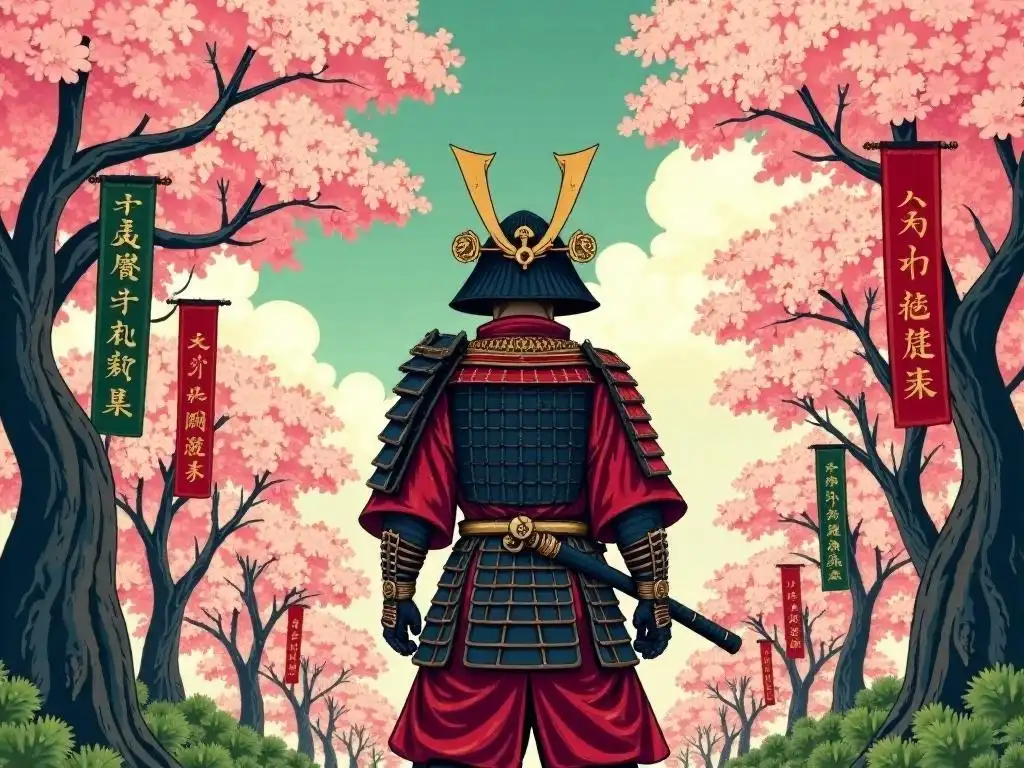
Welcome to Feudal Japan History—your gateway to uncovering the rich tapestry of Japan’s feudal era. Dive into our featured article, “Power Play: The Role of the Samurai in Kamakura Governance,” where we unravel the profound impact of the samurai class on political dynamics during this pivotal time. What secrets lie behind their influence, and how did they shape the governance of Kamakura? Join us on this journey through time, and discover the intricate interplay of power, culture, and society that defined an era. Your exploration awaits!
Introduction to Samurai Influence in Kamakura Governance
The Kamakura Period (1185-1333) marks a pivotal era in Japanese history, characterized by the emergence of the samurai as a dominant force in governance and society. This period saw the rise of the Kamakura Shogunate, a military government that shifted power away from the aristocratic courts of Kyoto and solidified the samurai's role in political affairs.
Understanding the samurai influence in Kamakura governance is crucial to grasping how this warrior class shaped the political landscape of feudal Japan and contributed to the foundational structures of Japanese governance. This article delves into the intricate interplay between the samurai and the governance of the Kamakura period, exploring their roles, responsibilities, and the historical context that defined their influence.
Overview of the Kamakura Period
The Kamakura Period was a significant turning point in Japanese history, marked by the establishment of the Kamakura Shogunate by Minamoto no Yoritomo after the Genpei War. This era witnessed:
- The transition from courtly rule to military governance.
- The establishment of a feudal system that prioritized loyalty and service.
- The emergence of new cultural practices influenced by the samurai lifestyle.
During this time, the samurai evolved from mere warriors into landowners and key political players, directly influencing law, order, and societal structure in Japan.
Definition and Role of Samurai in Feudal Japan
The term "samurai" originated from the Japanese word meaning "to serve," reflecting their primary role as loyal soldiers serving the nobility. Key characteristics of the samurai included:
- Bushido Code: A strict ethical framework guiding samurai behavior, emphasizing honor, loyalty, and martial skill.
- Land Ownership: Many samurai became landholders, thus intertwining their economic power with political influence.
- Military Leadership: As skilled warriors, samurai played essential roles in conflicts, shaping military strategies and governance.
The samurai were not just fighters; they were integral to the political mechanisms of the Kamakura Shogunate, participating in governance and law enforcement.
Historical Context of Kamakura Governance
Understanding the samurai's role in governance requires a detailed examination of the historical context in which the Kamakura Shogunate was established. This context provides insight into the political dynamics and the samurai's growing influence.
Establishment of the Kamakura Shogunate
The Kamakura Shogunate was founded in 1192 when Minamoto no Yoritomo was granted the title of shōgun, marking the beginning of military rule in Japan. Key events leading to this establishment included:
- The Genpei War (1180-1185), a conflict between the Minamoto and Taira clans, which resulted in the Minamoto's victory and Yoritomo's ascent to power.
- The creation of a dual government system, where the shogunate handled military affairs, while the imperial court maintained ceremonial roles.
This new governance structure allowed the samurai to consolidate power, leading to significant changes in the political landscape of Japan.
Key Figures in Kamakura Governance
Several influential figures played vital roles during the Kamakura Period, shaping its governance and the samurai's influence:
- Minamoto no Yoritomo: The founder of the Kamakura Shogunate, who established the framework for samurai governance.
- Hojo Clan: This powerful clan served as regents (shikken) to the shoguns, effectively controlling the government during much of the Kamakura Period.
- Kamakura's Military Leaders: Various samurai leaders contributed to military campaigns and governance, shaping policies and martial law.
These figures exemplify the symbiotic relationship between samurai and governance, illustrating how their influence was woven into the fabric of Kamakura's political history.
The Samurai Class: Structure and Function
The samurai class emerged as a dominant force during the Kamakura period (1185-1333), representing more than just a military elite; they were a distinct social class with specific roles and responsibilities. Rooted in a feudal system, the samurai were primarily warriors who pledged loyalty to their lords (daimyos) and the shogun. Their influence extended beyond mere martial prowess; they played a vital role in governance, law, and social order.
The structure of the samurai class was hierarchical, with ranks that included the shogun at the top, followed by daimyos, and then the lesser samurai. This stratification allowed for a clear delineation of power and responsibility, ensuring that each level of samurai had defined duties, which contributed to the stability of the Kamakura governance system. The samurai's function was not solely martial; they were also tasked with administering lands, collecting taxes, and overseeing the local peasantry, thus intertwining their military role with governance.
Social Hierarchy of the Samurai
The social hierarchy of the samurai was intricately structured, reflecting both status and responsibilities within the feudal system. At the apex was the shogun, the supreme military leader who wielded ultimate authority over the samurai and the land. Beneath the shogun were the daimyos, powerful feudal lords who governed specific domains. They were responsible for maintaining order and loyalty among their vassals, the samurai warriors.
The vassal samurai or bushi formed the next tier, directly serving the daimyos. Their loyalty was often solidified through a system of land grants, where they received parcels of land in exchange for military service. The lowest tier included ashigaru, foot soldiers who were often drawn from the lower classes and served as infantry in the samurai armies. Despite their lower status, ashigaru could rise through the ranks based on merit and loyalty.
This hierarchy was crucial in establishing a system of loyalty and obligation, known as bushido, which dictated the ethical conduct of samurai. It emphasized virtues such as honor, loyalty, and bravery, significantly shaping the social fabric of the Kamakura period.
Responsibilities and Duties of Samurai in Governance
The responsibilities of samurai in governance extended well beyond the battlefield. They were integral to the administration of their domains, responsible for collecting taxes, managing agricultural production, and maintaining peace among the local populace. This dual role as both warrior and administrator was essential to the stability of the Kamakura shogunate.
- Tax Collection: Samurai were tasked with ensuring the collection of tribute from peasants, which funded the daimyos and, by extension, the shogunate. This role required not only martial skills but also negotiation and management abilities.
- Land Management: Samurai oversaw agricultural lands, ensuring that productivity was maximized. They often established relationships with local farmers, mediating disputes and ensuring that agricultural practices were followed.
- Judicial Authority: Samurai served as judges in local disputes, employing their understanding of bushido to resolve conflicts. Their authority in legal matters was crucial in maintaining order and enforcing the law within their territories.
- Military Defense: As the primary military force, samurai were responsible for defending their lands against external threats, including rival daimyos and foreign invasions. This necessitated constant training and readiness to mobilize at a moment’s notice.
Through these varied responsibilities, samurai played a pivotal role in maintaining the governance structure during the Kamakura period, ensuring both military and civil stability.
Samurai Influence in Kamakura Governance
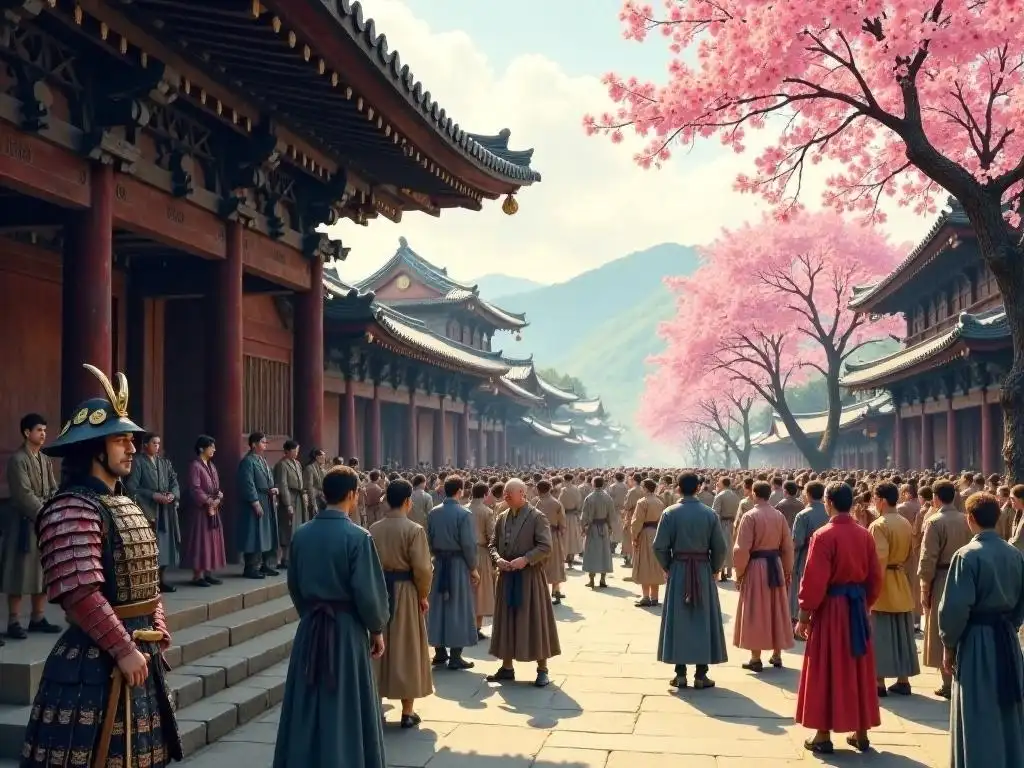
The influence of samurai in Kamakura governance was profound, shaping the political landscape and administrative practices of the period. Their roles extended beyond mere military functionaries; they were key players in the formation of the shogunate’s policies and governance strategies, which had lasting effects on Japanese history.
Political Power of Samurai in the Shogunate
The political power of the samurai was significant, particularly through their relationship with the shogunate. As the Kamakura shogunate established itself, samurai gained political leverage by controlling land and resources. They often acted as local rulers within their domains, exercising considerable autonomy while remaining loyal to the shogun.
This political power was exercised through various means, including:
- Council Participation: High-ranking samurai were often included in councils that advised the shogun. Their military and administrative expertise was invaluable in shaping policies.
- Military Service: The samurai's role as military leaders allowed them to influence decisions related to warfare, alliances, and territorial expansion.
- Land Ownership: Control over land not only provided economic power but also solidified their political standing, as loyalty and service were often rewarded with land grants.
Thus, samurai were not just warriors; they were pivotal in the political machinations of the Kamakura period, influencing governance from the ground up.
Legal Authority and Administration of Justice by Samurai
Samurai also held significant legal authority during the Kamakura period, acting as enforcers of the law and arbiters of justice. Their roles in judicial matters were crucial in maintaining order and ensuring that disputes were resolved in accordance with the feudal code of conduct.
- Judicial Responsibilities: Samurai presided over local courts, adjudicating disputes among peasants and lesser samurai. Their decisions were often guided by the principles of bushido and the expectations of loyalty and honor.
- Maintaining Order: The samurai were responsible for enforcing the law, which included punishing wrongdoers and ensuring compliance with the shogunate’s regulations. This role reinforced their status as both military and judicial leaders within their domains.
The legal authority of samurai contributed to a structured system of governance that helped maintain stability in a time when conflict was common, establishing a framework for justice that resonated throughout the feudal system.
Military Influence and Its Role in Governance
The military influence of samurai was undeniably a cornerstone of Kamakura governance. Their prowess in battle not only secured the power of the shogunate but also allowed them to maintain control over their domains.
- Military Organization: Samurai were organized into armies that could be quickly mobilized for defense or conquest. This military readiness was a significant factor in the shogunate's ability to project power and maintain territorial integrity.
- Loyalty and Vassalage: The bonds of loyalty between samurai and their lords created a network of allegiance that reinforced the political structure. This system of vassalage ensured that military support was always available to the shogun.
- Defense Strategies: Samurai played a crucial role in developing strategies for defending against rival clans and internal dissension. Their understanding of warfare and tactics enabled the shogunate to respond effectively to threats.
In essence, the military influence of samurai was not just about warfare; it was about shaping the very governance of the Kamakura period, ensuring that power was both wielded and maintained through a combination of military strength and political acumen.
Key Events Demonstrating Samurai Influence
The Kamakura period, which lasted from 1185 to 1333, marked a significant transformation in Japan's governance, largely driven by the growing power and influence of the samurai class. Key events during this time not only solidified the samurai’s role in governance but also showcased their military prowess and political acumen. These events are crucial for understanding how the samurai shaped the political landscape of Kamakura.
The Genpei War and Its Aftermath
The Genpei War (1180-1185) was a pivotal conflict between the Taira and Minamoto clans that led to the establishment of the Kamakura shogunate. This war was not just a struggle for power but a demonstration of the samurai's martial skills and loyalty. The Minamoto victory at the Battle of Dan-no-ura in 1185 resulted in the Taira's downfall, marking the end of the Heian period and the rise of samurai dominance.
The aftermath of the Genpei War saw the consolidation of power under Minamoto no Yoritomo, who became the first shogun. This new governance model relied heavily on samurai loyalty and military service, creating a feudal structure where samurai were granted land in exchange for their military support. The establishment of the Kamakura shogunate represented a shift from aristocratic rule to a military government, highlighting the samurai's influence on governance.
The Mongol Invasions and Samurai Response
The Mongol invasions of Japan in 1274 and 1281 posed a significant threat to the Kamakura shogunate. The samurai played a crucial role in defending Japan during these invasions, showcasing their martial capabilities and strategic importance within the governance framework. The samurai's organization and combat skills were instrumental in repelling the Mongol forces, particularly during the second invasion when a typhoon, later dubbed "kamikaze" or divine wind, destroyed a large portion of the Mongol fleet.
The successful defense against the Mongols further solidified the samurai's role in governance and military affairs. It reinforced the idea of the samurai as protectors of the realm, leading to an increase in their prestige and influence in political decisions. The invasions also prompted reforms within the shogunate, as the need for a more organized military response became evident, ultimately affecting the governance structure and the samurai's position within it.
Cultural Impact of Samurai on Kamakura Governance
The samurai's influence during the Kamakura period extended beyond military matters; it permeated cultural and administrative aspects of governance. The ethical and philosophical foundations laid during this time shaped Japanese society and its legal systems, with lasting impacts that can still be seen today.
Samurai Ethics and Bushido Code
The Bushido code, or "the way of the warrior," emerged as a guiding ethical framework for samurai behavior during the Kamakura period. This code emphasized values such as loyalty, honor, courage, and discipline, which not only shaped the samurai's personal conduct but also influenced the broader societal norms. The principles of Bushido became integral to the samurai's identity, fostering a culture of respect and loyalty that permeated governance.
As samurai were often in positions of power, the Bushido code impacted the political landscape by promoting a governance style characterized by moral integrity and a sense of duty to the realm. This ethical framework influenced the decisions of samurai leaders, who were expected to act not only as military commanders but also as moral exemplars. The cultural legacy of Bushido continues to resonate in contemporary Japanese society, reflecting the deep-rooted influence of samurai ethics on governance.
Influence on Japanese Law and Order
The samurai's role in governance during the Kamakura period also extended to the development of legal systems and law enforcement. As the samurai became enforcers of the shogunate's authority, they played a critical role in maintaining order and implementing justice in their territories. The establishment of the shobun (military government) facilitated the creation of laws that governed samurai conduct and interactions with the peasantry.
One notable development was the "Jōei code" (or "Jōei Shikimoku"), introduced in the late 12th century, which outlined legal procedures and the rights of samurai and commoners alike. This code aimed to create a more structured legal framework and reflected the samurai's growing influence in judicial matters. As a result, the samurai not only acted as warriors but also as agents of law and order, shaping the legal landscape of Japan during the Kamakura period and leaving a legacy that influenced subsequent governance structures.
The Kamakura period (1185-1333) was a time of significant transition in Japanese governance, with the samurai class emerging as a dominant force. However, this rise was not without its challenges. Factors such as internal strife, external pressures, and shifting political landscapes tested the authority and influence of the samurai in the governance of Japan. Understanding these challenges provides insight into the complex dynamics that characterized the era and the eventual evolution of power structures in feudal Japan.
Internal Conflicts within the Samurai Class
One of the most significant challenges to samurai authority during the Kamakura period stemmed from internal conflicts within their own ranks. The samurai class was not a monolithic entity; it comprised various clans and factions, each with its own interests and ambitions. Disputes over land, power, and loyalty often led to violent confrontations, undermining the samurai’s collective authority.
For instance, the rivalry between the Minamoto and Taira clans culminated in the Genpei War (1180-1185), which, while resulting in Minamoto no Yoritomo's ascension as the first shogun, set a precedent for ongoing clan conflicts. These internal divisions weakened the samurai’s ability to present a united front in governance and often resulted in civil strife, such as the Jokyu War in 1221, which further fragmented their influence.
Additionally, the samurai class faced challenges from emerging new social classes, including merchants and farmers, who began to gain more economic power and influence. This shifting dynamic sometimes led to grievances that the samurai could not effectively address, further eroding their authority.
Rise of the Ashikaga Shogunate and the Decline of Samurai Power
The decline of samurai power in governance can be traced to the rise of the Ashikaga Shogunate in the early 14th century. Established by Ashikaga Takauji after the Kamakura shogunate's fall, this new regime marked a shift in power dynamics. The Ashikaga shoguns, unlike their predecessors, struggled to maintain control over the samurai factions and were often unable to quell the internal conflicts that plagued the region.
The Ashikaga period saw a significant decentralization of power as regional daimyos began to assert their autonomy, often disregarding the shogunate's authority. This fragmentation diminished the samurai's unified governance role, leading to the rise of the “Warring States” period (Sengoku), where local lords engaged in constant warfare for territory, effectively sidelining central governance. The samurai, once the backbone of political power, found themselves caught in a cycle of conflict that limited their influence in broader governance structures.
Conclusion: Lasting Legacy of Samurai in Kamakura Governance
The legacy of the samurai in Kamakura governance is profound, reflecting both their achievements and the challenges they faced. Despite the internal conflicts and the eventual decline of their authority, the samurai's influence shaped the political landscape of Japan, establishing principles of governance that would echo through subsequent periods.
Reflection on Samurai Influence in Feudal Japan
The samurai's role in governance during the Kamakura period laid the foundation for future military and political leaders in Japan. Their emphasis on loyalty, honor, and martial prowess became deeply ingrained in the cultural fabric of Japanese society. Moreover, the samurai's governance models influenced later shogunates, including the Ashikaga and Tokugawa shogunates, which continued to draw upon the samurai ethos in their rule.
The samurai's complex relationship with governance also highlights the interplay between military power and political authority, a theme that remains relevant in discussions of governance and authority in Japan even today.
Implications for Future Governance Structures in Japan
The challenges faced by the samurai during the Kamakura period offer valuable lessons for understanding governance structures in Japan's subsequent history. The rise and fall of the samurai illustrate the precarious nature of political authority, particularly when internal conflicts and external pressures are at play.
As Japan transitioned through various governance models, from feudalism to modernization in the Meiji Restoration, the experiences of the samurai served as a reminder of the importance of unity, adaptability, and the need for a responsive governance framework. Ultimately, the samurai's influence on governance during the Kamakura period shaped not only their own era but also the trajectory of political history in Japan for centuries to come.
References for Further Reading on Samurai Influence in Kamakura Governance
To gain a deeper understanding of the samurai's role and influence in Kamakura governance, several key texts and online resources provide valuable insights into this pivotal period in Japanese history. The following sections outline recommended books, articles, and online resources that delve into the complexities of the samurai's political, social, and cultural influence during the Kamakura period.
Recommended Books and Articles
- "The Samurai: A Military History" by Stephen Turnbull
- This book offers an in-depth analysis of the samurai's military strategies and their societal roles during the Kamakura period, providing context for their influence in governance.
- "Kamakura: The Emergence of Japanese Civilization" by William H. Sewell Jr.
- Sewell's work explores the cultural and political transformations during the Kamakura period, highlighting how the samurai class contributed to governance and societal norms.
- "The Rise of the Samurai: The Japanese Warrior, 1185–1868" by T. Richard McCarthy
- This comprehensive history traces the evolution of the samurai from the Kamakura era to the Edo period, focusing on their political power and governance structures.
- "Samurai and the Culture of Japan's Feudal Period" by Michael P. C. Dorr
- Dorr examines the cultural aspects of samurai life and their governance roles, shedding light on their influence on Japanese society during the Kamakura period.
- "The Kamakura Shogunate: A History" by David L. McCullough
- This text focuses specifically on the political structure of the Kamakura shogunate, detailing the samurai's role in governance and their interactions with the imperial court.
Online Resources on Kamakura Political History
- The Samurai Archives
- A comprehensive online resource that provides articles, documents, and discussions centered around samurai history, including their governance influence during the Kamakura period.
- Kamakura Period Overview on JSTOR
- Academic articles and papers available on JSTOR offer peer-reviewed insights into the political dynamics of the Kamakura period, with a specific focus on the samurai's role in governance.
- National Diet Library of Japan
- This site features a collection of digitized resources and historical documents related to the Kamakura period, including samurai governance and political structures.
- Japan History Resources
- A compilation of links and resources focusing on various aspects of Japanese history, including articles and papers related to the Kamakura period and the samurai's influence in governance.
- The Metropolitan Museum of Art: Japanese Armor
- An online exhibit that not only showcases samurai armor but also provides context about the samurai's role in society and governance during the Kamakura period.
These recommended books and online resources serve as valuable tools for anyone looking to expand their knowledge about the samurai's influence in Kamakura governance and the broader context of Japanese feudal history.
- Introduction to Samurai Influence in Kamakura Governance
- Historical Context of Kamakura Governance
- The Samurai Class: Structure and Function
- Samurai Influence in Kamakura Governance
- Key Events Demonstrating Samurai Influence
- Cultural Impact of Samurai on Kamakura Governance
- Challenges to Samurai Authority in Governance
- Conclusion: Lasting Legacy of Samurai in Kamakura Governance
- References for Further Reading on Samurai Influence in Kamakura Governance
- What was the role of the Samurai in Kamakura governance?
- How did the Kamakura period impact Japanese society?
- What were the key characteristics of Samurai culture during the Kamakura era?
- How did Samurai influence extend beyond military affairs in Kamakura?
- What is the significance of the Samurai's legacy in modern Japan?
Frequently Asked Questions
What was the role of the Samurai in Kamakura governance?
The Samurai served as the military backbone of the Kamakura shogunate, playing crucial roles in both administration and enforcement of policies.
How did the Kamakura period impact Japanese society?
The Kamakura period marked a shift towards feudalism, establishing a system where Samurai held significant power, shaping social hierarchy and land ownership.
What were the key characteristics of Samurai culture during the Kamakura era?
Samurai culture was defined by codes of honor, martial prowess, and an emphasis on loyalty to their lords, deeply influencing Japanese values and social structure.
How did Samurai influence extend beyond military affairs in Kamakura?
The Samurai influence reached into politics, law, and economy, as they not only fought battles but also participated in governance and decision-making processes.
What is the significance of the Samurai's legacy in modern Japan?
The legacy of the Samurai continues to permeate Japanese culture, embodying ideals of courage, loyalty, and discipline, which are still celebrated today in various forms.
Final Reflection: The Enduring Legacy of Samurai Influence in Kamakura Governance
The intricate relationship between the samurai and Kamakura governance is not merely a historical footnote; it is a powerful reminder of how leadership, loyalty, and martial prowess can shape a society. Today, as we navigate complex power dynamics in our own world, the lessons from the samurai era resonate deeply, illustrating the timeless nature of authority and the responsibilities that come with it. The samurai's influence in Kamakura governance serves as a compelling case study of how a warrior class can transition into a governing body, blending martial strength with political acumen.
Clearly, the samurai's role in shaping the governance of Kamakura has left an indelible mark on Japan's cultural and social landscape. Their legacy is not just one of warfare but also of governance, ethics, and societal structure. The samurai exemplified a unique blend of loyalty and honor, which continues to inspire modern leadership ideals. The true measure of a leader is not how many followers they have, but how many leaders they create.
This quote encapsulates the essence of the samurai's influence, reminding us that effective governance is about empowering others and fostering a sense of community.
As we reflect on the lessons learned from the samurai's governance, I invite you to consider how these principles can be applied in your own life. How can you embody the values of loyalty, honor, and responsibility in your daily actions? Whether in leadership roles or personal relationships, the spirit of the samurai encourages us to act with integrity and purpose. Let us carry forward the legacy of the samurai, embracing their teachings to create a more just and honorable society for future generations.
Embrace the Legacy of the Samurai!
Thank you for diving into the fascinating world of the samurai and their pivotal role in the governance of Kamakura! Your interest helps us shed light on this incredible period of history, revealing valuable insights into the complexities of power and honor.
Now, let's take these insights and turn them into action! Here are some steps you can take to deepen your understanding:
- Explore further by reading additional articles on feudal Japan; discover how the samurai's code of conduct influenced modern societal values.
- Join discussions in our online community forums; share your thoughts on how the lessons from the samurai could apply to contemporary governance.
- Share your newfound knowledge with friends or on social media—start a conversation about the impact of historical governance on today's world!
Which aspect of the samurai's influence on governance resonates most with you—strategy, values, or their lasting legacy? We would love to hear your thoughts in the comments below!