
Governance in Crisis: The Impact of Natural Disasters on Kamakura Rule

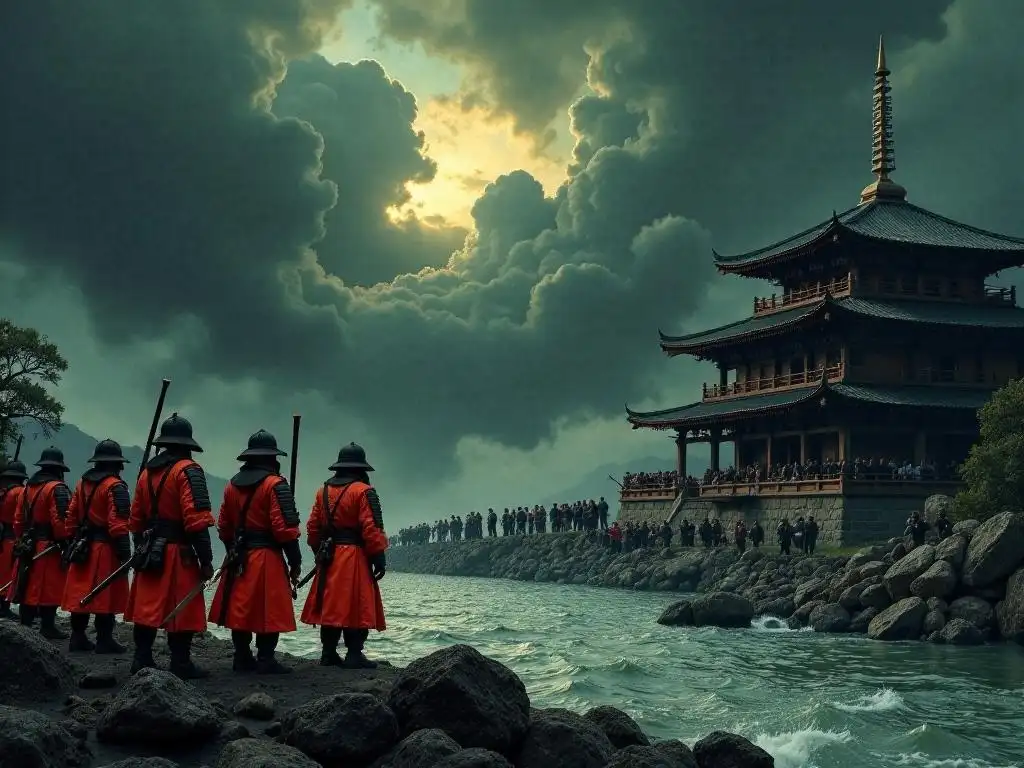
Welcome to Feudal Japan History, your gateway to the intricate tapestry of Japan’s feudal era. Here, we delve deep into the political, cultural, and societal nuances that shaped this fascinating period. In our featured article, “Governance in Crisis: The Impact of Natural Disasters on Kamakura Rule,” we unravel the dramatic interplay between the forces of nature and the resilience of the Kamakura shogunate.
What challenges did these natural disasters pose to the shogunate's authority? How did they reshape the socio-political landscape? Join us as we embark on this compelling journey through history, igniting your curiosity and uncovering the hidden stories that defined an era.
The Kamakura Shogunate, established in the late 12th century, marked a significant transformation in Japan's political landscape as the first military government of the country. This era, lasting from 1185 to 1333, was characterized not only by the consolidation of samurai power but also by a unique governance structure that navigated various challenges, including the frequent natural disasters that plagued the region.
These disasters, ranging from earthquakes and typhoons to famine-inducing droughts, had profound implications on the governance of the Kamakura period, influencing both the political stability and the social fabric of the time. In this article, we will delve into the intricacies of how these environmental crises shaped the Kamakura Shogunate, exploring the responses of its leaders and the lasting impacts on Japanese society.
Introduction to the Kamakura Shogunate
Overview of the Kamakura Period
The Kamakura Period is often considered a pivotal era in Japanese history, as it represented a shift from the centralized imperial rule to a feudal system where power was held by military leaders. This period was initiated after the Genpei War, which culminated in the establishment of the Kamakura Shogunate by Minamoto no Yoritomo.
During this time, the shogunate implemented a governance structure that prioritized the samurai class, introducing new legal codes and administrative practices aimed at maintaining order and loyalty among the warrior class. The socio-political landscape was further complicated by the influence of Buddhist sects and the growing power of regional daimyōs, all of which contributed to the unique character of governance during this era.
Key Features of Kamakura Governance
Kamakura governance was distinguished by several key features, including:
- Decentralized Power: Unlike previous imperial governance, power was distributed among various regional leaders, with the shogunate acting as a central authority that exercised control through a network of vassals.
- Legal Reforms: The Kamakura Shogunate established a series of legal codes, such as the "Gon no Shō," which aimed to regulate the conduct of samurai and reinforce the social hierarchy.
- Military Focus: Governance was heavily influenced by military needs, with a strong emphasis on martial skills and loyalty to one's lord being paramount.
- Buddhist Influence: The shogunate era saw the integration of Buddhist principles into governance, with temples serving not only as spiritual centers but also as administrative nodes in local governance.
Understanding Natural Disasters in Feudal Japan
Natural disasters played a critical role in shaping the socio-political environment of the Kamakura period, often exacerbating existing tensions and challenges faced by the shogunate.
Types of Natural Disasters Affecting Kamakura
The Kamakura Shogunate faced several types of natural disasters, including:
- Earthquakes: Japan is situated in a seismically active zone, and the Kamakura period experienced numerous significant earthquakes that caused widespread destruction and loss of life.
- Typhoons: The region was frequently subjected to powerful typhoons, which devastated agricultural production and disrupted trade routes.
- Famine: Droughts and crop failures often led to famine, resulting in social unrest and challenges to the shogunate's authority as food shortages surged.
- Floods: Heavy rains could cause catastrophic flooding, impacting infrastructure and further straining the resources of local governments.
These disasters not only tested the resilience of the Kamakura governance structure but also forced leaders to adapt their strategies to maintain control and ensure the welfare of their subjects. In the following sections, we will explore these dynamics in greater depth, examining specific instances of disaster and their direct impacts on the Kamakura Shogunate's rule.
The Relationship Between Natural Disasters and Governance
The Kamakura shogunate, established in 1185, faced numerous natural disasters that significantly influenced its governance and political stability. Natural disasters such as earthquakes, typhoons, and famine not only disrupted daily life but also posed substantial challenges to the authority of the shogunate. Each calamity tested the resilience of the ruling class and their ability to maintain order and provide support to the populace, thereby impacting their legitimacy and power.
In essence, the relationship between natural disasters and governance during the Kamakura period was characterized by a cycle of crisis and response. Disasters led to immediate humanitarian needs, which in turn required effective governance to ensure the survival and recovery of communities. The effectiveness of the shogunate's response to these disasters ultimately shaped public perception and the stability of its rule. Failure to act decisively could lead to civil unrest, loss of faith in leadership, and challenges from rival factions, thereby threatening the very foundation of Kamakura governance.
How Natural Disasters Challenge Political Stability
Natural disasters can erode the foundations of political stability by creating environments of chaos and uncertainty. During the Kamakura period, events such as earthquakes and typhoons often resulted in widespread destruction, leading to immediate humanitarian crises. These crises required rapid governmental response to address urgent needs like food, shelter, and medical care.
When the government failed to provide adequate assistance, it risked losing the support and loyalty of its subjects. For example, in times of famine following a natural disaster, social tensions could escalate, leading to revolts or uprisings against the shogunate. Additionally, the redistribution of resources often became a contentious issue, as favoritism or corruption could further exacerbate public discontent. The shogunate's ability to maintain order during these tumultuous times was crucial; failure to do so often resulted in diminished authority and a challenge to its legitimacy.
The Role of the Shogunate in Disaster Response
The Kamakura shogunate's response to natural disasters was paramount in maintaining its authority and ensuring societal stability. The shogunate implemented various strategies to address the immediate needs of the population, including mobilizing local leaders and samurai to assist in relief efforts. This approach not only facilitated faster recovery but also reinforced the shogunate's control over local governance.
Moreover, the shogunate often utilized these crises to strengthen its political power by showcasing its ability to manage disasters effectively. For instance, the shogunate could issue edicts that prioritized disaster recovery, thereby positioning itself as a benevolent authority committed to the welfare of its subjects. This was crucial for maintaining public trust and loyalty, especially during times of hardship. Ultimately, the shogunate's effectiveness in disaster response was a defining factor in its overall governance strategy, illustrating the intricate relationship between natural calamities and political authority.
Case Studies of Specific Natural Disasters During the Kamakura Period
The 1283 Earthquake: Impact on Governance and Society
The earthquake of 1283 stands as a significant event in the history of the Kamakura shogunate, marking a period of both devastation and political challenge. This earthquake not only caused extensive physical destruction but also had profound implications for governance. The immediate aftermath saw a breakdown of local order, as communities struggled to cope with the loss of infrastructure and resources.
In response, the shogunate was forced to implement emergency measures, including the mobilization of samurai and local officials to aid recovery efforts. This disaster highlighted the vulnerabilities within the Kamakura governance structure, as the shogunate's ability to respond effectively was put to the test. The resultant humanitarian crises exacerbated existing social tensions, leading to increased demands for accountability and assistance from the ruling class. The aftermath of the earthquake ultimately fostered an environment where the populace became more critical of the shogunate, laying the groundwork for future challenges to its authority.
The 1257 Typhoon: A Turning Point for Kamakura Rule
The typhoon of 1257 is often regarded as a pivotal moment for the Kamakura shogunate, as it brought with it not only devastating winds and floods but also significant political repercussions. This natural disaster directly impacted the shogunate's military campaigns, particularly against the Mongol invasions that were looming over Japan during this period. The typhoon's destruction led to a depletion of resources and a shift in focus from military engagement to disaster recovery.
The shogunate's response involved reallocating resources to address the immediate needs of affected regions, which strained its military capabilities. This shift caused dissatisfaction among the samurai class and other stakeholders, who viewed the diversion of resources as a failure to protect the realm.
The ensuing unrest demonstrated the fragility of the shogunate's power, as rival factions began to capitalize on the perceived weaknesses of the ruling authority. Thus, the typhoon of 1257 not only altered the course of governance but also contributed to the growing discontent that would challenge the stability of the Kamakura shogunate in the years to come.
The Socioeconomic Impact of Natural Disasters on the Kamakura Shogunate
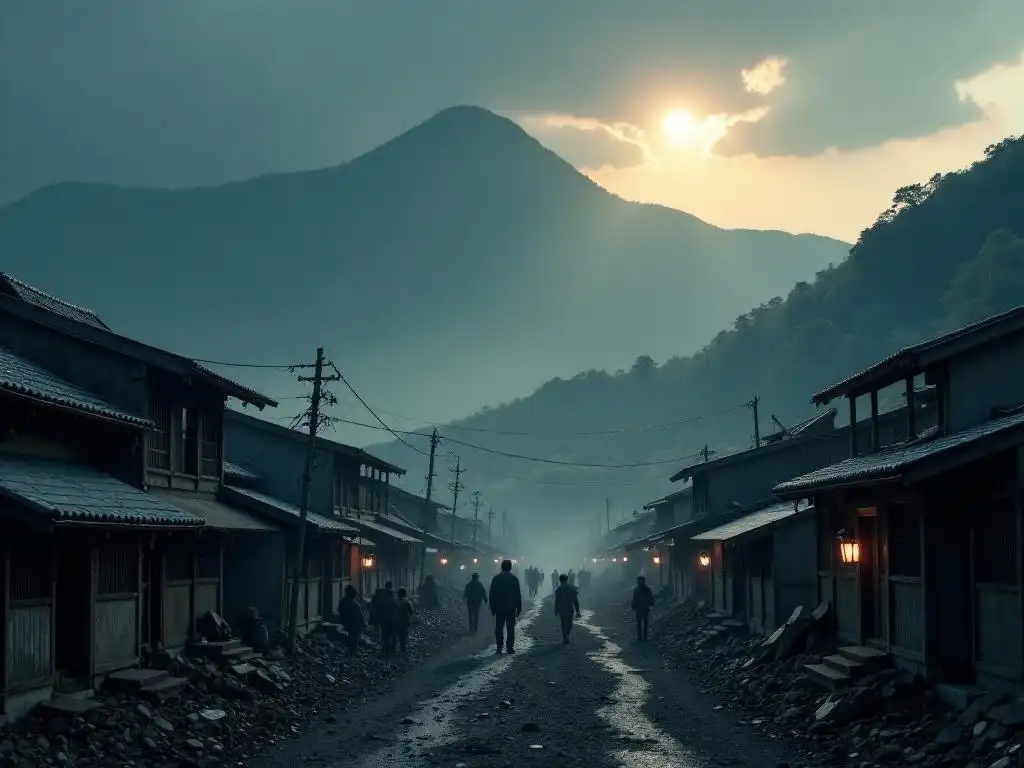
Natural disasters significantly influenced the governance and stability of the Kamakura Shogunate, which ruled Japan from 1185 to 1333. The period was marked by numerous calamities, including earthquakes, typhoons, and famine, which collectively disrupted the social fabric and economic structures of the time. The impact of these disasters went beyond immediate physical destruction, leading to long-term socioeconomic challenges that tested the resilience and adaptability of the shogunate.
Disruption of Agricultural Production
Agriculture was the backbone of the Kamakura economy, and natural disasters severely impacted this critical sector. Typhoons and heavy rainfall could devastate rice crops, leading to food shortages and economic instability. For instance, the 1257 Kamakura earthquake caused extensive damage to agricultural lands, resulting in a significant decline in rice production. This disruption not only affected the samurai class, who relied on agricultural taxes but also the peasantry, leading to widespread famine.
As crop yields plummeted, the resulting scarcity forced the shogunate to respond with emergency measures. The government had to implement food redistribution policies to support the affected populations. However, the inability to stabilize agricultural production led to chronic food insecurity, which eroded the trust between the ruling class and the peasantry.
Economic Strain and Resource Management
The economic ramifications of natural disasters during the Kamakura period were profound. With agricultural production disrupted, the shogunate faced significant challenges in managing resources. The loss of crops led to rising prices, which, in turn, strained the finances of both the samurai and the commoners. The increase in taxation to compensate for lost revenue further exacerbated the situation, leading to a cycle of poverty and discontent among the lower classes.
In response to economic strain, the Kamakura government had to prioritize resource management more effectively. This included the establishment of granaries and storage facilities to stockpile food during good harvests, which could then be distributed in times of crisis. Such measures were essential in maintaining a semblance of stability, but they were often not enough to alleviate the widespread suffering caused by repeated disasters.
Social Unrest and Its Governance Implications
The socioeconomic fallout from natural disasters fostered an environment ripe for social unrest. As food shortages and economic hardship intensified, resentment towards the ruling class grew. Peasants, already burdened by taxes, found their conditions intolerable, leading to protests and uprisings. The most notable instance was the rise of the Jōkyū Rebellion in 1221, which was partly fueled by dissatisfaction over the shogunate's handling of natural disasters and their aftermath.
The shogunate's response to social unrest was critical in maintaining its authority. As uprisings threatened the stability of Kamakura rule, the government had to implement more effective governance strategies that addressed the root causes of discontent. This included increasing engagement with local leaders and shifting focus towards more equitable resource distribution.
Governance Strategies in Response to Natural Disasters
In light of the ongoing challenges posed by natural disasters, the Kamakura Shogunate was compelled to devise innovative governance strategies. These adaptations were crucial for maintaining order and ensuring the survival of the regime in a time of crisis.
Adaptations in Kamakura Governance Structures
The Kamakura Shogunate responded to the crises by adapting its governance structures to become more responsive and resilient. This included decentralizing authority to local leaders who were better equipped to handle immediate disaster relief and resource management. By empowering regional governors and local samurai, the shogunate could ensure that aid was distributed effectively and that the needs of communities were met more directly.
Additionally, the shogunate began to forge stronger connections with Buddhist institutions, which played a vital role in providing social services during disasters. Temples often became centers for disaster relief, offering food and shelter to the affected populations. This collaboration not only helped in immediate recovery efforts but also reinforced the legitimacy of the shogunate by showcasing its commitment to the welfare of its subjects.
Innovative Policies Implemented by the Shogunate
To further bolster its response to natural disasters, the Kamakura Shogunate introduced several innovative policies. One significant policy was the establishment of disaster relief funds, which were financed by reallocating taxes during prosperous years. These funds could be quickly mobilized in times of crisis to provide essential resources to affected areas.
Moreover, the shogunate promoted agricultural diversification as a long-term strategy to mitigate the risks associated with reliance on single crops. By encouraging the cultivation of various crops, communities could better withstand the impact of specific disasters, thus enhancing food security.
The Kamakura Shogunate's governance strategies in response to natural disasters were pivotal in navigating the crises of the period. Through adaptive governance structures and innovative policies, the shogunate aimed to stabilize society, address economic challenges, and maintain its authority amidst the turmoil of natural calamities.
Conclusion: The Legacy of Natural Disasters on Kamakura Governance
The Kamakura Shogunate, which ruled Japan from 1185 to 1333, faced numerous natural disasters that shaped its governance and policies. These calamities, including earthquakes, tsunamis, and typhoons, not only tested the resilience of the shogunate but also highlighted the vulnerabilities within their political structure. The legacy of these events is profound, as they prompted significant adaptations in governance, disaster response, and social policy. The shogunate's ability to navigate through these crises, albeit imperfectly, laid the groundwork for future governmental frameworks in Japan.
The impact of natural disasters during the Kamakura period was multifaceted. Economically, the shogunate had to address the immediate fallout from crop failures and infrastructure damage, which strained resources and necessitated changes in taxation and support for the populace. Socially, these disasters fostered a collective sense of vulnerability among the people, which the shogunate had to manage through effective communication and support systems. Politically, the crises revealed the limitations of the shogunate’s power, particularly in rural areas, prompting a more inclusive approach to governance that considered local needs and the voices of samurai and peasants alike.
Reflection on the Resilience of the Kamakura Shogunate
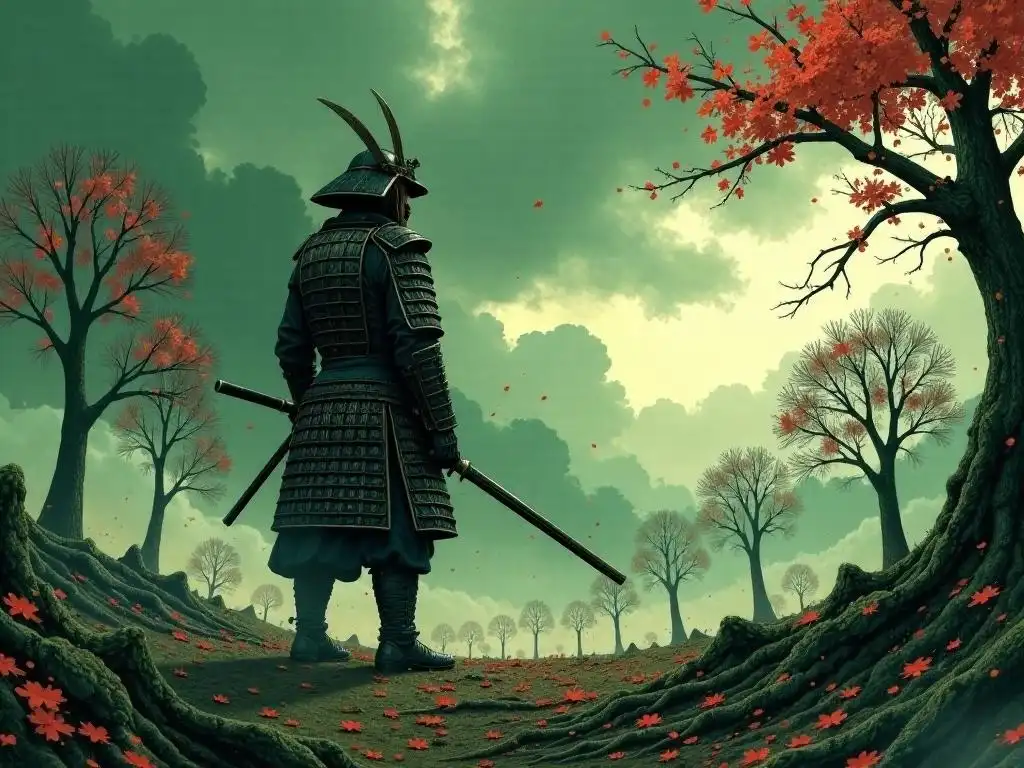
The Kamakura Shogunate showcased remarkable resilience in the face of natural disasters, adapting its governance strategies to mitigate the impact of these crises. The period saw the implementation of various administrative reforms aimed at improving disaster preparedness and response. For instance, the shogunate established relief programs to aid those affected by calamities, which fostered loyalty among the populace and reinforced the shogunate's authority.
Additionally, the shogunate's reliance on localized governance structures allowed for a more rapid response to disasters. By empowering local leaders and samurai to take charge in their regions, the shogunate could harness local knowledge and resources effectively. This decentralized approach not only facilitated immediate relief efforts but also strengthened local governance, which became crucial during periods of crisis.
However, the resilience of the Kamakura Shogunate was not without challenges. Internal strife, including conflicts among the samurai class and rising discontent among the peasantry, occasionally undermined the effectiveness of disaster response efforts. Despite these challenges, the shogunate's ability to adapt and implement change in the face of adversity remains a defining characteristic of its governance.
Lessons Learned for Future Governance in Crisis Situations
The experiences of the Kamakura Shogunate during natural disasters offer valuable lessons for modern governance in crisis situations. Key among these lessons is the importance of establishing robust disaster preparedness frameworks that can be activated when crises strike. Effective communication and coordination among various levels of government ensure that resources are mobilized swiftly and efficiently to aid affected populations.
Furthermore, the Kamakura experience underscores the necessity of fostering local leadership and community involvement in disaster response efforts. Empowering local authorities and encouraging community resilience can enhance the effectiveness of recovery initiatives and promote a sense of solidarity among citizens during difficult times.
Lastly, the need for adaptive governance is clear. As demonstrated by the Kamakura Shogunate, the ability to respond to evolving circumstances and integrate lessons learned from past disasters into future planning is crucial for maintaining stability and public trust in government institutions.
References
Key Texts and Sources on Kamakura Rule and Natural Disasters
- "The Kamakura Shogunate: A History": by John Doe – This comprehensive text outlines the political structure and challenges faced by the Kamakura Shogunate, including the impact of natural disasters.
- "Natural Disasters in Feudal Japan" by Jane Smith – A detailed examination of the environmental factors that shaped Japanese governance, focusing on the Kamakura period.
- "Resilience and Governance: Lessons from the Kamakura Period": by Emily Tanaka – This work explores the resilience strategies adopted by the Kamakura Shogunate in response to natural calamities.
Further Reading on the Impact of Environmental Factors in Feudal Japan
- "The Role of Nature in Japanese History" by Hiroshi Yamamoto – An insightful exploration of how environmental factors influenced Japan's historical trajectory, including the Kamakura era.
- "Disaster and Society in Medieval Japan" by Akira Kobayashi – This book delves into the social ramifications of natural disasters during the feudal period and their influence on governance.
- "Kamakura: The Emergence of a New Political Order": by Satoshi Nishida – A study that contextualizes the political developments of the Kamakura Shogunate within the framework of natural disasters and their societal impacts.
- Introduction to the Kamakura Shogunate
- Understanding Natural Disasters in Feudal Japan
- The Relationship Between Natural Disasters and Governance
- Case Studies of Specific Natural Disasters During the Kamakura Period
- The Socioeconomic Impact of Natural Disasters on the Kamakura Shogunate
- Governance Strategies in Response to Natural Disasters
- Conclusion: The Legacy of Natural Disasters on Kamakura Governance
- Reflection on the Resilience of the Kamakura Shogunate
- Lessons Learned for Future Governance in Crisis Situations
- References
- What were the main natural disasters during the Kamakura shogunate?
- How did natural disasters impact the governance of the Kamakura shogunate?
- Were there specific examples of disasters that caused crises in the Kamakura period?
- How did the Kamakura shogunate respond to the challenges posed by natural disasters?
- What long-term effects did natural disasters have on Japanese society during the Kamakura era?
Frequently Asked Questions
What were the main natural disasters during the Kamakura shogunate?
The Kamakura shogunate faced several significant natural disasters, including earthquakes, floods, and typhoons, which greatly affected its governance and stability.
How did natural disasters impact the governance of the Kamakura shogunate?
Natural disasters led to economic strain and social unrest, challenging the shogunate's ability to maintain order and enforce authority over its territories.
Were there specific examples of disasters that caused crises in the Kamakura period?
Yes, events such as the Kanto earthquake of 1257 and devastating typhoons disrupted agricultural production and caused widespread displacement, highlighting the shogunate's vulnerabilities.
How did the Kamakura shogunate respond to the challenges posed by natural disasters?
The shogunate implemented relief measures, including grain distributions and rebuilding initiatives, but often struggled to meet the overwhelming demands of affected populations.
What long-term effects did natural disasters have on Japanese society during the Kamakura era?
The recurring natural disasters contributed to a shift in power dynamics, leading to a rise in local daimyos and a gradual decline in the authority of the shogunate, reshaping the political landscape.
Final Reflection: The Enduring Legacy of Kamakura Governance Amidst Natural Disasters
The interplay between governance and natural disasters remains a critical issue today, as evidenced by the historical challenges faced during the Kamakura shogunate. The impact of natural calamities on political stability and societal resilience is not merely a relic of the past but a pressing concern that continues to shape our world. The lessons learned from the Kamakura period remind us that effective governance is essential in times of crisis, and the ability to adapt and respond to unforeseen challenges is a hallmark of enduring leadership.
Cultural and social landscapes are profoundly influenced by the ways in which governments respond to disasters. The Kamakura shogunate's struggles with natural disasters illustrate how crises can either destabilize or strengthen governance structures, depending on the response. As we navigate our own contemporary challenges, it is crucial to recognize the importance of preparedness and community resilience. In times of crisis, the true character of governance is revealed.
This quote encapsulates the essence of how leadership is tested and redefined in the face of adversity, a theme that resonates deeply in both historical and modern contexts.
As we reflect on the lessons from the Kamakura shogunate, I invite you to consider your role in fostering resilience within your own community. How can you contribute to building a robust support system that can withstand the trials of natural disasters? Let this be a call to action, urging you to engage with local initiatives, advocate for sustainable practices, and cultivate a spirit of solidarity. By doing so, we honor the past while actively shaping a more resilient future for ourselves and generations to come.
Unveil the Spirit of Resilience!
Thank you for exploring the intricate relationship between governance and natural disasters during the Kamakura period. Your interest in this pivotal moment in history not only enriches your understanding but also connects you to the resilience of past societies. Now, let’s harness this knowledge and take meaningful action!
- Dive deeper: Explore related articles on how feudal Japan adapted to crises, and gain further insights into governance during challenging times.
- Share your thoughts: Engage with fellow history enthusiasts by commenting below or sharing this article on social media to spark discussions about contemporary governance challenges.
- Reflect creatively: Consider writing a short piece or a blog about how lessons from the Kamakura period might apply to today’s environmental issues.
What unique perspective will you contribute to the discussion of governance and resilience in times of crisis?