
The Role of Religion in Urban Life: Temples and Shrines of Edo

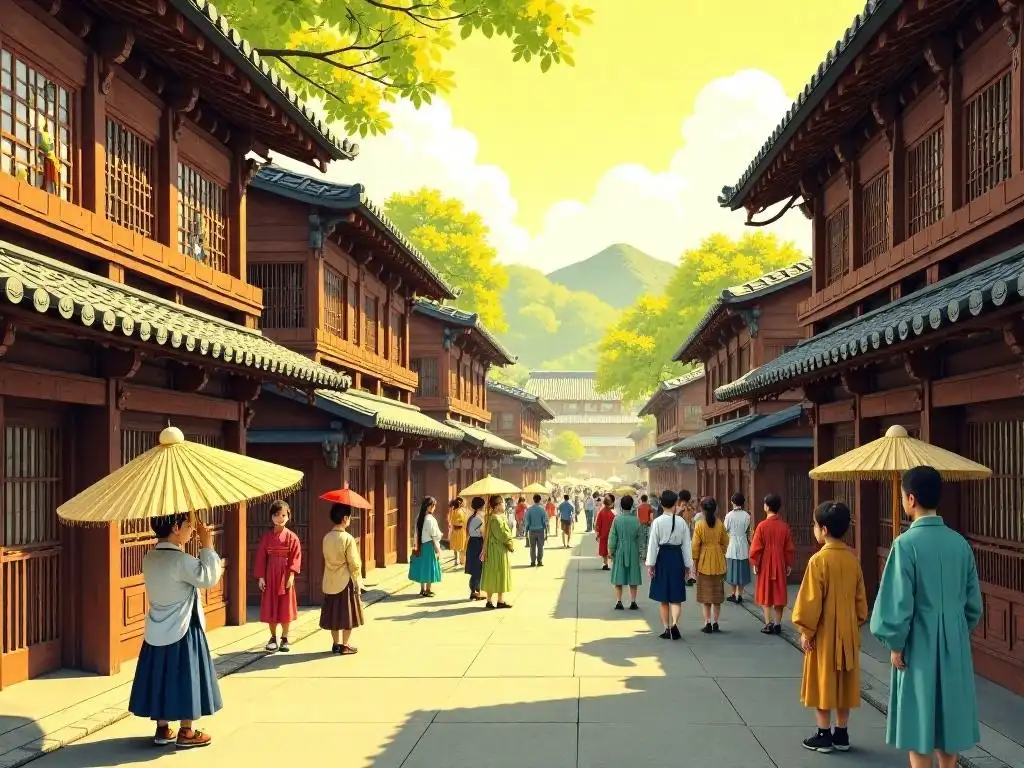
Welcome to Feudal Japan History, where we invite you to embark on a captivating journey through the intricate tapestry of Japan's feudal era. Here, we delve into the rich cultural, historical, and societal aspects that defined this remarkable period. In our featured article, “The Role of Religion in Urban Life: Temples and Shrines of Edo,” we explore the profound impact of sacred spaces on the bustling life of Edo, revealing how these revered sites influenced not just spirituality but also the economy and daily routines of its citizens.
Join us as we uncover the hidden stories behind these majestic temples and shrines, and prepare to be intrigued by the interplay of faith and urbanity in one of history's most fascinating epochs. Your exploration awaits!
Introduction to Temples and Shrines in Edo
The feudal era of Japan, particularly during the Edo period (1603-1868), was marked by significant urbanization and the emergence of a vibrant cultural landscape. At the heart of this transformation were the temples and shrines in Edo, which played a pivotal role in shaping the spiritual and social fabric of the burgeoning city.
These sacred sites not only served as places of worship but also acted as community centers, reflecting the intricate relationship between religion and daily life in a rapidly modernizing society. In this article, we will embark on a comprehensive exploration of the temples and shrines that defined Edo, examining their historical significance, cultural impact, and the evolving religious practices that characterized this dynamic period.
Overview of Edo's Urbanization and Religious Landscape
Edo, now known as Tokyo, transformed from a small fishing village into one of the largest cities in the world during the Edo period. With this urban growth came a diverse religious landscape, where Shinto shrines and Buddhist temples coexisted, often influencing one another.
- Shinto Shrines: Representing Japan's indigenous belief system, these shrines were dedicated to kami (spirits) and played a crucial role in local festivals and agricultural practices.
- Buddhist Temples: Brought to Japan from China and Korea, Buddhism flourished during the Edo period, offering spiritual guidance and community support through various sects.
This duality created a rich tapestry of religious life that catered to the spiritual needs of Edo's diverse population, reflecting broader societal changes and the blending of traditions.
Importance of Temples and Shrines in Edo Society
Temples and shrines were integral to Edo's society, providing not only spiritual solace but also social and economic functions. They served as:
- Cultural Hubs: Hosting festivals, art exhibitions, and educational events that fostered community engagement.
- Economic Centers: Attracting pilgrims and tourists, which stimulated local economies through commerce and craftsmanship.
- Social Services: Offering welfare support, such as food and shelter for the needy, thereby reinforcing communal bonds.
The significance of these religious sites extended beyond mere worship; they were foundational to the identity and cohesion of Edo's urban populace.
Historical Context of Temples and Shrines in Edo
The Evolution of Religious Practices in Edo
As Edo evolved into a bustling metropolis, so too did its religious practices. The interplay between Shinto and Buddhism led to the emergence of unique syncretic traditions, where rituals and beliefs began to merge. Notable developments included:
- New Festivals: Celebrating seasonal changes, agricultural cycles, and the kami, which became increasingly elaborate and community-oriented.
- Pilgrimage Routes: Established for devotees to visit sacred sites, fostering a sense of shared spiritual journey among the population.
This evolution illustrated the adaptability of religious practices in response to the changing urban environment.
Key Historical Events Influencing Temples and Shrines
Several pivotal events shaped the role of temples and shrines in Edo, including:
- The Tokugawa Shogunate's Policies: The shogunate promoted Buddhism as a means of social control, leading to the proliferation and state sponsorship of temples.
- Natural Disasters: Events such as the 1855 Ansei earthquake devastated many shrines and temples, prompting reconstruction efforts that often enhanced their prominence and community significance.
These historical milestones not only influenced the physical landscape of Edo but also the spiritual and cultural identity of its residents, cementing the enduring legacy of temples and shrines in the urban life of this remarkable era.
Types of Temples and Shrines in Edo
Edo, known today as Tokyo, was a bustling metropolis during Japan's feudal era, serving as a vibrant hub of culture and religion. The city was home to a diverse array of religious structures, primarily Buddhist temples and Shinto shrines, each playing distinct roles in the spiritual and social lives of its inhabitants.
Buddhist temples were prominent in Edo, reflecting the influence of various Buddhist sects that flourished during this period. In contrast, Shinto shrines, dedicated to the kami (spirits), emphasized the indigenous beliefs and practices of the Japanese people. Together, these religious sites formed an integral part of Edo's urban landscape, influencing not only its architecture but also the daily lives of its residents.
Buddhist Temples: Architecture and Significance
Buddhist temples in Edo exhibited a unique architectural style that was characterized by intricate wooden structures, ornate carvings, and beautifully landscaped gardens. One of the most notable examples is Senso-ji, the oldest temple in Tokyo, which features a majestic five-story pagoda and a grand entrance gate known as Kaminarimon. These temples served not only as places of worship but also as centers for meditation, community gatherings, and the study of Buddhist texts.
The significance of these temples extended beyond their physical presence; they played a pivotal role in the spiritual lives of the people. Monks residing in these temples offered guidance and support to the local community, conducting rituals for the deceased and providing counsel during times of hardship. The temples became symbols of solace and hope, reinforcing the importance of Buddhism in Edo society.
Shinto Shrines: Cultural Importance and Rituals
Shinto shrines in Edo celebrated the spiritual connection between the people and the kami, embodying the essence of Japanese spirituality. These shrines were often adorned with torii gates, which marked the transition from the mundane to the sacred. The most famous among them is Meiji Shrine, dedicated to Emperor Meiji and Empress Shoken, serving as a testament to the reverence for imperial ancestors.
The rituals performed at these shrines were significant in maintaining the harmony between the community and the kami. Festivals, known as matsuri, were held throughout the year, attracting large crowds who participated in traditional dances, music, and food offerings. These events fostered a sense of unity and cultural identity among the residents of Edo, highlighting the deep-rooted connection between the Shinto faith and the local community.
Unique Features of Edo's Religious Structures
Edo's religious structures were distinguished by several unique features that set them apart from those found in other regions of Japan. One notable aspect was the integration of nature into the design of temples and shrines, creating serene environments conducive to spiritual reflection. Many religious sites included gardens, ponds, and walking paths that encouraged visitors to engage with the natural world.
Additionally, the architectural styles varied significantly between different sects and shrines, leading to a rich diversity in design. For instance, while some Buddhist temples showcased grand, multi-tiered pagodas, Shinto shrines often emphasized simplicity and elegance with their thatched roofs and wooden construction. This variety reflected the adaptability of religious practices to local customs and aesthetics, enriching the cultural tapestry of Edo.
The Societal Impact of Temples and Shrines in Edo
The temples and shrines of Edo were not merely places of worship; they were integral to the social fabric of the city. Their influence extended into various aspects of urban life, shaping community interactions, cultural celebrations, and educational pursuits.
Role of Temples and Shrines in Community Life
Temples and shrines served as focal points for community life in Edo, fostering a sense of belonging among residents. They offered a space for people to gather, engage in communal activities, and support one another during times of need. Many temples provided essential services, such as food distribution to the needy and shelter during natural disasters, reinforcing their role as pillars of the community.
Moreover, temples and shrines often hosted regular meetings and discussions, allowing residents to voice their concerns and collaborate on local issues. This communal engagement helped strengthen social bonds and fostered a spirit of cooperation among the diverse populations of Edo.
Festivals and Events Centered Around Temples and Shrines
Festivals centered around temples and shrines were vital expressions of Edo's cultural heritage. These events not only celebrated the kami and the Buddhist deities but also served as opportunities for the community to come together in joy and reverence. Major festivals like the Sanja Matsuri at Asakusa Shrine attracted thousands of participants, showcasing lively parades, traditional music, and elaborate floats.
Such festivals were crucial for maintaining cultural traditions and passing them down through generations. They provided a platform for artistic expression, allowing local artisans to showcase their crafts, from elaborate costumes to intricate food preparations. The vibrant atmosphere of these celebrations fostered a sense of pride and identity among the Edo populace.
Temples and Shrines as Centers of Education and Art
Beyond their spiritual significance, temples and shrines in Edo were also important centers for education and art. Many Buddhist temples served as schools, where monks taught various subjects, including philosophy, literature, and the arts. This emphasis on learning contributed to the intellectual growth of the community, fostering a rich cultural environment.
Additionally, temples and shrines became venues for artistic expression, with many featuring stunning paintings, calligraphy, and sculptures. The collaboration between religious institutions and artists enriched Edo's cultural landscape, leading to the emergence of distinct artistic movements that reflected the spiritual and cultural ethos of the time.
The temples and shrines of Edo were instrumental in shaping the urban experience, influencing various facets of life, from community welfare to cultural celebrations and education. Their enduring legacy continues to be felt in modern Tokyo, where many of these historical sites remain vital symbols of Japan's rich cultural heritage.
Economic Role of Temples and Shrines in Edo
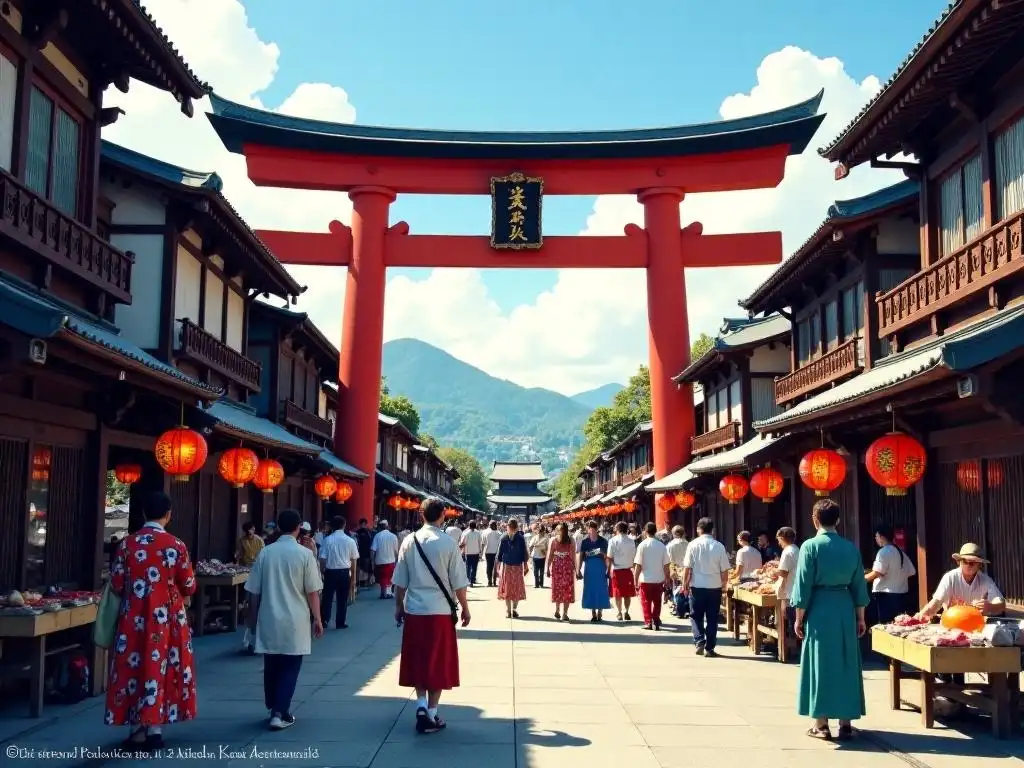
The temples and shrines of Edo played a pivotal role in the economic landscape of the city during the feudal era. As centers not only for spiritual activities but also for community engagement, these religious sites contributed significantly to the urban economy. Their influence extended beyond mere worship, encapsulating various dimensions of trade, commerce, and urban development.
Temples and Shrines as Economic Hubs
Temples and shrines in Edo functioned as vital economic hubs, attracting visitors for religious ceremonies, festivals, and pilgrimages. The presence of these religious institutions created an environment ripe for economic activity.
- Pilgrimage Sites: Many temples and shrines became popular pilgrimage destinations, drawing thousands of visitors, which in turn stimulated local economies. Vendors and shopkeepers thrived by offering food, souvenirs, and other goods to pilgrims and tourists.
- Cultural Festivals: Religious festivals held at these sites often featured markets and fairs, providing opportunities for local artisans and merchants to sell their crafts. These events not only celebrated religious traditions but also fostered community spirit and economic exchange.
- Job Creation: The maintenance and operation of temples and shrines provided jobs for local residents, from priests and caretakers to vendors and craftsmen, bolstering the economy of Edo.
Trade and Commerce Associated with Religious Sites
The intersection of religion and commerce was particularly pronounced in Edo, where temples and shrines facilitated various forms of trade.
- Merchandising of Religious Goods: Temples and shrines often sold religious artifacts, talismans, and ceremonial items, creating a niche market that catered to the spiritual needs of the population. This merchandising became a significant source of income for these institutions.
- Food and Drink: Many visitors to shrines and temples sought sustenance, leading to the establishment of food stalls and shops nearby. Traditional foods, such as mochi and sake, became synonymous with visits to these religious sites.
- Cultural Exchange: The influx of visitors from different regions contributed to a vibrant exchange of goods and ideas, enhancing the cultural and economic fabric of Edo. This exchange fostered a diverse marketplace that reflected the city's dynamic urban life.
Influence of Temples and Shrines on Urban Development
The presence of temples and shrines significantly influenced the urban development of Edo. Their locations and the activities they hosted shaped the layout and infrastructure of the city.
- Urban Planning: Many temples and shrines were strategically located to maximize accessibility, often near main roads or rivers, influencing the development of transportation routes and accessibility for pilgrims and merchants alike.
- Architectural Significance: The construction of grand temples and shrines added to the aesthetic appeal of Edo, prompting the development of surrounding areas. The architecture of these sites often inspired local building styles, reflecting the cultural heritage of the city.
- Community Centers: Beyond their religious functions, these sites acted as community centers where people gathered for various social and cultural activities, further embedding them into the urban fabric of Edo.
Temples and Shrines in Edo: A Comparative Analysis
A comparative analysis of temples and shrines in Edo reveals the nuanced roles that different religious institutions played within the urban landscape. While both Buddhist temples and Shinto shrines served spiritual purposes, they also exhibited distinct characteristics that influenced their economic and social roles.
Comparison of Buddhist Temples and Shinto Shrines
Buddhist temples and Shinto shrines showcased contrasting approaches to religion and community engagement in Edo, each contributing uniquely to the urban environment.
- Buddhist Temples: Typically associated with monastic communities, Buddhist temples often emphasized meditation, education, and the afterlife. They provided spiritual guidance and were centers for cultural activities such as art and literature. These temples often hosted larger festivals, attracting significant crowds and stimulating economic activity.
- Shinto Shrines: In contrast, Shinto shrines focused on the worship of kami (deities) and the natural world. They were more integrated into the daily lives of Edo residents, acting as places for community rituals and celebrations. The simplicity of Shinto architecture often made these shrines more accessible, encouraging frequent visits by locals.
- Economic Contributions: While both types of institutions contributed to the economy, Buddhist temples tended to engage in more extensive trade relationships, given their larger size and the need for diverse funding sources. Shinto shrines, being more community-oriented, relied heavily on local support and patronage.
Influence of Religion on Urban Planning and Architecture
Religion profoundly influenced the urban planning and architecture of Edo, as the design and placement of temples and shrines were integral to the city's layout.
- Spatial Organization: The positioning of temples and shrines often dictated the flow of urban life, with main roads leading to these sacred sites. This organization not only facilitated access but also encouraged the formation of marketplaces and residential areas around them.
- Architectural Styles: The architectural styles of temples and shrines reflected their religious significance and cultural heritage. The elaborate designs of Buddhist temples showcased intricate carvings and statuary, while Shinto shrines emphasized harmony with nature, often incorporating natural elements into their structures.
- Civic Identity: Temples and shrines contributed to the civic identity of Edo, representing the spiritual and cultural values of its inhabitants. Their presence reinforced community cohesion and a sense of belonging, which were essential in a rapidly urbanizing environment.
The temples and shrines of Edo were not merely places of worship; they were vibrant centers of economic activity, cultural exchange, and urban development, illustrating the intricate relationship between religion and urban life in feudal Japan.
Challenges Faced by Temples and Shrines in Edo
The temples and shrines of Edo, while central to the city’s spiritual life, faced numerous challenges throughout their existence, particularly during the Edo period (1603-1868). Urbanization led to a significant increase in population density, which in turn placed immense pressure on these religious sites. As the city expanded, many temples and shrines were forced to relocate or adapt to new urban landscapes, often losing their historical significance and original context.
Additionally, the socio-political landscape shifted dramatically during the Edo period, with the Tokugawa shogunate implementing policies that impacted religious institutions. The government imposed restrictions on religious practices and sought to control the influence of Buddhist temples and Shinto shrines, perceiving them as potential sources of dissent. This led to a decline in funding and support for these institutions, forcing many to rely on local patronage to survive.
Natural disasters also posed significant challenges. Edo was susceptible to earthquakes, fires, and floods, which could devastate temples and shrines, resulting in the loss of sacred artifacts and structures. The resilience of these sites was often tested, and their ability to recover depended heavily on the community's commitment to restoration and preservation.
Social and Political Changes Impacting Religious Sites
Social and political changes during the Edo period had profound effects on temples and shrines in Edo. The Tokugawa shogunate sought to unify the country under a centralized governance model, which included regulating religious practices. The shogunate's policies favored Shinto over Buddhism, leading to a decline in the latter as state support shifted. This favoritism created tensions among different religious groups, with some temples struggling to maintain their relevance and support.
Furthermore, the rise of a merchant class altered the social fabric of Edo. As commerce flourished, wealth became concentrated in the hands of a few, impacting the traditional patronage systems that temples had relied upon for centuries. Many temples adapted by opening their doors to the new affluent class, hosting festivals and ceremonies that catered to their needs, which sometimes diluted their spiritual significance.
The advent of modernization in the Meiji era (1868-1912) brought about further changes. The government implemented policies aimed at separating religion from state affairs, leading to the confiscation of temple lands and the decline of traditional practices. This period marked a significant turning point for temples and shrines as they navigated the complexities of a rapidly changing society.
Preservation Efforts for Temples and Shrines in Modern Japan
In modern Japan, there is a growing awareness of the cultural and historical significance of temples and shrines, leading to concerted efforts for their preservation. Initiatives at both governmental and community levels have emerged to restore and maintain these sites, recognizing their role in Japan's heritage.
Government funding and grants are often allocated for restoration projects, especially for structures that hold significant historical value. Local governments frequently collaborate with religious organizations to ensure that temples and shrines are well-preserved and can continue serving their communities.
Community involvement is also crucial in these preservation efforts. Many local residents engage in fundraising activities, volunteer programs, and educational initiatives to raise awareness about the importance of these religious sites. Events such as traditional festivals and ceremonies help to foster a sense of community and connection to the past.
Moreover, modern technology has played a role in preservation. Digital archiving and virtual tours allow for wider accessibility to these sacred sites, inviting both locals and tourists to appreciate their history and significance without compromising their integrity.
Conclusion: The Enduring Legacy of Temples and Shrines in Edo
The temples and shrines of Edo stand as a testament to the rich spiritual and cultural life of the city. Despite the challenges they have faced over the centuries, including social and political upheavals, natural disasters, and modernization, these religious sites have managed to adapt and endure. Their resilience is a reflection of the communities that support them, ensuring their relevance in both historical and contemporary contexts.
Reflection on the Role of Religion in Urban Life
Religion played an integral role in shaping the urban life of Edo. Temples and shrines served not only as spiritual centers but also as community hubs where people gathered for festivals, rituals, and social events. They provided a sense of identity and continuity for residents amidst the rapid changes brought about by urbanization and modernization. The practices and beliefs associated with these sites fostered a communal spirit that transcended individual differences, creating a cohesive urban society.
The rituals and traditions upheld by temples and shrines contributed significantly to the cultural landscape of Edo. They influenced art, literature, and even the architectural styles of the era, leaving an indelible mark on the city’s identity. The spiritual legacy of these sites continues to resonate today, reminding us of the profound impact that religion has on urban life.
Future Prospects for Temples and Shrines in Edo
Looking forward, the future of temples and shrines in Edo will likely be shaped by ongoing societal changes and the need to balance tradition with modernity. As urban landscapes continue to evolve, these religious sites may face new challenges, requiring innovative strategies for preservation and community engagement.
The rise of tourism presents both opportunities and challenges for these sites. While increased visitor numbers can provide much-needed financial support for maintenance and preservation, it also raises concerns about commercialization and the potential dilution of spiritual practices. Striking a balance will be crucial for the sustainability of temples and shrines in the future.
Moreover, the integration of technology into religious practices may offer new avenues for engagement, allowing younger generations to connect with their heritage in innovative ways. As society continues to adapt, temples and shrines in Edo will likely remain vital components of the urban landscape, serving as enduring symbols of Japan's rich cultural and spiritual history.
- Introduction to Temples and Shrines in Edo
- Historical Context of Temples and Shrines in Edo
- Types of Temples and Shrines in Edo
- The Societal Impact of Temples and Shrines in Edo
- Economic Role of Temples and Shrines in Edo
- Temples and Shrines in Edo: A Comparative Analysis
- Challenges Faced by Temples and Shrines in Edo
- Conclusion: The Enduring Legacy of Temples and Shrines in Edo
Frequently Asked Questions
What was the significance of temples and shrines in Edo?
Temples and shrines played a crucial role in urban life, serving as spiritual centers and places for community gatherings. They provided religious services, festivals, and a sense of cultural identity.
How did religion influence daily life in Edo?
Religion deeply influenced daily life by dictating rituals, festivals, and social norms. It shaped the moral framework and community interactions, guiding individuals in their everyday decisions.
What types of religious practices were common in Edo?
Common practices included Shinto rituals and Buddhist ceremonies, which were integral to various life events, such as births, marriages, and funerals. These practices fostered a strong sense of community and tradition.
How did the architecture of temples and shrines reflect Edo's culture?
The architecture of temples and shrines showcased aesthetic beauty and cultural values, often featuring intricate designs and symbolic elements. This reflected the artistic achievements of the time and the importance of spirituality.
What role did festivals play in the life of Edo citizens?
Festivals were vital for community bonding, celebrating religious traditions and local culture. They provided an opportunity for social interaction, entertainment, and the reinforcement of cultural heritage in Edo's urban life.
Final Reflection: The Enduring Legacy of Temples and Shrines in Edo
The intricate relationship between urban life and spirituality is more relevant today than ever, as we navigate the complexities of modern existence. The temples and shrines of Edo serve not only as historical landmarks but also as vital spaces for community connection and personal reflection in an increasingly fast-paced world. In a time when many seek solace and meaning amid chaos, these sacred sites remind us of the importance of grounding ourselves in tradition and spirituality.
The temples and shrines of Edo have profoundly shaped the cultural and social landscape, fostering a sense of identity and belonging among residents and visitors alike. Their influence extends beyond mere architecture; they embody the values and beliefs that have sustained communities for centuries. As we witness a resurgence of interest in heritage and spirituality, we can appreciate the words of historian John D. Barrow: In every culture, the sacred spaces are the heart of the community, where history and hope intertwine.
This observation highlights the ongoing significance of these sites as places of refuge and inspiration.
As we reflect on the role of religion in urban life, I invite you to consider how the lessons from the temples and shrines of Edo can be applied to your own life. Take a moment to explore your surroundings and seek out spaces that resonate with your spirit.
Whether through visiting a local shrine, engaging in community rituals, or simply finding a quiet moment for reflection, let the enduring legacy of these sacred sites inspire you to cultivate a deeper connection with your own beliefs and community. Embrace the opportunity to honor the past while shaping a meaningful future.
Embrace the Spirit of Edo: Discover and Connect!
Thank you for journeying through the fascinating landscape of Edo's religious heritage! You've uncovered the vital role that temples and shrines play in urban life, enriching our understanding of this vibrant culture. Now, it’s time to take that knowledge and transform it into action.
Here are some ways to deepen your connection to the rich traditions we've explored:
- Visit a local shrine or temple: Whether in your area or during your travels, experiencing these sacred spaces can offer valuable insights into their significance and the role they play in the community.
- Share your thoughts: Engage with friends or online communities by discussing what you learned about Edo's religious life. Use social media to disseminate this knowledge and inspire others!
- Explore a new perspective: Research a particular tradition or practice that captured your interest. Delve into its origins and contemporary relevance to further enrich your understanding.
What is one surprising insight you've gained about urban life in Edo that you can't wait to share?