
The Role of the Edo Period in Establishing Japan’s Economic Framework

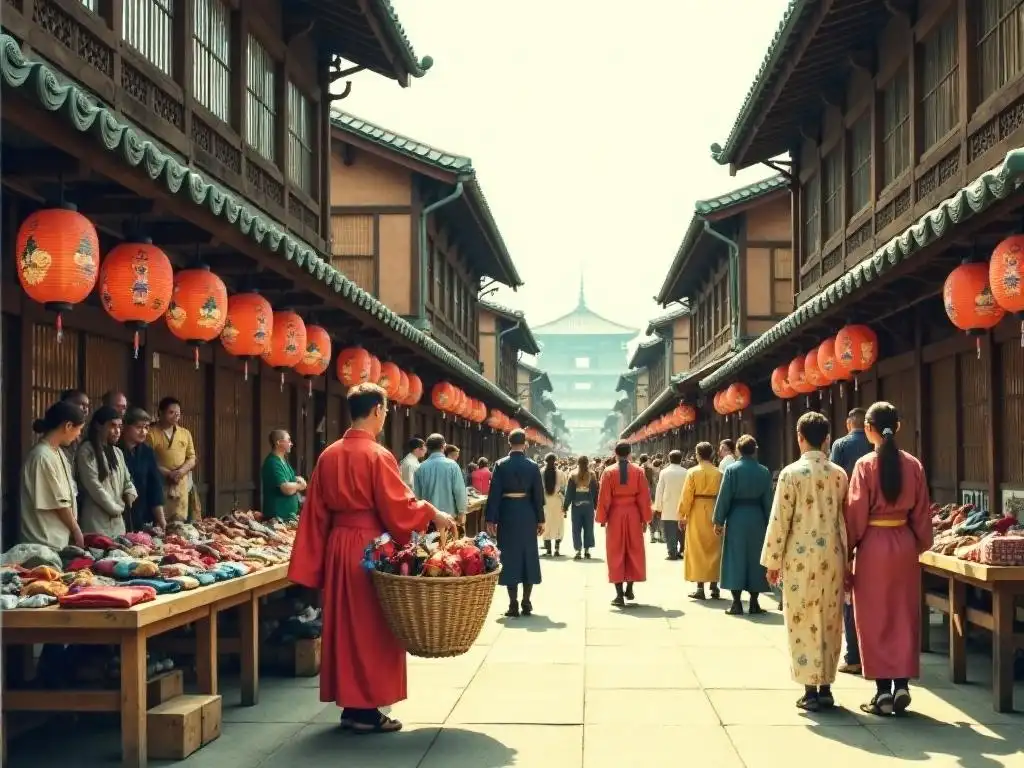
Welcome to Feudal Japan History, where we invite you to embark on a captivating journey through the intricate tapestry of Japan’s feudal era. In our featured article, “The Role of the Edo Period in Establishing Japan’s Economic Framework,” we delve deep into the transformative economic structures that shaped a nation. What drove the prosperity of this fascinating period, and how did it lay the groundwork for modern Japan?
Prepare to uncover the secrets of the Edo period's economic dynamics and discover insights that will enrich your understanding of Japan’s rich historical landscape. Dive in and explore the pivotal moments that defined an era!
The Edo Period, spanning from 1603 to 1868, represents a transformative era in Japanese history, particularly in terms of its economic framework. This period, characterized by the Tokugawa shogunate's centralized feudal governance, laid the groundwork for modern Japan's economic structures and policies. By examining the economic framework of the Edo period, one can uncover the intricate relationships between the shogunate, regional daimyos, and the merchant class, which collectively shaped the country's economic landscape.
This article explores the multifaceted aspects of the Edo period's economy, including the pivotal economic policies that influenced trade, agriculture, and social classes. Understanding these elements is essential for appreciating how the Edo period established a robust economic framework that would have enduring effects long after its conclusion.
Introduction to the Edo Period Economic Framework
Overview of the Edo Period (1603-1868)
The Edo period, also known as the Tokugawa period, marked a significant shift in Japan's history. Following a long era of warfare and instability, Tokugawa Ieyasu established a regime that brought about peace and stability across the nation. This period is characterized by:
- Political Stability: The centralized power of the Tokugawa shogunate led to a reduction in internal conflicts.
- Isolationist Policies: The shogunate implemented sakoku (closed country) policies, limiting foreign influence and trade.
- Cultural Flourishing: The arts, literature, and philosophy thrived during this era, influencing Japanese culture profoundly.
The establishment of a stable government allowed for the development of a structured economic framework, which would facilitate growth and prosperity.
Importance of Economic Policies in the Edo Period
Economic policies during the Edo period were crucial in establishing a resilient economic framework. The Tokugawa shogunate employed various strategies to manage resources, regulate trade, and control the social hierarchy, which included:
- Agricultural Reforms: Policies promoted rice cultivation, which was the backbone of the economy.
- Market Regulations: The shogunate controlled trade through licensing systems, affecting both regional and national commerce.
- Social Stratification: The four-class system (samurai, farmers, artisans, merchants) defined economic roles and responsibilities, shaping the economic interactions among these groups.
These policies not only stabilized the economy but also fostered a unique environment for commerce and trade to flourish.
Understanding the Economic Framework of the Edo Period
Definition of the Economic Framework
The economic framework of the Edo period can be defined as the structural components and policies that governed economic activities and interactions among various social classes. This framework was characterized by:
- Feudal Hierarchy: A rigid class system that dictated economic roles and entitlements.
- Regulated Markets: Government intervention in commerce to stabilize prices and control trade.
- Resource Management: Strategic management of agricultural output to ensure food security and economic stability.
This multifaceted framework was instrumental in sustaining the economy throughout the period.
Key Characteristics of the Edo Period's Economic Structure
The economic structure of the Edo period showcased several key characteristics that contributed to its distinctiveness:
- Agrarian Economy: Agriculture was the primary economic activity, with rice serving as both currency and staple food.
- Urbanization: Growth of cities like Edo (modern-day Tokyo) led to the rise of a merchant class and vibrant market culture.
- Trade Networks: Domestic trade flourished, supported by a network of roads and waterways that facilitated commerce.
- Cottage Industries: Artisans and craftsmen contributed to the economy through local production of goods, which added diversity to the market.
These characteristics highlight how the Edo period's economic framework was both innovative and adaptive, laying a foundation for future economic developments in Japan.
Tokugawa Shogunate and Economic Policies
The Tokugawa Shogunate, which reigned from 1603 to 1868, played a pivotal role in shaping Japan's economic framework. Under the leadership of Tokugawa Ieyasu and his successors, the shogunate implemented a variety of economic policies designed to stabilize and grow the economy, control social classes, and manage trade. These policies were characterized by a mix of state intervention and market-driven practices that created a unique economic environment.
The shogunate sought to consolidate power and minimize the influence of rival feudal lords (daimyō) through a system of alternate attendance (sankin-kōtai), where daimyō were required to spend every other year in Edo (modern-day Tokyo). This not only strengthened central authority but also stimulated the economy by fostering trade and commerce in the capital. Additionally, the shogunate established a rigid class structure that defined the roles of the samurai, farmers, artisans, and merchants, each contributing uniquely to the economic landscape.
Overview of Tokugawa Shogunate's Economic Strategies
The economic strategies of the Tokugawa Shogunate revolved around several key principles aimed at ensuring stability and growth. One of the most significant strategies was the promotion of agricultural production, which was the backbone of the economy. The shogunate encouraged advancements in farming techniques and the use of improved tools, leading to increased rice yields—rice being the primary currency of the period.
Moreover, the shogunate implemented a system of land surveys to assess agricultural productivity, which helped in tax collection and resource allocation. The centralization of taxation not only ensured a steady revenue stream for the government but also allowed for the funding of infrastructure projects such as roads and bridges, which facilitated trade.
The Tokugawa Shogunate also regulated the commerce through a series of policies that controlled trade practices. The establishment of merchant guilds promoted orderly trading practices, while restrictions on foreign trade helped maintain economic sovereignty. This isolationist approach, known as sakoku, limited foreign influence and led to the development of a self-sustaining economy.
Impact of the Tokugawa Economic Policies on Society
The economic policies of the Tokugawa Shogunate had profound effects on Japanese society. With the focus on agricultural production and the stabilization of rice as currency, the rural population, particularly the peasantry, experienced shifts in their social status and economic power. Farmers became increasingly important as they were responsible for producing the rice that underpinned the entire economic system.
However, these policies also entrenched social hierarchies. While merchants gained wealth and status over time, they remained at the bottom of the social hierarchy, which was dominated by the samurai class. This tension between the rising merchant class and the traditional samurai class contributed to societal changes leading up to the Meiji Restoration.
Furthermore, the shogunate's emphasis on a controlled economy limited innovation in certain sectors. While the period saw advancements in agricultural practices, there was a stagnation in technological progress and industrialization compared to Western nations. This imbalance would later pose challenges for Japan as it sought to modernize and compete on a global scale.
The Role of Samurai and Peasantry in the Economic Framework

The samurai and the peasantry were two essential pillars of the economic framework during the Edo period. Each group had defined roles that influenced not only their economic status but also the overall functioning of Tokugawa society.
Economic Status of Samurai in the Edo Period
Samurai, as the ruling class, were granted stipends based on the rice yield of their domains. Their economic status was directly tied to the agricultural productivity of the land they governed. While samurai were expected to uphold honor and serve as warriors, their economic dependence on agriculture limited their ability to engage in trade and commerce openly.
Despite their noble status, many samurai faced financial difficulties as the shogunate's policies restricted their means of income. With the peace established during the Edo period, the demand for military services declined, leading some samurai to seek alternative livelihoods, including bureaucratic positions or engagement in commerce, which was traditionally frowned upon.
The economic pressures eventually resulted in discontent within the samurai class, as their fixed stipends did not keep pace with inflation and the rising costs of living. This growing frustration became a contributing factor to the social upheaval that eventually led to the decline of the Tokugawa Shogunate.
Peasantry’s Contribution to the Economic Framework
The peasantry formed the backbone of the Edo period's economy, primarily through their role in agricultural production. As the producers of rice, which was the cornerstone of the Tokugawa economy, peasants were crucial to the stability and growth of the economic framework. The shogunate’s agricultural policies encouraged increased productivity, which directly benefited the rural economy.
Peasants were often organized into villages, and their communal efforts in farming led to significant advancements in agricultural techniques. Innovations such as crop rotation and irrigation improved yields, allowing for surplus production. This surplus was vital, as it not only supported the local economies but also provided the shogunate with tax revenues in the form of rice.
However, the life of a peasant was fraught with challenges. Heavy taxation and obligations to their local lords often led to financial strain. Despite contributing significantly to the economy, peasants had limited social mobility and were bound by the rigid class system imposed by the Tokugawa regime.
The economic framework of the Edo period was a complex interplay between the ruling samurai class and the peasantry. Each group played a crucial role in shaping the economy, contributing to its unique characteristics and setting the stage for Japan's eventual transition into modernity.
Trade and the Global Context of the Edo Period
The Edo period, spanning from 1603 to 1868, was a significant era in Japanese history that laid the groundwork for the country’s economic framework. During this period, Japan experienced a remarkable transformation in trade practices and economic policies, influenced by both internal developments and external interactions. The isolationist policies implemented by the Tokugawa shogunate significantly shaped the global context of Japan’s trade, leading to a unique economic landscape that balanced local needs with foreign influences.
International Trade Relations during the Edo Era
International trade during the Edo period was characterized by Japan’s selective engagement with foreign nations. Initially, Japan actively participated in trade with various countries, including the Dutch, Portuguese, and Chinese. The Dutch were allowed to establish a trading post on the artificial island of Dejima in Nagasaki, serving as the sole gateway for Western trade. This relationship was governed by stringent regulations, allowing the Tokugawa shogunate to control foreign influence while reaping the economic benefits of trade.
The Chinese trade was also significant, with goods such as silk and ceramics flowing into Japan, while Japanese products like copper and silver were exported. However, the shogunate’s focus on domestic stability led to the restriction of trade with nations perceived as threats to Japan's sovereignty, including the expulsion of the Portuguese and the prohibition of Christianity. Consequently, the international trade relations of the Edo period were marked by a paradox of economic openness and political isolation, fundamentally shaping Japan's economic framework.
The Sakoku Policy and Its Economic Implications
The Sakoku policy, implemented in the 1630s, aimed to isolate Japan from foreign influence and maintain internal stability. Under this policy, Japanese citizens were prohibited from traveling abroad, and foreign merchants were limited to specific ports and regulations. While this isolation curtailed foreign trade and cultural exchange, it also allowed the Tokugawa shogunate to develop a self-sufficient economy.
The economic implications of the Sakoku policy were profound. By regulating trade, the shogunate ensured that Japan could cultivate its industries and agriculture without the disruption of foreign competition. This led to the growth of domestic markets, fostering a sense of economic autonomy. However, the policy also meant that Japan missed out on the technological advancements occurring in Europe and other parts of the world, which would later impact its ability to modernize in the Meiji era.
Economic Innovations and Developments in the Edo Period
The Edo period was a time of significant economic innovation and development, driven by agricultural advancements, urbanization, and an evolving monetary system. These changes not only reshaped the economic landscape of Japan but also established a framework that would support the nation’s future growth.
Technological Advancements and Their Impact on Agriculture
Agriculture during the Edo period saw remarkable improvements due to the adoption of new technologies and farming techniques. Innovations such as the use of crop rotation, improved irrigation methods, and the introduction of new rice strains led to increased agricultural productivity. These advancements allowed farmers to produce surplus crops, which were vital for supporting the growing urban population.
The rising agricultural output facilitated the emergence of a more complex societal structure, as it allowed for the growth of markets and the development of a merchant class. This shift contributed to the rise of regional economies, as surplus goods could be traded within and between provinces. Additionally, the agricultural surplus played a crucial role in sustaining the samurai class, who relied on taxes derived from agricultural production.
Emergence of Money Economy and Currency Systems
The Edo period also witnessed the emergence of a money economy, which replaced the earlier barter systems that had predominated in Japan. The introduction of currency, particularly through the use of gold, silver, and copper coins, facilitated trade and commerce. The establishment of standardized currency helped streamline economic transactions, making it easier for merchants and consumers to engage in trade.
The development of a money economy was further complemented by the rise of merchants who played a pivotal role in the economy. As cities grew and trade expanded, merchant families accumulated wealth and influence, leading to the establishment of a vibrant urban culture. This economic transformation not only enhanced the overall economic framework of the Edo period but also laid the foundation for Japan's transition to a modern economy in the subsequent Meiji Restoration.
Challenges and Limitations of the Edo Period Economic Framework
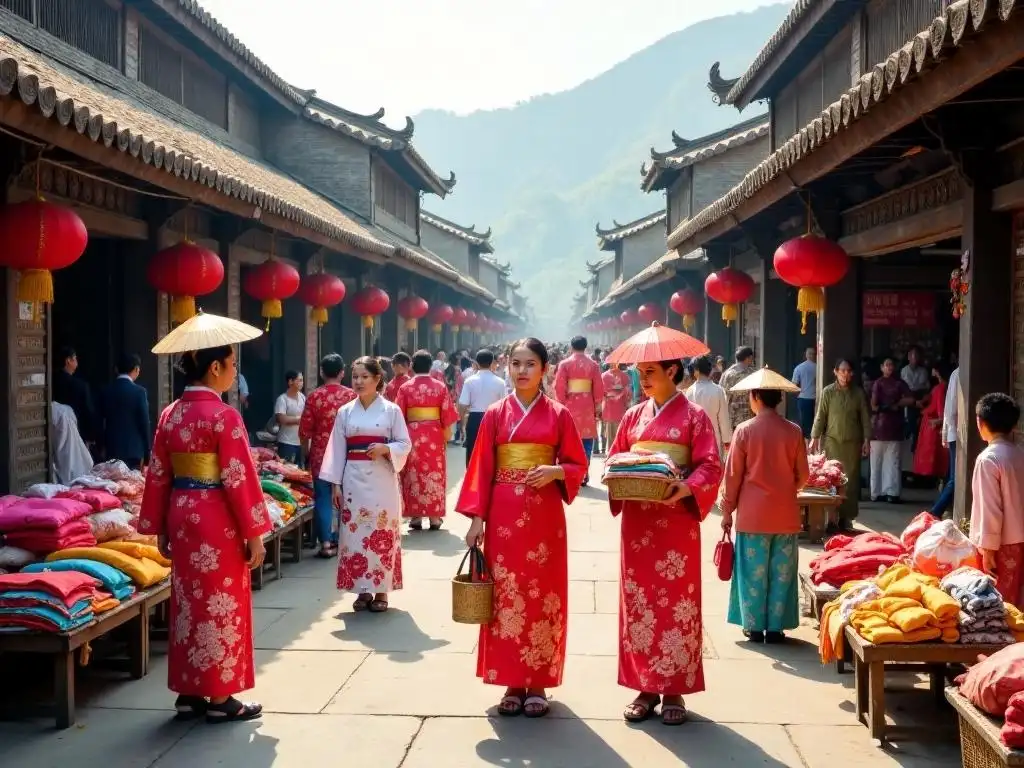
The Edo period (1603-1868) is often celebrated for its relative peace and stability, which allowed Japan to develop its economic framework significantly. However, this era also faced several challenges and limitations that hindered its economic potential. These challenges were multifaceted, involving social, political, and environmental factors that shaped the economic landscape of the time.
One of the most prominent challenges was the rigid class structure instituted by the Tokugawa shogunate. This system divided society into four main classes: samurai, farmers, artisans, and merchants. While this hierarchy provided stability, it also limited social mobility and restricted economic innovation. Merchants, often the wealthiest class, were viewed with disdain and were subject to regulations that prevented them from wielding political power or gaining social status. This contempt for commerce stifled entrepreneurial spirit and hampered the development of a more dynamic economy.
Additionally, the Edo period's economic framework was heavily reliant on agriculture, which was vulnerable to fluctuations due to natural disasters and poor harvests. The shogunate's focus on rice production as a measure of wealth created an economic model that could not quickly adapt to changing conditions or diversify into other industries. This lack of diversification made the economy susceptible to shocks, which became increasingly problematic as the population grew.
Economic Disparities and Class Division
Economic disparities were a significant feature of the Edo period, as wealth and resources were unequally distributed among the classes. The samurai class, although initially seen as the ruling elite, often found themselves in financial difficulties due to fixed stipends that did not keep pace with inflation. Many samurai resorted to borrowing from merchants, which created a paradox where those in the ruling class became economically dependent on the very groups they were supposed to dominate.
Farmers, who constituted the majority of the population, were also burdened by high taxation imposed by the shogunate. These taxes often left them with barely enough to sustain their families, leading to widespread poverty among the rural population. The artisans, while able to create goods, were often limited by local production regulations and faced competition from cheaper, mass-produced items.
The merchants, despite their wealth, remained in a subordinate position within the social hierarchy. This created an environment of economic tension, as merchants sought to expand their influence while being constrained by societal norms. The result was a society marked by economic inequality, which engendered resentment and unrest, laying the groundwork for future social upheaval.
Impact of Natural Disasters on the Economic Stability
Natural disasters played a pivotal role in shaping the economic stability of the Edo period. Japan is no stranger to earthquakes, tsunamis, and typhoons, and these events were frequent during the Edo era. Such disasters could devastate agricultural production, leading to food shortages and economic distress. The shogunate's reliance on rice as a primary economic indicator meant that poor harvests had far-reaching consequences, affecting not only farmers but also the entire economy.
The Great Ansei Earthquake of 1855 is a notable example, as it caused significant damage to infrastructure and disrupted trade routes. The immediate aftermath saw food prices soar, leading to famine and civil unrest. Natural disasters often exacerbated existing economic disparities, as wealthier classes could afford to mitigate the impacts, while the poor bore the brunt of the consequences.
In response to these challenges, the shogunate introduced various policies to stabilize the economy, including the establishment of relief programs and grain storage systems. However, the effectiveness of these measures was often limited, and the recurring nature of disasters highlighted the vulnerabilities within the economic framework of the Edo period.
Conclusion: Legacy of the Edo Period Economic Framework
The legacy of the Edo period's economic framework is complex and multifaceted. While it established a foundation for Japan's subsequent economic development, it also left behind significant challenges that would influence later reforms. The Tokugawa shogunate's policies fostered a degree of stability and growth, yet they also entrenched social divisions and limited economic dynamism.
Lasting Effects on Modern Japan’s Economic Structure
The economic structures and policies established during the Edo period have had lasting effects on modern Japan’s economy. The emphasis on agriculture, the class divisions, and the restrictions placed on merchants laid the groundwork for Japan's economic practices in the Meiji era and beyond. The Meiji Restoration sought to address many of these limitations by modernizing the economy, promoting industrialization, and breaking down the rigid class system.
Furthermore, the bureaucratic systems developed during the Edo period contributed to the formation of a more organized and centralized government in modern Japan. This evolution facilitated the growth of a capitalist economy and the establishment of Japan as a major player in the global market.
Reflection on the Edo Period's Contribution to Economic History
Reflecting on the Edo period's contribution to economic history reveals a narrative of both progress and constraint. It was a time of significant cultural and economic development, characterized by the rise of urban centers, trade networks, and a burgeoning merchant class. However, the limitations imposed by the social hierarchy and the vulnerability to natural disasters present a cautionary tale about the fragility of economic systems.
Ultimately, the Edo period serves as a critical chapter in Japan's economic history, illustrating the delicate balance between stability and innovation. Its legacy continues to influence contemporary economic practices and societal structures, making it an essential area of study for understanding Japan's development.
References
The Edo period (1603-1868) laid the groundwork for Japan's modern economic framework through its unique policies and social structures. The following references provide a deeper understanding of the economic aspects of this transformative era, focusing on the Tokugawa shogunate's economic strategies and their long-lasting impacts.
Recommended Readings on Edo Period Economy
-
"The Economic History of Japan 1600-1990" by Takafusa Nakamura
This comprehensive work explores Japan's economic evolution, emphasizing the Edo period's role in shaping the nation’s economic landscape. Nakamura's analysis gives readers insights into the various economic policies implemented and their effects on society.
-
"Edo and Paris: Urban Life and the State in the Early Modern Era" by Yoshiaki Shimizu and others
This comparative study highlights the urban development of Edo and Paris while examining the economic policies that facilitated trade, commerce, and urban growth during the Edo period.
-
"The Tokugawa World" edited by James L. McClain
This collection of essays provides multiple perspectives on Tokugawa Japan, including discussions on economic policies, trade practices, and the social implications of the Edo period’s economic framework.
-
"Japan’s Economy: A Modern History" by Richard J. Samuels
Samuels traces the roots of Japan's contemporary economy back to the Edo period, emphasizing the significance of Tokugawa policies in establishing economic stability and growth.
-
"Edo Period Economics: A Study of Resource Management" by Hiroshi Kato
Kato's work focuses specifically on resource management practices during the Edo period, detailing how these practices influenced economic sustainability and growth.
Key Historical Texts on Tokugawa Economic Policies
-
"The Tokugawa Shogunate: A Historical Study" by Michael A. Lofchie
Lofchie examines the political and economic structures of the Tokugawa shogunate, providing essential historical context for understanding the economic framework of the Edo period.
-
"The Economic Policies of the Tokugawa Shogunate" by Peter Nosco
This text delves into the specific economic measures taken by the Tokugawa shogunate, including agricultural policies, trade regulations, and taxation systems that defined Edo's economy.
-
"The Last Samurai: The Life and Battles of Saigo Takamori" by Mark Ravina
Ravina’s biography of Saigo Takamori provides insights into the socio-political environment of the late Edo period, highlighting how economic policies influenced social movements and ultimately the fall of the Tokugawa regime.
-
"The Development of the Japanese Economy: From the Edo Period to the Present" by Kenichi Ohno
Ohno outlines the transition of Japan's economy from the Edo period into modern times, analyzing how historical economic policies laid the foundation for future development.
-
"Edo Society: A Historical Perspective" by J. Thomas Rimer
This book explores the societal implications of the economic policies during the Edo period, emphasizing how they affected class structure, trade, and daily life in Edo Japan.
These readings and texts serve as valuable resources for anyone interested in understanding the intricate details of the economic framework of the Edo period and the Tokugawa shogunate's policies that influenced Japan's historical trajectory.
- Introduction to the Edo Period Economic Framework
- Understanding the Economic Framework of the Edo Period
- Tokugawa Shogunate and Economic Policies
- The Role of Samurai and Peasantry in the Economic Framework
- Trade and the Global Context of the Edo Period
- Economic Innovations and Developments in the Edo Period
- Challenges and Limitations of the Edo Period Economic Framework
- Conclusion: Legacy of the Edo Period Economic Framework
- References
Frequently Asked Questions
What was the Edo period in Japan?
The Edo period, lasting from 1603 to 1868, was marked by peace, stability, and isolation under the Tokugawa shogunate, significantly influencing Japan's social and economic structures.
How did the economic framework of the Edo period develop?
The economic framework evolved through agricultural advancements, trade regulations, and the rise of a merchant class, which contributed to a more structured economy during this time.
What role did trade play in the Edo period?
Trade flourished during the Edo period, facilitated by intricate networks of roads and waterways, allowing for the exchange of goods and ideas, which boosted the economy significantly.
How did the samurai class influence the economy in the Edo period?
The samurai class played a pivotal role by managing lands and ensuring social order, which allowed for stable agricultural production, indirectly supporting the economic framework.
What lasting impacts did the Edo period have on modern Japan's economy?
The Edo period laid the groundwork for modern Japan's capitalistic economy, establishing trade practices, social hierarchies, and agricultural policies that continue to influence contemporary economic structures.
Final Reflection: The Lasting Legacy of the Edo Period's Economic Framework
The economic framework of the Edo period continues to resonate in today's Japan, illustrating how historical practices can shape modern society. The intricate systems of trade, agriculture, and urbanization established during this era laid the groundwork for Japan's contemporary economic landscape. As we navigate the complexities of a global economy, understanding these historical foundations becomes increasingly vital. The Edo period's emphasis on stability and innovation serves as a powerful reminder of how past strategies can inform present and future economic policies.
The influence of the Edo period's economic framework is evident in various aspects of Japanese culture and society today. From the meticulous craftsmanship of artisanal goods to the thriving urban centers that echo the bustling markets of Edo, the legacy of this era is woven into the fabric of modern Japan. As noted by historian John W. Hall, The Edo period was not merely a time of peace; it was a time of profound economic transformation that set the stage for Japan's emergence as a modern nation.
This observation underscores the importance of recognizing how historical economic practices continue to shape cultural identity and societal values.
As we reflect on the lessons from the Edo period, let us consider how we can apply these insights to our own lives and communities. What elements of stability, innovation, and collaboration can we incorporate into our personal and professional endeavors? By embracing the principles that guided the economic framework of the Edo period, we can foster resilience and creativity in our own economic pursuits. Let this reflection inspire you to explore the rich history of economic thought and practice, and to envision how these lessons can guide us toward a more sustainable and equitable future.
Unveil the Foundations of Japan's Economy!
Thank you for exploring the pivotal role of the Edo Period in shaping Japan's economic landscape. You've gained valuable insights into how this era influenced trade, agriculture, and social systems! Now, it’s time to take action and deepen your understanding.
- Explore primary sources from the Edo Period and consider visiting a local museum or library that showcases historical artifacts.
- Join a forum or online community dedicated to the study of Feudal Japan, and share your thoughts or questions about what intrigues you the most.
- Challenge yourself to identify modern economic practices in Japan today that have their roots in the Edo Period.
What aspect of the Edo Period's economic strategies do you find most fascinating, and how might they inform the current economic landscape of Japan?