
Edo's Neighborhoods: The Social Fabric of Urban Living

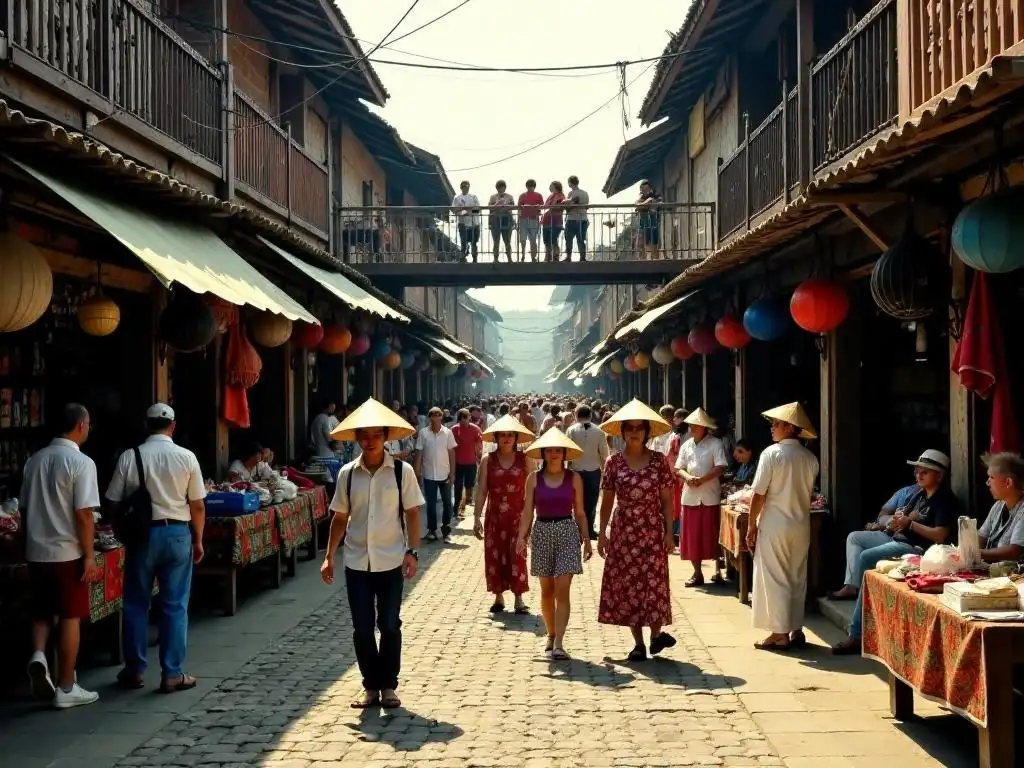
Welcome to Feudal Japan History, where we invite you to journey through the captivating tapestry of Japan’s feudal era. In our featured article, “Edo's Neighborhoods: The Social Fabric of Urban Living,” we delve into the intricate dynamics of Edo period urban neighborhoods—a fascinating exploration of daily life, culture, and the economic forces that shaped this vibrant metropolis.
What secrets do these neighborhoods hold about the lives of those who thrived in them? Join us as we uncover the layers of history that crafted the social landscape of Edo, and let your curiosity lead you deeper into the rich narratives that await!
The Edo period (1603-1868) stands as a pivotal epoch in Japan's history, marked by profound social, cultural, and economic transformations. At the heart of this era lies Edo, now known as Tokyo, a bustling metropolis that epitomized urbanization in feudal Japan. The neighborhoods of Edo were not merely geographical divisions; they represented complex social networks, economic exchanges, and cultural intermingling that shaped the daily lives of its inhabitants.
This article delves into the intricate tapestry of Edo period urban neighborhoods, examining their development, organization, and the diverse communities that thrived within them. By exploring various aspects of urban living during this time, we can gain valuable insights into the social fabric that defined Edo, revealing how these neighborhoods influenced not only the city itself but also the broader context of Japanese society during the feudal era. Join us as we navigate through the lively streets and alleys of Edo, uncovering the stories, traditions, and dynamics that made its neighborhoods unique.
- Introduction to Edo Period Urban Neighborhoods
- The Structure of Edo Urban Neighborhoods
- Social Dynamics within Edo Neighborhoods
- Economic Aspects of Edo Neighborhoods
- The Influence of Edo Neighborhoods on Japanese Culture
- Challenges Faced by Edo Urban Neighborhoods
- Conclusion: The Legacy of Edo Period Urban Neighborhoods
-
Frequently Asked Questions
- What were the main characteristics of Edo period urban neighborhoods?
- How did social class influence the neighborhoods in Edo?
- What cultural practices were prevalent in Edo neighborhoods?
- How did urban planning affect the development of neighborhoods in Edo?
- What role did trade play in the urban neighborhoods of Edo?
- Final Reflection: The Enduring Legacy of Edo Period Urban Neighborhoods
- Embrace the Spirit of Edo: Connect and Create!
Introduction to Edo Period Urban Neighborhoods
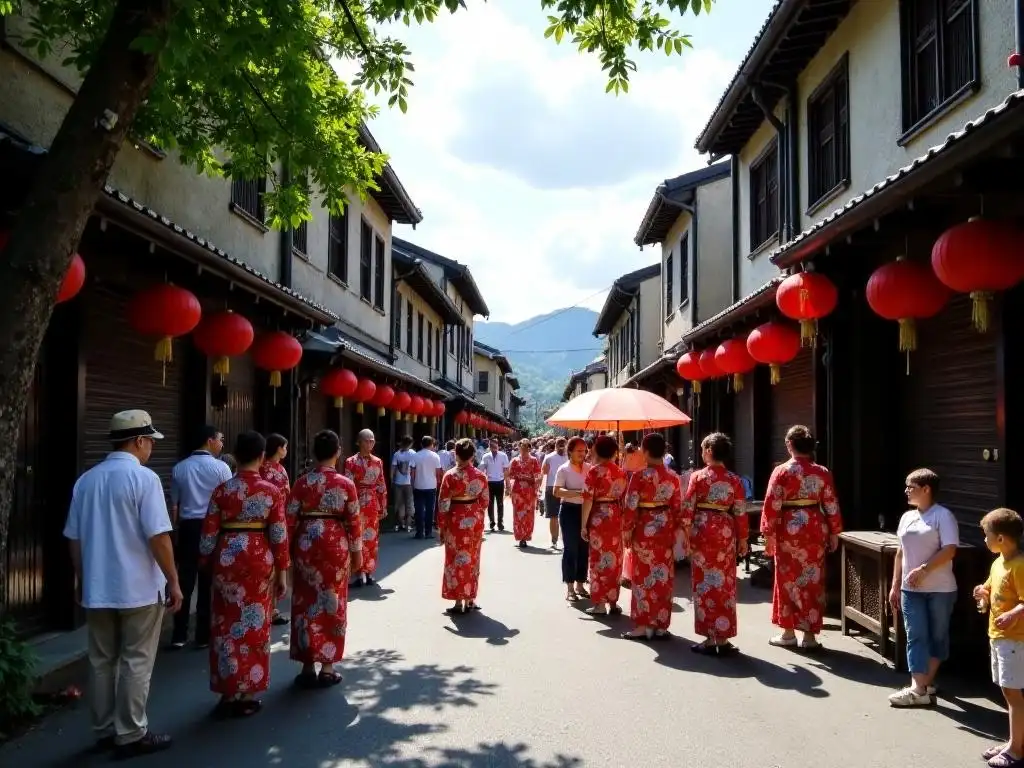
The Edo period, spanning from 1603 to 1868, represents a significant chapter in Japanese history marked by remarkable urbanization and the emergence of Edo (modern-day Tokyo) as a vibrant metropolis. During this time, the population of Edo surged, estimated to reach over one million residents by the mid-18th century, making it one of the largest cities in the world at that time. This population growth was accompanied by the development of distinct urban neighborhoods, each contributing uniquely to the social fabric and cultural life of the city.
Urban neighborhoods in Edo were not merely residential areas; they were microcosms of society, reflecting the myriad social classes, cultural practices, and economic activities that characterized the era. The layout and organization of these neighborhoods played a vital role in shaping the interactions and daily lives of their inhabitants, emphasizing the importance of community and social cohesion.
Overview of Edo's Historical Context
The Edo period was initiated by the Tokugawa shogunate, which established a centralized feudal government that prioritized stability, order, and economic growth. The shogunate implemented policies that encouraged agricultural production and trade, which in turn fueled urbanization. As samurai, merchants, craftsmen, and commoners flocked to Edo for opportunities, the city's neighborhoods evolved to accommodate diverse populations and their unique needs.
The urban planning of Edo was remarkable for its time, incorporating elements such as:
- Zoning: Different areas were designated for specific trades and activities, such as the merchant district (Nihonbashi) and the samurai quarters (Yamanote).
- Transportation: The establishment of roads and canals enhanced connectivity, allowing for the flourishing of commerce and social exchange.
- Civic Spaces: Public spaces like parks and temples served as gathering spots, fostering a sense of community among residents.
Edo’s neighborhoods were defined by their unique characteristics, such as architectural styles, local markets, and cultural festivals, which together contributed to the city's dynamic urban identity.
Importance of Urban Neighborhoods in Feudal Japan
Urban neighborhoods during the Edo period were crucial not only for their economic functions but also for their social and cultural significance. They provided a structured environment where people from various backgrounds could coexist and interact, thereby forming a complex social hierarchy.
Key aspects highlighting the importance of these neighborhoods include:
- Social Stratification: The neighborhoods reflected the social hierarchy of feudal Japan, with samurai residing in more affluent areas while merchants and artisans lived in more modest conditions. This stratification influenced interactions among different classes.
- Cultural Exchange: Neighborhoods became centers for cultural activities, such as theater, art, and festivals. The famous Ukiyo-e woodblock prints, for example, depicted scenes from everyday life in Edo's neighborhoods, illustrating the rich tapestry of urban culture.
- Economic Activity: Each neighborhood specialized in particular trades, leading to vibrant marketplaces that facilitated commerce and the exchange of goods. This economic interdependence was essential for sustaining the city’s growth.
- Community Cohesion: Neighborhoods fostered a sense of belonging and identity among residents. Festivals, such as the Sanja Matsuri in Asakusa, brought communities together, reinforcing social ties and shared cultural traditions.
Edo period urban neighborhoods were integral to the city’s social, economic, and cultural dynamics. They not only shaped the daily lives of residents but also left a lasting legacy on Japan's urban development and cultural heritage.
The Structure of Edo Urban Neighborhoods
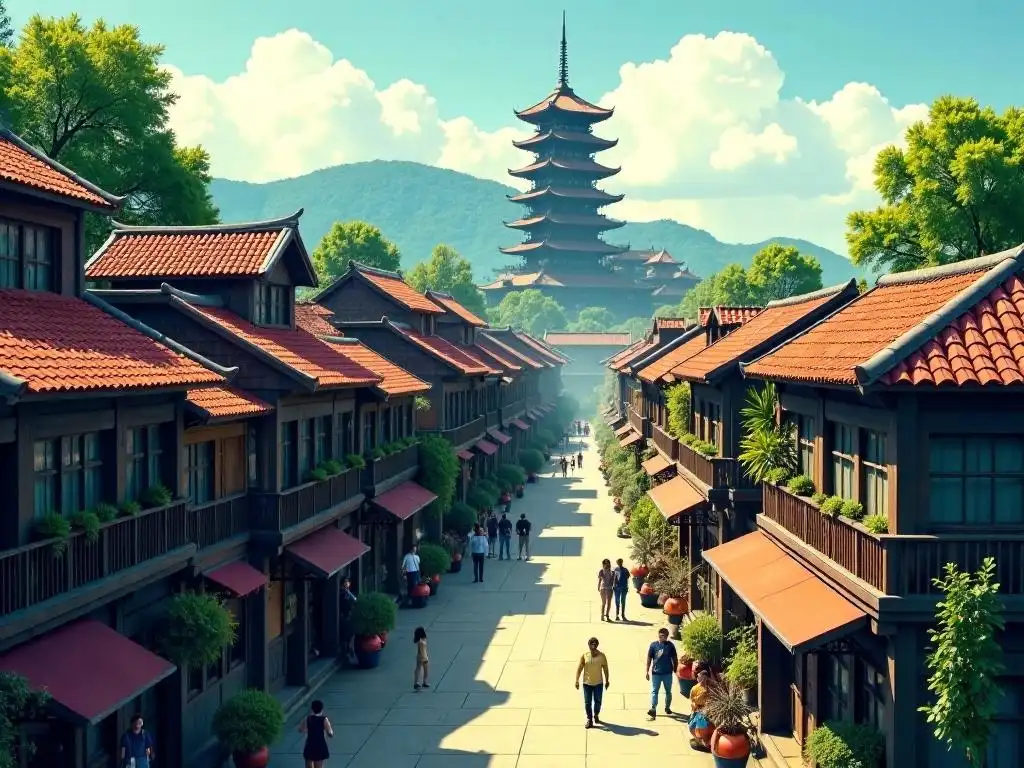
The urban neighborhoods of Edo, now known as Tokyo, were meticulously structured to reflect the various social hierarchies and roles within society during the Edo period (1603-1868). These neighborhoods were not only a reflection of the city's bustling economy but also served as the backdrop for daily life, cultural interactions, and social stratification.
Edo's layout was characterized by a grid-like pattern, which facilitated movement and commerce. Streets were often narrow, lined with wooden buildings that held specific functions based on their location within the neighborhood. The neighborhoods were divided into distinct areas, catering to different social classes and professions, thus creating a unique social fabric that defined urban living during this era.
Key Features of Edo Period Neighborhoods
Edo's urban neighborhoods exhibited several key features that distinguished them from other historical urban centers:
- Zoning by Class: Different social classes were segregated into specific neighborhoods. This zoning was primarily based on the feudal hierarchy, where samurai, merchants, and artisans lived in separate but adjacent areas.
- Community Layout: Each neighborhood fostered a sense of community, with shared spaces such as temples, shrines, and markets serving as focal points for social interaction.
- Cultural Integration: The neighborhoods were not merely residential; they were vibrant cultural hubs. Festivals, local events, and religious ceremonies were integral to neighborhood life, enhancing social cohesion.
- Economic Exchange: Markets and trade routes integrated within the neighborhoods promoted economic activity, thereby creating a dynamic environment where goods and services were exchanged regularly.
Types of Neighborhoods in Edo
Edo's urban neighborhoods can be categorized into four main types, each reflecting the distinct lifestyles and roles of their inhabitants:
Merchants' Quarters
The merchants' quarters were bustling hubs of commerce, characterized by:
- Commercial Activity: These areas were filled with shops, stalls, and trade houses. Merchants played a vital role in Edo's economy, with many engaging in trade not only locally but also with foreign entities.
- Community Organization: Merchants often formed guilds that regulated their trades, ensuring quality and fair pricing. This organization fostered a sense of solidarity among traders.
- Architectural Style: Buildings in these quarters were typically two or three stories high, with shop fronts on the lower levels and residences above, maximizing the use of space.
Samurai Residences
The samurai residences were distinctly different, marked by their hierarchical structure:
- Spatial Arrangement: Samurai lived in designated areas, often near their daimyō’s residence. Houses were larger and more elaborate, showcasing their status within society.
- Cultural Significance: These neighborhoods often included gardens and ceremonial spaces, reflecting the samurai's connection to nature and the arts.
- Security Features: The residences were fortified with gates and walls, emphasizing the need for security and separation from the bustling merchant areas.
Artisan Districts
Artisan districts were vital to the production of goods and services in Edo:
- Craftsmanship Hubs: These areas were home to skilled artisans such as potters, weavers, and carpenters. Each craft had its designated area, allowing for specialization and collaboration.
- Apprenticeships: The neighborhoods facilitated apprenticeship systems, where young craftsmen learned from experienced masters, ensuring the transmission of skills.
- Innovation and Competition: The proximity of artisans encouraged innovation, as craftsmen competed for business and acclaim, leading to advancements in techniques and styles.
Entertainment Areas
The entertainment areas of Edo offered a contrast to the more serious aspects of urban living:
- Cultural Venues: These neighborhoods were home to theaters, teahouses, and brothels, providing leisure activities for the populace. Kabuki theaters, for instance, became centers of social life.
- Social Mixing: The entertainment districts attracted people from various social classes, facilitating interactions that were less common in other neighborhoods.
- Vibrant Atmosphere: The lively atmosphere was marked by street performers, festivals, and public celebrations, highlighting the cultural richness of Edo urban life.
The structure of Edo's urban neighborhoods was not just a matter of geography; it was a complex interplay of social hierarchy, community dynamics, and economic activity. Each neighborhood type contributed to the overall identity of Edo, making it a unique example of urban living during the feudal era. The distinctions between merchants' quarters, samurai residences, artisan districts, and entertainment areas showcase a multifaceted social fabric that defined the Edo period urban experience.
The Edo period, spanning from 1603 to 1868, witnessed the emergence of a complex social structure within its urban neighborhoods. These neighborhoods were not merely residential zones; they were vibrant communities where social dynamics played a crucial role in shaping the lives of their inhabitants. The interactions among residents, coupled with the influence of various institutions, contributed to a unique social fabric that defined urban living in Edo.
The neighborhoods of Edo were characterized by a distinct stratification, which influenced social interactions. Residents included a mix of samurai, merchants, artisans, and laborers, each contributing to the community's economic and cultural landscape. This diversity fostered a unique environment where individuals from different social standings coexisted, sharing resources, knowledge, and traditions.
Community Life in Edo Urban Neighborhoods
Community life in Edo was vibrant and multifaceted. Each neighborhood had its own character, often influenced by the dominant professions and the socio-economic status of its residents. For instance, areas predominantly inhabited by merchants, such as Nihonbashi, thrived on trade and commerce, leading to a bustling atmosphere filled with shops and market stalls. Conversely, neighborhoods with a higher concentration of artisans, like Asakusa, were known for their craftsmanship and local festivals.
Festivals and Local Gatherings
Neighborhood festivals, or matsuri, served as significant events that brought residents together, fostering a sense of community and shared identity. These celebrations often included:
- Religious ceremonies: Honoring local deities, which reinforced spiritual ties among residents.
- Cultural performances: Traditional music, dance, and theater showcased local talent and heritage.
- Food stalls: Offering local delicacies, which promoted culinary traditions and communal dining experiences.
The social gatherings during these events allowed residents to strengthen their bonds, share stories, and celebrate their neighborhood's uniqueness.
Role of Neighborhood Associations
Neighborhood associations, known as chōnaikai, played a pivotal role in the daily lives of Edo's inhabitants. These associations were informal groups formed by local residents to address common interests and concerns. They were instrumental in maintaining social order and enhancing community welfare.
Functions of Chōnaikai
The functions of these associations included:
- Conflict resolution: Mediating disputes between residents and ensuring harmony within the neighborhood.
- Public safety: Organizing patrols to protect the community from theft and other crimes.
- Community projects: Initiating local improvements, such as street cleaning and infrastructure development.
Through these actions, neighborhood associations not only fostered a sense of belonging but also empowered residents to take collective responsibility for their surroundings.
Cultural Exchange and Interaction Among Residents
The Edo period was a melting pot of cultures, and the urban neighborhoods of Edo were no exception. The interaction among residents led to a rich exchange of ideas, traditions, and artistic expressions. This cultural diffusion was essential in shaping the unique identity of Edo.
Influences on Art and Literature
The blending of diverse backgrounds contributed to the flourishing of arts and literature during this era. Key aspects included:
- Ukiyo-e: This genre of woodblock printing became popular, often depicting scenes from daily life, landscapes, and kabuki theater, reflecting the neighborhood's vibrancy.
- Literary salons: Local gatherings where poets and writers shared their works, fostering a collaborative creative environment.
Such cultural interactions not only enriched the lives of Edo's residents but also played a significant role in the development of Japanese art and literature, leaving a lasting legacy that continues to influence modern culture.
The social dynamics within Edo's urban neighborhoods were characterized by a rich tapestry of community life, active neighborhood associations, and vibrant cultural exchange. This unique interplay created an environment where residents could thrive, contributing to the overall development of Edo as a bustling metropolis during the feudal era.
Economic Aspects of Edo Neighborhoods
Trade and Commerce in Urban Areas
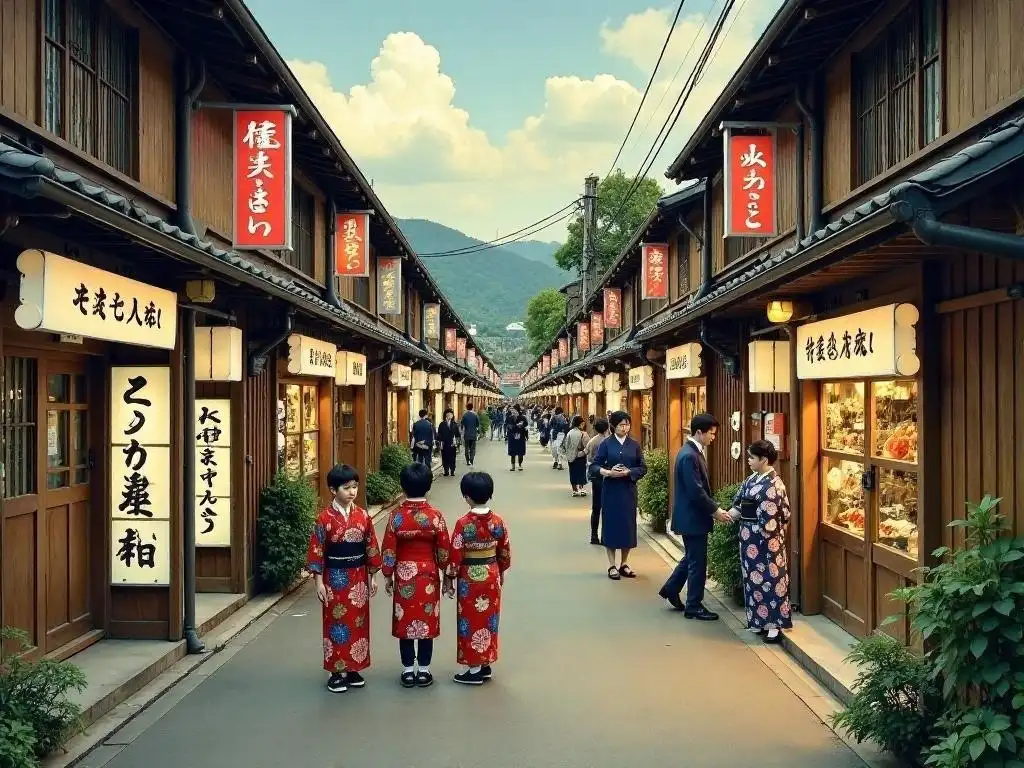
During the Edo period (1603-1868), the urban neighborhoods of Edo (modern-day Tokyo) emerged as bustling centers of trade and commerce. With a population that swelled to over one million by the late 17th century, Edo became one of the largest cities in the world, characterized by a vibrant marketplace culture.
- Merchants and Craftsmen: The neighborhoods were populated by various classes of merchants and craftsmen, each contributing to the local economy. Merchants operated shops selling everyday goods, while craftsmen produced items ranging from textiles to ceramics. This division of labor facilitated the growth of specialized markets, such as the famous Nihonbashi area, which served as a major commercial hub.
- Transportation Networks: Edo's urban neighborhoods were strategically connected through an extensive network of roads and waterways, including the Sumida River. This infrastructure enabled efficient transportation of goods, fostering inter-regional trade with neighboring provinces. For example, rice, which was the currency of the period, was often transported from rural areas to Edo, highlighting the city's dependence on surrounding agricultural communities.
- Market Days and Festivals: Regular market days, combined with seasonal festivals, attracted large crowds and stimulated economic activity. These events not only promoted local commerce but also reinforced community bonds within neighborhoods, as people gathered to exchange goods and socialize.
The Impact of Neighborhoods on Economic Growth
The distinct characteristics of Edo's neighborhoods played a crucial role in shaping the city's economic landscape. Each neighborhood developed its own identity, often centered around specific trades or crafts, which had significant implications for economic growth.
- Neighborhood Specialization: For instance, the Yanaka district became renowned for its traditional crafts, including pottery and textiles. This specialization allowed artisans to hone their skills and innovate within their fields, leading to higher-quality products and increased demand both locally and beyond.
- Cultural Exchange: Neighborhoods in Edo served as melting pots of culture and commerce, allowing for the exchange of ideas and practices. This cultural synergy often resulted in the creation of new products and services, enhancing the economic dynamism of urban life.
- Social Networks: The social fabric of these neighborhoods fostered strong relationships among residents, which were critical for business operations. Trust and reputation played vital roles in commerce, leading to the establishment of cooperative networks that benefited local economies. For example, neighborhood associations often pooled resources to support common interests, such as festivals or community projects.
Taxation and Revenue from Edo's Urban Fabric
The economic activities within Edo's neighborhoods generated significant revenue for the Tokugawa shogunate through taxation, which was essential for maintaining the stability of the regime.
- Land and Property Taxes: The shogunate levied taxes on land and property, with assessments often based on the economic output of various neighborhoods. This system ensured a steady stream of revenue, critical for funding public works and the military.
- Commerce-Related Taxes: Merchants were also subject to various forms of taxation, including sales taxes on goods sold in the market. The bustling commercial activities of neighborhoods such as Asakusa and Ueno provided the shogunate with a lucrative source of income, as the volume of trade increased throughout the Edo period.
- Investment in Infrastructure: The revenue generated from these taxes was reinvested into the urban fabric of Edo, leading to the development of roads, bridges, and public facilities. This investment not only enhanced the quality of life for residents but also further stimulated economic growth by facilitating trade.
The economic aspects of Edo's urban neighborhoods were intricate and multifaceted, influenced by the interplay of trade, neighborhood specialization, and taxation. Understanding these dynamics offers a deeper insight into the socio-economic structure of feudal Japan and the lasting legacy of the Edo period.
The Influence of Edo Neighborhoods on Japanese Culture
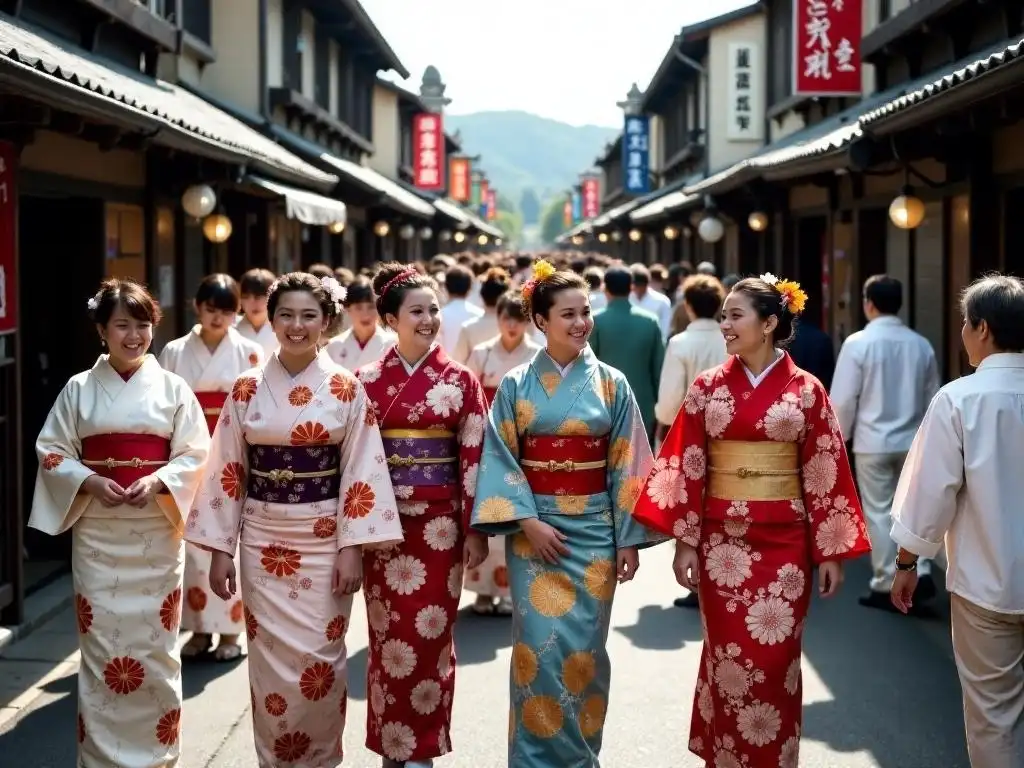
The Edo period, spanning from 1603 to 1868, marked a transformative era in Japan, particularly in urban development and cultural expression. The neighborhoods of Edo (modern-day Tokyo) played a pivotal role in shaping socio-cultural dynamics that influenced not only local traditions but also the broader Japanese cultural landscape. These neighborhoods became microcosms of creativity, craftsmanship, and communal identity.
Art and Craftsmanship in Urban Settings
Edo's urban neighborhoods were bustling centers of artistic innovation and craftsmanship. Each district had its own unique specialties that contributed to a rich tapestry of cultural output. For instance, Ueno became synonymous with painting and ceramics, while neighborhoods like Asakusa thrived in the production of textiles and crafts.
- Key Art Forms:
- Ukiyo-e: This genre of woodblock printing became immensely popular during the Edo period, depicting landscapes, kabuki actors, and scenes of everyday life. Artists such as Hokusai and Hiroshige revolutionized this art form, influencing both local and international art scenes.
- Craftsmanship: Local artisans in Edo neighborhoods specialized in various crafts. The Yanaka district was known for its pottery, while Nihonbashi became a hub for merchants and craftsmen producing fine lacquerware.
Edo's neighborhoods also facilitated the exchange of ideas and techniques among artisans, leading to a collaborative environment that fostered artistic growth. Collectives and guilds formed, allowing craftsmen to share knowledge and innovate, which further enriched the cultural fabric of the city.
Festivals and Celebrations Unique to Neighborhoods
Festivals played an essential role in the social life of Edo's neighborhoods, serving as a means of communal bonding and cultural expression. Each neighborhood celebrated unique festivals that reflected its distinct identity and traditions.
- Notable Festivals:
- Sanja Matsuri: Held in Asakusa, this festival honors the founders of the Senso-ji Temple, attracting throngs of visitors. The vibrant parades and traditional performances showcase the rich cultural heritage of the area.
- Kanda Matsuri: Celebrated in the Kanda district, this festival features elaborate floats and processions. It is one of Tokyo's most famous festivals, emphasizing the neighborhood's historical significance.
These festivals not only provided entertainment but also reinforced communal ties, allowing residents to express their cultural identity. The lively atmosphere created during these events fostered a sense of belonging and pride among the inhabitants of Edo's neighborhoods.
The Development of Unique Neighborhood Identities
The distinct identities of Edo's neighborhoods were shaped by various factors, including geography, social class, and economic activities. As urbanization progressed, neighborhoods developed their own characteristics and cultural nuances.
- Geographical Influence:
- Waterfront Districts: Neighborhoods like Tsukiji thrived due to their proximity to the water, becoming centers for fish markets and seafood cuisine.
- Hilly Areas: In contrast, areas like Yanaka became known for their temples and traditional houses, fostering a more serene atmosphere that attracted artists and intellectuals.
- Socio-Economic Factors:
- Merchant Districts: Neighborhoods such as Nihonbashi were bustling commercial hubs, where merchants and traders established a thriving economy. This led to a unique blend of economic activity and cultural exchange.
- Samurai Residences: Areas like Kōenji housed samurai families, creating a distinct social hierarchy that influenced local customs and traditions.
The interplay of these factors resulted in vibrant neighborhoods, each contributing to the overall diversity of Edo culture. As these neighborhoods evolved, they became integral to the identity of urban living in Japan, leaving a lasting legacy that continues to resonate in contemporary Japanese society.
Challenges Faced by Edo Urban Neighborhoods
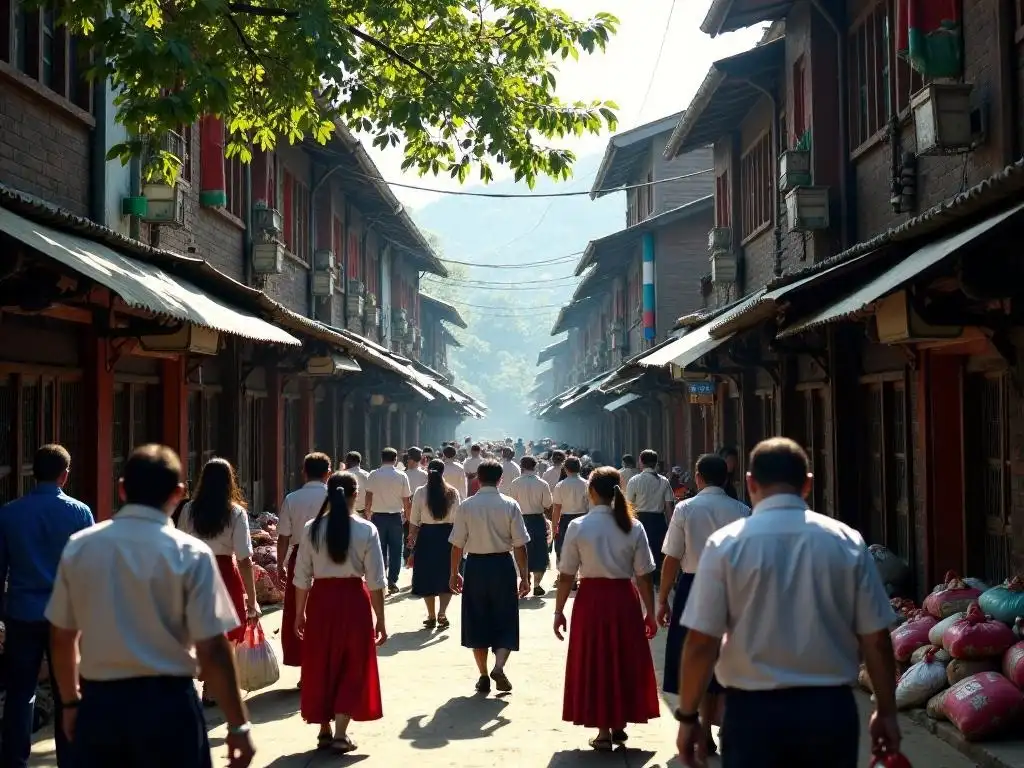
The urban neighborhoods of the Edo period (1603-1868) were dynamic centers of economic, cultural, and social life, yet they faced significant challenges. These challenges impacted the quality of life and the overall structure of these neighborhoods. Understanding these issues gives us insight into the complexities of urban living during one of Japan's most transformative eras.
Overcrowding and Urban Planning Issues
Edo, known today as Tokyo, experienced rapid population growth during the Edo period, leading to severe overcrowding in its neighborhoods. By the mid-19th century, the population of Edo reached nearly 1 million, making it one of the largest cities in the world at the time. The surge in population was primarily due to:
- Migration: Many people flocked to Edo in search of work and opportunities, drawn by the city's status as the heart of the Tokugawa shogunate.
- Economic Growth: The flourishing economy encouraged rural inhabitants to move to urban areas for better livelihoods.
This influx resulted in various urban planning challenges:
- Limited Space: The geographical constraints of Edo, surrounded by rivers and hills, restricted the expansion of neighborhoods. As a result, the city grew vertically rather than horizontally, leading to cramped living conditions.
- Inadequate Infrastructure: Streets were narrow and often unpaved, making transportation difficult. Sanitation was also a significant issue, as waste disposal systems struggled to keep pace with the growing population.
The government attempted to address these challenges through policies aimed at improving urban infrastructure, but the sheer scale of population growth often outstripped these efforts.
Edo's neighborhoods were not only marked by physical overcrowding but also by pronounced social stratification. The city's social fabric was woven from various classes, each occupying distinct neighborhoods based on their social standing:
- Samurai Districts: The upper classes, including samurai and merchants, lived in designated areas, often characterized by spacious houses and gardens. These neighborhoods were typically located near the shogun's castle and other administrative centers.
- Merchant Quarters: Influential merchants formed a powerful middle class, often residing in bustling commercial districts. Their homes reflected their wealth but were often smaller than those of the samurai class.
- Commoner Areas: The lower classes, including laborers and artisans, lived in densely populated quarters, often in shared buildings that lacked basic amenities. These neighborhoods were vibrant but faced challenges such as poverty and limited access to education and healthcare.
This social stratification influenced the interactions between different classes, as well as the cultural and economic dynamics within the neighborhoods. Festivals, markets, and communal activities often bridged these divides, but underlying tensions could also arise due to disparities in wealth and power.
Natural Disasters and Their Impact on Urban Living
Edo's urban neighborhoods were vulnerable to natural disasters, which could devastate the densely populated city. Earthquakes, fires, and floods were common occurrences, posing significant threats to both life and property:
- Earthquakes: The Kanto region is seismically active, and Edo experienced several significant earthquakes throughout the Edo period. The most notable was the Ansei-Tokai earthquake of 1855, which resulted in widespread destruction and loss of life. The city's wooden structures made it particularly susceptible to collapse.
- Fires: Edo was notorious for its frequent fires, often ignited by cooking accidents or the use of open flames in homes. The 1657 Meireki Fire, for example, destroyed a large portion of the city, leading to the implementation of stricter fire prevention measures, such as wider streets and firebreaks.
- Floods: The city's proximity to rivers made it prone to flooding, especially during heavy rains. These floods would often displace residents and damage homes, exacerbating the already difficult living conditions in overcrowded neighborhoods.
Natural disasters forced neighborhoods to adapt and rebuild, leading to innovations in urban planning and construction techniques. The resilience of Edo's inhabitants in the face of these challenges highlighted the community spirit that characterized urban life during the Edo period.
While Edo period urban neighborhoods thrived culturally and economically, they were constantly navigating the challenges of overcrowding, social stratification, and natural disasters, shaping the unique urban experience of this pivotal era in Japanese history.
Conclusion: The Legacy of Edo Period Urban Neighborhoods
The Edo period, spanning from 1603 to 1868, represents a transformative era in Japan's history, particularly in the context of urbanization. The neighborhoods of Edo (modern-day Tokyo) played a crucial role in shaping the social dynamics, economic activities, and cultural expressions of the time. The legacy of these urban neighborhoods extends far beyond their historical context, influencing contemporary urban development and societal structures in Japan.
Lasting Influence on Modern Japanese Urbanization
Edo's urban neighborhoods were characterized by their intricate layout, which was designed to accommodate a diverse population. Streets were lined with various establishments, from merchant shops to artisan workshops, reflecting a vibrant commercial life. The concept of mixed-use neighborhoods, where residential and commercial spaces coexisted, still resonates in modern Japanese urban planning.
Key aspects of Edo period urban neighborhoods that influence modern urbanization include:
- Community Engagement: Neighborhoods in Edo fostered a sense of community through festivals, shared spaces, and local governance. Today, urban planners often emphasize community-driven initiatives to recreate this spirit of engagement.
- Cultural Preservation: Many modern neighborhoods in Japan strive to preserve historical sites and traditional architecture, mirroring the Edo practice of maintaining cultural heritage within urban spaces.
- Sustainable Practices: The Edo period emphasized resourcefulness, with neighborhoods relying on local materials and food. This sustainable approach is echoed in contemporary movements promoting eco-friendly urban living.
The adaptability of Edo’s urban design principles showcases their relevance in addressing modern challenges such as overpopulation, environmental concerns, and the need for community cohesion.
The social fabric of Edo's neighborhoods was woven from the interactions between different social classes, including samurai, merchants, and artisans. This blend of diverse groups contributed to a rich cultural tapestry, where ideas and practices were exchanged freely.
Aspects of Edo's social structure that remain significant today include:
- Social Mobility: The Edo period allowed for a degree of social mobility, particularly among merchants. This concept continues to influence contemporary Japanese society, where entrepreneurship is encouraged and celebrated.
- Cultural Exchange: Edo neighborhoods were hubs for cultural production, from theater to tea ceremonies. Modern Japan still values cultural exchange, with urban centers hosting festivals that celebrate various aspects of Japanese culture, promoting both tradition and innovation.
- Resilience and Adaptation: The ability of Edo's neighborhoods to adapt to social and economic shifts has left a lasting impression on urban resilience strategies today. As cities face various challenges, the lessons learned from Edo's adaptability are increasingly relevant.
The neighborhoods of the Edo period not only shaped the historical landscape of Japan but also laid the groundwork for understanding urban living today. Their enduring influence is evident in modern urbanization practices, community dynamics, and cultural preservation efforts, underscoring the importance of this remarkable era in shaping Japan's social fabric.
Frequently Asked Questions
What were the main characteristics of Edo period urban neighborhoods?
Edo period urban neighborhoods were known for their vibrant social life and distinctive architecture. Each neighborhood had unique cultural practices and community ties that shaped daily life.
Social class played a significant role in the layout and demographics of Edo neighborhoods. Samurai, merchants, and peasants lived in different areas, creating a distinct social hierarchy.
What cultural practices were prevalent in Edo neighborhoods?
Cultural practices in Edo neighborhoods included traditional festivals, theater performances, and artistic expression. These events fostered a sense of community and showcased local talent.
How did urban planning affect the development of neighborhoods in Edo?
Urban planning during the Edo period was crucial for managing population growth and resources. The layout of streets and buildings facilitated trade and social interactions among residents.
What role did trade play in the urban neighborhoods of Edo?
Trade was a cornerstone of Edo's urban neighborhoods, contributing to their economic vitality. Merchants operated shops and markets, promoting cultural exchange and diversity within the community.
Final Reflection: The Enduring Legacy of Edo Period Urban Neighborhoods
The exploration of Edo period urban neighborhoods reveals a profound connection between historical social structures and contemporary urban living. As we navigate the complexities of modern cities, understanding the intricate social fabric of Edo's neighborhoods offers invaluable insights into community dynamics and the importance of place. The lessons from this era remind us that urban living is not merely about physical space but also about the relationships and interactions that define our daily lives.
Edo's neighborhoods were not just geographical locations; they were vibrant communities that fostered social ties and cultural exchanges. This historical context continues to resonate today, as we witness a resurgence in the appreciation for local neighborhoods and their role in shaping identity. The words of urban sociologist Ray Oldenburg come to mind: The places we gather are essential to our well-being.
This sentiment underscores the ongoing influence of Edo's urban fabric, reminding us that the essence of community remains vital in our fast-paced, modern world.
As we reflect on the lessons from Edo's neighborhoods, let us embrace the call to cultivate our own communities with intention and care. Consider how you can contribute to the social fabric of your neighborhood—whether through fostering connections, supporting local businesses, or participating in community events. By doing so, we not only honor the legacy of the past but also create a more vibrant and interconnected future for ourselves and those around us.
Embrace the Spirit of Edo: Connect and Create!
Thank you for diving into the vibrant world of Edo's neighborhoods! Your exploration of this unique social fabric not only enriches your understanding of feudal Japan but also inspires us all to appreciate the nuances of urban living. Let's turn this knowledge into action!
Here are some engaging ways you can continue your journey:
- Join a discussion: Share your thoughts about Edo's neighborhoods on our forum or in the comments below. What aspects of urban life resonate with you the most?
- Explore local history: Visit a nearby museum or cultural center that highlights Japanese history, and draw parallels between Edo and contemporary urban living.
- Create your own neighborhood map: Reflect on your community by mapping out the social hubs that connect people today, inspired by the timeless connections you learned about in Edo.
How do you think the social fabric of Edo can influence our urban spaces today?