
The Art of Craftsmanship: Edo's Influence on Urban Trade


Welcome to Feudal Japan History, where we invite you to embark on a journey through the intricate tapestry of Japan’s feudal era. Delve into the fascinating world of Edo period craftsmanship and trade, a time when artistry and commerce flourished in vibrant urban landscapes. Discover how skilled artisans shaped not only the economy but also the culture of their time, leaving a legacy that resonates today. Ready to unlock the secrets of this remarkable period? Join us as we explore the profound influence of Edo on the evolution of trade and craftsmanship—your adventure awaits!
Introduction to Edo Period Craftsmanship and Trade
The Edo period, spanning from 1603 to 1868, represents a transformative era in Japanese history, characterized by a unique blend of social stability, economic growth, and cultural flourishing. During this time, craftsmanship and trade blossomed, leading to the emergence of urban centers that thrived on the skills of artisans and the commerce they generated. This article delves deep into the intricate relationship between Edo period craftsmanship and trade, exploring how the artistry of skilled workers not only defined the aesthetic landscape of Japan but also played a critical role in shaping the economic fabric of urban life.
Overview of the Edo Period (1603-1868)
The Edo period, founded by Tokugawa Ieyasu, marked over two and a half centuries of relative peace known as the Pax Tokugawa. This stability allowed for the growth of cities such as Edo (modern-day Tokyo), Osaka, and Kyoto, which became bustling hubs of trade and culture. The population in these urban areas surged, leading to increased demand for various goods, which in turn fostered a thriving environment for skilled artisans. The period is also marked by the establishment of a merchant class that began to influence society and economy significantly.
Significance of Craftsmanship in Urban Trade
Craftsmanship during the Edo period was not merely about creating goods; it was an art form that encapsulated the spirit of the time. Artisans, skilled in their respective trades, produced everything from textiles and ceramics to lacquerware and woodworking. The relationship between craftsmanship and urban trade was symbiotic:
- Quality and Demand: High-quality craftsmanship attracted consumers, both local and from distant regions, driving up trade.
- Cultural Exchange: Urban centers became melting pots of culture, leading to innovations and the mixing of various artisanal techniques.
- Economic Impact: Craftsmanship stimulated local economies, providing jobs and supporting the burgeoning merchant class.
The Evolution of Craftsmanship in Edo
The evolution of craftsmanship during the Edo period was characterized by a blend of tradition and innovation, with artisans adapting to the changing demands of society and trade.
Traditional Techniques and Skills
Artisans of the Edo period relied heavily on traditional techniques passed down through generations. These skills were often honed through rigorous apprenticeship programs, ensuring that the art of craftsmanship was preserved. Key traditional crafts included:
- Kimono Making: Renowned for its intricate patterns and techniques, the art of kimono making became a symbol of status and elegance.
- Ceramics: Regions like Arita and Imari became famous for their porcelain, showcasing the artistry and precision of local craftsmen.
- Woodblock Printing: Ukiyo-e, or "pictures of the floating world," emerged as a significant art form, allowing artisans to produce beautiful prints that captured the essence of Edo life.
The Role of Artisans in Society
Artisans during the Edo period held a respected position within society, often regarded as custodians of culture and tradition. Their work not only contributed to the economy but also enriched the cultural landscape of Japan. The societal status of artisans can be summarized as follows:
- Cultural Influencers: Through their crafts, artisans influenced fashion, interior design, and even societal norms.
- Community Builders: Many artisans worked within guilds, fostering a sense of community and shared purpose.
- Economic Drivers: The success of urban trade was inextricably linked to the artisans who produced the goods, making them vital to the economic ecosystem.
Innovations in Craftsmanship During the Edo Period
Amidst the traditional practices, the Edo period also witnessed significant innovations in craftsmanship. These advancements were driven by changing consumer preferences and the competitive nature of urban trade. Notable innovations included:
- Mass Production Techniques: Some crafts began incorporating methods that allowed for greater output without sacrificing quality.
- New Materials: The introduction of new materials, such as synthetic dyes, expanded the possibilities for artisans and led to vibrant products that catered to evolving tastes.
- Cross-Disciplinary Collaborations: Artisans began to collaborate across disciplines, merging techniques from different crafts to create unique and innovative products.
The Edo period craftsmanship and trade represent a pivotal moment in Japan's economic history, where artistry and commerce intertwined, shaping urban culture and society. As we delve deeper into the specifics of this era, we will uncover the profound impact these skilled artisans had on the development of urban trade and the lasting legacy they left behind.
The Impact of Urbanization on Trade
The Edo period, spanning from the early 17th century to the mid-19th century, marked a significant transformation in Japan's social and economic landscape due to urbanization. As cities grew, particularly Edo (modern-day Tokyo), they became bustling centers of trade and commerce. This urban expansion facilitated a shift from a primarily agrarian society to one where crafts, trade, and services became integral to everyday life. The increase in population density in urban areas created a demand for diverse goods, thus reshaping trade patterns and practices.
Urbanization led to the development of marketplaces where artisans showcased their craftsmanship, and merchants facilitated the exchange of goods. The concentration of people and resources in Edo attracted craftsmen from various regions, resulting in a vibrant exchange of skills and ideas. This dynamic environment fostered innovation in craftsmanship, leading to unique products that catered to the tastes of urban consumers. Moreover, the establishment of transportation networks, such as rivers and roads, further enhanced trade efficiency, linking rural producers with urban markets.
Growth of Edo as a Commercial Hub
Edo emerged as the political and cultural heart of Japan during the Tokugawa shogunate, but its significance extended beyond governance. The city evolved into a major commercial hub, with a population that swelled to over a million by the late 18th century. This exponential growth was fueled by internal migration as people sought economic opportunities in the burgeoning metropolis.
Edo's strategic location along key waterways facilitated trade not only within the city but also with neighboring regions. The development of the "Tokaido" highway, which connected Edo to Kyoto, was instrumental in promoting commerce. Merchants set up shops in the bustling districts, selling an array of goods ranging from textiles to ceramics. The city's markets became renowned for their diversity, attracting traders and consumers alike.
The establishment of licensing systems for merchants and artisans ensured quality control and fostered trust between producers and consumers. As Edo solidified its status as a commercial center, it also became a melting pot of cultural influences, with artisans drawing inspiration from both local traditions and foreign ideas, enriching the craftsmanship of the period.
The Emergence of Merchant Classes
The Edo period saw the rise of a new social class: the merchant class. Traditionally, the samurai held the highest social status, but the economic prosperity of urban areas elevated the position of merchants. As trade flourished, merchants accumulated wealth and influence, challenging the rigid class hierarchies of feudal Japan.
This emerging merchant class played a crucial role in the economy by financing various ventures and investing in craftsmanship. They often acted as patrons, supporting artisans and encouraging innovation in their crafts. The demand for luxury goods from the affluent urban population propelled craftsmen to hone their skills and produce high-quality items, which in turn further boosted the economy.
Moreover, the merchants began to organize themselves into guilds, which regulated trade practices and established standards for quality. This organization fostered a sense of community among merchants and artisans, leading to collaborative efforts that enhanced the overall craftsmanship of the time.
Changes in Trade Dynamics and Practices
As Edo's trade expanded, so did the complexity of its economic practices. The traditional barter system gradually gave way to currency-based transactions, leading to the establishment of a more sophisticated market economy. The introduction of paper money and standardized currency simplified trade and increased the volume of goods exchanged.
Additionally, the Edo period witnessed the development of specialized markets where specific products were traded. For instance, the "Nihonbashi" district became famous for its bustling marketplace, where merchants dealt in various commodities, including rice, textiles, and ceramics. This specialization allowed craftsmen to focus on their respective trades, leading to increased efficiency and innovation in production methods.
The rise of consumer culture during this period also influenced trade dynamics. As urban residents sought unique and high-quality goods, artisans adapted their craftsmanship to meet these demands. This shift not only enriched the marketplace but also laid the groundwork for modern consumerism in Japan.
Key Sectors of Edo Period Craftsmanship
The Edo period was characterized by remarkable advancements in various sectors of craftsmanship, each contributing to the vibrant urban trade landscape. Artisans excelled in producing goods that catered to the tastes and preferences of the growing urban population, leading to the flourishing of specific industries.
Textile and Fashion Industries
The textile and fashion industries thrived during the Edo period, reflecting both traditional techniques and innovative designs. Fabrics such as silk, cotton, and hemp were skillfully woven and dyed using intricate methods like "yuzen" and "katazome." These techniques allowed for the creation of vibrant patterns and colors, appealing to the aesthetics of Edo's fashion-conscious populace.
The rise of the merchant class also influenced the fashion industry, as wealthy individuals sought unique garments to showcase their status. Kimono became the epitome of elegance, with artisans creating personalized designs for their clients. The demand for exquisite textiles led to the establishment of specialized dyeing and weaving workshops, further enhancing the craftsmanship of the period.
Woodwork and Carpentry
Woodwork and carpentry were pivotal sectors in Edo period craftsmanship, producing everything from everyday household items to intricate architectural elements. Artisans employed traditional techniques to create beautifully crafted wooden objects, such as furniture, utensils, and decorative panels.
The use of joinery techniques, which did not rely on nails, allowed for sturdy construction and intricate designs. Notable examples include the "sukiya" style, characterized by its elegant simplicity and harmony with nature. This craftsmanship not only met the functional needs of the urban population but also reflected the aesthetic values of the time, blending form and function seamlessly.
Pottery and Ceramics
Pottery and ceramics flourished during the Edo period, with various regions developing distinctive styles and techniques. The demand for both functional and decorative ceramics grew as urban households sought high-quality tableware and ornamental pieces.
Famous pottery styles, such as "Imari" and "Arita," became highly sought after, known for their intricate designs and vibrant glazing techniques. Artisans often experimented with new methods, leading to unique creations that catered to the tastes of Edo residents. The popularity of ceramics not only showcased the skill of craftsmen but also contributed significantly to the urban trade economy, as these goods were often exchanged or sold in bustling markets.
The Relationship Between Craftsmanship and Economic Growth

During the Edo period (1603-1868), craftsmanship played a pivotal role in driving economic growth and urban development in Japan. As cities like Edo (modern-day Tokyo) flourished, the demand for high-quality goods surged, leading to increased production by skilled artisans. This era marked a shift from rural to urban economies, where craftsmanship became intricately linked to commerce. Artisans not only produced goods for local consumption but also began to cater to wider markets, thus contributing to the overall economic landscape.
The rise of craftsmanship in Edo was closely associated with the burgeoning merchant class, known as the chōnin. This group sought unique and exquisite items, fostering competition among artisans. As a result, various crafts such as textiles, ceramics, and woodblock printing thrived, with artisans innovating techniques and styles that appealed to urban consumers. This push for quality and variety not only enhanced the artisans' skills but also stimulated trade, leading to greater economic prosperity.
Local vs. Regional Trade
The Edo period saw a dynamic interplay between local and regional trade, significantly influenced by craftsmanship. Local trade primarily consisted of goods produced for immediate consumption within the community, while regional trade involved the exchange of products across broader distances. Artisans often relied on local resources, which enabled them to produce items that catered to the tastes and needs of their immediate surroundings. For instance, local pottery styles evolved to reflect regional aesthetics, making them highly sought after within neighboring markets.
Regional trade networks expanded as artisans collaborated with merchants to distribute their goods beyond their localities. This led to the development of distinct regional crafts, such as Imari porcelain from Kyushu and Bizen pottery from Okayama, which became popular commodities in urban centers like Edo. The effective transportation systems established during this period, including the Tōkaidō road, facilitated these exchanges, further intertwining local and regional economies and solidifying the importance of craftsmanship in trade.
The Role of Guilds in Regulating Craftsmanship
Guilds emerged as crucial institutions during the Edo period, serving to regulate craftsmanship and protect the interests of artisans. Known as za, these guilds were formed by craftsmen specializing in specific trades, such as carpentry, textile weaving, or metalworking. They established standards for quality and pricing, ensuring that products met the demands of consumers while also safeguarding the livelihood of their members.
By controlling entry into their trades, guilds maintained a level of exclusivity that preserved the quality of craftsmanship. They provided training and apprenticeships, enabling the transfer of skills and techniques from master artisans to newer generations. Additionally, guilds often acted as advocates for their members, negotiating with local authorities and addressing grievances. This regulatory function was vital in maintaining the economic stability of artisans during a time when competition was fierce, helping to sustain a thriving urban trade environment.
Economic Policies and Their Influence on Artisans
Edo-era economic policies significantly influenced the landscape of craftsmanship and trade. The Tokugawa shogunate implemented a series of regulations aimed at maintaining social order and controlling commerce, which directly affected artisans. Policies such as sakoku, or national isolation, limited foreign trade but encouraged domestic production. This isolation allowed local artisans to fill the void left by restricted imports, leading to an increase in the quality and variety of Japanese goods.
Furthermore, the shogunate's emphasis on stability and peace (known as pax Tokugawa) fostered a conducive environment for economic growth. Artisans found opportunities to expand their businesses, create unique products, and participate in local fairs and markets. Tax incentives and support for certain industries, such as textiles and ceramics, also contributed to the flourishing of craftsmanship during this period. Ultimately, these economic policies laid the groundwork for a robust artisan class that was integral to Edo's urban trade.
Cultural Significance of Edo Period Craftsmanship
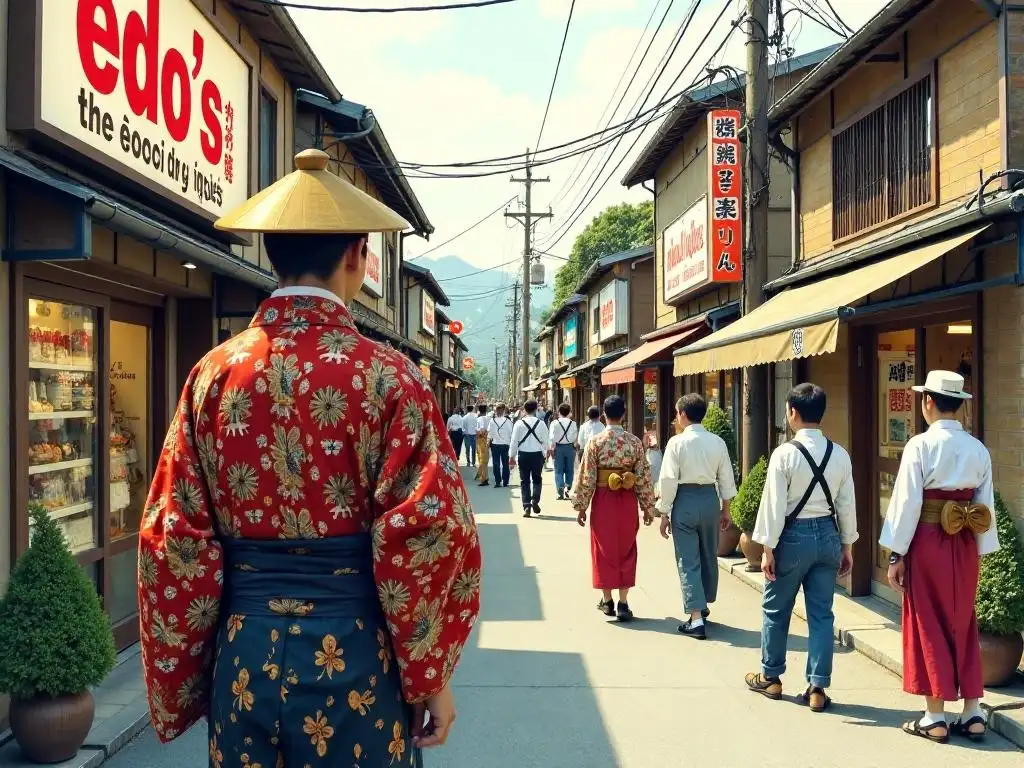
Craftsmanship during the Edo period transcended mere economic activity; it became a vital expression of cultural identity. The creations of artisans were not only functional but also imbued with aesthetic and symbolic meanings. This cultural significance is evident in various art forms, including ukiyo-e woodblock prints, which captured the landscapes and daily life of Edo, reflecting the values and aspirations of the society.
Artisans often drew inspiration from traditional Japanese aesthetics, leading to the development of styles that celebrated nature, simplicity, and harmony. This cultural connection created a rich tapestry of craftsmanship that resonated with the populace, reinforcing a shared identity and appreciation for local art forms. The crafts produced during this period continue to influence Japan's cultural narrative, highlighting the enduring legacy of Edo craftsmanship in contemporary society.
Artisans as Cultural Contributors
Artisans in the Edo period were more than mere producers; they were vital cultural contributors. Their work shaped the visual and material culture of the time, influencing everything from architecture to fashion. Not only did artisans create beautiful objects, but they also participated in the storytelling of Japanese culture through their crafts. For example, the intricate designs found in textiles often depicted historical events or folklore, serving as a means of preserving and communicating cultural narratives.
Additionally, artisans engaged with other cultural figures, such as poets and painters, to create collaborative works that blended multiple art forms. This interaction enriched the cultural landscape of Edo, fostering a vibrant artistic community that celebrated creativity and innovation. As a result, the contributions of artisans during this period helped to cultivate a distinct cultural identity that would resonate through generations.
Preservation of Techniques and Heritage
The Edo period was pivotal in the preservation of traditional techniques and heritage in Japanese craftsmanship. Artisans established methods of production that were passed down through generations, ensuring the continuity of skills and practices that define various crafts to this day. The transmission of knowledge occurred through apprenticeships, where young artisans learned from seasoned masters, emphasizing the importance of mentorship in maintaining high standards of craftsmanship.
Moreover, the rise of guilds and local associations played a crucial role in documenting and preserving these techniques. By establishing guidelines and standards, they safeguarded the integrity of traditional crafts against the pressures of modernization. The commitment to preserving heritage fostered a sense of pride among artisans, who recognized their role as custodians of cultural legacy, thereby reinforcing the cultural significance of their work.
Influence on Modern Japanese Craftsmanship
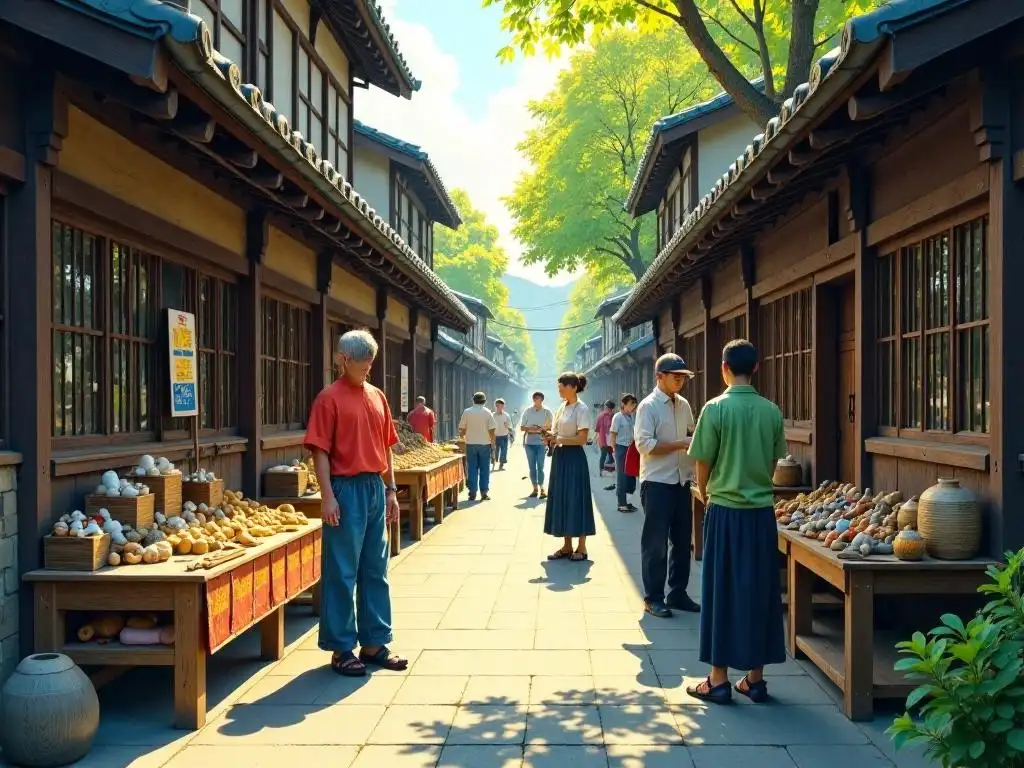
The craftsmanship of the Edo period has left an indelible mark on contemporary Japanese artisanship. Many of the techniques, materials, and aesthetic principles established during this time continue to inform modern craft practices. For instance, traditional pottery techniques from the Edo era still influence ceramic artists today, who strive to create pieces that honor their historical roots while exploring new creative avenues.
Additionally, the emphasis on quality and attention to detail remains a hallmark of Japanese craftsmanship, with many artisans today adopting the principles of monozukuri, or the art of making things. This philosophy reflects a deep respect for the materials used and the processes involved, echoing the values of Edo-period artisans. The legacy of craftsmanship from this era persists, inspiring artisans to innovate while staying connected to their cultural heritage, ensuring that the art of craftsmanship remains a vibrant and essential part of Japanese identity.
Conclusion: Lasting Legacy of Edo Period Craftsmanship and Trade
The Edo period, spanning from 1603 to 1868, stands out as a pivotal era in Japan's history, profoundly influencing craftsmanship and trade. The artisans of this period demonstrated exceptional skill and innovation, creating a wealth of goods that not only satisfied local demand but also attracted attention from international markets. The intricate designs of textiles, ceramics, and woodblock prints, among other crafts, exemplified the unique blend of functionality and artistry that characterized Edo craftsmanship.
As urban centers flourished, particularly in Edo (modern-day Tokyo), the burgeoning merchant class played a vital role in the economy, fostering a culture that valued creativity and quality. This laid the groundwork for a legacy that continues to resonate in Japan's contemporary craftsmanship and trade practices. The meticulous techniques and artistic traditions established during the Edo period remain influential, as modern artisans often draw inspiration from historical methods, ensuring that the spirit of Edo craftsmanship persists in today's globalized market.
Reflection on Edo's Impact on Modern Urban Trade
The influence of Edo period craftsmanship on modern urban trade is notable in various aspects. The principles of quality, attention to detail, and the emphasis on unique, artisanal products can be observed in today's marketplace. Urbanization during the Edo era catalyzed the development of trade networks that extended beyond Japan, highlighting the significance of local craftsmanship in global commerce.
In contemporary Japan, there is a resurgence of interest in traditional crafts, as consumers increasingly seek unique, handcrafted items that reflect both cultural significance and artisanal skill. This shift towards valuing craftsmanship over mass-produced goods echoes the ethos of the Edo period, where individual artisans gained recognition and respect for their work. Furthermore, the modern craft movement often emphasizes sustainability and local sourcing, paralleling the practices of Edo artisans who relied on regional materials and traditional techniques.
The Future of Craftsmanship in Japan: Lessons from Edo
As Japan navigates the complexities of the 21st century, the lessons learned from Edo period craftsmanship provide valuable insights for future artisans and trade practices. One key takeaway is the importance of cultural heritage in shaping identity and fostering community. The craftsmanship of the Edo period was deeply rooted in local culture, and today's artisans can benefit from embracing their unique traditions while innovating within that framework.
Moreover, collaboration among artisans, as seen during the Edo period, can enhance creativity and lead to the development of new products that honor tradition while appealing to contemporary consumers. Educational initiatives that promote traditional skills and craftsmanship in schools and communities can ensure the transfer of knowledge to future generations, preserving the legacy of Edo craftsmanship.
Finally, the integration of modern technology with traditional methods offers exciting possibilities for artisans today. Digital platforms can facilitate the marketing of unique products, expanding reach and creating opportunities for artisans to thrive in a global market while remaining true to their roots.
Additional Resources for Further Exploration
For those interested in deepening their understanding of Edo period craftsmanship and trade, a variety of resources are available that provide rich insights into this fascinating era.
Recommended Books on Edo Period Craftsmanship and Trade
-
"Edo Art: The Artist and the Market" by David A. Waterhouse
A comprehensive study of the relationship between Edo artisans and the evolving market dynamics.
-
"The Art of Japan: Edo Period" by David H. H. H. K. McCarthy
This book explores the diverse artistic expressions of the Edo period, emphasizing the craftsmanship behind them.
-
"Crafting a Culture: The Artisan in Edo Period Japan" by Susan R. T. O'Connor
An examination of the social and economic contexts that shaped the lives and works of Edo artisans.
Notable Museums and Exhibits Featuring Edo Artisanship
-
Tokyo National Museum
Home to a vast collection of Edo period artworks, including textiles, ceramics, and woodblock prints, showcasing the craftsmanship of the era.
-
The Sumida Hokusai Museum
Dedicated to the famous ukiyo-e artist Katsushika Hokusai, this museum highlights the intricacies of printmaking that flourished during the Edo period.
-
The Adachi Institute of Woodcut Prints
Offers workshops and exhibitions that delve into traditional woodblock printing techniques, preserving the craftsmanship of the Edo period for future generations.
Through these resources, enthusiasts can gain a deeper appreciation for the intricate world of Edo period craftsmanship and its lasting impact on Japan's cultural heritage.
- Introduction to Edo Period Craftsmanship and Trade
- The Evolution of Craftsmanship in Edo
- The Impact of Urbanization on Trade
- Key Sectors of Edo Period Craftsmanship
- The Relationship Between Craftsmanship and Economic Growth
- Local vs. Regional Trade
- The Role of Guilds in Regulating Craftsmanship
- Economic Policies and Their Influence on Artisans
- Cultural Significance of Edo Period Craftsmanship
- Artisans as Cultural Contributors
- Preservation of Techniques and Heritage
- Influence on Modern Japanese Craftsmanship
- Conclusion: Lasting Legacy of Edo Period Craftsmanship and Trade
- Additional Resources for Further Exploration
Frequently Asked Questions
What is the Edo period known for in terms of craftsmanship?
The Edo period (1603-1868) is renowned for its exceptional craftsmanship, featuring intricate designs in various arts such as ceramics, textiles, and woodblock printing that reflect the cultural richness of the era.
How did urban trade evolve during the Edo period?
During the Edo period, urban trade flourished due to the rise of merchant class and commercial hubs. This growth was facilitated by improved transportation and the establishment of vibrant marketplaces.
What role did craftsmanship play in Edo's economy?
Craftsmanship was a vital component of the Edo economy, contributing to the development of trade networks and the rise of specialized artisans who produced high-quality goods sought after by both local and international markets.
Can you name some famous crafts from the Edo period?
Notable crafts from the Edo period include Kintsugi (golden joinery in pottery), Ukiyo-e (woodblock prints), and Kimono textiles, all representing the era's artistic excellence and attention to detail.
How did Edo period craftsmanship influence modern Japanese art?
The craftsmanship of the Edo period laid the groundwork for modern Japanese art, merging traditional techniques with contemporary styles, and continues to inspire artists today in both Japan and beyond.
Final Reflection: The Enduring Legacy of Edo Period Craftsmanship and Trade
The intricate artistry and vibrant trade practices of the Edo period continue to resonate in today's global economy. As we navigate a world increasingly defined by mass production and digital transactions, the meticulous craftsmanship of the Edo era serves as a poignant reminder of the value of quality, tradition, and cultural heritage. The lessons drawn from this period are not merely historical; they are essential for fostering a deeper appreciation for the craftsmanship that underpins our modern lives.
Edo period craftsmanship has left an indelible mark on our cultural landscape, influencing everything from contemporary design to artisanal movements. The dedication to skill and the emphasis on the relationship between the artisan and their craft inspire a renewed interest in handmade goods and sustainable practices. As the renowned artist and craftsman, Isamu Noguchi, once said, The best way to make something is to make it yourself.
This sentiment encapsulates the essence of Edo craftsmanship, urging us to reconnect with the art of creation and the stories behind each piece.
As we reflect on the significance of Edo period craftsmanship and trade, I invite you to consider how you can incorporate these values into your own life. Take a moment to appreciate the craftsmanship around you, whether in art, food, or everyday objects. Embrace the stories of artisans and the cultural heritage they represent.
By doing so, you not only honor the legacy of the Edo period but also contribute to a future where craftsmanship is celebrated and preserved. Let us strive to cultivate a world that values quality over quantity, where the art of craftsmanship thrives in every corner of our lives.
Embrace the Craft: Elevate Your Understanding of Edo's Legacy!
Thank you for diving into the rich world of Edo's craftsmanship and its profound influence on urban trade! We hope you gained valuable insights that inspire you to explore this fascinating history further. Now, let's take action and deepen your understanding together!
- Visit a local museum or gallery showcasing Japanese art to witness the exquisite craftsmanship in person.
- Engage with fellow enthusiasts in online forums or social media groups dedicated to Edo period history—share your thoughts and learn from others!
- Don’t keep the knowledge to yourself— write a short article or blog post about your favorite aspect of Edo craftsmanship and share it with your community.
What aspect of Edo's craftsmanship do you find most inspiring, and how will you incorporate it into your own life?