
Navigating the Seas: The Maritime Trade Networks of Feudal Japan


Welcome to Feudal Japan History, where we invite you to embark on a captivating journey through the intricate tapestry of Japan's feudal era. Here, you will uncover the fascinating dynamics of maritime trade in feudal Japan, a pivotal force that shaped not only the economy but also the cultural exchanges of the time. Prepare to dive deep into the waves of history as we unveil the secrets of ancient trade networks that connected distant lands and enriched the lives of those who navigated them.
Are you ready to set sail into this intriguing chapter of Japan's past? Read on to discover the untold stories that await!
- Introduction to Maritime Trade in Feudal Japan
- Key Features of Maritime Trade Networks in Feudal Japan
- Influential Players in Maritime Trade
- Maritime Trade Practices and Techniques
- Cultural Exchange through Maritime Trade
- Challenges Faced by Maritime Traders in Feudal Japan
- The Legacy of Maritime Trade in Feudal Japan
- Conclusion: The Enduring Significance of Maritime Trade in Feudal Japan
- Frequently Asked Questions
- Final Reflection: The Enduring Legacy of Maritime Trade in Feudal Japan
- Unveil the Secrets of Feudal Japan's Maritime Trade!
Introduction to Maritime Trade in Feudal Japan
Maritime trade played a pivotal role in shaping the economic landscape of feudal Japan, influencing not only commerce but also cultural exchange and political dynamics throughout the era. From the 12th century until the Meiji Restoration in the 19th century, Japan's isolationist policies juxtaposed with periods of openness created a complex framework for maritime activities. This article delves into the multifaceted aspects of maritime trade in feudal Japan, exploring the networks that connected the archipelago to regional powers, the goods exchanged, and the profound impact these interactions had on Japanese society and culture.
Overview of the Feudal Era and Its Economic Context
The feudal era in Japan, characterized by a decentralized political structure, was marked by the emergence of powerful samurai clans and a rigid class system. The economy during this time was primarily agrarian; however, maritime trade emerged as a significant complement to agricultural production. Key factors that influenced this economic context included:
- Geographic Location: Japan's position in East Asia made it a natural hub for maritime trade routes, connecting it with China, Korea, and Southeast Asia.
- Political Fragmentation: The division of power among various feudal lords (daimyōs) led to competition and collaboration in trade, affecting the development of regional markets.
- Cultural Exchange: Trade facilitated not just the exchange of goods but also ideas, technologies, and cultural practices, enriching Japanese society.
The intricate web of trade relationships established during this era laid the groundwork for Japan's economic development and integration into the wider Asian maritime trade networks.
Importance of Maritime Trade in Japanese History
The significance of maritime trade in feudal Japan cannot be overstated; it was essential for several reasons:
- Economic Development: Maritime trade introduced foreign goods and resources that were not available locally, including silk, spices, and metals. This influx of materials stimulated local economies and contributed to the wealth of merchant classes.
- Cultural Exchange: The trade routes opened avenues for cultural interactions that influenced Japanese art, religion, and philosophy. For instance, Buddhism and various artistic techniques were introduced through maritime connections with China and Korea.
- Political Power: Control over trade routes often translated into political power. Daimyōs who dominated coastal areas could leverage their maritime capabilities for economic gain and military advantage.
- Technological Advancements: The demands of maritime trade led to innovations in shipbuilding and navigation techniques, which further enhanced Japan's maritime capabilities and trade efficiency.
Through a detailed examination of these aspects, we can better appreciate the essential role of maritime trade in shaping the historical trajectory of feudal Japan.
Key Features of Maritime Trade Networks in Feudal Japan

The maritime trade networks of feudal Japan were crucial in shaping the nation's economy, culture, and international relations. These networks were characterized by their complexity, adaptability, and the diverse range of goods traded. Key features included the establishment of vital trade routes, the variety of goods exchanged, and the strategic importance of ports and harbors. Understanding these features provides insight into how maritime trade influenced Japan's development during the feudal era.
Major Trade Routes and Their Geographic Importance
Maritime trade in feudal Japan was heavily reliant on a series of well-established trade routes that connected various regions both domestically and internationally.
- Northeast Asia Routes: The routes connecting Japan with Korea and China were particularly significant. These pathways facilitated not only the exchange of goods but also cultural and technological influences, shaping Japan's evolving society.
- Pacific Trade Routes: The routes extending towards the Philippines and other Southeast Asian islands became increasingly important during the late feudal period. Trade with these regions introduced new commodities and ideas, enriching Japan’s cultural tapestry.
- Inland Sea Connectivity: The Seto Inland Sea served as a central hub for maritime trade, effectively linking major islands such as Honshu, Shikoku, and Kyushu. The sheltered waters allowed for safer navigation, encouraging trade among local lords and merchant groups.
The geographic importance of these routes cannot be overstated. They not only facilitated the flow of goods but also played a pivotal role in Japan's political landscape, as control over trade routes often translated into economic power.
Types of Goods Traded via Maritime Networks
The diversity of goods traded through the maritime networks of feudal Japan was remarkable, reflecting the needs and desires of both local and international markets.
- Agricultural Products:
- Rice: As a staple food and a measure of wealth, rice was a primary trade item, often transported from fertile regions to urban centers.
- Fish and Sea Products: Given Japan's maritime geography, seafood was abundant and formed a significant part of trade, including dried fish and salted products.
- Crafts and Goods:
- Textiles: Silk and cotton fabrics were highly sought after, with regions specializing in different types of cloth.
- Pottery and Ceramics: Local artisans produced distinctive pottery that became popular both domestically and abroad.
- Luxury Items:
- Gold and Silver: Precious metals were often traded, especially from regions rich in these resources.
- Spices and Exotic Goods: Trade routes brought in spices from Southeast Asia, which were considered luxury items in feudal Japan.
The variety of goods traded not only fulfilled everyday needs but also reflected the status and wealth of the regions involved in maritime commerce.
Role of Ports and Harbors in Trade Development
Ports and harbors were instrumental in the development of maritime trade networks in feudal Japan. They acted as gateways for both domestic and international trade, facilitating the movement of goods and people.
- Strategic Locations: Key ports, such as Nagasaki, Osaka, and Edo (modern-day Tokyo), were strategically located to maximize trade efficiency. These ports often became bustling centers of commerce, attracting merchants and traders from across Japan and beyond.
- Regulations and Taxation: The shogunate implemented regulations governing trade practices, including taxation policies that affected how goods were exchanged. Ports served as administrative centers where these regulations were enforced, impacting the flow of goods and the prosperity of local economies.
- Cultural Exchanges: Ports also acted as melting pots of culture, where ideas, customs, and technologies from other regions were exchanged. This exchange significantly influenced Japan's social structure and cultural identity during the feudal era.
The ports and harbors of feudal Japan were more than just points of departure and arrival; they were dynamic hubs that fostered economic growth, cultural exchange, and social development, playing a crucial role in the broader maritime trade networks.
Influential Players in Maritime Trade
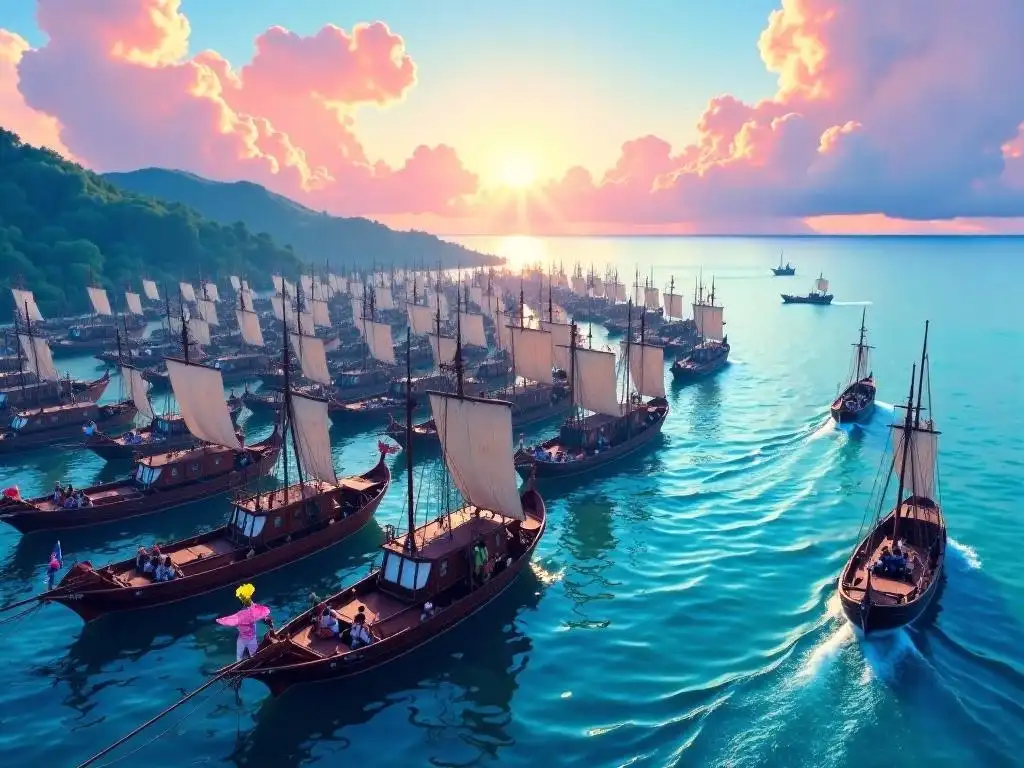
The Role of Samurai and Feudal Lords in Trade
In the feudal era of Japan, the samurai and feudal lords (daimyō) played a pivotal role in shaping the landscape of maritime trade. Traditionally viewed as warriors, the samurai were not solely focused on military endeavors; many were also involved in the governance and economic management of their domains. The daimyō, who controlled large territories, recognized the importance of maritime trade for the prosperity of their regions.
- Control of Resources: The daimyō often controlled vital resources, such as rice and other agricultural products, which were essential for trade. They ensured that their lands produced surplus goods, facilitating trade with coastal cities and foreign entities.
- Protection of Trade Routes: Samurai were responsible for maintaining order and security along trade routes. Their military presence deterred piracy and other threats, ensuring that merchants could transport goods safely across the seas. This protection was crucial for the growth of maritime trade in feudal Japan.
- Trade Agreements: Feudal lords negotiated trade agreements with foreign countries, such as the Dutch and Portuguese. These agreements often included stipulations on the types of goods that could be traded, tariffs, and the conduct of foreign traders. The strategic partnerships established by daimyō played a significant role in expanding Japan’s maritime trade networks.
Merchants and Their Impact on Maritime Commerce
Merchants were the backbone of maritime trade in feudal Japan, serving as the primary facilitators of economic exchange. Despite their lower social status compared to the samurai class, merchants wielded considerable influence in the economic landscape.
- Regional Trade Hubs: Cities such as Sakai and Nagasaki emerged as vital commercial centers. Merchants in these regions established complex trade networks that connected Japan to both domestic and international markets. They specialized in various goods, including textiles, ceramics, and spices.
- Innovative Practices: Japanese merchants were known for their innovative practices in maritime commerce. They developed advanced shipbuilding techniques, enabling the construction of larger and more efficient vessels. The use of the "sampan" (a type of flat-bottomed boat) facilitated the transportation of goods through shallow waters, expanding trade routes.
- Cultural Exchange: Through their interactions with foreign traders, Japanese merchants played a crucial role in cultural exchange. They not only imported goods but also ideas, technologies, and even religious beliefs, which influenced Japanese society and culture.
Foreign Traders and Their Influence on Japan's Economy
Foreign traders significantly impacted Japan's economy during the feudal era, introducing new goods and fostering diplomatic relationships. The interactions between Japanese merchants and foreign traders created a dynamic commercial environment.
- Portuguese Influence: The arrival of Portuguese traders in the mid-16th century marked a turning point in Japan's maritime trade. They introduced new products, including firearms and tobacco, which were quickly adopted by Japanese society. This influx of goods also led to the establishment of new trade routes and markets.
- Dutch Trade Relations: The Dutch East India Company established a trading post in Nagasaki in the early 17th century, becoming Japan's primary trading partner. The Dutch were instrumental in introducing Western technology and knowledge, which had a long-lasting impact on Japanese industry and economy.
- Economic Policies: The interactions with foreign traders prompted the Japanese government to develop policies regulating trade, such as the "Sakoku" (closed country) policy in the 1630s. While this policy restricted foreign influence, it also solidified the importance of maritime trade as an economic driver within Japan.
The intricate web of relationships between samurai, merchants, and foreign traders defined the maritime trade in feudal Japan. Each group played a distinct role, contributing to a robust trading system that not only enriched the economy but also facilitated cultural interactions that would shape Japan for centuries to come.
Maritime Trade Practices and Techniques
In feudal Japan, maritime trade was a vital component of the economy, facilitating the exchange of goods both domestically and with foreign nations. The practices surrounding this trade evolved significantly over the centuries, influenced by geographical conditions, technological advancements, and cultural exchanges.
Japanese mariners employed several sophisticated navigation techniques that allowed them to traverse the often treacherous waters surrounding the archipelago. These techniques included:
- Celestial Navigation: Mariners used the positions of the sun, moon, and stars to determine their position at sea. This method was crucial for long voyages away from sight of land.
- Coastal Navigation: By utilizing landmarks and the coastlines, sailors could chart their course along familiar routes. This was particularly important in the crowded waters of the Inland Sea.
- Tidal Knowledge: Understanding tidal patterns was essential. Mariners learned to read the tides and currents, which could significantly affect their travel times and safety.
- Wind Patterns: Seasonal winds, particularly the monsoon winds, were closely monitored to optimize sailing routes. Mariners understood when to set sail for the best conditions, utilizing the prevailing winds to their advantage.
The combination of these techniques allowed Japanese sailors to engage in extensive maritime trade, expanding their reach to other countries such as Korea, China, and even as far as Southeast Asia.
Shipbuilding Innovations and Their Impact on Trade
The evolution of shipbuilding technology played a critical role in enhancing Japan's maritime trade capabilities. Key innovations included:
- The Development of the Waka: This traditional Japanese ship was characterized by its shallow hull and ability to navigate both inland rivers and coastal waters. The waka's design allowed for greater maneuverability and access to various trade routes.
- Introduction of the Koryo Ship: Influenced by Korean ship designs, these vessels featured a larger cargo capacity and improved stability, which facilitated long-distance trading ventures.
- Use of Iron in Shipbuilding: The advent of iron nails and fittings in ship construction significantly improved durability and seaworthiness. This advancement reduced ship maintenance needs and allowed for longer voyages without the risk of breakdowns.
- Advanced Rigging Techniques: Innovations in rigging allowed for better sail control, enabling ships to sail more efficiently against the wind. This was particularly advantageous during trade expeditions, where time and cargo safety were critical.
These shipbuilding advancements not only increased the volume of goods transported but also enhanced the safety and reliability of maritime trade routes, fostering economic growth during the feudal era.
The Role of Fishing and Aquaculture in Maritime Commerce
Fishing and aquaculture were essential components of maritime commerce in feudal Japan, contributing to both local economies and trade networks. Key aspects include:
- Subsistence Fishing: Fishing was a primary source of food for coastal communities. Various methods, such as net fishing and trap fishing, were employed to catch a diverse range of species, including fish, shellfish, and seaweed.
- Commercial Fishing: As demand for seafood grew, commercial fishing operations developed. Fishermen often formed cooperatives, pooling resources and labor to enhance productivity and market access.
- Aquaculture Practices: Techniques such as rice paddy aquaculture allowed for the cultivation of fish alongside rice crops. This integrated approach not only provided a sustainable food source but also bolstered trade in live fish and other seafood products.
- Trade of Marine Products: The abundance of marine resources led to the establishment of trade networks specialized in seafood. Markets flourished as fresh fish and preserved products, such as pickled fish and seaweed, became key commodities in both local and international exchanges.
The interplay of fishing and aquaculture with maritime trade in feudal Japan highlights the era's reliance on the sea for sustenance and commerce, significantly shaping the economic landscape of the time.
Cultural Exchange through Maritime Trade
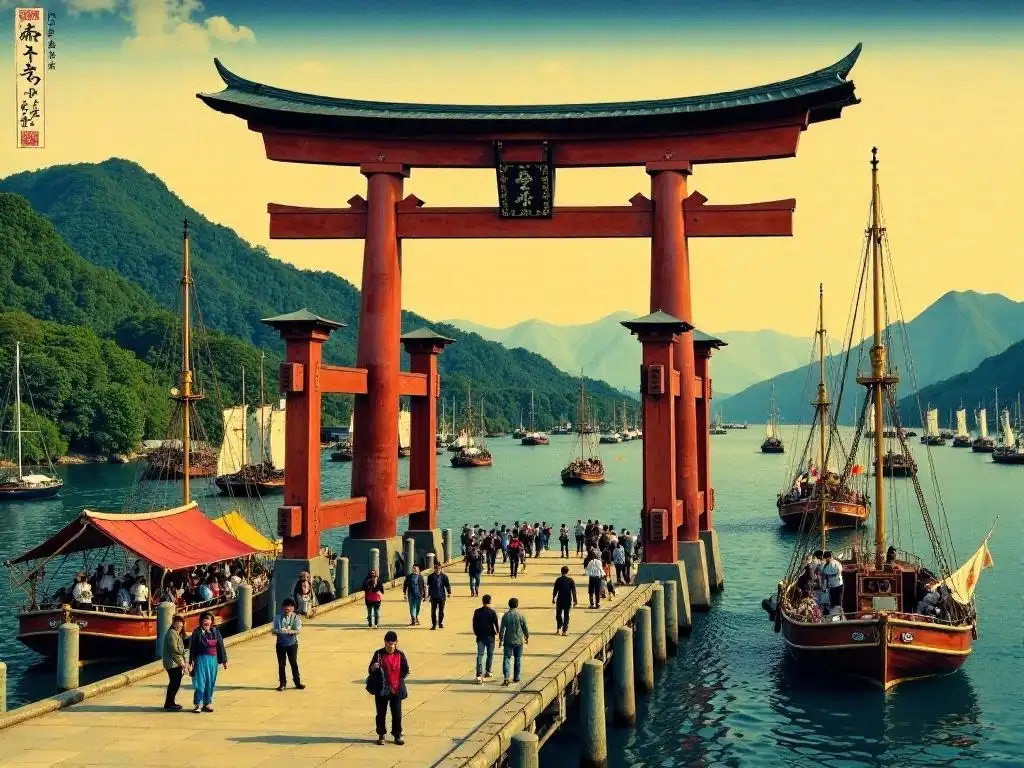
Influence of Foreign Goods on Japanese Society
Maritime trade in feudal Japan significantly shaped the cultural landscape of the nation, introducing a plethora of foreign goods that influenced Japanese society in various ways. Key imports included textiles, ceramics, and spices, which not only enriched the material culture but also transformed social customs and practices.
- Textiles: The introduction of silk from China and cotton from Southeast Asia revolutionized clothing in Japan. While silk became a symbol of luxury and status, cotton made clothing more accessible to the emerging merchant class. This shift in textiles also prompted the development of local weaving techniques, blending foreign styles with traditional Japanese craftsmanship.
- Ceramics: Trade with regions such as Korea and China brought exquisite ceramics to Japan. The influx of these goods led to the establishment of local kiln sites, such as Arita and Imari, where Japanese artisans adopted and adapted foreign techniques. This not only resulted in unique styles like kutani and kutani-yaki but also elevated the status of ceramics as a form of art, which would later be celebrated in tea ceremonies.
- Spices and Foodstuffs: The arrival of spices from Southeast Asia altered the culinary landscape of Japan. Ingredients like black pepper and cinnamon introduced new flavors and preservation methods, influencing traditional Japanese cuisine. The incorporation of foreign foodstuffs into local diets showcased the adaptability of Japanese culinary practices, leading to a fusion of flavors that enriched Japanese gastronomy.
Foreign goods obtained through maritime trade played a pivotal role in shaping the social fabric of feudal Japan, fostering a culture that was both receptive to outside influences and deeply rooted in tradition.
The Role of Religion and Culture in Trade Relationships
Religion and culture played integral roles in shaping the maritime trade networks of feudal Japan. The interactions between traders and local communities were often influenced by religious beliefs and cultural practices, which facilitated or hindered trade relationships.
- Buddhism and Trade: The spread of Buddhism from China to Japan, facilitated by maritime routes, not only influenced the spiritual beliefs of the Japanese but also impacted trade practices. Monasteries often served as hubs for trade, where merchants would gather to exchange goods. The religious institutions provided a sense of security, as they were considered neutral ground. This fostered cooperation among diverse trading groups and encouraged the flow of goods across regions.
- Cultural Festivals: Maritime trade brought various cultural practices and festivals to Japan, which were often intertwined with trade. For instance, the arrival of foreign merchants during festivals created opportunities for cultural exchange, leading to the adoption of new customs and traditions. These interactions were not merely economic but enriched the social tapestry of communities, as they celebrated shared experiences.
- Diplomatic Relations: The role of diplomacy in trade cannot be underestimated. Maritime trade was often accompanied by diplomatic missions that aimed to strengthen relationships between Japan and other nations. The exchange of gifts, cultural artifacts, and religious texts often played a crucial role in maintaining amicable trade relations, showcasing the interplay between trade and cultural diplomacy.
The influence of religion and culture on maritime trade relationships in feudal Japan highlights the intricate connections between economic activities and social frameworks, revealing a complex web of interactions that shaped the nation's history.
Art and Literature Inspired by Maritime Trade
The maritime trade networks of feudal Japan not only facilitated the exchange of goods but also inspired a vibrant artistic and literary response that reflected the influences of foreign cultures and the significance of trade.
- Artistic Expressions: The influx of foreign goods and ideas led to new artistic styles and techniques. For instance, the importation of Chinese paintings and motifs influenced Japanese artists, who began to integrate these elements into their works. The rise of ukiyo-e, or "pictures of the floating world," can be seen as a direct response to the maritime trade, depicting scenes of bustling ports, foreign merchants, and the beauty of the natural environment. These artworks celebrated the cultural exchange that maritime trade facilitated.
- Literary Works: The impact of maritime trade on literature was profound. Writers began to explore themes of travel, exploration, and the encounters between different cultures. Works like "The Tale of Heike" reflect the complexities of trade and the interactions between various social classes, portraying both the allure and danger of maritime ventures. Additionally, poetry often celebrated the beauty of ships and the sea, encapsulating the spirit of adventure that characterized the trade networks.
- Cultural Narratives: The stories and legends surrounding maritime trade became an integral part of Japan's cultural narrative. Tales of legendary traders, mythical sea creatures, and the perils of the ocean were passed down through generations, enriching Japan’s folklore. These narratives not only entertained but also educated people about the importance of trade routes and the diverse cultures that intersected through maritime exchanges.
The art and literature inspired by maritime trade in feudal Japan reflect a rich tapestry of cultural interactions. They serve as a testament to the profound impact of trade on the artistic and literary landscape, illustrating how economic activities can shape and inspire creative expression.
Challenges Faced by Maritime Traders in Feudal Japan
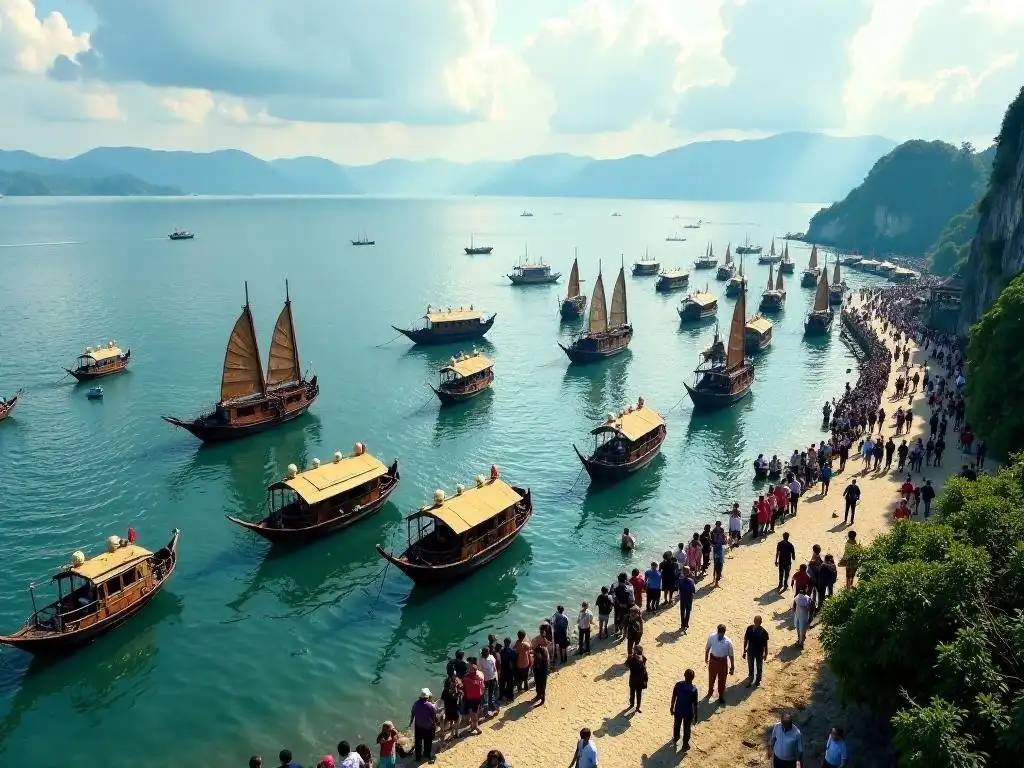
In feudal Japan, maritime trade was not only a vital lifeline for economic sustenance but also a complex endeavor fraught with various challenges. Traders faced a myriad of obstacles that could disrupt their operations, ranging from natural disasters to political instability. Understanding these challenges is crucial for comprehending the dynamics of maritime trade in feudal Japan.
Natural Disasters and Their Impact on Trade Routes
Natural disasters played a pivotal role in shaping the maritime trade landscape of feudal Japan. The country is situated along the Pacific Ring of Fire, making it particularly vulnerable to various geological phenomena, including earthquakes, tsunamis, and typhoons.
- Typhoons: These seasonal storms were notorious for wreaking havoc on ships and coastal settlements. For instance, the Great Typhoon of 1281 is said to have destroyed a significant portion of the Mongol fleet during their attempted invasion, thereby altering the maritime trade routes and securing Japan's independence. Typhoons would frequently disrupt trade schedules, leading to delayed shipments and financial losses.
- Earthquakes: The seismic activity in Japan often resulted in devastating earthquakes that could damage ports and harbors. The 1707 Hōei earthquake, which struck near the Izu Peninsula, caused considerable disruption to trade routes, rendering several ports unusable for extended periods.
- Tsunamis: Following major earthquakes, tsunamis could obliterate coastal infrastructure, making it difficult for traders to access vital shipping lanes. The 2011 Tōhoku earthquake and tsunami, while not in the feudal era, serves as a modern reminder of the potential for such disasters to impact maritime trade.
The cumulative impact of these natural disasters necessitated the need for resilient trade networks and adaptive trading practices. Traders often had to navigate not only the waters but also the unpredictable forces of nature that could jeopardize their livelihoods.
Political Conflicts and Maritime Security Issues
The feudal era in Japan was marked by a series of political conflicts that significantly influenced maritime trade. The rise and fall of powerful clans, coupled with regional disputes, created an environment of instability that traders had to navigate.
- Warring States Period (Sengoku): During this time, the political landscape was fragmented, and clans vied for control over territories, including coastal regions essential for trade. The constant warfare led to heightened piracy and raids on merchant vessels, as rival clans sought to disrupt each other's trade routes. This tumultuous period necessitated the implementation of protective measures by traders, such as traveling in larger fleets for security.
- Piracy: The threat of piracy was a persistent issue, particularly during the Sengoku period. Warlords often employed privateers to disrupt enemy trade, leading to a culture of fear among merchants. The rise of groups like the Wokou pirates in the 16th century further exacerbated the situation, as they targeted both Japanese and foreign vessels, severely impacting trade operations.
- Government Regulation: The Tokugawa shogunate, which rose to power in the early 17th century, established strict regulations governing maritime trade. While this brought a degree of stability, it also limited the freedom of traders. Trade was heavily monitored, and any perceived threat to the shogunate's authority could result in severe repercussions for maritime activities.
As a result of these political conflicts and security issues, traders had to remain vigilant and adapt to the ever-changing landscape of maritime trade in feudal Japan.
Economic Fluctuations and Their Effects on Trade Practices
Economic conditions during the feudal period significantly impacted maritime trade practices. Fluctuations in demand, supply, and currency values influenced the viability and strategies of traders operating in this era.
- Supply and Demand: The availability of goods such as rice, silk, and ceramics often dictated trade volumes. For instance, during years of poor harvests, the demand for rice surged, leading to increased maritime transport of rice from surplus areas. Conversely, during bountiful harvests, the oversupply could drive down prices, impacting traders' profitability.
- Currency and Trade: The introduction of various forms of currency, including gold, silver, and rice as a commodity, created complexities in trade practices. Fluctuations in currency values could lead to trade disputes, as merchants sought to negotiate favorable terms amidst changing economic conditions. The Tokugawa period saw attempts to stabilize currency, yet regional variations often created challenges for traders operating across different domains.
- Inflation and Economic Policies: Economic policies enacted by the shogunate, along with external factors such as foreign trade interactions, could lead to inflationary pressures. Traders had to adapt their operations to remain profitable, often resorting to innovative practices or diversifying their trading portfolios to mitigate risks associated with economic fluctuations.
The challenges faced by maritime traders in feudal Japan were multifaceted, encompassing natural disasters, political conflicts, and economic fluctuations. Each of these factors played a critical role in shaping the maritime trade networks that were essential for the sustenance of feudal society. Understanding these challenges provides a deeper insight into the resilience and adaptability of traders during this dynamic period in Japanese history.
The Legacy of Maritime Trade in Feudal Japan
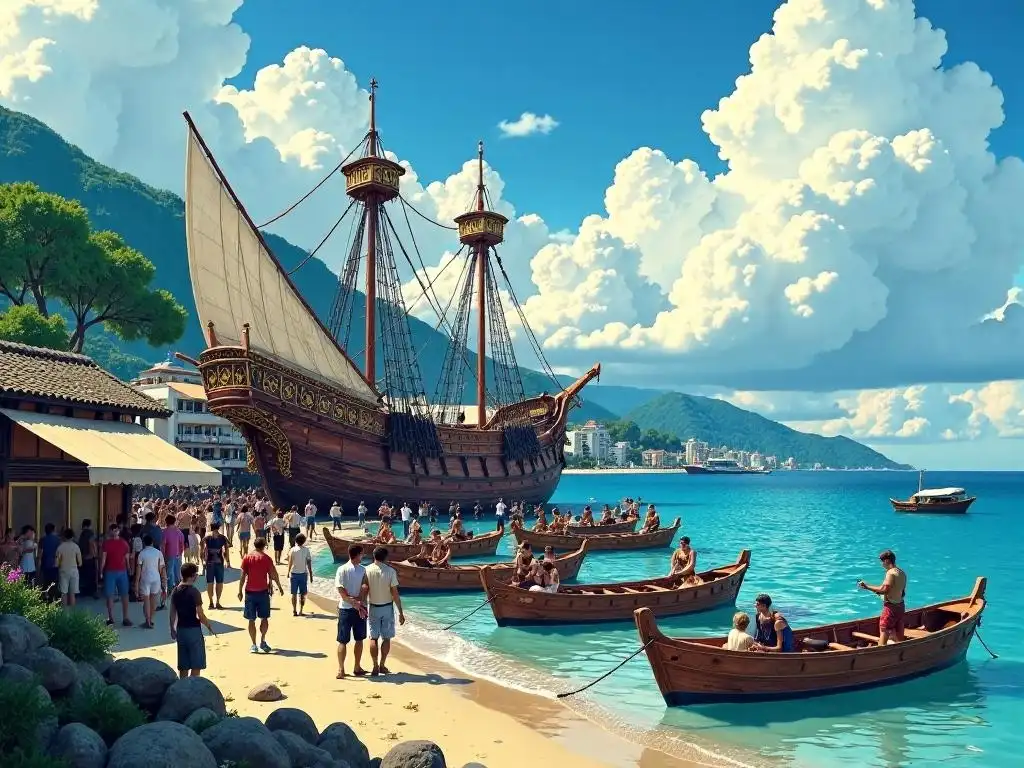
The maritime trade networks of feudal Japan played a pivotal role in shaping the nation's economic, cultural, and social landscapes. During the feudal era, particularly from the 12th to the 19th centuries, Japan engaged in extensive maritime activities that facilitated not only the exchange of goods but also the dissemination of ideas and cultural practices. This era was marked by the rise of powerful daimyos and the establishment of trade routes that connected Japan with neighboring countries, such as China, Korea, and Southeast Asia.
Trade during this period was characterized by the exchange of a variety of commodities. Key exports included silk, pottery, and rice, while imports featured spices, advanced weaponry, and cultural artifacts. The introduction of these goods had a significant effect on local markets and the daily lives of Japanese citizens. The bustling port cities, including Nagasaki and Osaka, became vital hubs for commerce, contributing to urbanization and the growth of a merchant class.
How Maritime Trade Shaped Japan's Economic Landscape
Maritime trade in feudal Japan was not just a means of economic exchange; it fundamentally transformed the country's economic landscape. The establishment of trade routes facilitated a network of interactions that resulted in the following key developments:
- Emergence of a Merchant Class: The rise of commerce led to the formation of a prosperous merchant class, known as the Chōnin. This group wielded considerable influence, often rivaling the traditional samurai class in wealth and power. As a result, the societal hierarchy began to shift, leading to greater mobility and changes in social dynamics.
- Regional Specialization: Different regions began to specialize in specific goods based on local resources. For example, the Kanto region became known for its rice production, while the Seto Inland Sea regions thrived in shipbuilding and fishing. This specialization not only boosted local economies but also enhanced inter-regional trade.
- Cultural Exchange: The maritime trade routes were conduits of cultural exchange. With the influx of foreign goods and ideas, Japanese artisans began to adopt and adapt techniques from abroad, leading to innovations in pottery, textiles, and metalwork. This cultural melting pot enriched Japan’s artistic heritage, paving the way for distinctive styles that defined Japanese craftsmanship.
The establishment of trade agreements, such as the Treaty of Kanagawa in 1854, marked a significant turning point in Japan's approach to international commerce, leading to a more integrated economic landscape.
Impact on Modern Japanese Trade Practices
The legacy of maritime trade in feudal Japan can still be seen in contemporary Japanese trade practices. Several factors illustrate this enduring influence:
- Global Trade Networks: Japan's historical maritime engagements laid the groundwork for its modern participation in global trade. The principles of negotiation and trade established during the feudal era continue to inform Japan's approach to international relations and commerce today.
- Innovation in Shipping: The maritime expertise developed during the feudal period contributed to Japan's advancements in shipping technologies. Modern Japanese shipping companies, such as Mitsui O.S.K. Lines, reflect this long-standing tradition of maritime excellence.
- Cultural Diplomacy: The cultural exchanges initiated through maritime trade have evolved into Japan's contemporary soft power strategies. The promotion of Japanese culture through exports like anime, cuisine, and fashion resonates with the historical precedent of exchanging ideas and goods.
Lessons Learned from the Maritime Trade Networks of Feudal Japan
The lessons gleaned from the maritime trade networks of feudal Japan are invaluable for understanding both historical and modern trade dynamics:
- Adaptability: The ability of Japanese merchants to adapt to changing circumstances—whether through fluctuating market demands or political shifts—highlights the importance of flexibility in trade practices.
- Collaboration: The success of maritime trade was often rooted in collaboration among various stakeholders, including merchants, shipbuilders, and local governments. This spirit of cooperation remains essential in today’s interconnected global economy.
- Sustainability: The traditional practices of fishing and resource management illustrate the importance of sustainability in trade. Modern Japan’s efforts to balance economic growth with environmental conservation reflect these long-standing values.
The maritime trade of feudal Japan not only forged the economic pathways of the past but also continues to influence the present and future of Japanese commerce. Understanding this legacy provides crucial insights into the intricate tapestry of trade and culture that characterizes Japan today.
Conclusion: The Enduring Significance of Maritime Trade in Feudal Japan
Summary of Key Points
The importance of maritime trade in feudal Japan cannot be overstated. Throughout the centuries, Japan's geographic positioning as an island nation allowed it to develop extensive maritime trade networks that significantly influenced its economy, culture, and society. Here are the essential points that underline its significance:
- Cultural Exchange: Maritime trade facilitated the exchange of not only goods but also ideas and cultural practices. This interaction enriched Japanese society, leading to the incorporation of foreign influences in art, religion, and cuisine.
- Economic Development: Trade routes established during the feudal era contributed to the rise of merchant classes and facilitated the growth of port cities such as Nagasaki and Osaka. This economic dynamism laid the groundwork for Japan's eventual modernization.
- Political Dynamics: Control over maritime trade routes often translated into political power. Warlords and feudal lords who dominated these routes could enhance their wealth and influence, leading to shifts in power dynamics among clans.
- Technological Advancements: The demands of maritime trade spurred advancements in shipbuilding and navigation technology, paving the way for more efficient and safer trading practices.
These key points illustrate how maritime trade was not merely an economic activity but a driver of social change and a catalyst for Japan’s development during its feudal era.
Future Research Directions in Maritime Trade History
As we look to the future of research in maritime trade in feudal Japan, several promising avenues remain unexplored or underexplored:
- Regional Variations in Trade Practices: Investigating how different regions of Japan engaged in maritime trade could yield insights into local economies and cultural exchanges. For example, comparing the trade practices of the Kansai region with those of the Kanto region might reveal unique adaptations to local resources and demands.
- Impact of Foreign Relations: Further studies could examine the relationship between maritime trade and foreign diplomacy. How did interactions with countries like China, Korea, and later European nations affect Japan's trade policies?
- Archaeological Evidence: The exploration of archaeological sites related to maritime trade could provide tangible evidence of trade networks, goods exchanged, and the daily lives of those involved in maritime commerce.
- Maritime Trade and Environmental Changes: Research could focus on how environmental factors, such as climate change and natural disasters, influenced maritime trade routes and practices throughout Japan's feudal history.
- Gender Roles in Maritime Trade: Analyzing the roles of women in maritime trade could reveal untold stories of participation and influence in this economic sphere, challenging traditional narratives that often overlook female contributions.
- Comparative Studies with Other Cultures: Comparing Japan's maritime trade practices with those of other island nations, such as the Philippines or Indonesia during the same period, could provide a broader context for understanding regional trade dynamics and cultural exchanges.
By pursuing these research directions, historians can continue to unravel the complexities of maritime trade in feudal Japan, enhancing our understanding of its lasting impact on Japanese history and culture.
Frequently Asked Questions
What were the main maritime trade routes in feudal Japan?
The main maritime trade routes included paths connecting Japan with China, Korea, and other Southeast Asian countries, facilitating the exchange of goods, culture, and ideas.
How did maritime trade impact the economy of feudal Japan?
Maritime trade significantly boosted the economy of feudal Japan by introducing luxury goods, enhancing local industries, and promoting regional commerce through increased supply and demand.
What types of goods were commonly traded during this period?
Commonly traded goods included silk, ceramics, and spices from overseas, while Japan exported items like swords, rice, and pottery, enriching both domestic and foreign markets.
Who were the key players in maritime trade during feudal Japan?
Key players included daimyos who controlled ports, traders who facilitated exchanges, and pirates known as wokou, who often disrupted trade routes and challenged established powers.
How did maritime trade influence Japanese culture?
Maritime trade introduced foreign ideas, art forms, and technologies, which significantly influenced Japanese culture, including religion, cuisine, and artistic styles, leading to a unique blend of traditions.
Final Reflection: The Enduring Legacy of Maritime Trade in Feudal Japan
The intricate web of maritime trade in feudal Japan not only shaped the economic landscape of its time but also laid the groundwork for cultural exchanges that resonate even today. As we navigate the complexities of our globalized world, the lessons learned from Japan's maritime networks remind us of the power of connection and collaboration across borders. The past is not merely a series of events; it is a rich tapestry that informs our present and guides our future.
The influence of maritime trade in feudal Japan extends far beyond historical accounts; it has woven itself into the very fabric of Japanese identity and culture. The exchange of goods, ideas, and traditions fostered a sense of community and interdependence that continues to inspire modern societies. As we reflect on this legacy, we can appreciate the words of historian William H. McNeill: The great historical forces that shape our lives today are often rooted in the interactions of the past.
This acknowledgment of our interconnectedness serves as a reminder that the maritime routes of yesterday still echo in the global trade networks we navigate today.
As we conclude our exploration of these historical maritime trade networks, I invite you to reflect on your own connections in the world. Consider how you can foster relationships that transcend boundaries, whether they be cultural, economic, or personal. Let the story of feudal Japan's maritime trade inspire you to seek collaboration and understanding in your own life. Embrace the spirit of exploration, and remember that every journey begins with a single step toward connection.
Unveil the Secrets of Feudal Japan's Maritime Trade!
Thank you for diving into the fascinating world of maritime trade in feudal Japan with us! You've gained insight into how these intricate networks shaped the economy and culture of the era. Now, it's time to take the plunge yourself and explore further!
Here are some actions you can take to deepen your understanding and engage with this rich history:
- Research a specific trade route from feudal Japan and share your findings in our community forums.
- Visit a local museum or library to discover artifacts related to Japanese maritime history and document your experience in a blog post.
- Join a discussion group focused on feudal Japan—a great way to connect with fellow enthusiasts and share insights!
How do you think the maritime trade networks influenced everyday life for the people of feudal Japan? We invite you to share your thoughts in the comments below!