
The Legacy of Sakoku: LongTerm Economic Effects of Japan's Isolationist Policies

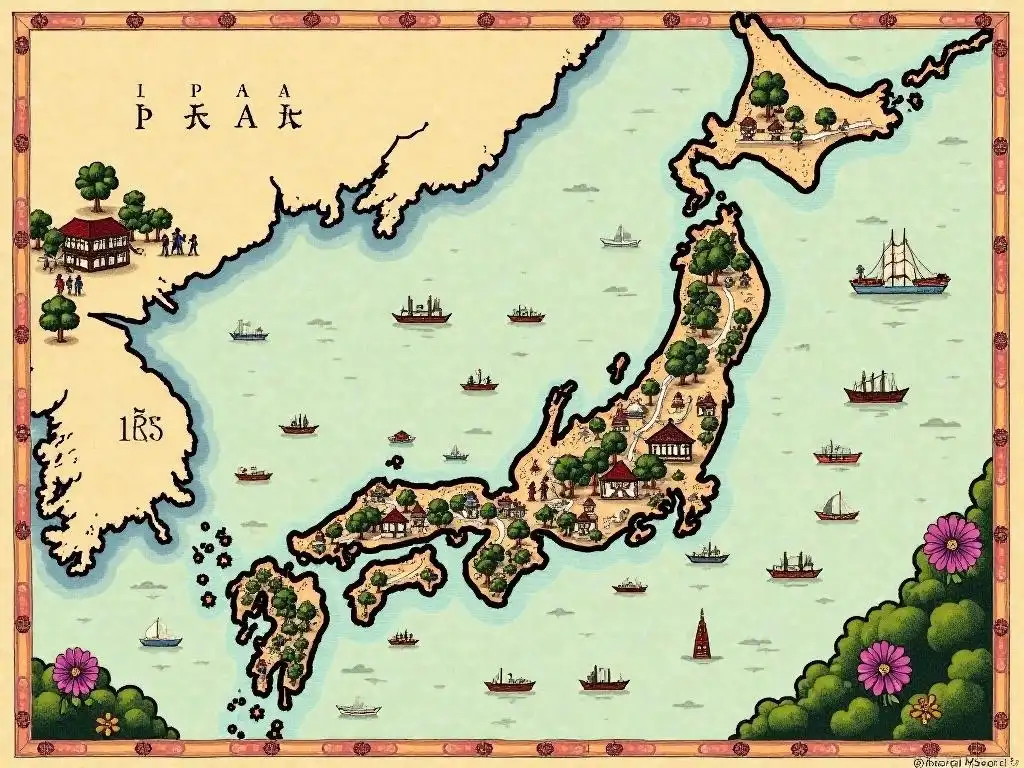
Welcome to Feudal Japan History, where we invite you to embark on a captivating journey through the intricate tapestry of Japan’s feudal era. Here, you'll uncover the profound legacy of Sakoku and explore the long-term economic effects of Japan's isolationist economic policies. What drove a nation to seclude itself, and how did this pivotal decision shape its future? Delve deeper into the fascinating interplay of history, culture, and economics, and discover the secrets that lie within our expert-driven articles. Your adventure into the past starts now!
- Introduction to Japan's Isolationist Economic Policies
- The Framework of Japan's Isolationist Economic Policies
- Long-term Economic Effects of Japan's Isolationist Policies
- Cultural and Social Implications of Economic Isolation
- Comparison with Other Isolationist Policies in History
- Conclusion: The Legacy of Sakoku on Modern Japan’s Economy
- References and Further Reading
- Frequently Asked Questions
- Final Reflection: The Enduring Impact of Japan's Isolationist Economic Policies
- Unlock the Secrets of Japan's Isolation Era!
Introduction to Japan's Isolationist Economic Policies
Japan's isolationist economic policies, particularly during the Sakoku period, have left an indelible mark on the nation's history and economic development. From the early 17th century until the mid-19th century, Japan maintained a strict policy of isolation that limited foreign influence and trade, profoundly shaping its society, economy, and international relations.
This era, known as Sakoku, not only regulated interactions with the outside world but also fostered unique domestic economic structures that would influence Japan's trajectory for centuries to come. In this article, we will explore the long-term economic effects of these isolationist policies, examining their historical context and significance during the Edo period.
Overview of Sakoku and Its Historical Context
The Sakoku policy, instituted by the Tokugawa shogunate in 1635, was a direct response to the perceived threats posed by foreign influences, particularly European missionaries and traders. The shogunate aimed to consolidate power and maintain social order by limiting external contact, leading to the following significant measures:
- Restrictions on Foreign Trade:
- Only a limited number of Dutch and Chinese traders were allowed to engage in commerce at Nagasaki.
- Japanese citizens were prohibited from traveling abroad, and those who returned faced severe punishment.
- Cultural Isolation:
- The introduction of Western ideas was restricted, preserving traditional Japanese culture and practices.
- Art, literature, and technology developed in a relatively insular environment, leading to unique Japanese forms.
The context of Sakoku reveals a complex interplay between security, cultural preservation, and economic strategy. As Japan turned inward, it simultaneously cultivated a robust domestic economy that relied on agriculture and local craftsmanship.
Significance of Economic Policies During the Edo Period
The economic policies of the Edo period (1603-1868) were crucial in defining Japan's economic landscape and societal structure. Key aspects of these policies include:
- Agricultural Development:
- Emphasis on rice cultivation as a staple, leading to the establishment of a rice-based economy.
- Implementation of land reforms that improved agricultural productivity.
- Merchant Class Growth:
- Despite restrictions, a vibrant merchant class emerged, facilitating trade within Japan and contributing to urbanization.
- The rise of cities like Edo (modern-day Tokyo) became economic hubs, showcasing the ingenuity of Japanese commerce.
- Cultural and Technological Self-Sufficiency:
- Focus on local industries fostered innovations in textiles, ceramics, and other crafts, allowing Japan to develop a unique market.
- The Edo period witnessed significant cultural advancements, which were largely insulated from foreign influence.
These economic policies not only sustained Japan during its isolation but also set the foundation for its rapid modernization in the late 19th century. By understanding the legacy of Sakoku and its economic ramifications, we gain insight into how these policies shaped modern Japan and its place in the global economy.
The Framework of Japan's Isolationist Economic Policies
Japan's isolationist economic policies, primarily instituted during the Edo period (1603-1868), were defined by the Sakoku edicts, which aimed to limit foreign influence and maintain social order. The term "Sakoku" translates to "locked country," a fitting description for Japan's self-imposed isolation. These policies resulted in significant economic implications, shaping the country's trade practices and interactions both domestically and internationally.
The framework of these policies was built on a series of regulations that not only controlled foreign trade but also managed the internal economy. By prioritizing agriculture and self-sufficiency, the Tokugawa Shogunate sought to create a stable environment that would protect Japan from external threats. This approach had profound long-term effects on Japan’s economy, societal structure, and cultural development.
Key Features of Sakoku: Restrictions and Regulations
The Sakoku policies were characterized by several key features designed to enforce isolationism:
- Banning of Christianity: The shogunate viewed Christianity as a threat to their authority and societal harmony. Consequently, all missionaries were expelled, and Japanese Christians faced persecution.
- Limited Foreign Relations: Only the Dutch and Chinese were allowed to trade with Japan, and this was strictly regulated. The Dutch were confined to the small island of Dejima in Nagasaki, where they could conduct trade under close scrutiny.
- Control Over Domestic Trade: The shogunate implemented a strict class system, which dictated the flow of goods and services. Merchants and farmers operated within a framework that prioritized agrarian output over commercial expansion.
- Regulated Travel: Japanese citizens were largely prohibited from traveling abroad, with strict penalties for those who attempted to do so. This restriction was aimed at preventing the spread of foreign ideas and maintaining social order.
These features collectively contributed to a highly controlled economic environment, with the Tokugawa Shogunate exerting significant influence over all aspects of trade and commerce.
The Role of the Tokugawa Shogunate in Economic Isolation
The Tokugawa Shogunate played a pivotal role in establishing and maintaining Japan's isolationist economic policies. Under the leadership of Tokugawa Ieyasu, the first shogun, a centralized feudal system was developed that prioritized stability over expansion.
- Centralized Authority: The shogunate centralized power, reducing the influence of regional daimyōs (feudal lords) and ensuring adherence to the isolationist policies. This centralization allowed for consistent enforcement of trade regulations and agricultural practices.
- Economic Self-Sufficiency: The shogunate promoted agricultural production and self-sufficiency. By prioritizing rice as the primary currency and staple food, they created an economic system that was less reliant on foreign goods.
- Cultural Isolation: The Tokugawa regime also enforced cultural isolation, promoting Confucian values while suppressing foreign influences. This cultural homogeneity further solidified the economic policies, as a unified societal framework was seen as essential for maintaining order.
The Tokugawa Shogunate's commitment to these isolationist policies laid the groundwork for Japan's unique economic development, which would persist long after the end of Sakoku.
Trade Limitations: Who Could Trade with Japan?
Under the Sakoku policies, trade was heavily restricted, allowing only a select few to engage in commerce with Japan. The following outlines the key players in Japan's restricted trade environment:
- The Dutch East India Company: The only European entity permitted to trade, the Dutch had a monopoly on foreign trade with Japan. They were allowed to conduct business in Dejima, where they introduced limited Western goods, technology, and ideas.
- Chinese Merchants: Chinese traders were also granted access to Japan, primarily through the port of Nagasaki. Trade with China focused on silk, porcelain, and other luxury goods, which were highly valued in Japanese markets.
- Korean Envoys: While trade was limited, Korea maintained a diplomatic relationship with Japan. Special envoy missions would bring goods, although these interactions were more focused on diplomatic exchanges than extensive trade.
- Domestic Trade: Within Japan, trade was regulated by the shogunate, with merchants operating under strict guidelines. The samurai class was often prohibited from engaging in trade, reinforcing the agrarian focus of the economy.
These limitations on trade not only defined Japan's economic landscape during the Edo period but also influenced its eventual interactions with the global economy when Sakoku came to an end in the mid-19th century. Through the lens of Japan's isolationist economic policies, we can observe the profound effects these restrictions had on the country's development, both economically and culturally.
Long-term Economic Effects of Japan's Isolationist Policies
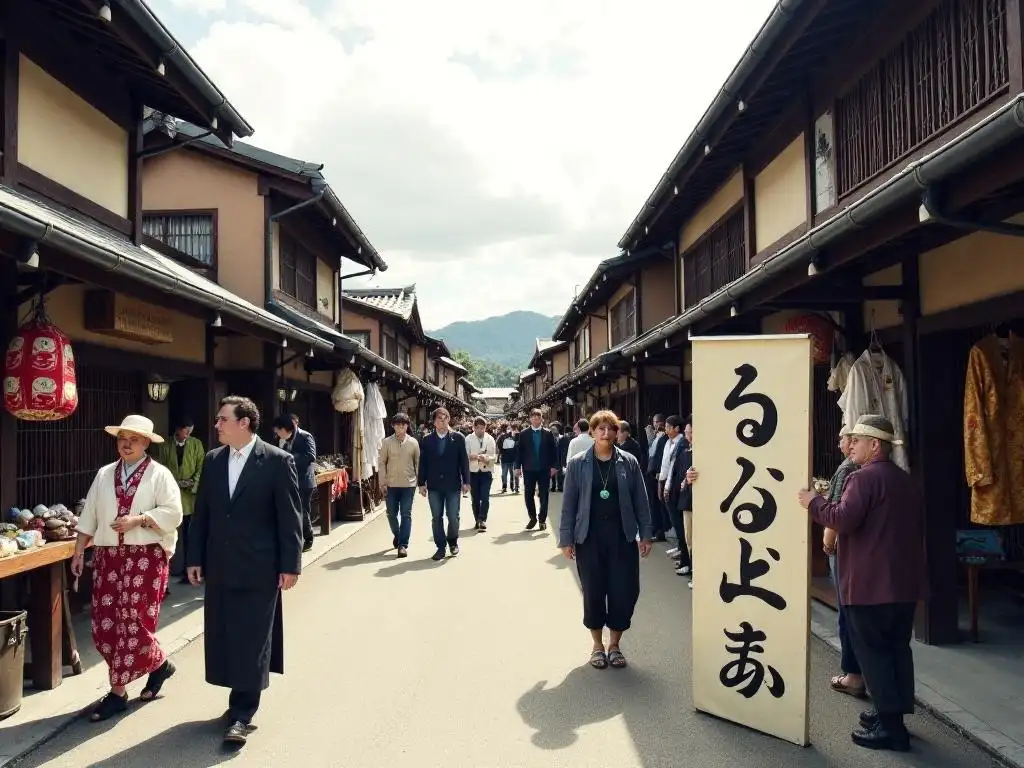
Japan's isolationist policies, known as Sakoku, implemented during the Edo period (1603-1868), have left a multifaceted legacy that profoundly shaped the nation's economic landscape. These policies, which restricted foreign influence and trade, were not without their consequences. Understanding the long-term economic effects of Japan's isolationist policies requires an examination of the intricate balance between domestic development and the limitations imposed on international relations.
Impact on Domestic Industries and Agriculture
The implementation of Sakoku led to a significant transformation in Japan's domestic industries and agriculture. By closing the country to foreign trade, local industries were forced to adapt and innovate to meet the needs of the population without external competition.
- Agricultural Advancements: The isolation encouraged improvements in agricultural practices, leading to increased productivity. For instance, rice cultivation techniques evolved, and crop rotation became more prevalent, ensuring food security for the growing population.
- Textile and Craft Industries: With foreign textiles and goods off the table, Japanese artisans began to refine their crafts. The textile industry, particularly silk and cotton production, saw significant growth as demand internally surged.
- Local Market Expansion: The lack of foreign competition allowed domestic markets to flourish. As a result, local merchants and artisans gained prominence, which helped to create a more vibrant economy centered around local products and services.
However, this focus on domestic industries also had its drawbacks:
- Limited Innovation: The lack of foreign competition meant that Japanese industries could become complacent. Without external pressures to innovate, some sectors stagnated, ultimately affecting Japan's ability to compete globally once Sakoku ended.
- Resource Limitations: The self-reliance encouraged by Sakoku often led to overexploitation of local resources, such as timber and minerals, which created long-term environmental challenges.
Influence on Japan's Trade Relationships with Neighboring Countries
Japan's isolationist policies significantly altered its trade dynamics with neighboring countries, particularly during the Edo period. While Sakoku aimed to maintain peace and stability, it also created a complex web of limited trade relationships that would have lasting repercussions.
- Selective Trade Practices: Under Sakoku, Japan engaged in limited trade with specific countries, such as the Dutch and the Chinese, through designated ports like Nagasaki. This selective approach allowed Japan to control foreign influence but also restricted economic growth opportunities.
- Cultural Exchanges: Despite the restrictions, limited trade fostered cultural exchanges, particularly with the Dutch, who introduced Western knowledge and technology. This interaction had long-term implications for Japan's modernization efforts later in the 19th century.
- Impact on Neighboring Economies: The isolationist stance influenced the economies of neighboring nations, such as Korea and China, which sought to engage with Japan but faced barriers. This created a regional economic landscape characterized by missed opportunities for collaboration and mutual growth.
Ultimately, the restrictive nature of Japan's trade relationships during this period laid the groundwork for the economic challenges Japan would face as it opened up to the world in the Meiji Restoration.
Economic Self-Sufficiency: A Double-Edged Sword
Japan's pursuit of economic self-sufficiency during Sakoku was both a blessing and a curse. While it fostered a degree of independence, it also created inherent vulnerabilities.
- Strengths of Self-Sufficiency: The isolationist policies allowed Japan to develop a unique economic model that prioritized local resources and industries. This self-sufficiency led to a strong sense of national identity and pride in local craftsmanship, which fueled domestic consumption.
- Vulnerability to External Shocks: However, this economic model left Japan ill-prepared for the global market. When the country eventually reopened to foreign trade, it faced significant challenges as foreign powers, equipped with advanced technologies and industrial capabilities, rapidly outpaced Japan.
- Transition Challenges: The transition from an isolated economy to an open one was fraught with difficulties. Japanese industries struggled to adapt to international competition, leading to economic instability during the early years of the Meiji Restoration.
Japan's isolationist economic policies had profound long-term effects that shaped the country's industrial landscape, trade relationships, and economic strategies. While these policies fostered domestic growth and self-reliance, they also created significant challenges that would impact Japan's ability to compete globally in the years following the end of Sakoku. Understanding these dynamics is essential to grasping the complexities of Japan's economic history and its evolution in the modern age.
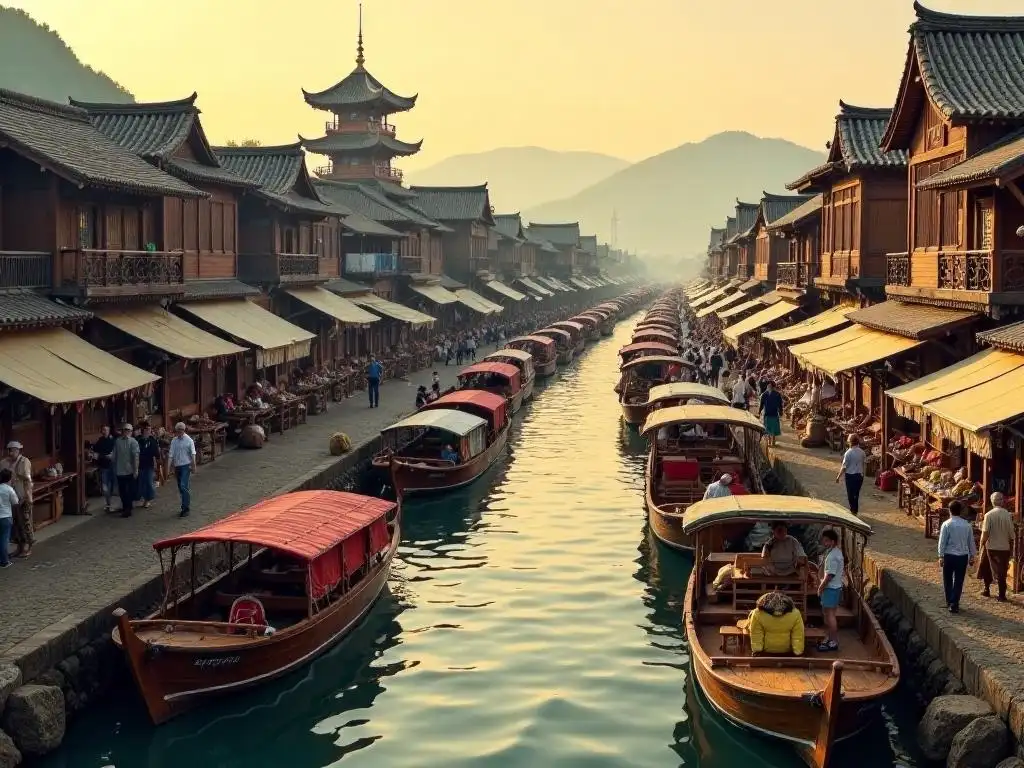
The period of Sakoku, or Japan's self-imposed isolation from the 17th to the 19th centuries, had profound cultural and social implications that were intricately tied to its economic policies. While the nation limited foreign interaction, the internal dynamics of society evolved in unique ways, reflecting a blend of tradition and adaptation. This section delves into the societal changes, the flourishing of the arts, and the complexities of education and knowledge exchange during this era of isolation.
Changes in Japanese Society and Class Structures
The economic isolation under Sakoku significantly impacted Japan's social hierarchy. The rigid class system, comprising the samurai, farmers, artisans, and merchants, became more pronounced as the economy adapted to limited external trade.
- Samurai Class: The samurai, traditionally seen as warriors, transitioned into bureaucrats and landowners, overseeing agricultural production. This shift reinforced their status as the ruling class, albeit with a diminishing martial role.
- Merchant Ascendancy: As trade within Japan flourished, particularly in cities like Osaka and Edo, merchants began to gain wealth and influence, leading to a gradual breakdown of the feudal class structure. They began to challenge the traditional status quo, leading to tensions with the samurai class.
- Rural Life: The agrarian economy saw a focus on self-sufficiency. Farmers were encouraged to innovate agricultural practices, leading to advancements in rice cultivation and crop rotation that bolstered food security and productivity.
This reconfiguration of class structures fostered a society where economic status was increasingly linked to wealth rather than birthright, setting the stage for future social changes.
The Role of Arts and Culture in an Isolated Economy
Despite—or perhaps because of—its isolation, Japan experienced a remarkable cultural flourishing during the Sakoku period. This period saw the development of distinct forms of art, literature, and entertainment that reflected the unique Japanese identity shaped by isolationist policies.
- Ukiyo-e: The floating world of ukiyo-e, or woodblock prints, became a significant art form, depicting landscapes, kabuki actors, and scenes of everyday life. This art was accessible to the growing merchant class, symbolizing a cultural democratization.
- Literature: The isolation also led to the rise of new literary forms, such as haiku and narrative prose. Writers like Matsuo Bashō became prominent, fostering a deeper appreciation for nature and transient beauty, which resonated with the ideals of the period.
- Traditional Crafts: Crafts such as ceramics, textiles, and lacquerware thrived, with artisans honing their skills and creating goods that were celebrated domestically. The lack of foreign competition allowed local artisans to innovate and elevate their crafts.
Through these cultural channels, the Japanese people maintained a sense of identity and resilience against the backdrop of a closed economy, contributing to a rich cultural legacy.
Education and Knowledge Exchange During Isolation
While Japan's isolation limited foreign intellectual exchange, it did not stop the pursuit of knowledge. Instead, the Sakoku period saw the development of a unique educational landscape that prioritized internal scholarship and the adaptation of foreign ideas within a Japanese context.
- Confucianism: The influence of Confucian ideals became prominent, shaping educational practices and governance. Schools were established to promote Confucian teachings, which emphasized moral integrity and bureaucratic governance.
- Rangaku (Dutch Learning): Although foreign trade was limited, the Dutch were allowed limited access through Nagasaki. This led to the introduction of Western sciences and medicine, termed Rangaku. Scholars like Sugita Genpaku began to study and translate Dutch texts, fostering a niche of knowledge exchange.
- Local Scholarship: The isolation spurred the growth of local intellectual movements, with scholars focusing on native studies, history, and the development of the Japanese language. This internal focus allowed for the cultivation of a distinctly Japanese academic tradition.
In essence, while Japan's isolationist economic policies restricted external influence, they simultaneously fostered a robust domestic intellectual environment, paving the way for future modernization and the eventual opening of Japan to the world.
Comparison with Other Isolationist Policies in History
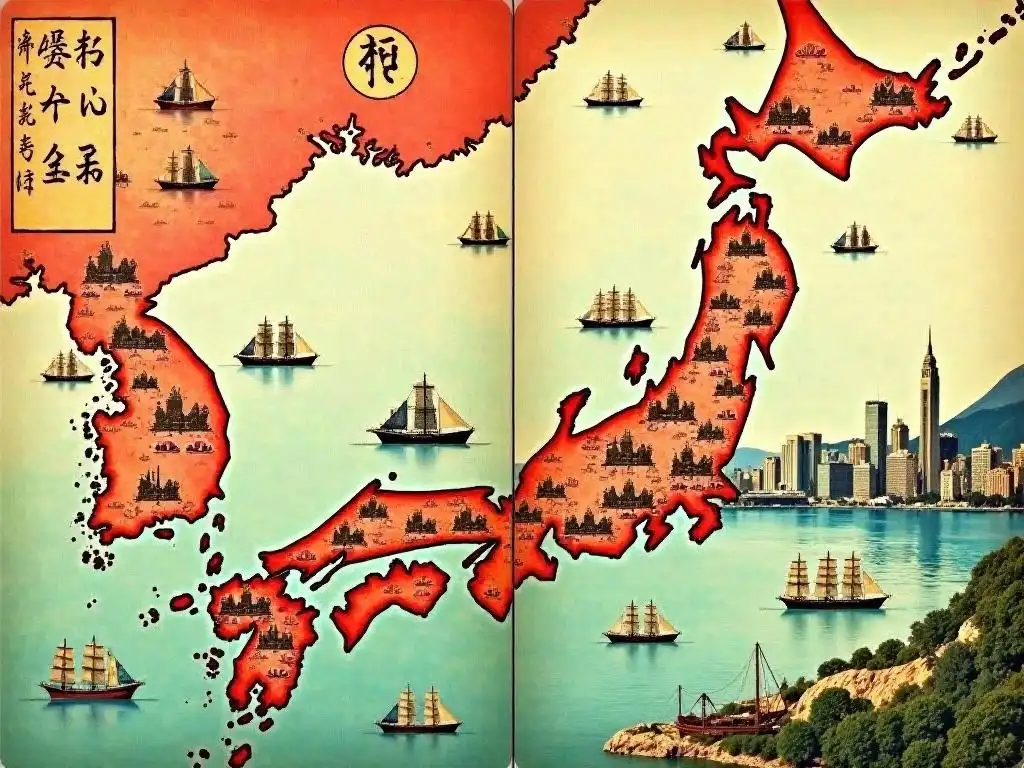
Japan's isolationist economic policies, known as Sakoku, provide a distinct case study when compared to other historical examples of isolationism. By examining the similarities and differences with other nations that have adopted similar policies, we can gain valuable insights into the long-term economic effects of such strategies.
Similarities and Differences with China’s Isolationist Period
During the Ming and Qing dynasties, China implemented its own form of isolationist policies, particularly during the late 15th century to the early 18th century. Both Japan and China initiated these policies in response to external pressures, aiming to protect their cultures and economies.
Similarities:
- Cultural Preservation: Both Japan and China sought to maintain their unique cultural identities by limiting foreign influence. For example, Japan restricted foreign trade to the Dutch at Nagasaki, while China limited trade to specific ports and heavily regulated foreign interactions.
- Economic Self-Sufficiency: Isolationist policies in both nations aimed to achieve economic self-sufficiency. Japan focused on domestic agriculture and craftsmanship, while China promoted local production, particularly in silk and porcelain, to satisfy domestic needs.
Differences:
- Duration and Rigor: Japan's Sakoku lasted for over two centuries (1635-1853), while China’s isolationism was more sporadic, with periods of openness and engagement. For instance, during the early Ming dynasty, China was more open to global trade and exploration.
- Impact on Trade Networks: Japan's Sakoku significantly severed its connections with international trade, leading to a more insular economy. In contrast, while China restricted trade, it still engaged in limited exchanges, particularly through the Canton System, allowing for some level of economic interaction with foreign nations.
While both Japan and China pursued isolationist policies to protect their societies and economies, the execution and impact of these policies varied significantly, leading to different long-term economic outcomes.
Lessons Learned from Other Nations’ Economic Isolation
Looking beyond Japan and China, other nations have also employed isolationist economic policies, yielding important lessons about the viability and consequences of such strategies.
- The Soviet Union: From the early 20th century until the dissolution in 1991, the Soviet Union adopted a largely isolationist economic stance, focusing on self-sufficiency and state control over its economy. While this approach initially promoted industrial growth, it ultimately led to stagnation, inefficiencies, and a lack of innovation, demonstrating that prolonged isolation can hinder economic progress.
- North Korea: Since the Korean War, North Korea has maintained strict isolationist policies. The result has been a highly controlled economy that struggles with agricultural shortages and limited technological advancement. This ongoing isolation highlights the risks of economic stagnation and dependency on an inadequate domestic production system.
- Cuba: Following the Cuban Revolution, the country adopted isolationist policies that limited foreign investments and trade, particularly with the United States. While it aimed to build a self-reliant economy, the lack of access to global markets has constrained economic growth, showing that isolation can lead to economic vulnerability.
Key Takeaways:
- Economic Stagnation: Prolonged isolation often leads to inefficiencies and a lack of innovation, as seen in the cases of the Soviet Union and North Korea.
- Dependency on Domestic Resources: Countries that isolate themselves may struggle to meet their needs, emphasizing the importance of trade and external partnerships.
- Cultural Costs: Isolation can also have cultural implications, limiting the exchange of ideas and stifling societal growth.
The examination of Japan's isolationist economic policies alongside other historical examples reveals critical insights into the long-term effects of such strategies. Understanding these lessons can inform contemporary discussions about economic isolationism and its broader implications for nations today.
Conclusion: The Legacy of Sakoku on Modern Japan’s Economy
The Sakoku policy, implemented during the Edo period (1603-1868), had profound and lasting effects on Japan's economy, many of which can still be observed in contemporary structures. Japan's isolationist economic policies significantly shaped the nation’s economic landscape, influencing trade practices, industrial development, and even cultural exchanges.
Lasting Effects on Japan's Economic Structure Today
The economic ramifications of Japan's isolationist policies can be seen in several key areas:
- Trade Practices:
- The Tokugawa shogunate restricted foreign trade to a few select ports, notably Nagasaki. This limited interaction with the global market established a unique domestic market that prioritized local goods and services.
- Even today, Japan maintains a robust domestic market, often favoring local products over imports, which is a legacy of the Sakoku period.
- Industrial Development:
- The isolation allowed Japan to develop its own industries without foreign competition. This fostered a strong foundation for innovation and craftsmanship, particularly in sectors like textiles, ceramics, and metallurgy.
- Post-Sakoku, during the Meiji Restoration, Japan rapidly industrialized, leveraging the skills and technologies developed during the isolation period. The emphasis on self-sufficiency remains a principle in modern Japanese industrial policies.
- Cultural Exchange:
- Sakoku limited foreign influence, which preserved many traditional Japanese practices. This cultural fortitude has contributed to the unique branding of Japanese goods, particularly in sectors such as food, fashion, and technology.
- The cultural emphasis on quality and craftsmanship can be traced back to the isolationist policies that encouraged local production standards, influencing today’s global perception of Japanese products.
Reflection on Historical Isolationism and Global Trade
Japan's isolationism presents a complex narrative when reflecting on its historical context and the implications for global trade.
- Contradiction in Globalization:
- While Sakoku aimed to protect Japan from external influences, it also created a paradox where Japan had to later navigate a world increasingly driven by global trade. The eventual opening of Japan in the mid-19th century highlighted the struggles and adjustments necessary to integrate into the global economy.
- Lessons from Isolationism:
- The Sakoku period serves as a historical case study on the impacts of isolationist policies. Countries today can examine Japan’s experience to understand the balance between protecting local industries and engaging in the global market.
- Modern Economic Policies:
- Contemporary Japan continues to balance its rich cultural heritage with the need for global interaction. Japan's approach to trade agreements, like the Trans-Pacific Partnership (TPP), reflects an understanding of the necessity of global integration while maintaining economic independence.
The legacy of Japan's isolationist economic policies is evident in its modern economic structure, influencing trade practices, industrial growth, and cultural identity. The historical context of Sakoku provides valuable insights into the complexities of globalization, offering lessons on the importance of balance between protectionism and engagement in the global economy.
References and Further Reading
Suggested Literature on Japan's Economic History
Japan's economic history is rich and multifaceted, offering numerous insights into how historical events shaped contemporary economic practices. For those interested in a deeper understanding of Japan's economic evolution, the following literature is essential:
- "The Economic History of Japan: 1600-2000" by Richard J. Smethurst
- This comprehensive work examines Japan's economic transformation through different periods, including the Tokugawa era and the Meiji Restoration. It emphasizes the impact of isolationist policies on domestic production and trade.
- "Japan's Economic Ascent: International Trade and Industrialization" by David Flath
- Flath's text explores the pre-modern economy and the transition to modernity, highlighting how Japan's isolationist stance influenced its trade relationships and industrial capabilities.
- "Japan's Modern Economic Growth: A Historical Perspective" by Hiroshi Saito
- Saito provides an in-depth analysis of Japan's growth trajectory, including the critical years of isolation, illustrating the long-term economic effects of Sakoku (the period of isolation) on Japan's contemporary economy.
- "The Tokugawa World" edited by Gary P. Leupp
- This anthology covers various aspects of the Tokugawa period, including economic structures and policies. It provides valuable context for understanding the implications of isolationist policies on feudal Japan's economy.
- "Japan's Economic Crisis: The Long-Term Impact of Isolation" by Kenji Yamamoto
- Yamamoto focuses on the long-term effects of Japan's isolationist economic policies, discussing how these historical decisions created both opportunities and challenges for the nation's economy.
Academic Journals and Articles on Isolationist Policies
For a more scholarly approach, the following academic journals and articles provide rigorous analysis and research on Japan's isolationist economic policies:
- "The Journal of Asian Studies"
- This journal regularly publishes articles that explore various aspects of Asian history, including Japan's isolationist policies. Notable articles include analyses of the economic implications of Sakoku and its long-term effects.
- "Modern Asian Studies"
- Several articles within this journal delve into Japan's economic history during the isolationist period. They provide empirical data and theoretical frameworks to understand the interactions between domestic policies and economic outcomes.
- "Japan Review"
- This journal features articles specifically focused on Japan's historical development, including studies on the economic ramifications of isolationist policies. Researchers can find case studies and comparative analyses with other nations.
- "Japan's Seclusion: A Historical Overview" by Haruko Takeda
- Published in "The Journal of Economic History," this article reviews the historical context of Japan's isolation and discusses its economic implications, providing a critical look at how these policies shaped Japan's economic landscape.
- "Economic Policies in Tokugawa Japan: An Isolationist Perspective" by Takeshi Tanaka
- This article, which appears in "The International Journal of Asian Studies," offers a detailed examination of the economic policies during the Tokugawa period, focusing on how isolationism influenced trade, agriculture, and industry.
These resources provide a solid foundation for understanding the complex relationship between Japan's isolationist economic policies and their long-term effects, enriching the discourse on this significant aspect of Japan's economic history.
Frequently Asked Questions
What was Sakoku in Japan's history?
Sakoku refers to Japan's isolationist policies enacted during the Edo period, which restricted foreign influence and trade. This period lasted from the early 17th century until the mid-19th century.
How did Sakoku impact Japan's economy?
The isolationist policies led to a largely self-sufficient economy, which fostered domestic industries while limiting foreign trade and competition. This created unique economic conditions that shaped Japan's development.
What cultural effects did Japan experience due to isolation?
Japan's isolation allowed for the preservation and growth of unique cultural practices and traditions. This period saw the flourishing of art, literature, and philosophy, deeply rooted in Japanese identity.
Did Sakoku have any long-term effects on Japan?
Yes, the long-term effects of Sakoku include a delayed industrialization process and a distinct social structure that influenced Japan's rapid modernization after the Meiji Restoration in the late 19th century.
How does Japan's isolationist economic policy relate to modern times?
Japan's past isolationist economic policies highlight the tension between global integration and national sovereignty, which remains relevant as Japan navigates international trade and economic challenges today.
Final Reflection: The Enduring Impact of Japan's Isolationist Economic Policies
The legacy of Japan's isolationist economic policies continues to resonate in today's global economy. As we navigate an increasingly interconnected world, the lessons learned from Japan's Sakoku period remind us of the delicate balance between protectionism and openness. The historical context of Japan's isolation serves as a powerful reminder that while safeguarding national interests is crucial, fostering international relationships can lead to unprecedented growth and innovation.
Culture and society have been profoundly shaped by Japan's past isolation, influencing everything from trade practices to cultural exchanges. The effects of these policies are not merely historical footnotes but rather foundational elements that continue to shape Japan's economic landscape today. As noted by historian John Dower, “The past is never dead; it’s not even past.” > This quote encapsulates the idea that the echoes of Sakoku still inform contemporary discussions on economic policy and international relations, urging us to consider the long-term consequences of our choices.
As we reflect on the implications of Japan's isolationist policies, I invite you to consider how these lessons can be applied in your own life and community. What can we learn from Japan's experience about the importance of openness and adaptability in a rapidly changing world? Embrace the opportunity to engage with diverse perspectives and foster connections that transcend borders. Let us carry forward the insights gleaned from history, ensuring that we build a future that values collaboration and mutual growth.
Unlock the Secrets of Japan's Isolation Era!
Thank you for taking the time to explore the intricate legacy of Sakoku and its long-term economic effects on Japan. You’ve uncovered valuable insights into how isolation shaped a nation—now it's time to build on that knowledge and further engage with this rich history.
Here are some exciting actions you can take:
- Dive Deeper: Read additional articles on Feudal Japan to learn how Sakoku influenced culture, arts, and the economy in contemporary Japan.
- Share Your Thoughts: Discuss your insights with fellow history enthusiasts on social media, or join an online forum dedicated to exploring Feudal Japan. Your perspective is important!
- Explore Events: Look for local events or exhibitions that highlight Japan's history during the Sakoku period. You might uncover fascinating stories and connections.
What aspect of Sakoku's influence on Japan's modern economy intrigues you the most? Share your thoughts in the comments below!