
Women in Trade: The Unsung Heroes of Feudal Japan’s Economy


Welcome to Feudal Japan History! Here, we invite you to embark on a fascinating journey through the intricate tapestry of Japan’s feudal era. In our latest article, “ Women in Trade: The Unsung Heroes of Feudal Japan’s Economy,” we delve into the pivotal yet often overlooked role that women played in shaping the economic landscape of their time.
Discover the stories of resilience and innovation that lie behind the trade practices of feudal Japan, and prepare to be captivated by the rich history that reveals not just the struggles, but also the triumphs of these remarkable women. Are you ready to uncover the hidden narratives that helped define an era? Dive deeper and explore with us!
- Introduction to Women in Feudal Japan Trade
- Historical Context of Women in Feudal Japan
- Women’s Contributions to Trade and Commerce
- Economic Activities of Women in Feudal Japan
- Challenges Faced by Women in Trade
- Case Studies of Women in Trade
- Legacy of Women in Feudal Japan Trade
- Conclusion
-
Frequently Asked Questions
- What role did women play in the trade during feudal Japan?
- How did societal norms impact women's involvement in trade?
- Were there any specific industries where women excelled in feudal Japan trade?
- Did women in feudal Japan have access to education related to trade?
- How is the legacy of women in feudal Japan trade recognized today?
- Final Reflection: Celebrating the Unsung Heroes of Feudal Japan's Economy
- Honor the Legacy: Support Women in Trade Today!
Introduction to Women in Feudal Japan Trade
In the intricate tapestry of Feudal Japan's economic landscape, the role of women often remains overlooked, yet their contributions were vital to the thriving trade and commerce of the era. While historical narratives have predominantly highlighted the exploits of male samurai and landowners, women in feudal Japan were not merely passive figures; they were active participants and crucial players in the economic sphere. This article delves into the multifaceted roles that women occupied within the trade sector, illuminating their influence on the economy and society during this transformative period.
Overview of Feudal Japan’s Economic Structure
Feudal Japan, spanning from the late 12th century to the mid-19th century, was characterized by a complex socio-political hierarchy and a predominantly agrarian economy. The economic structure was primarily based on the daimyō system, where land was owned by powerful feudal lords who governed the peasants working on their estates. However, trade and commerce flourished alongside agriculture, leading to the emergence of a vibrant market system.
- Key Components of the Economy:
- Agriculture: The backbone, providing sustenance and wealth.
- Trade: Facilitated by local markets and traveling merchants.
- Craftsmanship: Artisans produced goods that were traded both locally and internationally.
Women played a crucial role within this structure, often engaging in various trades and crafts. They were involved in the production and sale of textiles, pottery, and food, contributing significantly to local economies. Moreover, the rise of merchant towns during the Edo period saw women taking on more prominent roles, both in family businesses and as independent traders.
Significance of Women in the Economy
The economic contributions of women in feudal Japan extend beyond mere participation; they were instrumental in shaping the very fabric of commerce and trade. Women’s involvement in the economy can be categorized into several key areas:
- Market Participation: Women often operated stalls in local markets, selling goods ranging from food to textiles. They were known for their bargaining skills and played a significant role in the day-to-day transactions that fueled local economies.
- Family Businesses: Many women worked alongside their husbands in family-run enterprises, managing finances and overseeing production. Their involvement was crucial for the success and sustainability of these businesses.
- Cultural Transmission: Women were also responsible for passing down traditional crafts and skills. This not only ensured the continuity of various trades but also contributed to the cultural richness of Japan.
The contributions of women in feudal Japan's trade and economy were substantial and multifaceted. As we explore the nuances of their roles, we unveil the stories of these unsung heroes who played an essential part in the economic history of Japan. Their legacy is a testament to the resilience and resourcefulness that characterized women in feudal society, making them pivotal figures in the landscape of trade.
Historical Context of Women in Feudal Japan
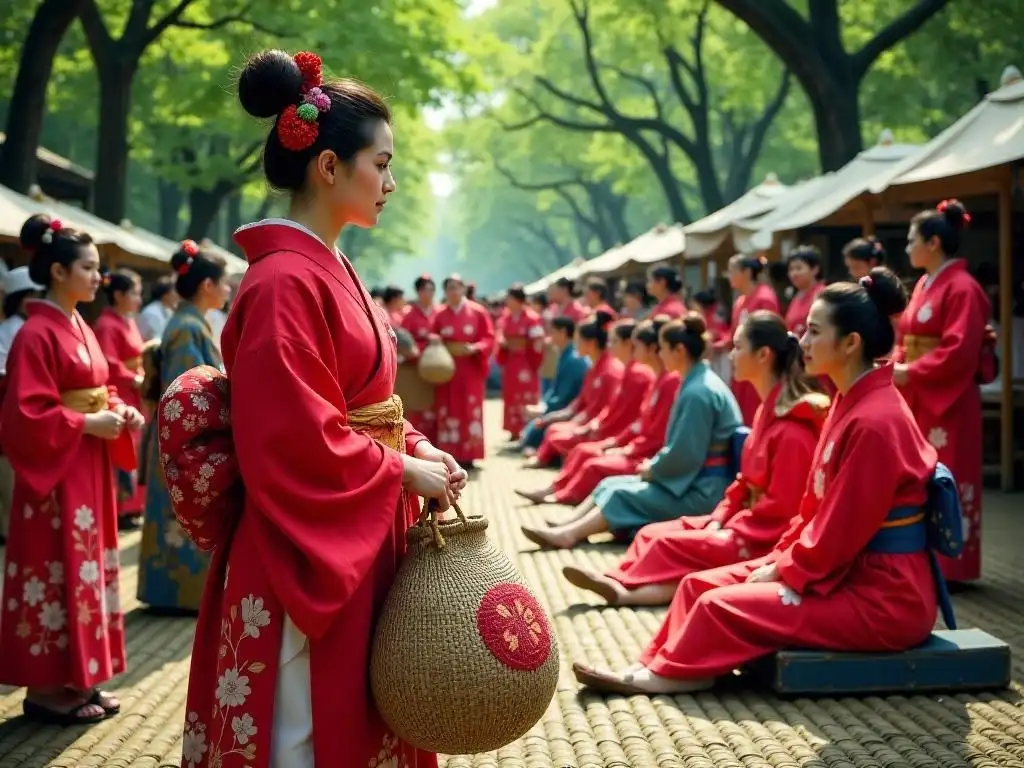
The feudal era in Japan, spanning from the late 12th century to the early 19th century, was marked by a hierarchical society dominated by samurai culture, agrarian life, and emerging trade networks. Within this complex social structure, women played crucial yet often overlooked roles, particularly in trade and commerce. Understanding the historical context is vital to appreciating the significant contributions of women in feudal Japan's economy.
During this period, Japan experienced significant political and social changes, including the rise of powerful clans and the establishment of the shogunate system. As the economy transitioned from a primarily agrarian base to a more diversified market economy, women found opportunities to engage in trade and commerce, albeit in ways that were often constrained by gender roles.
Roles of Women in Society
Women in feudal Japan were primarily expected to fulfill domestic roles, managing households and raising children. However, their responsibilities extended beyond the home, particularly in rural areas where they often contributed to agricultural production and local trade. Women were involved in various economic activities, such as:
- Agriculture: Many women participated in farming alongside their husbands, tending to crops and livestock. They played a critical role in ensuring food security for their families and communities.
- Textile Production: Women were skilled in weaving and textile production, creating garments and household items. This skill not only provided for their families but also contributed to local economies through the sale of textiles.
- Market Participation: In urban areas, women engaged in trade by selling goods in local markets. They operated as vendors, selling food, textiles, and other commodities, often managing family businesses.
Despite societal restrictions, women demonstrated remarkable adaptability. For example, in some regions, women were known to inherit property and manage businesses, showcasing their ability to navigate the economic landscape effectively.
Gender Dynamics in Feudal Japan
The gender dynamics of feudal Japan were complex, shaped by social norms and expectations. While men held the majority of power and authority, women often operated within informal networks that allowed them to exert influence in trade and commerce. Women traders, known as "on'na", often relied on familial connections and community ties to establish their businesses.
Key Points of Gender Dynamics:
- Family Businesses: Women frequently worked alongside male relatives in family-owned enterprises, where their contributions were vital for the business's success.
- Social Status Influence: The status of women varied significantly based on their family background. Women from samurai families had different expectations compared to those from peasant backgrounds, influencing their roles in trade.
- Cultural Perceptions: Confucian ideals, which emphasized male dominance and women's subservience, shaped societal views on gender roles. However, despite these constraints, women often found ways to assert their agency within the confines of their roles.
The Impact of Confucianism on Women’s Roles
Confucianism deeply influenced the societal structure of feudal Japan, establishing a rigid framework for gender roles. Confucian teachings emphasized hierarchy, filial piety, and the importance of women's roles as wives and mothers. This philosophical system often relegated women to subordinate positions, reinforcing the notion that their primary duties lay within the household.
However, the impact of Confucianism was not solely oppressive. It also allowed for certain avenues through which women could engage in trade. For instance, the emphasis on family loyalty and the importance of household management provided women with a foundation to participate in economic activities that benefited their families.
Notable Effects of Confucianism:
- Limitations on Mobility: Confucian ideals restricted women's mobility and public presence, often confining them to domestic spheres. This limitation affected their visibility in formal trade markets.
- Promotion of Domestic Skills: While Confucianism emphasized women's domestic roles, it also valorized skills such as weaving and cooking, allowing women to gain economic agency through these practices.
- Evolving Perspectives: Over time, as trade expanded and new economic opportunities arose, the rigid Confucian view of women's roles began to shift, creating a more nuanced understanding of women's contributions to the economy.
The historical context of women in feudal Japan reveals a complex tapestry of roles and dynamics that shaped their involvement in trade. Despite societal constraints, women found ways to contribute significantly to the economy, demonstrating resilience and adaptability in the face of rigid gender norms. The interplay between Confucian ideals and evolving economic practices created a unique environment for women, making them unsung heroes of feudal Japan's economy.
Women’s Contributions to Trade and Commerce
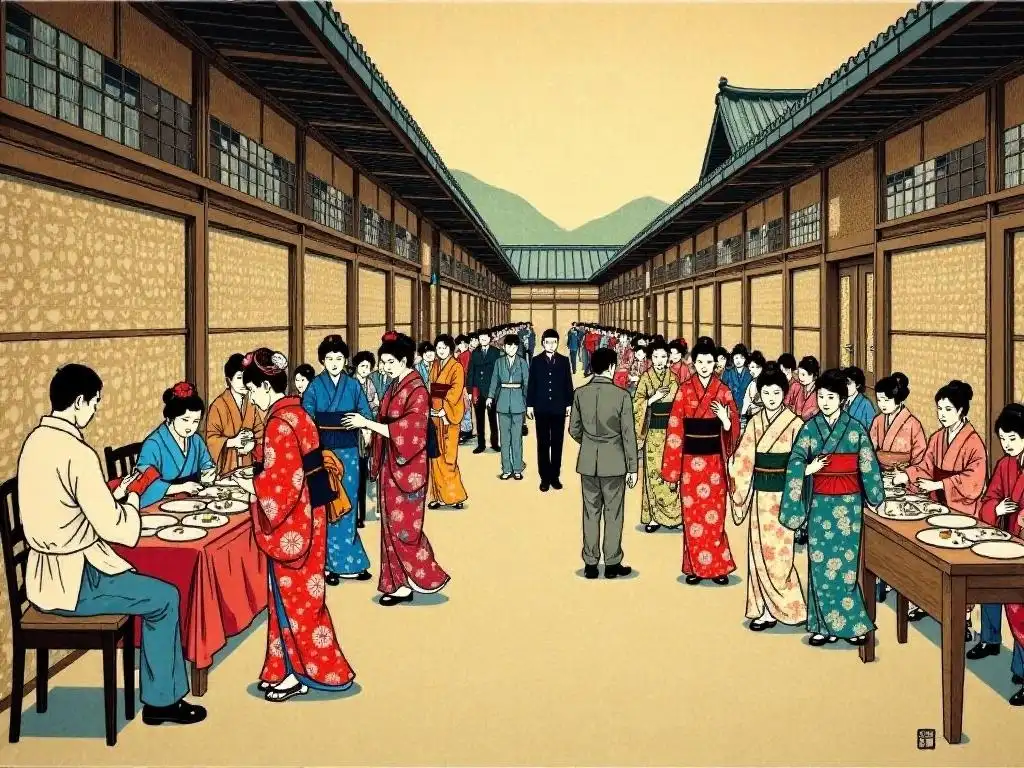
Women as Merchants: A Historical Overview
In feudal Japan, the role of women in trade and commerce was pivotal yet often overlooked. Women, particularly from the merchant class, engaged actively in various aspects of trade, contributing significantly to the economic landscape of their time. While the samurai class dominated the social hierarchy, women found ways to carve out their niche within the bustling trade networks that flourished in towns and cities.
During the Edo period (1603-1868), the rise of a vibrant merchant class allowed women to take on roles that were traditionally reserved for men. Many women became merchants, running shops and participating in trade alongside their husbands or even independently. The concept of the "onna-honke", or female head of the household, emerged, allowing women to inherit and manage family businesses. This shift indicated a gradual change in societal norms, where women could exert economic influence and autonomy.
The types of goods traded by women varied widely, encompassing textiles, food, and household items. Local markets provided a platform for women to showcase their entrepreneurial skills. As women gained visibility in trade, they also contributed to the economy by fostering relationships with other merchants and customers, creating a network that sustained local economies.
The Role of Women in Local Markets
Local markets served as crucial hubs for commerce in feudal Japan, and women played an essential role in their operation. Women often took charge of small-scale businesses, selling goods directly to consumers. This direct interaction with customers allowed them to establish trust and loyalty, enhancing their businesses' success.
- Types of Markets: Women were prominent in various market settings, including:
- Street Vendors: Many women operated as street vendors, selling fresh produce, fish, and handmade goods.
- Shops and Stalls: Women managed shops where they sold textiles, clothing, and essential household items.
- Fairs and Festivals: Special events provided opportunities for women to showcase their products, often drawing large crowds.
In these local markets, women not only engaged in trade but also played a role in shaping community relationships. Their presence in commerce contributed to the cultural fabric of society, as they facilitated exchanges that went beyond mere transactions. These interactions fostered community ties and supported the local economy, showcasing the significant influence of women in everyday commerce.
Notable Women Traders in Feudal Japan
While many women contributed to trade in anonymity, several notable figures emerged who made impactful contributions to the economy of feudal Japan. These women exemplified the spirit of entrepreneurship and resilience, often overcoming societal limitations to thrive in their respective fields.
- Tomoe Gozen: Although primarily recognized for her prowess in battle, Tomoe Gozen also engaged in trade activities post-war. Her story highlights the multifaceted roles women could play beyond warfare.
- Kikuko: A renowned merchant in Edo, Kikuko specialized in silk trade. Her success led to the establishment of a family legacy in commerce, showcasing how women could influence trade across generations.
- Yasuko: Operating in a bustling market, Yasuko was known for her unique pottery. Her creative approach and marketing skills allowed her to dominate a niche market, inspiring other women traders.
These women exemplify the diverse contributions of women in feudal Japan trade. Their stories provide a glimpse into the challenges and triumphs faced by female merchants in a male-dominated society, highlighting their essential role in shaping Japan’s economic history.
Women's contributions to trade and commerce in feudal Japan were significant and varied. By engaging as merchants, thriving in local markets, and inspiring others through their notable achievements, women in feudal Japan trade forged a legacy that is deserving of recognition and appreciation.
Economic Activities of Women in Feudal Japan
Craftsmanship and Production
In feudal Japan, women's contributions to craftsmanship and production were not only significant but also diverse. Women engaged in various crafts, including textiles, pottery, and food production. These activities were often rooted in traditional practices passed down through generations.
Textile Production
One of the most notable areas where women excelled was in textile production. Women were responsible for spinning, weaving, and dyeing fabrics. They utilized locally sourced materials, such as cotton and silk, to create clothing for their families and for trade. The art of kimono making, for instance, was a highly regarded craft, with women playing a crucial role in its intricacies.
- Key Techniques:
- Shibori: A tie-dye technique that added unique patterns to fabrics.
- Boro: A patchwork style that reflected resourcefulness and sustainability.
This craftsmanship not only contributed to local economies but also influenced the broader trade networks across Japan.
Involvement in Agriculture and Trade
Women’s involvement in agriculture was integral to the sustainability of feudal society, as they managed both the cultivation of crops and livestock. Their roles extended beyond mere participation; they were often the backbone of agricultural production.
Agricultural Responsibilities
Women took charge of various agricultural tasks, from planting and harvesting to processing and storing crops. They cultivated staple crops such as rice, millet, and barley, which were essential for both sustenance and trade.
- Examples of Crops:
- Rice: The primary staple and a significant trade item.
- Vegetables: Such as daikon and negi, which were vital for household cooking and markets.
Trade Participation
In terms of trade, women played crucial roles as market sellers and distributors of goods. Marketplaces often saw women selling homemade products like rice cakes, pickled vegetables, and textiles. This involvement was not merely a supplementary activity; it was a critical component of local economies.
- Market Dynamics:
- Women often participated in local festivals and markets, creating a vibrant space for trade.
- Their ability to network with other women and families facilitated the circulation of goods and information.
Women’s Role in Household Economies
Women were essential to the household economy in feudal Japan, managing domestic tasks that directly impacted economic stability. Their contributions were multifaceted, encompassing financial management, resource allocation, and care for family members.
Financial Management
Women often took charge of budgeting and managing household finances, overseeing the allocation of resources for food, clothing, and other necessities. This responsibility gave them significant influence within the household structure.
- Budgeting Practices:
- Women typically kept records of expenditures and savings, ensuring the family’s economic health.
- They engaged in bartering, which was crucial in a largely agrarian economy.
Care and Support
In addition to economic management, women were responsible for nurturing children and elderly family members, ensuring the continuity of family labor and knowledge. This caregiving role often overlapped with their economic responsibilities, as they taught children skills necessary for future trades.
- Impact on Future Generations:
- The skills imparted by mothers often included craft techniques, agricultural practices, and the value of trade.
- This generational transmission of knowledge was vital for maintaining local economies.
The contributions of women in feudal Japan's trade and economy were profound and multifaceted. Their roles in craftsmanship, agriculture, and household management not only supported their families but also played a pivotal part in the broader economic landscape of the era. Understanding these contributions highlights the importance of recognizing the unsung heroes of feudal Japan’s economy.
Challenges Faced by Women in Trade
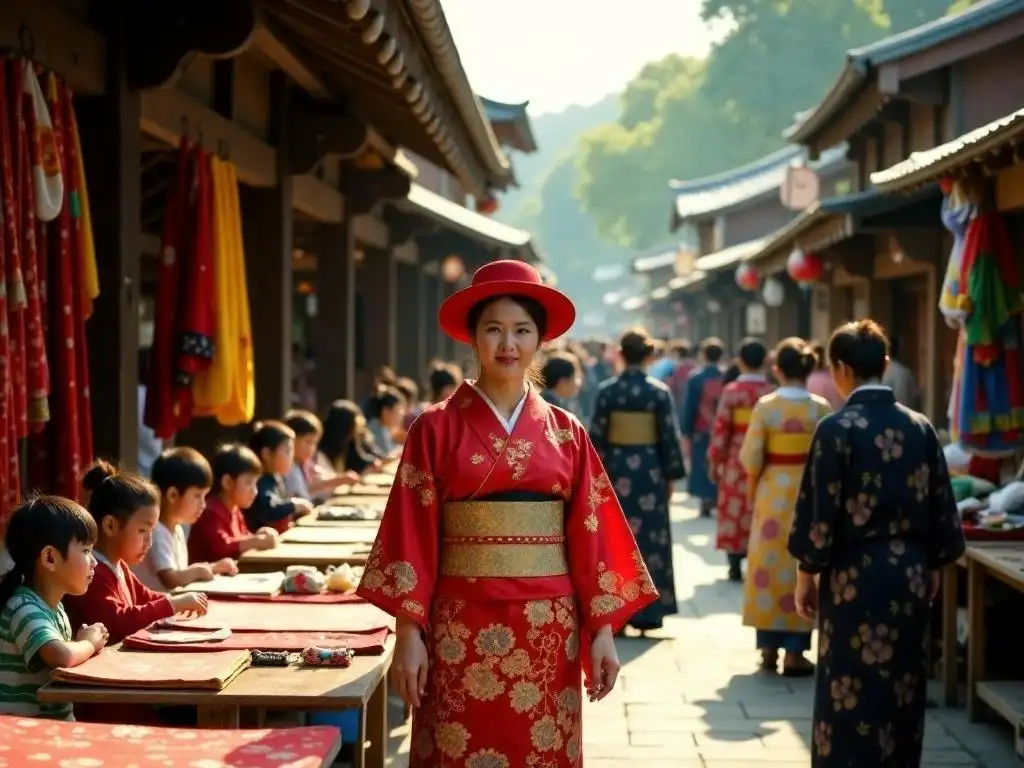
Women in feudal Japan played a vital role in the economy, particularly within the realm of trade. However, they faced numerous challenges that often hindered their participation and success in this domain. These challenges stemmed from societal expectations, legal restrictions, and the broader context of war and instability that characterized the feudal period.
Societal Expectations and Limitations
In feudal Japan, societal norms and cultural expectations heavily influenced women's roles and opportunities within trade. The prevailing ideology emphasized a patriarchal structure, which often relegated women to domestic spheres.
- Confucian Values: The influence of Confucianism promoted ideals that prioritized male authority and women's subservience. This ideology discouraged women from pursuing active roles in business, viewing them primarily as caregivers and homemakers.
- Public Perception: Women engaged in trade were often subjected to societal stigma. They were seen as stepping outside their designated roles, leading to a perception that they were either desperate or morally questionable.
- Limited Education: Access to education for women was generally restricted, particularly in rural areas. This limitation hindered their ability to acquire skills necessary for trade, such as reading, writing, and arithmetic, further perpetuating their marginalization in economic activities.
Despite these societal hurdles, some women found ways to navigate the restrictive environment. For instance, women from merchant families often took on roles within family businesses, leveraging their knowledge and relationships to sustain trade activities.
Legal Restrictions on Women’s Economic Activities
The legal framework during the feudal era imposed significant restrictions on women's ability to engage in trade and commerce. These restrictions manifested in various ways:
- Inheritance Laws: Women typically had limited rights to inherit property, which directly impacted their capacity to engage in trade. Most inheritances were passed down to male heirs, leaving women with little to no capital to invest in business ventures.
- Licensing and Regulations: Many towns and cities required traders to obtain licenses, which were often issued exclusively to men. This system effectively barred women from formal trading, pushing them into the informal economy where their contributions were less recognized.
- Guild Limitations: The structure of trade guilds further marginalized women. Membership in these guilds was predominantly male, and women were often excluded from joining or participating in guild activities, limiting their access to networks and resources critical for trade.
These legal constraints not only restricted women's participation in trade but also contributed to their economic dependence on male relatives, making it challenging for them to establish independent trading ventures.
The Impact of War and Instability on Women Traders
The turbulent history of feudal Japan, marked by periods of war and instability, had a profound impact on women involved in trade. The following factors illustrate how conflict shaped their experiences:
- Disruption of Trade Routes: Wars often led to the closure of trade routes and markets, severely disrupting the economic activities of women traders. Many were forced to adapt quickly, shifting their focus to local markets or alternative goods that remained in demand during conflicts.
- Increased Responsibilities: As men went off to battle, women frequently assumed greater responsibilities within their families and businesses. This shift sometimes allowed women to gain more autonomy in trade, as they managed family affairs and sought new opportunities in their husbands' absence.
- Resilience and Innovation: The instability of the era led many women to innovate and create new business practices. For instance, some women capitalized on the chaos by trading in essential goods, such as food and textiles, demonstrating resilience in the face of adversity.
While war and instability posed significant challenges, they also created opportunities for women to assert themselves within the trade sector, showcasing their adaptability and entrepreneurial spirit.
Women in feudal Japan faced a myriad of challenges in trade, shaped by societal expectations, legal limitations, and the effects of war. Despite these obstacles, many women managed to carve out spaces for themselves in the economic landscape, contributing significantly to the trade practices of their time. Their stories highlight the resilience and ingenuity of women in feudal Japan’s economy, often overshadowed by their male counterparts.
Case Studies of Women in Trade
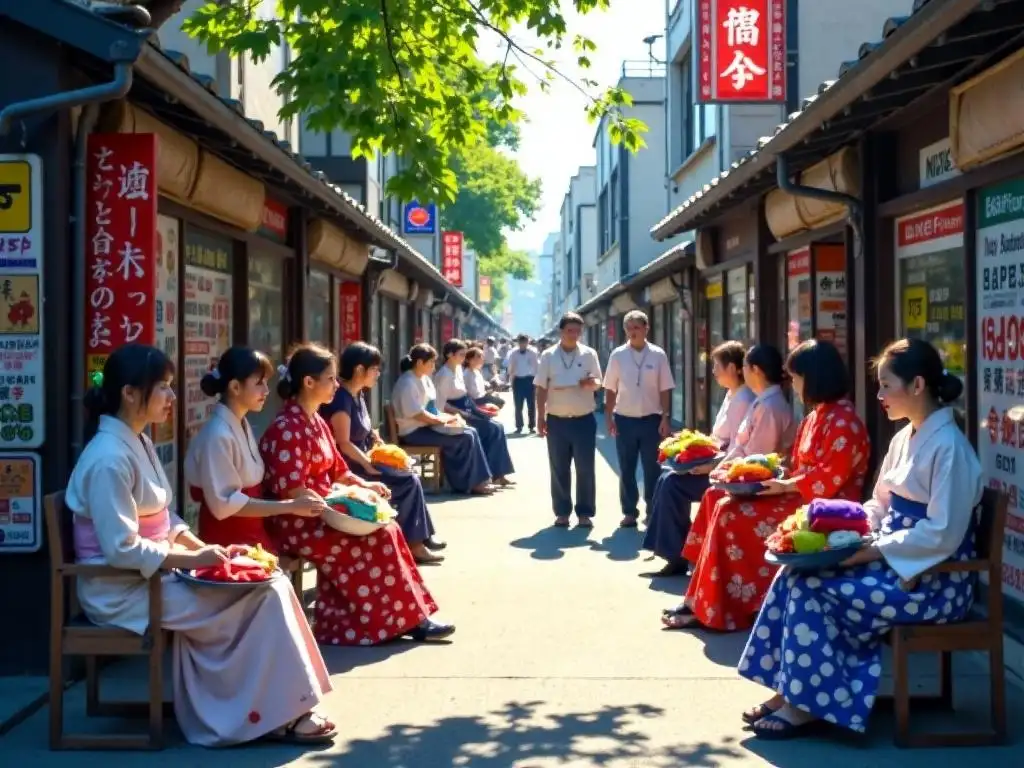
Tomoe Gozen: Warrior and Trader
Tomoe Gozen is perhaps one of the most renowned figures in Japanese history, often celebrated for her prowess as a warrior during the late Heian period. However, her role extended beyond the battlefield; she was also a shrewd trader who adeptly navigated the economic landscape of her time.
Tomoe’s involvement in trade was particularly significant during the Genpei War (1180-1185), where she not only fought for the Minamoto clan but also engaged in the exchange of goods and resources critical to sustaining the clan's military campaigns. Her ability to forge alliances with local merchants allowed her to procure weapons, food, and supplies, showcasing her dual role as both a warrior and economic strategist.
In addition to her military exploits, Tomoe's legacy as a trader highlights the often-overlooked contributions of women in the feudal economy. By leveraging her status and connections, she exemplified how women could influence trade and commerce, positioning themselves as key players in an otherwise male-dominated sphere.
Matsuo Taseko: Merchant and Innovator
Matsuo Taseko emerged as a prominent merchant in the bustling economic environment of Edo (modern-day Tokyo) during the early Edo period. Known for her innovative approaches to trade, Taseko was instrumental in the development of the niro system, a method of bartering that facilitated smoother transactions among merchants.
Her keen business acumen allowed her to specialize in textiles, particularly silk, which was in high demand during her time. Taseko established a network of suppliers and customers, effectively creating a supply chain that enhanced the distribution of silk products. This enterprise not only contributed to her wealth but also provided employment opportunities for other women, empowering them to participate in trade.
Taseko’s story is a testament to the role of women in feudal Japan trade, as she broke societal norms by stepping into the commercial arena. Her legacy is preserved in the annals of Japanese history as an example of how women could innovate and thrive in business, thereby shaping the economic landscape of their era.
Yamada Shuri: Influential Silk Trader
Yamada Shuri stands out as one of the most influential silk traders in the late Edo period. Coming from a family of traders, she inherited not only the family business but also the knowledge and skills necessary to navigate the complexities of the marketplace.
Shuri’s expertise in the silk trade enabled her to establish connections with weavers and artisans across Japan, facilitating the production of high-quality silk goods. Her ability to negotiate favorable terms allowed her to dominate the market, making her one of the wealthiest women of her time. Furthermore, Shuri was known for her commitment to fair trading practices, often advocating for the rights of female artisans and ensuring they received fair compensation for their work.
Her contributions went beyond mere commerce; Yamada Shuri played a vital role in the cultural exchange that silk embodied, as it became a symbol of status and artistry in feudal Japan. Through her work, she not only enriched her community economically but also empowered other women in trade, solidifying her place in history as a pioneer of female entrepreneurship in feudal Japan.
These case studies illustrate the significant yet often overlooked roles of women in feudal Japan trade, highlighting their contributions to the economic fabric of society. By examining the lives of women like Tomoe Gozen, Matsuo Taseko, and Yamada Shuri, we can gain a deeper understanding of how these unsung heroes shaped the commercial landscape of their time.
Legacy of Women in Feudal Japan Trade

Throughout the feudal era of Japan, women played a pivotal yet often overlooked role in the economic landscape. Their contributions to trade were essential in shaping the commercial practices of their time, and the legacy of these women continues to influence Japan’s economy today.
Influence on Modern Japanese Trade Practices
The practices established by women traders during the feudal period laid the groundwork for many modern commercial activities in Japan. Women participated in various forms of trade, from local markets to more extensive networks that connected distant regions.
- Market Participation: Women often took charge of family businesses, especially in rural areas, where they sold agricultural products and handcrafted goods. This tradition of women managing small enterprises has persisted, contributing to the vibrant local markets we see in contemporary Japan.
- Craftsmanship and Artisanship: Many women were skilled artisans, producing textiles, pottery, and other goods. Their craftsmanship not only fulfilled local demands but also set high standards of quality that influenced modern manufacturing practices.
- Cultural Transmission: The methods of trade and negotiation used by women in feudal Japan often emphasized relationship-building and community ties, values that are still significant in Japan’s business culture today.
Statistics show that women-owned businesses have been steadily increasing in Japan, accounting for nearly 40% of all businesses as of 2022, reflecting the enduring influence of their historical predecessors.
Recognition and Commemoration of Women Traders
Despite their significant contributions, the recognition of women in feudal Japan’s trade has been limited. However, recent efforts have begun to shed light on their vital roles in economic history.
- Cultural Celebrations: Various festivals and events now celebrate the contributions of women merchants and traders in Japan's past. For instance, the Kanto Festival includes exhibitions about women’s roles in local economies, promoting awareness and appreciation of their historical significance.
- Historical Research and Publications: Scholars increasingly focus on the narratives of women traders, emphasizing their resilience and ingenuity. Books and articles have emerged, documenting specific figures and their impact on local economies, thus fostering a greater understanding of women's contributions.
- Museums and Exhibits: Some museums have curated exhibits that highlight the daily lives of women in trade, showcasing artifacts, documents, and stories that illustrate their roles in the economy. These efforts aim to preserve their legacy for future generations.
The Evolving Role of Women in Contemporary Japan’s Economy
The contributions of women in feudal Japan's trade have evolved and adapted to contemporary economic dynamics. Today, women continue to play a crucial role in various sectors, reflecting the historical foundations laid by their ancestors.
- Entrepreneurship: Women are increasingly entering sectors such as technology, fashion, and food production, establishing themselves as influential entrepreneurs. Initiatives supporting women in business have gained traction, empowering them to innovate and lead.
- Workforce Participation: With Japan’s ongoing demographic challenges, women’s participation in the workforce is becoming increasingly important. Policies aimed at promoting gender equality in the workplace are encouraging more women to pursue careers in diverse fields, including trade and commerce.
- Global Trade: Modern Japanese women are also making strides in international trade, with many taking on roles in export and import businesses. Their involvement in global commerce reflects a shift in societal attitudes and recognizes the importance of diversity in business.
The legacy of women in feudal Japan trade not only enriches the narrative of Japan’s economic history but also serves as a foundation for the ongoing evolution of women’s roles in the economy today. Their stories of resilience and innovation continue to inspire current and future generations.
Conclusion
Summary of Key Points on Women in Feudal Japan Trade
Throughout the feudal era, women played a pivotal yet often overlooked role in the trade and commerce of Japan. Here are some key points highlighting their contributions:
- Diverse Roles in Trade: Women were actively involved in various aspects of trade, including:
- Merchants: Many women operated as independent merchants, particularly in urban areas where they could manage their own shops or engage in market trading.
- Craftswomen: Women produced goods such as textiles, pottery, and food items, which they sold in local markets, contributing to the local economy.
- Family Businesses: Women often worked alongside male family members in managing and running family businesses, showcasing their integral role in sustaining household economies.
- Economic Influence: The economic influence of women extended beyond mere participation in trade. Their work:
- Supported Households: Women’s earnings were vital for family sustenance, particularly in lower and middle-class families.
- Facilitated Networking: Women often served as conduits for trade relationships, fostering connections between different communities and regions.
- Legal and Social Constraints: Despite their contributions, women faced significant challenges:
- Limited Rights: Legal restrictions often curtailed women’s ability to inherit property or engage in trade independently.
- Social Norms: Societal expectations often relegated women to domestic roles, undermining their recognition in public economic life.
Final Thoughts on the Importance of Recognizing Women’s Contributions to Economic History
Acknowledging the role of women in feudal Japan's trade is crucial for a comprehensive understanding of the economic history of the period. Their contributions were not merely supplementary but foundational to the economic structures of their time.
Recognizing these women as active participants in trade challenges traditional narratives that often marginalize female contributions in historical contexts. By highlighting their stories, we can appreciate the complexities of feudal Japan's economy and the vital roles that women played in shaping it.
The legacy of women in feudal Japan's trade is a testament to their resilience and ingenuity, and understanding this aspect of history enriches our grasp of Japan’s economic evolution and the broader implications for gender roles in society. Their stories deserve to be told and celebrated as essential components of historical discourse.
Frequently Asked Questions
What role did women play in the trade during feudal Japan?
Women in feudal Japan were essential contributors to the economy, often managing family businesses and participating in local markets. Their involvement helped sustain trade networks, particularly in textiles and agriculture.
How did societal norms impact women's involvement in trade?
Despite patriarchal norms, women found ways to engage in trade by leveraging their roles within the family. Many operated in informal markets, which allowed them to navigate the restrictions placed on their economic participation.
Were there any specific industries where women excelled in feudal Japan trade?
Yes, women were notably active in the textile industry, producing silk and cotton goods. They also played significant roles in the agricultural sector, contributing to the distribution and sale of produce.
Opportunities for education were limited, but some women learned trade skills through family businesses or apprenticeships. This hands-on experience often provided them with the knowledge needed to succeed in the marketplace.
How is the legacy of women in feudal Japan trade recognized today?
Modern scholarship increasingly acknowledges the contributions of women to the economy during this period. Their stories are being highlighted in historical research, emphasizing their important role as unsung heroes in Japan's economic development.
Final Reflection: Celebrating the Unsung Heroes of Feudal Japan's Economy
The exploration of women in feudal Japan trade reveals a profound narrative that resonates with contemporary discussions about gender roles and economic contributions. Today, as we strive for gender equality and recognition of women's contributions across various sectors, it becomes increasingly clear that the stories of these women are not merely historical footnotes but vital chapters in the broader economic narrative. Their resilience and ingenuity laid the groundwork for the complex trade networks that flourished during that era.
The impact of these women extends far beyond their time, shaping the cultural and social landscapes of Japan and influencing modern perspectives on women's roles in commerce. As we reflect on their contributions, we recognize that the legacy of these unsung heroes continues to inspire women today, encouraging them to break barriers and redefine their roles in society. The future belongs to those who believe in the beauty of their dreams.
– Eleanor Roosevelt. This quote encapsulates the spirit of those women who dared to dream and act, paving the way for future generations.
As we conclude this exploration, I invite you to reflect on the lessons learned from the lives of these remarkable women. Consider how their stories can inspire you to recognize and celebrate the contributions of women in your own community and beyond. Let us honor their legacy by advocating for equality and empowerment, ensuring that the voices of women in trade, both past and present, are heard and valued.
Honor the Legacy: Support Women in Trade Today!
Thank you for exploring the rich history of women's contributions to the economy in feudal Japan. By uncovering their stories, you’ve gained insight into the resilience and ingenuity that shaped society. Now, let’s take those lessons into our modern world!
Here’s how you can carry forward this powerful legacy:
- Get involved: Join or support organizations dedicated to empowering women in trade and entrepreneurship.
- Share the knowledge: Discuss the historical contributions of women with friends or on social media to inspire others.
- Explore further: Investigate the various economic roles women have played throughout history and how those roles have influenced today's trade landscape.
What steps will you take to honor the unsung heroes of the past while inspiring meaningful change in the present?