
How Tokugawa Japan Established Its Economic Identity Amidst Global Changes


Welcome to Feudal Japan History, your gateway to a deep dive into the fascinating world of Japan's feudal era. Here, we embark on a journey through time, unraveling the intricate tapestry of historical, cultural, and societal dynamics that defined this remarkable period. In our featured article, "How Tokugawa Japan Established Its Economic Identity Amidst Global Changes," we explore the pivotal shifts that shaped Tokugawa Japan's economic identity. What strategies did this era employ to adapt to a world in flux? Join us as we uncover the answers and ignite your curiosity about the rich economic history of Japan!
- Introduction to Tokugawa Japan's Economic Identity
- The Formation of Tokugawa Japan's Economic Identity
- Tokugawa Economic Policies and Their Impact
- Global Changes Influencing Tokugawa Japan's Economic Identity
- Cultural Aspects Shaping Economic Identity
- The Legacy of Tokugawa Japan's Economic Identity
- Conclusion: The Enduring Influence of Tokugawa Economic Identity
-
Frequently Asked Questions
- What were the key features of Tokugawa Japan's economic identity?
- How did global changes impact Tokugawa Japan's economy?
- What role did the merchant class play in Tokugawa Japan?
- How did agriculture influence Tokugawa Japan's economic structure?
- What were the long-term effects of Tokugawa Japan's economic policies?
- Final Reflection: Understanding Tokugawa Japan's Economic Identity in a Global Context
- Unveil Your Understanding of Tokugawa Japan's Economic Legacy!
Introduction to Tokugawa Japan's Economic Identity
The Tokugawa shogunate, which ruled Japan from 1603 to 1868, represents a pivotal era in the nation's history, not only for its political and military transformations but also for the profound shifts in economic structures that occurred during this time. As Japan experienced isolation from the rest of the world under the sakoku policy, the Tokugawa regime was tasked with developing a coherent economic identity that would sustain its governance and promote stability in a rapidly changing global environment.
This article delves into how Tokugawa Japan established its economic identity amidst these global changes, examining the policies, practices, and cultural shifts that defined this unique period in economic history.
Overview of Tokugawa Japan's Historical Context
To understand the economic identity of Tokugawa Japan, it is essential to contextualize the era within its historical framework. The Tokugawa shogunate emerged after a prolonged period of civil war known as the Sengoku period, characterized by political fragmentation and social upheaval. The unification of Japan under Tokugawa Ieyasu marked the beginning of a stable, centralized government that sought to consolidate power and ensure peace throughout the archipelago.
During this time, Japan adopted a policy of national seclusion, limiting foreign influence and trade primarily to the Dutch and Chinese. This isolationism allowed for the internal development of economic practices that were distinctively Japanese. The period witnessed significant advancements in agricultural productivity, commercial growth, and the rise of urban centers, which collectively contributed to the establishment of a unique economic identity.
Importance of Economic Identity in Feudal Japan
The concept of economic identity in feudal Japan is crucial not only for understanding the Tokugawa shogunate's policies but also for appreciating the broader implications for Japanese society at large. This economic identity was shaped by several factors:
- Agricultural Innovation: Agricultural reforms, including improved irrigation techniques and crop diversification, enhanced food production, which supported a growing population and stimulated the market economy.
- Merchant Class Emergence: The rise of a wealthy merchant class challenged traditional social hierarchies and contributed to the dynamism of the Tokugawa economy. This merchant class played a significant role in facilitating trade and the circulation of goods.
- Cultural Flourishing: Economic prosperity led to cultural developments, including the arts and literature, which reflected the values and aspirations of the period, further shaping the identity of Tokugawa Japan.
Understanding these elements reveals how Tokugawa Japan's economic identity was not merely a product of isolationist policies but rather a complex interplay of social, political, and cultural dynamics that would influence Japan's trajectory well into the modern era.
The Formation of Tokugawa Japan's Economic Identity
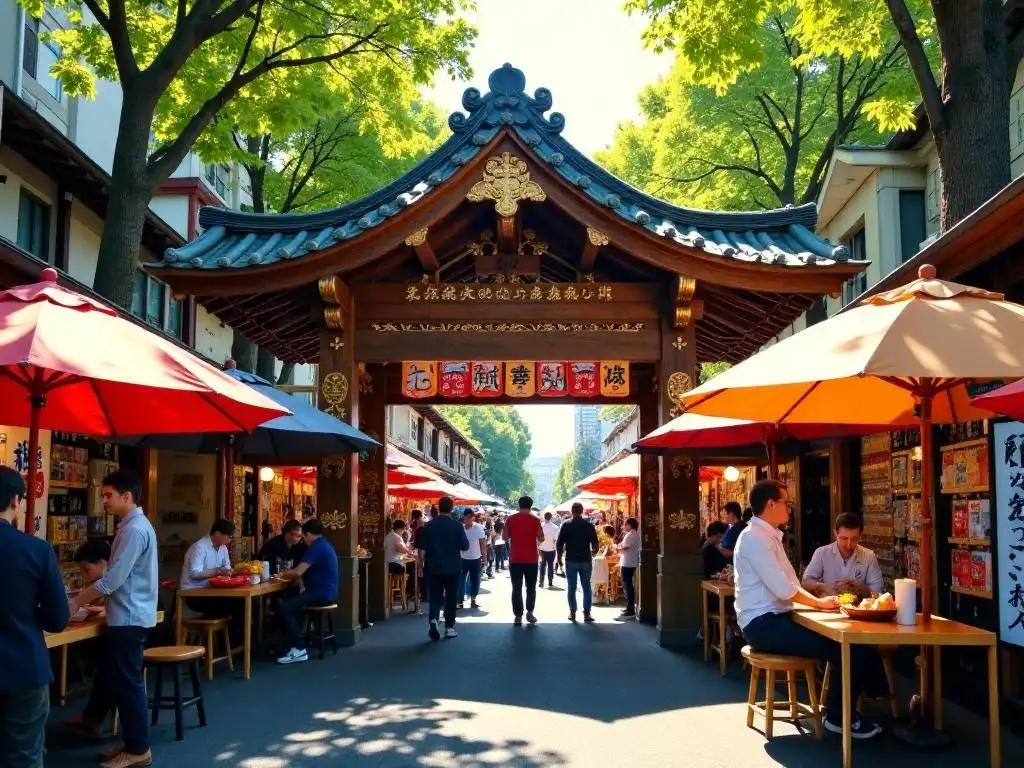
The economic identity of Tokugawa Japan (1603-1868) was shaped by a unique blend of internal policies and external influences that aligned to create a distinct socio-economic landscape. This era was marked by a feudal system where power was centralized under the shogunate, leading to significant developments in agriculture, trade, and social structures. Understanding how these elements interacted provides insight into the economic identity that emerged during this period.
Key Factors Influencing Economic Identity
Several key factors contributed to the economic identity of Tokugawa Japan. These include:
- Political Stability: The Tokugawa shogunate established a long period of peace known as the Edo period, which lasted over 250 years. This stability fostered an environment conducive to economic growth, allowing for the development of infrastructure and commerce.
- Social Structure: The rigid class hierarchy, consisting of samurai, farmers, artisans, and merchants, dictated economic roles and responsibilities. This stratification ensured that agricultural output remained high while trade and commerce were tightly regulated by the government.
- Isolationist Policies: The sakoku (closed country) policy limited foreign trade and interaction, which helped in establishing a self-sufficient economy. This policy allowed the Tokugawa shogunate to control the flow of goods and ideas, thereby shaping the economic identity that prioritized domestic production over foreign influence.
- Cultural Shifts: The rise of the merchant class (chōnin) facilitated new economic practices and attitudes. As commerce expanded, so did the cultural significance of wealth and trade, leading to a shift in societal values that began to recognize the importance of commerce and entrepreneurship.
The Role of Agriculture in Tokugawa Economic Policies
Agriculture was the backbone of Tokugawa Japan’s economy, influencing both its policies and its societal structure. Key elements include:
- Rice as Currency: Rice was not only a staple food but also functioned as a form of currency and a measure of wealth. The shogunate implemented a system where rice production was meticulously recorded and taxed, ensuring a stable revenue stream for the government.
- Land Reforms: The Tokugawa regime introduced land reforms that encouraged agricultural productivity. The daimyōs (feudal lords) were incentivized to improve land management practices, leading to innovations in farming techniques and crop rotation.
- Rural Economy: The rural economy thrived due to the emphasis on agriculture. Local markets developed as farmers produced surpluses, which stimulated trade and commerce within villages and towns. This increased the interdependence between urban and rural areas, reinforcing the economic identity of Tokugawa Japan.
- Seasonal Festivals: Agricultural success was celebrated through seasonal festivals, which not only reinforced community ties but also stimulated local economies through trade and the exchange of goods.
Development of Trade and Commerce in Tokugawa Japan
The development of trade and commerce during the Tokugawa era was a complex process influenced by various internal and external factors:
- Urbanization: The growth of cities like Edo (modern-day Tokyo) led to a significant increase in commerce as populations swelled. Merchants capitalized on urban demand by establishing markets and trade networks, thereby enhancing the economic identity focused on trade.
- Transportation Networks: The shogunate invested in infrastructure, such as roads and waterways, facilitating the movement of goods. The Five Routes (Gokaidō) were crucial in linking major cities, promoting trade, and ensuring the flow of rice and other goods across regions.
- Sakoku and Foreign Trade: While the sakoku policy limited foreign interaction, the Dutch were granted a trading post in Nagasaki, allowing for some exchange of goods and knowledge. This selective engagement introduced Western technologies and ideas, subtly influencing Tokugawa economic practices.
- Rise of Merchant Classes: As commerce flourished, the merchant class gained prominence, leading to the emergence of a consumer culture. This shift in economic dynamics contributed to an evolving identity that began to value trade alongside traditional agrarian values.
Tokugawa Japan's economic identity was a product of multifaceted influences, including political stability, agricultural practices, and the development of trade networks. The interplay of these factors not only shaped the economy but also laid the foundations for Japan's modernization in the subsequent Meiji era.
Tokugawa Economic Policies and Their Impact

The Tokugawa shogunate, which ruled Japan from 1603 to 1868, implemented a series of economic policies that profoundly influenced the country's economic identity. These policies were characterized by a centralization of power and a focus on maintaining social order, which directly impacted trade, agriculture, and the burgeoning merchant class. As Japan faced global changes, the Tokugawa regime sought to create a self-sufficient economy, ultimately shaping its identity in response to both internal dynamics and external pressures.
Centralization of Power and Economic Control
The Tokugawa shogunate established a highly centralized political system that allowed for the effective regulation of economic activities. The shogunate employed a strict class hierarchy, where the emperor was a figurehead, and real power rested with the shogun. This centralization had several key implications for the economy:
- Control Over Daimyo: The shogunate implemented a policy of sankin-kōtai, requiring daimyo (feudal lords) to spend every other year in Edo (modern-day Tokyo). This policy not only curtailed the power of the daimyo but also stimulated economic activity in Edo as they spent vast amounts of money on their residences and entourages.
- Taxation and Land Management: The Tokugawa government instituted a system of land surveys that enabled more accurate taxation. By controlling land distribution, the shogunate could regulate agricultural production, ensuring a stable food supply and minimizing famine risks. This control also allowed the government to impose taxes that were predominantly paid in rice, thus tying the economy closely to agriculture.
- Regulation of Trade: The shogunate imposed strict regulations on trade and commerce, including limits on foreign interactions. The policy of sakoku (closed country) restricted foreign trade to specific ports, such as Nagasaki, effectively controlling the flow of foreign goods and ideas. While this limited exposure to global markets, it fostered a unique domestic economic identity.
The Role of the Samurai Class in Economic Identity
The samurai class, traditionally seen as warriors, played a crucial role in shaping the economic identity of Tokugawa Japan. As the political power shifted towards a more centralized governance, the samurai found themselves in a new economic landscape:
- Transition to Bureaucratic Roles: Many samurai transitioned from military roles to bureaucratic functions within the Tokugawa administration. This shift allowed them to engage directly in governance and economic policy-making, influencing the direction of the economy.
- Land Ownership and Wealth Accumulation: Although samurai were granted stipends in rice rather than direct land ownership, many acquired wealth through land investments and participation in trade. This newfound wealth led to an emergence of a wealthy merchant class, which began to challenge traditional social norms.
- Cultural Influence on Economic Practices: The samurai class also contributed to the cultural identity of Tokugawa Japan, promoting values like frugality and discipline. These values permeated economic practices, encouraging a focus on quality and craftsmanship in domestic industries, such as textiles and ceramics, thereby enhancing Japan's economic identity.
Policies Promoting Domestic Trade and Industry
The Tokugawa shogunate recognized the importance of domestic trade and industry for economic stability and growth. A series of policies were enacted to encourage these sectors:
- Market Regulation and Infrastructure Development: The shogunate invested in the development of transportation networks, including roads and rivers, facilitating the movement of goods across the country. Key markets, such as Osaka and Edo, emerged as commercial hubs, promoting vibrant trade activities.
- Promotion of Crafts and Industries: The government supported various crafts and industries, particularly in urban areas. Initiatives included protecting certain trades and granting monopolies to skilled artisans, which helped elevate the status of domestic products and enhance Japan's economic identity.
- Merchant Class Advancement: The rise of the merchant class during the Tokugawa period is significant. Although initially viewed with disdain, merchants gradually gained influence and wealth. The shogunate's policies allowed them to flourish, leading to a more dynamic economy characterized by a thriving market culture.
The economic policies of Tokugawa Japan were fundamental in establishing a distinct economic identity. Through centralization, the role of samurai, and the promotion of trade and industry, the Tokugawa shogunate adapted to global changes while fostering a self-sufficient and resilient economy. This period laid the groundwork for Japan's eventual modernization and integration into the global economy.
Global Changes Influencing Tokugawa Japan's Economic Identity

Interaction with European Powers and Trade
During the Tokugawa shogunate, which lasted from 1603 to 1868, Japan experienced a period of relative isolation known as sakoku, or "locked country." However, this isolation did not completely sever Japan's ties with the rest of the world. The shogunate engaged in limited trade with European powers, most notably the Dutch and the Portuguese. These interactions significantly influenced Tokugawa Japan's economic identity.
- Dutch Trade Monopoly:
- The Dutch East India Company established a trading post on the island of Dejima in Nagasaki, which became the sole point of contact between Japan and the West.
- This relationship allowed Japan to import valuable goods such as textiles, spices, and scientific knowledge while restricting the flow of European missionaries and influence.
- Portuguese Influence:
- The Portuguese were among the first Europeans to establish trade relations with Japan in the 16th century, introducing firearms and Christianity.
- Although the Tokugawa shogunate eventually expelled most Portuguese traders, the initial interactions set a precedent for exchange and impacted military and cultural aspects of Japanese society.
- Impact on Japanese Economy:
- The limited trade with Europeans introduced new commodities and technologies, which played a crucial role in shaping Tokugawa Japan’s economic landscape.
- While the shogunate pursued isolationist policies, the influence of European trade practices helped foster a unique economic identity that balanced internal self-sufficiency with selective foreign engagement.
The Influence of Global Markets on Tokugawa Economics
The Tokugawa era was marked by significant transformations in Japan’s economic structures, driven by global market dynamics. As the world underwent changes, Japan adapted its economic practices to maintain stability and growth.
- Rice as Currency:
- In Tokugawa Japan, rice was not only a staple food but also the primary currency of the economy. The system of koku, representing the amount of rice needed to feed one person for a year, became a measure of wealth and economic power.
- The shogunate emphasized agricultural productivity to ensure a stable rice supply, which was crucial for tax collection and support of the samurai class.
- Emergence of Urban Centers:
- Major cities like Edo (modern-day Tokyo), Osaka, and Kyoto flourished during this period, becoming vibrant trade hubs that facilitated domestic and limited international commerce.
- The growth of merchant classes, particularly the chōnin (townspeople), contributed to a burgeoning economy that began to engage with external market trends, even within the restrictive framework of the shogunate.
- Commercial Practices:
- The Tokugawa period saw the development of advanced commercial practices, including the use of credit, bills of exchange, and the establishment of trading companies.
- These practices reflected a response to global economic trends and contributed to a unique Japanese economic identity that was increasingly sophisticated and interconnected with broader market systems.
Responses to External Economic Pressures
As the global economy began to shift in the 19th century, Tokugawa Japan faced increasing external pressures that necessitated a reevaluation of its economic policies and identity.
- Pressure from Western Powers:
- The arrival of Commodore Matthew Perry in 1853 marked a turning point, as Western powers sought to establish trade relations with Japan. This event highlighted the vulnerabilities of Tokugawa isolationism.
- The subsequent treaties, such as the Treaty of Kanagawa in 1854, forced Japan to open its ports to foreign trade, leading to an influx of foreign goods and ideas that challenged traditional Tokugawa economic structures.
- Adaptation and Reform:
- In response to these pressures, the Tokugawa shogunate attempted to modernize its economy through various reforms, including the promotion of industries and improvements in infrastructure.
- The introduction of Western technologies and practices aimed to bolster Japan's economic standing in the face of global competition, reflecting a shift from isolation to engagement.
- Impact on Economic Identity:
- These external pressures ultimately contributed to the transformation of Japan's economic identity, paving the way for the Meiji Restoration and the rapid modernization that followed.
- The legacy of Tokugawa economic policies and their responses to global changes laid the groundwork for Japan's emergence as a global economic power in the following centuries.
The interplay between Tokugawa Japan's economic identity and the global changes of the time reveals a complex narrative of adaptation, resilience, and transformation. The era was characterized by a careful balance between maintaining traditional practices and responding to external influences, which ultimately shaped Japan's economic trajectory.
Cultural Aspects Shaping Economic Identity

The Influence of Confucianism on Tokugawa Economic Thought
Confucianism played a pivotal role in shaping the economic identity of Tokugawa Japan, particularly through its emphasis on social harmony, hierarchy, and moral governance. The Tokugawa shogunate adopted Confucian principles to create a stable society, which in turn influenced economic policies and practices.
Key Tenets of Confucianism:
- Moral Leadership: The shogunate believed that rulers should be virtuous and morally upright, which would reflect in their governance and economic policies.
- Social Hierarchy: Confucianism reinforced the social structure of Japan, categorizing people into specific roles that dictated their economic responsibilities. This hierarchy supported a stable economy by delineating duties and expectations among the samurai, farmers, artisans, and merchants.
The integration of these principles led to the establishment of a regulated economy, where the samurai class, while primarily military, also became bureaucratic overseers of economic activities. Farmers were highly valued as producers of rice, the basic staple, which was also the currency in many transactions. This moral framework underpinned the economic identity of Tokugawa Japan, allowing it to thrive despite external pressures and changes.
Art and Culture as Economic Catalysts
Art and culture during the Tokugawa period were not merely aesthetic pursuits; they served as significant economic catalysts. The flourishing of arts, theater, and crafts contributed to local economies and fostered a unique cultural identity that resonated both within Japan and beyond its borders.
Key Cultural Developments:
- Ukiyo-e Woodblock Prints: These prints depicted everyday life and landscapes, becoming a popular commodity. They not only served as artistic expression but also stimulated trade, particularly with international markets.
- Kabuki Theatre: Kabuki became a widely popular form of entertainment that attracted audiences from various social classes. Its success prompted the growth of related industries, such as textiles and food services, thus enhancing local economies.
- Tea Ceremonies: The tea culture in Japan led to the establishment of tea houses and gardens, which became centers for social interaction and economic activity. The demand for high-quality tea and related utensils created a market that flourished during this period.
Through these cultural expressions, Tokugawa Japan's economic identity was further enriched, demonstrating how art and culture can intertwine with commerce to foster community ties and economic resilience.
The Role of Religion in Shaping Economic Values
Religion in Tokugawa Japan significantly influenced economic values and practices. The period saw a blend of Shinto, Buddhism, and Confucian ideals that shaped societal attitudes towards wealth, labor, and morality.
Economic Values Influenced by Religion:
- Buddhism: Buddhism emphasized the transient nature of life and material wealth, promoting a sense of moderation and ethical labor. This belief system encouraged the population to engage in sustainable agricultural practices, contributing to long-term economic stability.
- Shintoism: The indigenous Shinto beliefs fostered a deep respect for nature and the land. This respect translated into agricultural practices that prioritized environmental sustainability, ensuring the longevity of resources essential for economic survival.
- Festivals and Rituals: Religious festivals often served as economic events that stimulated local economies. They attracted visitors and traders, promoting commerce and cultural exchange while reinforcing community bonds.
The interplay of religion within the societal framework of Tokugawa Japan had a profound impact on its economic identity. By intertwining spiritual beliefs with economic practices, the Tokugawa shogunate was able to cultivate a resilient economy that was deeply rooted in its cultural heritage.
The Legacy of Tokugawa Japan's Economic Identity

Long-term Effects on Modern Japanese Economy
The economic identity established during the Tokugawa period (1603-1868) laid the foundation for many aspects of modern Japan's economy. One of the most significant long-term effects is the emphasis on agrarian stability and commercial practices, which fostered a culture of entrepreneurship and innovation.
- Agricultural Reforms: The Tokugawa shogunate implemented land surveys that improved agricultural productivity. These reforms increased rice yields, which became a staple of the economy. Today, Japan's agricultural sector still reflects the efficiency and organization instilled during this period.
- Merchant Class Emergence: The rise of a prosperous merchant class during the Tokugawa era led to the development of urban centers and trade networks that facilitated commerce. Modern Japan continues to benefit from this robust commercial tradition, with cities like Osaka and Tokyo remaining commercial hubs.
- Cultural Heritage and Consumerism: The Tokugawa era also saw the proliferation of consumer goods and a vibrant culture that encouraged spending. This consumer-driven economy has evolved but remains a key characteristic of modern Japanese culture, influencing retail and marketing practices.
Overall, the economic identity forged in Tokugawa Japan has had enduring impacts, shaping not only economic policies but also societal norms and consumer behavior that resonate in contemporary Japan.
Lessons from Tokugawa Economic Policies for Today
The economic policies of Tokugawa Japan offer valuable lessons for current economic strategies, particularly in terms of stability and sustainability.
- Regulation and Control: The Tokugawa shogunate's stringent regulations on trade and agriculture ensured stability during a time of internal conflict. Modern economies could adopt similar regulatory frameworks to manage market volatility and prevent economic crises.
- Support for Local Economies: The emphasis on local production and consumption during the Tokugawa period highlights the importance of supporting local economies. Encouraging local businesses can foster community resilience and reduce dependency on global supply chains, a lesson that has become particularly relevant in the wake of global disruptions.
- Balance of Power: The balance of power between the samurai class and merchants during the Tokugawa period illustrates the need for equitable economic policies. Ensuring that wealth distribution is balanced can prevent social unrest and promote a more sustainable economy.
- Cultural Integration in Economics: The fusion of culture and commerce during the Tokugawa era shows that economic growth can be enhanced by integrating cultural elements. Modern policies that encourage cultural industries can stimulate economic development while preserving heritage.
Incorporating these lessons could guide contemporary economic policies, ensuring they are adaptable to changing global dynamics while remaining rooted in sustainable practices.
Comparison with Other Feudal Economies
When comparing Tokugawa Japan's economic identity with other feudal economies, several distinct characteristics emerge that highlight its uniqueness and effectiveness.
| Aspect | Tokugawa Japan | European Feudal Systems | Chinese Feudalism |
|---|---|---|---|
| Economic Structure | Centralized control with local autonomy | Decentralized power held by nobles | Bureaucratic centralism |
| Trade Practices | State-controlled, regulated commerce | Merchant guilds with local autonomy | Heavy taxation on traders |
| Agricultural Focus | Rice as currency, land reforms | Diverse crops depending on region | Land ownership tied to status |
| Social Mobility | Rise of the merchant class | Rigid class structure | Scholar-officials gained power |
- Centralized Control vs. Decentralization: Unlike many European feudal systems, which were characterized by fragmented power among local lords, Tokugawa Japan maintained a centralized authority that regulated economic practices, leading to enhanced stability and growth.
- Trade Regulation: The shogunate's control over trade ensured that economic activities benefitted the state, contrasting sharply with the more laissez-faire approaches seen in other regions. This allowed for a more structured development of commerce.
- Social Mobility: The emergence of a merchant class in Tokugawa Japan facilitated a degree of social mobility that was often absent in European feudal societies, where status was largely hereditary. This mobility fostered innovation and economic dynamism.
The economic identity of Tokugawa Japan stands out when compared to other feudal economies. Its unique blend of centralized control, focus on agriculture, and promotion of a vibrant merchant class contributed to a stable and prosperous society, offering valuable insights that can inform current economic policies globally.
Conclusion: The Enduring Influence of Tokugawa Economic Identity
The Tokugawa period, spanning from 1603 to 1868, marked a significant transformation in Japan’s economic landscape. This era was characterized by the establishment of a stable and centralized government under the Tokugawa shogunate, which played a crucial role in shaping Japan’s economic identity. The policies implemented during this period laid the groundwork for modern economic structures while simultaneously reflecting the unique cultural and societal values of feudal Japan.
Summary of Key Points
- Centralization of Power: The Tokugawa shogunate centralized political power, which facilitated more uniform economic policies across the country. This centralization reduced the chaos that characterized the previous Sengoku period, allowing for economic growth and stability.
- Agrarian Economy: The Tokugawa economic identity was heavily agrarian, relying on a feudal system where land was the primary source of wealth. The samurai class was granted stipends based on rice production, reinforcing the importance of agriculture in the economy.
- Market Development: Despite the rigid class structure, the Tokugawa era saw the rise of urban centers and merchant classes. Cities like Edo (modern Tokyo) became bustling economic hubs, fostering trade and commerce that began to challenge the feudal hierarchy.
- Isolationist Policies: The sakoku (closed country) policy limited foreign influence and trade, which paradoxically allowed Japan to develop a unique economic identity that prioritized self-sufficiency. This policy also preserved cultural traditions and values during a time of global change.
- Cultural Exchange: While isolationist, the Tokugawa period did not entirely shut Japan off from the world. Limited trade with the Dutch and Chinese allowed for the import of Western knowledge and technologies, influencing Japanese economic practices.
Reflection on Tokugawa Japan's Economic Legacy
The economic identity established during Tokugawa Japan provides a fascinating lens through which to view the evolution of modern Japan. The interplay between agriculture, trade, and cultural values shaped the nation’s economic foundations, which would later influence Japan’s industrialization in the Meiji period.
The legacy of Tokugawa economic policies is evident in the continued importance of agriculture and the role of urban centers in contemporary Japan. The emphasis on self-sufficiency and the resilience of local economies can be traced back to the isolationist policies of the Tokugawa era, which encouraged a strong sense of national identity.
The economic identity forged during the Tokugawa period not only defined the era itself but also set the stage for Japan’s future economic transformations. Understanding this identity is crucial for appreciating the complexities of Japan's historical trajectory and its cultural heritage. The Tokugawa era's influence on Japan's economic policies and societal structures continues to resonate, illustrating the enduring impact of this pivotal period in Japanese history.
Frequently Asked Questions
What were the key features of Tokugawa Japan's economic identity?
Tokugawa Japan's economic identity was characterized by a focus on agriculture, the rise of a merchant class, and a stable currency system that facilitated trade and commerce.
How did global changes impact Tokugawa Japan's economy?
The global changes during the Tokugawa period prompted Japan to develop a self-sufficient economy, while also limiting foreign influence through policies like sakoku, or isolation.
What role did the merchant class play in Tokugawa Japan?
The merchant class emerged as a significant economic force, contributing to the growth of urban centers and fostering commercial activities, which were crucial for Tokugawa's economic development.
How did agriculture influence Tokugawa Japan's economic structure?
Agriculture was the backbone of Tokugawa Japan's economy, providing the primary source of wealth and sustenance, while also supporting the samurai class and local governance.
What were the long-term effects of Tokugawa Japan's economic policies?
The economic policies of Tokugawa Japan laid the groundwork for Japan's industrialization in the Meiji era, influencing its trade practices and economic strategies in the years to come.
Final Reflection: Understanding Tokugawa Japan's Economic Identity in a Global Context
The exploration of Tokugawa Japan's economic identity reveals a profound narrative that resonates with our current globalized world. As we navigate through rapid economic changes today, the lessons from Tokugawa Japan remind us of the importance of establishing a unique identity amidst external influences. The ability to adapt while maintaining cultural integrity is not just a historical lesson; it is a vital strategy for nations and individuals alike in our interconnected society.
Clearly, the legacy of Tokugawa Japan continues to shape our understanding of economic identity and cultural resilience. The careful balance that the Tokugawa shogunate struck between isolation and engagement with the world serves as a powerful reminder of how societies can thrive by curating their economic narratives. As historian John Dower once said, The past is never dead. It's not even past.
This quote encapsulates the ongoing relevance of Tokugawa Japan's strategies, as we see similar dynamics playing out in contemporary discussions about globalization and national identity.
As you reflect on the lessons from Tokugawa Japan, consider how you can apply these insights to your own life and community. In a world that often pressures us to conform to global trends, take a moment to think about what makes your own identity unique. Embrace the challenge of defining your path, just as Tokugawa Japan did, and find ways to contribute to a richer, more diverse economic landscape. Your individual journey can help shape a collective identity that honors both tradition and innovation, ensuring that we all thrive in an ever-changing world.
Unveil Your Understanding of Tokugawa Japan's Economic Legacy!
Thank you for diving into the intricate world of Tokugawa Japan! Your exploration of how this era shaped its economic identity amidst global changes is invaluable. Now that you’ve gained insight into this fascinating historical period, it's time to take the next steps in enriching your knowledge and engaging with the community.
Here are a few rewarding actions to consider:
- Deepen Your Research: Visit your local library or explore online resources to uncover more about the economic policies during the Tokugawa Shogunate. This will provide you with a richer perspective on how these strategies influenced modern Japan.
- Join the Conversation: Share your thoughts and findings about Tokugawa Japan in online forums or social media groups dedicated to history. Engaging with others can spark new ideas and inspire further discussion.
- Explore Cultural Artifacts: If possible, visit a museum showcasing artifacts from the Tokugawa era. Experiencing these historical objects can transform your understanding of the cultural context of the time.
Which aspect of Tokugawa Japan’s economy do you find most intriguing, and how do you think it influences our understanding of modern economic systems?