
Agricultural Education: Knowledge Transfer in Feudal Japanese Society

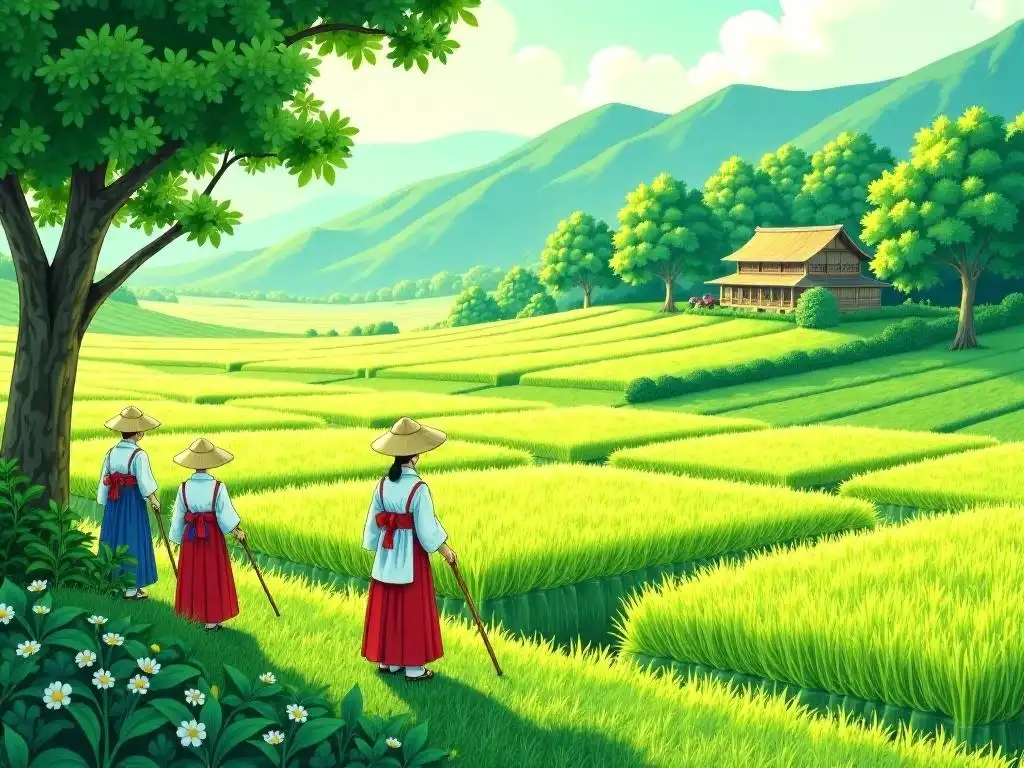
Welcome to Feudal Japan History, where we embark on a fascinating journey through the intricate tapestry of Japan's feudal era. Delve into our latest article on feudal Japan agricultural education, a vital yet often overlooked facet of this period that reveals how knowledge transfer shaped agricultural practices and societal structures. What secrets lie behind the cultivation techniques and educational methods that sustained a nation? Join us as we uncover the rich history that not only fed a society but also forged its very identity. Your exploration of the captivating world of Feudal Japan begins here!
- Introduction to Feudal Japan Agricultural Education
- Historical Context of Agricultural Education in Feudal Japan
- Traditional Methods of Agricultural Education
- Formal Structures of Agricultural Education
- Tools and Techniques in Feudal Japan Agricultural Education
- The Role of Women in Agricultural Education
- Challenges to Agricultural Education in Feudal Japan
- Case Studies of Successful Agricultural Education
- Conclusion: The Legacy of Agricultural Education in Feudal Japan
- References
-
Frequently Asked Questions
- What role did agricultural education play in feudal Japan?
- How was knowledge transferred in feudal Japanese society?
- Were there any formal institutions for agricultural education in feudal Japan?
- How did agricultural practices impact feudal Japan's economy?
- What were the main crops taught in agricultural education during this era?
- Final Reflection: The Enduring Legacy of Agricultural Education in Feudal Japan
- Unveil the Secrets of Agricultural Wisdom in Feudal Japan!
Introduction to Feudal Japan Agricultural Education
In feudal Japan, agricultural education played a crucial role in shaping the social and economic landscape of the era. As the backbone of the economy, agriculture not only provided sustenance but also influenced the hierarchical structure of society. The transfer of knowledge regarding agricultural techniques, crop management, and land use was essential for the prosperity of villages and the survival of communities. This article delves into the various aspects of agricultural education during this significant period, examining how traditional practices were passed down through generations and the impact of this knowledge on feudal society's development.
Overview of Agricultural Practices in Feudal Japan
Agricultural practices in feudal Japan were deeply intertwined with the seasons and the local environment. Farmers primarily cultivated rice, which was considered the staple food and held immense cultural significance. The cultivation of rice involved several intricate steps, including land preparation, planting, weeding, and harvesting. Each of these steps was guided by traditional knowledge and seasonal calendars, which varied by region.
Key practices included:
- Crop Rotation: To maintain soil fertility, farmers practiced crop rotation, alternating rice with legumes and vegetables.
- Irrigation Techniques: The development of sophisticated irrigation systems allowed for more efficient water management, crucial for rice paddies.
- Use of Fertilizers: Organic fertilizers, such as compost and green manure, were commonly utilized to improve soil health.
The knowledge surrounding these practices was often shared through informal education within families and communities, where elders passed down techniques to younger generations, ensuring continuity and adaptation to changing environmental conditions.
Importance of Knowledge Transfer in Feudal Society
Knowledge transfer in feudal Japan was more than just an agricultural necessity; it was a fundamental aspect of societal structure and stability. The transmission of agricultural knowledge contributed to:
- Economic Stability: A well-informed farming community could significantly increase productivity, leading to surplus production that supported trade and the local economy.
- Social Hierarchy: The samurai class, landowners, and farmers had distinct roles, where knowledge of agriculture reinforced the feudal system. Landowners often relied on skilled farmers to manage their estates effectively.
- Cultural Heritage: Agricultural practices were embedded in the cultural identity of communities. Festivals, rituals, and celebrations often revolved around the agricultural calendar, highlighting the integral relationship between agriculture and culture.
The importance of agricultural education in feudal Japan cannot be overstated. It not only facilitated effective farming practices but also played a vital role in the overall social fabric and economic health of feudal society. Understanding this knowledge transfer provides insight into the resilience and adaptability of Japanese agricultural practices throughout history.
Historical Context of Agricultural Education in Feudal Japan

The Feudal System and Its Impact on Agriculture
The feudal system in Japan, which emerged during the Heian period (794-1185) and solidified during the Kamakura period (1185-1333), fundamentally transformed the agricultural landscape. Under this system, land ownership was concentrated in the hands of the nobility, specifically the samurai class, while the peasant population, known as hyakusho, worked the land. This hierarchical structure dictated not only the distribution of land but also the methods and practices of agriculture.
Key Features of the Feudal System and Agriculture:
- Land Ownership: The samurai class received land from the shogun in exchange for military service. This led to the establishment of large estates, called shōen, which were managed by the samurai and worked by peasants.
- Taxation: Peasants were required to pay a portion of their harvest as tax to the landowners. This often left them with minimal produce for their sustenance, emphasizing the need for efficient agricultural practices.
- Knowledge Transfer: Agricultural education was primarily informal and community-based. Experienced farmers would pass down techniques and skills through generations, focusing on sustainable practices and crop rotations that maximized yield.
The feudal system's emphasis on agriculture as a critical economic resource meant that agricultural education was not only about growing food but also about maintaining social order and ensuring the survival of the feudal structure. As a result, agricultural education became a vital component of peasant life, interweaving practical knowledge with cultural traditions.
Key Periods in Feudal Japan's Agricultural Development
Agricultural practices in feudal Japan evolved significantly over the centuries, influenced by various social, political, and environmental factors. Understanding these key periods helps to contextualize the progression of agricultural education.
1. Heian Period (794-1185)
During the Heian period, agricultural production began to shift from subsistence farming to more organized practices. The introduction of new crops, such as rice, became pivotal, with rice cultivation being closely tied to the status of landowners. Agricultural education during this period was rudimentary, often based on oral traditions where experienced farmers taught younger generations about planting seasons and irrigation techniques.
2. Kamakura Period (1185-1333)
The Kamakura period marked a turning point as the samurai class gained more power. This period saw the establishment of large estates and the emergence of new agricultural techniques, including more sophisticated irrigation systems. Agricultural education began to diversify, with an increased focus on efficiency and productivity. Farmers started to adopt better tools and methods, leading to improved crop yields.
3. Muromachi Period (1336-1573)
During the Muromachi period, agricultural advancements continued, with the introduction of new farming technologies and an increase in trade. The rise of merchant classes allowed for the exchange of agricultural knowledge between regions. Education became more structured, and farmers began to form cooperatives, sharing techniques and resources. This collaboration was crucial in promoting sustainable practices and enhancing agricultural productivity.
4. Edo Period (1603-1868)
The Edo period was characterized by relative peace and stability, which allowed agriculture to flourish. The government implemented land surveys and tax reforms, leading to improved agricultural practices. Agricultural education became more formalized, with the establishment of schools focusing on farming techniques, crop management, and soil conservation. Notable texts, such as the "Farming Manual" ( Nōhon), emerged during this time, providing farmers with written guidelines and practices.
The evolution of feudal Japan agricultural education is a testament to the adaptability and resilience of Japanese society. Through these key periods, knowledge transfer became essential for agricultural sustainability and economic stability, reflecting the intertwined nature of education, agriculture, and society in feudal Japan.
Traditional Methods of Agricultural Education
In feudal Japan, agricultural education was an essential component of society, deeply rooted in the community's traditions and practices. Traditional methods of agricultural education were primarily informal and heavily reliant on the transmission of knowledge through personal interactions and experiences. This organic form of education ensured that farming techniques, seasonal practices, and crop management were passed down from generation to generation.
Oral Traditions and Knowledge Sharing
One of the most significant aspects of agricultural education in feudal Japan was the oral tradition. Knowledge was shared verbally through storytelling, which not only preserved practical farming techniques but also incorporated cultural beliefs and values associated with agriculture. Elders would gather around in the evenings, recounting their experiences and insights about farming practices, the significance of certain crops, and the impact of weather patterns on yields.
These stories often included:
- Mythological elements: Many agricultural practices were linked to Shinto beliefs, promoting respect for nature and deities associated with farming.
- Seasonal cycles: Farmers learned about the best times for planting and harvesting through narratives that highlighted the importance of aligning agricultural activities with the changing seasons.
- Community gatherings: Events such as rice planting festivals played a crucial role in sharing knowledge, where farmers would come together to celebrate and exchange tips and techniques.
The reliance on oral traditions ensured that knowledge was not just transferred as technical know-how but was embedded within a larger cultural context that emphasized sustainability and respect for the land.
Role of Elders and Experienced Farmers in Teaching
In the feudal social structure, elders and experienced farmers held a revered position as the primary educators in agricultural practices. Their wealth of knowledge, acquired over years of hands-on experience, made them invaluable resources for younger generations.
Key aspects of their role included:
- Mentorship: Experienced farmers often took on apprentices, guiding them through the intricacies of farming. This mentorship was not limited to technical skills but also included lessons on the ethical and spiritual aspects of agriculture.
- Demonstration: Elders would often demonstrate farming techniques, such as tilling, planting, and harvesting. This practical engagement helped apprentices grasp complex skills more efficiently.
- Problem-solving: Elders played a crucial role in troubleshooting agricultural issues. Their experiences with pests, crop diseases, and seasonal unpredictability equipped them to offer practical solutions.
The respect for elders in feudal Japan fostered a community that valued continuity and stability in agricultural practices, with a strong emphasis on learning through observation and imitation.
Practical Learning in the Fields
Practical learning in the fields was a cornerstone of agricultural education in feudal Japan. This hands-on approach allowed learners to apply theoretical knowledge directly to farming tasks, reinforcing their skills through real-world application.
This practical learning process included:
- Fieldwork: Apprentices participated actively in daily farming activities, from sowing seeds to harvesting crops. This immersive experience was essential for mastering techniques that could not be fully understood through verbal instruction alone.
- Seasonal practices: Learners engaged in cyclical activities that varied with the seasons, allowing them to connect with the agricultural calendar and understand the nuances of crop rotation and soil management.
- Collective efforts: Community farming days, where families worked together, provided opportunities for shared learning and the development of cooperative skills. These collective efforts not only enhanced productivity but also fostered a sense of community and shared responsibility.
By integrating practical learning with traditional knowledge transfer methods, feudal Japan cultivated a robust agricultural education system that ensured the sustainability of its farming practices and the resilience of its communities.
Formal Structures of Agricultural Education
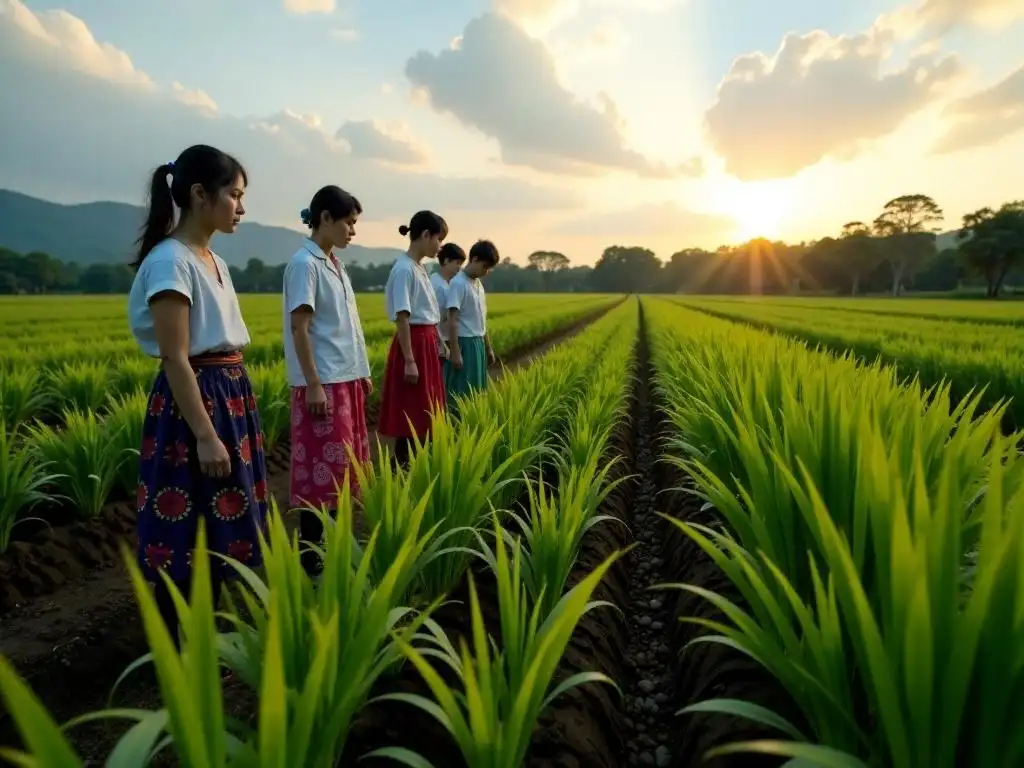
In feudal Japan, agricultural education was not merely a function of formal schooling; it was deeply intertwined with the social, cultural, and religious fabric of the time. The methods of knowledge transfer varied significantly, relying on a blend of traditional practices and communal gatherings. This section explores the formal structures that facilitated agricultural education in this era, highlighting the contributions of temples, landowners, and seasonal festivals.
Temples and Shrines as Educational Centers
Temples and shrines played a crucial role in the agricultural education of feudal Japan. These institutions were not only centers of worship but also hubs for disseminating agricultural knowledge and practices.
- Religious Teachings: Many temples, particularly those associated with Shinto and Buddhism, integrated agricultural teachings into their religious practices. This included rituals that honored agricultural deities, which reinforced the importance of farming within the community context.
- Workshops and Demonstrations: Temples often conducted seasonal workshops where farmers could learn new techniques for rice cultivation, pest control, and soil management. These events provided hands-on experience and allowed farmers to share their own knowledge and innovations.
- Preservation of Knowledge: Monks and priests were instrumental in preserving agricultural texts and traditional practices. They documented effective farming methods, seasonal cycles, and crop rotation techniques, which were shared with the local populace during communal gatherings.
This educational framework fostered a sense of community among farmers and ensured the continuity of agricultural practices across generations.
Role of Landowners in Agricultural Instruction
Landowners, or daimyō, were key figures in the agricultural education of their vassals and the peasantry. Their influence extended beyond land management into the realms of knowledge transfer and skill development.
- Direct Instruction: Landowners often took an active role in teaching their tenants about effective farming practices. They would organize training sessions on irrigation techniques, soil fertility management, and crop diversity, ensuring that their lands were farmed efficiently.
- Incentives for Improvement: Many landowners encouraged innovation by offering incentives to farmers who adopted new methods or achieved higher yields. This could include reduced rents or rewards for those who successfully implemented new agricultural techniques.
- Monitoring and Evaluation: The relationship between landowners and farmers was often symbiotic. Landowners would monitor the progress of their tenants and provide feedback, while farmers would share insights on the practicality of various agricultural methods in the local context.
Through these interactions, landowners not only enhanced agricultural productivity but also contributed to the broader education of feudal society regarding agricultural practices.
Seasonal Festivals and Agricultural Knowledge Transfer
Seasonal festivals in feudal Japan served as vital occasions for the transfer of agricultural knowledge. These events were deeply rooted in tradition and played multiple roles in the community.
- Celebration of Harvests: Festivals celebrated the harvest and were often accompanied by rituals that expressed gratitude to the gods for a bountiful yield. These celebrations provided an opportunity for farmers to share their experiences and techniques with one another.
- Cultural Exchange: Festivals attracted people from different regions, facilitating the exchange of agricultural knowledge across different farming communities. This cross-pollination of ideas often led to the adoption of successful practices from neighboring villages.
- Demonstration of Techniques: During festivals, farmers would often demonstrate traditional farming techniques, such as planting methods or crop processing. This practical approach allowed for experiential learning, which was crucial in a society that relied heavily on agricultural productivity.
Seasonal festivals not only fostered community cohesion but also served as informal educational platforms, reinforcing the importance of agriculture in feudal Japanese society. Through these various formal structures of agricultural education, knowledge was preserved, adapted, and transferred, ensuring the sustainability of farming practices throughout the feudal era.
Tools and Techniques in Feudal Japan Agricultural Education
Farming Tools and Their Educational Significance
In feudal Japan, agricultural education was deeply tied to the tools utilized by farmers. The significance of these tools extended beyond mere functionality; they served as integral components of the knowledge transfer process within rural communities. The primary farming tools included:
- Yoke: Used to harness oxen for plowing, the yoke symbolized the strength and cooperation essential in farming.
- Plow (subsoiler): The plow, particularly the wooden version, was crucial for turning soil. Education around its use included not only practical skills but also the understanding of soil types and crop rotation.
- Sickle (kama): This handheld tool was essential for harvesting rice and other grains. Teaching the proper technique for using sickles was common, emphasizing efficiency and safety.
- Rice Transplanter: As rice became a staple, the introduction of transplanters simplified the labor-intensive process of rice planting, showcasing advancements in agricultural techniques.
These tools were often crafted by local artisans, who shared their skills with the younger generations, ensuring that knowledge about tool maintenance and effective use was perpetuated. The educational aspect of these tools emphasized not just the mechanics but also the cultural importance of agriculture in sustaining feudal Japanese society.
Techniques Passed Down Through Generations
The transmission of agricultural techniques in feudal Japan was primarily oral, with elders teaching younger farmers through hands-on experiences. This knowledge transfer involved several key practices:
- Crop Rotation: Farmers learned about the importance of rotating crops to maintain soil fertility and prevent pests. Techniques were passed down through observations of past harvests and the land's response.
- Irrigation Methods: Mastery of water management was vital in rice cultivation. Techniques such as the construction of terraces and dikes were taught, often involving community collaboration.
- Natural Fertilizers: The use of organic materials, such as compost and green manure, was a common practice. Elders educated the youth about the benefits of enriching soil through natural means rather than relying solely on chemical fertilizers.
The cultural significance of these techniques was immense, as they were not only practical but also intertwined with spiritual beliefs and rituals surrounding agriculture. Festivals and seasonal celebrations often reflected the agricultural calendar, reinforcing the communal aspect of farming knowledge.
Innovations in Agriculture During the Feudal Era
The feudal era in Japan witnessed several significant innovations that shaped agricultural practices and education. Some notable advancements included:
- Introduction of New Crops: The contact with foreign traders during the late feudal period introduced new crops such as sweet potatoes and corn. These crops required new cultivation techniques, which were integrated into local agricultural education.
- Advancements in Fertilization: The development of more effective organic fertilizers, such as fermented fish and animal waste, enhanced productivity. Farmers shared techniques on how to create and apply these fertilizers, improving crop yields.
- Improved Water Management Systems: Innovations like the use of waterwheels and more efficient irrigation channels allowed for better water usage, which was crucial during dry seasons. Knowledge of these systems was disseminated through communal work and festivals.
These innovations were crucial not only for increasing productivity but also for enhancing the resilience of feudal Japan’s agricultural practices. The educational focus on these advancements ensured that farmers could adapt to changing conditions and maintain their livelihoods effectively.
The tools and techniques used in feudal Japan agricultural education were instrumental in shaping not only the farming practices of the time but also the societal structure and cultural identity of rural communities. The legacy of this knowledge transfer continues to influence modern agricultural education in Japan today.
The Role of Women in Agricultural Education
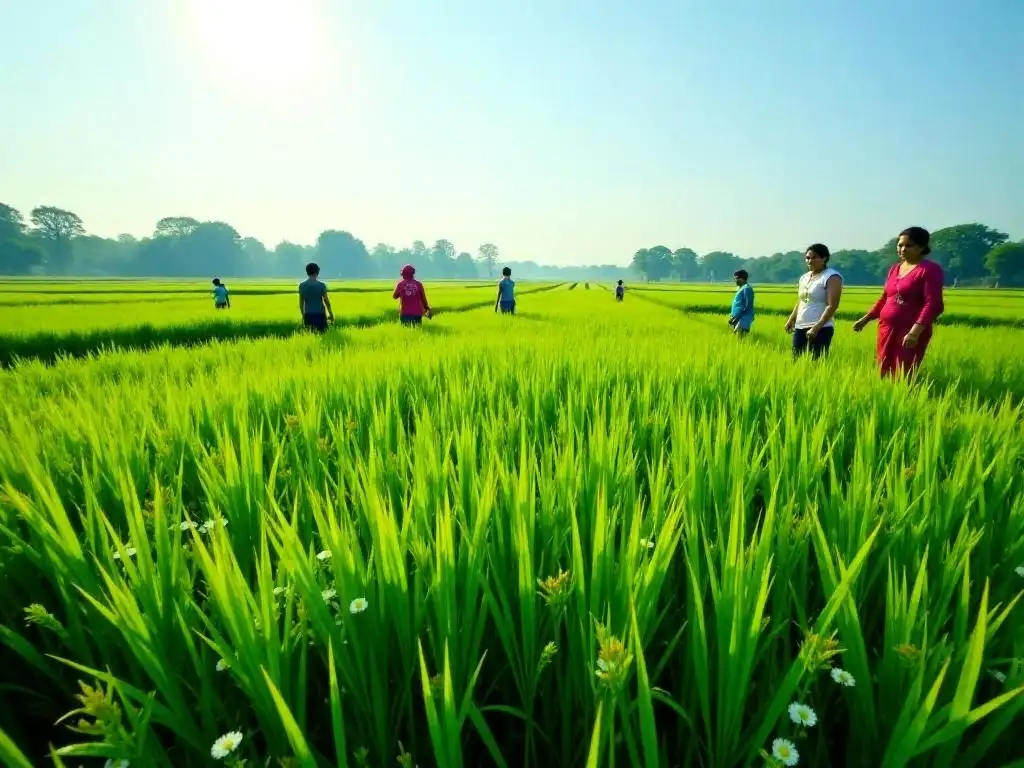
In feudal Japan, women played a crucial yet often underrecognized role in agricultural education and practices. Their contributions were integral not only to the subsistence of their families but also to the broader agricultural landscape of the time. Women's involvement in farming was multifaceted, encompassing the transmission of knowledge, the management of agricultural activities, and the preservation of traditional practices.
Women's Contributions to Farming Knowledge
Women in feudal Japan were pivotal in the cultivation and management of rice fields, which were the backbone of the economy. They were often responsible for planting, weeding, and harvesting rice, as well as managing vegetable gardens and other crops. This hands-on experience allowed them to develop a deep understanding of agricultural techniques, pest management, and seasonal cycles.
- Knowledge Transmission: Women were the primary educators of children in agricultural practices. From a young age, girls learned farming techniques through direct participation alongside their mothers and other female relatives. This informal education system ensured that agricultural knowledge was passed down through generations.
- Innovations in Agriculture: Many women contributed to the development of innovative farming methods. For instance, they experimented with crop rotation and companion planting, which enhanced soil fertility and improved crop yields. These practices were often shared within communities, showcasing women’s role as knowledge bearers in agricultural education.
- Cultural Practices: Women's involvement extended beyond mere farming. They were custodians of agricultural festivals and rituals that honored fertility and the harvest, reinforcing the cultural significance of agriculture in feudal society. Through these practices, they not only participated in but also educated others about the spiritual and cultural dimensions of farming.
The Impact of Gender Roles on Knowledge Transfer
Gender roles in feudal Japan significantly influenced the dynamics of agricultural education and knowledge transfer. The societal structures of the time often relegated women to domestic spaces; however, their agricultural contributions were critical.
- Social Structures: In many farming households, women were seen as the backbone of agricultural activities. While men typically handled tasks that required physical strength, such as plowing, women’s roles were equally essential. This division of labor allowed women to develop specialized knowledge that complemented men's efforts.
- Barriers to Formal Education: Despite their integral role in agriculture, women had limited access to formal education compared to men. This disparity created a reliance on informal methods of knowledge transfer within the family and community. However, the informal education women received was rich and diverse, encompassing a wide range of agricultural practices.
- Evolving Roles: Over the centuries, gender roles began to shift, especially during periods of social upheaval or economic change. Women increasingly participated in agricultural decision-making processes, particularly in the absence of men who were away for military or trade duties. This shift not only empowered women but also enriched the collective agricultural knowledge of communities.
The interplay between gender roles and knowledge transfer in feudal Japan exemplifies how women's contributions were vital to agricultural education. While their efforts were often overshadowed by male counterparts, the legacy of women in farming continues to influence contemporary practices and educational frameworks in Japan.
Challenges to Agricultural Education in Feudal Japan
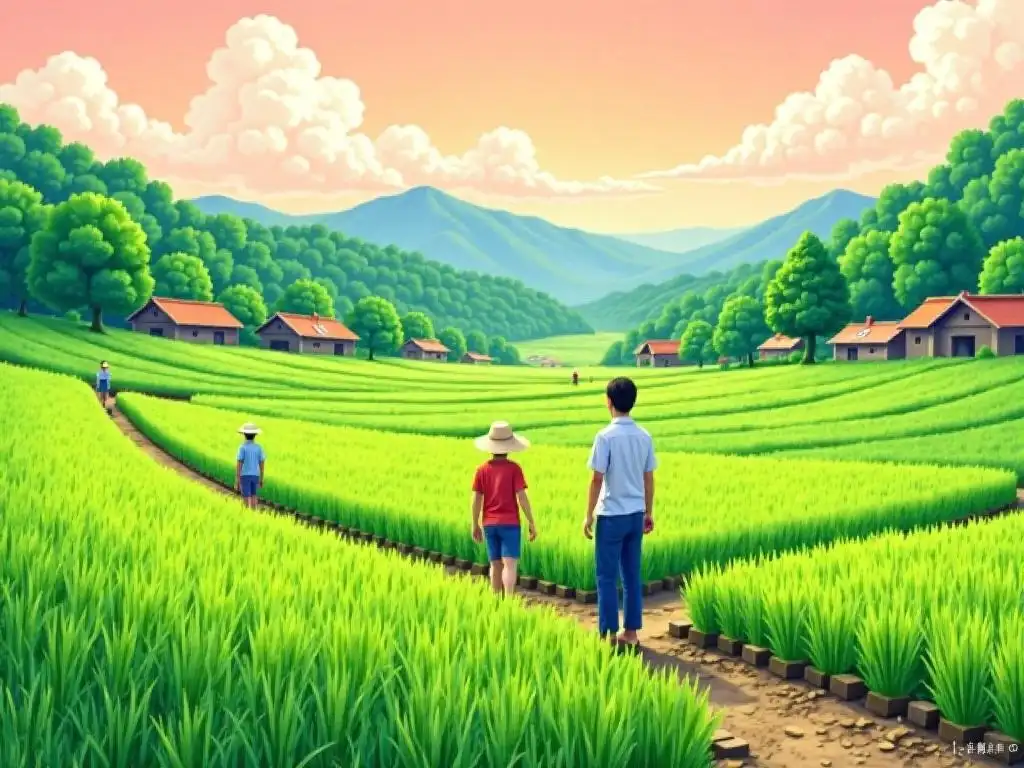
The agricultural education system in feudal Japan faced numerous challenges that hindered effective knowledge transfer among farmers. These challenges arose from the intricate social structures, limited access to resources, and the unpredictable nature of the environment. Understanding these obstacles offers insight into how agricultural practices developed during this historically significant period.
Feudal Japan was characterized by a rigid social hierarchy, which significantly influenced access to agricultural education. The class system, comprising the emperor, samurai, peasants, artisans, and merchants, dictated who could acquire knowledge and skills related to farming.
- Peasantry Limitations: The majority of the population, composed of farmers, had limited access to formal agricultural education. Knowledge transfer often occurred informally through family traditions and local community practices. However, this method meant that only a narrow range of techniques and innovations were shared, often leading to stagnation in agricultural practices.
- Role of Samurai and Landowners: Samurai and wealthy landowners often controlled the land and the resources needed for farming. They were more likely to receive formal education and training, which meant that their understanding of agricultural techniques could vastly differ from that of the peasantry. This disparity created a knowledge gap, further exacerbating the challenges faced by lower classes in improving their agricultural output.
- Cultural Attitudes Towards Education: The prevailing attitudes towards education also played a crucial role. While the samurai class valued education, the peasantry often prioritized labor over learning. This cultural bias diminished the perceived importance of agricultural education among farmers, who were more focused on survival than on enhancing their practices through formal learning.
Natural Disasters and Their Effects on Agricultural Practices
Natural disasters posed significant barriers to agricultural education in feudal Japan, disrupting farming practices and the transfer of knowledge. The geographical layout of Japan made it particularly susceptible to a variety of environmental challenges.
- Earthquakes and Tsunamis: Japan's location along the Pacific Ring of Fire means it is prone to seismic activity. Earthquakes could devastate farmland, destroy irrigation systems, and disrupt the social fabric of farming communities. The immediate need for recovery often overshadowed the importance of educating farmers on sustainable practices.
- Typhoons and Flooding: The seasonal typhoons brought heavy rains and flooding, which could wash away crops and erode soil quality. These natural disasters forced farmers to focus on short-term survival strategies rather than long-term agricultural education. The knowledge that was lost during such events was not easily replaced, leading to cycles of poor agricultural practices.
- Droughts and Crop Failures: Conversely, droughts also had a devastating impact on agricultural education. When crops failed due to lack of water, farmers were reluctant to invest time in educational initiatives, fearing that their efforts would be wasted. As a result, the knowledge that could have been gained through experimentation and education was often lost, leaving communities struggling to adapt to changing conditions.
The challenges to agricultural education in feudal Japan were deeply intertwined with the social hierarchies and natural disasters that shaped the agricultural landscape. These factors not only limited access to knowledge but also created an environment where education was often viewed as a secondary concern to immediate survival needs. Understanding these challenges is essential for appreciating the complexities of agricultural practices during this era.
Case Studies of Successful Agricultural Education
Agricultural education in feudal Japan was not merely a process of imparting knowledge but rather a complex interplay of tradition, community involvement, and innovation. This section delves into notable examples and community-based initiatives that exemplified successful agricultural education during this period.
Notable Examples of Agricultural Innovation
Throughout feudal Japan, various regions became renowned for specific agricultural practices that were often passed down through generations. These innovations were crucial for enhancing productivity and sustainability. Here are a few notable examples:
- Shinden-zukuri (Restoration of Wetland Agriculture):
- Description: Developed during the Heian period and perfected in later centuries, Shinden-zukuri involved reclaiming and cultivating wetlands.
- Impact: This method significantly increased rice production, providing a stable food supply for growing populations.
- Knowledge Transfer: Techniques were shared through village elders who taught younger farmers about water management and soil fertility.
- Sokushin-zukuri (Fast-Ripening Rice Varieties):
- Description: In response to climate variability, farmers developed fast-ripening rice strains, such as "Koshihikari."
- Impact: This innovation allowed for multiple harvests within a single year, enhancing food security.
- Knowledge Transfer: Farmers exchanged seeds and cultivation practices at local festivals, fostering community engagement in agricultural advancement.
- Crop Rotation and Intercropping:
- Description: Farmers practiced crop rotation, alternating different crops to maintain soil nutrients and reduce pests.
- Impact: This sustainable method improved yields and minimized the risk of crop failure.
- Knowledge Transfer: Community gatherings served as platforms for sharing successful practices and results, ensuring a collective understanding of sustainable agriculture.
Community-Based Learning Initiatives
Community involvement played a pivotal role in the agricultural education of feudal Japan. Various initiatives were established to enhance knowledge transfer among farmers, ensuring that critical agricultural skills and techniques were preserved and improved over generations.
- Village Agricultural Festivals:
- Description: Annual festivals celebrated the harvest and provided a venue for sharing innovations.
- Activities: Demonstrations of farming techniques, seed exchanges, and storytelling from older generations occurred during these events.
- Outcome: These gatherings fostered a sense of community and enhanced collective learning among farmers.
- Mentorship Among Farmers:
- Description: Experienced farmers often took younger individuals under their wing, providing hands-on training in agricultural practices.
- Impact: This mentorship ensured that essential skills, such as planting techniques and pest control, were effectively transmitted.
- Structure: The informal nature of this learning allowed for personalized education, adapting to the specific needs of each apprentice.
- Cooperative Farming Practices:
- Description: Farmers formed cooperative groups to share resources, tools, and knowledge.
- Impact: This collaboration not only improved efficiency but also enhanced learning opportunities through shared experiences.
- Example: The "Hiki" system in certain regions allowed community members to pool labor for larger farming tasks, facilitating the exchange of agricultural techniques.
The agricultural education in feudal Japan was characterized by a rich tapestry of community engagement and innovative practices. These case studies highlight the importance of collaboration, tradition, and continuous learning in enhancing agricultural productivity and sustainability. The legacy of these educational initiatives has had lasting impacts on Japan's agricultural landscape, influencing practices even in modern times.
Conclusion: The Legacy of Agricultural Education in Feudal Japan

Agricultural education during the feudal era of Japan played a pivotal role in shaping not only the agricultural practices of the time but also the socio-economic structure of the society. The intricate systems of knowledge transfer among farmers, landowners, and the samurai class ensured that agricultural techniques were refined, sustainable, and aligned with the agricultural needs of the period. These educational practices were often informal, rooted in community gatherings and hands-on experiences, which contributed to a robust agricultural framework that sustained feudal Japan's population.
The legacy of this agricultural education can still be observed today, as modern Japanese agriculture reflects principles and practices that have their origins in this historic knowledge transfer. Understanding the methods, crops, and philosophies of the feudal period allows for a deeper appreciation of how agricultural education has evolved over centuries to meet contemporary challenges.
Lasting Impacts on Modern Japanese Agriculture
The influence of feudal Japan agricultural education persists in various aspects of modern agriculture in Japan. Here are some key areas where historical practices continue to shape current methodologies:
- Crop Rotation and Diversification: Techniques established during the feudal era, such as crop rotation, are still essential in preventing soil depletion and ensuring sustainable yields. Modern farmers have built upon these practices to enhance productivity while maintaining ecological balance.
- Community-Based Learning: The communal approach to agricultural education seen in feudal Japan has paved the way for modern cooperative farming practices. Farmers often share knowledge and resources, echoing the collaborative spirit of the past.
- Traditional Techniques: Many traditional farming techniques, including the use of organic fertilizers and natural pest control methods, have gained renewed interest in contemporary agriculture, driven by a growing awareness of environmental sustainability.
- Culinary Practices: The crops cultivated during the feudal period have influenced modern Japanese cuisine. The emphasis on seasonal ingredients and regional specialties can be traced back to the agricultural education of the time.
Reflection on Knowledge Transfer and Cultural Heritage
The methods of knowledge transfer in feudal Japan were deeply intertwined with the cultural heritage of the nation. Key reflections on this aspect include:
- Role of the Samurai Class: The samurai, often landowners and overseers of agricultural production, played a crucial role in the dissemination of agricultural knowledge. Their involvement ensured that agricultural practices were not only efficient but also respected within the broader cultural context.
- Oral Traditions and Practices: The reliance on oral traditions for the transfer of agricultural knowledge highlights the importance of cultural storytelling in education. These narratives were not only instructional but also helped to forge communal identities.
- Integration of Spiritual Beliefs: Agricultural practices in feudal Japan were often linked to spiritual beliefs, with rituals and festivals marking the agricultural calendar. This integration of spirituality and agriculture created a holistic approach to farming that valued harmony with nature.
- Resilience and Adaptation: The adaptability of agricultural knowledge over time reflects the resilience of both the agricultural practices and the communities that employed them. This adaptability is a testament to the importance of continuous learning and knowledge sharing, principles that are still relevant today.
The legacy of agricultural education in feudal Japan is profound, with lasting impacts on modern agricultural practices and a rich cultural heritage that continues to influence Japanese society. The intricate web of knowledge transfer established during this era serves as a foundation for ongoing innovations in agriculture, ensuring that the lessons of the past remain relevant in the face of contemporary challenges.
References
Agricultural education in feudal Japan was not only pivotal for the economic stability of the era but also played a significant role in the cultural fabric of Japanese society. The references compiled here provide a comprehensive overview of the various aspects of agricultural education during this period, emphasizing its significance and evolution.
Suggested Readings on Feudal Japan Agricultural Education
-
"The Role of Agriculture in the Economy of Feudal Japan"
This book examines the intricate relationship between agriculture and the overall economic framework of feudal Japan, highlighting the importance of agricultural practices and education.
-
"Traditional Japanese Farming Techniques"
A detailed exploration of the farming methods employed in feudal Japan, this reading delves into the educational practices that transmitted this knowledge across generations.
-
"The Samurai and the Soil: Analyzing the Connection Between Warrior and Farmer"
This text investigates the unique bond between samurai and agricultural practices, showcasing how agricultural education was intertwined with the samurai code and land stewardship.
-
"Rural Society in Feudal Japan: A Study of Peasant Life"
This resource offers insights into the rural communities of feudal Japan, focusing on the educational systems in place that ensured the transfer of agricultural knowledge.
-
"Agricultural Innovations and Their Impact on Feudal Japanese Society"
A comprehensive look at the advancements in agricultural practices, this book discusses how education was crucial in implementing new techniques and improving productivity.
Academic Sources for Further Research
-
"Japan's Agricultural History: From Prehistoric Times to the Present"
A scholarly article that traces the evolution of agriculture in Japan, emphasizing the educational methodologies that facilitated knowledge transfer throughout history.
-
"Learning from the Land: Educational Practices in Feudal Japan"
This research paper details the formal and informal educational structures that existed, focusing on how agricultural knowledge was disseminated among different social classes.
-
"The Feudal System and Its Agricultural Foundations"
An analysis of the feudal system in Japan, exploring how agricultural education was critical to maintaining social order and economic productivity.
-
"Peasant Education in Japan: Historical Perspectives"
This academic journal article discusses the pedagogical approaches used to educate peasants, particularly in agricultural practices, during the feudal era.
-
"Cultural Heritage and Agricultural Education in Edo Japan"
This paper explores the intersection of cultural practices and agricultural education, providing insights into how traditions influenced farming techniques and knowledge transfer.
These references collectively offer a thorough understanding of feudal Japan agricultural education, providing both foundational knowledge and avenues for deeper exploration into this significant aspect of Japan's economic history.
Frequently Asked Questions
What role did agricultural education play in feudal Japan?
Agricultural education was essential for improving farming techniques, ensuring food security, and sustaining the feudal economy. It involved the transfer of knowledge from experienced farmers to novices.
How was knowledge transferred in feudal Japanese society?
Knowledge transfer occurred through apprenticeships, family traditions, and community gatherings, where seasoned farmers shared their expertise on crops and farming practices.
Were there any formal institutions for agricultural education in feudal Japan?
While there were no formal schools dedicated to agricultural education, local temples and landowners often organized informal training sessions focusing on crop cultivation and farming skills.
How did agricultural practices impact feudal Japan's economy?
Agricultural practices were the backbone of feudal Japan's economy, providing sustenance and trade goods that supported the samurai class and ensured the stability of the social hierarchy.
What were the main crops taught in agricultural education during this era?
Key crops included rice, barley, and millet, which were central to Japanese agriculture. Education focused on techniques to enhance yield and manage resources effectively.
Final Reflection: The Enduring Legacy of Agricultural Education in Feudal Japan
The intricate tapestry of agricultural education in feudal Japan serves as a powerful reminder of how knowledge transfer shapes societies and sustains cultures. In a time when the agrarian lifestyle was paramount to survival, the methods and practices developed during this era laid the groundwork for modern agricultural techniques. Today, as we face global challenges in food security and sustainable farming, the lessons from feudal Japan resonate more than ever, urging us to revisit and learn from historical practices that prioritized community and environmental harmony.
Cultural and social landscapes are profoundly influenced by the ways in which knowledge is shared and preserved. The agricultural education systems of feudal Japan were not merely about farming; they were about cultivating a sense of community, respect for nature, and the importance of passing down wisdom through generations. This legacy continues to influence contemporary agricultural practices and educational frameworks. Education is the most powerful weapon which you can use to change the world.
– Nelson Mandela. This quote encapsulates the transformative power of education, echoing the sentiments of feudal Japan where knowledge was a vital tool for societal advancement.
As we reflect on the significance of agricultural education in feudal Japan, let us take this opportunity to examine our own relationship with knowledge and its transfer in our lives. Consider how you can contribute to the sharing of wisdom in your community, whether through mentorship, education, or sustainable practices. By embracing the lessons of the past, we can cultivate a future that honors tradition while innovating for the challenges ahead. Let us be inspired to engage actively in the ongoing journey of learning and sharing, ensuring that the legacy of agricultural education continues to thrive.
Unveil the Secrets of Agricultural Wisdom in Feudal Japan!
Thank you for diving deep into the fascinating world of agricultural education in feudal Japanese society! By exploring how knowledge was transferred and cultivated, you've gained unique insights into the intricate relationships between culture, agriculture, and education. Now, it's your turn to carry this knowledge forward.
Here are some actionable steps you can take to deepen your understanding and engage with this topic:
- Dive Deeper into History: Explore local libraries or online databases for books and documentaries about agricultural practices in feudal Japan to expand your knowledge base.
- Share Your Insights: Discuss your findings with friends or on social media. Start a conversation about the significance of agricultural education in both historical and contemporary contexts.
- Explore a Related Field: Consider volunteering at or visiting a community garden to experience firsthand the agricultural methods inspired by traditional practices!
What aspect of agricultural education in feudal Japan do you find most intriguing, and how do you think these practices could inspire modern agricultural techniques?