
The Seasonal Festivals of Harvest: A Deep Dive into Agricultural Traditions

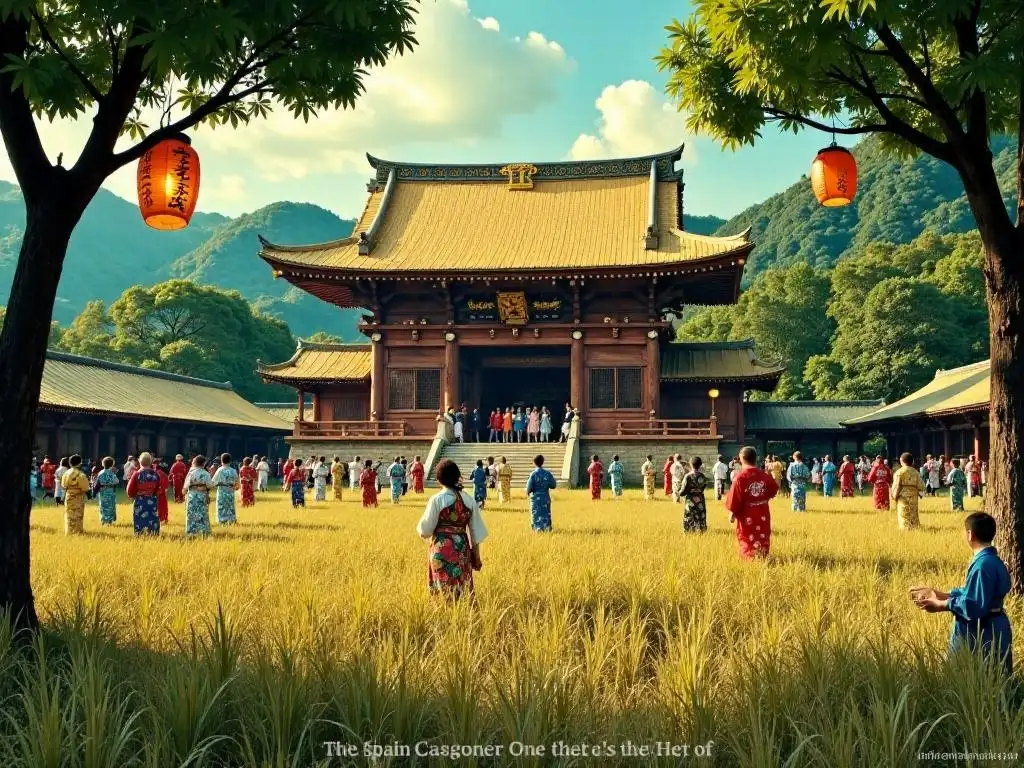
Welcome to Feudal Japan History, your gateway to the rich tapestry of Japan’s feudal era! Here, we delve into the captivating world of Japan harvest festivals traditions, where agriculture and culture intertwine to create vibrant celebrations that echo through time. Discover how these seasonal festivals not only honor the bounty of the land but also reflect the intricate societal dynamics of the era. Ready to uncover the stories behind these age-old traditions? Join us on this enlightening journey as we explore the profound significance of harvest festivals in shaping Japan’s economic history!
Introduction to Harvest Festivals in Japan
Japan's rich tapestry of cultural traditions is deeply intertwined with its agricultural practices, particularly during the seasonal harvest festivals, known as "Nōka Matsuri". These celebrations not only mark the culmination of the hard work put into cultivating the fields but also serve as a vital reflection of the spiritual and communal life of feudal society.
The festivals embody a profound appreciation for the land and its bounty, highlighting the significance of agriculture in shaping the social fabric of Japan. Through an exploration of these festivals, we gain insight into the Japan harvest festivals traditions that have persisted over centuries, revealing the intricate connections between agriculture, spirituality, and community in the historical context of feudal Japan.
Overview of Japan's Agricultural Traditions
Agriculture has always been the backbone of Japanese society, especially during the feudal era when the economy was predominantly agrarian. Traditional practices revolved around the cultivation of rice, which was not only a staple food but also a symbol of prosperity and social status. The seasonal cycles dictated the agricultural calendar, leading to a series of festivals:
- Rice Planting Festivals: Celebrated in spring, where communities would gather to bless and initiate the planting of rice.
- Harvest Festivals: Occurring in autumn, these festivals were a time of thanksgiving for the year’s yield.
- Post-Harvest Celebrations: Marking the completion of harvest, often with feasting and communal activities.
These traditions fostered a strong sense of community and reinforced the connection to the land, as families and villages worked together to celebrate and give thanks for their crops.
Importance of Harvest Festivals in Feudal Society
In feudal Japan, harvest festivals played a crucial role in maintaining social cohesion and cultural identity. They served multiple functions:
- Religious Significance: Many festivals involved ceremonies to honor deities and spirits, reflecting the agrarian spirituality that permeated daily life.
- Social Gathering: These events provided an opportunity for communities to come together, strengthening bonds and fostering collaboration among villagers.
- Economic Impact: Harvest festivals often involved the exchange of goods, showcasing local produce and crafts, thus supporting the local economy.
The significance of these festivals extended beyond mere celebration; they were integral to the very structure of feudal society, shaping relationships and ensuring the continued survival of cultural practices.
Historical Context of Harvest Festivals in Feudal Japan
To fully appreciate the depth of Japan's harvest festivals, it is essential to examine their historical context within the framework of feudal Japan's agricultural practices.
Evolution of Agricultural Practices
Agricultural practices in Japan evolved significantly over the centuries, influenced by climatic conditions, technological advancements, and social changes. Key developments included:
- Irrigation Systems: The introduction of sophisticated irrigation techniques allowed for more efficient rice cultivation.
- Crop Rotation: Farmers began implementing crop rotation, enhancing soil fertility and crop yield.
- Farming Tools: Innovations in tools and methods increased productivity, leading to more abundant harvests.
These advancements not only improved agricultural output but also contributed to the complexity and richness of harvest festivals, as communities had more to celebrate with each successful yield.
Influence of Religion and Spirituality on Harvest Traditions
Religion and spirituality played a pivotal role in shaping Japan's agricultural traditions. The intertwining of Shinto beliefs with farming practices led to the establishment of various rituals and ceremonies aimed at ensuring a good harvest. Notable influences include:
- Kami Worship: The veneration of kami (spirits) associated with agriculture, particularly the rice deity Inari, was central to harvest rituals.
- Festivals and Offerings: Communities would offer the first fruits of the harvest to the kami, seeking blessings for future prosperity.
- Seasonal Rites: Many festivals were closely aligned with the lunar calendar, reflecting the agricultural cycle and reinforcing the spiritual connection to the land.
These elements not only enriched the cultural landscape of feudal Japan but also underscored the profound respect that the Japanese people held for nature and its cycles, evident in the vibrant traditions surrounding harvest festivals.
Key Japan Harvest Festivals Traditions
Japan's agricultural landscape has historically been shaped by its distinct seasons, and the harvest festivals, known as shukuhatsu (収穫祭), are a vibrant reflection of this relationship. These festivals were integral to feudal Japanese society, serving not only as a means to celebrate the bountiful harvest but also as a way to express gratitude to the deities for their blessings. The traditions surrounding these festivals are rich and varied, often involving local customs, rituals, and community participation.
Typically held in late autumn, these festivals marked the culmination of the agricultural year. The major elements of these celebrations included:
- Ritual Offerings: Farmers would present a portion of their harvest to the local kami (deities) as a sign of gratitude. This practice underscored the deep spiritual connection between the land and its people.
- Community Gatherings: Villagers came together to partake in feasting, music, and dance, fostering a sense of unity and shared identity.
- Traditional Games and Performances: Festivals often featured traditional activities such as kagura (a form of Shinto music and dance) and various local sports, enhancing the festive atmosphere.
These traditions have evolved yet remain rooted in the cultural and historical fabric of Japan, continuing to influence modern celebrations.
Major Harvest Festivals Celebrated in Feudal Japan
Several harvest festivals were prominent during the feudal era, each with unique characteristics and significance. Some of the major festivals included:
- Niiname-sai (新嘗祭): This is one of the oldest and most significant harvest festivals, celebrated in November. It involved the Emperor offering the first rice of the season to the deities, symbolizing the connection between the ruler and agricultural prosperity.
- Chusei-sai (中正祭): Held in various regions, this festival celebrated the mid-autumn harvest. It featured community feasting and rituals to thank the gods for the year’s yield.
- Tori-no-Ichi (酉の市): Although it has evolved into a market festival, its roots lie in agricultural traditions. Celebrated in November, it was originally a time to pray for a good harvest and to sell lucky bamboo rakes that were believed to bring prosperity.
- Mikoshi Matsuri (神輿祭り): While primarily a shrine festival, many of these celebrations included harvest-related rituals, where portable shrines were paraded through villages, symbolizing the deities' blessings on the harvest.
Each of these festivals served as a reminder of the agrarian lifestyle and the importance of communal efforts in achieving prosperity.
Cultural Significance of Harvest Festivals
Harvest festivals held immense cultural significance in feudal Japan, transcending their agricultural roots to become vital social and spiritual events. They were moments of reflection, gratitude, and renewal for the community.
These gatherings allowed people to pause from the demands of everyday life, reconnect with each other, and celebrate their shared reliance on the land. The festivals reinforced the collective identity of the village, highlighting the interdependence among its members.
Moreover, these celebrations were steeped in rituals that conveyed respect for nature and the cycles of life. They served as a reminder of the transient nature of prosperity and the need to honor the earth's gifts, a belief deeply ingrained in Japanese culture.
The Role of Festivals in Community Cohesion
The role of harvest festivals in fostering community cohesion cannot be overstated. In feudal Japan, these festivals provided a platform for villagers to engage with one another, strengthening social bonds and reinforcing communal identity.
- Shared Responsibilities: The preparation for these festivals typically required collective effort, from organizing the rituals to preparing food and decorations. This collaboration fostered teamwork and a sense of belonging.
- Cultural Exchange: Festivals were occasions for people from neighboring villages to gather, allowing for the exchange of ideas, customs, and even agricultural practices, enriching the cultural tapestry of the region.
- Celebration of Heritage: Each festival was an opportunity for communities to showcase their unique traditions and practices, reinforcing their cultural legacy and instilling pride in local identity.
Through these interactions, harvest festivals became a vital means of maintaining social harmony and ensuring the continuation of cultural traditions.
Symbolism of Rituals and Offerings in Harvest Celebrations
The rituals and offerings made during Japan's harvest festivals are imbued with deep symbolism, reflecting the spiritual beliefs of feudal society.
- Ritual Offerings: The act of presenting a portion of the harvest to deities symbolizes gratitude and recognition of the divine forces that govern agriculture. This practice illustrates the belief that human prosperity is intertwined with spiritual favor.
- Rice as a Sacred Element: Rice is often considered a sacred food in Japan, representing life and sustenance. Its central role in harvest rituals emphasizes its importance in both agricultural practices and spiritual life. The offerings often included mochi (rice cakes), which were believed to carry the essence of the harvest.
- Seasonal Cycles: The timing of these festivals aligns with the natural cycles of planting and harvesting, reinforcing the community's connection to the land. The rituals often included elements designed to ensure fertility for the future, illustrating the forward-looking aspect of these celebrations.
Overall, the symbolism inherent in these rituals and offerings highlights the profound respect held by feudal Japanese society for nature, agriculture, and the divine, creating a framework for understanding their agricultural traditions.
Agricultural Practices Associated with Harvest Festivals
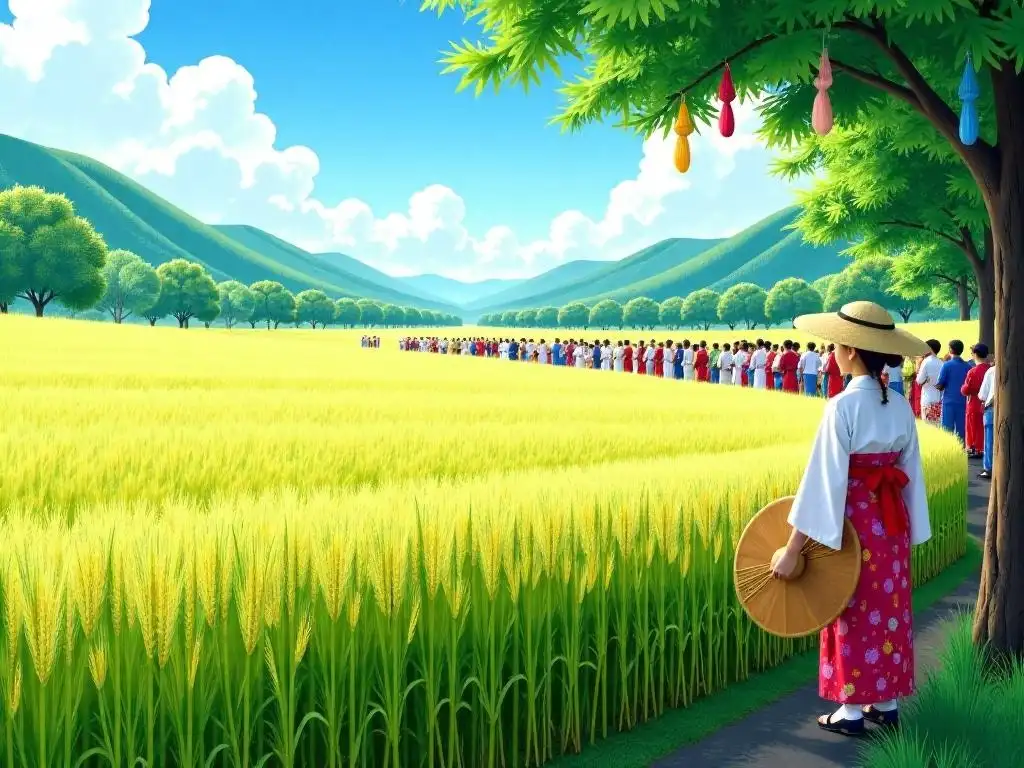
Harvest festivals in Japan are deeply rooted in the agricultural practices that have shaped the nation’s landscape for centuries. These festivals are not merely celebrations; they are integral to the agricultural calendar and reflect the close relationship between the Japanese people and their land. Traditionally, these festivals coincide with the rice harvest, which is the cornerstone of Japanese agriculture.
During these festivals, various rituals and ceremonies are performed to honor the gods and spirits that oversee the harvest. In many regions, the Shinto practice of “Niiname-sai”, where the first fruits of the harvest are presented to the deities, is a significant event. Other practices include purification rites, offerings, and community feasts that emphasize gratitude for the bountiful harvest.
Traditional Farming Techniques and Their Impact on Festivals
The traditional farming techniques employed during Japan's feudal era significantly influenced the character and customs of harvest festivals. Methods such as paddy cultivation, which was predominant in rice farming, required a cycle of planting, maintaining, and harvesting that was closely monitored and celebrated.
Farmers relied heavily on natural indicators—such as the lunar calendar and seasonal changes—to determine the right time for planting and harvesting. This reliance fostered a deep-seated connection to the land, resulting in rituals that celebrated the earth's cycles. For instance, the “Tōrōnagashi” festival, where lanterns are floated on rivers, symbolizes the end of the harvest season and expresses gratitude for the year’s yield.
Moreover, techniques such as crop rotation and the use of organic fertilizers helped sustain soil fertility, ensuring that harvests remained plentiful. These practices were often celebrated through local festivals, where communities would come together to showcase their agricultural prowess.
Seasonal Cycles and Their Influence on Festival Timing
The timing of harvest festivals in Japan is intricately linked to the seasonal cycles, particularly the transition from summer to autumn. As the rice and other crops reached maturity, communities would organize festivals to mark the culmination of the agricultural year.
The autumn equinox, a time when day and night are of equal length, often signified the start of these celebrations. Festivals such as “Matsuri” emerged around this period, allowing communities to express their gratitude for the harvest while also seeking blessings for future crops.
The festivals also served as a means to strengthen community bonds, with rituals that involved music, dance, and communal feasting. This seasonal timing was particularly important as it aligned with the agricultural practices of planting and harvesting, ensuring that the celebration was relevant to the community’s economic and social life.
Modern-Day Reflections of Feudal Harvest Traditions
The legacy of feudal harvest traditions continues to resonate in contemporary Japan, where many of these festivals still thrive. While the methods of agriculture and societal structures have evolved, the core values of gratitude and community remain central to these celebrations.
Preservation of Harvest Festivals in Contemporary Japan
Today, many regions in Japan actively preserve their harvest festivals as a means of maintaining cultural heritage. Festivals such as “Inaho Matsuri” in Niigata and “Kushi Matsuri” in Kumamoto showcase traditional rituals, dances, and agricultural exhibitions that harken back to feudal times.
Local governments and cultural organizations play a pivotal role in organizing these events, often incorporating educational programs to teach younger generations about the significance of these traditions. As a result, harvest festivals have become a focal point for tourism, attracting visitors eager to experience Japan's rich agricultural heritage.
The Impact of Urbanization on Agricultural Traditions
While many harvest festivals persist, urbanization has posed challenges to the preservation of these agricultural traditions. As cities expand and rural areas decline, the number of practicing farmers has decreased, impacting the community's ability to participate in traditional harvest activities.
Urbanization has also led to the commercialization of some festivals, where the focus shifts from community-based celebrations to tourism-driven events. This shift can dilute the traditional practices and significance of the festivals. However, many communities are finding ways to adapt, integrating modern elements while striving to maintain the essence of their historical customs.
Japan's harvest festivals represent a vibrant tapestry of agricultural traditions that are deeply rooted in the country's feudal past. As the nation navigates the complexities of modern life, these traditions continue to evolve, reflecting both the challenges and the resilience of Japanese culture.
Conclusion: The Enduring Legacy of Japan's Harvest Festivals
Japan's harvest festivals, or "Niinamesai" and "Matsuri," have played a significant role in shaping the country's cultural landscape. These festivals are not merely celebrations of the agricultural bounty; they are a confluence of tradition, spirituality, and community bonding. Originating from ancient rituals meant to honor the rice deity and express gratitude for the year's harvest, these festivals have evolved over centuries while retaining their core significance. The vibrant displays of local customs, food offerings, and communal festivities reflect the rich tapestry of Japan's agricultural heritage.
The enduring legacy of these harvest festivals is evident in their continued relevance today. They serve as a reminder of the deep connection between the Japanese people and their land. As modern agriculture and urbanization threaten to overshadow traditional practices, these festivals stand as a bastion of cultural identity, preserving historical narratives and reinforcing social ties within communities. Through the lens of these celebrations, one can appreciate not only the agricultural practices of the past but also the values of gratitude, respect, and unity that continue to resonate in contemporary Japan.
Summary of Key Points on Harvest Festivals Traditions
- Cultural Significance: Harvest festivals in Japan are deeply rooted in the Shinto belief system, emphasizing the relationship between humans and nature. These festivals honor deities, particularly those associated with rice cultivation, showcasing the spiritual dimension of agriculture.
- Local Variations: Each region in Japan has its own unique harvest festival, reflecting local customs, agricultural practices, and community values. For instance, the "Kanto Matsuri" features elaborate floats and processions, while the "Takayama Matsuri" is known for its stunning lanterns and traditional music.
- Rituals and Offerings: Traditional rituals often include offerings of rice, sake, and seasonal vegetables to deities, symbolizing gratitude for the harvest. These practices reinforce the community's connection to the land and its resources.
- Community Involvement: Harvest festivals foster community spirit, bringing together people of all ages to participate in various activities, from preparing food to performing traditional dances. This communal aspect strengthens social bonds and preserves local traditions.
- Modern Adaptation: While rooted in tradition, many harvest festivals have adapted to modern times, incorporating contemporary elements while maintaining their historical significance. This adaptability ensures their relevance for future generations.
The Importance of Preserving Agricultural Heritage in Japan
Preserving agricultural heritage, including the traditions surrounding Japan's harvest festivals, is critical for several reasons. Firstly, it safeguards unique cultural practices that embody the history and identity of various communities. As globalization threatens to homogenize cultures, these festivals provide a means of maintaining local customs and narratives that have been passed down through generations.
Additionally, agricultural heritage plays a vital role in promoting sustainable agricultural practices. By understanding and valuing traditional farming techniques, modern farmers can draw inspiration from time-tested methods that prioritize environmental stewardship and biodiversity. This connection to the past can guide contemporary agricultural practices toward sustainability.
Furthermore, the economic impact of preserving harvest festivals cannot be overlooked. These celebrations attract tourism, offering local economies a chance to thrive through the promotion of regional foods, crafts, and cultural experiences. By investing in these festivals, communities can benefit economically while also fostering a sense of pride in their heritage.
Preserving Japan's agricultural heritage, particularly through its harvest festivals, is essential for cultural identity, sustainable practices, and economic vitality. As these traditions continue to evolve, they must be nurtured and celebrated, ensuring that they remain an integral part of Japan's rich historical tapestry.
- Introduction to Harvest Festivals in Japan
- Historical Context of Harvest Festivals in Feudal Japan
- Key Japan Harvest Festivals Traditions
- Cultural Significance of Harvest Festivals
- Agricultural Practices Associated with Harvest Festivals
- Modern-Day Reflections of Feudal Harvest Traditions
- Conclusion: The Enduring Legacy of Japan's Harvest Festivals
Frequently Asked Questions
What are the main harvest festivals in Japan?
Japan hosts various harvest festivals, such as Niinamesai and Kagura Matsuri, which celebrate the abundance of crops and express gratitude to the deities for a successful harvest.
How do cultural traditions influence Japanese harvest festivals?
Cultural traditions, including Shinto rituals and local customs, play a crucial role in shaping the ceremonies, dances, and offerings during harvest festivals, reflecting the unique identity of each region.
What agricultural practices are celebrated during these festivals?
During harvest festivals, communities often showcase traditional agricultural practices such as rice planting and harvesting, which are integral to Japan's agrarian society and are celebrated through various performances and rituals.
How do seasonal changes affect harvest festival dates in Japan?
The dates of harvest festivals in Japan are generally aligned with seasonal changes, particularly the autumn equinox, when crops are typically harvested, ensuring that festivities coincide with the bounty of nature.
Why are harvest festivals important for Japanese society?
Harvest festivals are vital for Japanese society as they foster a sense of community, strengthen cultural identity, and promote intergenerational connections, allowing traditions to be passed down through the years.
Final Reflection: Celebrating the Bounty of Tradition
The rich tapestry of Japan's harvest festivals serves as a poignant reminder of our connection to the land and the cycles of nature. In a world increasingly dominated by technology and urbanization, these age-old traditions stand as a testament to the enduring importance of agriculture in our lives. They not only celebrate the fruits of labor but also reinforce community bonds and cultural identity, reminding us that our roots are deeply intertwined with the earth.
Cultural traditions like Japan's harvest festivals continue to shape our social landscape, fostering a sense of belonging and continuity. These celebrations are not merely events; they are living expressions of gratitude and reverence for the natural world. As we gather to partake in these festivities, we honor the generations that came before us and the wisdom they imparted. Tradition is not the worship of ashes, but the preservation of fire.
This quote encapsulates the essence of our agricultural heritage, urging us to keep the flame of these traditions alive for future generations.
As you reflect on the significance of harvest festivals, consider how you can incorporate elements of gratitude and community into your own life. Embrace the lessons of these traditions, whether through celebrating the bounty of your own harvest or simply taking a moment to appreciate the food on your table. Let the spirit of these festivals inspire you to cultivate a deeper connection with nature and your community, ensuring that the legacy of these vibrant traditions endures for years to come.
Embrace the Harvest Spirit!
Thank you for diving into the fascinating world of seasonal harvest festivals in feudal Japan! Your interest not only enriches your understanding of agricultural traditions but also connects you to a cultural legacy steeped in gratitude and celebration. Now that you’re inspired, let’s take some actionable steps to further explore this vibrant topic!
- Join a local or virtual harvest festival to experience the celebrations firsthand and keep the tradition alive.
- Share your favorite seasonal recipes or festival stories with friends and family to spread the joy of these rich customs.
- Consider volunteering at a community garden to immerse yourself in agricultural practices and appreciate the fruits of your labor!
How do you celebrate the changing seasons in your own life? We invite you to share your thoughts and experiences with us!