
The Evolution of Farming Tools: A Look at Feudal Japanese Technology

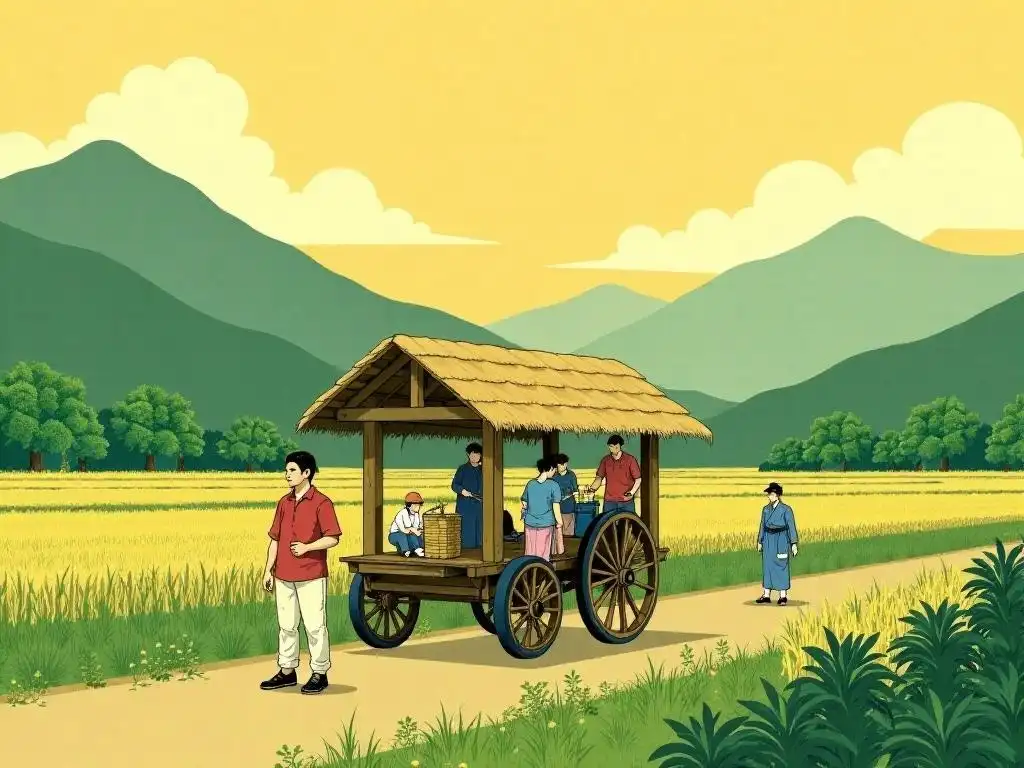
Welcome to Feudal Japan History, where we invite you to embark on a journey through the captivating tapestry of Japan’s feudal era. In our featured article, "The Evolution of Farming Tools: A Look at Feudal Japanese Technology," we delve into the fascinating history of Feudal Japan farming tools, revealing how these innovations shaped agricultural practices and societal structures.
Discover the ingenious methods that sustained communities and fueled an entire economy, and prepare to be intrigued by the stories behind the tools that transformed an age. Continue exploring with us, and uncover the layers of history that have defined this remarkable period!
Introduction to Feudal Japan Farming Tools History
The history of farming tools in Feudal Japan is a fascinating window into the agricultural practices that shaped the nation’s economy and society during its feudal era. This period, spanning several centuries, witnessed remarkable advancements in agricultural technology that not only improved crop yields but also influenced the social structure and daily lives of the people.
Understanding the evolution of these farming tools is crucial to grasping the broader context of Feudal Japan's agricultural heritage and its impact on the socio-economic dynamics of the time. In this article, we will delve into the intricate relationship between farming tools and the agricultural practices in Feudal Japan, examining how these innovations played a pivotal role in the sustenance and development of the community.
Overview of Agriculture in Feudal Japan
Agriculture was the backbone of Feudal Japan's economy, with rice being the primary crop cultivated by farmers. The agrarian society relied heavily on seasonal cycles and traditional farming methods that varied across regions. Some key aspects of agriculture during this period include:
- Rice Cultivation: Central to the Japanese diet and economy, rice was not just a staple food but also a symbol of wealth and status.
- Diverse Crops: Besides rice, farmers cultivated vegetables, grains, and fruits, adapting their tools and techniques to suit different crops.
- Land Ownership: The feudal system dictated land ownership, with samurai and nobility controlling vast estates, while peasants worked the land in a complex hierarchy.
The tools used in agriculture evolved significantly throughout this era, influenced by necessity, innovation, and the socio-political landscape.
Importance of Farming Tools in Feudal Society
Farming tools were more than mere implements; they were integral to the very fabric of Feudal Japanese society. Their importance can be summarized as follows:
- Economic Stability: Efficient farming tools directly contributed to increased crop production, thereby ensuring food security and economic stability.
- Social Hierarchy: The type and quality of farming tools often reflected the social status of their owners, distinguishing between wealthy landowners and the peasant class.
- Cultural Significance: Farming tools held cultural value, often participating in rituals and festivals that celebrated the agricultural cycle.
Historical Context of Farming Tools in Feudal Japan
To fully appreciate the evolution of farming tools, it is essential to explore the historical context in which they developed. This includes the early agricultural practices and the geographical factors that influenced tool design and usage.
The Early Agricultural Practices in Japan
Early Japanese agricultural practices were characterized by a blend of indigenous methods and techniques borrowed from neighboring regions. Key points include:
- Slash-and-Burn Agriculture: Early farmers utilized slash-and-burn techniques to clear land for cultivation, relying on rudimentary tools such as wooden hoes and sickles.
- Introduction of Rice Cultivation: The arrival of wet-rice cultivation transformed Japanese agriculture, leading to the development of specialized tools like the yoke for transporting water and the plow for tilling rice paddies.
- Technological Advancements: Over time, the introduction of iron tools improved durability and efficiency, allowing farmers to cultivate larger areas and diversify their crops.
Influence of Geography on Farming Tool Development
Japan's diverse geography played a significant role in shaping agricultural practices and the corresponding tools used. Some notable influences include:
- Mountainous Terrain: In regions with steep slopes, tools were designed for terrace farming, ensuring that water was effectively managed and crops could flourish.
- Climate Variability: The varied climate zones across Japan necessitated different farming techniques, leading to the creation of specialized tools tailored to local conditions.
- Natural Resources: The availability of specific materials, such as bamboo and wood, influenced the design and construction of farming implements, reflecting the ingenuity of Japanese farmers in adapting to their environment.
By exploring these historical contexts, we can gain a deeper understanding of the significance of farming tools in the agricultural landscape of Feudal Japan.
Traditional Farming Tools of Feudal Japan
The traditional farming tools of Feudal Japan reflect a rich history of agricultural practices that evolved in response to the country's unique geography, climate, and societal needs. Japanese farmers relied heavily on a variety of tools designed to optimize their productivity on the small plots of land they cultivated, often in the face of challenging terrain and seasonal changes. These tools were crafted from natural materials and were essential in facilitating daily farming tasks, ranging from planting to harvesting.
Among the most important tools was the ya (矢), a wooden plow used for tilling soil. The ya was typically pulled by oxen or horses, allowing farmers to cultivate larger areas of land. Additionally, the ho (鍬), or hoe, was a versatile hand tool used for breaking up soil, weeding, and planting seeds. Its design varied slightly depending on the region, but it remained a staple in every farmer's arsenal.
Other notable tools included the kama (鎌), a curved sickle used for cutting rice and other crops during harvest time, and the taira (田), a wooden rake that helped in leveling soil and preparing seedbeds. These tools were not only functional but also reflected the craftsmanship of their makers, often decorated or engraved with significant cultural motifs.
Overview of Common Farming Tools
The common farming tools of Feudal Japan were deeply intertwined with the agricultural calendar and the specific crops grown in various regions. For instance, rice was the central staple, and its cultivation required specialized tools. Farmers utilized tambo (田圃) and yazuka (屋塚) to manage water levels in their fields, ensuring optimal growing conditions.
In addition to the ya and ho, another indispensable tool was the kuzusaki (葛先), which was used for transplanting rice seedlings. This tool allowed farmers to carefully move young plants from seedbeds to flooded fields, a critical step in rice cultivation.
The use of these tools was not limited to rice farming; various regions developed their own unique implements suited to local crops. For example, in areas where wheat and barley were grown, farmers would employ a different set of tools that included the nawa (縄), a twine used for bundling harvested grains.
Overall, these tools were essential for sustaining the agrarian-based economy of Feudal Japan, supporting not only the needs of individual households but also the broader social and economic structures of the time.
Innovations in Farming Technology During the Feudal Era

As the feudal era progressed, significant innovations in farming technology began to emerge, transforming agricultural practices across Japan. These advancements were driven by a combination of necessity, population growth, and the increasing demand for food. Technological improvements facilitated more efficient farming, allowing for greater yields and supporting the growing populace.
One key innovation was the refinement of existing tools. For instance, the introduction of new plow designs, such as the kanki (鋤), which featured iron blades, improved the efficiency of soil cultivation. This evolution marked a significant shift in farming capabilities, allowing farmers to work the land more effectively and with less physical effort.
The Transition from Hand Tools to Mechanical Implements
The transition from hand tools to mechanical implements during the feudal era represented a pivotal moment in Japanese agricultural history. This shift began to gain momentum in the late Edo period (1603–1868), as increased trade and interaction with foreign cultures introduced new agricultural concepts and tools.
Farmers started to adopt simple machines that enabled them to enhance productivity. For example, waterwheels and windmills were introduced to facilitate irrigation and grain milling processes. These innovations allowed farmers to harness natural resources more efficiently, reducing reliance on manual labor.
Moreover, the emergence of larger farming enterprises led to the development of more sophisticated tools, including multi-row seeders and improved harvesting equipment. These advancements not only increased crop yields but also allowed farmers to cultivate larger areas of land.
The Introduction of Iron and Metalworking in Tool Production
The introduction of iron and metalworking in tool production during the feudal era marked a significant turning point in agricultural technology. Previously, most tools were made from wood and other natural materials, which limited their durability and effectiveness. The advent of iron tools, however, revolutionized farming practices.
Iron tools, such as plows and sickles, were stronger and more efficient than their wooden counterparts. The use of iron allowed farmers to till harder soils and harvest crops more effectively. As iron became more accessible due to advancements in metalworking techniques, its use spread throughout the agricultural landscape of Japan.
This technological shift not only improved the efficiency of farming but also contributed to economic growth. With better tools, farmers could produce more food, leading to surplus crops that could be traded or stored. This surplus played a crucial role in the development of markets and the overall economy during the feudal period.
The evolution of farming tools in Feudal Japan is a testament to the ingenuity and adaptability of its agricultural practices. As innovations emerged and tools evolved, they laid the groundwork for the agricultural advancements that would follow in Japan's history.
Case Studies: Notable Farming Tools in Feudal Japan
In the rich tapestry of Feudal Japan, farming tools played a crucial role not just in agriculture but also in shaping the society and economy of the time. These tools evolved through centuries of innovation and adaptation to meet the needs of a growing population and changing agricultural practices. Let's delve into some notable farming tools that significantly impacted Feudal Japanese agriculture.
The Development of the Sickle (Kama)
The kama, or sickle, is one of the most iconic farming tools in Japan's agricultural history. Originating from ancient agricultural practices, the kama was primarily used for harvesting rice and other grains. Its design features a curved blade that allowed for efficient cutting of stalks, making the harvesting process quicker and less labor-intensive.
The evolution of the kama can be traced through various periods, with materials and craftsmanship improving over time. Initially, kama blades were made from bronze, but as iron became more widely available, the quality and durability of the sickles increased. The shape of the kama was also refined, leading to different variations suited for various crops.
Moreover, the kama was not just a practical tool; it also held cultural significance. Farmers often adorned their sickles with intricate designs, reflecting personal artistry and regional identity. The kama exemplifies how a simple tool can embody both functionality and cultural heritage.
The Impact of the Hoe (Tachi) on Crop Cultivation
The tachi, or hoe, was another essential tool that revolutionized farming in Feudal Japan. Its primary function was to break up soil, making it easier for seeds to take root and grow. The tachi's design varied across regions, with some featuring a straight blade and others a curved one, each adapted to specific soil types and farming techniques.
The introduction of the tachi allowed for more efficient land preparation, leading to increased crop yields. As the population grew, the demand for more food prompted farmers to adopt innovative techniques, and the hoe played a pivotal role in these advancements.
Farmers also used the tachi for weeding and managing soil fertility, reflecting its multifunctional nature. The hoe not only facilitated physical labor but also symbolized the resilience and ingenuity of the Japanese agricultural community during the feudal era.
The Role of Irrigation Tools in Rice Farming
Rice farming in Feudal Japan depended heavily on effective irrigation systems, which were supported by various tools and technologies. The development of irrigation tools, such as dikes, canals, and water wheels, transformed the landscape and enabled farmers to cultivate rice in regions that would otherwise be unsuitable for agriculture.
One notable irrigation tool was the "yuzuri," a simple wooden water wheel that lifted water from nearby streams to fields. This innovation allowed for more reliable water distribution, particularly during dry seasons, which was crucial for rice cultivation.
The importance of these irrigation tools cannot be overstated; they not only improved agricultural productivity but also fostered social organization as communities collaborated to build and maintain these systems. This collective effort strengthened bonds among farmers and transformed the agricultural landscape of Feudal Japan.
Cultural Significance of Farming Tools in Feudal Japan
Farming tools in Feudal Japan transcended their practical applications; they were interwoven with the cultural and spiritual fabric of society. From rituals to artistic expressions, the significance of these tools extended beyond mere utility.
Symbolism and Rituals Associated with Agricultural Tools
In Feudal Japan, farming tools were often imbued with symbolic meanings and associated with various agricultural rituals. For instance, the first harvest of the season was celebrated with ceremonies that honored the tools used in cultivation. These rituals reflected a deep respect for the land and the labor involved in farming.
Farmers believed that their tools were not just instruments of labor but also carriers of spiritual energy. The kama and tachi, for example, were sometimes treated with reverence, reflecting the farmers' connection to their work and the divine forces that governed agricultural success.
Furthermore, certain festivals were dedicated to agricultural deities, where tools were blessed to ensure a bountiful harvest. These practices highlight the integral role that farming tools played in the cultural identity and spiritual life of Feudal Japan.
The Connection Between Farming Tools and Japanese Art
The aesthetic beauty of farming tools has also been celebrated in Japanese art. Artists often portrayed scenes of rural life, showcasing farmers at work with their tools in hand. This artistic representation not only captured the essence of agricultural life but also elevated the status of these tools as symbols of hard work and perseverance.
Moreover, the craftsmanship of farming tools was itself an art form. Skilled blacksmiths and artisans created beautifully crafted kama and tachi, which were not only functional but also visually appealing. The intricate designs and patterns etched into these tools reflect the cultural values of harmony with nature and attention to detail that characterize Japanese art.
In literature, farming tools are often used as metaphors for diligence, resilience, and the cyclical nature of life. This connection between agriculture and artistic expression underscores the significance of farming tools in the broader context of Feudal Japanese culture.
The Decline of Traditional Farming Tools in Modern Japan

The transition from feudal Japan to a modern industrial society marked a significant shift in agricultural practices, leading to the decline of traditional farming tools. As Japan embraced modernization during the Meiji Restoration in the late 19th century, the government promoted industrialization and mechanization in agriculture to enhance productivity. This transition resulted in the gradual replacement of time-honored tools, such as the yoke, hand plows, and sickle, with modern machinery like tractors and automated harvesters.
The rise of urbanization further accelerated this decline. Many rural inhabitants migrated to cities for better employment opportunities, leading to a decrease in the labor force available for traditional farming methods. Consequently, the need for simple hand tools diminished as larger-scale, mechanized farming became the norm. As a result, many traditional methods and their associated tools fell into disuse, and knowledge about their proper use dwindled.
Transition to Modern Agricultural Practices
The introduction of new agricultural technologies has led to a more efficient farming system in Japan. Modern methods, which include the use of hybrid seeds, chemical fertilizers, and pesticides, have transformed the agricultural landscape. The mechanization of farming processes has allowed for greater yields and reduced the physical labor required from farmers. For example, the adoption of tractors and combine harvesters has revolutionized planting and harvesting, significantly altering how crops are cultivated.
With this modernization, traditional farming tools have been largely replaced. The kama (sickle) and tachi (sword) once integral to rice harvesting are now seen less frequently in the fields. Farmers today often rely on machinery that simplifies these processes, leading to a decline in the craftsmanship associated with traditional tool-making. This shift not only changed the tools used but also influenced farming practices, as modern techniques prioritize efficiency and speed over the age-old methods that emphasized connection to the land and seasonal cycles.
Preservation of Traditional Tools in Contemporary Culture
Despite the decline in everyday use, traditional farming tools have not been entirely forgotten. Many artisans and cultural enthusiasts are dedicated to preserving the craftsmanship associated with these tools. Museums and cultural festivals often showcase traditional farming implements, educating the public about their historical significance and usage. Workshops may also be conducted to teach younger generations the skills of traditional farming practices, ensuring that this knowledge does not completely vanish.
Moreover, some farmers are choosing to incorporate traditional tools back into their practices, valuing the sustainability and environmental benefits they offer. The resurgence of organic farming has encouraged a return to methods that rely on hand tools, as they generally have a lower environmental impact. This blending of old and new illustrates a growing appreciation for the wisdom embedded in traditional agricultural practices.
Conclusion: The Legacy of Feudal Japan Farming Tools
The evolution of farming tools in Japan represents a fascinating narrative of technological advancement and cultural transformation. While modern techniques have largely replaced traditional methods, the legacy of these tools continues to resonate in contemporary agricultural practices and cultural heritage.
Reflections on the Evolution of Farming Technology
The transition from feudal farming tools to modern agricultural practices reflects broader societal changes within Japan. This evolution showcases not only advancements in technology but also shifts in values, priorities, and lifestyles. The increased reliance on machinery signifies a move towards efficiency and productivity, while the preservation efforts highlight a yearning to maintain cultural identity and connection to the past.
As we reflect on this evolution, it becomes evident that the tools of the past still hold relevance today, serving as a reminder of the craftsmanship, ingenuity, and deep-rooted traditions of feudal Japan. They have shaped the agricultural landscape and influenced the way society interacts with the environment.
The Lasting Impact of Feudal Farming Tools on Japanese Agriculture
The impact of feudal Japan's farming tools can still be felt in the country’s agricultural practices today. While many traditional tools have become relics of history, their design principles and methods inform contemporary practices. The emphasis on harmony with nature, sustainability, and community-oriented farming can be traced back to the values embodied in these tools.
Additionally, the resilience of local farming communities often draws upon the wisdom of their ancestors, incorporating traditional techniques and tools into modern practices. This synergy of old and new not only fosters agricultural diversity but also enriches the cultural landscape of Japan, ensuring that the story of feudal farming tools remains alive and relevant in the modern era.
References for Further Reading on Feudal Japan Farming Tools History
Exploring the history of farming tools in Feudal Japan offers valuable insights into the agricultural practices and technological advancements of the era. For those interested in delving deeper into this topic, a variety of resources are available. Here are some suggested books, academic articles, and online resources that provide comprehensive information on the evolution of farming tools and their impact on agricultural productivity in Feudal Japan.
Suggested Books and Academic Articles
-
"The Agricultural History of Japan" by Tetsuo Kato
This book provides a detailed examination of Japan's agricultural practices, including the tools used throughout different historical periods. Kato offers insights into the technological advancements that shaped farming techniques in Feudal Japan.
-
"Japanese Farming Tools: A Historical Overview" by Hiroshi Nakagawa
Nakagawa's work focuses specifically on the various farming tools used in Japan, tracing their evolution from ancient times through the feudal period. The book includes illustrations and descriptions that enhance understanding of each tool's purpose and design.
-
"Agricultural Technology in Feudal Japan" - Journal of Asian Studies
This academic article discusses the technological innovations in agriculture during the feudal era, including the introduction and adaptation of various farming tools. It analyzes the socio-economic factors that influenced agricultural practices.
-
"The Role of Agriculture in Feudal Japan" by Akira Yoshida
This book delves into the broader context of agriculture's significance in Feudal Japan, discussing how farming tools contributed to agricultural productivity and societal structure.
-
"Tools of the Trade: A Study of Farming Implements in Japan" by Kiyoshi Tanaka
Tanaka provides an in-depth analysis of specific tools used in farming, examining their materials, construction, and cultural significance. The book includes case studies that illustrate the practical application of these tools in daily life.
Online Resources and Documentaries
-
Japan National Tourism Organization (JNTO)
The JNTO website offers articles and resources about traditional Japanese agriculture, including information about historical farming tools and practices. It serves as a great starting point for those interested in the cultural aspects of farming in Japan.
-
"Ancient Farming Techniques in Japan" - YouTube Documentary
This documentary explores the methods and tools used by Japanese farmers throughout history, providing visual insights into the evolution of farming practices. It features interviews with historians and experts in Japanese agriculture.
-
The National Museum of Japanese History
Their online archives include detailed exhibits related to agricultural tools from the feudal era, complete with photographs, descriptions, and contextual information that highlight the significance of these tools in society.
-
"The History of Agriculture in Japan" - Online Course by Coursera
This course offers modules that explore various aspects of Japanese agriculture, including the evolution of farming tools. It provides a structured way to learn about the topic with access to academic resources and expert lectures.
-
Japanese Agricultural Cooperative (JA) Websites
Many JA websites contain sections dedicated to the history of agriculture in Japan, including the development of farming tools over the years. These resources often feature articles, statistics, and educational materials aimed at preserving agricultural heritage.
- Introduction to Feudal Japan Farming Tools History
- Historical Context of Farming Tools in Feudal Japan
- Traditional Farming Tools of Feudal Japan
- Innovations in Farming Technology During the Feudal Era
- Case Studies: Notable Farming Tools in Feudal Japan
- Cultural Significance of Farming Tools in Feudal Japan
- The Decline of Traditional Farming Tools in Modern Japan
- Conclusion: The Legacy of Feudal Japan Farming Tools
- References for Further Reading on Feudal Japan Farming Tools History
Frequently Asked Questions
What were the main farming tools used in Feudal Japan?
During Feudal Japan, farmers relied on a variety of tools, including the asa (hemp), to, and kama. These tools were essential for planting, cultivating, and harvesting crops, significantly influencing agricultural productivity.
How did technology impact agriculture during Feudal Japan?
Technological advancements during this era led to improved farming tools and techniques, which increased crop yields and allowed for more efficient land use. Innovations like the waterwheel and irrigation systems transformed farming practices.
What crops were primarily cultivated in Feudal Japan?
Farmers primarily grew rice, which was the staple food, along with barley, millet, and various vegetables. The choice of crops was influenced by local climate and soil conditions, making agriculture a diverse practice.
The feudal system dictated land ownership and farming responsibilities. Peasants worked the land owned by daimyos, which impacted their access to resources, farming tools, and the overall economy of agriculture.
What role did farming tools play in Feudal Japan's economy?
Farming tools were crucial for the agricultural economy, enabling efficient production of food. The surplus generated by these tools supported trade, population growth, and the overall development of Japanese society during the feudal era.
Final Reflection: The Enduring Legacy of Feudal Japan's Farming Tools
The evolution of farming tools in feudal Japan is not just a historical narrative; it is a testament to human ingenuity and resilience. As we navigate the complexities of modern agriculture, understanding the innovations of the past becomes increasingly relevant. The tools developed during this era were not merely instruments for cultivation; they were reflections of the societal values, technological advancements, and environmental adaptations of their time. The legacy of these tools continues to shape agricultural practices today, reminding us of the intricate relationship between technology and culture.
The influence of feudal Japanese farming tools extends far beyond their immediate utility; they have woven themselves into the fabric of cultural identity and agricultural sustainability. The meticulous craftsmanship and thoughtful design of these tools underscore a deep respect for nature and a commitment to community. As we reflect on this legacy, we can appreciate how these innovations have paved the way for modern practices that prioritize sustainability and efficiency. Innovation is the ability to see change as an opportunity – not a threat.
This quote resonates deeply when considering how the lessons from feudal Japan can inspire contemporary agricultural practices.
As we look to the future, let us embrace the wisdom embedded in the history of feudal Japan's farming tools. I invite you to reflect on your own relationship with agriculture and technology. Consider how the lessons learned from the past can inform your choices today, whether in your personal gardening endeavors or in supporting sustainable farming practices in your community. By honoring the legacy of those who came before us, we can cultivate a future that respects tradition while embracing innovation.
Unleash Your Knowledge and Explore the Legacy of Feudal Japanese Tools!
Thank you for embarking on this fascinating journey through the history of farming tools in feudal Japan! You've uncovered the remarkable innovation and resilience that shaped agricultural practices during this era. Now, it’s time to apply that knowledge and deepen your connection to this incredible history.
Here are some ways you can continue your exploration:
- Dive deeper into the topic: Research specific tools highlighted in the article and discover how they have influenced modern farming methods.
- Share your insights: Engage in discussions with friends or family about your findings, or share this article on social media to inspire a broader conversation about the evolution of agriculture.
- Engage with the community: Join forums or online groups dedicated to historical agriculture, where you can connect with fellow enthusiasts and collectively enhance your understanding.
What aspect of feudal Japanese farming tools intrigued you the most, and how do you believe these innovations continue to influence agriculture today?