
The Impact of Population Growth on Agricultural Practices in Feudal Japan


Welcome to Feudal Japan History, where we embark on an intriguing journey through the layers of Japan's feudal era. Here, you’ll uncover the intricate connections between population growth and agricultural practices, revealing how these dynamics shaped the very fabric of society during this fascinating period. As you delve into our featured article, "The Impact of Population Growth on Agricultural Practices in Feudal Japan," prepare to be captivated by stories of resilience, innovation, and transformation.
What secrets lie within the fields that fed a growing nation? Join us as we explore the profound impact of economics on culture and history—your adventure starts now!
Introduction to Population Growth in Feudal Japan
The feudal era in Japan, spanning from the 12th to the 19th centuries, was marked by profound transformations in society, economy, and culture. One of the most critical factors influencing this period was population growth, which played a significant role in shaping agricultural practices.
As the population expanded, the demands on food production and agricultural innovation grew, leading to notable changes in the ways that farming was conducted. Understanding the interplay between population dynamics and agriculture during this era provides valuable insights into the broader economic landscape of feudal Japan, reflecting how societal needs drove advancements in agricultural methods and crop cultivation.
Overview of Population Trends in Feudal Japan
Population growth in feudal Japan was a complex phenomenon influenced by various factors, including improvements in agricultural productivity, peace during the Edo period, and advances in technology. The population saw a steady increase from approximately 5 million in the late 12th century to over 30 million by the 19th century. This growth can be attributed to:
- Agricultural Innovation: The introduction of new farming techniques and tools that increased crop yields.
- Social Stability: The long periods of peace, particularly during the Edo period (1603-1868), allowed for settlement growth and family expansion.
- Declining Mortality Rates: Improvements in health and sanitation contributed to lower death rates, resulting in a growing populace.
The implications of this population surge were profound, necessitating adaptations in agricultural practices to sustain the increasing number of inhabitants.
Importance of Agriculture in Feudal Society
Agriculture was the backbone of feudal Japanese society, serving as the primary source of sustenance and economic stability. The agrarian lifestyle not only defined the daily lives of the majority of the population but also influenced social hierarchies and political structures. Key points regarding the importance of agriculture include:
- Economic Foundation: Agriculture provided the wealth that supported the samurai class and enabled the functioning of the feudal system.
- Cultural Significance: Farming practices were deeply intertwined with Japanese culture, traditions, and festivals, reflecting the spiritual connection to the land.
- Social Structure: The class system was heavily based on land ownership and agricultural productivity, with farmers occupying a crucial position in the social hierarchy.
The growth in population directly impacted these agricultural practices, leading to innovations and changes that would define the era.
The Relationship Between Population Growth and Agricultural Practices
As the population of feudal Japan increased, the need for more efficient agricultural practices became paramount. The relationship between population growth and agricultural practices can be understood through various dimensions of change that occurred during this period.
How Population Growth Influenced Agricultural Techniques
With a burgeoning population, farmers were compelled to adopt new agricultural techniques to maximize productivity. Some significant influences included:
- Terracing and Irrigation: To expand arable land, especially in mountainous regions, farmers developed terracing systems and improved irrigation methods, allowing for more efficient water management.
- Crop Rotation and Diversification: Increased demand for food led to the implementation of crop rotation systems and the cultivation of diverse crops to ensure soil fertility and mitigate risks of crop failure.
- Use of Fertilizers: The introduction of organic fertilizers, such as rice straw and animal manure, became essential to enhance soil quality and boost crop yields.
These techniques were vital in addressing the challenges posed by a growing population, ultimately leading to more sustainable agricultural practices.
Changes in Crop Cultivation Due to Increased Population
The increase in population not only necessitated improvements in agricultural techniques but also brought about significant changes in crop cultivation. Notable developments included:
- Expansion of Rice Cultivation: Rice, being the staple food, saw an increase in its cultivation area, with farmers adopting intensive farming methods to meet rising demands.
- Introduction of New Crops: The need for diverse diets encouraged the introduction of new crops, such as barley, millet, and various vegetables, enhancing food security.
- Market-oriented Farming: As commerce grew, farmers began to produce crops not only for subsistence but also for trade, leading to the rise of market-oriented agricultural practices.
These changes highlight the profound impact of population growth on the agricultural landscape of feudal Japan, showcasing how societal needs shaped the evolution of farming practices during this dynamic period.
Economic Implications of Population Growth on Agriculture
Population growth in Feudal Japan significantly influenced agricultural practices, creating both challenges and opportunities within the agrarian economy. As the population swelled, the demand for food surged, necessitating an increase in agricultural output. This demand led to the intensification of farming methods, whereby farmers adopted innovative techniques to maximize crop yields. The shift from subsistence farming to more commercialized agriculture began to take root, as communities recognized the economic potential of surplus production. Consequently, this surge in agricultural activity contributed to the overall economic stability of the era, enabling trade and commerce to flourish alongside farming.
However, the pressure of a growing populace also revealed vulnerabilities within the agricultural sector. Limited arable land became a pressing concern, particularly in regions where geography constrained expansion. This scarcity prompted a reevaluation of land use and agricultural strategies, leading to the exploration of new farming areas and the introduction of crop rotation and improved irrigation methods. These innovations not only aimed to sustain the population but also to enhance economic resilience in the face of environmental challenges such as drought or poor harvests.
The Role of Agriculture in Supporting Population Growth
Agriculture was the backbone of Feudal Japan's economy, playing a pivotal role in supporting the burgeoning population. The agrarian sector employed a large portion of the population directly, and the stability of food supplies was critical for societal cohesion. Rice, the staple crop, became central to the diet and culture of Japan, influencing both social customs and economic practices. As rice cultivation expanded, so did the agrarian workforce, leading to the establishment of farming communities that were essential to sustaining population growth.
The reliance on rice cultivation necessitated the development of sophisticated agricultural techniques, including the implementation of wet-rice farming, which facilitated higher yields. This method not only supported the growing population but also fostered regional trade, as surplus rice could be exchanged for other goods and services. Furthermore, agricultural practices evolved to include diverse crops, enhancing food security and contributing to a more varied diet, which was crucial for maintaining the health of an increasing populace.
Economic Strain and Innovations in Agricultural Practices
As the population grew, the strain on agricultural resources became evident, prompting a wave of innovations aimed at improving productivity. Farmers began to adopt new tools and techniques, such as the use of iron plows and improved irrigation systems, which allowed for more efficient farming. Additionally, the introduction of fertilizers and crop diversification played a significant role in enhancing soil fertility and increasing overall agricultural output.
These innovations were often a response to the economic pressures of feeding a larger population, leading to the development of agricultural cooperatives and shared farming practices. Such collaborations enabled farmers to pool resources, share knowledge, and mitigate risks associated with crop failures. The success of these innovations not only addressed immediate food shortages but also laid the groundwork for a more dynamic agricultural economy that could adapt to the demands of a growing society.
Population growth inevitably brought about profound social changes within Feudal Japan, particularly in relation to agricultural practices. The dynamics of land ownership, social hierarchies, and labor structures were all influenced by the increasing need for agricultural production.
Land Ownership and Farming Communities
The demand for agricultural land surged as the population expanded, leading to significant shifts in land ownership patterns. Wealthy landowners, or daimyōs, often acquired vast tracts of land, while peasant farmers became increasingly reliant on these landowners for access to farmland. This system created a complex relationship between landowners and farming communities, where the latter worked the land in exchange for protection and support.
The rise of tenant farming became a notable phenomenon, as many peasants found themselves leasing land rather than owning it outright. This shift fostered a sense of community among farmers, as they banded together to negotiate better terms with landowners and share agricultural techniques. However, it also led to tensions and disparities, as the economic benefits of agricultural productivity were often unevenly distributed, reinforcing existing social hierarchies.
Social Hierarchies and Agricultural Labor
Population growth influenced the structure of social hierarchies in Feudal Japan, particularly within agricultural labor. As the need for agricultural output increased, labor became a critical factor in sustaining the economy. This led to the emergence of distinct roles within farming communities, where skilled laborers and seasonal workers played essential roles in the agricultural cycle.
The stratification of labor mirrored broader societal hierarchies, with wealthier landowners at the top and peasant laborers at the bottom. The reliance on agricultural labor not only shaped economic relationships but also affected cultural identities, as communities developed unique practices and traditions centered around farming. Thus, the interplay between population growth and agricultural practices contributed to the evolving social fabric of Feudal Japan, highlighting the interconnectedness of economic and social dynamics during this transformative period.
Agricultural Innovations in Response to Population Growth
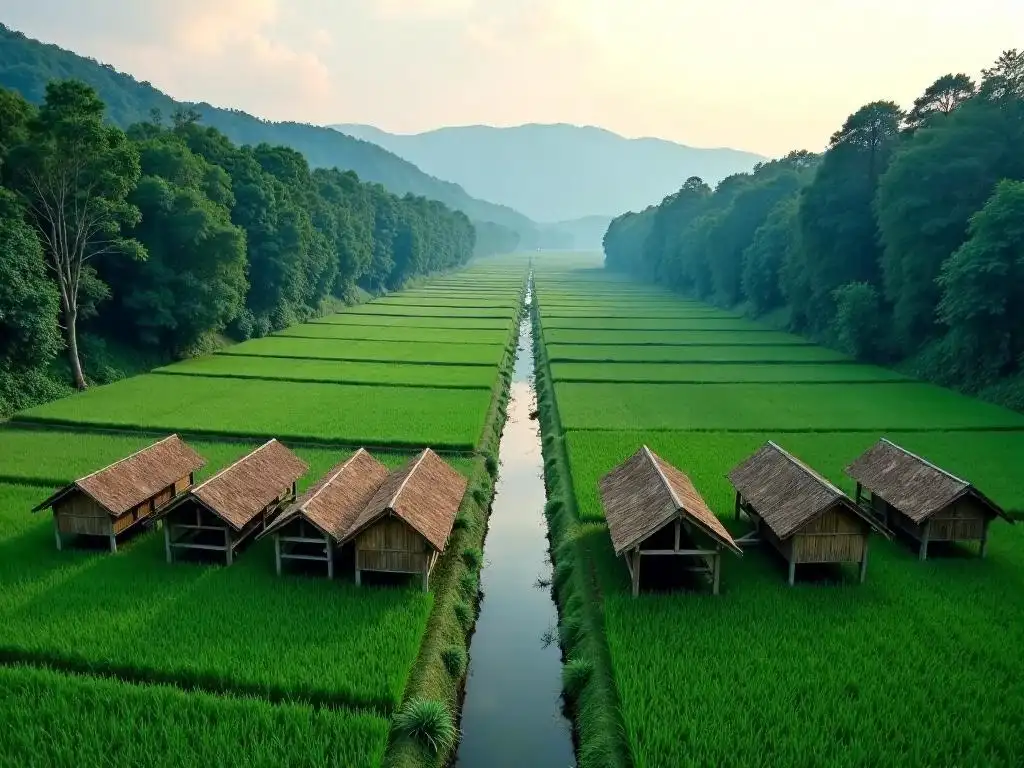
As Japan entered the feudal era, population growth became a significant force driving agricultural innovations. The increasing number of inhabitants placed immense pressure on the agricultural sector to produce more food, which necessitated improvements in farming techniques and practices. These innovations were vital not only for sustaining the growing population but also for enhancing the economy of feudal Japan.
Introduction of New Farming Techniques
To meet the demands of a rising population, Japanese farmers adapted and introduced various new farming techniques throughout the feudal period. One notable innovation was the shift from traditional slash-and-burn agriculture to more sustainable practices like crop rotation. This method allowed farmers to maintain soil fertility by alternating the types of crops grown in a field each season.
Additionally, the introduction of wet-rice farming became widespread, particularly in the fertile plains of the Kanto and Kansai regions. This technique involved planting rice in flooded fields, which not only improved yields but also provided a stable food source for the population. The development of tools such as the iron plow further aided farmers in cultivating their fields more efficiently, allowing them to work the land more effectively and increase productivity.
Advances in Irrigation and Land Management
Advancements in irrigation systems played a crucial role in enhancing agricultural output during times of population growth. Farmers constructed extensive networks of canals, dikes, and ponds to manage water resources more effectively. These irrigation systems helped to ensure a consistent water supply for crops, particularly rice, which is highly dependent on proper moisture levels.
Moreover, land management practices improved significantly, with techniques such as terracing being adopted in hilly regions. Terracing not only maximized arable land but also reduced soil erosion, which was vital for maintaining agricultural productivity. The implementation of these irrigation and land management strategies was instrumental in transforming Japan's agricultural landscape, allowing it to support a burgeoning population.
Challenges Faced by Farmers Due to Population Growth
While population growth spurred agricultural innovations, it also presented several challenges for farmers in feudal Japan. The pressure to produce more food led to various issues that threatened the sustainability of agricultural practices.
Resource Scarcity and Land Limitations
One of the primary challenges faced by farmers was the scarcity of resources, particularly land. As the population grew, the demand for land increased, leading to land disputes and the overexploitation of available agricultural land. This intensified competition for fertile land, particularly in regions that were already densely populated.
Moreover, the increased agricultural activity often resulted in soil degradation. Continuous farming without adequate fallow periods led to nutrient depletion, making it increasingly difficult for farmers to maintain high crop yields. The balance between population growth and sustainable land use became a critical issue, as farmers struggled to meet the food demands of their communities.
Impact of Population Pressure on Food Security
The impact of population pressure on food security cannot be overstated. With more mouths to feed, the risk of famine heightened, especially during periods of drought or natural disasters. The reliance on a few staple crops, predominantly rice, made the agricultural system vulnerable to crop failures.
In response to these pressures, local governance structures, including the samurai class, often intervened to implement policies aimed at stabilizing food supplies. These included grain storage systems and relief measures during times of scarcity. However, the effectiveness of these interventions varied, and many regions still faced significant challenges in achieving food security due to the ongoing pressures of population growth.
The dynamic interplay between population growth and agricultural practices in feudal Japan led to both innovations and challenges that shaped the economic landscape of the period.
Case Studies of Agricultural Transformation
The transformation of agricultural practices in response to population growth during the feudal era in Japan can be illustrated through several case studies that highlight regional adaptations and innovations. The increasing population, which surged notably during the Kamakura (1185–1333) and Muromachi (1336–1573) periods, necessitated changes in how land was cultivated and resources were managed.
1. The Kanto Plain:
In the Kanto region, which includes modern-day Tokyo and surrounding areas, the expansion of rice cultivation was a direct response to the population boom. Farmers began implementing advanced irrigation techniques, such as the construction of canals and levees, to maximize rice production. This led to an increase in the efficiency of water usage and improved crop yields, contributing to the region's prosperity.
2. The Kansai Region:
The Kansai region, particularly around Kyoto and Osaka, saw a shift from subsistence farming to commercial agriculture. The rise of market towns enabled farmers to sell surplus produce, including rice and vegetables, directly to consumers. Enhanced agricultural practices, such as crop rotation and the introduction of new rice strains, helped sustain the growing urban populations.
3. The Tōhoku Region:
In northern Japan, the Tōhoku region faced challenges due to its harsher climate. However, the population increase prompted the development of hardier crop varieties and the use of terraces to prevent soil erosion. These adaptations not only improved food security but also allowed for the cultivation of diverse crops, including barley and millet, which were essential during lean seasons.
Specific Regions in Japan Affected by Population Growth
Population growth during the feudal era had distinct impacts on various regions across Japan, each responding uniquely to the pressures of increased demand for food.
- Kanto Region: The Kanto area, as previously mentioned, experienced a significant boost in rice production due to improved irrigation systems. The proximity to the capital also intensified competition for resources, leading to innovative agricultural practices.
- Chubu Region: In the Chubu region, farmers adopted sericulture (silk farming) alongside rice cultivation. The demand for silk in both domestic and international markets spurred advancements in farming techniques, including the use of mulberry trees for silkworm feeding.
- Kyushu Region: The southern island of Kyushu saw an influx of immigrants from other regions, which led to more intensive farming methods. The introduction of sweet potatoes as a staple crop helped diversify the agricultural output and provided a reliable food source during times of drought.
Notable Historical Figures and Their Influence on Agriculture
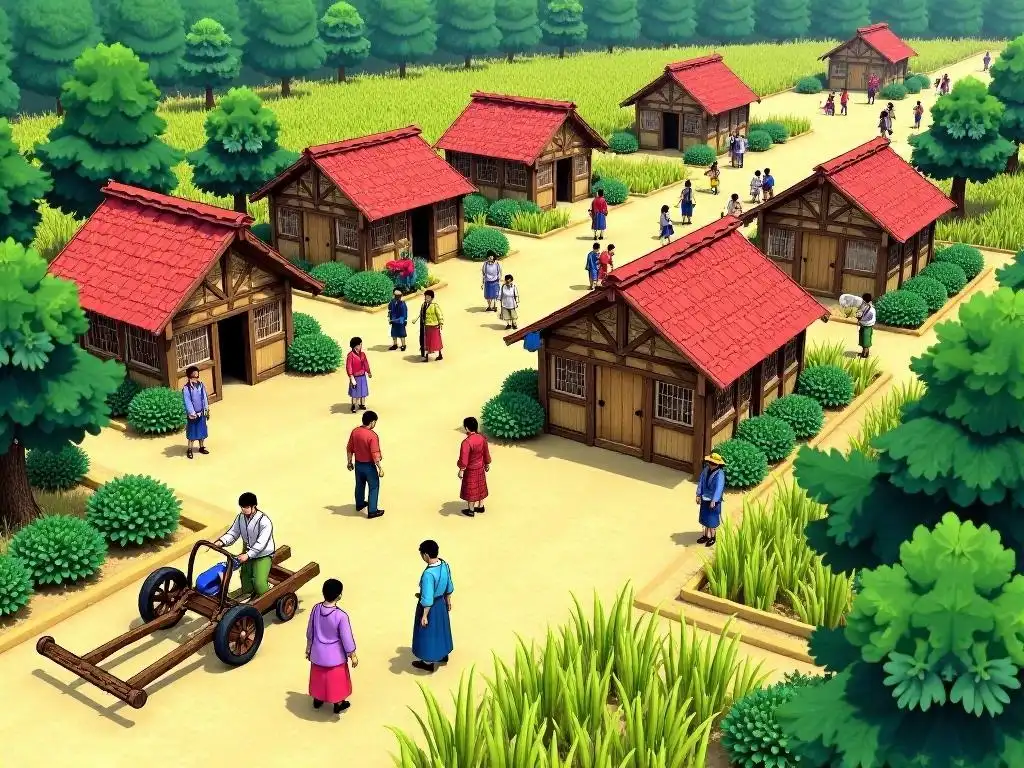
Several historical figures played pivotal roles in shaping agricultural practices in Feudal Japan, particularly during times of population growth.
- Shōgun Ashikaga Takauji (1305-1358): As the founder of the Ashikaga shogunate, Takauji promoted agricultural reforms that included land redistribution to encourage more efficient farming. His policies aimed to stabilize the economy, which was crucial given the rising population.
- Saito Dosan (1490-1556): Known as the "Demon of Mino," Dosan implemented innovative farming practices in the Mino Province, including the introduction of new rice varieties. His efforts not only improved agricultural productivity but also supported the region's economic development.
- Miyoshi Nagayoshi (1493-1558): A feudal lord who emphasized the importance of rice as a staple food, Nagayoshi invested in irrigation projects and promoted agricultural education among farmers. His initiatives contributed significantly to the prosperity of the region during times of population growth.
Conclusion: The Lasting Impact of Population Growth on Feudal Japanese Agriculture
The growth of population during the feudal era had profound effects on agricultural practices across Japan. These changes not only ensured food security but also laid the groundwork for economic development and societal transformations.
Summary of Key Findings
- Increased Agricultural Production: The demand for food spurred innovations in farming techniques, leading to increased rice and crop production.
- Regional Adaptations: Different regions adopted unique strategies to cope with population pressures, from advanced irrigation in Kanto to diverse crop cultivation in Tōhoku.
- Influential Figures: Leaders and landowners played crucial roles in promoting agricultural reforms that shaped the landscape of Feudal Japan.
Reflection on the Historical Significance of Agricultural Practices in Feudal Japan
The agricultural practices that emerged during the feudal era not only addressed the immediate needs of a growing population but also set the stage for Japan's eventual modernization. The innovations and adaptations in agriculture were fundamental in building resilient communities, fostering economic growth, and influencing social structures. Understanding these historical developments provides valuable insights into how societies respond to demographic changes, a lesson that remains relevant today.
References
-
Shinoda, T. (2006). Agricultural Techniques in Feudal Japan: Innovations and Impacts. Tokyo University Press.
A comprehensive analysis of the agricultural methods employed during the feudal era, detailing how population growth influenced farming practices and productivity.
-
Tanaka, Y. (2012). Demographic Changes in Medieval Japan: Patterns and Consequences. Historical Society Journal.
This article examines the demographic trends of feudal Japan, focusing on the relationship between population density and agricultural advancement.
-
Miyamoto, H. (2018). The Role of Rice in Japanese Society: From Feudal Times to Modernity. Rice Cultivation Studies.
A thorough exploration of rice cultivation, its significance in the feudal economy, and how rising populations affected agricultural outputs.
-
Ikeda, R. (2015). Feudal Japan: A History of Agricultural Practices. Edo Period Publications.
This book provides insights into the evolution of agricultural techniques and their adaptation to meet the needs of a growing population during the feudal period.
-
Watanabe, K. (2020). Population Dynamics and Land Use in Pre-Modern Japan. Journal of Asian Studies.
An academic paper that discusses how population growth influenced land utilization and agricultural strategies throughout various feudal periods.
Suggested Further Reading on Population Growth and Agriculture in Feudal Japan
-
Fujimoto, S. (2011). The Impact of Climate on Agriculture in Feudal Japan. Environmental History Review.
Investigates how climatic changes interacted with population growth to shape agricultural practices during feudal times.
-
Nishida, M. (2019). From Forests to Fields: Land Management in Feudal Japan. Green History Publications.
Focuses on land management strategies in response to increasing agricultural demands due to population pressures.
-
Saito, A. (2017). Food Security in Feudal Japan: Challenges and Solutions. Japanese Economic History Review.
This work delves into how population growth created challenges in food security and the innovative solutions that emerged from these pressures.
-
Kobayashi, T. (2022). Agricultural Policy and Population Growth: A Historical Perspective. Historical Economics Journal.
Provides an overview of policies enacted during the feudal era to address the issues stemming from population increase and its impact on agriculture.
-
Yoshida, N. (2023). The Role of Peasants in Shaping Agricultural Practices in Feudal Japan. Peasant Studies Quarterly.
Highlights the contributions of peasant communities to agricultural methods and their adaptation in response to demographic changes.
- Introduction to Population Growth in Feudal Japan
- The Relationship Between Population Growth and Agricultural Practices
- Economic Implications of Population Growth on Agriculture
- Social Changes Driven by Population Growth in Agriculture
- Agricultural Innovations in Response to Population Growth
- Challenges Faced by Farmers Due to Population Growth
- Case Studies of Agricultural Transformation
- Specific Regions in Japan Affected by Population Growth
- Notable Historical Figures and Their Influence on Agriculture
- Conclusion: The Lasting Impact of Population Growth on Feudal Japanese Agriculture
- References
- What were the main factors contributing to population growth in Feudal Japan?
- How did agricultural practices change due to population growth?
- What role did rice cultivation play in Feudal Japan's economy?
- How did the social structure of Feudal Japan relate to agricultural productivity?
- What were the long-term effects of population growth on Feudal Japan's society?
Frequently Asked Questions
What were the main factors contributing to population growth in Feudal Japan?
Population growth in Feudal Japan was driven by improved agricultural techniques, increased food production, and relative peace during the Edo period, which allowed for stability and growth.
How did agricultural practices change due to population growth?
As the population grew, farmers adopted innovative farming methods and improved irrigation systems to maximize land use, leading to increased crop yields and diverse agricultural products.
What role did rice cultivation play in Feudal Japan's economy?
Rice cultivation was central to Feudal Japan's economy, serving as the primary staple food and a form of currency, which influenced trade, taxation, and social hierarchy.
The social structure was heavily influenced by agricultural productivity; landowners and samurai class benefited from the labor of peasants, who were essential for sustaining the population and economy.
What were the long-term effects of population growth on Feudal Japan's society?
Long-term effects included urbanization, the emergence of a merchant class, and increased strain on resources, ultimately leading to social changes and political upheaval in later periods.
Final Reflection: The Lasting Legacy of Population Growth on Agriculture in Feudal Japan
The intricate relationship between population growth and agricultural practices in Feudal Japan remains profoundly relevant today, as we grapple with similar challenges in modern society. The historical insights gleaned from this period reveal how demographic shifts can reshape agricultural methodologies, resource management, and societal structures. As we face unprecedented population growth and environmental pressures in the present day, understanding these historical dynamics becomes crucial for sustainable development.
The influence of population growth on agricultural practices has left an indelible mark on the cultural and social landscape of Japan. The adaptations made during Feudal Japan not only transformed farming techniques but also fostered community resilience and innovation in the face of scarcity. In every challenge lies an opportunity for growth.
This sentiment resonates deeply as we reflect on how societies have historically navigated the complexities of population pressures, reminding us that the lessons learned from the past can guide us in our current endeavors.
As we contemplate the implications of population growth on agriculture, I invite you to reflect on your own relationship with food and sustainability. Consider how the lessons from Feudal Japan can inspire us to cultivate a more harmonious balance between population needs and agricultural practices. Let us take action in our own lives, whether through supporting local farmers, advocating for sustainable practices, or simply being mindful of our consumption. Together, we can honor the legacy of those who came before us while forging a path toward a more sustainable future.
Unveil the Connection: Explore Agriculture's Evolution Amidst Population Growth
Thank you for joining us on this journey through the fascinating world of feudal Japan. Your interest in how population growth shaped agricultural practices reveals a critical chapter in history. Now, let’s take that knowledge and make it actionable!
- Dive Deeper into agricultural techniques that emerged during this era by visiting your local library or exploring online resources. Discover how these historical practices can inform modern agriculture.
- Share your insights on social media or with friends to spark conversations about the relevance of historical agricultural practices today—your voice can inspire others!
- Consider joining a history club or an online forum dedicated to feudal Japan to engage with fellow enthusiasts and exchange ideas.
As you reflect on these steps, here's a question to ponder: How do you think the agricultural innovations of feudal Japan could influence today’s approaches to sustainable farming? Let’s discuss!