
The Seasons of Fertility: Agricultural Practices in Feudal Japan


Welcome to Feudal Japan History, where we invite you to journey through the intricate tapestry of Japan's feudal era. Here, history is not just a timeline but a vibrant narrative of agricultural practices that shaped the very foundation of society. In our featured article, "The Seasons of Fertility: Agricultural Practices in Feudal Japan," we delve into how these time-honored methods influenced the economy, culture, and daily life of the people. Curiosity piqued? Join us as we uncover the secrets behind the fertile lands that sustained a nation and discover the profound impact of these practices on Japan's historical landscape.
Introduction to Agricultural Practices in Feudal Japan
The agricultural practices in feudal Japan represent a vital aspect of the nation's economic and social fabric during its historical period. This era, spanning from the late 12th century to the mid-19th century, was characterized by a rigid social hierarchy and a predominantly agrarian economy.
Agriculture was not merely a means of sustenance; it was a cornerstone of feudal society, shaping cultural norms, social structures, and the very livelihoods of its people. Understanding the intricacies of farming methods, seasonal cycles, and the cultural significance of these practices offers a comprehensive insight into how agriculture influenced broader socio-economic dynamics during this transformative period.
Overview of Feudal Japan's Agricultural System
Feudal Japan's agricultural system was primarily rice-based, with rice serving as the staple food and currency. Farmers, known as "hyakusho," played a crucial role in this economic structure, typically working small plots of land owned by local samurai or daimyō. The cultivation of rice was deeply intertwined with religious and cultural practices, including seasonal festivals that celebrated planting and harvest times.
Key components of this system included:
- Irrigation Techniques: Ingenious methods were utilized to manage water resources, crucial for rice cultivation.
- Crop Rotation: Farmers practiced crop rotation to maintain soil fertility and maximize yields.
- Community Cooperation: Villages often collaborated in farming efforts, sharing resources and labor during peak seasons.
Importance of Agriculture in Feudal Society
Agriculture was the backbone of feudal Japanese society, influencing everything from political power to cultural identity. The production of rice not only sustained the population but also served as a measure of wealth and status among the samurai class.
The significance of agriculture included:
- Economic Stability: A successful harvest meant prosperity for landowners and security for peasants.
- Social Hierarchy: The distribution of land and resources shaped the feudal system, with samurai benefiting from agricultural yields.
- Cultural Practices: Festivals, rituals, and traditions centered around agricultural cycles reinforced community bonds and reflected the agrarian lifestyle.
The Seasonal Cycle of Agriculture in Feudal Japan
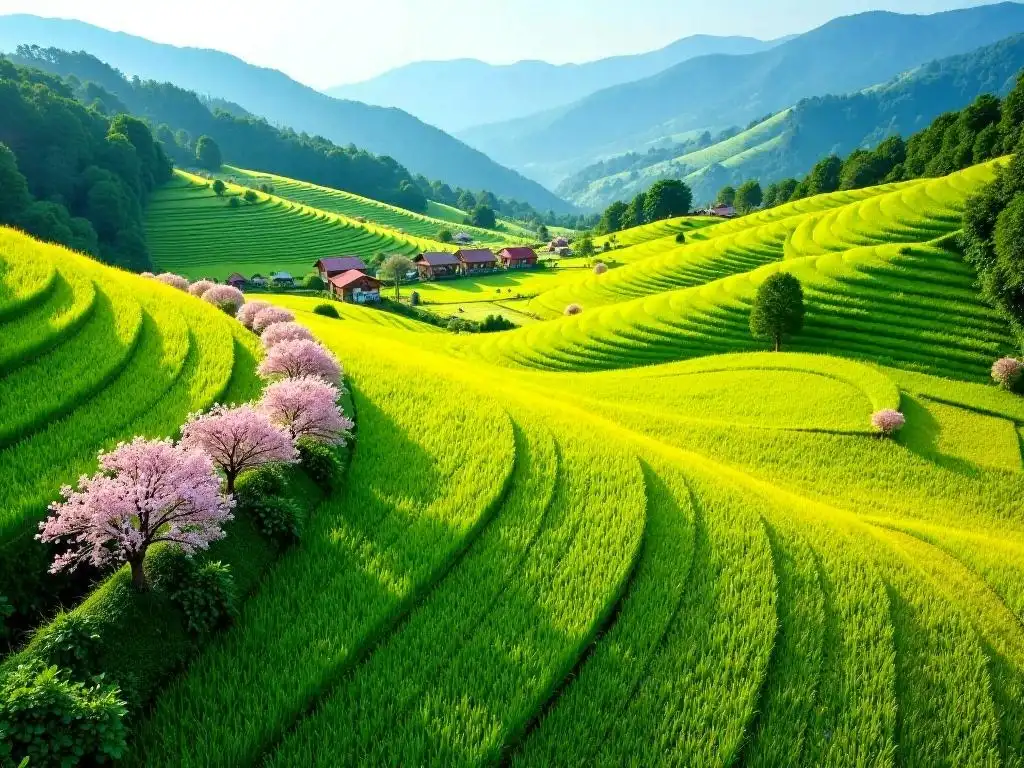
The agricultural year in feudal Japan was marked by distinct seasonal cycles, each with its own set of practices and cultural significance. Understanding these cycles is essential to grasping the broader implications of agricultural practices in this era.
Spring: Preparation and Planting
Spring marked the beginning of the agricultural cycle, where farmers engaged in various activities to prepare for planting. This involved:
- Tilling the Soil: Farmers would work the land to ensure it was ready for rice seedlings.
- Seed Selection: Selecting the right variety of rice seeds was crucial for achieving optimal yields.
- Planting Festivals: Rituals were performed to pray for a bountiful harvest, reflecting the deep connection between agriculture and spirituality.
Summer: Growth and Maintenance
As crops grew, farmers focused on maintenance tasks that were vital to ensuring a successful harvest. Key practices included:
- Weeding and Pest Control: Vigilant care was necessary to protect the crops from weeds and pests.
- Irrigation Management: Farmers managed water levels in flooded fields to support rice growth.
- Community Efforts: Villagers often assisted each other in maintaining fields, fostering a sense of community.
Autumn: Harvesting and Storage
Autumn was a time of celebration and hard work, as the harvest season commenced. This period involved:
- Harvest Festivals: Celebrations were held to thank the deities for the harvest and to ensure future prosperity.
- Threshing and Storage: Techniques for threshing rice and storing it for the winter were performed meticulously to prevent spoilage.
- Distribution of Surplus: Any surplus rice was crucial for trade and sustenance through the winter months.
Winter: Rest and Planning
Winter offered a respite from the demanding agricultural work, allowing farmers to rest and plan for the next cycle. During this time, activities included:
- Soil Enrichment: Farmers often utilized this period to enrich the soil with natural fertilizers.
- Community Gatherings: Winter was a time for socialization and planning communal strategies for the upcoming planting season.
- Reflection and Strategy: Farmers reflected on the past year’s successes and failures, strategizing for improvements in the next cycle.
Through this structured seasonal approach, the agricultural practices of feudal Japan not only sustained the population but also shaped the cultural and economic landscape of the era, laying the groundwork for future developments in Japanese society.
Traditional Agricultural Tools and Techniques
Agricultural practices in feudal Japan were deeply intertwined with the seasonal cycles and climate of the region. Farmers employed a variety of traditional tools and techniques that were not only efficient but also reflected the social and cultural values of the time. These tools facilitated the cultivation of rice, which was the staple food and a crucial element of the economy.
The most significant agricultural tool was the yoke, which was used to harness oxen for plowing fields. The kama (sickle) was essential for harvesting crops, while the tataki (paddy field leveling tool) helped maintain proper irrigation. Additionally, wooden hand tools like hoes ( jō), spades ( sō), and rakes ( kake), all played vital roles in soil preparation and crop management.
Farmers also practiced crop rotation and intercropping to enhance soil fertility and prevent pest infestations, demonstrating a keen understanding of sustainable agricultural practices. The combination of these traditional tools and techniques laid the foundation for effective agricultural systems that supported feudal Japanese society.
Common Tools Used in Feudal Japanese Farming
- Yoke: Used to harness oxen for plowing fields, crucial for tilling the land.
- Kama: A handheld sickle that allowed for efficient harvesting of rice and other crops.
- Tataki: A leveling tool for paddy fields, ensuring proper water management.
- Jō (Hoe): Essential for soil preparation and weeding.
- Sō (Spade): Used for digging and turning the soil.
- Kake (Rake): Helped in preparing seedbeds and managing soil structure.
These tools were crafted from locally available materials, ensuring accessibility for farmers across different regions. Their design often reflected generations of refinement based on practical use in specific agricultural contexts.
Innovative Techniques in Crop Cultivation
In addition to traditional tools, feudal Japan saw the development of innovative agricultural techniques that enhanced productivity and sustainability. One notable method was sawa, a system of wet-field cultivation that maximized rice yields through controlled irrigation. Farmers constructed intricate irrigation canals and levees to manage water levels effectively.
Another innovation was the practice of mibuna, which involved planting mustard greens alongside rice. This not only provided additional food sources but also improved soil health by preventing erosion and enhancing nutrient cycling.
Moreover, the introduction of the kōzō (Mulberry tree) farming system allowed for sericulture (silk production), diversifying agricultural outputs and contributing to the economy. These innovative techniques reflect the adaptability and resourcefulness of feudal Japanese farmers, showcasing their ability to respond to environmental challenges.
The Role of Climate in Agricultural Practices
The climate of Japan played a fundamental role in shaping agricultural practices during the feudal era. The archipelago's distinct seasons influenced the timing of agricultural activities, from sowing and harvesting to pest management. Most significantly, the four distinct seasons allowed for a variety of crops to be cultivated, with rice being the predominant crop due to its high demand and cultural significance.
Farmers relied on traditional calendars, known as kō calendars, to determine the best times for planting and harvesting based on seasonal changes. These calendars were deeply rooted in observational knowledge and local climatic patterns, illustrating how integral climate was to agricultural success.
How Climate Influenced Crop Selection
The selection of crops in feudal Japan was significantly influenced by regional climate conditions. In the warmer, humid regions such as the Kanto and Kansai areas, rice was cultivated extensively due to the favorable growing conditions. Conversely, in the cooler northern regions like Hokkaido, farmers turned to barley and wheat, which were better suited to shorter growing seasons.
Additionally, climate variations dictated the types of vegetables and fruits cultivated, with crops like daikon (radish) and satsuma-imo (sweet potato) being popular in certain regions due to their resilience to local conditions. This regional specificity in crop selection highlights how climate not only shaped agricultural practices but also influenced the dietary habits and cultural practices of the people.
Adaptations to Regional Climate Variations
Farmers in feudal Japan were adept at adapting their agricultural practices to the diverse climate variations across the country. In areas with heavy rainfall, such as the Kanto region, farmers developed raised paddy fields to prevent waterlogging, while in drier regions, they employed rainwater harvesting and irrigation techniques to ensure adequate water supply.
Seasonal festivals and rituals were often aligned with agricultural practices, serving both as cultural expressions and practical measures to align farming activities with climatic cycles. For instance, the Aoi Matsuri (Hollyhock Festival) celebrated during the planting season, aimed to invoke favorable weather for crops.
These adaptations not only ensured agricultural productivity but also reinforced the relationship between the people, their environment, and their cultural identity, showcasing the resilience and ingenuity of feudal Japanese society in the face of climatic challenges.
Societal Impacts of Agriculture in Feudal Japan
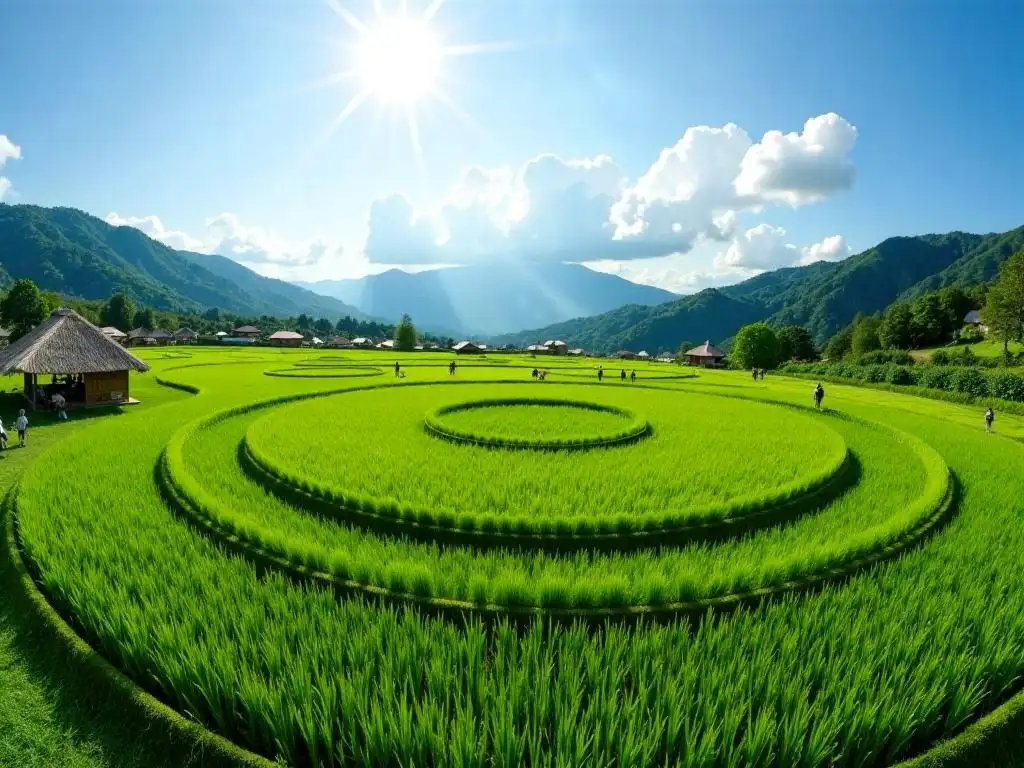
Agriculture was the backbone of society in feudal Japan, shaping not only the economy but also the social structure and cultural practices. The agrarian lifestyle dictated the rhythms of daily life, with seasonal cycles governing labor, festivals, and community events. The reliance on rice cultivation, in particular, fostered a strong connection between the land and the people. This relationship was not merely economic; it cultivated a sense of identity and belonging, as families and communities came together to celebrate harvests and rituals associated with planting and reaping.
The societal hierarchy was also closely linked to agricultural production. Landowners, or daimyōs, who controlled vast tracts of farmland, wielded significant power and influence, while the peasantry, who worked the land, formed the foundational labor force. This created a complex web of dependencies: peasants relied on the land for their livelihood, while the ruling class depended on agricultural output to maintain their wealth and status. The resulting dynamic reinforced social stratification and influenced political structures, as control over agricultural resources often translated to political power.
Additionally, agriculture's seasonal nature influenced cultural practices, leading to the development of festivals celebrating planting and harvest times. These events were integral to community life, fostering social cohesion and shared traditions. Thus, agriculture in feudal Japan was not just a means of sustenance; it was a vital force that shaped societal norms, cultural expressions, and power dynamics.
Agriculture's Influence on the Feudal Economy
The economy of feudal Japan was predominantly agrarian, with agriculture serving as the primary economic activity. The production of rice, wheat, and other crops formed the basis of trade and commerce, providing the necessary sustenance for both rural and urban populations. The economic structure was largely based on the "koku," a unit of measurement that quantified the amount of rice needed to feed one person for a year. This system was critical in assessing wealth and taxation, as landowners were taxed based on their agricultural output.
Daimyōs collected taxes in the form of rice, which they used to sustain their samurai class and maintain their estates. This created a cyclical economy where agricultural productivity directly influenced the wealth and military power of the ruling classes. Successful harvests led to economic prosperity, while poor yields could destabilize the feudal system, leading to social unrest.
Trade networks emerged, facilitated by agricultural surplus, allowing for the exchange of goods and services beyond local communities. As cities grew, agricultural products became a key driver of urban economies, supporting markets and artisan crafts. Thus, agricultural practices were not isolated; they were deeply intertwined with the broader economic framework of feudal Japan, influencing everything from social stability to the emergence of commerce.
The Role of Peasants in Agricultural Production
Peasants were the backbone of agricultural production in feudal Japan, responsible for cultivating the land and ensuring its productivity. Their labor was crucial to the success of the agrarian economy, as they engaged in various tasks such as planting, weeding, and harvesting crops. The peasant class was largely composed of tenant farmers who worked the land owned by daimyōs, and their relationship with landowners was often characterized by a system of sharecropping, wherein a portion of the harvest was given to the landlord in exchange for land use.
Despite their essential role, peasants faced many challenges, including heavy taxation, labor-intensive farming practices, and the constant threat of natural disasters such as floods and droughts. These factors often led to cycles of poverty and hardship within the peasant community. However, they also developed techniques to adapt to these challenges, such as rotating crops and utilizing irrigation systems, which enhanced agricultural productivity.
The social status of peasants was often undervalued, yet they wielded considerable influence in local communities. Their collective labor not only supported the economy but also played a significant role in community decision-making, especially during times of crisis. The resilience of peasants in the face of adversity contributed to the stability of feudal Japan and the sustainability of its agricultural practices.
Case Studies of Successful Agricultural Practices
Region-Specific Practices: A Case Study of Kanto Region
The Kanto region, encompassing the eastern part of Honshu and including Tokyo and its surrounding prefectures, is renowned for its agricultural diversity and productivity. The area's fertile plains and temperate climate allowed for the cultivation of various crops, including rice, vegetables, and fruits. One notable aspect of Kanto's agricultural practices was the use of "irrigated rice paddies," which leveraged the region's abundant water supply to enhance rice production.
Peasants in Kanto adopted advanced techniques such as "sato-uchi," a method of creating small, raised fields to improve drainage and soil quality. This innovation allowed for more efficient cultivation and yielded greater harvests, significantly contributing to local and regional economies. Additionally, the Kanto region was known for its production of "wasabi" and other specialty crops, which became integral to Japanese cuisine and trade.
The success of agriculture in Kanto also fostered community cooperation, as farmers collaborated in irrigation projects and shared techniques, leading to improved agricultural practices across the region. This case study exemplifies how localized agricultural methods can lead to significant economic benefits and community resilience in feudal Japan.
The Impact of Flood Management Techniques on Local Agriculture
Flood management was a critical aspect of agricultural practices in feudal Japan, particularly in low-lying areas prone to seasonal flooding. Farmers developed various techniques to mitigate the impact of floods on their crops, ensuring that agricultural production remained stable despite the challenges posed by nature. One common method was the construction of "dikes" and earthen barriers, which helped to redirect water away from fields and protect crops from inundation.
In regions like the Shonai Plain, effective flood management practices included the creation of "hanamizu," or controlled water channels, which allowed farmers to manage irrigation and drainage more effectively. This system not only protected crops from flooding but also ensured that fields received adequate water during dry periods. These techniques were vital for maintaining soil fertility and crop yields, contributing to a more resilient agricultural system.
The implementation of flood management techniques also facilitated community engagement, as local farmers often collaborated on projects to enhance their collective infrastructure. This cooperation fostered a sense of community and shared responsibility, which was essential for the sustainability of agriculture in feudal Japan. The effectiveness of these practices in preventing crop loss underscores their significance in the broader context of agricultural resilience and economic stability.
Conclusion: The Legacy of Agricultural Practices in Feudal Japan
The agricultural practices developed during the feudal era in Japan have left a profound legacy that continues to influence modern agricultural methods and rural life in the country. This legacy is not only evident in the techniques and crops cultivated but also in the cultural values and social structures that emerged around farming. The meticulous attention to seasonal cycles, the integration of Shinto and Buddhist beliefs into farming practices, and the emphasis on community cooperation are all elements that have been handed down through generations.
The innovations in irrigation, crop rotation, and the cultivation of rice as a staple food are particularly noteworthy. These practices were meticulously refined over centuries and laid the groundwork for a highly productive agricultural system that supported a growing population. The commitment to maintaining soil health and biodiversity during feudal times can also be seen as a precursor to today’s sustainable farming practices. Overall, the agricultural practices of feudal Japan reflect a deep understanding of the land and its resources, shaping not only the economy but also the identity of rural communities.
Lasting Effects on Modern Japanese Agriculture
The agricultural landscape of modern Japan is significantly shaped by historical practices rooted in the feudal era. Key aspects of these practices include:
- Rice Cultivation: Rice remains the cornerstone of Japanese agriculture, reflecting its historical significance as both a staple food and a cultural symbol. Techniques for rice planting and harvesting developed during feudal times continue to be fundamental today.
- Crop Diversity: The practice of cultivating a variety of crops, including millet, barley, and vegetables, has persisted, promoting food security and resilience against pests and diseases. Farmers today still engage in polyculture, a method that enhances biodiversity and environmental health.
- Irrigation Techniques: Ancient irrigation systems, such as those utilizing water channels and terracing, have influenced contemporary water management strategies. Modern Japanese farmers often adapt these traditional methods to improve water efficiency while minimizing environmental impact.
- Community Involvement: The feudal system fostered a strong sense of community among farmers, with practices of mutual aid and shared labor. This communal approach remains vital in rural Japan, where agricultural cooperatives and local associations play a crucial role in supporting farmers and ensuring sustainable practices.
These lasting effects highlight the resilience and adaptability of agricultural practices in Japan, demonstrating how historical methods can inform modern challenges.
Reflection on the Importance of Agricultural Heritage
Agricultural heritage in feudal Japan is not only a testament to the ingenuity of past societies but also serves as a critical framework for understanding contemporary agricultural practices. This heritage underscores the intrinsic relationship between culture and agriculture, revealing how farming practices are deeply intertwined with social structures, traditions, and spiritual beliefs.
Reflecting on this heritage encourages a greater appreciation for the knowledge and skills that have been passed down through generations. It highlights the importance of preserving traditional practices while simultaneously embracing innovation. The lessons learned from feudal agricultural systems can guide current and future generations in fostering sustainable and resilient agricultural practices.
Moreover, acknowledging the historical context of these practices fosters a sense of identity and belonging among farmers and rural communities. It reinforces the idea that agriculture is not merely an economic activity but a vital part of cultural heritage that shapes the landscape, society, and economy of Japan. By valuing and preserving this agricultural legacy, Japan can continue to thrive and adapt in an ever-changing world.
- Introduction to Agricultural Practices in Feudal Japan
- Overview of Feudal Japan's Agricultural System
- Importance of Agriculture in Feudal Society
- The Seasonal Cycle of Agriculture in Feudal Japan
- Traditional Agricultural Tools and Techniques
- The Role of Climate in Agricultural Practices
- Societal Impacts of Agriculture in Feudal Japan
- Case Studies of Successful Agricultural Practices
- Conclusion: The Legacy of Agricultural Practices in Feudal Japan
Frequently Asked Questions
What were the main agricultural practices in feudal Japan?
The main agricultural practices included rice cultivation, which was the foundation of the economy, alongside barley, millet, and sorghum farming, emphasizing crop rotation to maintain soil fertility.
How did the seasons affect farming in feudal Japan?
The seasons played a crucial role in agricultural practices, with farmers planting rice in spring and harvesting in autumn, while winter was a time for preparing fields and repairing tools.
What role did technology play in agriculture during this period?
Technological advancements such as the use of irrigation systems, plows, and fertilizers significantly improved agricultural productivity and efficiency, allowing for better crop yields.
The social structure, characterized by a feudal hierarchy, dictated land ownership and farming responsibilities, with peasants working the land owned by daimyos and samurai.
What impact did agricultural practices have on Japanese society?
Agricultural practices were fundamental to the economy and society, as they supported the population, influenced trade, and shaped cultural traditions, ultimately fostering a sense of community and stability.
Final Reflection: Embracing the Wisdom of Agricultural Practices in Feudal Japan
The agricultural practices in feudal Japan are not just relics of the past; they are a testament to the resilience and ingenuity of a society deeply connected to its land. Today, as we face the challenges of climate change, food security, and sustainable farming, the lessons learned from these historical practices resonate more than ever. The intricate relationship between the seasons and agriculture in feudal Japan reminds us that understanding our environment is crucial for cultivating not only crops but also a sustainable future.
Cultural and social landscapes are continuously shaped by the agricultural practices of the past, and feudal Japan serves as a poignant example of this connection. The methods employed by farmers during this era were not merely about productivity; they were about harmony with nature and community resilience. As we navigate modern agricultural challenges, we can draw inspiration from the wisdom of those who came before us. To cultivate a field is to cultivate a community.
This quote encapsulates the essence of how agricultural practices can foster social bonds and a sense of belonging, a lesson that remains relevant in our increasingly disconnected world.
As we reflect on the agricultural practices in feudal Japan, I invite you to consider how these historical insights can inform your own relationship with food and the environment. Take a moment to appreciate the origins of what you consume and the labor that goes into it.
Whether you are a gardener, a consumer, or simply someone who cares about the planet, let the wisdom of the past inspire you to advocate for sustainable practices and a deeper connection to the land. Together, we can cultivate a future that honors our agricultural heritage while nurturing the earth for generations to come.
Cultivate Your Knowledge of Feudal Japan!
Thank you for dedicating your time to explore the intricate agricultural practices of feudal Japan. We hope you’ve gained valuable insights into how these traditions shaped the landscape and culture of the era. Now, let’s take your curiosity to the next level with some actionable steps!
- Dive deeper: Explore additional resources or books about feudal Japanese agriculture to expand your understanding of its impact on society.
- Share your newfound knowledge: Discuss what you've learned with friends or in online forums—your insights can enrich the conversation!
- Join our community: Connect with fellow history enthusiasts by subscribing to our newsletter or following our social media for more engaging content on feudal Japan.
What aspect of feudal Japanese agricultural practices intrigues you the most? Consider how these ancient methods might inform modern-day farming techniques and sustainability practices.