
Crop Rotation and Sustainability: Ancient Wisdom in Feudal Japan


Welcome to Feudal Japan History, where we delve deep into the rich tapestry of Japan’s feudal era. Here, history comes alive as we explore Crop Rotation and Sustainability: Ancient Wisdom in Feudal Japan, uncovering the innovative agricultural practices that shaped not only the economy but also the very fabric of society. Join us on this fascinating journey through time, where ancient techniques reveal vital lessons for modern sustainability. Are you ready to discover how the past informs our present? Read on to unlock the secrets of feudal Japan’s agricultural brilliance!
- Introduction to Crop Rotation in Feudal Japan
- Historical Context of Agriculture in Feudal Japan
- The Practice of Crop Rotation in Feudal Japan
- Environmental Benefits of Crop Rotation
- Cultural and Societal Implications of Crop Rotation
- Comparative Analysis: Crop Rotation in Feudal Japan vs. Modern Practices
- Challenges Faced by Farmers in Implementing Crop Rotation
- Conclusion: The Legacy of Crop Rotation in Feudal Japan
- References and Further Reading
-
Frequently Asked Questions
- What is crop rotation and how was it used in feudal Japan?
- Why was crop rotation important for sustainability in feudal Japan?
- What types of crops were commonly rotated in feudal Japan?
- How did crop rotation affect the social structure in feudal Japan?
- What lessons from feudal Japan's crop rotation practices can be applied today?
- Final Reflection: Embracing Ancient Wisdom for Sustainable Futures
- Embrace Sustainable Farming Today!
Introduction to Crop Rotation in Feudal Japan
In the intricate tapestry of Feudal Japan, agriculture played a pivotal role in shaping the economy, culture, and daily life of its people. Among the myriad practices that emerged during this era, crop rotation stands out as a remarkable demonstration of ancient wisdom and sustainable farming techniques. This article delves into the nuances of crop rotation in Feudal Japan, exploring its historical importance, methods employed, and the broader implications for sustainability in agricultural practices.
Understanding these elements not only sheds light on Japan's agricultural heritage but also offers valuable insights into how ancient methods can inform modern sustainability efforts. As we navigate through this exploration, we will uncover the deep-rooted connections between traditional practices and the sustainable approaches that resonate with today's environmental challenges.
Understanding the Concept of Crop Rotation
Crop rotation, a practice that involves alternating the types of crops grown on a particular piece of land across different seasons or years, was a cornerstone of agricultural management in Feudal Japan. This method was not merely a technique but a strategic approach to enhance soil fertility, control pests, and maximize yields.
- Basic Principles: The fundamental idea behind crop rotation is to prevent the depletion of soil nutrients that occurs when the same crops are planted repeatedly. Different plants utilize varying nutrients; by rotating them, farmers could maintain a balanced nutrient profile in the soil.
- Common Rotations: In Feudal Japan, farmers often practiced a rotational cycle that included staple crops such as rice, barley, and millet. For instance, after a rice harvest, fields might be planted with legumes, which could fix nitrogen in the soil, thereby enriching it for subsequent crops.
- Regional Variations: Depending on the region and local climate, the specifics of crop rotation varied. Coastal areas might favor different crops compared to mountainous regions, reflecting the adaptability and ingenuity of farmers in response to their environment.
Significance of Sustainability in Ancient Agricultural Practices
The sustainability of agricultural practices in Feudal Japan is a testament to the advanced understanding of ecological balance among ancient Japanese farmers. Their methods were inherently sustainable, as they prioritized the long-term health of the land over short-term gains.
- Resource Management: Farmers implemented techniques such as mulching and composting, alongside crop rotation, to enhance soil quality and conserve water. This comprehensive approach ensured that the land remained productive for generations.
- Biodiversity: Crop rotation contributed to maintaining biodiversity within agricultural ecosystems. By growing different crops, farmers supported a variety of plants and insects, which helped to establish a more resilient agricultural environment.
- Cultural Significance: The practice of crop rotation was also intertwined with cultural beliefs and rituals associated with agriculture. Farmers honored the land and its cycles, recognizing their dependence on nature’s rhythms for sustenance.
The principles of crop rotation practiced in Feudal Japan not only advanced agricultural productivity but also served as a model of sustainability that resonates with contemporary agricultural challenges. By examining these ancient practices, we can glean valuable lessons in sustainability that remain relevant in today's quest for ecological balance.
Historical Context of Agriculture in Feudal Japan

Overview of Feudal Japan and Its Economic Structure
Feudal Japan, spanning from the late 12th century to the mid-19th century, was characterized by a hierarchical social structure where land ownership was paramount. The Shogunate system, with the Shogun at its apex, governed the country, supported by a network of daimyōs (feudal lords) and samurais. The economy was primarily agrarian, with land being the principal source of wealth and power. Agriculture was not only a means of sustenance but also the backbone of the feudal system, influencing social relations and political dynamics.
The economy operated on a self-sustaining model, where villages produced what they consumed, with agricultural output serving as the main commodity for taxation and trade. The land was divided into kubo (plots), and farmers, often known as ryōmin, were bound to the land they worked. This system created a direct relationship between the productivity of the land and the power dynamics of feudal lords. The taxation system was primarily based on rice and other crops, establishing agriculture as the cornerstone of economic stability.
Role of Agriculture in the Feudal Economy
Agriculture in feudal Japan was not merely a livelihood; it was an intricate part of the economic framework that dictated the prosperity of the era. The feudal economy relied heavily on the cultivation of rice, which was the staple food and a critical component of trade. Rice served as currency, and its production was closely monitored by the ruling class to ensure a steady flow of taxes.
- Labor Structure:
- Farmers were often compelled to work their land under the sharecropping system, where they paid a portion of their harvest to the daimyō. This created a cycle of dependency, as farmers relied on their lords for protection and resources.
- The labor force was primarily composed of peasants, who were skilled in various agricultural techniques, including crop rotation to maintain soil fertility and increase yield.
- Technological Advances:
- Feudal Japan saw the introduction of various agricultural tools and techniques, such as the mizu-iri (water management) systems and the yama (mountain farming) methods, which enabled farmers to optimize their production.
- The practice of crop rotation in feudal Japan emerged as a critical technique to sustain productivity over the years, especially in regions prone to soil depletion.
Importance of Rice Cultivation in Japanese Society
Rice cultivation was at the heart of Japanese society during the feudal era, transcending mere agricultural practice to become a cultural and spiritual symbol. The significance of rice can be examined through various lenses:
- Cultural Significance:
- Rice was not only the primary food source but also featured prominently in Shinto rituals and festivals, symbolizing purity and prosperity. It was often offered to the gods, highlighting its revered status.
- Economic Foundation:
- The production of rice dictated the wealth of feudal lords and, by extension, the stability of local economies. Regions that excelled in rice production enjoyed greater power and influence, leading to a direct correlation between agricultural success and political control.
- Social Structure:
- The reliance on rice cultivation fostered a strong community spirit among farmers, who often worked together in a cooperative model to maximize efficiency and ensure successful harvests. This camaraderie was essential for survival, especially during lean seasons.
The intricate web of agriculture during feudal Japan, particularly through practices like crop rotation, not only supported the economy but also shaped the cultural and social landscape of the time. Understanding these fundamental aspects provides insight into how ancient practices laid the groundwork for sustainable agricultural methods that continue to influence modern Japan.
The Practice of Crop Rotation in Feudal Japan
Crop rotation in feudal Japan was a cornerstone of agricultural sustainability and efficiency, deeply rooted in the agricultural practices of the time. This system not only aimed to maintain soil fertility but also to enhance crop yields and prevent pest infestations. Farmers in this era recognized that by alternating crops in specific patterns, they could optimize the use of land and natural resources, ensuring a more reliable food supply for their communities.
By the late Heian period (794-1185), crop rotation had become a common practice, evolving in complexity and sophistication. Farmers often utilized a three-field system, which allowed for the cultivation of rice, legumes, and other crops in rotation. This practice was essential in promoting biodiversity and maintaining the ecological balance within agricultural systems.
Traditional Crop Rotation Methods Used in Feudal Japan
The traditional methods of crop rotation in feudal Japan primarily focused on the three-field system and the intercropping technique.
- Three-Field System:
- This technique involved dividing arable land into three parts.
- Field One: Primarily cultivated with rice, a staple food.
- Field Two: Planted with legumes (such as soybeans), which enriched the soil with nitrogen.
- Field Three: Left fallow or planted with a mix of grains and vegetables during different seasons.
- The systematic rotation of these fields allowed for the replenishment of nutrients, reducing soil degradation and ensuring sustained productivity.
- This technique involved dividing arable land into three parts.
- Intercropping:
- Farmers often planted different crops in close proximity.
- For instance, rice could be intercropped with azuki beans.
- This method optimized space and reduced pest populations, as diverse crops attracted various beneficial insects.
- Intercropping also contributed to soil health by providing a variety of root structures that helped aerate the soil.
- Farmers often planted different crops in close proximity.
These traditional methods were not only practical but also reflected the deep understanding that feudal Japanese farmers had of their environment and its cycles.
Types of Crops Rotated and Their Benefits
The crops rotated in feudal Japan were selected based on their compatibility and benefits to the soil. Some key crops included:
- Rice:
- As the primary staple, rice required significant water and nutrient input but was essential for sustenance.
- Legumes (e.g., soybeans, azuki beans):
- These crops played a crucial role in fixing nitrogen in the soil, enhancing fertility for subsequent plantings.
- Barley and Millet:
- These grains were often sown in the fallow fields, providing a secondary source of food and helping to prevent weed growth.
- Vegetables (e.g., daikon radish, turnips):
- Seasonal vegetables were interspersed in the rotation to provide nutrients and diversify the diet of the populace.
The strategic rotation of these crops not only maximized land use but also contributed to a balanced diet and resilience against crop failure. By planting legumes after rice, farmers could rejuvenate the soil before replanting rice, showcasing an understanding of ecological balance that was remarkable for the time.
Seasonal Variations in Crop Rotation Practices
Seasonal variations played a significant role in determining crop rotation practices in feudal Japan. The climate, including distinct wet and dry seasons, influenced the choice of crops and their timing.
- Spring Planting:
- After the winter season, farmers would typically plant rice in flooded fields, taking advantage of the spring rains.
- Following the rice harvest in late summer, legumes were often planted to restore soil nutrients.
- Summer and Autumn Crop Cycles:
- During the summer, quick-maturing crops such as barley and vegetables were cultivated in the fields that had been rotated out of rice.
- As autumn approached, the focus shifted to preparing the fields for winter crops, allowing for fallow periods or the cultivation of overwintering crops, which could thrive in cooler temperatures.
- Fallow Periods:
- In some cases, fields were intentionally left fallow to recover.
- This practice, combined with the careful timing of planting and harvesting, ensured that the land remained productive over time.
- In some cases, fields were intentionally left fallow to recover.
The seasonal variations in crop rotation not only helped maximize yields but also reflected the farmers’ adaptability to their environment, ensuring food security for their communities throughout the year.
Crop rotation in feudal Japan was an intricate practice that demonstrated the wisdom and foresight of agricultural methods during this historical period. The combination of traditional methods, careful selection of crops, and seasonal adaptations contributed significantly to the sustainability and efficiency of farming practices in feudal Japan.
Environmental Benefits of Crop Rotation
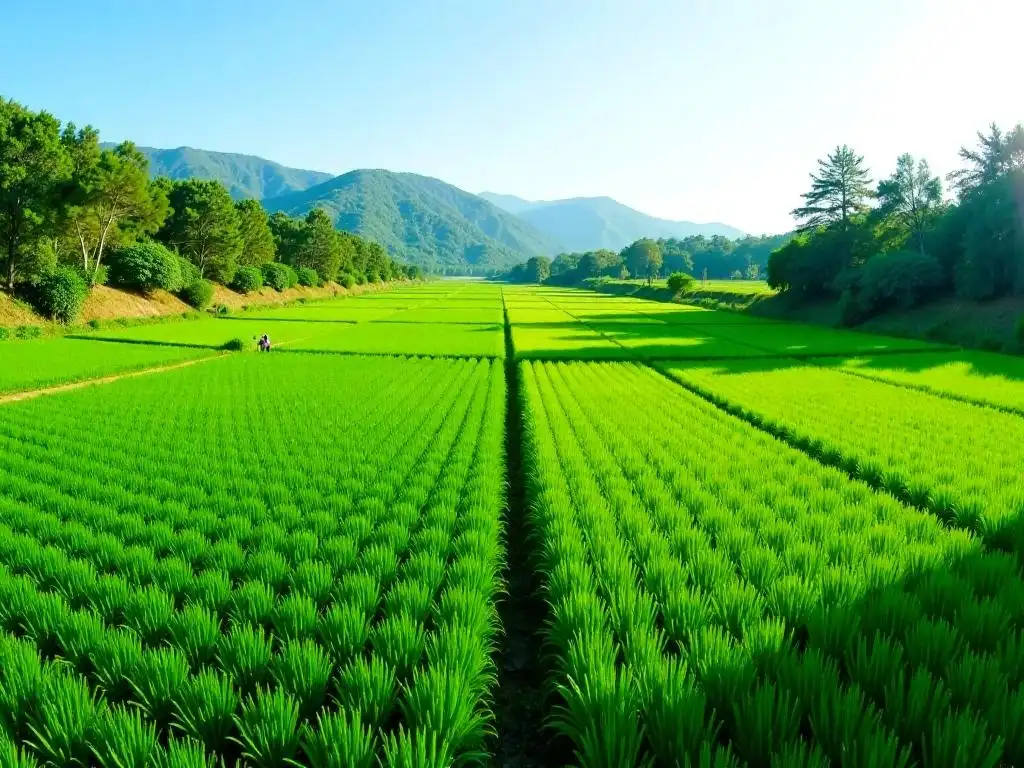
Crop rotation in feudal Japan was not merely a farming technique but a holistic approach to agriculture that contributed significantly to environmental sustainability. This method involved alternating different crops on the same land over several seasons, which had profound effects on soil health, pest management, and water conservation. Understanding these benefits offers insight into how ancient practices can inform modern sustainable agriculture.
Enhancing Soil Fertility Through Crop Diversity
One of the primary advantages of crop rotation is its ability to enhance soil fertility. By planting a variety of crops, farmers in feudal Japan could maintain a balanced ecosystem in their fields. Here’s how this process worked:
- Nutrient Cycling: Different crops have varied nutrient requirements. For example, legumes such as soybeans and peas fix nitrogen in the soil, enriching it for subsequent crops like rice or barley that consume nitrogen. This natural fertilization process minimized the need for chemical fertilizers.
- Organic Matter Improvement: Rotating crops encourages the return of organic matter to the soil. As various crops are harvested and their residues are left in the field, they decompose and add nutrients back into the soil, improving its structure and fertility.
- Soil Structure and Erosion Control: The roots of different plants penetrate the soil at various depths, promoting better soil structure. This diverse root system reduces soil erosion, a significant concern in the hilly terrains of Japan, where agriculture thrived.
Reducing Pest and Disease Incidence with Rotational Practices
Another significant environmental benefit of crop rotation is its effectiveness in reducing pest and disease incidences. Continuous planting of the same crop can lead to the proliferation of pests and diseases specific to that crop. In feudal Japan, farmers implemented crop rotation as a natural pest management strategy:
- Disruption of Pest Life Cycles: By rotating crops, farmers disrupted the life cycles of pests that thrive on specific plants. For example, rotating rice with a different crop would prevent rice-specific pests from establishing a steady population.
- Diversity in Crop Resistance: Some crops are more resistant to certain diseases than others. By alternating these crops, farmers reduced the risk of widespread crop failure due to disease, ensuring a more stable food supply.
- Beneficial Insect Attraction: Diverse cropping systems attracted a variety of beneficial insects that preyed on harmful pests. This natural form of pest control is a testament to the biodiversity promoted by crop rotation practices.
Water Conservation and Sustainable Farming Techniques
Water management was a critical aspect of agriculture in feudal Japan, particularly given the seasonal rainfall patterns. Crop rotation contributed to sustainable water use in several ways:
- Improved Soil Moisture Retention: Different crops have varying root structures and water needs. By rotating crops that require less water with those that need more, farmers optimized water usage and improved soil moisture retention.
- Reduced Soil Compaction: Planting different crops helped prevent soil compaction, which can lead to poor water infiltration. Looser soil allowed for better water absorption and reduced runoff, essential in preventing flooding and enhancing crop growth.
- Sustainable Practices: The ancient practices of crop rotation exemplified a sustainable approach to farming. Farmers adhered to the natural rhythms of the environment, adapting their planting strategies to promote ecological balance and resource conservation.
The environmental benefits of crop rotation in feudal Japan were manifold, extending beyond just agricultural productivity to encompass broader ecological sustainability. These ancient practices not only preserved the land for future generations but also laid the groundwork for modern sustainable agriculture principles.
Cultural and Societal Implications of Crop Rotation
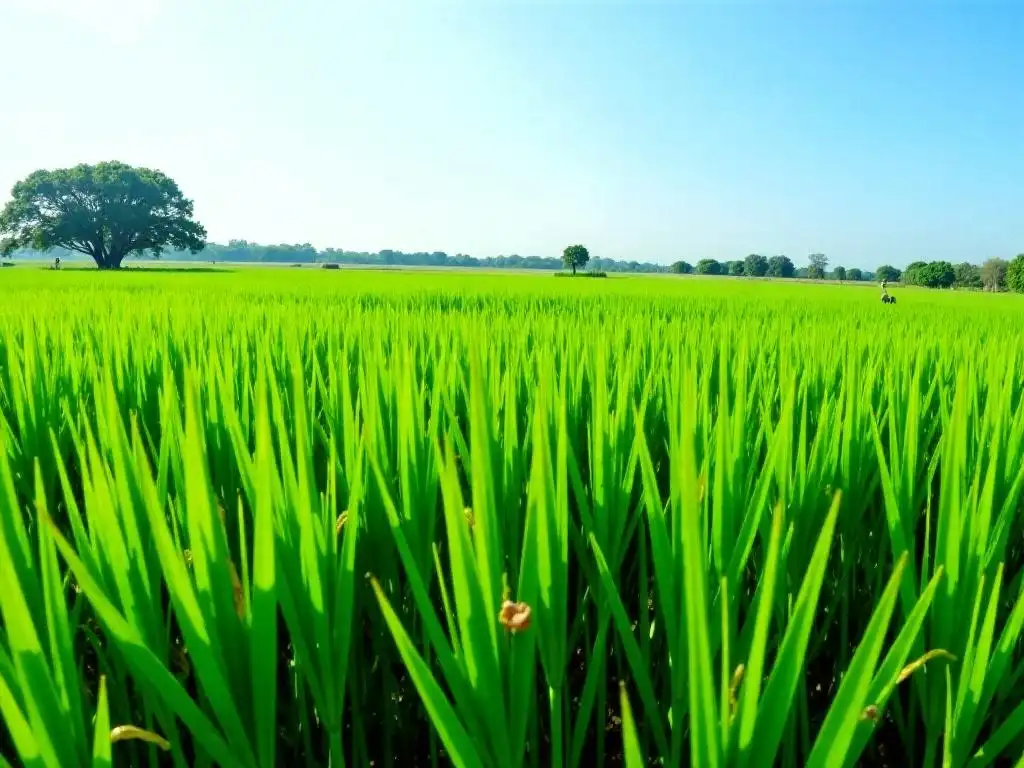
The Influence of Crop Rotation on Rural Communities
Crop rotation in feudal Japan was not merely an agricultural technique; it was a pivotal factor shaping the social fabric of rural communities. The practice of rotating crops, such as rice, millet, and legumes, led to enhanced soil fertility and sustainable farming practices, which in turn influenced community organization and relationships.
- Economic Stability: By practicing crop rotation, farmers could produce a diverse range of crops throughout the year. This not only ensured food security but also allowed for trade, contributing to the economic stability of rural areas. The surplus generated from successful harvests could be shared or sold, fostering communal ties and cooperation among villagers.
- Social Structures: The necessity of managing diverse crops required collaboration among farmers. This collaboration often resulted in organized workgroups, or "yui," where community members would come together to assist each other during planting and harvesting seasons. Such cooperation reinforced social bonds and established a sense of communal identity.
- Cultural Practices: The agricultural calendar, influenced by crop rotation, dictated the rhythm of rural life. Festivals and rituals were often aligned with planting and harvesting periods, marking significant milestones in the agricultural cycle. This connection between farming practices and community culture deepened the relationship between the people and their land.
Relationship Between Crop Rotation and Japanese Festivals
The agricultural practices, including crop rotation in feudal Japan, were not only vital for sustenance but also intricately linked to the cultural and spiritual life of the Japanese people. Various festivals celebrated the seasons and agricultural cycles, reflecting the importance of farming in daily life.
- Seasonal Festivals: Festivals such as the Oni Matsuri (Demon Festival) and Tsuchiya Matsuri (Earth Festival) were held to honor the gods of agriculture. These events were often timed to coincide with important phases in the crop rotation cycle, such as planting and harvesting.
- Rituals for Fertility: Farmers would perform rituals, such as the Shinto rice planting ceremony, which aimed to ensure a bountiful harvest. The practice of crop rotation was believed to please the deities, as it demonstrated respect for the land and its resources. This spiritual aspect reinforced the notion that agricultural practices were not merely economic activities but also cultural expressions.
- Community Celebrations: Festivals served as a platform for communities to come together, celebrate their agricultural success, and share knowledge about crop rotation techniques. The sharing of stories and practices during these gatherings helped to preserve and transmit traditional agricultural wisdom.
Wisdom Passed Down Through Generations
The concept of crop rotation in feudal Japan encompassed a wealth of knowledge that was meticulously passed down through generations. This agricultural wisdom was integral to the sustainability of farming practices and the resilience of rural communities.
- Traditional Knowledge: Elders in farming communities played a crucial role in teaching younger generations about the intricacies of crop rotation. They would share insights on which crops complemented each other, the timing of planting, and effective soil management techniques. This knowledge was often encapsulated in proverbs and folklore, making it accessible and memorable.
- Adaptive Practices: The evolution of crop rotation practices demonstrated the adaptability of farmers to changing environmental conditions. Techniques were refined based on experiences and observations, allowing communities to respond effectively to challenges such as droughts or pest infestations. This adaptability showcased not only agricultural intelligence but also a deep respect for nature.
- Cultural Legacy: The emphasis on sustainability and respect for the land reflected the broader philosophical and ethical frameworks within Japanese culture. The teachings surrounding crop rotation reinforced values such as harmony with nature and responsibility toward future generations, ensuring that these principles remained a vital part of Japanese identity.
Crop rotation in feudal Japan was significantly more than an agricultural technique; it influenced community dynamics, cultural practices, and the transmission of wisdom across generations. This multifaceted relationship underscores the importance of sustainable farming in shaping social structures and cultural identities in feudal Japan.
Comparative Analysis: Crop Rotation in Feudal Japan vs. Modern Practices
Similarities Between Ancient and Contemporary Crop Rotation Techniques
Crop rotation in feudal Japan showcases a sophisticated understanding of agricultural sustainability that resonates with modern practices. Both ancient and contemporary techniques share fundamental principles aimed at enhancing soil fertility, reducing pest populations, and maximizing yields. Here are some notable similarities:
- Diversity of Crops:
- Farmers in feudal Japan utilized a diverse range of crops, including rice, barley, and vegetables, in their rotation systems. This diversity prevents soil depletion and promotes a balanced ecosystem.
- Modern practices also emphasize crop diversity, integrating legumes, grains, and cover crops to improve soil health and disrupt pest life cycles.
- Nutrient Management:
- Feudal Japanese farmers often rotated nitrogen-fixing legumes with staple crops to replenish soil nutrients naturally. This approach minimized the need for synthetic fertilizers.
- Today, sustainable agriculture continues to adopt similar strategies, relying on crop rotation and cover crops to enhance soil nutrient content without chemical inputs.
- Pest and Disease Control:
- The rotation of crops in feudal Japan helped disrupt pest and disease cycles, reducing the likelihood of infestations and outbreaks.
- Modern agriculture similarly leverages crop rotation as a biological control method, decreasing the dependency on pesticides and promoting healthier ecosystems.
Innovations in Modern Agriculture Inspired by Historical Practices
The agricultural wisdom of feudal Japan has not only persisted through time but has also inspired a range of innovations in modern farming practices. Key innovations include:
- Permaculture Principles:
- The concept of permaculture echoes the traditional practices of feudal Japan, emphasizing the creation of sustainable agricultural ecosystems. By mimicking natural systems, modern farmers can enhance biodiversity and soil health.
- Agroecology:
- This modern agricultural approach incorporates traditional practices, such as those found in feudal Japan, to create resilient farming systems. Agroecological methods focus on local resources and knowledge, promoting sustainability while ensuring food security.
- Integrated Pest Management (IPM):
- Drawing from ancient pest control methods, modern IPM strategies incorporate crop rotation as a vital tool for managing pests and diseases. This holistic approach reduces chemical inputs and fosters a healthier environment.
- Soil Health Initiatives:
- Many contemporary agricultural programs emphasize the importance of soil health, inspired by the practices of feudal Japan. Techniques such as composting and organic amendments are being promoted to maintain soil structure and fertility.
The study of crop rotation in feudal Japan reveals a profound understanding of sustainable practices that continue to influence modern agriculture. By examining these historical techniques, contemporary farmers can develop innovative solutions rooted in ancient wisdom.
Challenges Faced by Farmers in Implementing Crop Rotation
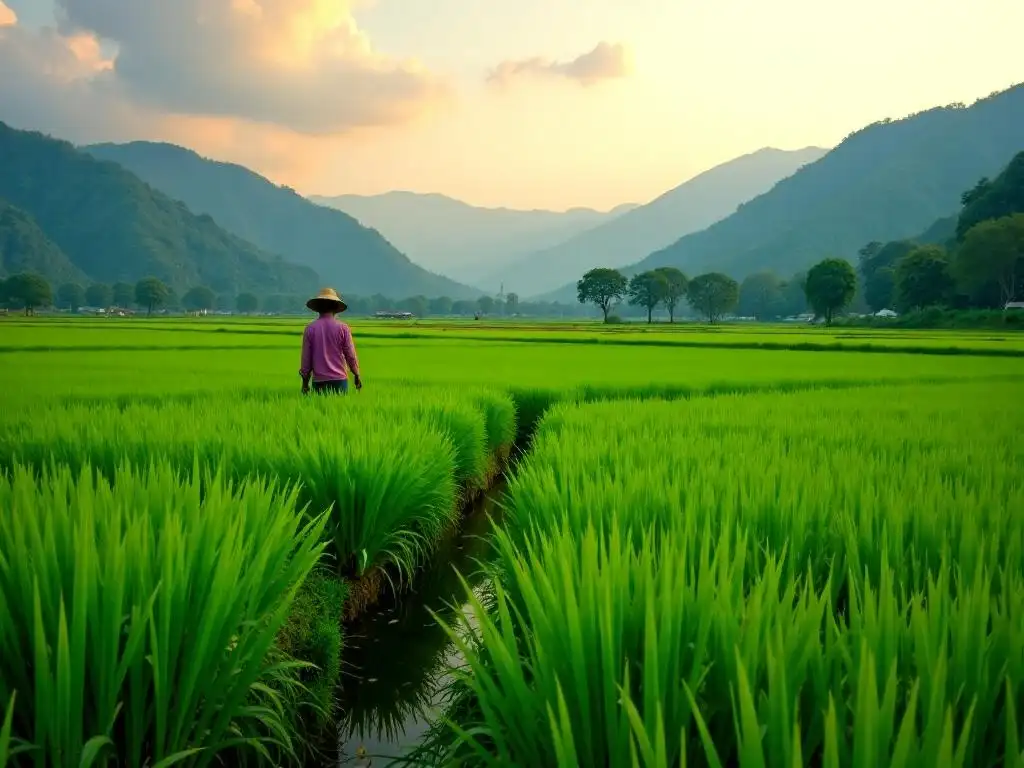
Implementing crop rotation in feudal Japan presented various challenges that farmers had to navigate. This ancient practice, although beneficial for soil health and productivity, was not universally adopted due to socio-economic constraints and environmental factors. Below, we explore the primary challenges that hindered the widespread implementation of crop rotation among feudal Japanese farmers.
Socio-Economic Factors Affecting Agricultural Practices
In feudal Japan, the socio-economic landscape significantly influenced agricultural practices, including crop rotation. Several key factors can be identified:
- Land Ownership and Feudal System: The highly stratified feudal system meant that land was often owned by a small elite, such as daimyō (feudal lords) and samurai. Peasant farmers worked as tenant farmers, and their ability to implement crop rotation depended heavily on their land agreements. In many cases, they had limited rights to make significant changes to their farming practices without the consent of their landlords.
- Economic Pressures: Farmers faced economic constraints that prioritized immediate yields over long-term sustainability. The need to produce enough rice, the staple food, often led to the prioritization of monoculture practices. This focus on rice cultivation left little room for experimenting with crop rotation, which would require a shift in traditional farming methods.
- Cultural Attitudes: Deep-rooted cultural beliefs and practices also played a role. Many farmers adhered to traditional methods passed down through generations, which made them resistant to adopting new practices like crop rotation. The fear of the unknown and potential risks associated with changing established practices influenced their reluctance to innovate.
- Market Demands: The demand for specific crops dictated farming practices. During periods of famine or economic downturns, farmers were more inclined to cultivate crops that guaranteed immediate financial returns, often at the expense of crop rotation. The reliance on rice as a cash crop further entrenched this practice, limiting the diversity of crops grown.
Natural Disasters and Their Impact on Crop Rotation
Natural disasters posed another significant challenge to the implementation of crop rotation in feudal Japan. The agricultural landscape was highly susceptible to various environmental risks, including:
- Typhoons and Flooding: Japan's geographical location makes it vulnerable to typhoons, which can lead to severe flooding. Such events not only destroy existing crops but can also disrupt the planned rotation of crops. Farmers often focused on re-establishing rice fields rather than experimenting with crop rotation after a natural disaster.
- Earthquakes: Earthquakes are another natural hazard that could devastate agricultural lands. The destruction caused by earthquakes often led to immediate recovery efforts that prioritized replanting staple crops (like rice) over implementing more sustainable practices like crop rotation.
- Soil Erosion: Frequent rain and flooding can lead to soil erosion, diminishing soil quality and making it difficult for farmers to implement effective crop rotation strategies. The loss of nutrient-rich topsoil can result in reduced agricultural productivity, discouraging farmers from attempting crop rotation, which requires healthier soil.
- Pest and Disease Outbreaks: Natural disasters can lead to pest and disease outbreaks that threaten crops. When farmers face the risk of losing their entire harvest, they may revert to traditional methods that prioritize quick yields, sidelining crop rotation, which can be a slower process of soil improvement.
While crop rotation in feudal Japan held promise for enhancing agricultural sustainability, farmers contended with numerous socio-economic and environmental challenges that complicated its implementation. Understanding these factors is crucial for appreciating the complexities of agricultural practices during this historical period.
Conclusion: The Legacy of Crop Rotation in Feudal Japan

The practice of crop rotation in feudal Japan stands as a testament to the agricultural ingenuity of its time, demonstrating how ancient techniques can yield sustainable benefits. Rooted in a deep understanding of the land and its cycles, crop rotation not only maximized agricultural productivity but also played a crucial role in maintaining soil health and reducing pest populations. As we conclude our exploration, it’s essential to reflect on the long-lasting impacts and lessons that can be drawn from this historical practice.
Lasting Impacts on Modern Japanese Agriculture
The legacy of crop rotation in feudal Japan can be observed in contemporary agricultural practices. Today, Japanese farmers continue to implement crop rotation as a core component of sustainable farming. This method has evolved but remains grounded in the principles established centuries ago.
- Soil Fertility:
- The rotation of crops helps to replenish soil nutrients, as different plants contribute to and extract various nutrients from the soil. For instance, legumes, which were often used in feudal systems, can fix nitrogen and enhance soil fertility for subsequent crops.
- Pest Management:
- Crop rotation disrupts the life cycles of pests and diseases that thrive on specific crops. By alternating crops, farmers reduce the likelihood of pest infestations, which was a key insight gained from feudal practices.
- Biodiversity:
- Modern agriculture in Japan embraces the diversity of crops inspired by ancient methods. A varied crop selection helps create a resilient ecosystem, promoting the health of the agricultural landscape.
Lessons from Ancient Practices for Sustainable Farming Today
Feudal Japan's agricultural methods offer valuable lessons for contemporary sustainable farming practices worldwide. Here are some key takeaways that resonate today:
- Intercropping:
- Utilizing the concept of intercropping, where different crops are grown together, can mimic the multi-crop systems of feudal Japan. This practice not only improves biodiversity but also enhances overall yield and resilience against climate variations.
- Soil Health Focus:
- Emphasizing soil health, as practiced by feudal farmers, is critical in modern agriculture. Techniques such as cover cropping and reduced tillage echo the ancient wisdom of nurturing the land to promote long-term productivity.
- Community Knowledge Sharing:
- The communal sharing of agricultural knowledge in feudal Japan is a practice that can be revitalized today. Initiatives that foster collaboration among farmers can lead to the exchange of sustainable techniques and innovations.
The principles of crop rotation in feudal Japan not only shaped the agricultural landscape of their time but also continue to influence modern practices. By learning from these ancient methods, contemporary farmers can enhance sustainability and resilience, ensuring that the wisdom of the past informs the future of agriculture.
References and Further Reading
Suggested Books on Feudal Japanese Agriculture
For those interested in delving deeper into the agricultural practices of feudal Japan, including the pivotal role of crop rotation, the following books are essential resources:
-
"The Agricultural History of Japan" by K. H. Kuroda
This comprehensive book provides an in-depth analysis of Japan's agricultural evolution, emphasizing traditional practices and their sustainability.
-
"Japanese Farming: A Historical Perspective" by Y. Takeda
This text covers various farming techniques, including crop rotation, and examines their impact on Japanese society and economy throughout the feudal period.
-
"Sustainable Agriculture in Japan: Practices and Policies" by A. Yamamoto
A detailed exploration of sustainable agricultural practices in Japan, with a focus on historical methods, including crop rotation, that have influenced modern strategies.
-
"The Role of Agriculture in Japanese History" by M. Fujimoto
This book provides insights into how agriculture shaped Japanese culture and economy, highlighting the significance of crop rotation techniques.
Academic Articles on Crop Rotation and Sustainability
For a more scholarly approach, the following academic articles offer valuable insights into crop rotation practices in feudal Japan and their implications for sustainability:
-
"Crop Rotation and Soil Fertility in Ancient Japan"
This article discusses the principles of crop rotation utilized in feudal Japan and analyzes their effects on soil health and agricultural productivity.
-
"Sustainability and Agricultural Practices in Historical Japan"
This paper examines the sustainability of ancient agricultural practices, including crop rotation, and their relevance to contemporary agricultural challenges.
-
"The Influence of Climate on Crop Rotation Systems in Feudal Japan"
This study explores how climatic factors influenced the implementation of crop rotation systems, providing a historical context for agricultural resilience.
-
"Traditional Knowledge and Modern Sustainability: Lessons from Feudal Japan"
This article draws parallels between ancient practices and modern sustainability concepts, emphasizing the importance of traditional crop rotation methods.
These resources will provide a well-rounded understanding of the agricultural practices in feudal Japan, particularly the significance of crop rotation in promoting sustainability within the context of the era's economic history.
Frequently Asked Questions
What is crop rotation and how was it used in feudal Japan?
Crop rotation is a farming practice where different crops are planted in the same area across seasons. In feudal Japan, it was essential for maintaining soil fertility and maximizing crop yield.
Why was crop rotation important for sustainability in feudal Japan?
Crop rotation helped in preserving the nutrient balance of the soil, reducing the risk of pests and diseases. This sustainable approach ensured that agricultural practices could support the population over time.
What types of crops were commonly rotated in feudal Japan?
Farmers often rotated between rice, barley, and soybeans, among other crops. This diversity not only improved soil health but also provided a varied diet for the population.
The implementation of crop rotation techniques allowed for increased food production, which supported larger populations and influenced the social hierarchy, as landowners benefited from improved yields.
What lessons from feudal Japan's crop rotation practices can be applied today?
Modern farming can learn from feudal Japan's sustainable techniques, emphasizing the importance of diversifying crops to enhance soil health and reduce dependency on chemical fertilizers.
Final Reflection: Embracing Ancient Wisdom for Sustainable Futures
In an era where sustainable practices are more crucial than ever, the agricultural techniques of feudal Japan, particularly crop rotation, offer profound insights into modern farming challenges. The wisdom of our ancestors reminds us that harmony with nature is not just a relic of the past but a guiding principle for today. As we grapple with climate change and food security, the lessons learned from centuries-old practices resonate with urgency and relevance.
The influence of crop rotation in feudal Japan extends beyond agriculture; it has shaped cultural values and social structures that prioritize sustainability. This ancient practice exemplifies a deep respect for the land and its resources, fostering a sense of community and responsibility. As we reflect on its impact, we can draw inspiration from the words of Masanobu Fukuoka: The ultimate goal of farming is not the growing of crops, but the cultivation and perfection of human beings.
This perspective encourages us to view sustainable practices as a holistic approach to nurturing both the earth and ourselves.
As we look to the future, I invite you to consider how the principles of crop rotation can be applied in your own life. Reflect on your relationship with the environment and the choices you make daily. Whether you are a gardener, a consumer, or simply a conscious citizen, every small action contributes to a larger movement toward sustainability. Let us honor the wisdom of feudal Japan by integrating these time-tested practices into our modern lives, fostering a more sustainable and harmonious world for generations to come.
Embrace Sustainable Farming Today!
Thank you for exploring the fascinating world of crop rotation and sustainability in feudal Japan! We hope you’ve uncovered valuable insights into how ancient practices can guide us toward a more sustainable future. Now, let's take the next step together to embrace these eco-friendly methods and make a positive impact.
Here are a few actionable suggestions to get you started:
- Implement crop rotation in your garden or community plots to enhance soil health and biodiversity. Consider alternating between several types of crops each season to maximize benefits!
- Share your knowledge with friends and family. Host a small gathering to discuss sustainable practices and inspire others to adopt these time-tested techniques.
- Join a local gardening group or online community to connect with like-minded individuals who are passionate about sustainability and eco-friendly agriculture.
What unique crops would you love to rotate in your own garden to contribute to a more sustainable future?