
The Samurai and the Soil: How Warriors Managed Agricultural Land

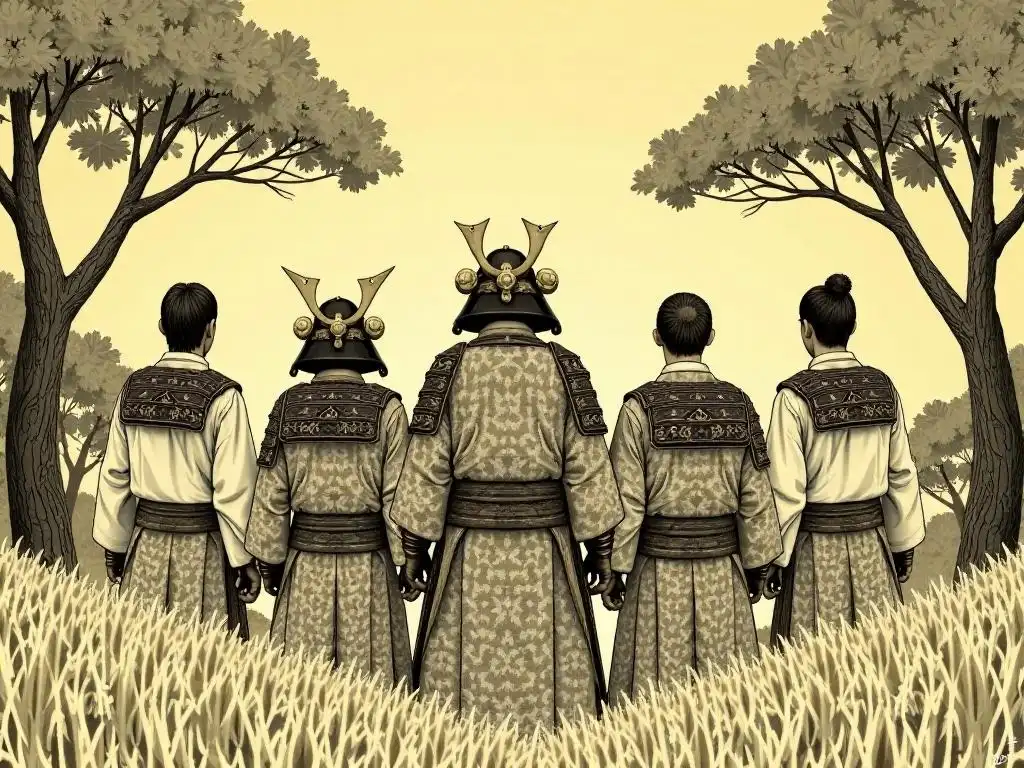
Welcome to Feudal Japan History, where we embark on a captivating journey through the intricate tapestry of Japan's feudal era. Here, history comes alive as we delve into the often-overlooked aspect of Samurai agricultural land management. How did these legendary warriors, known for their swordsmanship and honor, also become stewards of the soil?
Join us as we uncover the fascinating intersection of martial prowess and agricultural expertise in our featured article, "The Samurai and the Soil: How Warriors Managed Agricultural Land." Prepare to explore the profound impact of samurai on Japan's economic landscape, and let your curiosity guide you deeper into this rich historical narrative.
Introduction to Samurai Agricultural Land Management
In the intricate tapestry of feudal Japan, the samurai were not merely warriors defined by their prowess in battle; they were also pivotal figures in the management of agricultural land. This multifaceted role was integral to the socio-economic structure of the era, as the sustainability of the samurai class heavily depended on the agricultural output of the lands they governed.
In this article, we will explore how samurai engaged in agricultural land management, examining their responsibilities, the importance of agriculture in their lives, and the evolving practices that marked this critical period in history. By understanding these dynamics, we can gain deeper insights into the socio-economic foundations that supported the samurai and the broader feudal system.
Overview of the Role of Samurai in Feudal Japan
The samurai, often romanticized as noble warriors, played a significant role in shaping the political and social landscape of feudal Japan. Traditionally, samurai were part of a strict social hierarchy that emphasized loyalty, honor, and martial skill. However, their responsibilities extended beyond the battlefield:
- Land Ownership: Many samurai were granted land by their lords (daimyō) as part of their service, which made them landowners with a vested interest in agricultural productivity.
- Governance: Samurai acted as local administrators, overseeing the management of the land and the peasants who worked it. They were responsible for maintaining order and ensuring that agricultural activities were optimized for maximum yield.
- Military Obligations: The samurai's duty to provide military service to their lords often intersected with their agricultural responsibilities, particularly during times of war when resources were scarce.
This duality of role emphasized the importance of effective land management for both the samurai's honor and their economic stability.
Importance of Agricultural Land in the Samurai Class
Agricultural land was the backbone of the feudal economy in Japan, directly influencing the power and wealth of the samurai class. The relationship between samurai and land can be summarized through several key points:
- Economic Wealth: The amount of rice produced on their lands not only sustained the samurai but also served as a measure of their wealth and status within the feudal hierarchy.
- Social Stability: Effective land management ensured a stable food supply, which was crucial for maintaining social order and supporting the local population, including the samurai themselves.
- Cultural Significance: Agriculture was deeply connected to Japanese culture, with rice cultivation being central to various rituals and societal norms, further embedding the samurai's role in the agricultural framework of society.
Historical Context of Agriculture in Feudal Japan
Agriculture in feudal Japan underwent significant changes throughout the centuries, shaped by various factors including technological advancements, social structures, and the evolving needs of the samurai.
The Evolution of Agricultural Practices
The agricultural practices during the feudal era were characterized by a blend of tradition and innovation. Key developments included:
- Irrigation Techniques: The introduction of advanced irrigation systems allowed for more efficient water management, enhancing crop yields.
- Crop Rotation: Farmers began to adopt crop rotation methods, optimizing land use and improving soil fertility.
- Tools and Technology: The use of improved farming tools, such as the iron plow, increased productivity and allowed samurai to oversee larger tracts of land.
These advancements not only benefited the samurai but also improved the livelihoods of the peasant farmers who worked the land.
The Interrelationship between Samurai and Peasants
The relationship between samurai and peasants was complex and often fraught with tension. While samurai were tasked with protecting the lands and ensuring agricultural productivity, they also relied heavily on the peasants for labor and expertise. This interdependence can be highlighted by:
- Mutual Obligations: Peasants were typically bound to the land they worked, providing a steady labor force for the samurai. In return, samurai were expected to protect them from external threats and ensure their welfare.
- Social Hierarchy: The samurai's authority over the peasants was often enforced through a strict social hierarchy, which could lead to conflicts, especially during times of famine or hardship.
- Cultural Exchange: Despite the power dynamics, there was also an exchange of knowledge and practices between samurai and peasants, enriching the agricultural landscape of feudal Japan.
Understanding this intricate relationship sheds light on the broader economic and social structures of feudal Japan, revealing how essential agricultural land management was to the samurai and the society as a whole.
The Role of Samurai in Agricultural Land Management
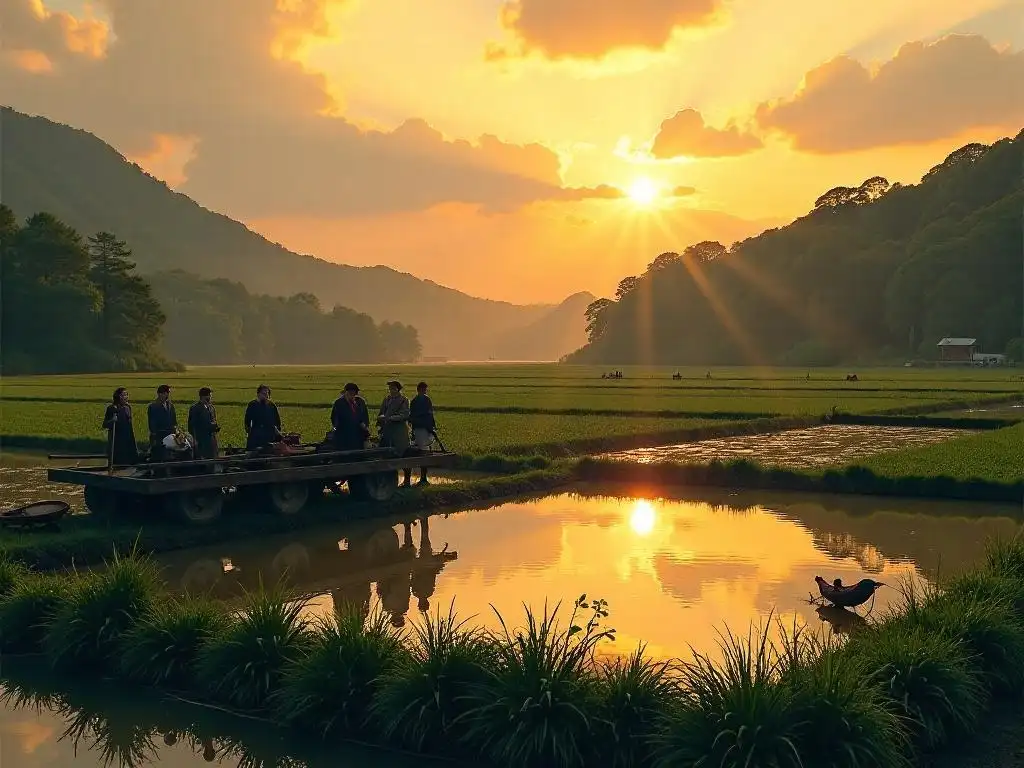
The samurai, often revered as the warrior class of feudal Japan, played a pivotal role in the management of agricultural land during this era. While their primary identity was rooted in martial prowess, samurai were also landowners and administrators responsible for overseeing vast estates. This dual role necessitated a blend of military skill and agricultural knowledge, making them instrumental in the sustenance and productivity of their domains.
Samurai landowners were typically granted estates by their lords in exchange for military service. These lands were not merely sources of personal wealth; they were integral to the local economy and the supply of resources needed for warfare. As such, samurai had to engage actively with the agricultural practices on their lands, ensuring that crops were cultivated efficiently and that the labor force, primarily composed of peasants, was managed effectively. This involvement in agriculture illustrates the interconnectedness of military and economic functions within feudal society.
Responsibilities of Samurai Landowners
Samurai landowners had a range of responsibilities that extended beyond mere ownership. They were tasked with the following key duties:
- Management of Peasant Labor: Samurai were responsible for overseeing the peasant farmers who worked the land. This included negotiating labor contracts, ensuring fair treatment, and maintaining order within the workforce.
- Crop Production Oversight: They monitored crop production cycles, deciding what to plant and when to harvest. Understanding seasonal changes and soil conditions was crucial for maximizing yields.
- Tax Collection: Samurai collected taxes from the peasants, often in the form of rice, which was the primary currency during this period. This tax system not only supported the samurai's own livelihood but also funded their military obligations.
- Conflict Resolution: As local leaders, samurai were often called upon to mediate disputes among peasants, ensuring that conflicts did not disrupt agricultural productivity.
These responsibilities positioned samurai as key figures in maintaining the agricultural backbone of feudal Japan, directly linking their martial duties to the economic stability of their territories.
Techniques Used by Samurai for Land Management
To effectively manage agricultural land, samurai employed various techniques that highlighted their understanding of agriculture and land stewardship. Some notable practices included:
- Crop Rotation: Samurai promoted crop rotation to enhance soil fertility and productivity. By alternating different crops, they ensured that the soil was not depleted of essential nutrients.
- Irrigation Systems: Understanding the importance of water management, samurai invested in irrigation technologies. They constructed dikes, canals, and ponds to control water flow and ensure crops received adequate moisture.
- Land Improvement: Samurai often engaged in land reclamation and improvement practices, such as clearing forests, draining swamps, and fertilizing fields to increase arable land.
- Education of Peasants: Many samurai took it upon themselves to educate peasant farmers about advanced agricultural techniques. This included sharing knowledge about pest control, soil management, and efficient farming tools.
These techniques not only enhanced agricultural productivity but also fostered a sense of community and cooperation between samurai and their peasant laborers, facilitating a more organized and sustainable agricultural system.
Economic Implications of Samurai Management of Agricultural Land
The agricultural practices and management strategies employed by samurai had significant economic implications during the feudal era. Their influence extended beyond individual estates, shaping the broader economic landscape of Japan.
How Samurai Agricultural Practices Influenced the Economy
The agricultural innovations and management strategies utilized by samurai contributed directly to the economic prosperity of their regions. A few noteworthy impacts include:
- Increased Agricultural Output: By implementing advanced farming techniques and effective land management, samurai were able to boost crop yields significantly. This increase in production ensured a stable food supply, which was vital for both local consumption and trade.
- Creation of Surplus: The efficient management of agricultural lands often resulted in surplus production. This surplus allowed samurai to barter and trade with neighboring regions, fostering economic interdependence and growth.
- Development of Market Systems: As agricultural output grew, so did the need for marketplaces where goods could be exchanged. Samurai often played a role in establishing these markets, further stimulating economic activity and commerce.
- Tax Revenue Generation: The effective management of agricultural lands led to higher tax revenues for samurai, which they used to fund military campaigns and maintain their status. This cyclical relationship between agriculture and military funding established a robust economic foundation for feudal Japan.
The Impact of Land Management on Local Communities
The land management practices of samurai had profound effects on local communities, influencing both their social structure and economic conditions. Key impacts included:
- Social Hierarchy: The relationship between samurai and peasants was inherently hierarchical. Samurai landowners held significant power over local communities, which could lead to both stability and oppression, depending on the samurai's governance style.
- Community Resilience: Effective agricultural practices contributed to the resilience of local communities. With stable food supplies and economic opportunities, communities were better equipped to withstand external pressures, such as invasions or natural disasters.
- Cultural Exchange: As samurai engaged with local communities, cultural exchanges occurred. This interaction fostered a blending of traditions and practices, enriching the cultural fabric of feudal Japan.
- Infrastructure Development: The need for efficient transportation of agricultural goods led to infrastructure development, including roads and irrigation systems. This not only aided in agricultural management but also enhanced connectivity within and between communities.
The management of agricultural land by samurai played a crucial role in shaping the economic and social landscape of feudal Japan, demonstrating the intricate ties between agriculture, economy, and the samurai warrior class.
Cultural Significance of Agriculture in the Samurai Code
Agriculture held profound cultural significance in the samurai code, reflecting the intertwined relationship between warriors and the land they governed. The samurai, often seen as the elite warrior class, were also tasked with the stewardship of agricultural lands, which were vital for sustaining their domains and supporting their retainers. This responsibility was not merely a duty but was deeply embedded in the samurai ethos, wherein the cultivation of land symbolized virtue, discipline, and the very foundation of society.
The agricultural practices of the samurai were guided by the principles of the Bushido code, which emphasized honor, loyalty, and responsibility. By managing agricultural land effectively, samurai demonstrated their commitment to their lords and the welfare of the peasant population. This relationship fostered a sense of mutual respect and obligation, where the samurai were seen not just as warriors, but as protectors and cultivators of the land.
Furthermore, agriculture was viewed as a means of spiritual fulfillment in the samurai's life. The act of farming was often associated with simplicity and humility, aligning with the samurai's pursuit of inner peace and enlightenment. This cultural significance of agriculture was manifest in various rituals and traditions that celebrated the cycles of planting and harvest, reflecting the samurai's deep connection to the earth.
The Bushido Code and Agricultural Practices
The Bushido code, the ethical framework governing samurai conduct, played a crucial role in shaping their approach to agricultural practices. Within this code, the principles of loyalty, duty, and respect for the land were paramount. Samurai were expected to uphold the welfare of their subjects, which included ensuring that agricultural lands were managed sustainably and productively.
One of the key tenets of the Bushido code was the idea of "on," or obligation. Samurai recognized that their status and sustenance were directly tied to the productivity of the land. Consequently, they engaged in agricultural management not only to provide for their families and retainers but also to fulfill their obligations to the community. This sense of duty extended to implementing effective farming techniques and supporting the farmers, ensuring the stability of food production.
Moreover, samurai often participated in agricultural activities themselves, particularly in times of peace. This involvement reinforced their connection to the land and the people, exemplifying the code's emphasis on humility and service. The dual role of samurai as warriors and land managers illustrated the comprehensive nature of the Bushido code, blending martial prowess with agrarian stewardship.
Rituals and Traditions Associated with Farming
In feudal Japan, various rituals and traditions associated with farming highlighted the cultural importance of agriculture in samurai society. These practices not only celebrated the agricultural cycle but also reinforced the samurai's connection to their land and community.
One prominent ritual was the "Niiname-sai," a ceremonial rice planting event held in autumn to give thanks to the deities for a bountiful harvest. During this ceremony, samurai would participate alongside farmers, emphasizing their role as protectors of the agricultural community. They would offer the first rice of the season to the deities, seeking blessings for future harvests.
Another significant tradition was the "Kagura," a form of ritual music and dance performed during agricultural festivals. This performance was often held to appease rice deities and ensure fertility in the fields. Samurai involvement in these festivals demonstrated their commitment to agricultural prosperity and their respect for the spiritual aspects of farming.
Additionally, seasonal festivals such as "Tsuchi-no-Kami Matsuri," dedicated to the god of the soil, were occasions where samurai would engage in communal farming activities. These events fostered unity among the samurai and the peasantry, reinforcing the bonds between them and acknowledging the importance of agriculture in sustaining their society.
Challenges Faced by Samurai in Managing Agricultural Lands
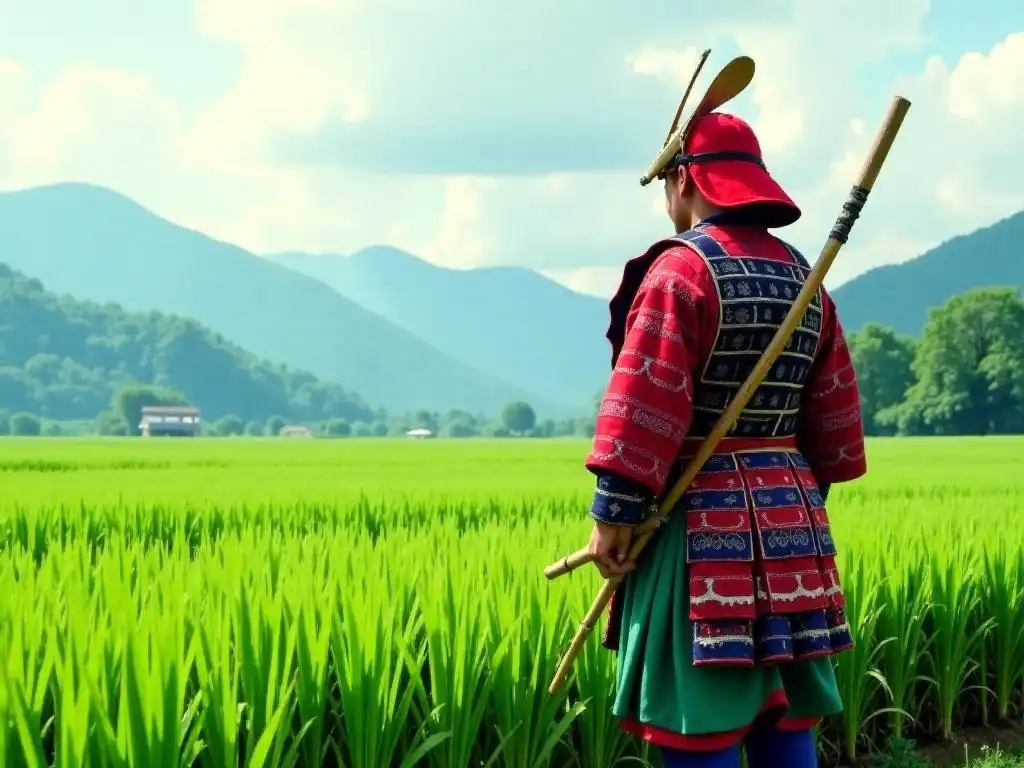
Managing agricultural lands presented numerous challenges for the samurai, as they navigated the complexities of environmental, political, and social factors. The interplay of these challenges shaped their agricultural practices and overall effectiveness in land management.
Environmental Factors Affecting Agriculture
Environmental challenges significantly impacted the samurai's ability to manage agricultural lands effectively. Natural disasters, such as floods, droughts, and typhoons, posed constant threats to crop yields and soil fertility. For instance, the reliance on rice as a staple crop made samurai highly vulnerable to fluctuations in weather patterns, which could lead to crop failures and food shortages.
Soil degradation was another critical issue, as the intensive farming practices employed by samurai and their retainers often led to depletion of nutrients. Without proper soil management techniques, such as crop rotation and fallowing, long-term agricultural sustainability was jeopardized. The samurai had to balance their martial duties with the need for environmental stewardship, making informed decisions about land use to ensure productivity.
Moreover, pest infestations and diseases could devastate crops, further compounding the challenges faced by samurai in agricultural management. The ability to respond effectively to these environmental factors was crucial, as it directly impacted the economic stability of their domains.
Political and Social Challenges Encountered
In addition to environmental factors, samurai faced various political and social challenges in managing agricultural lands. The feudal system inherently created tensions between the warrior class and the peasantry. While samurai were responsible for the protection and governance of agricultural lands, their authority was often met with resistance from farmers who sought autonomy and fair treatment.
The "jito" system, wherein samurai acted as land stewards for their lords, sometimes led to conflicts over land rights and taxation. Farmers were often burdened with heavy taxes imposed by samurai, which could lead to discontent and uprisings. Samurai had to navigate these social dynamics delicately to maintain order and ensure the loyalty of their subjects.
Additionally, shifting political landscapes, such as the rise of powerful daimyo (feudal lords) and changes in governance, affected the samurai's agricultural management strategies. Alliances, betrayals, and territorial disputes could disrupt agricultural production and alter land ownership, complicating the samurai's role as land managers.
While the samurai adhered to the cultural significance of agriculture and the principles of the Bushido code, they faced multifaceted challenges in managing agricultural lands. Their success as stewards of the land depended on their ability to adapt to environmental conditions and navigate the political and social complexities of their era.
Innovations in Agricultural Techniques by Samurai
During the feudal era in Japan, samurai were not only warriors but also land managers who played a crucial role in agricultural innovation. As the protectors of their domains, they understood that the prosperity of their lands was vital for sustaining their military and economic power. This led to the implementation of various innovative agricultural techniques that remarkably enhanced productivity and efficiency.
Introduction of New Crops and Farming Methods
Samurai actively promoted the introduction of new crops suited to different climatic regions across Japan. For instance, they encouraged the cultivation of rice varieties that could thrive in various soil types and climates, leading to increased rice production. Alongside rice, crops such as millet, barley, and soybeans became staples in many regions.
Moreover, samurai often employed crop rotation methods to maintain soil fertility and maximize land usage. By alternating the types of crops grown in a given field, they could prevent soil depletion and reduce pest infestations. This practice not only improved yields but also established a more sustainable approach to farming, laying the groundwork for future agricultural advancements.
Advances in Irrigation and Soil Management
Irrigation techniques underwent significant enhancements during the samurai period, largely due to the warriors' need for efficient water management to support their agricultural endeavors. Samurai implemented complex irrigation systems, including the construction of canals and water reservoirs, which allowed for better distribution of water to fields during dry seasons.
Furthermore, samurai recognized the importance of soil management in agriculture. They developed methods to enhance soil quality, such as the use of organic fertilizers derived from livestock waste and plant materials. This focus on soil health contributed to sustained agricultural productivity and laid the foundation for modern practices in soil management.
The Legacy of Samurai Agricultural Land Management
The agricultural innovations initiated by samurai have left a lasting impact on Japanese farming practices, influencing both historical and contemporary agricultural systems. Their emphasis on efficient land management and crop diversification continues to resonate in Japan's agricultural landscape.
Long-term Effects on Japanese Agriculture
The practices established by samurai contributed to significant agricultural advancements that shaped Japan's economy over the centuries. The increased productivity allowed for population growth and urbanization, as surplus food supported larger communities. Additionally, these innovations encouraged regional trade, as surplus crops could be exchanged between different areas, fostering economic interdependence.
The legacy of samurai agricultural land management is evident in the enduring traditions of rice cultivation and the importance of local crops in Japanese cuisine. The principles of sustainability and resource management that samurai championed have persisted, influencing farming methodologies even in modern Japan.
Influence on Modern Agricultural Practices in Japan
Today, the impact of samurai agricultural land management can be seen in various contemporary agricultural practices. Modern Japanese farmers continue to utilize crop rotation and sustainable farming techniques that echo those established during the feudal era. Additionally, the emphasis on quality and precision in rice cultivation has its roots in the meticulous methods refined by samurai.
Innovative irrigation techniques developed centuries ago, such as terracing and water conservation practices, are still relevant in Japan's mountainous terrain. The respect for the land and its resources instilled by samurai has evolved into a broader cultural appreciation for sustainability, influencing modern agricultural policies and practices aimed at preserving Japan's rich agricultural heritage.
The intersection of samurai culture and agricultural innovation has played a pivotal role in shaping Japan's agricultural landscape, leaving a legacy that continues to influence practices today.
Conclusion: The Lasting Influence of Samurai on Agriculture
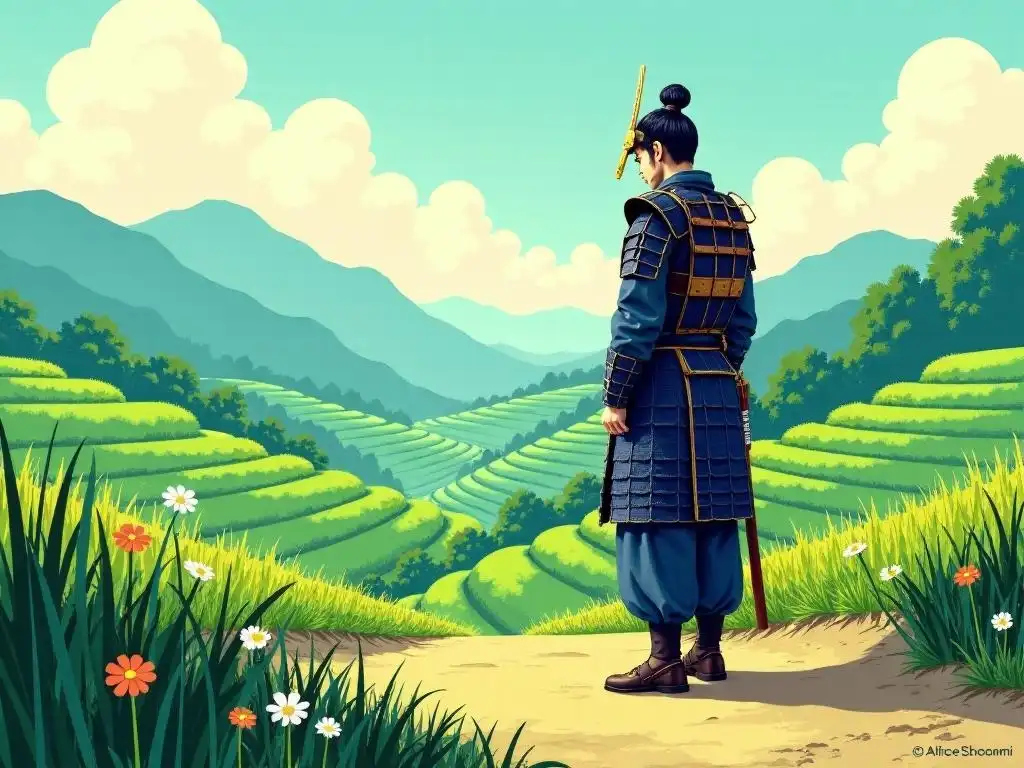
The samurai's role in agricultural land management during the feudal era of Japan cannot be overstated. Their influence extended far beyond the battlefield, impacting the very fabric of rural life and agricultural practices. By integrating military discipline with agricultural techniques, samurai cultivated not only the land but also the resilience of their communities. As stewards of the land, they implemented effective farming methods that improved yield, enhanced soil fertility, and promoted sustainable practices, which were crucial for the survival of their clans.
The legacy of samurai agricultural land management is evident in the rice cultivation techniques that are still practiced today. The samurai's commitment to land stewardship laid the groundwork for agricultural traditions that have persisted through centuries. Furthermore, their influence on land ownership and management structures contributed to the socio-economic frameworks that shaped Japan's rural landscape. The samurai's ability to blend their martial skills with agricultural responsibilities has created a lasting imprint on Japan's history, showcasing the intricate relationship between warfare and agriculture.
Summary of Key Insights on Samurai Agricultural Land Management
- Dual Role of Samurai: Samurai were not just warriors; they were also land managers. They oversaw agricultural production and ensured that their lands were effectively farmed to support their clans.
- Innovative Agricultural Techniques: The samurai introduced advanced farming practices, such as crop rotation and irrigation systems, which significantly increased agricultural output and soil health.
- Social Structure and Land Ownership: The samurai class established a hierarchical system of land ownership, which emphasized the importance of land as a source of power and wealth. This system often involved the employment of peasants who worked the land in return for protection.
- Cultural Integration: The samurai's connection to agriculture is reflected in Japanese culture, particularly in literature and art, which often celebrated the beauty of rural life and the harmony between humans and nature.
- Enduring Legacy: The agricultural practices and land management philosophies established by samurai have influenced modern Japanese agriculture, demonstrating a continuity of tradition and respect for the land.
Reflection on the Intersection of War and Agriculture in Feudal Japan
The relationship between war and agriculture in feudal Japan was complex and multifaceted. On one hand, the samurai were often engaged in conflicts that disrupted agricultural production, leading to periods of famine and hardship. On the other hand, the need for sustainable food sources directly influenced the samurai's approach to land management. Successful agricultural practices ensured not only the survival of their clans during times of peace but also provided the necessary resources to support military campaigns.
This duality highlights a crucial aspect of feudal society: the interdependence between the warrior class and the agrarian populace. The samurai's role as land managers created a sense of responsibility towards the farmers who worked the land. The prosperity of their agricultural lands was essential for maintaining power and influence, thus tying the samurai's fate to the productivity of the soil.
Ultimately, the intersection of war and agriculture shaped the socio-economic landscape of feudal Japan, where the principles of stewardship, innovation, and resilience came to define the samurai's legacy. The impact of their agricultural management practices continues to resonate in Japan's cultural and historical narrative, illustrating the profound connection between the warriors and the land they fought to protect.
- Introduction to Samurai Agricultural Land Management
- Overview of the Role of Samurai in Feudal Japan
- Importance of Agricultural Land in the Samurai Class
- Historical Context of Agriculture in Feudal Japan
- The Role of Samurai in Agricultural Land Management
- Economic Implications of Samurai Management of Agricultural Land
- Cultural Significance of Agriculture in the Samurai Code
- Challenges Faced by Samurai in Managing Agricultural Lands
- Innovations in Agricultural Techniques by Samurai
- The Legacy of Samurai Agricultural Land Management
- Conclusion: The Lasting Influence of Samurai on Agriculture
- Summary of Key Insights on Samurai Agricultural Land Management
- Reflection on the Intersection of War and Agriculture in Feudal Japan
- What role did samurai play in agricultural land management during feudal Japan?
- How did samurai influence agricultural practices?
- What were the benefits of samurai involvement in agriculture?
- How did land management affect the social structure of feudal Japan?
- What were the challenges faced by samurai in managing agricultural land?
Frequently Asked Questions
What role did samurai play in agricultural land management during feudal Japan?
The samurai were not only warriors but also landowners who managed agricultural land. They oversaw farming operations to ensure productivity and maintain their economic power.
How did samurai influence agricultural practices?
Samurai implemented various innovative techniques and strategies to improve crop yields. Their military training often translated into efficient management practices on the farms they controlled.
What were the benefits of samurai involvement in agriculture?
The involvement of samurai in agriculture provided stability to the rural economy. Their presence helped protect farmers from external threats and ensured that agricultural lands were well-maintained.
Effective land management by samurai reinforced their social standing and authority. It created a clear hierarchy where samurai were respected as both military leaders and landowners.
What were the challenges faced by samurai in managing agricultural land?
Samurai faced several challenges, including natural disasters, resource scarcity, and maintaining a balance between their warrior duties and land management responsibilities. These factors often impacted agricultural productivity.
Final Reflection: The Legacy of Samurai Agricultural Land Management
The intricate relationship between the samurai and agricultural land management remains profoundly relevant today, as we grapple with sustainable practices in our modern world. The samurai, often romanticized as fierce warriors, were also adept stewards of the land, understanding that their survival and prosperity were intricately tied to the health of the soil. This duality serves as a powerful reminder that true strength lies not only in combat but also in nurturing the very foundations of our existence.
Cultural landscapes are shaped by the values and practices of those who inhabit them, and the samurai's approach to agriculture offers timeless lessons in sustainability and respect for nature. The samurai recognized that their honor was linked to the land they cultivated, fostering a deep connection that resonates with contemporary movements advocating for environmental stewardship. As the renowned philosopher Masanobu Fukuoka once said, The ultimate goal of farming is not the growing of crops, but the cultivation and perfection of human beings.
This perspective invites us to reflect on our role as caretakers of the earth, emphasizing that our actions today will shape the world for future generations.
As we consider the lessons from the samurai's agricultural practices, I invite you to reflect on your own relationship with the land and the resources you consume. How can you embody the samurai spirit in your daily life, fostering a deeper connection to the environment and promoting sustainable practices? Let us honor the legacy of these warriors by becoming mindful stewards of our own landscapes, ensuring that we cultivate not only the soil but also a future that thrives for generations to come.
Unleash the Warrior Within: Cultivate Your Knowledge and Actions!
Thank you for exploring the fascinating intersection of samurai culture and agriculture in feudal Japan! By understanding how these warriors managed agricultural land, you've gained invaluable insights into resilience and resourcefulness that still resonate today. Now it's time to channel that knowledge into action!
Here’s how you can take your newfound inspiration further:
- Dive deeper into feudal practices: Research local agricultural methods to draw parallels and discover how historical techniques inform modern farming practices.
- Share your insights: Engage in discussions with friends or on social media to foster conversations about how cultural history shapes our approach to agriculture and sustainability.
- Engage with a community: Participate in local groups focused on historical agriculture to exchange ideas and learn from others who share a passion for this essential aspect of our heritage.
As you reflect on these rich themes, consider this: How can you apply the samurai’s dedication and discipline in your own life or community today?