
The Impact of Natural Disasters on Agriculture During the Feudal Era


Welcome to Feudal Japan History, where we embark on a fascinating journey through the intricate tapestry of Japan’s feudal era. In this exploration of historical, cultural, and societal dimensions, we delve into the profound impact of natural disasters on agriculture during this tumultuous period. How did typhoons, earthquakes, and droughts shape the livelihoods of samurai and farmers alike? Join us as we uncover the interplay between nature and economy, revealing stories that have often been lost to time. Prepare to dive deeper into the forces that molded feudal Japan— the answers await you!
The feudal era of Japan, spanning from the late 12th century to the early 19th century, was marked by a complex interplay of social structures, cultural developments, and economic activities. Among these, agriculture played a fundamental role in sustaining the population and supporting the feudal system. However, this period was also rife with natural disasters, including earthquakes, floods, and typhoons, which significantly impacted agricultural productivity. Understanding how these natural disasters influenced farming practices, food security, and societal stability provides invaluable insights into the resilience and adaptability of feudal Japan's agricultural landscape.
Natural disasters in feudal Japan were not merely environmental occurrences; they were pivotal events that shaped the economy, influenced social hierarchies, and often led to widespread famine and civil unrest. The agricultural sector, which relied heavily on predictable weather patterns and fertile lands, faced severe challenges due to these unpredictable forces of nature. This article aims to delve into the specific types of natural disasters that plagued feudal Japan, their repercussions on agricultural output, and the responses of both the farmers and the ruling classes to these challenges.
By exploring these aspects, we can appreciate the resilience of agricultural practices in the face of adversity and the intricate relationship between nature and human society during this critical period in Japanese history. Through a detailed examination of historical records, case studies, and expert analyses, we will uncover the multifaceted impacts that natural disasters had on agriculture during the feudal era, providing a comprehensive understanding of this vital aspect of Japan's economic history.
- Introduction to Natural Disasters in Feudal Japan
- Major Natural Disasters That Affected Agriculture
- Socio-Economic Impact of Natural Disasters on Agriculture
- Responses to Natural Disasters in Feudal Japan
- Case Studies of Notable Natural Disasters in Feudal Japan
- The Evolution of Agricultural Techniques in Response to Natural Disasters
- Conclusion
-
Frequently Asked Questions
- What were the main natural disasters in feudal Japan?
- How did natural disasters affect agriculture in feudal Japan?
- What measures were taken to mitigate the impact of natural disasters?
- Did natural disasters influence social structures in feudal Japan?
- How did the government respond to natural disasters during this era?
- Final Reflection: The Enduring Legacy of Natural Disasters in Feudal Japan
- Embrace the Resilience of Agriculture!
Introduction to Natural Disasters in Feudal Japan
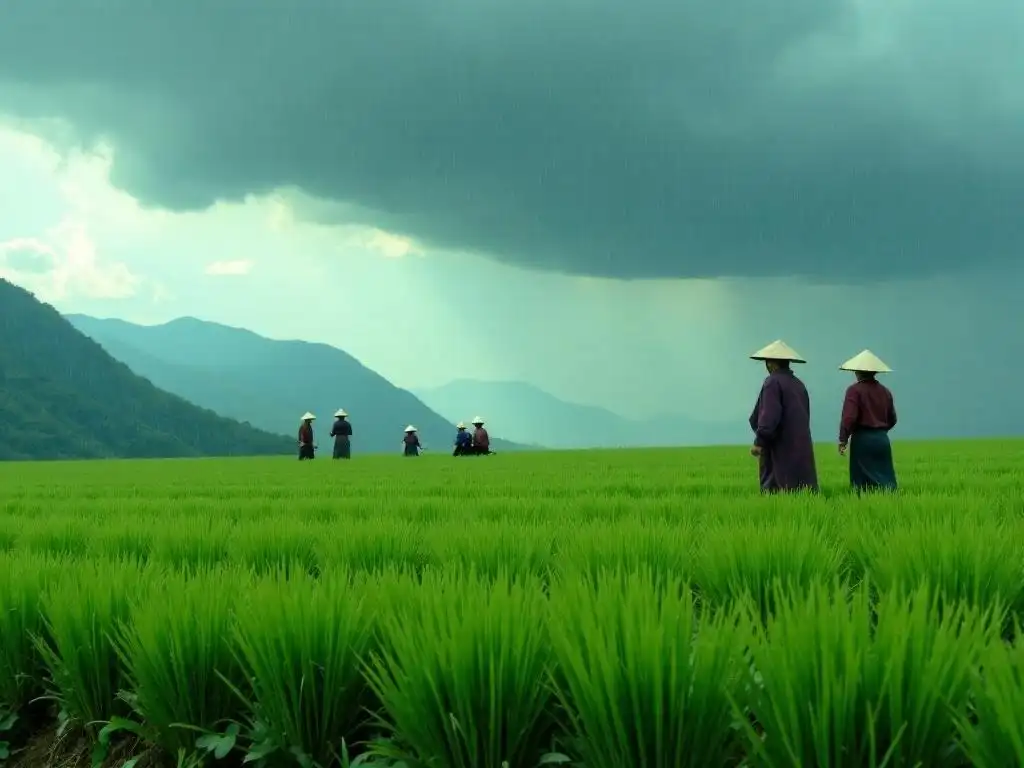
Natural disasters in feudal Japan played a significant role in shaping the agricultural landscape and the broader socio-economic framework of the era. These disasters, ranging from earthquakes and tsunamis to floods and droughts, had profound impacts on crop yields, food security, and the livelihoods of the peasant class. Understanding the interplay between these natural phenomena and agriculture provides valuable insights into the resilience and adaptability of feudal Japanese society.
Overview of Feudal Japan and Its Agricultural Practices
Feudal Japan, spanning from the late 12th century to the mid-19th century, was characterized by a hierarchical social structure dominated by the samurai class. Agriculture was the backbone of this society, with rice cultivation at its core. The rice paddy system not only sustained the population but also served as a measure of wealth and power among the feudal lords (daimyō).
Agricultural practices during this period were heavily influenced by the geography and climate of Japan. The following components were central to these practices:
- Terracing: Farmers adapted to the mountainous terrain by creating terraces, allowing for better water management and soil conservation.
- Irrigation: The use of canals and irrigation systems improved water supply, enabling farmers to cultivate rice and other crops more effectively.
- Crop Rotation: To maintain soil fertility, farmers practiced crop rotation, alternating rice with legumes and other crops that enriched the soil.
Despite these innovations, agricultural productivity was vulnerable to natural disasters, which could devastate entire harvests and disrupt the feudal economy.
Significance of Agriculture in the Feudal Economy
Agriculture was not merely a means of sustenance; it was a vital component of the feudal economy. The productivity of the land directly influenced the wealth and power of the samurai class and the daimyō. Key points illustrating the significance of agriculture include:
- Taxation: Rice was a primary tax currency. Peasants were required to pay a portion of their harvest to their lords, creating a revenue stream that funded military campaigns and administrative costs.
- Social Structure: The relationship between landowners and peasants was foundational to the feudal system. A surplus in agricultural production could enhance a lord's status, while failure in yields could lead to social unrest.
- Cultural Identity: Rice cultivation formed an integral part of Japanese identity and culture, influencing festivals, religious practices, and social norms.
The interdependence of agriculture and feudal power dynamics highlights how natural disasters could disrupt not only food production but also the very fabric of society.
Definition and Types of Natural Disasters in Feudal Japan
Natural disasters in feudal Japan encompassed a range of environmental challenges that had varying impacts on agriculture. Understanding these disasters is crucial to grasping their implications for the feudal economy. Some of the key types of natural disasters include:
- Earthquakes: Japan's position along the Pacific Ring of Fire made it prone to seismic activity. Major earthquakes could destroy irrigation systems, farmland, and infrastructure.
- Floods: Heavy rainfall, often exacerbated by typhoons, led to river flooding, which could wash away crops and soil, rendering fields unproductive for years.
- Droughts: Prolonged dry spells severely affected rice cultivation, leading to famine and social unrest. The impact of drought extended beyond immediate crop failures, as it depleted reserves and strained local economies.
- Tsunamis: Coastal regions faced the threat of tsunamis, which could devastate fishing communities and agricultural areas near the shore.
The frequency and intensity of these natural disasters necessitated adaptive strategies among farmers and policymakers alike, shaping the resilience of feudal Japan's agricultural practices.
Major Natural Disasters That Affected Agriculture

The feudal era in Japan was marked by a series of natural disasters that profoundly influenced agricultural practices and rural economies. Understanding the types of disasters that occurred—and their repercussions—provides insight into the resilience and adaptability of feudal Japanese society. The following sections explore the consequences of earthquakes, typhoons, flooding, and droughts, highlighting how these events shaped agricultural production and food security.
Earthquakes and Their Consequences on Farming
Earthquakes were a significant natural hazard in feudal Japan, with numerous seismic events recorded throughout history. The impact of these disasters on agriculture was both immediate and long-lasting.
- Soil Disruption: Earthquakes often caused ground deformation, leading to the destruction of arable land. The shaking could disrupt irrigation systems and cause soil erosion, which diminished crop yields for years.
- Infrastructure Damage: The destruction of bridges, roads, and granaries hampered the transportation of goods. Farmers faced difficulties in accessing markets, which led to local shortages and increased prices.
- Psychological Impact: The trauma of experiencing an earthquake could lead to a decline in agricultural productivity due to fear and uncertainty. Farmers might postpone planting or fail to maintain their fields, fearing future tremors.
One significant earthquake was the Keichō Earthquake in 1596, which affected a large portion of the country. It destroyed rice fields, leading to a scarcity of food. The ripple effects were felt throughout the feudal economy, impacting samurai stipends and peasant livelihoods.
Typhoons and Flooding: Impact on Crop Yield
Typhoons were another prominent natural disaster that wreaked havoc on agriculture in feudal Japan. These storms often brought heavy rains, leading to catastrophic flooding.
- Crop Destruction: The high winds and torrential rains associated with typhoons could flatten rice paddies and other crops. For instance, the Typhoon of 1667 resulted in the loss of a significant portion of the rice harvest in western Japan, leading to food shortages.
- Flooding and Soil Quality: Floods altered the quality of soil, depositing sediment that could either enrich or degrade the land. While some floods brought nutrients, others washed away topsoil, making land less suitable for farming.
- Long-term Economic Effects: The aftermath of floods could lead to prolonged periods of famine, as farmers struggled to recover. This led to increased reliance on government aid and the distribution of rice from stores, affecting the overall economy.
Farmers developed various strategies to mitigate the impact of typhoons, such as planting crops in mounds to reduce water accumulation and utilizing flood-resistant rice varieties.
Droughts and Famine: Historical Case Studies
Droughts posed a severe threat to agricultural production, often leading to famine. The historical records indicate several notable instances of drought that had significant consequences.
- Severe Drought of 1748-1750: This drought affected much of Japan, leading to widespread crop failure. The lack of rainfall devastated rice production, prompting food riots and increased mortality rates.
- Famine Response: As drought persisted, local lords sometimes implemented measures such as rationing and redistribution of stored grains to alleviate suffering. However, the effectiveness varied based on the resources available and the political stability of the region.
- Social Repercussions: Drought-induced famines often led to social unrest. Peasants, facing starvation, would sometimes revolt against their lords, demanding relief. The Tenpo Reforms in the 19th century were partly a response to the social upheaval spurred by these disasters.
The ability of feudal Japan to adapt to these disasters showcases the resilience of its agricultural systems, but it also highlights the vulnerability of society to natural calamities. Understanding these historical contexts allows for a deeper appreciation of the interplay between natural disasters and agricultural practices during the feudal era.
Pestilence and Plagues: Effects on Livestock and Crops
Pestilence and plagues played a significant role in shaping agricultural practices during the feudal era in Japan. These outbreaks not only affected human populations but also had dire consequences for livestock and crop yields, leading to widespread food shortages and economic instability.
One of the most notable epidemics was the Epidemic of 735-737, which is believed to have been a smallpox outbreak. This plague resulted in a significant reduction in the agricultural workforce, as many farmers succumbed to the disease. The decline in labor availability meant that far fewer crops could be planted and harvested, resulting in reduced yields and increased vulnerability to famine.
Moreover, livestock was not spared from the ravages of these diseases. Outbreaks of foot-and-mouth disease and other contagious illnesses decimated cattle herds, leading to a shortage of essential resources such as milk and meat. This decline in animal husbandry directly impacted agricultural productivity, as farmers relied on their livestock for plowing fields and fertilizing crops. The loss of animals also affected the social structure, as families that depended on livestock for their livelihoods faced economic ruin.
The bacterial infection known as the plague also had a profound effect on rice cultivation, which was the staple of the Japanese diet during the feudal period. Disrupted farming activities due to illness led to decreased rice production, contributing to food scarcity. In response, feudal lords often implemented new strategies to ensure food security, including the establishment of reserves and the reassignment of labor to more resilient crops.
The psychological impact of pestilence cannot be overlooked either. The fear of disease often led to changes in agricultural practices. Farmers began diversifying their crops to mitigate risks, experimenting with hardier varieties that could withstand the challenges posed by both nature and disease. This shift in strategy was essential for recovery, as it allowed for a more sustainable approach to agriculture in the face of recurrent plagues.
Pestilence and plagues significantly shaped agriculture during Japan's feudal era. The effects on livestock and crops were profound, leading to not only immediate food shortages but also long-term changes in agricultural practices and societal structures. Understanding these dynamics provides valuable insights into the resilience and adaptability of feudal Japanese society in the face of natural disasters.
Socio-Economic Impact of Natural Disasters on Agriculture
Immediate Effects on Agricultural Production
Natural disasters in feudal Japan, such as typhoons, floods, and earthquakes, had immediate and devastating effects on agricultural production. The agricultural sector was the backbone of the economy during this period, and any disruption could lead to widespread food scarcity.
- Crop Damage: Sudden flooding from heavy rains could inundate rice paddies, while typhoons could uproot crops ready for harvest. For instance, the Great Ansei Earthquake of 1855 caused significant soil displacement, damaging fields and leading to crop failures that affected local food supplies for years.
- Livestock Loss: Disasters often led to the loss of livestock, which were essential for farming. Cattle and horses could perish in floods or be swept away in landslides, reducing the workforce available for plowing and transport.
- Soil Erosion: Heavy rain and flooding not only destroyed crops but also eroded the soil. This erosion diminished soil fertility, impacting future harvests and requiring farmers to seek alternative methods to restore their fields.
- Disruption of Supply Chains: Natural disasters also hindered the transportation of goods. Roads became impassable, and rivers swollen with floodwaters disrupted the movement of rice and other commodities to markets, exacerbating the immediate food crisis.
The immediate aftermath of these disasters often left communities grappling with not only food shortages but also the psychological toll of loss and uncertainty.
Long-term Economic Consequences for Feudal Lords and Peasants
The economic repercussions of natural disasters in feudal Japan extended well beyond the immediate aftermath, affecting both feudal lords and peasant farmers.
- Increased Tax Burden: Following a disaster, feudal lords often raised taxes to compensate for lost revenue due to decreased agricultural output. This increased financial strain on peasants could lead to further impoverishment and even rebellion, as seen in several uprisings during the Edo period.
- Debt Accumulation: Many peasants turned to moneylenders to recover from losses, leading to a cycle of debt. The inability to repay loans often resulted in the loss of land and autonomy, further entrenching poverty in rural communities.
- Market Fluctuations: Natural disasters caused significant fluctuations in food prices. A sudden drop in supply would cause prices to rise sharply, impacting the overall economy. For example, rice prices could skyrocket following a series of poor harvests, leading to widespread hunger and social unrest.
- Migration and Social Change: Prolonged agricultural failure forced many peasants to migrate in search of better opportunities, leading to population shifts. These migrations sometimes resulted in the growth of urban centers as displaced farmers sought work in the cities, altering the socio-economic landscape of feudal Japan.
The long-term effects highlighted the vulnerability of the feudal system to natural calamities, necessitating adaptations both socially and economically.
Changes in Agricultural Practices Post-Disaster
In the wake of natural disasters, agricultural practices in feudal Japan underwent significant changes aimed at mitigating future risks.
- Diversification of Crops: Farmers began to diversify their crops to reduce dependency on a single staple, such as rice. By planting a variety of crops, farmers could better withstand adverse weather conditions, ensuring some level of harvest even if one crop failed.
- Improved Irrigation Techniques: Many communities invested in better irrigation systems to manage water more effectively and prevent flooding. Techniques like terracing in mountainous regions allowed for better water absorption and reduced soil erosion.
- Community-Based Resource Management: The aftermath of disasters often fostered a sense of community among farmers. They began to collaborate on resource management projects, sharing knowledge and labor to strengthen their resilience against future disasters.
- Incorporation of Disaster Preparedness: Over time, disaster preparedness became a key focus. Villages established early warning systems and organized communal responses to disasters, ensuring that aid could be mobilized quickly when needed.
These changes reflect the adaptive strategies employed by feudal society to cope with the relentless challenges posed by natural disasters, demonstrating resilience and innovation in the face of adversity.
Responses to Natural Disasters in Feudal Japan

Governmental and Feudal Responses to Agricultural Crises
In feudal Japan, the impact of natural disasters on agriculture was profound, prompting various governmental and feudal responses aimed at mitigating the effects. The shogunate, local daimyo, and village leaders played crucial roles in managing agricultural crises triggered by events such as floods, droughts, and earthquakes.
Key Responses:
- Emergency Relief Measures:
- Food Distribution: During periods of famine caused by crop failure, the government often initiated food distribution programs. This included the mobilization of surplus grain from storage facilities to affected areas.
- Price Controls: To prevent hoarding and exploitation during crises, authorities sometimes enforced price controls on staple foods, ensuring that basic necessities remained accessible to the populace.
- Infrastructure Development:
- Irrigation Projects: In response to droughts, significant investments were made in irrigation systems to enhance water management and improve agricultural resilience. This often involved constructing canals and reservoirs.
- Flood Control: To mitigate the risks of flooding, the government implemented flood control measures, such as building levees and improving drainage systems in vulnerable regions.
- Tax Relief:
- Tax Abatements: In recognition of the hardships faced by farmers, local lords often granted temporary tax relief or deferred tax payments, allowing them to recover without the additional burden of tax obligations.
These responses were crucial in maintaining agricultural productivity and social stability, as they aimed to preserve the livelihoods of the peasant class, which formed the backbone of feudal Japan's economy.
Community Resilience and Adaptation Strategies
Communities in feudal Japan displayed remarkable resilience in the face of natural disasters, developing various adaptation strategies to cope with agricultural challenges. These local initiatives underscore the ingenuity and resourcefulness of rural populations.
Community Strategies:
- Crop Diversification:
- Farmers began to cultivate a variety of crops to reduce reliance on any single staple. This included the introduction of drought-resistant varieties and alternative crops that could thrive in different conditions.
- Collective Action:
- Villagers often banded together to share resources and labor during crises. This communal approach facilitated quicker recovery and ensured that no single household bore the full brunt of the disaster's impact.
- Knowledge Sharing:
- Agricultural knowledge, including techniques for disaster recovery and soil management, was passed down through generations. This included practices like crop rotation and the use of organic fertilizers to restore soil health.
- Storage Techniques:
- Development of better storage facilities allowed communities to stockpile grains during good harvests, providing a buffer against future disasters. Traditional methods included underground storage and the use of natural preservatives.
Through these strategies, communities enhanced their resilience and ability to adapt to changing environmental conditions, ultimately contributing to the stability of feudal society.
Role of Religion and Spirituality in Coping with Disasters
Religion and spirituality played a significant role in how people in feudal Japan coped with the psychological and social impacts of natural disasters. The spiritual beliefs of the time intertwined closely with agricultural practices, providing both comfort and a framework for understanding and responding to crises.
Spiritual Practices:
- Ritual Offerings:
- Farmers engaged in rituals to appease local deities or kami, believing that such offerings could mitigate the effects of disasters. These included rice offerings and prayers for favorable weather conditions.
- Festivals and Ceremonies:
- Seasonal festivals often included ceremonies to ensure a good harvest. The Niiname-sai or harvest festival, for instance, was a time when communities prayed for abundance and gave thanks for the year’s crops.
- Philosophical Reflection:
- The teachings of Buddhism and Shintoism encouraged acceptance of suffering and the impermanence of life. This philosophical outlook helped individuals and communities find solace in times of hardship, promoting mental resilience.
- Community Rituals:
- In times of disaster, communal prayers and gatherings served to reinforce social bonds and collective identity. These gatherings provided emotional support and a sense of unity among villagers facing adversity.
The interplay of religion and spirituality provided not only a coping mechanism for individuals but also fostered community solidarity, essential for recovery and resilience in the face of natural disasters in feudal Japan.
Case Studies of Notable Natural Disasters in Feudal Japan
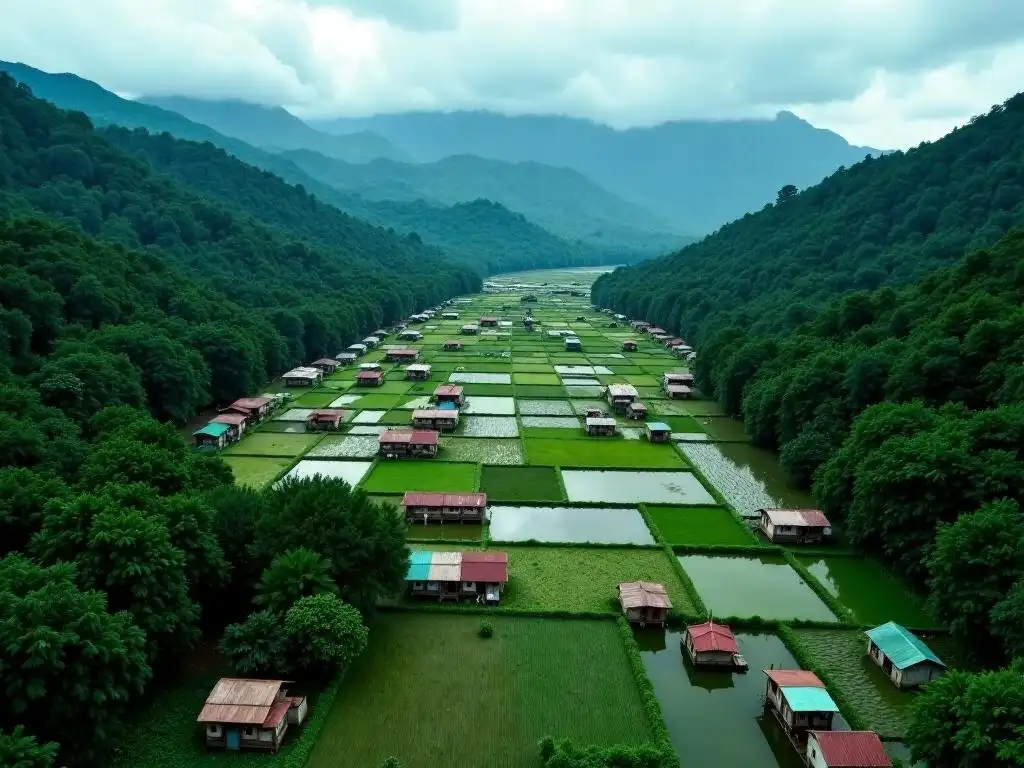
The 1707 Hōei Earthquake: Impact on Agriculture
The Hōei Earthquake, which struck on December 26, 1707, was one of the most powerful earthquakes in Japan's history, registering an estimated magnitude of 8.6. This seismic event had devastating effects on various aspects of society, particularly agriculture.
- Destruction of Farmland: The earthquake caused widespread destruction of farmlands, leading to significant soil displacement and the creation of fissures. Many rice paddies, which were essential for sustenance, were rendered unusable due to severe soil erosion and flooding from subsequent tsunamis.
- Loss of Infrastructure: Agricultural infrastructure, including irrigation systems and storage facilities, suffered extensive damage. The inability to transport goods due to damaged roads and bridges further exacerbated the agricultural crisis, leading to food shortages.
- Famine and Economic Strain: The immediate aftermath saw a spike in famine, as the 1708 rice harvest was severely impacted. The lack of food led to increased prices and economic strain on the peasantry, many of whom were already vulnerable due to existing taxation and feudal obligations.
The 1858 Ansei Great Earthquake: Agricultural Aftermath
The Ansei Great Earthquake, which occurred on January 12, 1858, with an estimated magnitude of 8.5, profoundly affected agricultural productivity in the region. The following points outline its impact:
- Disruption of Agricultural Cycles: The earthquake caused significant disruptions to the agricultural calendar. Farmers were forced to divert their attention from planting and harvesting to recovery efforts, leading to reduced agricultural output for several seasons.
- Soil Quality Degradation: The seismic activity resulted in changing the landscape, which affected soil quality. Many farmlands were left barren or were susceptible to increased salinity, impacting crop yields for years to come.
- Economic Consequences: The agricultural failures contributed to a wider economic crisis. Many villages faced poverty as they struggled to recover from both the earthquake and the subsequent famine. This period saw increased unrest among the peasantry, leading to uprisings and demands for reform.
The 1783 Eruption of Mount Asama: Effects on Local Farming
The 1783 eruption of Mount Asama was a significant volcanic event that had far-reaching consequences on agriculture in the surrounding areas. This eruption was characterized by a series of explosive eruptions, which had a profound impact on the environment and agricultural practices.
- Ash Fallout: The eruption resulted in extensive ash fallout across the Kanto region. Ash covered crops, leading to decreased photosynthesis and crop failure. Rice and other staple crops saw drastic reductions in yield, leading to food scarcity.
- Climate Effects: The ash released into the atmosphere had a cooling effect, which disrupted weather patterns. This led to irregular rainfall and prolonged droughts that severely affected agricultural practices, further complicating recovery efforts.
- Long-term Agricultural Changes: In the aftermath of the eruption, farmers were forced to adapt their agricultural practices. This included the introduction of new crop varieties that could withstand ash contamination and the modification of irrigation techniques to cope with changing water availability.
The impact of natural disasters in feudal Japan, such as earthquakes and volcanic eruptions, had profound and lasting effects on agriculture. These events not only disrupted immediate farming activities but also altered agricultural practices and socio-economic structures for generations. Understanding these case studies provides insight into the vulnerabilities of feudal Japan's agricultural system and the resilience of its people in the face of adversity.
The Evolution of Agricultural Techniques in Response to Natural Disasters
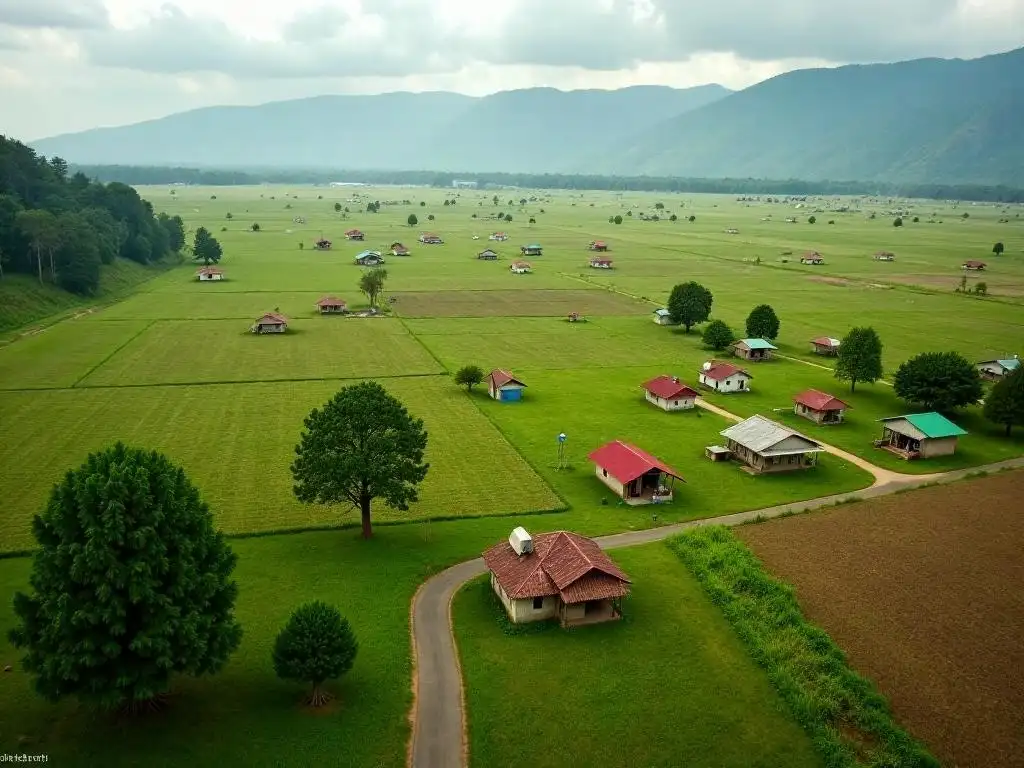
Natural disasters in feudal Japan had a profound impact on agriculture, compelling farmers and landowners to adapt their practices in various innovative ways. The necessity for resilience against typhoons, earthquakes, and floods led to significant advancements in agricultural techniques and infrastructure. This evolution was not just a response to immediate challenges but also laid the foundation for future agricultural practices that would ensure food security even in the face of calamities.
Innovations in Crop Cultivation Post-Disaster
After experiencing a natural disaster, the immediate focus for farmers was often on restoring productivity. This led to the emergence of innovative crop cultivation techniques aimed at maximizing yields while minimizing risks.
- Crop Rotation: Farmers began experimenting with crop rotation, alternating rice with other crops such as barley and millet. This not only replenished soil nutrients but also spread the risk of total crop failure.
- Improved Planting Techniques: The introduction of raised beds and the use of dikes helped protect crops from flooding. These methods ensured that even if flooding occurred, the root systems of plants remained intact, allowing for quicker recovery.
- Terracing: In hilly areas, farmers developed terraced fields that reduced soil erosion and improved water retention. This technique was particularly useful in regions prone to heavy rains and landslides.
- Intercropping: By planting multiple crop species in the same field, farmers minimized the chances of total failure. For instance, the combination of legumes with grains helped improve soil fertility and provided some harvest even if one crop failed.
Development of Irrigation Systems to Mitigate Flooding
The impact of flooding on agriculture was significant, often leading to the loss of entire harvests. To counter this, the feudal era saw an impressive advancement in irrigation systems designed to manage water effectively.
- Canal Systems: Construction of extensive canal systems allowed for better water management, redirecting excess water away from fields during heavy rains and providing irrigation during droughts.
- Paddy Field Innovations: Farmers developed intricate paddy field designs that included levees and sluice gates. This not only controlled water levels but also allowed for the cultivation of rice in areas that were previously too wet or too dry.
- Water Storage Techniques: The use of cisterns and large storage ponds became common, enabling farmers to store excess rainwater for use during dry periods. This innovation was particularly beneficial in regions that experienced seasonal variations in rainfall.
Adoption of Disaster-Resilient Crop Varieties
The catastrophic effects of natural disasters prompted a critical shift towards the development and adoption of more resilient crop varieties that could withstand extreme weather conditions.
- Drought-Resistant Varieties: Farmers began cultivating drought-resistant rice strains, which required less water and could thrive in less favorable conditions. These varieties were essential in areas that suffered from irregular rainfall patterns.
- Flood-Tolerant Crops: Similarly, the introduction of flood-tolerant rice varieties allowed farmers to cultivate land that was previously considered too risky. These crops could survive prolonged submersion, ensuring that farmers had some yield even in adverse conditions.
- Local Adaptation: Farmers became adept at selecting and breeding local crop varieties that were better suited to their specific environmental challenges. This knowledge transfer became crucial in building local resilience against natural disasters.
The evolution of agricultural techniques during the feudal era in Japan illustrates a dynamic response to the challenges posed by natural disasters. Through innovations in crop cultivation, the development of irrigation systems, and the adoption of resilient crop varieties, farmers not only managed to sustain their livelihoods but also contributed to the agricultural legacy that would influence future generations.
Conclusion
Summary of the Impact of Natural Disasters on Feudal Agriculture
The feudal era in Japan was marked by a series of natural disasters that profoundly impacted agriculture, which was the backbone of the economy. Events such as earthquakes, floods, droughts, and typhoons disrupted farming cycles, leading to crop failures and food shortages. For instance, the great earthquake of 1707, known as the Hōei earthquake, caused significant land deformation and waterway blockages, critically affecting rice production in the Kanto region.
These disasters not only resulted in immediate agricultural losses but also had long-term economic consequences. Agricultural productivity was severely hampered, leading to increased prices for food and widespread famine. As the samurai class relied on agricultural taxes for their income, the financial strain from these disasters often translated into political unrest and social upheaval. The following table outlines some of the key natural disasters and their impacts on feudal agriculture:
| Year | Disaster Type | Affected Region | Impact on Agriculture |
|---|---|---|---|
| 1707 | Earthquake | Kanto | Major crop failures; increased rice prices |
| 1556 | Typhoon | Kyushu | Destruction of rice paddies; famine |
| 1678 | Flood | Kansai | Soil erosion; reduced arable land |
| 1632 | Drought | Various | Crop yield reduction; food scarcity |
Reflection on Lessons Learned from Historical Disasters
The recurrent natural disasters during the feudal era taught crucial lessons about resilience and adaptation in agriculture. Farmers began to implement more sustainable practices, such as crop rotation and diversification, to mitigate the risks associated with single-crop dependency. Additionally, the necessity for better irrigation systems became apparent, leading to advancements in water management techniques.
Moreover, these disasters prompted a reevaluation of land use policies, as some regions adapted by shifting from rice cultivation to more resilient crops like millet and barley. The feudal authorities also initiated disaster response strategies, such as granaries for food storage and relief measures for affected populations. This proactive approach became a crucial element in the governance of agricultural economies.
The Legacy of Natural Disasters in Shaping Agricultural Practices in Japan
The legacy of natural disasters in feudal Japan is evident in the evolution of agricultural practices that emerged in response to these challenges. The awareness of environmental vulnerabilities fostered a culture of innovation among farmers and landowners. Techniques such as terracing in hilly regions and the introduction of flood-resistant rice varieties were developed, laying the groundwork for modern agricultural practices.
Furthermore, the historical context of natural disasters influenced cultural aspects of Japanese society. Festivals and rituals designed to appease deities and seek protection from calamities became integral to community life, reflecting the deep connection between agriculture and spirituality in Japan.
The impact of natural disasters in feudal Japan not only reshaped agricultural practices but also played a significant role in the socio-economic framework of the era. The lessons learned from these historical events continue to resonate in contemporary agricultural strategies, highlighting the importance of resilience in the face of adversity.
Frequently Asked Questions
What were the main natural disasters in feudal Japan?
Natural disasters such as earthquakes, typhoons, and floods significantly impacted agriculture, causing crop failures and food shortages throughout the era.
How did natural disasters affect agriculture in feudal Japan?
Natural disasters led to devastating crop losses, which in turn resulted in famine and economic instability. The reliance on agriculture made these communities particularly vulnerable.
What measures were taken to mitigate the impact of natural disasters?
Feudal Japan implemented strategies like irrigation systems and crop diversification to better withstand the effects of natural disasters and ensure food security.
Yes, natural disasters often exacerbated social inequalities, as poorer farmers struggled more than wealthier landowners, leading to discontent and sometimes rebellion.
How did the government respond to natural disasters during this era?
The government often provided relief efforts, such as distributing rice or enacting policies to aid affected regions, aiming to maintain social order and prevent widespread unrest.
Final Reflection: The Enduring Legacy of Natural Disasters in Feudal Japan
The impact of natural disasters on agriculture during the feudal era is not just a historical footnote; it is a vivid reminder of how nature can shape societies. Today, as we grapple with the realities of climate change and its effects on food security, understanding the past becomes crucial. The lessons learned from the struggles of feudal Japan resonate deeply, highlighting the vulnerability of agricultural systems and the resilience required to overcome such challenges.
The historical interplay between natural disasters and agricultural practices has left an indelible mark on Japan's cultural and social fabric. The way communities adapted to these calamities speaks volumes about human tenacity and innovation. As noted by historian John W. Hall, “The ability to endure and adapt in the face of adversity is a hallmark of Japanese society.” This observation underscores the ongoing relevance of these historical events, reminding us that the echoes of the past continue to influence contemporary agricultural policies and disaster preparedness strategies.
As we reflect on the lessons from feudal Japan, I invite you to consider your own relationship with nature and agriculture. What can you learn from the resilience of those who faced the wrath of natural disasters? Let us take this opportunity to not only appreciate the advancements we have made but also to commit ourselves to sustainable practices that honor the delicate balance between humanity and the environment. Together, we can forge a future that respects the lessons of history while striving for a more resilient world.
Embrace the Resilience of Agriculture!
Thank you for exploring the fascinating world of feudal Japan and discovering how natural disasters shaped agricultural practices. Understanding this history not only enriches your knowledge but also empowers you to appreciate the resilience of farming through adversity. Now, let’s take the next steps together!
- Explore further: Delve into additional articles that discuss the influence of weather patterns on the economy and culture of feudal Japan.
- Share your thoughts: Engage in discussions with friends or on social media—how might ancient agricultural strategies inspire modern farming practices?
- Get involved: Consider volunteering with local agricultural organizations to support sustainable farming initiatives in your community!
How do you perceive the impact of natural disasters on today’s agricultural practices?