
The Cultural Significance of Agriculture in Japanese Festivals

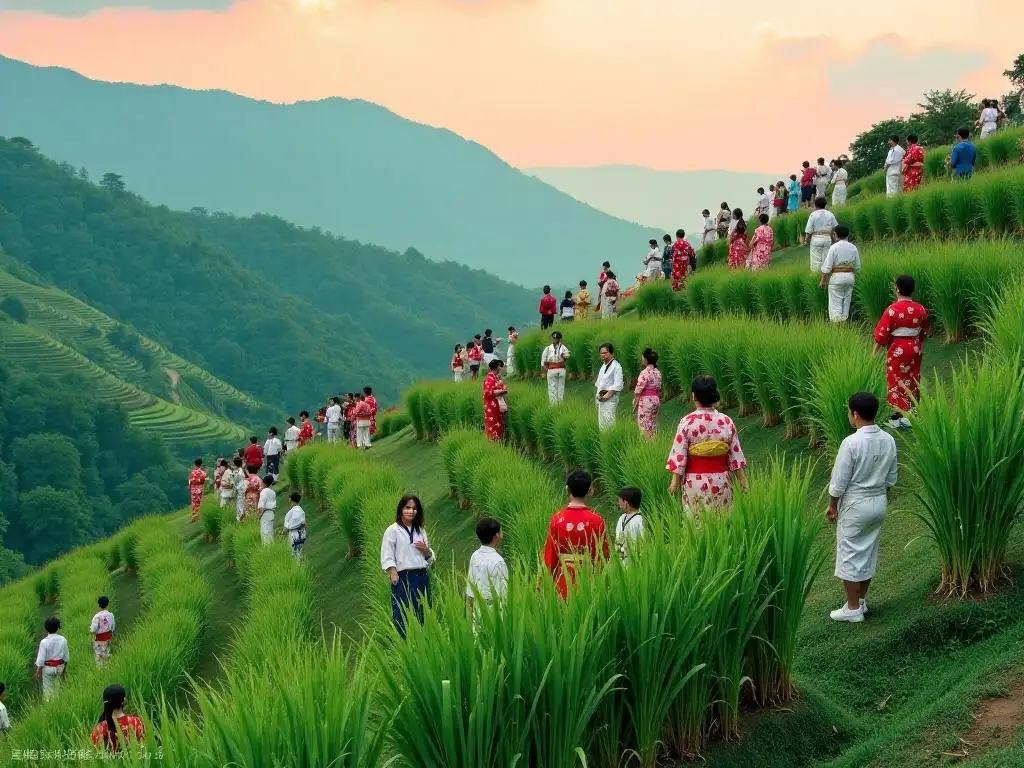
Welcome to Feudal Japan History, where we invite you to journey through the intricate tapestry of Japan's feudal era. Here, we delve deep into the cultural significance of Japanese agriculture, a cornerstone of society that not only shaped the economy but also influenced vibrant festivals that celebrate the land and its bounty. Discover how these agricultural traditions intertwine with historical narratives, sparking a deeper appreciation for the rich heritage of Japan.
Are you ready to uncover the profound connections between the earth and the culture that flourished upon it? Explore further as we unfold the fascinating stories behind agriculture in Japanese festivals!
Introduction to Japanese Agriculture and Festivals
The cultural significance of Japanese agriculture is deeply woven into the fabric of the country's festivals, reflecting both historical traditions and the agrarian roots of society. Throughout Japan's feudal era, agriculture was not merely a means of sustenance; it served as a cornerstone of cultural identity and community cohesion.
Festivals, or matsuri, emerged as a vital expression of gratitude and reverence towards the agricultural cycles, celebrating the connection between the land, its produce, and the people who cultivated it. This article aims to explore the multifaceted relationship between agriculture and Japanese festivals, shedding light on how these celebrations encapsulate the essence of Japan's agrarian heritage.
Overview of Agriculture in Feudal Japan
Agriculture in feudal Japan was characterized by a system that relied heavily on rice cultivation, which was not just a staple food but also a symbol of wealth and power. The agricultural practices were deeply influenced by the varying climates and geographic conditions across the archipelago. Key aspects of this era include:
- Rice as a Staple: Rice cultivation was central, often determining social status and economic stability. The success of a harvest directly influenced the feudal lords' power and the peasantry's livelihood.
- Crop Diversity: In addition to rice, farmers grew various other crops such as millet, barley, and vegetables, contributing to a diverse agricultural landscape.
- Technological Advancements: Innovations in farming techniques, such as the use of irrigation and crop rotation, significantly improved yields and sustainability during this period.
Importance of Festivals in Japanese Culture
Festivals in Japan play a crucial role in fostering community spirit and preserving cultural heritage. They serve as occasions for celebration, reflection, and renewal, often aligned with the agricultural calendar. Some key points about the importance of festivals include:
- Cultural Preservation: Festivals are essential for passing down traditions and customs from generation to generation, ensuring that the agricultural practices and beliefs are maintained.
- Community Engagement: These events encourage participation from all community members, strengthening social bonds and collective identity.
- Spiritual Significance: Many festivals are connected to Shinto beliefs, honoring deities and spirits associated with agriculture, thus integrating spirituality into everyday life.
The Role of Agriculture in Japanese Festivals
Agriculture is not just a backdrop but a fundamental element in the celebration of Japanese festivals. The following sections will delve deeper into how agricultural practices and cycles shape these vibrant cultural events.
Agricultural Practices as Cultural Heritage
Japanese festivals often incorporate traditional agricultural practices, showcasing techniques passed down through generations. For instance, rituals performed during rice planting and harvest seasons are celebrated with specific festivals, highlighting the importance of these practices in sustaining both the land and the community.
Seasonal Festivals and Agricultural Cycles
The timing of festivals is intricately linked to the agricultural calendar. Major seasonal festivals such as Inasa Matsuri celebrate the rice planting season, while Niiname-sai honors the first harvest. These events not only mark the changing seasons but also reinforce the community's dependence on the land and its bounty.
Connection Between Agriculture and Community Identity
The relationship between agriculture and community identity is profound. Festivals serve as a collective expression of gratitude and a reaffirmation of the community's ties to their agricultural roots. Through shared rituals and celebrations, communities reinforce their identity and foster a sense of belonging, illustrating how agriculture shapes the cultural landscape of Japan.
Major Japanese Festivals Celebrating Agriculture
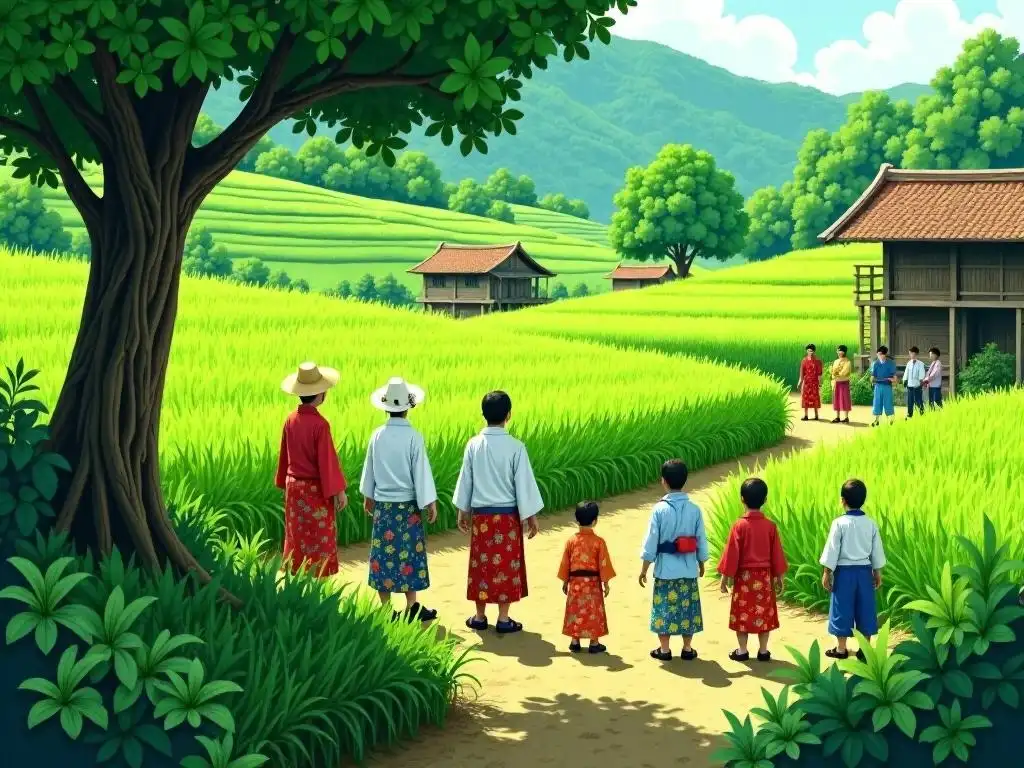
Japanese culture is deeply intertwined with agriculture, reflecting centuries of reliance on the land for sustenance and livelihood. Various festivals throughout Japan celebrate agricultural practices, showcasing the importance of farming in shaping both local and national identities. These events often serve as communal gatherings, reinforcing bonds among community members and honoring the spirits of the land. Here, we explore some of the most significant agricultural festivals in Japan.
The Rice Planting Festival (Taue Matsuri)
The Rice Planting Festival, known as Taue Matsuri, is a vibrant celebration held in various regions of Japan, particularly in rice-producing areas. This festival typically takes place in late spring, coinciding with the rice planting season. Participants dress in traditional attire and engage in the ceremonial planting of rice seedlings in flooded paddies, a practice that symbolizes the connection between humans and nature.
The festival often includes traditional music, dance, and rituals aimed at ensuring a bountiful harvest. Local deities associated with agriculture are honored during the event, reflecting the community's respect for the land and its fertility. In some areas, the event is accompanied by food fairs, showcasing rice dishes and other local produce, further emphasizing the cultural significance of agriculture in Japanese society.
The Harvest Festival (Niinamesai)
The Niinamesai, or Harvest Festival, is another significant event in the agricultural calendar, traditionally held in November. This festival is celebrated at the Imperial Palace and across various regions, marking the end of the harvest season. During Niinamesai, offerings of the season's first rice and other agricultural products are made to the deities, expressing gratitude for the year's bounty.
The festival is steeped in rituals, including the presentation of a newly harvested rice crop, which is often accompanied by traditional music and dance performances. The Emperor and Empress partake in the festival, symbolizing the connection between the imperial family and the agricultural practices of the nation. This event underscores the cultural significance of agriculture as a foundation for Japan's identity and sustenance.
Other Notable Agricultural Festivals
In addition to Taue Matsuri and Niinamesai, several other notable agricultural festivals celebrate Japan's rich farming heritage. For instance, the Koshihikari Matsuri in Niigata celebrates the Koshihikari rice variety, renowned for its quality. The festival features rice tastings, cooking competitions, and cultural performances.
The Mikoshi Matsuri, while primarily a religious event, often incorporates agricultural elements, with portable shrines adorned with seasonal produce. Festivals like these not only highlight the importance of agriculture but also strengthen community ties and celebrate local traditions.
Symbolism of Agriculture in Japanese Festivals
Agriculture is not merely a means of sustenance in Japan; it is steeped in symbolism and cultural significance. Japanese festivals often reflect the profound respect for nature and the integral role agriculture plays in shaping societal values and beliefs.
Representation of Fertility and Abundance
One of the most prominent symbols of agriculture in Japanese festivals is fertility. The act of planting rice is often viewed as a sacred practice, imbued with the hope for abundant yields. Festivals celebrate the fertility of the land and the community's reliance on it for sustenance. The imagery of lush, ripened fields and the anticipation of harvest serve as vital metaphors for prosperity and well-being in society.
These festivals often incorporate rituals that invoke the blessings of agricultural deities, with participants engaging in prayers and offerings to ensure the land remains fertile and productive. This deep-rooted connection between agriculture and fertility highlights the essential relationship between the people and their environment.
Agricultural Deities and Their Role in Festivals
In Japanese culture, various deities are revered as guardians of agriculture. Inari, the deity associated with rice, is one of the most prominent figures, and shrines dedicated to Inari can be found throughout Japan. Festivals often include processions to these shrines, where offerings are made to seek blessings for a successful harvest.
Other deities, such as Tsuchigumo and Ō-kuninushi, also play roles in agricultural festivals, embodying the spirit of the land and its productivity. These deities symbolize the community's respect for nature and the belief that human prosperity is linked to the well-being of the environment.
Mythology and Folklore Surrounding Agricultural Practices
Japanese mythology and folklore are rich with stories that celebrate agricultural practices and the land’s bounty. Tales of the rice goddess, Inari, and her connection to the fields are common themes, often emphasizing the importance of harmony between humans and nature.
Festivals often incorporate these myths through storytelling, dance, and performance, enriching the cultural tapestry of Japan. Such narratives not only serve as entertainment but also reinforce the values of gratitude, respect, and stewardship of the land, ensuring that the cultural significance of agriculture remains alive in the collective memory of communities.
Agriculture has historically played a crucial role in shaping the social structure of Japan, especially during the feudal era. As a primary source of sustenance and economic stability, agriculture influenced the relationships between different classes, including samurai, farmers, artisans, and merchants. The hierarchical nature of feudal society was largely dictated by land ownership and agricultural production, positioning the agrarian class as the backbone of economic activity.
Agricultural Roles in Feudal Society
In feudal Japan, the agricultural landscape was dominated by a class of peasant farmers who cultivated rice and other crops essential for sustenance. Farmers were often tied to the land they worked and faced heavy taxation from the ruling samurai class. This relationship created a dependency that established the farmers as vital contributors to the economy. Meanwhile, the samurai, who owned vast estates, derived their power and status from the agricultural output of these lands, reinforcing their authority over the peasantry.
The roles of artisans and merchants became intertwined with agriculture as they provided necessary goods and services, but their social standing remained subordinate to that of the samurai and landowners. This stratified structure highlighted the importance of agriculture not only as a source of food but also as a determinant of social status and power dynamics within feudal Japan.
Festivals as a Reflection of Social Hierarchies
Agricultural festivals in Japan served not only as celebrations of harvest but also as reflections of the existing social hierarchies. These events were often organized by the local samurai or feudal lords, reinforcing their status and control over the community. Festivals provided an opportunity for the samurai to showcase their wealth and power through elaborate rituals and offerings to deities associated with agriculture, such as Inari and Daikokuten.
Participation in these festivals was often dictated by social class, with farmers performing labor-intensive tasks and rituals, while samurai and nobility presided over the ceremonies. Such distinctions underscored the hierarchical nature of society, where each class had its designated role in the festival proceedings, thus perpetuating the existing social order.
Community Participation in Agricultural Celebrations
Despite the rigid social hierarchies, community participation in agricultural festivals fostered a sense of unity and collaboration among the different classes. Festivals allowed farmers to express their gratitude for the harvest, while also providing an opportunity for the community to come together in celebration. This collective participation helped to mitigate social tensions, as individuals from various backgrounds engaged in shared rituals and festivities.
The involvement of the samurai in these celebrations further legitimized the social structure, as they acted as patrons and protectors of the agricultural community. This dynamic not only reinforced the social order but also highlighted the interdependence of the classes, as the prosperity of one often relied on the contributions of the others.
The Evolution of Agricultural Festivals in Modern Japan
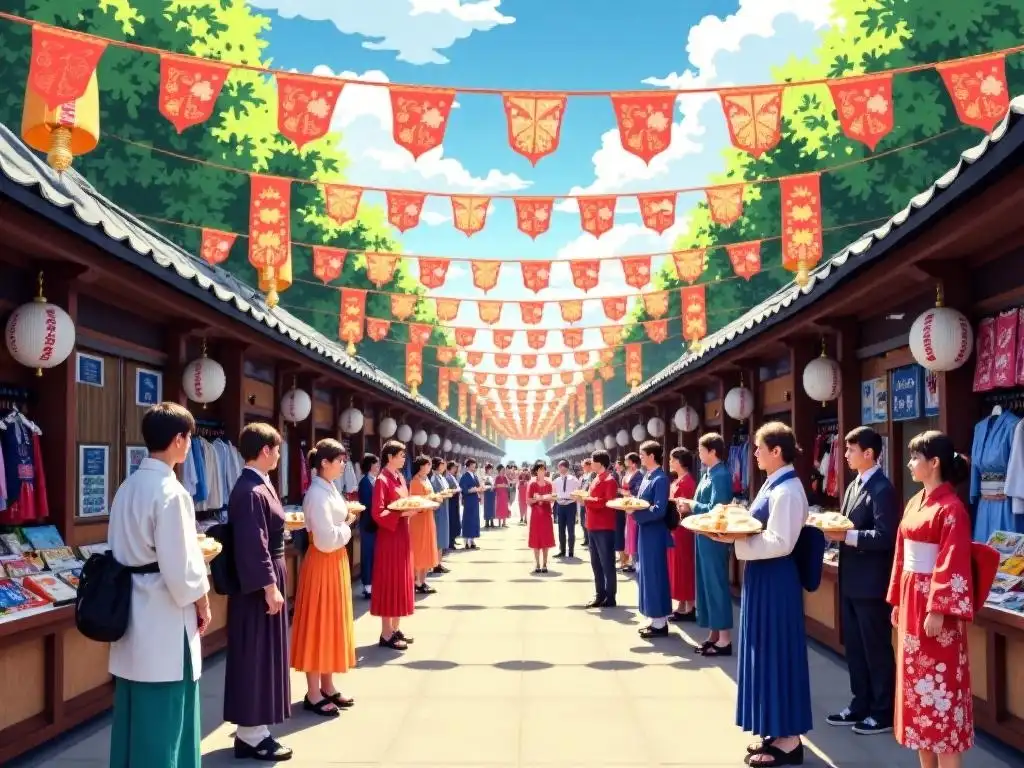
As Japan transitioned into the modern era, the evolution of agricultural practices and societal changes began to reshape traditional agricultural festivals. Technological advancements and urbanization altered the agricultural landscape, impacting how festivals were celebrated and their significance within communities.
Changes in Agricultural Practices and Their Effects on Festivals
With the introduction of modern farming techniques and a shift towards industrial agriculture, traditional practices that had been passed down through generations started to diminish. This transition affected the scale and nature of agricultural festivals, as fewer people were directly involved in farming. Many festivals adapted to these changes by incorporating new elements, such as agricultural fairs and exhibitions that showcased modern farming technology alongside traditional rituals.
Additionally, as urbanization increased, the connection between festivals and local agricultural practices weakened, leading to a decline in the number of community-driven celebrations. However, some festivals have embraced these changes by becoming more inclusive, allowing urban dwellers to engage with agriculture through educational programs and cultural exchanges.
The Preservation of Traditional Festivals in Contemporary Society
Despite the challenges posed by modernity, efforts to preserve traditional agricultural festivals continue in contemporary Japan. Many communities recognize the cultural significance of these events as vital links to their heritage and identity. Local governments and organizations actively promote the revival of traditional festivals, ensuring that rituals, dances, and agricultural practices are passed down to future generations.
These preservation efforts are often supported by cultural tourism, attracting visitors interested in experiencing authentic Japanese agriculture and its associated festivals. Through workshops, demonstrations, and participatory events, communities strive to keep their agricultural traditions alive while adapting to contemporary societal changes.
Future of Agricultural Celebrations in Japan
The future of agricultural celebrations in Japan hinges on balancing tradition with modernity. As society continues to evolve, agricultural festivals must find innovative ways to remain relevant and engaging. This may involve integrating technology, promoting sustainable agricultural practices, and fostering community involvement.
Moreover, the growing interest in local food movements and organic farming presents opportunities for agricultural festivals to reinvent themselves as platforms for education and awareness. By highlighting the importance of sustainable practices and the cultural significance of agriculture, these celebrations can continue to thrive and contribute to the fabric of Japanese society. In this way, the cultural significance of Japanese agriculture will endure, bridging the past with the present for future generations to appreciate.
Conclusion: The Enduring Cultural Significance of Japanese Agriculture
The cultural significance of agriculture in Japanese festivals is deeply intertwined with the historical development of Japanese society. From ancient rituals celebrating the rice harvest to contemporary events honoring local produce, agriculture has remained a central theme in Japanese cultural identity. These festivals not only reflect the agrarian roots of the society but also serve as a means of preserving traditions and fostering community spirit. The intricate relationship between agricultural practices and festivals highlights how deeply agriculture is woven into the fabric of Japanese life, influencing art, religion, and social structures throughout history.
Festivals such as Danjiri Matsuri and Matsuri serve as a reminder of the vital role that agriculture has played in sustaining communities and shaping cultural practices. They celebrate the changing seasons, the bounty of the land, and the hard work of farmers, highlighting the reverence that the Japanese people have for nature and its cycles. This cultural appreciation ensures that agricultural practices and their significance continue to be honored and respected in modern Japan.
Summary of Key Points
- Historical Context: Agriculture has been a pivotal aspect of Japanese society since ancient times, with festivals often rooted in agrarian rituals.
- Cultural Expressions: Festivals celebrate agricultural milestones, incorporating traditional music, dance, and costumes that reflect local customs and history.
- Community Bonding: These events foster a sense of community and belonging, bringing together people to honor shared agricultural heritage.
- Environmental Awareness: Modern agricultural festivals promote sustainability and awareness of environmental issues, connecting past practices with contemporary concerns.
The Relevance of Agricultural Festivals Today
In today's context, agricultural festivals in Japan continue to hold significant relevance. They serve as platforms for advocating sustainable practices and local farming, connecting urban populations with rural traditions. Many festivals now include educational components, where attendees can learn about sustainable agriculture, organic farming methods, and the importance of biodiversity. This blend of tradition and modernity helps to preserve cultural heritage while addressing contemporary agricultural challenges.
Moreover, these festivals attract tourism, boosting the local economy and providing farmers with an opportunity to showcase their products. They are instrumental in creating a dialogue about the future of agriculture in Japan, emphasizing the need to balance historical practices with innovative approaches.
References
Suggested Readings on Japanese Agriculture and Festivals
- "Japanese Festivals: Traditions and Celebrations": by Akira Mori – This book explores the variety of festivals across Japan, focusing on their origins and cultural significance.
- "Rice, Ritual, and the Japanese: A Cultural History": by Hiroshi Takahashi – An insightful look into how rice farming has shaped Japanese culture and festivals.
- "The Role of Agriculture in Japanese Culture" by Yuki Tanaka – A comprehensive analysis of agricultural practices and their cultural ramifications throughout Japanese history.
Academic Sources for Further Research
- "Agriculture and Society in Feudal Japan" – Journal of Japanese History, Volume 12, Issues 3-4. This article examines the socio-economic impacts of agriculture during the feudal era.
- "Cultural Heritage and Agricultural Practices: A Study of Japanese Festivals": – Journal of Cultural Studies, 2021. This paper discusses the intersection between agriculture and cultural heritage in contemporary Japan.
- "The Impact of Agricultural Festivals on Local Economies" – Asian Economic Review, 2020. This research delves into how agricultural festivals contribute to local economies and community development.
By engaging with these resources, readers can gain a deeper understanding of the cultural significance of Japanese agriculture and its enduring impact on society.
- Introduction to Japanese Agriculture and Festivals
- Overview of Agriculture in Feudal Japan
- Importance of Festivals in Japanese Culture
- The Role of Agriculture in Japanese Festivals
- Major Japanese Festivals Celebrating Agriculture
- Symbolism of Agriculture in Japanese Festivals
- The Impact of Agriculture on Japanese Social Structure
- The Evolution of Agricultural Festivals in Modern Japan
- Conclusion: The Enduring Cultural Significance of Japanese Agriculture
- References
- What role did agriculture play in Japanese festivals?
- How do festivals reflect the cultural significance of agriculture in Japan?
- What are some key festivals that celebrate agriculture in Japan?
- How has modernization affected the cultural significance of agriculture in Japanese festivals?
- Why is it important to explore the cultural significance of agriculture in Japan?
Frequently Asked Questions
What role did agriculture play in Japanese festivals?
Agriculture has a central role in Japanese festivals, often celebrated to honor the harvest and express gratitude for the land's bounties. These festivals showcase the cultural significance of farming practices.
How do festivals reflect the cultural significance of agriculture in Japan?
Festivals often feature rituals and performances that highlight agricultural traditions, emphasizing the connection between community, nature, and sustenance. They serve as a reminder of the cycle of planting and harvesting.
What are some key festivals that celebrate agriculture in Japan?
Prominent festivals include Tanabata, celebrating the rice harvest, and Inaho Matsuri, which honors rice cultivation. These events demonstrate the importance of agriculture in Japanese culture and heritage.
How has modernization affected the cultural significance of agriculture in Japanese festivals?
While modernization has altered agricultural practices, many festivals still retain traditional elements to promote awareness and appreciation of agricultural roots. This blend of old and new helps sustain the cultural significance of these events.
Why is it important to explore the cultural significance of agriculture in Japan?
Understanding the cultural significance of agriculture provides insights into the historical and societal values of Japan, illustrating how these practices shape identity and community cohesion through festivals.
Final Reflection: The Enduring Legacy of Agriculture in Japanese Culture
The cultural significance of Japanese agriculture is not merely a relic of the past; it is a vibrant thread woven into the fabric of contemporary society. As we explore the rich tapestry of Japanese festivals, we uncover how agricultural practices and rituals continue to shape community identity, foster social bonds, and celebrate the changing seasons. The importance of agriculture in these festivals serves as a reminder of our deep-rooted connection to the land and the cycles of life that sustain us.
The influence of agriculture in Japanese festivals extends beyond mere celebration; it is a powerful reflection of the values and traditions that define Japanese culture. These festivals not only honor the agricultural heritage but also promote environmental stewardship and community resilience. As the Japanese proverb goes, The rice plant is the root of the nation,
highlighting how agriculture is intertwined with national identity and cultural pride. This ongoing relationship with the land encourages us to appreciate the delicate balance between nature and human existence, fostering a sense of responsibility towards our environment.
As we reflect on the lessons learned from the cultural significance of Japanese agriculture, let us embrace the opportunity to cultivate our own connections to the land and community. I invite you to explore local agricultural practices, participate in community festivals, and engage with the stories that shape your own cultural identity. By doing so, we not only honor the traditions of the past but also pave the way for a more sustainable and connected future, where the values of agriculture continue to thrive in our lives.
Celebrate and Embrace Japan's Agricultural Heritage!
Thank you for exploring the rich cultural tapestry of agriculture in Japanese festivals! Your interest helps keep these vibrant traditions alive and thriving. Now, it’s time to take action and deepen your connection with this fascinating aspect of Japanese heritage.
Here are a few ways you can engage:
- Join or attend a local festival that celebrates agricultural practices—immerse yourself in the sights, sounds, and flavors of these time-honored traditions.
- Share your newfound knowledge with friends and family or on social media; spark a conversation about the importance of agriculture in preserving culture.
- Explore traditional Japanese farming techniques by participating in workshops or enrolling in online courses to connect even further with their cultural and historical significance.
What other cultural aspects of Japanese festivals have intrigued you, and how can you explore them further?