
The Influence of Zen Buddhism on Agricultural Practices


Welcome to Feudal Japan History, where we invite you to embark on a fascinating journey through the intricate tapestry of Japan's feudal era. Here, you'll uncover the profound connections between Zen Buddhism and agricultural practices, revealing how this spiritual philosophy shaped the very land and livelihoods of the time. As you delve into our expert-driven articles, you'll find yourself immersed in the rich historical, cultural, and societal nuances that defined this captivating period. Ready to explore the transformative influence of Zen on agronomy? Your adventure starts now—let's dig deeper!
Introduction to Zen Buddhism and Agriculture in Japan
Zen Buddhism, a branch of Mahayana Buddhism, has had a profound impact on various aspects of Japanese life, particularly during the feudal era. This philosophical and spiritual tradition emphasizes simplicity, mindfulness, and a deep connection to nature, which were reflected in the agricultural practices that emerged during this period. In Feudal Japan, agriculture was not just a means of sustenance but a vital component of the economy and culture.
The synergy between Zen Buddhism and agriculture led to innovative techniques and a unique approach to farming that prioritized harmony with the environment. Understanding this relationship provides valuable insights into how spiritual beliefs can shape economic activities, particularly in a society that revered nature and sought balance.
Overview of Zen Buddhism in Feudal Japan
Zen Buddhism was introduced to Japan in the 12th century and gained prominence during the Kamakura period (1185-1333). It emphasized direct experience and meditation over ritualistic practices, appealing to samurai and the emerging merchant class alike. The teachings of Zen masters, such as Dōgen and Hakuin, encouraged an appreciation for the present moment and an intimate relationship with the natural world. This philosophical shift influenced not only the arts and culture but also the practical aspects of daily life, including farming.
Zen principles were integrated into agricultural practices, leading to methods that emphasized sustainability and respect for the land. Farmers began to adopt practices that aligned with the Zen worldview, fostering a deep awareness of the cycles of nature and the importance of harmony in their work. This resulted in an agricultural landscape that was not only productive but also spiritually enriching.
Importance of Agriculture in Feudal Japanese Society
Agriculture served as the backbone of Feudal Japanese society, providing sustenance and economic stability. The agrarian economy was fundamental to the power structures of the time, with land ownership and agricultural productivity determining wealth and influence. Rice, the staple crop, was not merely a food source but a symbol of prosperity and cultural identity.
The interplay between Zen Buddhism and agricultural practices introduced a holistic approach to farming that aligned with the values of the time. Farmers were regarded not just as laborers but as stewards of the land, tasked with nurturing the environment. This perspective fostered a sense of community and responsibility, essential for the survival of rural populations in a feudal system characterized by rigid hierarchies and social stratification.
Historical Context of Zen Buddhism and Agriculture
To fully appreciate the influence of Zen Buddhism on agricultural practices in Japan, it is essential to explore the historical context in which these two elements intertwined.
The Introduction of Zen Buddhism to Japan
The arrival of Zen Buddhism in Japan was marked by the efforts of monks who traveled from China, bringing with them teachings that emphasized meditation and self-discovery. This transformative movement began to take root in Japanese culture during the late Heian period and flourished under the Kamakura shogunate.
As the samurai class rose to prominence, Zen became a favored philosophy among warriors, who found in its teachings a means to cultivate discipline and focus. The spread of Zen monasteries throughout Japan further facilitated the integration of its principles into everyday life, including the realm of agriculture. Monastic communities often engaged in farming activities, promoting sustainable practices that resonated with Zen ideals.
Agricultural Practices Prior to Zen Buddhism
Before the advent of Zen Buddhism, agricultural practices in Japan were largely influenced by Shinto beliefs, which emphasized the veneration of kami (spirits) associated with nature. Farmers engaged in rituals and offerings to appease these deities, seeking blessings for bountiful harvests.
Traditional practices focused on the cultivation of rice, millet, and other crops, with techniques passed down through generations. However, these methods often lacked the philosophical underpinnings that later emerged with Zen Buddhism. The introduction of Zen led to a reevaluation of farming techniques, encouraging farmers to adopt more reflective and mindful practices that aligned with both spiritual beliefs and environmental considerations.
The fusion of Zen Buddhism and agricultural practices in Feudal Japan created a unique landscape where spirituality and sustenance coexisted harmoniously, influencing not only farming techniques but also the broader socio-economic framework of the time. This intricate relationship continues to inspire contemporary agricultural practices and philosophies, underscoring the lasting legacy of Zen in Japanese culture.
Core Principles of Zen Buddhism and Their Agricultural Impact
Zen Buddhism, with its emphasis on simplicity, mindfulness, and harmony, profoundly influenced agricultural practices in Japan during the feudal era. The core principles of Zen encouraged farmers to cultivate their land not just for yield but also as a means of spiritual practice. This holistic approach led to sustainable methods that respected nature and promoted ecological balance. Farmers began to view their fields as extensions of their inner selves, creating a symbiotic relationship between the land and individual well-being.
The principle of satori, or enlightenment, played a pivotal role in this transformation. By achieving a deeper understanding of their environment through Zen teachings, agricultural practitioners were more attuned to the needs of the soil, weather, and crops. This awareness allowed them to implement practices that enhanced productivity while preserving the integrity of the ecosystem.
Simplicity and Minimalism in Zen Agriculture
Simplicity and minimalism are fundamental tenets of Zen philosophy that significantly influenced agricultural practices. Zen teachings advocate for reducing excess and focusing on the essentials, which translated into farming techniques that favored natural methods over synthetic fertilizers and pesticides.
Farmers adopted a minimalist approach, utilizing tools and techniques that required less intervention and allowed nature to take its course. This led to practices such as crop rotation, intercropping, and the use of organic compost, which not only enhanced soil health but also reduced labor and resource expenditure. The principle of simplicity encouraged farmers to cultivate only what was necessary, aligning their agricultural practices with the rhythms of nature rather than industrial demands.
Mindfulness and Presence in Farming Techniques
Mindfulness, a key aspect of Zen Buddhism, emphasizes being fully present in the moment. This practice had a profound impact on agricultural techniques, as farmers began to approach their tasks with heightened awareness and intention.
By practicing mindfulness, farmers were able to observe their crops closely, noticing subtle changes in plant health and soil conditions that might have otherwise gone unnoticed. This attentiveness allowed for timely interventions, improving yields and reducing waste. Additionally, mindful farming practices fostered a deeper connection to the land, as farmers cultivated not just for profit but for the spiritual fulfillment that comes from nurturing life.
The Concept of Harmony with Nature in Zen Practices
Harmony with nature is a cornerstone of Zen Buddhism, advocating for a balanced relationship between humans and the environment. This principle profoundly influenced agricultural practices, encouraging farmers to work in tandem with natural ecosystems rather than exploit them.
Farmers who embraced this concept adopted techniques that promoted biodiversity and soil health. Practices such as permaculture and agroforestry emerged, which integrated various plant species and animals into farming systems. This not only improved crop resilience and reduced pest outbreaks but also created a more sustainable agricultural model that respected the interconnectedness of all living things. By striving for harmony with nature, Zen-influenced agriculture contributed to the long-term sustainability of Japan's agricultural landscapes.
Zen Buddhist Practices Influencing Agricultural Methods
Zen Buddhism introduced various practices that directly influenced agricultural methods, leading to innovative and sustainable approaches to farming. These practices not only enhanced productivity but also aligned agricultural activities with the spiritual and philosophical underpinnings of Zen thought.
Meditation and Its Role in Farming
Meditation, a central practice in Zen Buddhism, served as a vital tool for farmers seeking to enhance their connection to the land. Engaging in meditation allowed farmers to cultivate a sense of peace and focus, which was essential for effective agricultural work.
Through meditation, farmers could clear their minds of distractions, fostering an environment where they could engage deeply with their tasks. This mental clarity often translated into more thoughtful decision-making regarding crop choices and farming techniques. Moreover, the practice of meditative observation encouraged farmers to be more attuned to environmental changes, enabling them to respond proactively to challenges such as pests or drought.
Zen Gardens: A Model for Sustainable Agriculture
Zen gardens, with their intricate designs and focus on natural elements, served as a model for sustainable agricultural practices. These gardens emphasize the beauty of simplicity and the importance of balance, principles that farmers adopted in their fields.
The layout of Zen gardens, often incorporating rocks, water features, and carefully placed plants, inspired agricultural methods that prioritized spatial harmony and resource efficiency. Farmers began to design their fields with similar principles, creating landscapes that maximized sunlight and water retention while minimizing erosion. This design philosophy not only enhanced aesthetics but also contributed to more sustainable farming practices that echoed the ecological wisdom of Zen.
Seasonal Cycles and Farming in Zen Philosophy
The recognition of seasonal cycles is integral to both Zen philosophy and agricultural practices. Zen Buddhism teaches the importance of aligning human activities with the natural rhythms of the earth, which is crucial for successful farming.
Farmers influenced by Zen teachings learned to work with the seasons rather than against them. This understanding led to the establishment of planting and harvesting schedules that respected natural cycles, resulting in higher yields and healthier crops. Techniques such as crop rotation and the use of cover crops were employed to maintain soil fertility and prevent depletion. By embracing the seasonal flow of nature, Zen-influenced farmers not only enhanced their productivity but also cultivated a deeper respect for the land and its cycles.
Case Studies of Zen Buddhism in Agricultural Practices
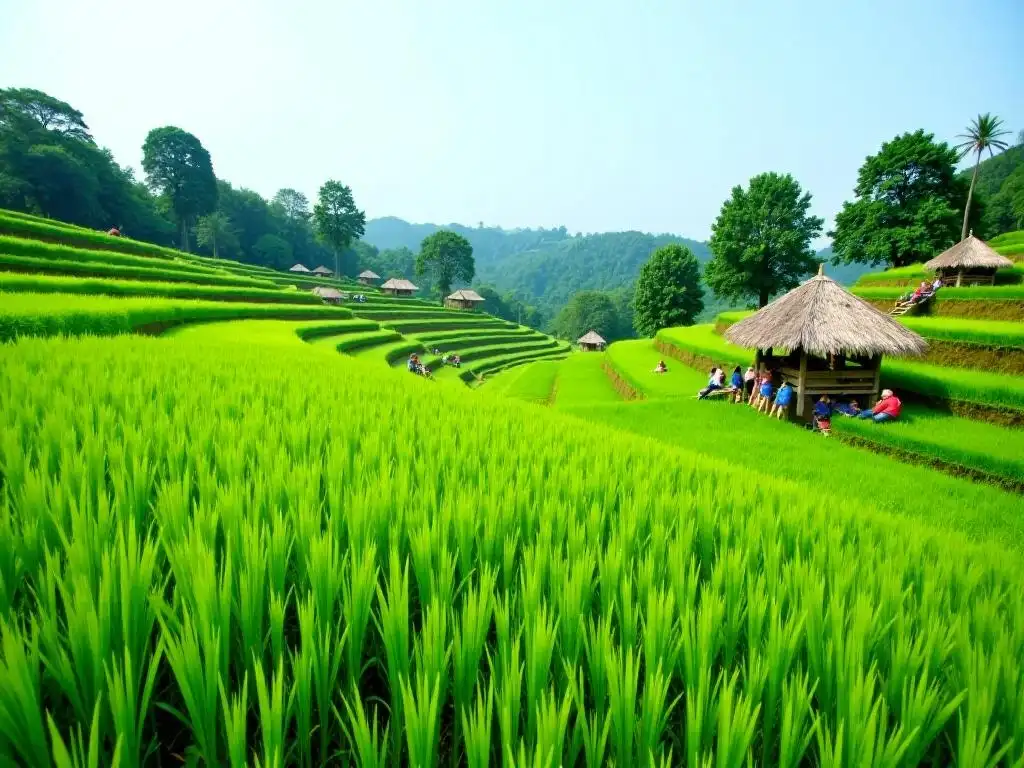
Zen Buddhism has profoundly influenced agricultural practices in Japan, emphasizing harmony with nature, mindfulness, and sustainable methods. Several historical examples showcase how Zen principles were integrated into farming techniques, contributing to effective and eco-friendly agricultural practices that have persisted through centuries.
Specific Zen Temples Promoting Sustainable Farming
Numerous Zen temples across Japan have actively promoted sustainable farming practices, integrating spiritual beliefs with agricultural methods. For instance, the Daitoku-ji Temple in Kyoto has been a significant proponent of sustainable agriculture. The temple's gardens reflect Zen aesthetics, where careful cultivation and natural harmony are emphasized. Monks at Daitoku-ji engage in organic farming, utilizing traditional practices that avoid synthetic fertilizers and pesticides, thus fostering biodiversity and soil health. This temple serves as a model for how spiritual practices can lead to sustainable agricultural methods that respect the environment.
Another notable example is the Hokoji Temple in Nara, which has implemented permaculture techniques inspired by Zen teachings. The temple's land is designed to maximize natural resources, creating a self-sustaining ecosystem. The monks practice crop rotation and companion planting, which not only enhances soil fertility but also aligns with Zen principles of balance and interdependence.
Historical Examples of Zen-Inspired Agricultural Techniques
Historically, Zen Buddhism has inspired various agricultural techniques that prioritize sustainability and mindfulness. One prominent technique is shinden-zukuri, which refers to the style of farming associated with Zen gardens. This approach emphasizes the creation of landscapes that reflect natural beauty, where crops are planted in harmony with the surrounding environment. Farmers applied principles of Zen aesthetics, focusing on simplicity and balance, which resulted in productive yet beautiful agricultural spaces.
Additionally, the practice of natural farming, popularized by figures such as Masanobu Fukuoka, draws heavily on Zen philosophies. Fukuoka’s methods advocate for minimal intervention in the natural processes of farming, emphasizing the importance of observing and working with nature rather than against it. This philosophy has roots in Zen teachings, promoting the idea that less is more when it comes to agricultural practices.
The Legacy of Zen Buddhism on Modern Agricultural Practices in Japan
Zen Buddhism's influence on agricultural practices has not waned over the centuries; rather, it continues to shape modern farming in Japan. The principles established during the feudal era have been adapted to contemporary contexts, fostering a renewed interest in sustainable and mindful agriculture.
Continuing Influence of Zen Principles in Contemporary Farming
Today, many farmers in Japan still adhere to Zen principles, embracing methods that promote ecological balance and sustainability. Community-supported agriculture (CSA) initiatives often draw inspiration from Zen teachings, emphasizing the connection between consumers and local farmers. These modern practices encourage mindfulness about food sources and promote a deeper understanding of the agricultural process, reflecting the Zen belief in the interconnectedness of all things.
Furthermore, educational programs in agricultural colleges often incorporate Zen philosophy, teaching students about sustainable practices that respect the environment. Workshops and seminars on organic farming techniques frequently highlight the importance of mindfulness, observation, and respect for nature—core tenets of Zen Buddhism.
Comparison of Traditional and Modern Zen Agricultural Practices
When comparing traditional Zen agricultural practices from the feudal era with those of contemporary methods, several similarities and differences emerge.
| Aspect | Traditional Zen Practices | Modern Zen Practices |
|---|---|---|
| Philosophy | Emphasis on simplicity, balance, and harmony | Focus on sustainability and ecological awareness |
| Techniques | Shinden-zukuri, natural farming | Organic farming, permaculture |
| Community Involvement | Monastic involvement in local agriculture | Community-supported agriculture (CSA) |
| Biodiversity | Crop rotation, companion planting | Agroecology, regenerative agriculture |
While traditional practices focused on the aesthetic and spiritual dimensions of farming, modern practices emphasize ecological sustainability and community involvement. However, both approaches share a commitment to mindfulness and respect for nature, illustrating the enduring legacy of Zen Buddhism on agricultural practices in Japan.
Conclusion: The Lasting Impact of Zen Buddhism on Agricultural Practices in Japan
Zen Buddhism has profoundly shaped the agricultural landscape of Japan, intertwining spiritual beliefs with practical farming techniques. Its influence extends beyond mere cultivation methods, embedding itself into the cultural fabric and societal norms that guided feudal Japan's agricultural practices. The principles of Zen, such as mindfulness, simplicity, and harmony with nature, encouraged farmers to adopt more sustainable and efficient practices. This integration of spirituality with agriculture not only improved yields but also fostered a deeper connection between farmers and the land they tended, leading to a more resilient agricultural system.
The lasting impact of Zen Buddhism is evident in various aspects of Japanese agriculture today, including the emphasis on organic farming and traditional practices that prioritize ecological balance. The mindfulness that Zen cultivates continues to resonate within modern farming communities, promoting sustainable practices that respect the environment while ensuring food security. As we reflect on the historical journey of Zen's influence, it is clear that its teachings have left an indelible mark on how agriculture is perceived and practiced in Japan.
Summary of Key Influences
Zen Buddhism introduced several key influences that transformed agricultural practices in Japan:
- Mindfulness and Presence: Farmers learned to cultivate a deeper awareness of their environment, leading to more thoughtful and deliberate farming choices.
- Simplicity in Techniques: Zen emphasized the beauty of simplicity, encouraging farmers to utilize straightforward methods that required less reliance on external inputs.
- Harmony with Nature: The philosophy promoted a symbiotic relationship between humans and the land, leading to practices that respected natural cycles and biodiversity.
- Seasonal Awareness: Zen’s emphasis on the present moment encouraged farmers to align their activities with seasonal changes, optimizing planting and harvesting times.
- Community and Cooperation: Zen teachings fostered a sense of community among farmers, encouraging cooperative efforts in local agricultural practices.
These influences not only enhanced agricultural productivity but also cultivated a holistic approach to farming that remains relevant in contemporary practices.
Reflection on the Integration of Zen Philosophy in Agriculture
The integration of Zen philosophy into agricultural practices represents a remarkable convergence of spirituality and functionality. By adopting Zen principles, farmers in feudal Japan were able to develop a unique agricultural identity that valued both the spiritual and practical aspects of their work. The focus on mindfulness allowed farmers to connect more deeply with their land, fostering a profound respect for nature’s rhythms and cycles.
Moreover, the simplicity advocated by Zen led to innovations in farming techniques that minimized waste and maximized efficiency. This not only improved crop yields but also ensured sustainability, as farmers learned to work with rather than against their environment. As we reflect on this integration, it becomes evident that the teachings of Zen Buddhism contributed significantly to the development of a more resilient and sustainable agricultural system in Japan.
In essence, the legacy of Zen Buddhism in agriculture is a testament to the power of philosophy in shaping practical endeavors. It serves as a reminder that the principles we embrace can profoundly influence our relationship with the world around us, guiding us toward more harmonious and sustainable ways of living and working.
- Introduction to Zen Buddhism and Agriculture in Japan
- Historical Context of Zen Buddhism and Agriculture
- Core Principles of Zen Buddhism and Their Agricultural Impact
- Zen Buddhist Practices Influencing Agricultural Methods
- Case Studies of Zen Buddhism in Agricultural Practices
- The Legacy of Zen Buddhism on Modern Agricultural Practices in Japan
- Conclusion: The Lasting Impact of Zen Buddhism on Agricultural Practices in Japan
- What is the relationship between Zen Buddhism and agriculture in Japan?
- How did Zen Buddhist principles shape farming techniques?
- What role did Zen gardens play in agricultural practices?
- Were there specific crops influenced by Zen Buddhism?
- How has the legacy of Zen Buddhism affected modern farming in Japan?
Frequently Asked Questions
What is the relationship between Zen Buddhism and agriculture in Japan?
Zen Buddhism has profoundly influenced agricultural practices in Japan by promoting mindfulness, simplicity, and a deep connection with nature, leading to more sustainable farming methods.
How did Zen Buddhist principles shape farming techniques?
Zen principles encouraged farmers to adopt minimalist techniques that emphasized efficiency and respect for the land, fostering a harmonious balance between spirituality and agriculture.
What role did Zen gardens play in agricultural practices?
Zen gardens exemplify the integration of aesthetics and agriculture, serving as a model for cultivating a serene environment that reflects the spiritual connection to farming and the natural world.
Were there specific crops influenced by Zen Buddhism?
Yes, Zen Buddhism's emphasis on seasonality and simplicity led to the cultivation of crops like rice and tea, which are central to Japanese culture and spiritual practices.
How has the legacy of Zen Buddhism affected modern farming in Japan?
The legacy of Zen Buddhism continues to inspire modern Japanese farmers, promoting sustainable practices and a holistic approach to agriculture that respects tradition while adapting to contemporary challenges.
Final Reflection: Embracing Harmony in Zen Buddhism and Agriculture
The principles of Zen Buddhism are not just ancient philosophies; they resonate profoundly with contemporary agricultural practices in Japan. As we navigate an era marked by environmental challenges and a growing disconnection from nature, the integration of Zen principles into agriculture offers a path toward sustainable farming that honors both the earth and the spirit. The harmony that Zen Buddhism promotes is not merely a historical curiosity but a vital framework for cultivating resilience and mindfulness in our agricultural endeavors today.
The influence of Zen Buddhism on agricultural practices has shaped not only farming techniques but also the cultural identity of Japan. This connection fosters a deeper appreciation for the land and its cycles, encouraging farmers to cultivate with intention and respect. As we witness a resurgence of interest in organic and sustainable farming, the teachings of Zen remind us that agriculture is not just a means of production but a way to connect with the world around us. When we cultivate the land with mindfulness, we cultivate our own spirit.
This quote encapsulates the profound relationship between the farmer and the earth, highlighting how Zen practices can lead to a more harmonious existence.
As we reflect on the lessons drawn from the intersection of Zen Buddhism and agricultural practices, I invite you to consider how these teachings can be woven into your own life. How can you cultivate mindfulness in your daily routines, whether in your garden, kitchen, or community? By embracing the principles of Zen, we can foster a deeper connection to our environment and each other, nurturing not only our crops but also our souls. Let us take these insights forward, cultivating a future that honors the delicate balance between humanity and nature.
Embrace the Harmony: Transform Your Agricultural Practices!
Thank you for exploring the fascinating interplay between Zen Buddhism and agricultural practices! You’ve gained valuable insights into how mindfulness can enhance your cultivation methods and deepen your connection with nature. Now, it’s time to put that knowledge into action.
Here are a few steps you can take to integrate the principles of Zen into your farming:
- Start a Mindful Gardening Project: Dedicate time each week to cultivate your garden with a focus on mindfulness. Take a moment to observe the process, appreciate the soil, and connect with the plants as you tend to them.
- Share Your Journey: Document your experiences and insights on social media or through a personal blog. Engaging with others who are passionate about Zen and agriculture can foster a community of like-minded individuals.
- Explore Traditional Techniques: Research Zen-inspired farming methods, such as sustainable practices or the use of organic fertilizers. Implementing these techniques can lead to remarkable improvements in your yield and overall satisfaction.
How do you envision integrating Zen principles into your own agricultural practices? Let’s spark a conversation in the comments below!