
Edo's Infrastructure: Navigating the Roads of Feudal Japan

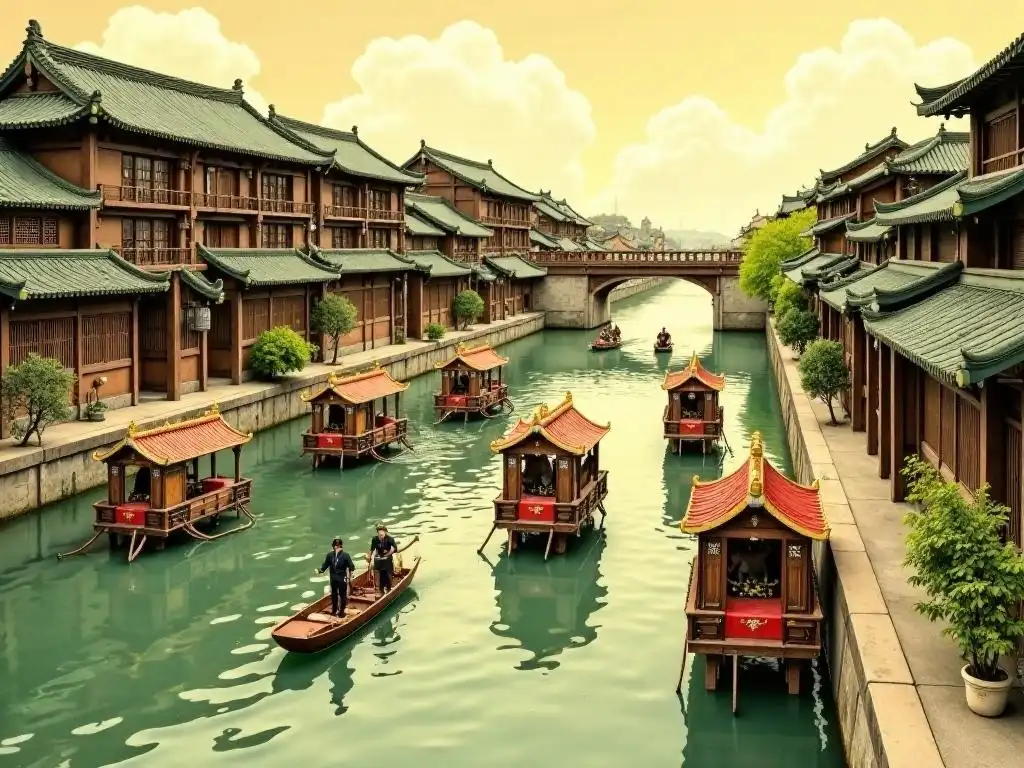
Welcome to Feudal Japan History, where we embark on a fascinating journey through the intricate tapestry of Japan’s feudal era. Here, you'll uncover the hidden narratives and cultural nuances that shaped a nation. In our featured article, “Edo's Infrastructure: Navigating the Roads of Feudal Japan,” we delve deep into the Edo period transportation systems, revealing how these pathways not only connected regions but also transformed the economy and society of the time. Prepare to ignite your curiosity as we explore the roads of history that paved the way for modern Japan—your adventure begins now!
Introduction to the Edo Period Transportation Systems
The Edo period, spanning from 1603 to 1868, marked a transformative era in Japan's history, characterized by profound social, economic, and political changes. One of the most significant aspects of this period was the development of intricate transportation systems that facilitated movement and commerce. The Edo period transportation systems played a crucial role not only in connecting urban centers but also in shaping the cultural and economic landscape of feudal Japan. This article delves into the various transportation systems that emerged during this time, highlighting their importance, structure, and impact on society.
Overview of the Edo Period (1603-1868)
The Edo period, also known as the Tokugawa period, was initiated by Tokugawa Ieyasu's establishment of a shogunate in Edo (modern-day Tokyo). This era was notable for its relative peace, stability, and isolation from foreign influence, which allowed for the flourishing of Japanese culture and urbanization. During this time, Edo emerged as one of the world's largest cities, with a population exceeding one million people. The centralized power of the Tokugawa shogunate facilitated the construction of a comprehensive infrastructure that included roads, bridges, and canals, essential for trade and communication across the archipelago.
- Key Features:
- Political Stability: The shogunate's control ensured a safe environment for trade.
- Urban Growth: Major cities like Edo, Osaka, and Kyoto thrived due to improved transportation.
- Cultural Flourishing: Increased mobility fostered cultural exchange and development.
Importance of Transportation in Feudal Japan
Transportation during the Edo period was not merely a means of movement; it was a vital component of the economy and society. The efficient transportation networks enabled:
- Trade Expansion: Goods could be transported more quickly and safely between regions, spurring economic growth.
- Cultural Exchange: Travel facilitated the sharing of ideas, art, and technology, enriching the cultural tapestry of Japan.
- Political Control: The shogunate could maintain authority over distant provinces by ensuring the swift movement of troops and information.
The significance of these transportation systems laid the groundwork for modern Japan's infrastructure, reflecting a legacy that extends far beyond the feudal era.
Types of Transportation Systems in Edo
As urbanization progressed, various transportation systems were developed to meet the demands of the growing population and economy in Edo and beyond. The two primary modes of transportation during this era were land and water systems, each contributing uniquely to the connectivity of the nation.
Land Transportation: Roads and Highways
The network of roads and highways in the Edo period was meticulously designed to facilitate movement across Japan. The most famous of these routes was the Tōkaidō, connecting Edo to Kyoto, which became a vital artery for commerce and travel.
- Key Features of Land Transportation:
- Post Stations (Shukuba): Strategically placed along major roads, these stations provided lodging and supplies for travelers.
- Road Maintenance: The shogunate enforced regulations for road upkeep, ensuring safe and reliable travel.
- Travel Restrictions: Samurai and merchants had defined privileges regarding travel, reflecting the social hierarchy of the time.
Water Transportation: Rivers and Canals
Waterways were equally important in the Edo period, serving as conduits for both commerce and transportation. Rivers and canals were utilized extensively to move goods and people, especially in regions where land travel was challenging.
- Key Features of Water Transportation:
- Canal Networks: Cities like Edo developed sophisticated canal systems to facilitate the transport of goods.
- Barging: Flat-bottomed boats (barges) were commonly used for transporting bulk goods, such as rice and timber.
- Cultural Significance: Rivers were not only practical but also central to cultural events and festivals, integrating transportation with community life.
The interplay between land and water transportation systems in the Edo period exemplifies the ingenuity and adaptability of feudal Japan, laying the foundation for its future economic and urban development.
The Development of Urban Infrastructure in Edo
The Edo period (1603-1868) marked a significant transformation in Japan's infrastructure, particularly in the burgeoning city of Edo, now known as Tokyo. As the center of the Tokugawa shogunate, Edo's rapid urbanization necessitated a comprehensive system of roads and transportation to facilitate the movement of people, goods, and information. This development was critical not only for administrative efficiency but also for fostering economic growth and integrating the diverse regions of Japan.
Edo's infrastructure evolved through a combination of centralized planning and local innovation. The shogunate implemented policies that encouraged the establishment of roads connecting major cities and rural areas. This network was vital for the transportation of rice, the primary currency of the era, and other goods, enabling the burgeoning merchant class to thrive.
The layout of Edo itself was meticulously planned, with major roads radiating from the center to the outskirts, reflecting a blend of functionality and aesthetic considerations. The development of bridges and waterways complemented the road systems, creating a holistic transportation framework that catered to both pedestrian and vehicular traffic.
Urban Planning and Road Layout
Edo's urban planning was characterized by a grid-like layout that facilitated efficient movement throughout the city. The main roads, known as "kaido," were strategically placed to connect vital areas, including the castle, temples, and merchant districts. The most notable of these was the Tōkaidō, which linked Edo to Kyoto, the imperial capital.
The roads were typically lined with inns, shops, and rest areas, allowing travelers to stop and resupply. The positioning of these establishments contributed to a vibrant urban landscape that thrived on constant movement. Furthermore, the careful organization of neighborhoods based on social status helped manage the population density while ensuring that different classes could coexist harmoniously.
In addition to the physical layout, the shogunate enforced regulations regarding road maintenance and security. Local officials were tasked with overseeing the upkeep of roads, ensuring they remained passable for trade and travel. This governance structure not only improved infrastructure but also instilled a sense of civic responsibility among the populace.
Construction Materials and Techniques Used
The construction techniques and materials employed in Edo's infrastructure were a reflection of the period's technological advancements and resource availability. Wooden structures were predominant due to the abundance of forests, and traditional methods such as post-and-beam construction were commonly used for both roads and buildings.
Bridges were often constructed from wood, with intricate designs that blended functionality with artistry. The famous Nihonbashi Bridge, for instance, served as a vital connector between different parts of Edo and was a symbol of the city's prosperity.
In addition to wood, the use of stone became more prevalent towards the end of the Edo period, particularly in the construction of more permanent structures, such as temples and castle fortifications. Techniques such as the use of stone blocks and mortar helped create durable buildings that could withstand the test of time. The incorporation of these materials not only enhanced the aesthetic appeal of Edo but also improved the longevity of its infrastructure.
Cultural Impact of Transportation on Edo Society
Transportation systems in Edo had profound cultural implications, influencing social structures, commerce, and everyday life. As the city grew, so did its transportation networks, which became conduits for cultural exchange, economic activity, and social interaction.
The accessibility provided by these transportation systems facilitated the spread of ideas, arts, and goods, ultimately shaping the cultural landscape of Edo. This interconnectedness fostered a unique urban culture that blended traditions from various regions, creating a vibrant community.
Influence on Trade and Commerce
Edo's transportation systems played a pivotal role in the city's economic landscape, enabling the flow of goods and fostering trade relationships. The efficient movement of rice and other commodities through the kaido and waterways allowed merchants to thrive, leading to the rise of a wealthy merchant class that significantly influenced Edo's economy.
Market towns sprang up along key routes, acting as hubs for trade and commerce. Merchants capitalized on the transportation infrastructure, expanding their businesses and contributing to the overall economic prosperity of the region. The integration of distant regions into Edo's economy allowed for a diverse marketplace, where goods from across Japan could be found, enhancing the cultural richness of the city.
Social Mobility and Travel
The transportation systems of Edo also had a profound impact on social mobility. With improved roads and the proliferation of inns and rest areas, travel became more accessible to a wider segment of society. This accessibility allowed individuals from various social classes to journey to Edo for trade, pilgrimage, or leisure.
Travel became a symbol of prestige and opportunity, as samurai and merchants alike could navigate the extensive road networks. The ability to travel not only enhanced personal experiences but also facilitated cultural exchanges, enriching the lives of those who ventured beyond their localities.
Moreover, the rise of travel literature and guides during this period reflects the growing interest in exploration and the sharing of experiences. This cultural phenomenon fostered a sense of community and connection among the people of Edo, as stories of travel and adventure circulated through the populace, further intertwining society with its transportation systems.
Challenges Faced by Edo Transportation Systems
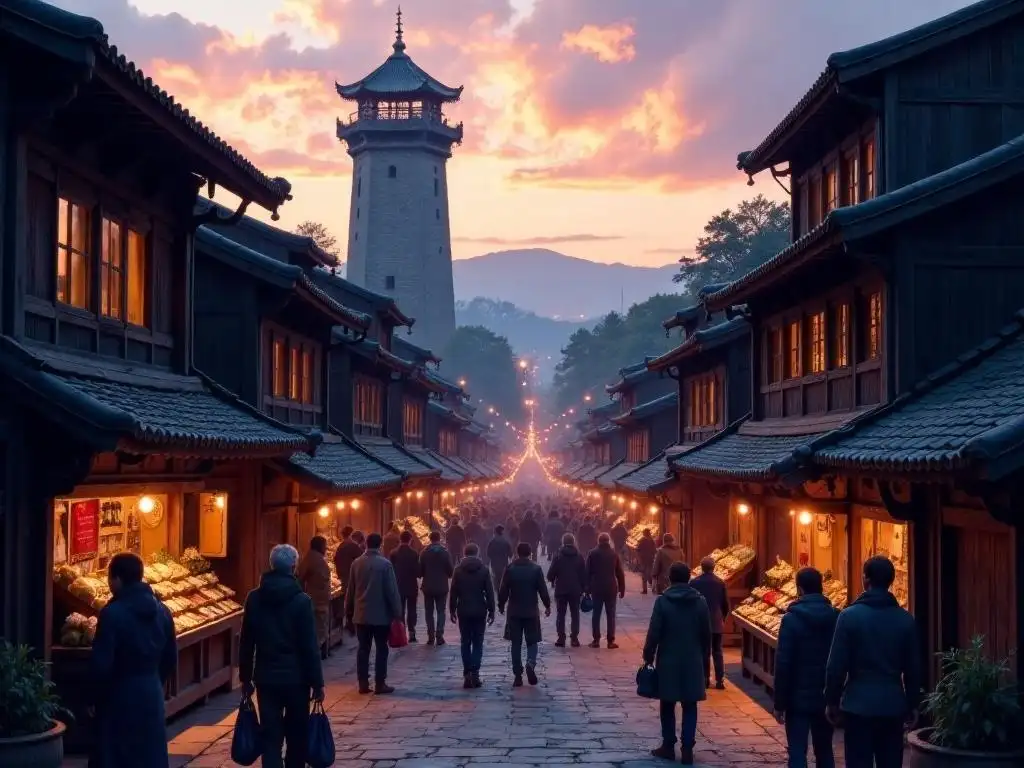
The transportation systems during the Edo period (1603-1868) were crucial to the economic and social development of Japan. However, they faced numerous challenges that affected their efficiency and effectiveness. Understanding these challenges provides insight into how Edo's infrastructure adapted over time and how it laid the groundwork for future developments.
Natural Disasters and Their Impact
Edo, located in a region prone to natural disasters, faced significant challenges due to earthquakes, tsunamis, and floods. These events not only caused immediate damage to roads and bridges but also disrupted trade and communication networks.
- Earthquakes: The Kanto region is known for its seismic activity. Major earthquakes, like the Ansei Edo Earthquake in 1855, resulted in the destruction of key transportation routes, necessitating urgent repairs and often leading to a temporary halt in economic activities.
- Flooding: Seasonal rains could lead to severe flooding, rendering roads impassable and affecting the movement of goods and people. For example, the floods of 1732 severely impacted the Tōkaidō road, a vital route connecting Edo to Kyoto.
- Tsunamis: Coastal areas faced the threat of tsunamis, which could devastate ports and disrupt maritime transportation routes, further complicating the logistics of moving goods.
These natural challenges necessitated a resilient infrastructure and effective emergency response strategies that were often lacking, leading to long-lasting economic repercussions.
Government Regulations and Control
The Tokugawa shogunate exercised considerable control over transportation systems in Edo, implementing regulations that, while intended for stability, often posed challenges to efficiency.
- Licensing and Restrictions: Merchants required licenses to transport goods along certain routes, limiting the flow of commerce. This bureaucratic process could slow down delivery times and increase costs.
- Toll Roads: The establishment of tolls on major routes, such as the Tōkaidō, aimed to fund road maintenance but also increased the cost of transportation. Merchants often had to weigh the toll expenses against the urgency of their deliveries.
- Control of Goods: The shogunate restricted the types of goods that could be transported on specific routes, contributing to inefficiencies. For instance, certain routes were designated for specific commodities, which meant that merchants had to navigate complex regulations to optimize their shipping routes.
While these regulations aimed to maintain order and control the economy, they often hindered the flexibility and responsiveness of the transportation systems.
Innovations and Technological Advances
Amidst the challenges, the Edo period also witnessed significant innovations and technological advancements that improved transportation systems, reflecting the era's dynamic approach to infrastructure.
Developments in Transportation Technology
Various technological innovations emerged during the Edo period that enhanced transportation efficiency.
- Road Construction Techniques: Improved methods for road construction, including the use of durable materials and better drainage systems, helped maintain road integrity during adverse weather. The introduction of stone-paved roads reduced wear and tear, facilitating smoother travel.
- Transportation Vehicles: The development of more efficient vehicles, such as the kago (a type of palanquin) and norimono (carriages), allowed for quicker and more comfortable travel for officials and merchants. These innovations catered to the growing demands of urban and intercity travel.
- Navigational Improvements: Advances in shipbuilding technology and navigation improved maritime transportation. The introduction of larger vessels facilitated trade, while better navigational tools enhanced safety for coastal and river travel.
These innovations not only improved transportation efficiency but also contributed to the broader economic growth of Edo.
Comparative Analysis: Edo Period vs. Modern Transportation
When comparing Edo period transportation systems to contemporary ones, several key differences and similarities emerge that highlight the evolution of infrastructure.
- Scale and Capacity: Modern transportation systems operate on a much larger scale, with extensive networks of roads, railways, and airports. In contrast, Edo’s transportation relied heavily on foot traffic, horses, and boats, limiting capacity and speed.
- Technology: Today’s transportation technology, including motor vehicles, trains, and digital navigation systems, vastly outstrips the technological capabilities of the Edo period. However, certain principles, such as road maintenance and efficient routing, remain relevant.
- Regulatory Framework: While the Edo period was characterized by strict governmental control, modern transportation systems often emphasize safety regulations and environmental considerations rather than economic control.
- Impact on Society: Both periods illustrate the vital role of transportation in shaping urban life and economic activity. In Edo, transportation facilitated trade and cultural exchange, akin to the globalized networks of today.
This comparative analysis underscores the progress made in transportation systems while also acknowledging the foundational principles established during the Edo period that continue to influence modern infrastructure development.
Conclusion: The Legacy of Edo's Transportation Systems
The transportation systems established during the Edo period have left an indelible mark on Japan's socio-economic framework. The roads, waterways, and communication networks created during this time not only facilitated the movement of goods and people but also laid the groundwork for Japan's future urbanization and infrastructure development. The emphasis on connectivity and efficient transportation contributed significantly to the emergence of bustling towns and cities, fostering trade, culture, and social interaction.
Edo's transportation legacy is more than just historical; it reflects a sophisticated understanding of infrastructure that integrates function with the needs of society. The era saw the rise of various transportation methods, including the iconic Tokaido road and the intricate network of rivers and canals, which served as vital arteries for commerce and communication. This intricate web of transport systems was essential in shaping the economic landscape of Japan, enabling the growth of a vibrant merchant class and stimulating regional interactions.
Lasting Impact on Modern Japan
The influence of Edo period transportation systems persists in modern Japan, where the efficiency and organization of transportation continue to be hallmarks of the nation's infrastructure. The principles of connectivity and accessibility established during this era can be seen in contemporary transport networks, such as the Shinkansen (bullet train) and extensive subway systems.
Moreover, the urban planning strategies employed during the Edo period, emphasizing pedestrian pathways and integrated transport options, resonate in today’s approach to city design. Modern cities often draw inspiration from the past, incorporating elements that prioritize both mobility and the preservation of cultural heritage. The balance of tradition and innovation in Japan’s transportation systems reflects the historical significance of Edo’s infrastructure, demonstrating how past practices can inform current and future development.
Reflections on Urbanization and Infrastructure Development
The urbanization of the Edo period created a blueprint for infrastructure development that prioritized not only economic growth but also social cohesion. The careful planning of roads and transportation routes facilitated the movement of people and goods, fostering a sense of community among the diverse populations in urban centers.
Reflecting on this era allows us to appreciate the complexities of infrastructure as a driver of societal change. The Edo period serves as a case study in how thoughtful transportation planning can enhance urban life, promote economic activity, and support cultural exchange. As cities around the world grapple with challenges related to urbanization and sustainability, the lessons learned from Edo's transportation systems remain relevant, encouraging a holistic approach to infrastructure that considers the needs of both the economy and the community.
Additional Resources on Edo Period Transportation
For those interested in delving deeper into the transportation systems of the Edo period, a variety of resources are available. These materials offer insights into the historical context, technological advancements, and cultural implications of the infrastructure that shaped feudal Japan.
Books and Articles for Further Reading
-
"Edo and Paris: Urban Life and the Politics of the Environment" by John F. Richards
This book explores urban development in Edo and Paris, highlighting the similarities and differences in their transportation systems and infrastructure.
-
"The Making of Modern Japan" by Yanagita Kunio
A comprehensive history that details the evolution of Japan's infrastructure, including the significance of Edo period transportation.
-
"The History of Transportation in Japan" by Takashi Matsumoto
This article provides an overview of transportation methods throughout Japanese history, with a focus on the Edo period's contributions.
Documentaries and Educational Videos on Edo Infrastructure
-
"Edo: The City That Built Modern Japan"
A documentary that examines the urban landscape of Edo, showcasing its transportation systems and their impact on society.
-
"Journey Through Edo: The Roads of Feudal Japan"
This educational video explores the major transportation routes of the Edo period and their significance in connecting various regions of Japan.
-
"Feudal Japan: The Age of Samurai and Infrastructure"
An engaging documentary that discusses the broader context of infrastructure development during the Edo period, including transportation and its role in economic growth.
- Introduction to the Edo Period Transportation Systems
- Types of Transportation Systems in Edo
- The Development of Urban Infrastructure in Edo
- Cultural Impact of Transportation on Edo Society
- Challenges Faced by Edo Transportation Systems
- Innovations and Technological Advances
- Conclusion: The Legacy of Edo's Transportation Systems
- Additional Resources on Edo Period Transportation
- What were the main transportation systems during the Edo period?
- How did transportation impact society in feudal Japan?
- What types of vehicles were used for transportation in the Edo period?
- How did Edo period transportation systems influence trade?
- What were the challenges faced in Edo period transportation?
Frequently Asked Questions
What were the main transportation systems during the Edo period?
During the Edo period, transportation systems included roads, rivers, and sea routes. The most prominent were the Tokaido Road and Nakasendo, which facilitated trade and travel between major cities.
How did transportation impact society in feudal Japan?
Transportation played a crucial role in societal development, allowing for the movement of goods and people. It contributed to the economic growth and cultural exchange during the Edo period, leading to a more interconnected society.
What types of vehicles were used for transportation in the Edo period?
Common vehicles included kago (palanquins), norimono (sedan chairs), and wagons. These modes of transport were used by nobility and merchants, reflecting social status and wealth.
How did Edo period transportation systems influence trade?
The Edo period transportation systems boosted trade by providing efficient routes for merchants. This led to the establishment of post stations and inns, facilitating the exchange of goods across regions.
What were the challenges faced in Edo period transportation?
Challenges included natural disasters, such as floods and landslides, which disrupted travel. Additionally, political restrictions and road maintenance issues occasionally hindered the effectiveness of the transportation systems.
Final Reflection: The Enduring Legacy of Edo Period Transportation Systems
The intricate transportation systems of the Edo period are not merely relics of feudal Japan; they are a testament to the ingenuity and adaptability of human society. As we navigate our own complex infrastructures today, the lessons learned from Edo’s roads, waterways, and communication networks resonate profoundly. The efficiency and organization that characterized this era remind us that thoughtful planning and innovation can lead to sustainable growth and connectivity, even in the face of challenges.
Edo's transportation systems have left an indelible mark on Japan's cultural and social landscape, influencing everything from trade to travel. The interconnectedness fostered by these systems paved the way for cultural exchange and economic prosperity, shaping the very fabric of Japanese society. The roads of the past are the pathways of the future.
This quote encapsulates the idea that understanding our historical infrastructure can illuminate the way forward, as we continue to build and improve our own systems in a rapidly changing world.
As you reflect on the lessons from Edo’s transportation networks, consider how you can apply these insights in your own life. How can you foster connections in your community, or innovate in your personal or professional endeavors? Embrace the spirit of exploration and adaptability that defined the Edo period, and let it inspire you to create pathways that lead to collaboration, understanding, and progress in our interconnected world.
Embrace the Journey: Explore Edo’s Infrastructure!
Thank you for taking the time to dive into the fascinating world of Edo's infrastructure and its role in shaping feudal Japan. Your interest demonstrates a commitment to understanding the intricate web of roads that connected cities, cultures, and communities during this remarkable era. Now it's time to take your knowledge further!
Here’s how you can deepen your exploration and share this journey with others:
- Discover the Routes: Visit your local library or online archives to find maps and resources about significant routes in Edo period Japan, including the famous Tōkaidō.
- Join the Conversation: Engage with history enthusiasts on social media or forums—share your insights and ask questions about Edo’s transportation network!
- Plan a Visit: Consider traveling to Japan to experience the historic pathways firsthand—imagine walking the same roads that connected countless people!
What are your thoughts on the impact of the road networks in fostering cultural exchange in feudal Japan? Share your ideas below!