
The Edo Period's Market Revolution: Exploring the Birth of Consumer Culture

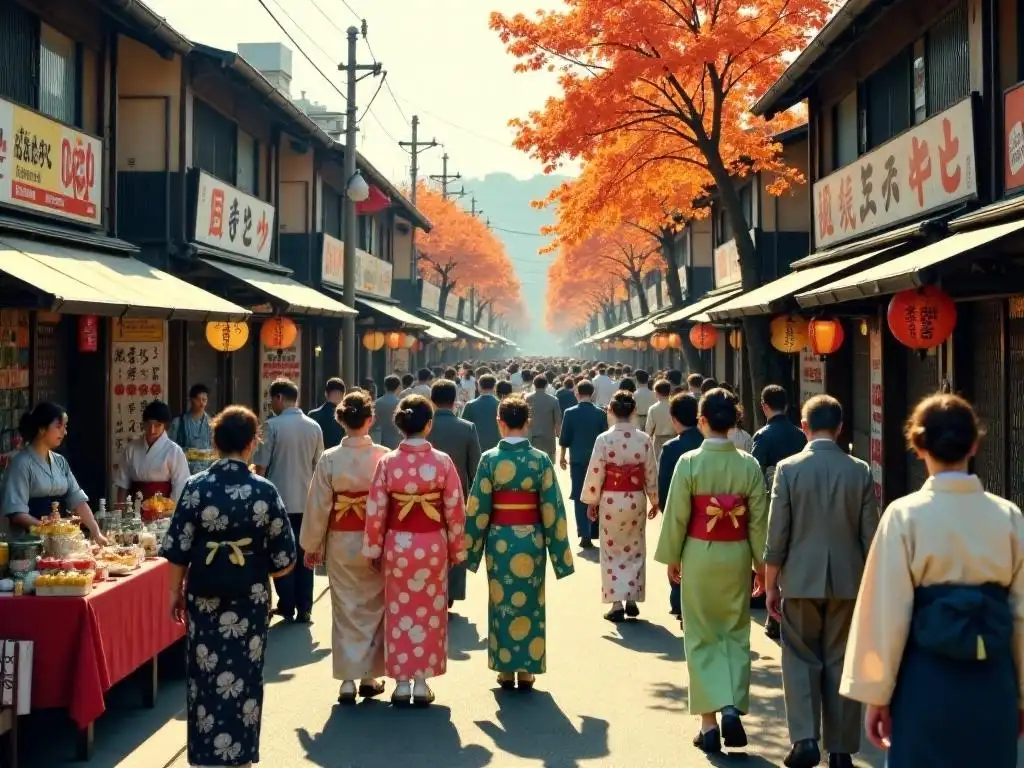
Welcome to Feudal Japan History, where we embark on a fascinating journey through the intricate tapestry of Japan's feudal era. Here, we delve into the rich historical, cultural, and societal aspects that shaped this remarkable time. In our featured article, "The Edo Period's Market Revolution: Exploring the Birth of Consumer Culture," we invite you to uncover how the Edo period ignited a transformation in consumer habits and economic practices that echoes through history.
Prepare to be intrigued as we reveal the forces that fueled this market revolution and the vibrant culture that emerged. Read on to discover the captivating dynamics of Edo period consumer culture!
Introduction to the Edo Period Consumer Culture
The Edo period, spanning from 1603 to 1868, marks a significant transformation in Japan's history, particularly regarding economic and consumer practices. As Japan embraced a long period of relative peace and stability under the Tokugawa shogunate, urban centers flourished, leading to a burgeoning consumer culture that reshaped societal norms and economic structures.
This era witnessed not only the rise of vibrant marketplaces but also an increasing appetite for goods and services among a diverse population. Exploring the Edo period consumer culture reveals how these developments laid the groundwork for modern Japan's economic identity, highlighting the intricate interplay between urbanization, commerce, and the everyday lives of its citizens.
Overview of the Edo Period (1603-1868)
The Edo period is characterized by a series of transformative events that influenced Japan's trajectory. Governed by the Tokugawa shogunate, the era is noted for its:
- Political Stability: The unification of Japan under Tokugawa Ieyasu led to nearly 250 years of peace known as the Pax Tokugawa.
- Cultural Flourishing: This period saw significant developments in arts, literature, and philosophy, with the rise of ukiyo-e (woodblock prints) and kabuki theatre.
- Urbanization: Major cities like Edo (modern-day Tokyo), Osaka, and Kyoto became bustling hubs of activity, driving the rise of a new urban class.
With the rise of these urban centers, consumer habits began to shift, initiating a revolution in how goods were produced, marketed, and consumed.
Significance of Consumer Culture in Edo Japan
Consumer culture during the Edo period was not merely about the proliferation of goods; it represented a fundamental shift in societal values and behaviors. Key points include:
- Emergence of the Chōnin Class: This merchant class began to gain prominence, fostering a culture of consumption that emphasized luxury and status.
- Cultural Identity: The items people purchased became expressions of personal identity and social standing, symbolizing the beginnings of individualism in Japanese society.
- Commercial Innovations: New marketing strategies, such as seasonal sales and advertisements, began to emerge, reflecting a sophisticated understanding of consumer psychology.
This cultural evolution set the stage for Japan's modernization, influencing contemporary consumer behaviors and economic practices.
The Economic Landscape of the Edo Period
The economic landscape of the Edo period underwent significant transformations that were essential to the development of its consumer culture. This section examines the various factors that contributed to this dynamic economic environment.
Key Economic Changes During the Edo Period
Several pivotal changes occurred during the Edo period that shaped the economic framework:
- Rise of a Market Economy: The transition from a feudal economy to a more market-oriented one facilitated the trade of goods across regions.
- Development of Infrastructure: Improvements in transportation, including roads and waterways, enabled the efficient movement of goods, fostering commerce.
- Currency Standardization: The introduction of a standardized currency system paved the way for easier transactions and a more integrated market.
These changes created a fertile ground for the growth of consumer culture, as accessibility to goods increased and economic activity flourished.
Role of Agriculture in Urban Markets
Agriculture was a crucial element of the Edo economy, intertwining with urban markets in several ways:
- Surplus Production: Farmers were encouraged to produce surplus crops, which were then sold in urban markets, fostering urban-rural interdependence.
- Rice as Currency: Rice played a fundamental role not just as a staple food but also as a medium of exchange, impacting trade dynamics.
- Agricultural Innovations: Advances in farming techniques and crop varieties increased productivity, supporting the growing urban population.
This relationship between agriculture and urban markets was vital for sustaining Edo's economic boom and consumer culture.
Growth of Trade and Commerce in Edo
The city of Edo became the epicenter of trade and commerce during this period:
- Merchant Guilds: The formation of guilds facilitated organized trade, ensuring quality and fostering competition.
- Cultural Exchanges: As trade expanded, so did cultural exchanges, introducing foreign goods and ideas that enriched local consumer choices.
- Market Festivals: Regular market festivals attracted large crowds, promoting a vibrant consumer culture and community engagement.
The growth of trade and commerce during the Edo period was not just an economic phenomenon; it was a catalyst for cultural transformation and social evolution, setting the stage for Japan's future.
The Rise of Urban Centers and Their Impact on Consumer Culture
The Edo period, lasting from 1603 to 1868, marked a significant transformation in Japan's socio-economic landscape, primarily driven by the rise of urban centers. The consolidation of power by the Tokugawa shogunate fostered a stable environment conducive to growth and urbanization. As political stability took hold, people migrated from rural areas to cities, seeking opportunities in commerce, trade, and industry. This migration not only resulted in a burgeoning urban population but also laid the groundwork for a vibrant consumer culture.
The burgeoning cities began to serve as hubs of economic activity, where goods were both produced and consumed. This shift from a predominantly agrarian society to an urban-centric economy transformed consumption patterns. Urban centers became venues for diverse economic exchanges, facilitating the emergence of a consumer culture characterized by increased demand for various goods and services. Alongside traditional agricultural products, there was a growing appetite for luxury items, crafts, and entertainment, reflecting the evolving tastes and preferences of the urban populace.
Urbanization Trends in Edo Japan
Urbanization during the Edo period was marked by several notable trends. The most significant was the rapid growth of Edo (modern-day Tokyo), which became the largest city in Japan, with a population exceeding one million by the late 18th century. This demographic boom was complemented by the development of other major cities, such as Osaka and Kyoto, each playing vital roles in the national economy.
The increasing urban population spurred the need for improved infrastructure, including roads, bridges, and marketplaces. The Tokugawa shogunate invested in these public works, facilitating trade and movement within and between cities. Moreover, urbanization led to a more stratified society, where distinct social classes emerged, including a burgeoning middle class that played a crucial role in consumer culture. This middle class, often composed of merchants and artisans, began to appreciate and demand a variety of goods, driving innovation and production.
Major Cities: Edo, Osaka, and Kyoto
Edo, Osaka, and Kyoto were the three major urban centers that shaped the consumer landscape during the Edo period.
- Edo: As the political center of Japan, Edo was the heart of commerce and culture. The city's vibrant street life was filled with merchants offering a plethora of goods, from textiles to food. Edo's unique culture was characterized by its theaters, tea houses, and festivals, which attracted both locals and visitors, further stimulating consumer spending.
- Osaka: Known as the "Nation's Kitchen," Osaka was a vital commercial center where rice was traded and distributed. The city's merchants pioneered innovative practices in marketing and distribution, contributing to the growth of a consumer-oriented market. Osaka's bustling streets were lined with shops, and the city's annual festivals showcased local products, enhancing consumer engagement.
- Kyoto: As the historical capital and a center of traditional crafts, Kyoto was renowned for its exquisite textiles, ceramics, and art. The city's cultural heritage attracted affluent consumers, leading to the establishment of high-end boutiques and artisan workshops. Kyoto's status as a cultural and spiritual hub also played a significant role in shaping consumer preferences.
The Emergence of a Diverse Consumer Base
The urban centers during the Edo period catalyzed the emergence of a diverse consumer base, reflecting a wide range of social classes and tastes. The growth of the merchant class, coupled with the decline of the samurai's economic power, allowed for a more varied demographic to participate in the marketplace.
- The Merchant Class: As merchants gained wealth and influence, they became key players in the consumer economy. Their ability to produce and sell goods tailored to urban tastes fostered a new consumer culture, where status and identity were increasingly expressed through consumption.
- Women as Consumers: Women, particularly in urban areas, began to assert their role as consumers. They engaged in purchasing decisions for household goods and luxury items, contributing significantly to the demand for specific products. This shift marked a departure from traditional roles, emphasizing consumerism as a form of agency.
- Cultural Influences: The interconnectedness of urban centers facilitated the flow of ideas and goods, leading to a more cosmopolitan consumer culture. People from different backgrounds and regions contributed to a marketplace enriched with diverse products, styles, and cultural influences.
Features of Edo Period Consumer Culture
The Edo period's consumer culture was characterized by various distinctive features that reflected the values, aspirations, and social dynamics of the time. This culture was not just about acquiring goods; it also encompassed a broader social phenomenon that intertwined with identity and lifestyle.
The Development of Marketplaces and Shopping Districts
One of the hallmarks of Edo period consumer culture was the establishment of vibrant marketplaces and shopping districts. These areas served as bustling centers of trade and social interaction, where merchants and customers engaged in the vibrant exchange of goods.
- Types of Marketplaces: Different types of marketplaces emerged, including wholesale markets, retail shops, and specialty stores. The famous Nishiki Market in Kyoto exemplifies the rich variety of goods available, from fresh produce to crafted items.
- Structure and Organization: Markets were often organized by product categories, enabling consumers to find what they needed easily. The layout of shopping districts encouraged leisurely browsing, with shopkeepers showcasing their merchandise attractively.
- Cultural Significance: Marketplaces became cultural hubs, hosting festivals and events that brought together community members. These gatherings facilitated social interaction and reinforced the sense of belonging among consumers.
The Influence of Merchants and Artisans
Merchants and artisans played a pivotal role in shaping the consumer culture of the Edo period. Their creativity, innovation, and marketing strategies greatly influenced consumer preferences and trends.
- Merchants as Innovators: Merchants were not merely sellers; they were also innovators, introducing new products and marketing techniques. They understood the importance of branding and often created unique identities for their shops to attract consumers.
- Artisans and Craftsmanship: Artisans, skilled in their trades, produced high-quality goods that reflected local traditions and craftsmanship. Their work contributed to the growing appreciation for handmade items, as consumers began to value quality over quantity.
- Social Mobility: The success of merchants and artisans also allowed for greater social mobility. As they accumulated wealth, they could change their social standing and influence, leading to a more dynamic and egalitarian consumer environment.
Popular Goods and Commodities of the Time
The Edo period witnessed a remarkable variety of goods and commodities that defined its consumer culture. The range of products available in urban markets reflected the tastes and lifestyles of the growing population.
- Textiles and Fashion: Kimono fabrics, particularly silk, became highly sought after. The rise of unique designs and seasonal collections allowed consumers to express their identities through fashion.
- Food and Drink: The population's taste for diverse cuisines led to a boom in food markets. Popular items included sushi, sake, and various street foods, which became integral to urban life.
- Arts and Crafts: Decorative arts, including pottery, lacquerware, and ukiyo-e (woodblock prints), flourished. These items were not only consumed but also collected as symbols of status and taste.
- Entertainment: The demand for entertainment grew, with kabuki theaters and puppet shows attracting large audiences. This cultural phenomenon influenced the consumption of related goods, such as theater tickets and printed materials.
The consumer culture of the Edo period was marked by urbanization, the rise of diverse markets, and a flourishing economy, all of which contributed to a rich tapestry of social and cultural life. The interplay between consumers, merchants, and artisans created a dynamic environment that laid the foundation for Japan's modern economic landscape.
Cultural Influences on Consumer Behavior
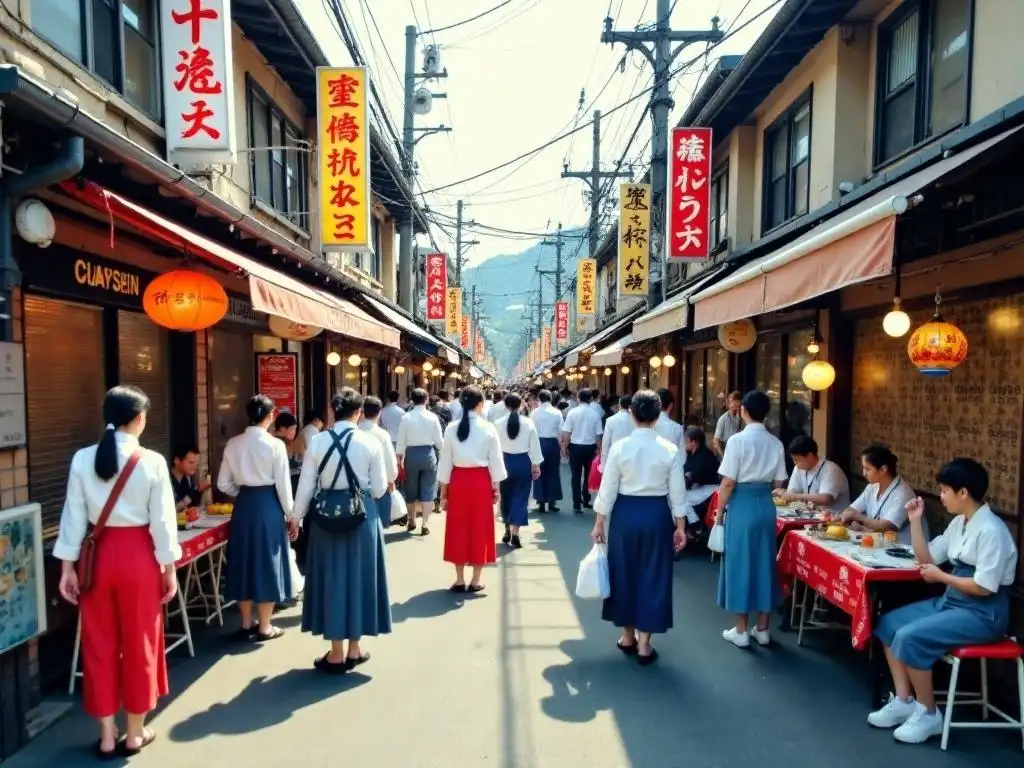
The Edo period (1603-1868) was characterized by profound social and cultural transformations that significantly influenced consumer behavior in Japan. As the economy expanded and urban centers flourished, a new class of merchants and artisans emerged, leading to the development of a consumer culture that was markedly different from previous eras. This period saw a shift from a feudal economy, where consumption was largely dictated by necessity and status, to one where desires and preferences played a crucial role in shaping purchasing decisions.
One of the most notable changes was the rise of urbanization, which brought diverse cultural influences into the daily lives of Edo residents. Consumer behavior was heavily swayed by the arts, literature, and the growing accessibility of goods. The proliferation of kabuki theater, ukiyo-e (floating world) prints, and literature such as the works of Matsuo Bashō and Ihara Saikaku inspired individuals to seek items that reflected their tastes and social aspirations. The aesthetics of these cultural products began to permeate the market, encouraging people to purchase items that enhanced their social standing and personal identity.
In Edo society, social status played a pivotal role in shaping consumption patterns. The rigid class system, which categorized individuals into four main groups—samurai, farmers, artisans, and merchants—dictated not only what people could buy but also how they displayed their wealth and tastes. The samurai class, while traditionally associated with military prowess and governance, began to embrace consumer goods as a means of exhibiting their status. As a result, luxury items such as silk kimonos and fine ceramics became symbols of prestige.
Merchants, who were often looked down upon in the rigid hierarchy, sought to elevate their status through conspicuous consumption. They invested in extravagant homes and lavish clothing, aiming to mimic the lifestyles of the samurai. This competition among classes fueled a vibrant market for luxury goods, creating an environment where consumerism flourished. As distinct social groups began to adopt similar styles and products, the lines between classes blurred, leading to a dynamic consumer culture that emphasized personal expression and status.
Fashion and Aesthetics in Edo Society
Fashion and aesthetics were integral to the consumer culture of the Edo period. The emergence of textile industries and advancements in dyeing techniques allowed for a wide variety of fabrics and patterns, making fashion accessible to various social classes. The popularity of the kimono, particularly among the urban populace, reflected not just personal taste but also the socio-economic status of the wearer. Each season brought new trends, driven by influential figures in the arts and entertainment, which people eagerly adopted.
The concept of "iki," often described as an aesthetic ideal of sophistication and elegance, became a hallmark of Edo fashion. This notion encouraged consumers to pursue beauty and style over mere functionality. As a result, the marketplace was flooded with items that emphasized design, color, and craftsmanship. Additionally, cosmetic trends gained traction, with the use of makeup and accessories becoming commonplace, further emphasizing the importance of appearance in consumer behavior during this period.
Festivals and Their Impact on Consumer Practices
Festivals played a significant role in shaping consumer practices during the Edo period. These events were not just religious or cultural celebrations; they were also critical economic opportunities. Each festival brought crowds of people to urban centers, significantly boosting local economies as merchants capitalized on the influx of consumers. Street vendors and craftsmen showcased their wares, from food to textiles, making festivals a vibrant marketplace for goods.
The festive atmosphere encouraged people to indulge in consumption, as it was customary to buy new clothes, decorations, and food for these occasions. The popularity of seasonal festivals, such as the Sanja Matsuri in Asakusa or the Gion Matsuri in Kyoto, fostered a sense of community while simultaneously stimulating demand for various products. This cycle of consumption during festivals reinforced the emerging consumer culture, as individuals sought to stand out and participate in communal identity through the items they purchased.
The Innovations Driving the Market Revolution
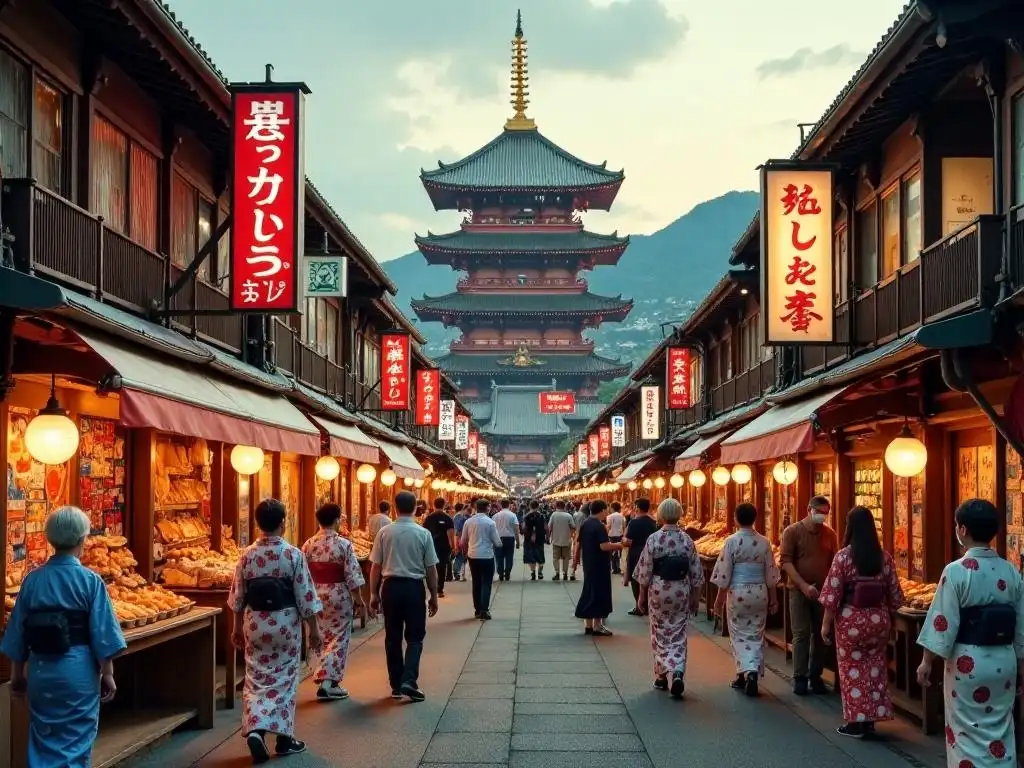
The Edo period's market revolution was propelled by several key innovations that transformed the economic landscape of Japan. These innovations facilitated the growth of consumer culture, making goods more accessible and stimulating demand across various social strata.
Advances in Transportation and Communication
One of the most significant advancements was in transportation and communication. The development of an extensive network of roads, particularly the Tōkaidō road connecting Edo (modern-day Tokyo) to Kyoto, allowed for the efficient movement of goods and people. This infrastructure not only reduced travel time but also enabled merchants to transport their products to wider markets, enhancing competition and variety.
Additionally, the establishment of post stations along these highways facilitated the exchange of information and goods. The growth of the postal system allowed merchants to communicate more effectively, ensuring that they could respond quickly to market demands. As a result, consumers gained access to a broader range of products, contributing to the burgeoning consumer culture of the Edo period.
The Impact of Woodblock Printing on Consumer Awareness
Woodblock printing emerged as a transformative technology during the Edo period, revolutionizing the way information and art were disseminated. This innovation allowed for the mass production of prints, making literature, art, and advertisements widely available to the public. The popularity of ukiyo-e prints, which depicted scenes of daily life, landscapes, and popular actors, played a crucial role in shaping consumer awareness.
These prints not only served as artistic expressions but also functioned as advertisements for goods and services. Merchants commissioned prints to promote their products, fostering a culture of consumerism that encouraged individuals to seek out the latest trends. The visual culture created by woodblock printing significantly influenced consumer preferences, driving demand for various items and reinforcing the market revolution.
Introduction of Credit Systems and Financial Institutions
The introduction of credit systems and financial institutions during the Edo period further fueled the market revolution. The rise of merchants led to the establishment of various financial practices, including the use of promissory notes and credit transactions. This innovation allowed consumers to purchase goods on credit, making it easier for them to buy luxury items that they may not have been able to afford outright.
The emergence of financial institutions, such as moneylenders and banks, provided a structure for managing credit and loans. This accessibility to credit not only stimulated consumer spending but also encouraged individuals to aspire to higher standards of living. As people engaged more freely with credit, the consumer culture deepened, leading to an economy that valued both goods and the experiences associated with them.
Challenges and Limitations of Edo Period Consumer Culture
The Edo period (1603-1868) marked a significant transformation in Japan's economic landscape, particularly in the rise of consumer culture. However, this burgeoning consumerism faced several challenges and limitations that shaped its development. One of the primary challenges was economic disparities, which created a divide between the affluent merchant class and the impoverished peasantry. Despite the increased availability of goods, access was often limited to those with disposable income, leaving a significant portion of the population with little to no purchasing power.
Moreover, the Tokugawa Shogunate implemented various regulations and controls to maintain social order and reinforce the samurai class's status. These regulations affected market dynamics, often stifling innovation and competition. Additionally, natural disasters, such as earthquakes and famines, disrupted supply chains and limited the availability of goods, further complicating the landscape of consumer culture.
The interplay of these factors created a complex environment where consumer culture could thrive in certain areas while being hindered in others. The limitations imposed by class distinctions, governmental regulations, and environmental challenges shaped the nature of consumption during the Edo period.
Economic Disparities and Class Distinctions
Economic disparities during the Edo period were pronounced, with a clear division between the wealthy merchant class and the lower classes, including farmers and artisans. While the rise of the merchant class contributed to the growth of consumer culture, it also highlighted the stark contrasts in wealth and access to goods.
- Merchant Class: This group flourished as urban centers expanded, leading to increased trade and commerce. Merchants not only accumulated wealth but also influenced cultural trends, becoming patrons of the arts and fashion.
- Peasantry: In contrast, the majority of the population, composed of farmers, struggled with heavy taxation and limited economic mobility. Their ability to participate in the consumer market was severely restricted, as their primary focus remained on subsistence farming.
The disparities in wealth fostered a consumer culture that was predominantly elitist, with luxury goods often reserved for the upper classes. This class distinction shaped the types of goods that became popular, with items such as silk garments and ornate household items being symbols of status while remaining out of reach for the majority.
Regulation and Control by the Tokugawa Shogunate
The Tokugawa Shogunate, which ruled Japan during the Edo period, enforced strict regulations that impacted the development of consumer culture. Aimed at maintaining social order and the status quo, these regulations limited the types of goods available for trade and set standards for prices and quality.
- Market Restrictions: The Shogunate imposed restrictions on certain professions and goods, creating monopolies that stifled competition. For example, only licensed merchants could sell specific products, which limited the variety of goods available to consumers.
- Social Hierarchy Reinforcement: The regulations also reinforced social hierarchies by controlling the movement of goods and people, ensuring that the samurai class maintained its status. This control hindered the potential for a more vibrant and egalitarian consumer market, as the Shogunate prioritized stability over economic diversity.
Consequently, while consumer culture did flourish in urban centers, it did so within the confines of a regulated environment that limited the full expression of market dynamics and consumer choice.
The Impact of Natural Disasters on Markets
Natural disasters played a significant role in shaping the consumer culture during the Edo period. Frequent earthquakes, typhoons, and famines disrupted both agricultural production and trade networks, leading to fluctuations in market stability.
- Supply Chain Disruptions: Natural disasters often resulted in crop failures, which diminished food supplies and increased prices. This affected not only the availability of staples but also the broader market for luxury goods, as consumers prioritized basic necessities over non-essential items.
- Economic Uncertainty: The unpredictability of natural disasters created an environment of economic uncertainty. Merchants and consumers alike were forced to navigate a volatile market, impacting their purchasing behavior and investment in goods.
These challenges highlighted the fragility of the consumer culture that had begun to emerge, revealing how external factors could significantly influence economic trends and consumer behavior.
Conclusion: Legacy of the Edo Period Consumer Culture
The legacy of the Edo period consumer culture is one marked by both innovation and limitation. While the period saw significant growth in the availability and variety of goods, it was also characterized by economic disparities, regulatory challenges, and environmental factors that shaped consumer behavior.
Reflections on Modern Japanese Consumer Culture
Modern Japanese consumer culture can trace its roots back to the Edo period, where the foundations of consumer habits were laid. The appreciation for craftsmanship, brand loyalty, and the pursuit of quality over quantity can be seen as continuations of Edo period trends.
- Cultural Preservation: Many traditional crafts, such as pottery and textiles, have been preserved and continue to be valued in contemporary society, reflecting the enduring impact of Edo period aesthetics.
- Consumer Mindset: The Japanese emphasis on innovation and quality in consumer products today mirrors the historical appreciation for luxury and craftsmanship established during the Edo period.
The Edo Period's Influence on Global Economic Trends
The consumer culture of the Edo period also had implications beyond Japan's borders, influencing global economic trends. The rise of trade during this era facilitated cultural exchange and laid the groundwork for Japan's eventual integration into the global economy.
- Export of Goods: High-quality Japanese goods, such as ceramics and textiles, gained popularity in international markets, contributing to Japan's economic interactions with other nations.
- Cultural Exchange: The Edo period's consumer culture fostered a unique blend of local and foreign influences, paving the way for the globalization of cultural and consumer practices in the modern era.
The Edo period's market revolution not only shaped Japanese society but also left a lasting impact on global economic frameworks, demonstrating the complex interplay between culture, economy, and consumerism.
References and Further Reading
The study of Edo period consumer culture is enriched by a variety of academic works and online resources that provide deeper insights into the economic, social, and cultural dynamics of Japan during this transformative era. Below are some suggested readings and resources for those interested in further exploring the complexities of consumer culture during the Edo period.
Suggested Academic Works on Edo Period Consumer Culture
-
"Edo Culture: Daily Life and Diversions in Urban Japan, 1600-1868" by Edward Seidensticker
This seminal work explores the daily life of Edo period citizens, emphasizing the cultural practices that laid the groundwork for a burgeoning consumer culture.
-
"The Making of Modern Japan" by Adrian Crookshank
Crookshank offers a comprehensive overview of Japan's evolution, with particular attention to the economic transformations during the Edo period that fostered consumer habits.
-
"Commerce and Culture in the Greater East Asia: The Rise of Consumer Culture" by Takashi Yoshida
This book delves into the intersection of commerce and cultural practices, highlighting how economic changes influenced consumer behavior in Edo Japan.
-
"Urban Life in Japan’s Edo Period: The Birth of the Modern Consumer" by Stephen Vlastos
Vlastos examines urbanization in Edo, discussing how the growth of cities and marketplaces contributed to the development of a consumer-centric society.
-
"The Edo Period: A Historical Overview" by J. M. McGowan
This work provides a detailed examination of the Edo period, focusing on the social and economic factors that shaped consumer culture.
Online Resources for Exploring Edo Japan's Economic History
-
The Edo Period Wiki
A comprehensive online platform that offers articles, timelines, and resources specifically focused on the Edo period's cultural and economic developments.
-
Japan National Tourism Organization (JNTO)
This site offers historical information about the Edo period intertwined with modern tourism, including insights into consumer habits that have persisted.
-
The National Museum of Japanese History
Their website features a wealth of resources on Japan's socio-economic history, including exhibitions and research papers on the Edo period.
-
The Japan Society
This organization provides access to various publications and events that explore Japan's history, including the intricacies of Edo period consumer culture.
-
Digital Public Library of America (DPLA)
DPLA hosts a collection of digitized primary sources, photographs, and texts related to Japan's economic history, particularly during the Edo period.
By engaging with these academic works and online resources, readers can gain a more nuanced understanding of the Edo period's consumer culture and its lasting impact on modern Japan.
- Introduction to the Edo Period Consumer Culture
- The Economic Landscape of the Edo Period
- The Rise of Urban Centers and Their Impact on Consumer Culture
- Features of Edo Period Consumer Culture
- Cultural Influences on Consumer Behavior
- The Role of Social Status in Consumption
- Fashion and Aesthetics in Edo Society
- Festivals and Their Impact on Consumer Practices
- The Innovations Driving the Market Revolution
- Challenges and Limitations of Edo Period Consumer Culture
- Conclusion: Legacy of the Edo Period Consumer Culture
- References and Further Reading
- What was the Edo period in Japan?
- How did the market revolution influence consumer culture during the Edo period?
- What were some key characteristics of Edo period consumer culture?
- How did the social classes impact consumer habits during the Edo period?
- What role did art and entertainment play in shaping consumer culture in the Edo period?
Frequently Asked Questions
What was the Edo period in Japan?
The Edo period (1603-1868) was a time of peace, stability, and cultural flourishing in Japan, characterized by the rule of the Tokugawa shogunate and significant developments in art, commerce, and society.
How did the market revolution influence consumer culture during the Edo period?
The market revolution spurred the growth of urban centers, leading to increased trade and commerce, which allowed for the rise of a consumer culture where goods became more accessible to the middle class.
What were some key characteristics of Edo period consumer culture?
Edo period consumer culture featured an emphasis on luxury goods, the emergence of shopping districts, and the popularity of woodblock prints, as well as the cultivation of individual tastes and preferences among citizens.
During the Edo period, social classes such as the samurai, merchants, and artisans influenced consumer habits, with each class exhibiting distinct spending behaviors that shaped the overall market dynamics.
What role did art and entertainment play in shaping consumer culture in the Edo period?
Art and entertainment, including theater and festivals, were essential in promoting consumer culture by creating demand for various goods, encouraging expenditure, and fostering a sense of community engagement among citizens.
Final Reflection: Embracing the Legacy of Edo Period Consumer Culture
The Edo period consumer culture marked a pivotal transformation in Japan's socio-economic landscape, laying the groundwork for modern consumerism. Today, as we navigate a world increasingly driven by consumption and materialism, the lessons from this historical era resonate profoundly. The intricate web of commerce, art, and social interaction that flourished during the Edo period serves as a reminder of how consumer culture can shape identities and communities. This historical context invites us to reflect on our own consumption habits and the values they represent.
The influence of the Edo period's market revolution continues to permeate our cultural and social fabric. The rise of a vibrant marketplace not only fostered economic growth but also cultivated a sense of community and shared experiences among consumers. As we witness the resurgence of local markets and artisanal goods today, we can draw parallels to the past. In every market, there is a story waiting to be told.
This quote encapsulates the essence of consumer culture, reminding us that every purchase is not merely a transaction but a connection to history, culture, and community.
As we stand at the crossroads of tradition and modernity, I invite you to reflect on the impact of your own consumer choices. Consider how the lessons from the Edo period can guide you in cultivating a more mindful approach to consumption.
Embrace the idea that every purchase can be an opportunity to support local artisans, celebrate cultural heritage, and contribute to sustainable practices. Let us honor the legacy of the Edo period by fostering a consumer culture that values connection, creativity, and community, ensuring that the stories of our choices enrich not only our lives but also the world around us.
Unleash Your Curiosity and Dive Deeper into Edo Culture!
Thank you for joining us on this enlightening journey through the Edo Period's Market Revolution! We're thrilled you took the time to explore how dynamic consumer culture began to take shape. Now it's your turn to take action and immerse yourself further into this captivating era.
Here are some exciting ways to engage with Edo culture:
- Dive into Further Reading: Discover more about the nuances of Japanese consumer behavior by exploring our curated list of recommended books and articles on the Edo Period.
- Join the Conversation: Share your thoughts and insights with us and fellow readers in the comments below. Which aspect of Edo consumer culture left the biggest impression on you?
- Explore Local History: Visit a nearby museum or cultural center that highlights Japanese history. If possible, participate in a workshop or seminar to deepen your understanding of this fascinating topic.
What intriguing perspectives can you share about the impact of consumer culture on today's society? We invite you to join the discussion!