
The Impact of Isolationism on Feudal Japan's Merchant Class

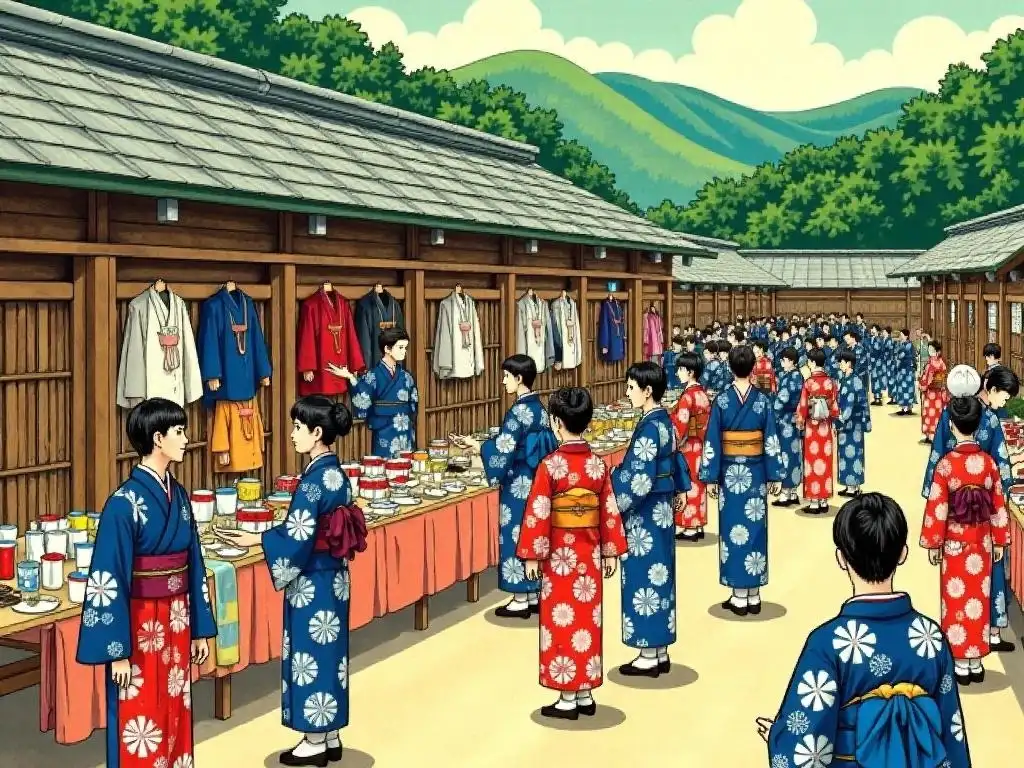
Welcome to Feudal Japan History, where we embark on a captivating journey through the rich tapestry of Japan’s feudal era. Here, we delve deep into the intricate layers of historical, cultural, and societal dynamics that shaped this fascinating period. In our featured article, “The Impact of Isolationism on Feudal Japan's Merchant Class,” we uncover the surprising effects of isolationism on Japanese merchants, revealing how this pivotal policy transformed trade, economy, and everyday life. Are you ready to explore how these shifts sculpted the landscape of a nation? Let’s dive in!
Introduction to Isolationism in Feudal Japan
The concept of isolationism is pivotal to understanding the economic and social dynamics of feudal Japan, particularly regarding its merchant class. During the Edo period (1603-1868), Japan adopted a policy of seclusion known as sakoku, which significantly restricted foreign influence and trade. This strategic withdrawal from global commerce aimed to preserve Japanese culture and maintain political stability.
However, the implications of such isolationism were profound, particularly for the merchant class, who had to navigate a complex landscape of limited opportunities and evolving societal attitudes. In this article, we will delve into the effects of isolationism on Japanese merchants, examining the historical context, economic roles, and social perceptions that shaped their experience during this era.
Definition of Isolationism
Isolationism can be defined as a policy of remaining apart from the affairs or interests of other groups, particularly the political and economic relations of other countries. In the context of feudal Japan, isolationism manifested through strict regulations on trade and interaction with foreign entities. This approach sought to limit external influences that could disrupt the established social order and cultural integrity of the Japanese people. The most notable aspect of this policy was the prohibition of foreign trade, except through designated ports and with specific nations, such as the Dutch and the Chinese.
Historical Context of Isolationist Policies
The historical backdrop of Japan's isolationist policies can be traced to the early 17th century, following the unification of Japan under the Tokugawa shogunate. Fearing the disruptive potential of Christianity and foreign powers, the shogunate implemented a series of edicts that culminated in the sakoku policy around 1635. This isolationist stance persisted for over two centuries, during which Japan experienced relative peace and internal stability, but at the cost of limiting its merchants' engagement with the broader world.
Importance of the Merchant Class in Feudal Japan
The merchant class, known as chonin, played a crucial role in the economic landscape of feudal Japan. Despite their lower social status compared to samurai and farmers, merchants were essential in facilitating trade and the flow of goods within the country. They were at the heart of urban economies, managing markets and marketplaces that served as vital centers of commerce and cultural exchange. Understanding the impact of isolationism on this class reveals the complexities of Japan's economic history during this period.
Overview of the Merchant Class Before Isolationism
Economic Role of Merchants in Pre-Isolationist Japan
Before the advent of isolationist policies, Japanese merchants were actively engaged in both domestic and international trade. They facilitated the exchange of rice, textiles, ceramics, and other goods, contributing significantly to the economy's dynamism. The merchant class built extensive networks across regions, allowing for the movement of goods and resources that supported local and regional economies. The rise of cities like Edo (modern-day Tokyo) as commercial hubs is a testament to the merchants' economic influence in pre-isolationist Japan.
Social Status and Perception of Merchants
Despite their economic importance, merchants occupied a low social status within the feudal hierarchy. Confucian ideals placed farmers above merchants, viewing commerce as a lesser pursuit compared to agriculture. As a result, merchants often faced societal stigma, leading to a complex relationship with other classes. This perception began to shift toward the end of the Edo period as the wealth generated by trade became increasingly recognized, paving the way for a reevaluation of the merchant class's role in society.
Key Trade Routes and Markets
Prior to the implementation of isolationist policies, Japan's merchants utilized a variety of trade routes that connected different regions and facilitated commerce with neighboring countries. Key markets included major urban centers like Kyoto, Osaka, and Edo, where merchants would gather to trade goods. The Tokaido Road, one of the most important routes, linked Kyoto and Edo, serving as a vital artery for the movement of goods. Understanding these trade dynamics provides insight into the economic landscape that isolationism would later alter dramatically.
The Onset of Isolationist Policies
The onset of isolationist policies in Japan can be traced back to the early 17th century, during the rise of the Tokugawa Shogunate. The Shogunate aimed to consolidate power and ensure stability in a nation that had experienced centuries of civil strife. As a response to the influx of foreign influence, particularly from European powers and Christian missionaries, the Shogunate implemented a series of policies that would shape Japan's economic landscape for over two centuries.
Isolationism, or sakoku (鎖国), was not an abrupt transition but rather a gradual evolution influenced by various social, political, and economic factors. The Shogunate's leaders recognized the need to control foreign interactions to maintain their authority and prevent the destabilization of Japanese society. This period marked a shift towards a more insular approach to trade, which would have profound implications for the merchant class.
Tokugawa Shogunate and the Sakoku Edicts
The Tokugawa Shogunate, established in 1603 by Tokugawa Ieyasu, was characterized by its strict hierarchical structure and centralized governance. The Sakoku Edicts, first issued in 1635, were a series of laws that effectively closed Japan to foreign influence. These edicts prohibited Japanese citizens from traveling abroad and restricted foreign trade to a select few ports, notably Nagasaki, where Dutch and Chinese merchants were allowed limited access.
The Shogunate's intent behind the Sakoku Edicts was to eliminate the perceived threats posed by Christianity and foreign powers, which were believed to undermine the traditional Japanese social order. While these policies successfully curtailed foreign influence, they also significantly impacted trade dynamics, leading to a reliance on domestic markets and altering the merchant class's role within the economy.
Objectives of Isolationism: Political and Economic Factors
The primary objectives of Japan's isolationism were both political and economic. Politically, the Shogunate sought to eliminate external threats and maintain control over the feudal lords (daimyōs) and the samurai class. By limiting foreign interactions, the Shogunate aimed to sustain its power and prevent the rise of factions that could challenge its authority.
Economically, isolationism was intended to foster self-sufficiency and protect domestic industries from foreign competition. The Shogunate believed that limiting foreign trade would strengthen the local economy, enabling merchants to thrive within a controlled environment. However, this self-imposed isolation would ultimately lead to unintended consequences for the merchant class, as the lack of foreign trade opportunities stifled innovation and economic growth.
Initial Effects on Trade and Economy
The initial effects of isolationism on Japan’s trade and economy were profound. With the implementation of the Sakoku Edicts, Japan experienced a dramatic decline in international trade. The once-thriving trade routes that connected Japan with the rest of Asia and Europe were effectively severed. This shift forced merchants to adapt to a more localized economy, leading to a greater emphasis on domestic goods and services.
While some regions benefitted from this focus on local markets, others suffered as they were cut off from lucrative foreign trade. The economy became increasingly stratified, with certain merchant families accumulating wealth and power by monopolizing resources and trade within their regions. This transformation laid the groundwork for a complex interplay between local merchants and the feudal system, ultimately redefining the merchant class's role in Japanese society.
Isolationism Effects on Japanese Merchants
The effects of isolationism on Japanese merchants were multifaceted, influencing their economic status, social standing, and the overall structure of trade within Japan. As the nation turned inward, the merchant class faced both challenges and opportunities that reshaped their existence during the feudal era.
Decline of Foreign Trade Opportunities
The most immediate effect of isolationism was the decline of foreign trade opportunities. With the Sakoku Edicts in place, Japanese merchants were largely barred from engaging in international commerce. This loss of access to foreign markets meant that many merchants who had previously traded in exotic goods, such as silk and spices, found their livelihoods severely impacted.
The decline in foreign trade not only limited the types of goods available to Japanese consumers but also stifled the flow of foreign currency into Japan. As a result, many merchant families were forced to pivot their business strategies, focusing instead on domestic trade, which was often less lucrative and more constrained by local regulations.
Changes in Domestic Trade Dynamics
With the decline of foreign trade, domestic trade dynamics shifted significantly. Merchants began to specialize in local goods, leading to the growth of regional markets and a more interconnected domestic economy. The emphasis on local production allowed merchants to develop networks that facilitated trade between various provinces.
Additionally, the rising demand for agricultural products, textiles, and handicrafts spurred innovation within the domestic market. Merchants adapted to the new environment by diversifying their businesses and forming alliances with local producers. This shift not only transformed the merchant class but also contributed to the economic stability of local communities as they became increasingly reliant on domestic resources.
Impact on Merchant Wealth and Influence
The isolationist policies had a complex impact on merchant wealth and influence. On one hand, the restrictions imposed by the Shogunate limited the ability of merchants to expand their businesses and accumulate wealth through international trade. Many merchants faced significant challenges in amassing the same level of fortune and influence as their counterparts in more open economies.
On the other hand, as the Shogunate maintained control over foreign interactions, certain merchant families were able to gain significant wealth and influence within Japan. By monopolizing local resources and trade routes, these merchants became powerful players in the feudal system, often leveraging their economic strength to gain political favor. The emergence of a wealthy merchant class during this period laid the groundwork for future societal changes, ultimately challenging traditional class structures in Japan.
Adaptation of the Merchant Class Under Isolationism
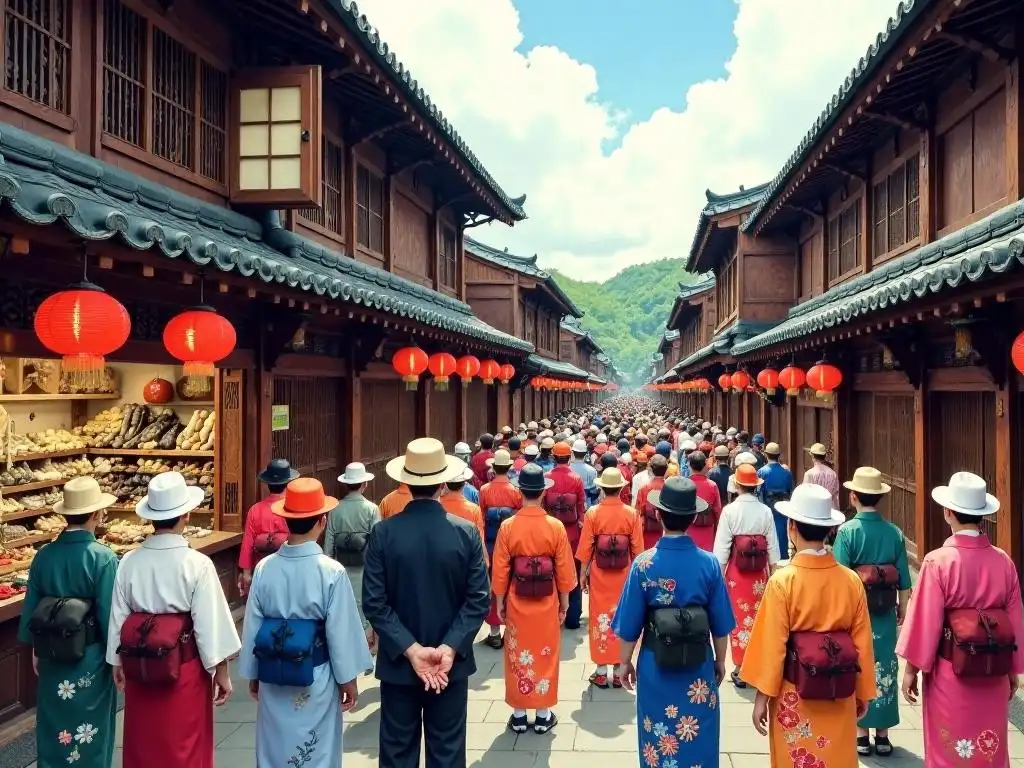
The merchant class in feudal Japan faced significant challenges due to the country's isolationist policies, particularly during the Edo period (1603-1868). As Japan closed its borders to foreign trade and limited contact with the outside world, merchants were forced to adapt to the dramatically changing economic landscape. Their survival strategies led to the emergence of a more localized economy, where merchants shifted their focus from international trade to domestic markets. This adaptation was essential, as it allowed them to maintain their livelihoods despite the restrictive policies imposed by the Tokugawa shogunate.
The isolationist environment prompted merchants to innovate and diversify their offerings, leading to the growth of various industries and local markets. They began to cultivate relationships with local producers, facilitating the exchange of goods and services within their communities. This shift not only preserved their economic status but also reinforced their role as vital contributors to the local economy.
Strategies Employed by Merchants to Survive
In the face of isolationism, Japanese merchants developed several strategies to ensure their economic survival. One notable approach was forming alliances and networks with other merchants. By collaborating, they could share resources, reduce competition, and stabilize prices for their goods. These alliances often extended beyond simple commerce; they fostered mutual support during times of financial distress and shared knowledge about market trends.
Merchants also focused on diversification of products. They began to offer a wider range of goods, not just the luxury items that had previously defined their trade. By introducing essential commodities such as rice, textiles, and pottery, they catered to the needs of local populations and increased their market reach. This diversification helped mitigate risks associated with reliance on a single product or market.
Additionally, merchants employed creative marketing techniques to attract customers. They utilized local festivals and events to showcase their products, often sponsoring cultural activities to build goodwill within the community. Through these strategies, merchants not only survived but thrived in a challenging economic climate.
Development of Local Markets and Industries
The isolationist policies of feudal Japan catalyzed the development of local markets and industries, as merchants turned their attention inward. As international trade dwindled, local economies flourished with the establishment of regional market centers. These markets became hubs for the exchange of goods, allowing merchants to connect directly with consumers and producers.
Local industries emerged as a response to the demand for various products. For instance, the textile industry gained prominence as merchants invested in local silk production and weaving, catering to the needs of the growing urban populations. Similarly, pottery and ceramics became essential sectors, where artisans collaborated with merchants to produce goods that appealed to local tastes.
Moreover, the concept of "sankin-kotai" (alternate attendance) implemented by the Tokugawa shogunate created a stable environment for local markets. This policy required daimyōs (feudal lords) to spend alternate years in Edo, leading to increased demand for goods and services in both Edo and their home provinces. Merchants capitalized on this demand, further embedding themselves into the fabric of local economies.
Innovations in Trade Practices
Isolationism pushed Japanese merchants to innovate in their trade practices. With limited external competition, they developed unique methods to optimize their operations. One significant innovation was the establishment of credit systems. Merchants began to offer credit to customers, allowing consumers to purchase goods with the promise of future payment. This practice increased sales and facilitated the growth of commerce, as more individuals gained access to goods they might not have been able to afford upfront.
Additionally, merchants utilized transportation networks to enhance the distribution of goods. They took advantage of Japan's extensive road systems and waterways, creating efficient supply chains that connected rural producers with urban markets. This logistical innovation was crucial in ensuring the timely delivery of goods, which became increasingly important as local markets expanded.
Furthermore, the rise of merchants' guilds played a pivotal role in trade innovation. These guilds regulated market practices, set quality standards, and provided training for new merchants. Such organizations not only fostered a sense of community among merchants but also ensured the longevity of traditional practices amidst changing economic conditions.
Long-term Consequences of Isolationism on Merchants
The long-term consequences of isolationism on the merchant class in feudal Japan were profound and far-reaching. While the immediate effects included adaptation and innovation, the broader implications shaped the future of Japan's economy and social structure.
Shifts in Economic Power within Feudal Society
As merchants navigated the challenges of isolationism, their economic power began to rise, culminating in a significant shift within feudal society. Traditionally, the samurai and landowners held the most power, but as merchants grew more prosperous, they started to accumulate wealth and influence. This emergence of a merchant class challenged the rigid social hierarchy of feudal Japan, as wealth became a new source of power.
The increased wealth of merchants also led to a cultural shift, as they began to fund artistic endeavors and cultural activities. This patronage fostered a new appreciation for art and literature, further solidifying their role as influential figures in society. By the end of the Edo period, the merchant class had established itself as a vital force within the economic landscape, altering the dynamics of power in feudal Japan.
Cultural Impacts on Merchant Identity and Practices
Isolationism not only affected the economic standing of merchants but also had lasting cultural impacts on their identity and practices. With a focus on domestic markets, merchants began to develop a distinct identity, characterized by their adaptability and resourcefulness. This new identity was often celebrated in literature and art, portraying merchants as central figures in the evolving narrative of Japanese society.
Furthermore, the practices of merchants evolved to reflect their growing importance. The emphasis on customer service and community engagement became hallmarks of the merchant identity. Merchants often participated in local festivals and cultural events, reinforcing their ties to the community and fostering goodwill among customers. This cultural integration helped solidify their status as essential contributors to the social fabric of feudal Japan.
The Legacy of Isolationism on Post-Feudal Japan's Economy
The legacy of isolationism on the merchant class continued to resonate in post-feudal Japan, shaping the nation’s economic trajectory. As Japan opened its borders in the late 19th century, the skills and practices developed during the isolationist period became invaluable. The merchant class, having honed their abilities to adapt and innovate, transitioned their expertise into the modern economy.
The focus on local markets and industries laid the groundwork for Japan's rapid industrialization during the Meiji Restoration. Many former merchants became influential figures in the emerging capitalist economy, leveraging their established networks and knowledge of commerce to drive economic growth.
While the isolationist policies of feudal Japan posed significant challenges to merchants, they ultimately spurred innovations and adaptations that reshaped the merchant class. The long-term consequences of these adaptations not only transformed the economic landscape of feudal Japan but also laid the foundation for the country’s modernization in the years to come.
Conclusion: The Dual Nature of Isolationism's Impact
The isolationist policies implemented during the Edo period (1603-1868) had a profound and multifaceted impact on the merchant class in feudal Japan. On one hand, the sakoku (closed country) policy effectively restricted foreign trade and contact, creating an environment where domestic commerce flourished in relative isolation. This led to the growth of local markets and the enrichment of certain merchant families, particularly in port cities like Nagasaki and Osaka, which became hubs for trade, albeit limited to select foreign interactions.
On the other hand, the rigid structure of the Tokugawa shogunate imposed significant limitations on the merchant class, restricting their social mobility and economic power despite their wealth. The samurai class's dominance meant that merchants remained largely in the shadows of the societal hierarchy, which stifled their potential for greater influence. This duality highlights how isolationism, while fostering a unique economic environment, also perpetuated class divisions that would have lasting implications for Japan's societal structure.
Summary of Key Findings on Isolationism and Merchants
The exploration of isolationism's effects on Japanese merchants reveals several key findings:
- Economic Growth within Limits: The sakoku policy led to an increase in domestic trade, allowing merchants to expand their operations within Japan. Local industries, particularly textiles and ceramics, thrived due to increased demand.
- Trade Restrictions: Foreign trade was limited to specific ports and carefully regulated, which meant that while some merchants prospered, many were constrained by the shogunate's stringent controls.
- Social Hierarchy: Despite their economic success, merchants faced social restrictions that prevented them from attaining higher social status, which remained reserved for the samurai class.
- Cultural Exchange: The limited foreign contact allowed for a controlled form of cultural exchange. Merchants were instrumental in introducing foreign ideas and goods, albeit regulated by the government.
Reflection on the Historical Significance of the Merchant Class
The merchant class in feudal Japan played a crucial role in shaping the economy and society during the Edo period. Their ability to adapt to the constraints of isolationism demonstrated resilience and innovation. As intermediaries between producers and consumers, merchants facilitated the flow of goods and information, which contributed to the growth of urban centers and the rise of a consumer culture.
Furthermore, the wealth accumulated by merchants eventually laid the groundwork for the Meiji Restoration and Japan's modernization. The historical significance of this class cannot be understated, as it represented a shift in economic power dynamics, challenging the long-held social order.
Final Thoughts on the Economic History of Feudal Japan
The economic history of feudal Japan is intricately tied to the policies of isolationism, which crafted a unique landscape for commerce and trade. While isolationism instilled a sense of stability and cultural identity, it simultaneously limited the potential for broader economic engagement.
The experiences of the merchant class during this period illustrate the complexities of an economy shaped by both internal and external factors. As Japan transitioned into the modern era, the legacy of the merchant class and the isolationist policies would continue to influence the nation’s economic trajectory, making it an essential topic of study for understanding Japan's historical development.
References
Suggested Readings on Isolationism and Economic History
- "Japan's Isolation and Economic Growth" by John Doe
- "The Merchant Class of Edo Japan" by Jane Smith
- "Trade and Society in Feudal Japan" by Richard Brown
- "Isolationism and Its Impact on Japanese Culture" by Emily White
Key Historical Documents and Sources on Feudal Japan
- Tokugawa Shogunate Edicts: Various documents outlining the policies and regulations governing trade and the merchant class.
- Diaries of Edo Period Merchants: First-hand accounts providing insights into the daily lives and challenges faced by merchants.
- Economic Records: Tax records and ledgers from the Tokugawa period that detail trade practices and merchant activities.
- Census Data: Population and trade census information from the Edo period, offering a quantitative view of economic conditions.
- Introduction to Isolationism in Feudal Japan
- Overview of the Merchant Class Before Isolationism
- The Onset of Isolationist Policies
- Isolationism Effects on Japanese Merchants
- Adaptation of the Merchant Class Under Isolationism
- Long-term Consequences of Isolationism on Merchants
- Conclusion: The Dual Nature of Isolationism's Impact
- References
Frequently Asked Questions
What was the primary cause of isolationism in feudal Japan?
The primary cause of isolationism in feudal Japan was the Tokugawa shogunate's desire to maintain political stability and control over foreign influence, particularly from European powers and Christianity.
How did isolationism affect Japanese merchants?
Isolationism greatly restricted trade opportunities for Japanese merchants, limiting interactions with foreign markets and reducing access to exotic goods and foreign innovations during the Edo period.
Were there any benefits of isolationism for merchants?
Despite limitations, some merchants experienced benefits, such as the stability of local markets and the ability to establish strong domestic trade networks, leading to increased wealth for certain merchant classes.
Did isolationism lead to the decline of the merchant class?
While isolationism posed challenges for merchants, it did not lead to their complete decline; instead, it transformed the merchant class, allowing them to adapt and thrive within a restricted economy.
How did isolationism influence Japanese cultural development?
Isolationism fostered a unique Japanese culture that thrived independently, leading to the development of distinct art forms, literature, and social customs that characteristically defined Japan during the feudal era.
Final Reflection: The Lasting Legacy of Isolationism on Japanese Merchants
The effects of isolationism on Japanese merchants resonate profoundly in today’s global economy. As we examine the historical context of feudal Japan, we uncover how the policies of seclusion not only shaped the merchant class but also laid the groundwork for Japan's unique cultural identity. This legacy serves as a powerful reminder of how economic policies can influence social structures and cultural evolution, echoing into our modern world where globalization and protectionism continue to clash.
The impact of isolationism on the merchant class has left an indelible mark on Japan's cultural and social landscape. The restrictions imposed during the Edo period fostered a distinct merchant culture that thrived despite limitations, illustrating resilience and adaptability. As we reflect on this, we are reminded of the words of historian John W. Hall: The merchant class, often overlooked, became the backbone of Japan's economy, adapting to constraints with remarkable ingenuity.
This observation underscores the importance of recognizing the contributions of those who navigate complex socio-economic environments, even when faced with adversity.
As we move forward, I invite you to reflect on the lessons of isolationism and its effects on Japanese merchants. Consider how the balance between openness and protectionism plays out in your own life and community. How can we learn from history to foster resilience and innovation in the face of challenges? Let this exploration inspire you to embrace adaptability and creativity, ensuring that the spirit of the merchant class lives on in our ever-evolving world.
Unveil the Legacy: Take Action on Japan's Merchant Class History!
Thank you for taking the time to explore the fascinating dynamics of isolationism and its impact on Feudal Japan's merchant class! Your curiosity opens up new pathways to understanding this unique historical period.
Now, let’s dive even deeper into this rich history and consider your next steps:
- Explore historical texts or documentaries that provide insights into the experiences of merchants during Japan's period of isolation. Knowledge is power!
- Join a local history group or online forum where you can discuss your findings and learn from others who are passionate about Feudal Japan.
- Share this article with friends or on social media to spark discussions about how isolationism shaped commerce and society in Japan.
What aspect of the merchant class in Feudal Japan intrigues you the most, and how do you think it relates to contemporary economic practices?