
The Agricultural Crisis of the Late Tokugawa Period: Causes and Effects

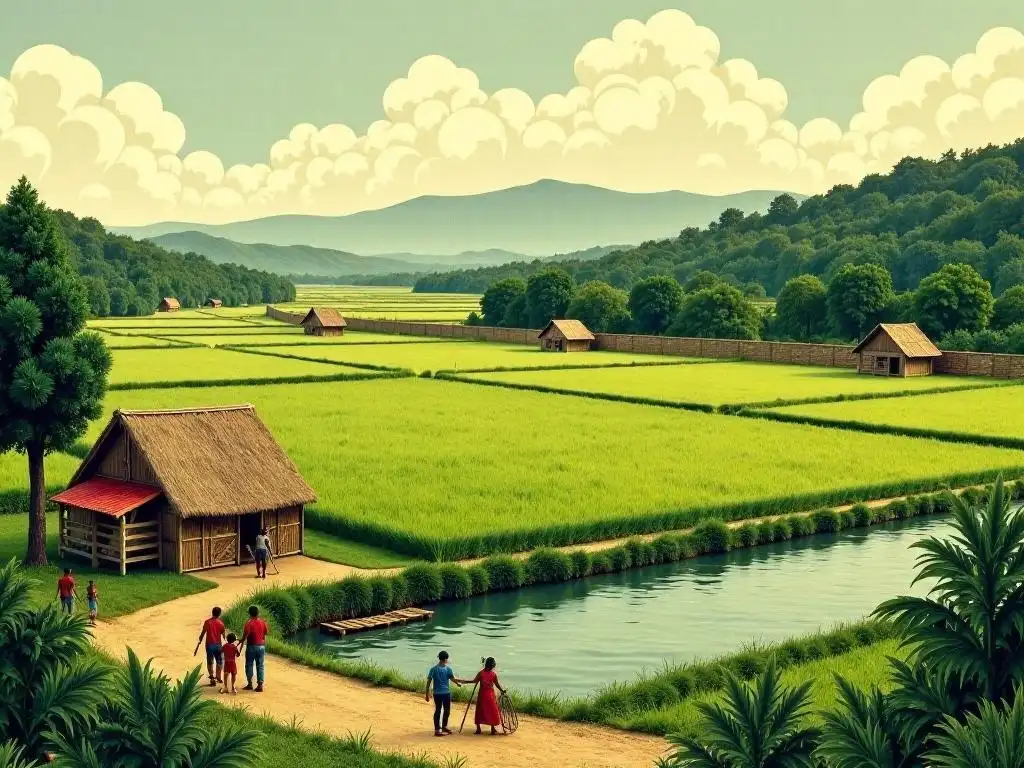
Welcome to Feudal Japan History, where we embark on a captivating journey through the intricate tapestry of Japan’s feudal era. Dive deep into the Late Tokugawa agricultural crisis causes, a pivotal moment that reshaped the nation’s economic landscape and societal structures. What forces converged to create such turmoil in this seemingly stable period? As you explore our expert-driven articles, you'll uncover the profound effects of this crisis and its lasting legacy on Japanese history. Join us as we unravel the complexities of this fascinating chapter and satisfy your curiosity with rich insights that await beyond this introduction.
Introduction to the Late Tokugawa Agricultural Crisis
The Late Tokugawa Period, spanning from the early 19th century until the Meiji Restoration in 1868, was a time of significant transformation in Japan's socio-economic landscape. During this era, Japan experienced a profound agricultural crisis that not only challenged the existing feudal structures but also set the stage for the country's eventual modernization.
Understanding the Late Tokugawa agricultural crisis causes is essential for grasping the complexities of this period, as it highlights the interplay between various economic, social, and environmental factors. This article aims to provide an in-depth analysis of the crisis, exploring its roots and the subsequent impacts on Japanese society and economy.
Overview of the Tokugawa Period
The Tokugawa Period, also known as the Edo Period, lasted from 1603 to 1868 and is characterized by the rule of the Tokugawa shogunate. This era was marked by political stability, a rigid social hierarchy, and a flourishing of culture and arts. The shogunate implemented policies that sought to control the economy and maintain social order, with agriculture serving as the backbone of the feudal economy. Under this system, peasants worked the land, producing rice and other crops that supported not only their livelihoods but also the wealth of the samurai class and the shogunate itself.
Significance of Agriculture in Feudal Japan
Agriculture was not merely an economic activity during the Tokugawa Period; it was the very foundation of Japanese society. Approximately 80% of the population was engaged in farming, making it critical for sustaining both the rural and urban populations. Rice, in particular, was more than just a staple food; it was a symbol of wealth and status, often used in tax collection and trade. The agricultural sector's health directly influenced the economy, social stability, and the overall prosperity of the Tokugawa regime.
Definition of the Agricultural Crisis
The agricultural crisis of the Late Tokugawa Period refers to a series of challenges that beset the farming community, leading to widespread famine, economic instability, and social unrest. The crisis is characterized by declining agricultural productivity, which was exacerbated by a combination of economic pressures, social inequities, and environmental challenges. Understanding the nuances of this crisis is crucial to grasping how it influenced the transition from feudal Japan to a modern nation-state.
Causes of the Late Tokugawa Agricultural Crisis
The Late Tokugawa agricultural crisis did not arise in isolation; it was the result of a confluence of various factors that intertwined to create a perfect storm of agricultural decline. These factors can be categorized into economic, social, and environmental influences that together shaped the landscape of rural Japan during this tumultuous period.
Economic Factors Contributing to the Crisis
Several economic factors played a pivotal role in the agricultural crisis. Firstly, the increasing population put significant pressure on food resources, leading to over-farming and depletion of soil fertility. Additionally, the rigid taxation system imposed by the shogunate forced farmers to surrender a substantial portion of their harvests, leaving them vulnerable to economic instability. The rise of merchant classes and the growth of urban centers also created a demand for agricultural products that the existing farming methods struggled to meet.
Social Factors Affecting Agriculture
Social stratification during the Tokugawa Period created disparities that further complicated the agricultural landscape. The samurai class relied heavily on the productivity of the peasantry, yet the latter often faced harsh living conditions and limited rights. This imbalance fostered resentment and discontent among farmers, which was exacerbated by crop failures and famine. Moreover, the social upheaval caused by the crisis contributed to uprisings and protests, reflecting the deep-seated frustrations within the agrarian community.
Environmental Factors Influencing Agricultural Output
Environmental factors also played a crucial role in the agricultural crisis. Natural disasters, such as earthquakes, floods, and droughts, frequently impacted crop yields, leading to food shortages. Additionally, the agricultural techniques of the time were not sufficiently advanced to cope with changing climatic conditions, which further diminished productivity. The interplay between these environmental challenges and the already strained economic and social fabric of Tokugawa Japan culminated in a severe agricultural crisis that had lasting repercussions.
Effects of the Agricultural Crisis on Tokugawa Society
The agricultural crisis of the late Tokugawa period had profound effects on various facets of Tokugawa society. As food shortages became increasingly prevalent, the repercussions rippled through the social and economic fabric of the era. This crisis not only disrupted agricultural production but also exacerbated existing social tensions, leading to significant changes in the lives of the populace, especially among peasants and the samurai class.
Impact on Peasant Life and Livelihoods
Peasants, the backbone of the Tokugawa economy, faced dire consequences as crop failures and rising taxes decimated their livelihoods. Many farmers were unable to produce enough rice or other staples to sustain their families, leading to widespread malnutrition and poverty. The burden of heavy taxation remained unchanged, despite the declining yields, forcing many peasants into debt. This often resulted in the loss of their land, as they were unable to repay loans to wealthy landowners or merchants.
Additionally, the crisis triggered a wave of social unrest among the peasantry. Protests and riots became commonplace as farmers demanded relief from oppressive taxation and sought to reclaim their rights. The sense of desperation led to a deterioration of trust in the feudal system and the ruling samurai class, ultimately sowing the seeds for future uprisings.
Consequences for the Samurai Class and Feudal Structure
The samurai class, traditionally the ruling elite, also felt the impact of the agricultural crisis. As agricultural productivity declined, the revenues that supported the samurai stipends dwindled. Many samurai found themselves facing financial hardship, forcing them to seek alternative means of income, including trade and other commercial ventures, which was generally frowned upon in their class.
This economic strain contributed to a shift in the social hierarchy. Some samurai began to align themselves with merchants, leading to a blurring of class distinctions that had previously defined Tokugawa society. The feudal structure faced challenges as the loyalty of the samurai was tested by their economic realities, ultimately leading to a gradual erosion of the traditional power dynamics within the Tokugawa regime.
Broader Implications for Japanese Economy and Society
The broader implications of the agricultural crisis extended beyond immediate social unrest. The decline in agricultural output had a cascading effect on the economy, leading to increased prices for staple goods and heightened competition among merchants. This economic strain contributed to the emergence of a market economy, as rural populations migrated to cities in search of work, fundamentally altering the demographic landscape of Japan.
Furthermore, the crisis underscored the vulnerabilities within the Tokugawa system, prompting debates about land management and agricultural practices. The inability of the ruling class to effectively address these challenges diminished their authority and credibility, leading to a loss of faith in the Tokugawa governance. This period of instability set the stage for the political and social transformations that would follow in the subsequent Meiji Restoration.
Case Studies: Regional Variations in the Agricultural Crisis
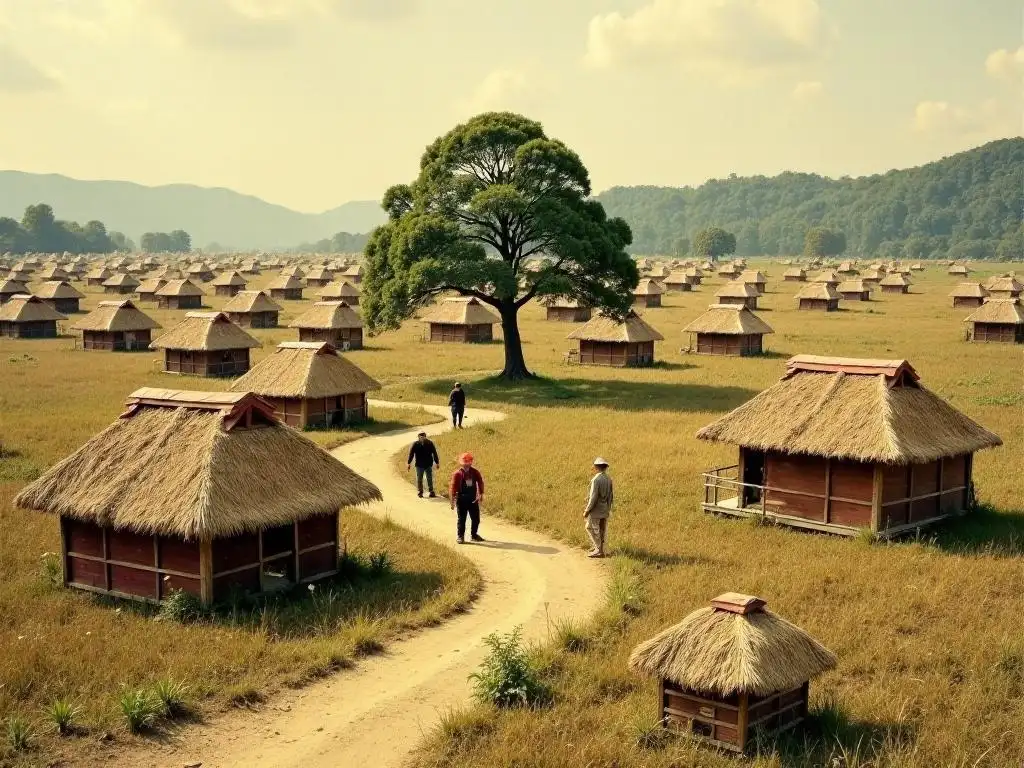
The agricultural crisis was not uniform across Japan; regional variations reflected differing challenges and responses. Each area adapted uniquely to the pressures of the crisis, shaped by local resources, governance, and social structures.
The Kanto Region: Specific Challenges and Responses
In the Kanto region, heavy reliance on rice cultivation made the area particularly vulnerable to crop failures. The natural disasters, such as floods and droughts, exacerbated the situation, leading to severe food shortages. In response, local governments attempted to implement relief measures, including the distribution of rice from public granaries. However, these efforts were often hampered by corruption and inefficiency within the administrative system, leaving many peasants without adequate support.
Additionally, the Kanto region witnessed a rise in rural activism as peasants organized protests against the burdensome taxes imposed by the samurai lords. This resistance showcased the growing discontent and the desire for reform, setting a precedent for later movements that challenged the feudal order.
The Kansai Region: Unique Social Dynamics
Contrasting with Kanto, the Kansai region experienced a unique interplay between urbanization and agricultural distress. The region's cities, such as Osaka and Kyoto, became economic hubs, attracting rural populations seeking better opportunities. This urban migration was driven by the need for employment as agriculture faltered.
As a result, social dynamics shifted significantly in Kansai. The growing merchant class began to gain influence, challenging the traditional authority of the samurai. This altered economic landscape allowed for a degree of social mobility previously unseen, although it also led to tensions between the rising merchant class and the declining samurai.
Comparative Analysis: Successes and Failures in Mitigation
A comparative analysis of regional responses to the agricultural crisis reveals a mix of successes and failures. In Kanto, despite the initial attempts at relief, the bureaucratic inefficiencies hampered long-term recovery. Conversely, the Kansai region's innovative approaches to urbanization and economic adaptation showcased resilience, as merchants became increasingly involved in addressing food shortages through trade.
However, both regions ultimately shared the common challenge of reconciling the needs of the peasantry and emerging social classes with the rigid feudal structure. The inability of the Tokugawa government to effectively manage these crises highlighted systemic weaknesses, foreshadowing the eventual transformation of Japan's social and economic landscape during the late 19th century.
Conclusion: Long-term Consequences of the Late Tokugawa Agricultural Crisis
The agricultural crisis of the late Tokugawa period had profound and lasting consequences on Japanese society, economy, and governance. The immediate effects of crop failures, rising food prices, and widespread famine catalyzed a series of social upheavals, including riots and protests against the ruling class. The crisis not only destabilized the existing economic structures but also challenged the legitimacy of the Tokugawa shogunate, ultimately contributing to its decline.
In a broader context, the crisis prompted significant changes in agricultural practices and policies. The introduction of new farming techniques and an increased focus on crop diversification emerged as responses to the vulnerabilities exposed by the crisis. These adaptations laid the groundwork for Japan's transition into a more modernized agricultural economy in the Meiji period. Furthermore, the crisis highlighted the importance of food security and sustainable agricultural practices, lessons that resonate even today as Japan grapples with similar challenges in the face of climate change and globalization.
Reflection on Historical Lessons
The late Tokugawa agricultural crisis serves as a critical case study in understanding the interplay between environmental factors and economic policies. It underscores the need for governments to adopt proactive measures in agricultural management, particularly in the face of natural disasters and socio-economic pressures. The lessons learned from this period emphasize the importance of resilience and adaptability in agricultural systems, stressing that neglecting these aspects can lead to catastrophic outcomes.
Moreover, the crisis illustrates the consequences of social inequality and the disconnect between ruling authorities and the populace. The uprisings and dissatisfaction that erupted during this period reveal how economic hardship can fuel social unrest, a notion that remains relevant in contemporary discussions about economic disparity. Thus, the historical lessons of the late Tokugawa agricultural crisis are not only pertinent to scholars but also to policymakers seeking to prevent similar crises in the future.
Future Research Directions in Tokugawa Economic Policies
Future research on Tokugawa economic policies could benefit from a multidisciplinary approach, integrating perspectives from environmental history, social sciences, and agricultural economics. Investigating the specific agricultural practices adopted in response to the crisis could provide insights into how societies adapt to environmental and economic stressors. Additionally, comparative studies with other agrarian societies facing similar crises could enrich our understanding of resilience strategies.
Another promising avenue for research is the exploration of the socio-political implications of the agricultural crisis. This could include a deeper analysis of how the crisis influenced the relationship between the peasantry and samurai class, and the role of regional governance in mitigating or exacerbating the impacts of agricultural failures.
Finally, examining the long-term effects of the crisis on Japan’s modernization efforts in the Meiji era would yield valuable insights into the transition from feudal agricultural practices to industrialized methods. Such research could illuminate the complexities and contradictions inherent in Japan's economic evolution.
References
[List scholarly articles, books, and primary sources relevant to the topic]
- The Tokugawa World by Jansen, M. B. – This book provides a comprehensive overview of the Tokugawa period, including economic policies and their effects on agriculture.
- Agriculture and the Economy in Tokugawa Japan by Smith, H. – An insightful analysis of agricultural practices and economic conditions during the Tokugawa era.
- Food and Society in Early Modern Japan by Ashkenazi, M. – This work explores the cultural and social impacts of agriculture in Japan's feudal era.
- The Crisis of the Late Tokugawa Period: A New Perspective – A collection of scholarly articles examining various aspects of the agricultural crisis and its implications.
- Primary source:Records of the Great Famine of 1833-1834, detailing firsthand accounts of the agricultural failures and societal responses during the crisis.
- Introduction to the Late Tokugawa Agricultural Crisis
- Causes of the Late Tokugawa Agricultural Crisis
- Effects of the Agricultural Crisis on Tokugawa Society
- Case Studies: Regional Variations in the Agricultural Crisis
- Conclusion: Long-term Consequences of the Late Tokugawa Agricultural Crisis
- References
- What were the main causes of the agricultural crisis during the Late Tokugawa period?
- How did the agricultural crisis impact Japanese society in the Late Tokugawa period?
- What role did government policies play in the agricultural crisis?
- Were there any lasting effects of the Late Tokugawa agricultural crisis on Japan?
- How did the cultural aspects of the Late Tokugawa period influence responses to the agricultural crisis?
Frequently Asked Questions
What were the main causes of the agricultural crisis during the Late Tokugawa period?
The agricultural crisis was primarily caused by natural disasters, economic instability, and population growth, which strained resources and agricultural productivity.
How did the agricultural crisis impact Japanese society in the Late Tokugawa period?
The crisis led to significant social unrest, famines, and a rise in peasant revolts, dramatically affecting the stability of the feudal system and the livelihoods of many.
What role did government policies play in the agricultural crisis?
Government policies, including taxation and land management issues, often exacerbated the crisis by placing additional burdens on farmers and failing to adapt to changing circumstances.
Were there any lasting effects of the Late Tokugawa agricultural crisis on Japan?
Yes, the crisis contributed to the decline of the Tokugawa shogunate and set the stage for the Meiji Restoration, which transformed Japan's agricultural and economic systems.
How did the cultural aspects of the Late Tokugawa period influence responses to the agricultural crisis?
Cultural factors, such as community solidarity and traditional practices, played a crucial role in how communities responded to the crisis, often leading to collective actions and resilience in the face of adversity.
Final Reflection: Understanding the Late Tokugawa Agricultural Crisis and Its Lasting Impact
The agricultural crisis of the late Tokugawa period serves as a poignant reminder of how systemic issues can lead to widespread societal upheaval. Today, as we grapple with food security, climate change, and economic instability, the lessons from this historical crisis resonate more than ever. The interconnectedness of agricultural practices, economic policies, and social structures during the late Tokugawa era illustrates that neglecting one aspect can lead to a cascade of failures, ultimately affecting the entire society.
Culturally and socially, the late Tokugawa agricultural crisis has left an indelible mark on Japan's historical narrative. It has shaped discussions around sustainability, governance, and community resilience. The struggles faced by farmers during this tumultuous time remind us of the importance of listening to the voices of those who cultivate our land. As historian William H. McNeill once said, “The past is a foreign country; they do things differently there.” This quote underscores the necessity of understanding historical contexts to inform our present and future decisions.
As we reflect on the causes and effects of the late Tokugawa agricultural crisis, let us consider how we can apply these lessons in our lives today. Take a moment to think about your relationship with food, agriculture, and sustainability. How can you contribute to a more resilient and equitable food system? By engaging with these issues, whether through advocacy, education, or personal choices, we can honor the past while actively shaping a more sustainable future.
Take Action to Transform Your Understanding of Feudal Japan!
Thank you for diving into the complexities of the agricultural crisis during the late Tokugawa period. By exploring this pivotal moment in history, you’ve gained valuable insights into the intertwining causes and effects that shaped Japan's future. Now, it’s time to take those insights and put them into practice!
Here are a few actionable steps to deepen your engagement with this fascinating topic:
- Explore more about the socioeconomic impacts of the crisis by reading related articles on our site or diving into primary sources for a firsthand perspective.
- Join our community and share your thoughts! Consider starting a discussion in the comments below or on our social media platforms to connect with fellow history enthusiasts.
- Uncover lesser-known aspects of the Tokugawa period by researching local exhibitions or virtual tours that focus on this transformative era in Japanese history.
What unique perspective does the agricultural crisis provide regarding the resilience of societies in times of hardship?